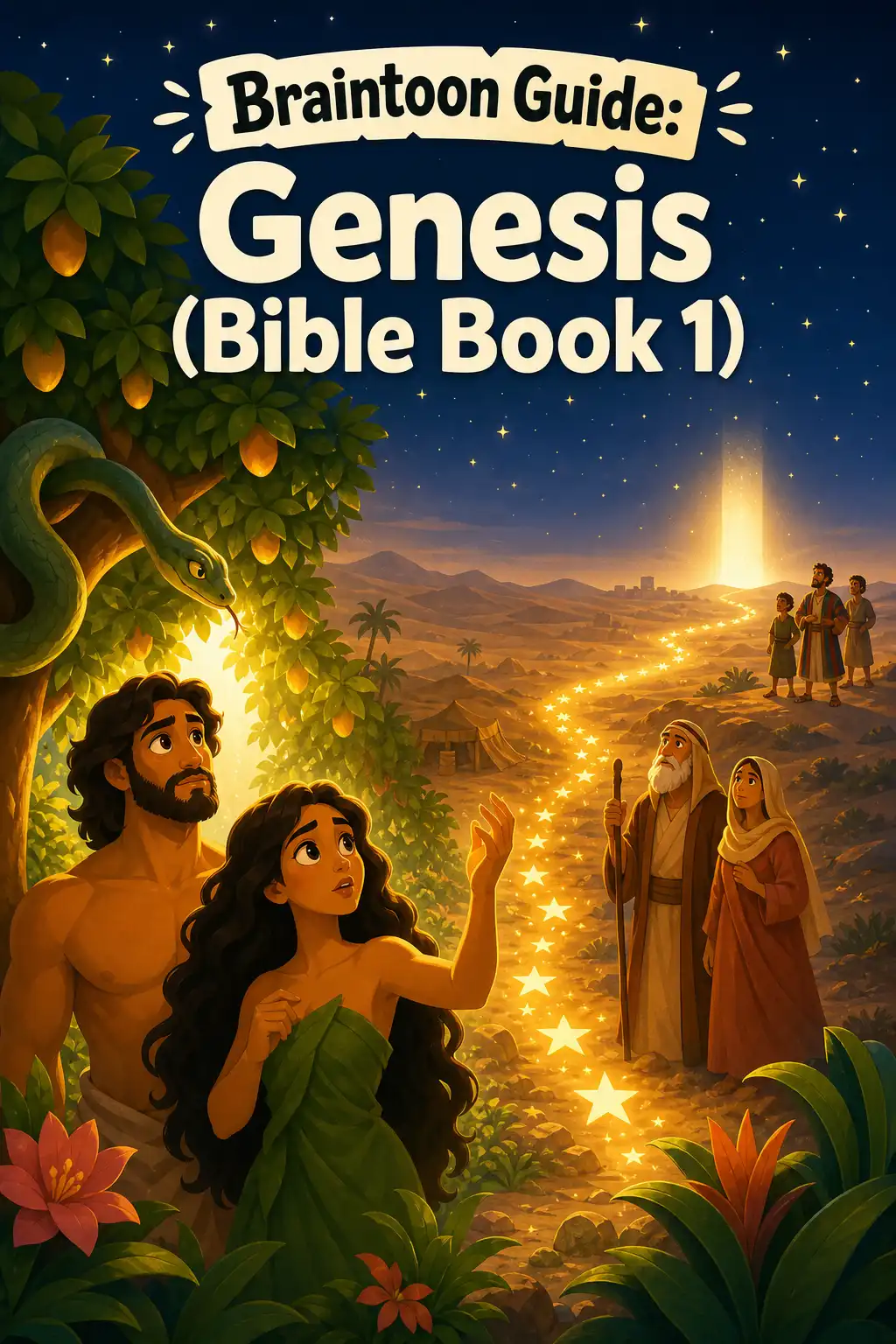
A detailed summary ofGenesis (Bible Book 1)by Moses (traditionally)
Genesis, the first book of the Bible, traditionally attributed to Moses, traces humanity from creation through one chosen family, asking a single haunting question. How does a divine promise survive human failure across four generations?
Watch the first minute


What happens when the God who called
0:00 / 1:00
60-second animated preview
Key ideas, illustrated
The Genesis Pattern: Sin Spreads, Grace Follows
From Eden to Egypt
One Promise, Four Generations
Genesis (Bible Book 1) Summary
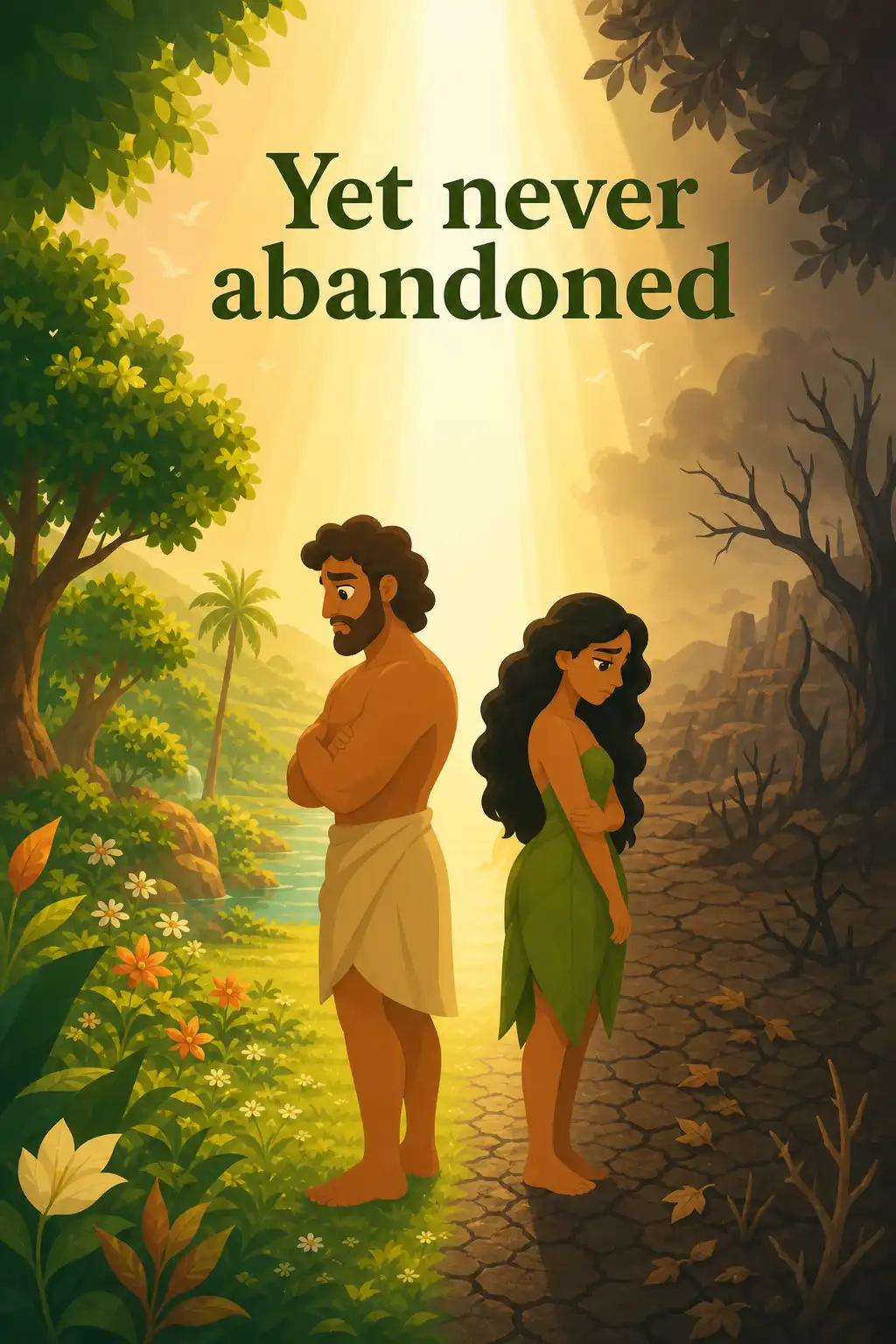
What happens when the God who called his world very good watches his people choose jealousy, deception, and betrayal again and again, and yet refuses to abandon them?
1. A World Called Very Good
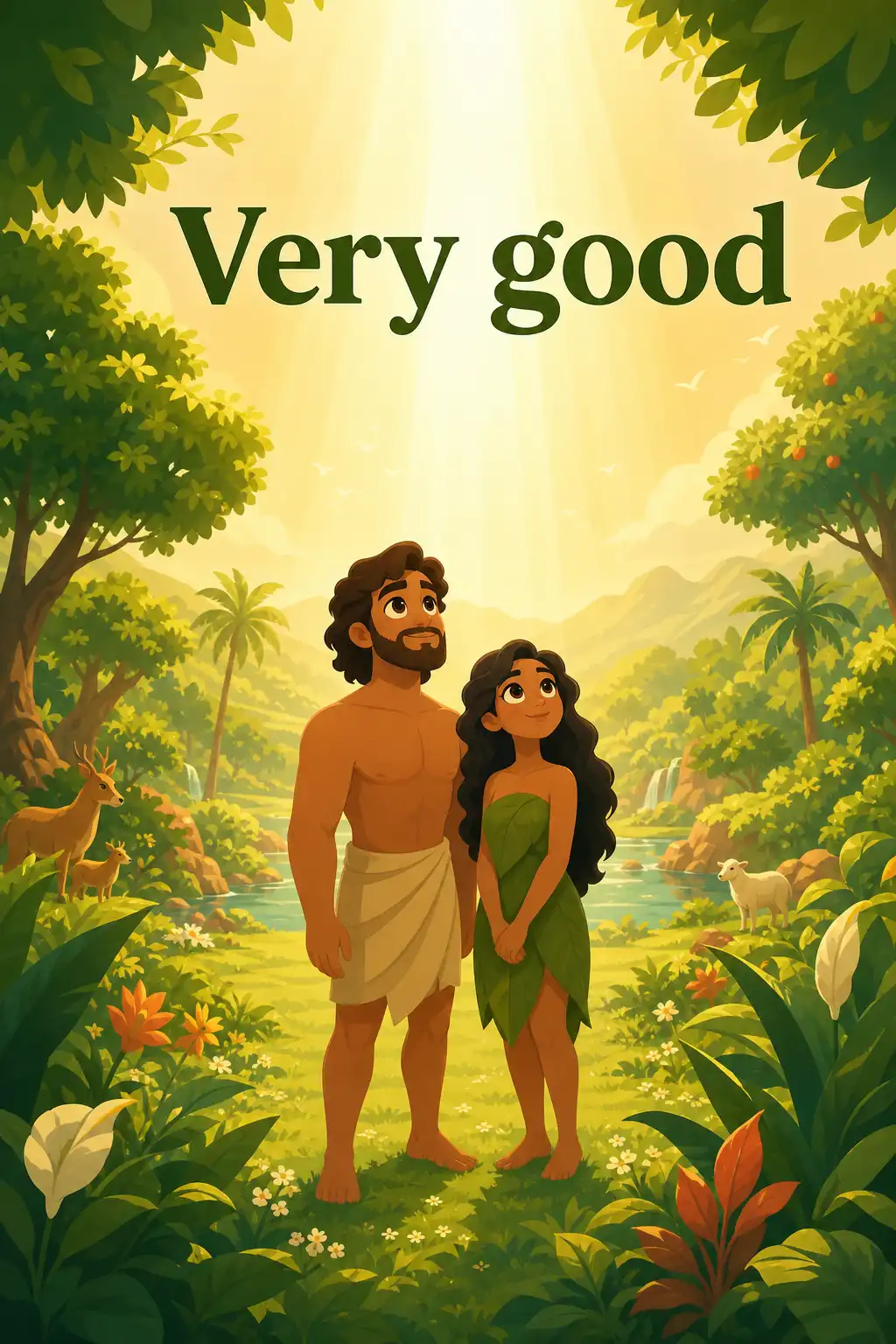
In the beginning, God speaks into darkness, and light appears. Over six days he shapes seas and land, stars, plants, and creatures, calling everything he makes very good.
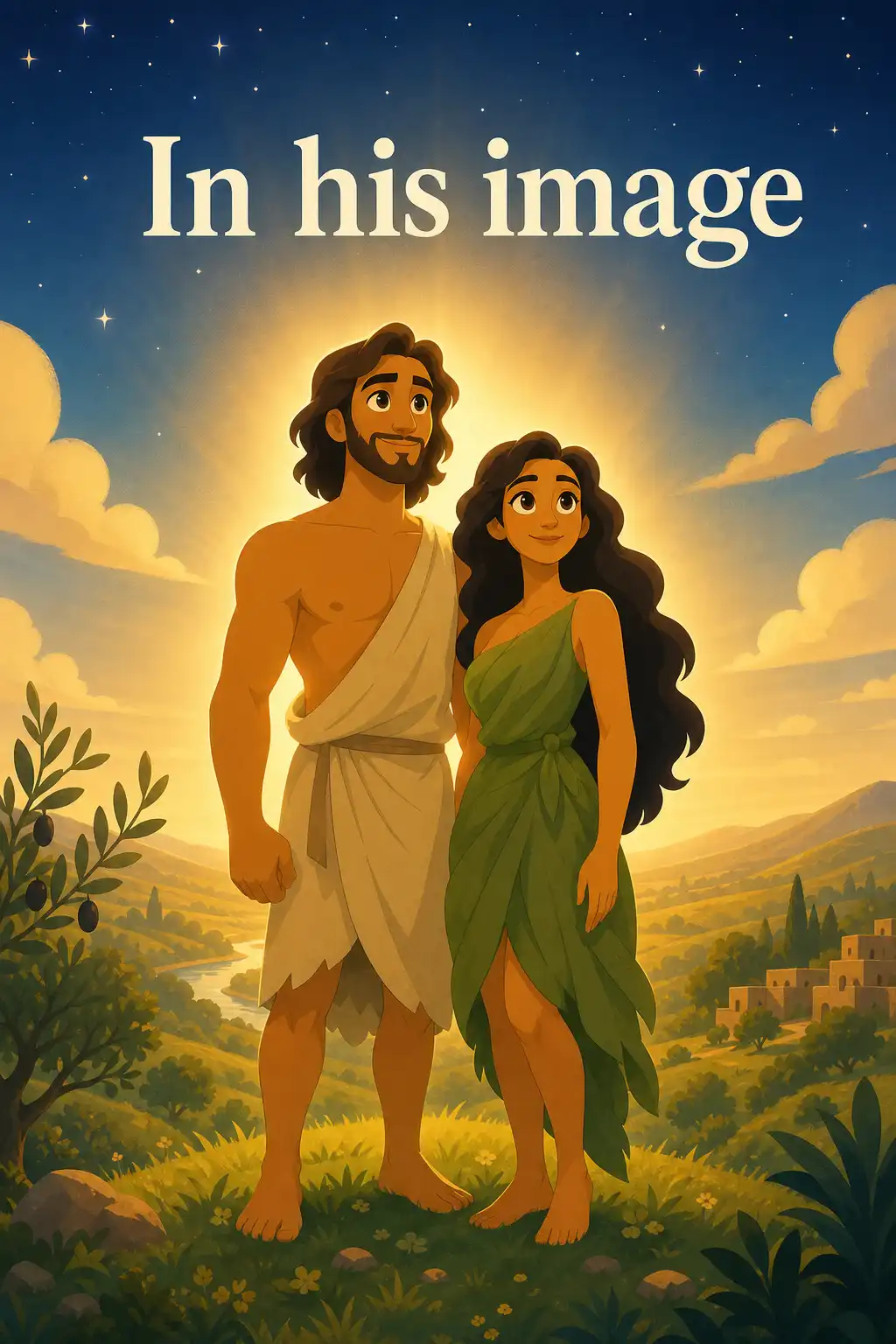
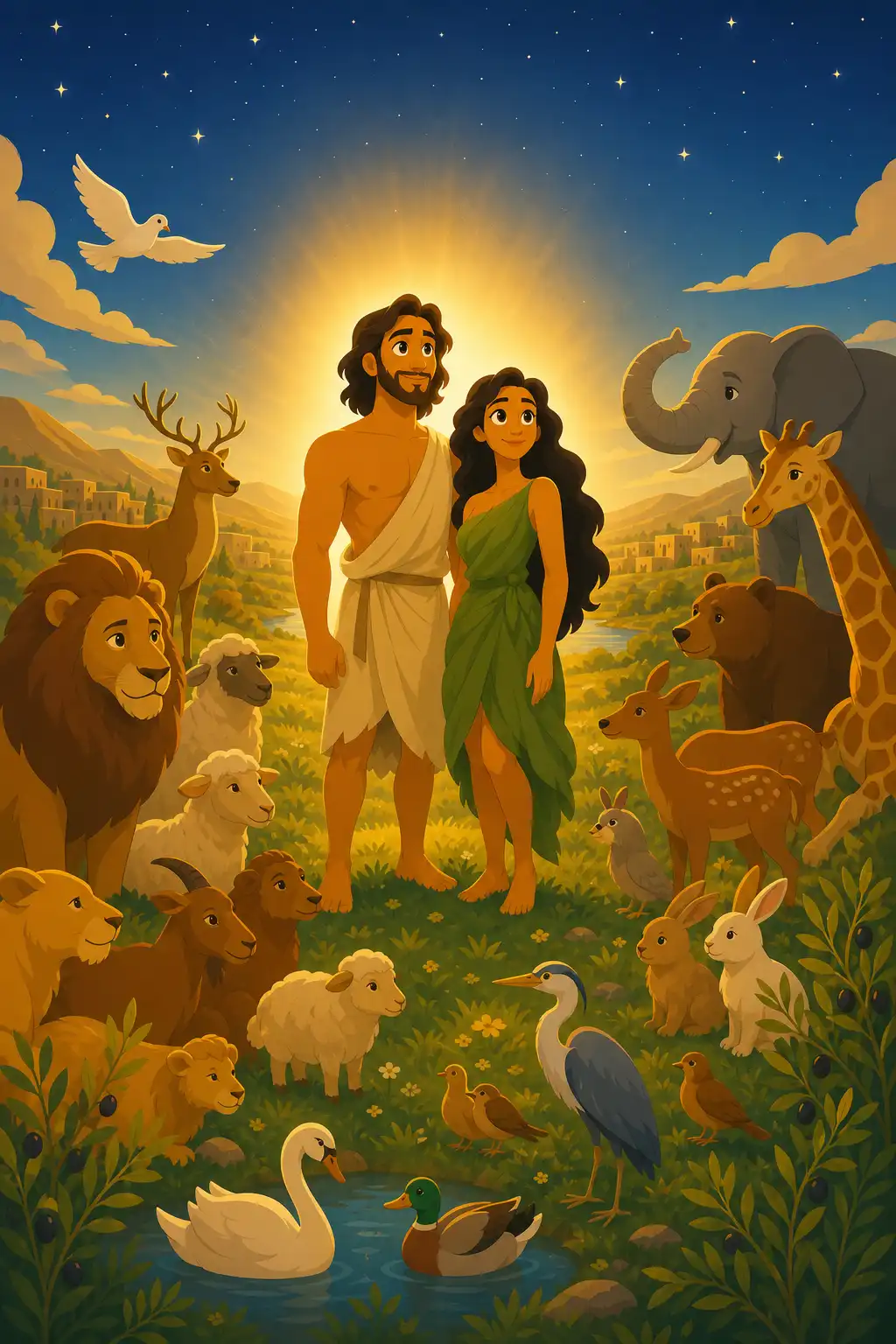
Then comes the centerpiece. God makes humanity in his own image, male and female, and gives them authority over every living thing on the earth.
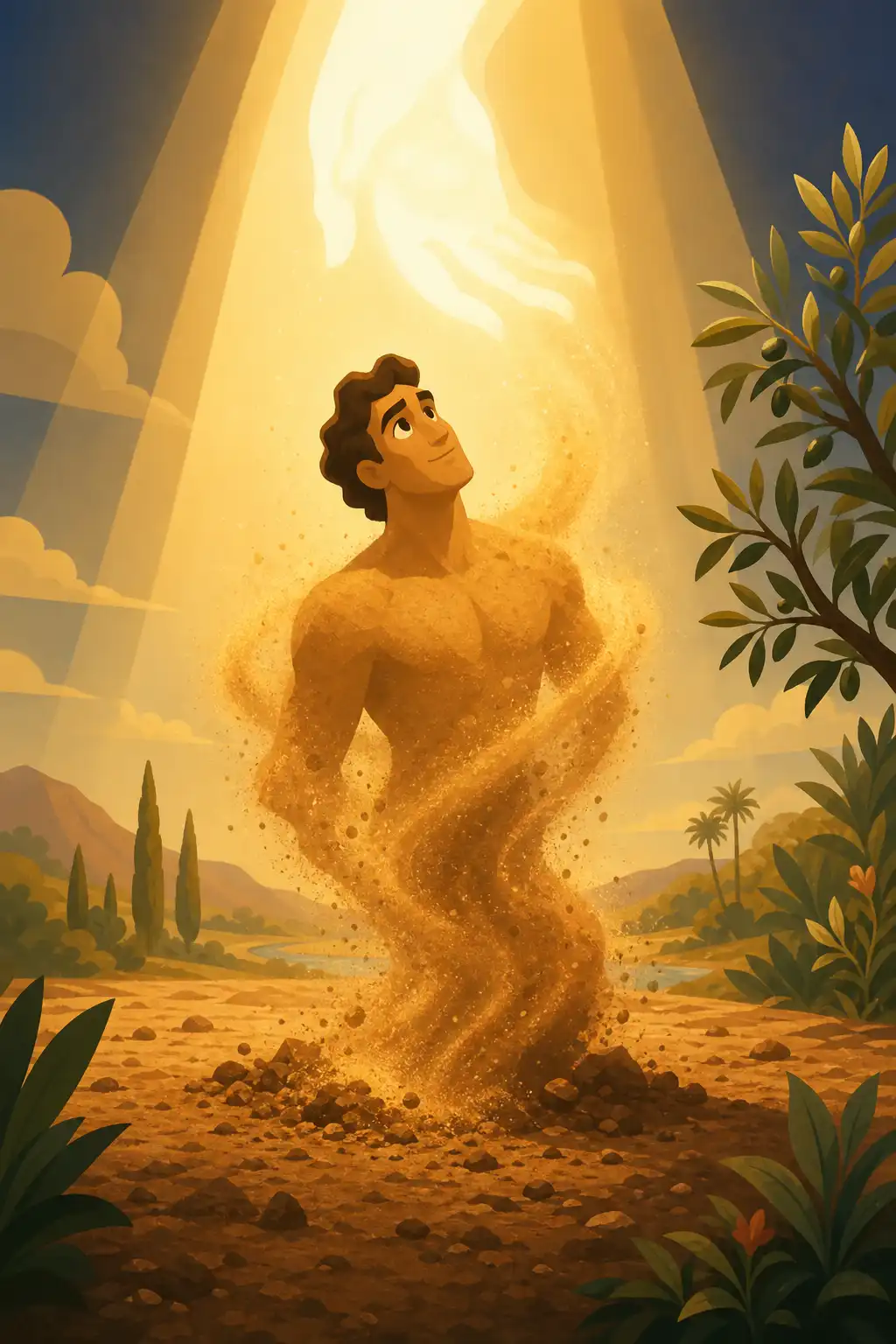
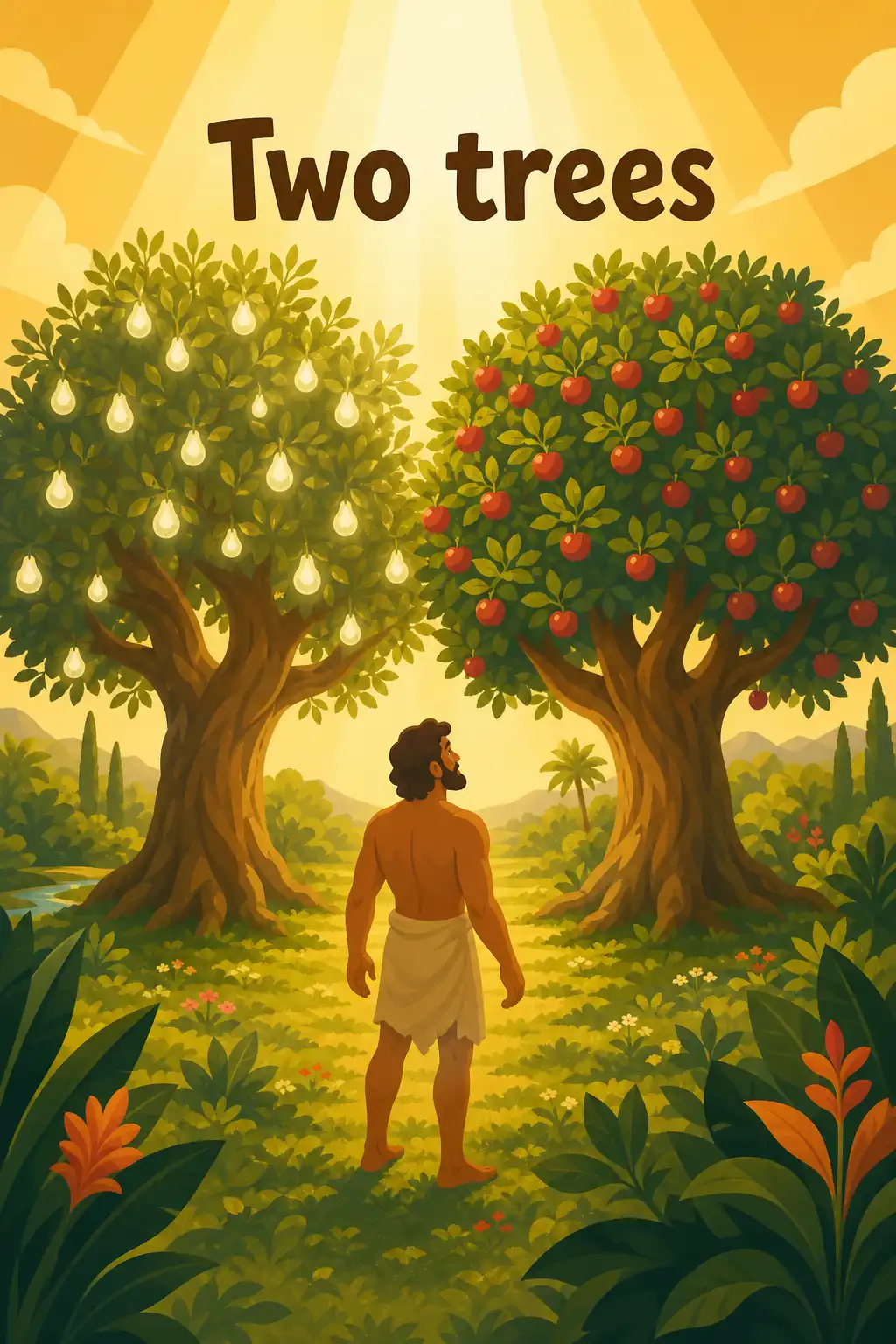
God forms a man from dust, breathes life into him, and plants a garden in Eden, with two special trees standing at its very heart.
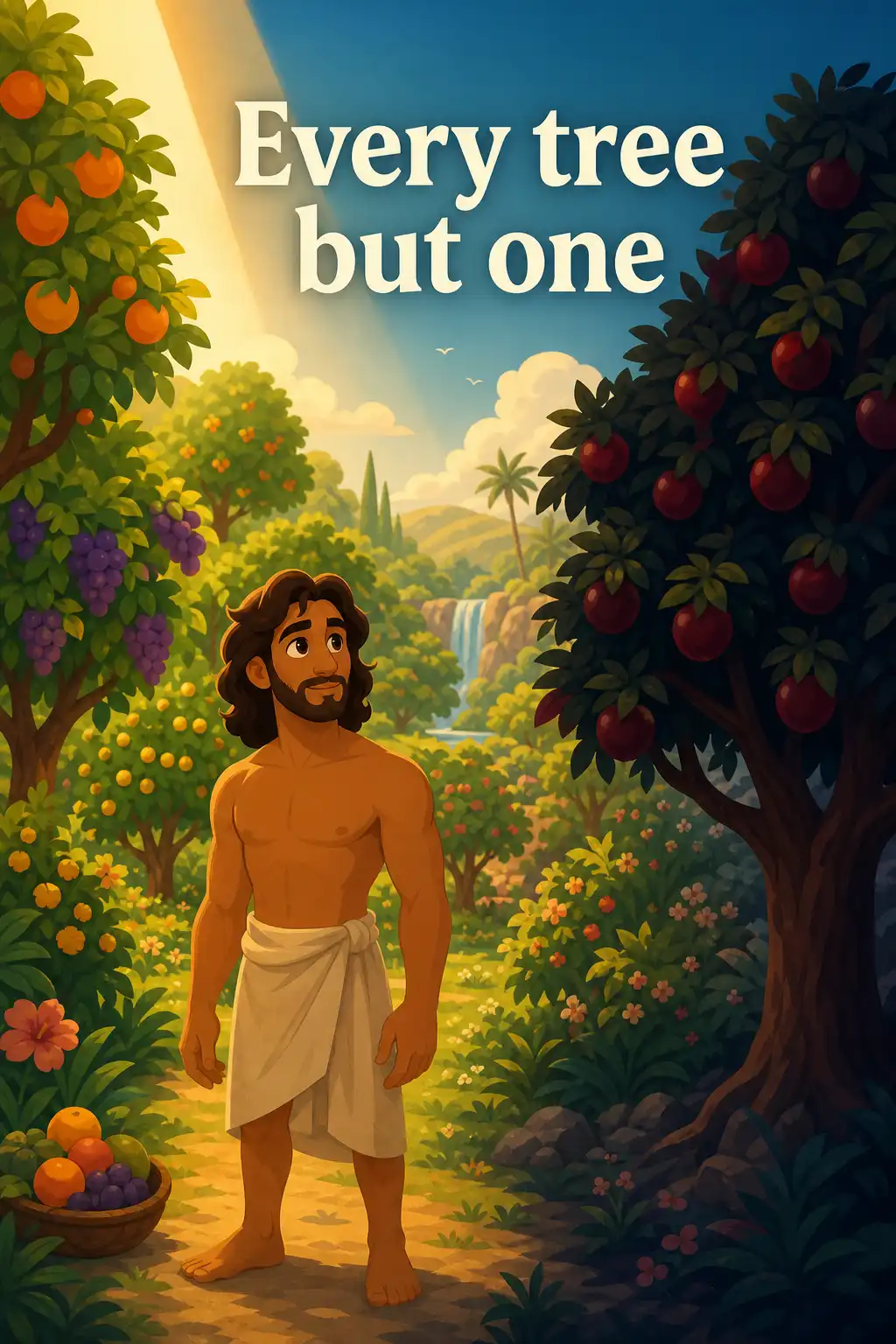
The rule is simple. Eat from any tree except the tree of the knowledge of good and evil, because eating from that one brings death.
Seeing that the man is alone, God shapes a woman from his rib. The man rejoices, recognizing her as part of himself, and they live together without shame.
Here is the story's central question. Will humanity trust their Creator's boundaries, or grasp at wisdom and power on their own terms? Everything that follows tests this.
Watch it come to life
Watch Genesis (Bible Book 1) instead
Explore this summary and the Braintoon library.
2. The Fall and the First Murder
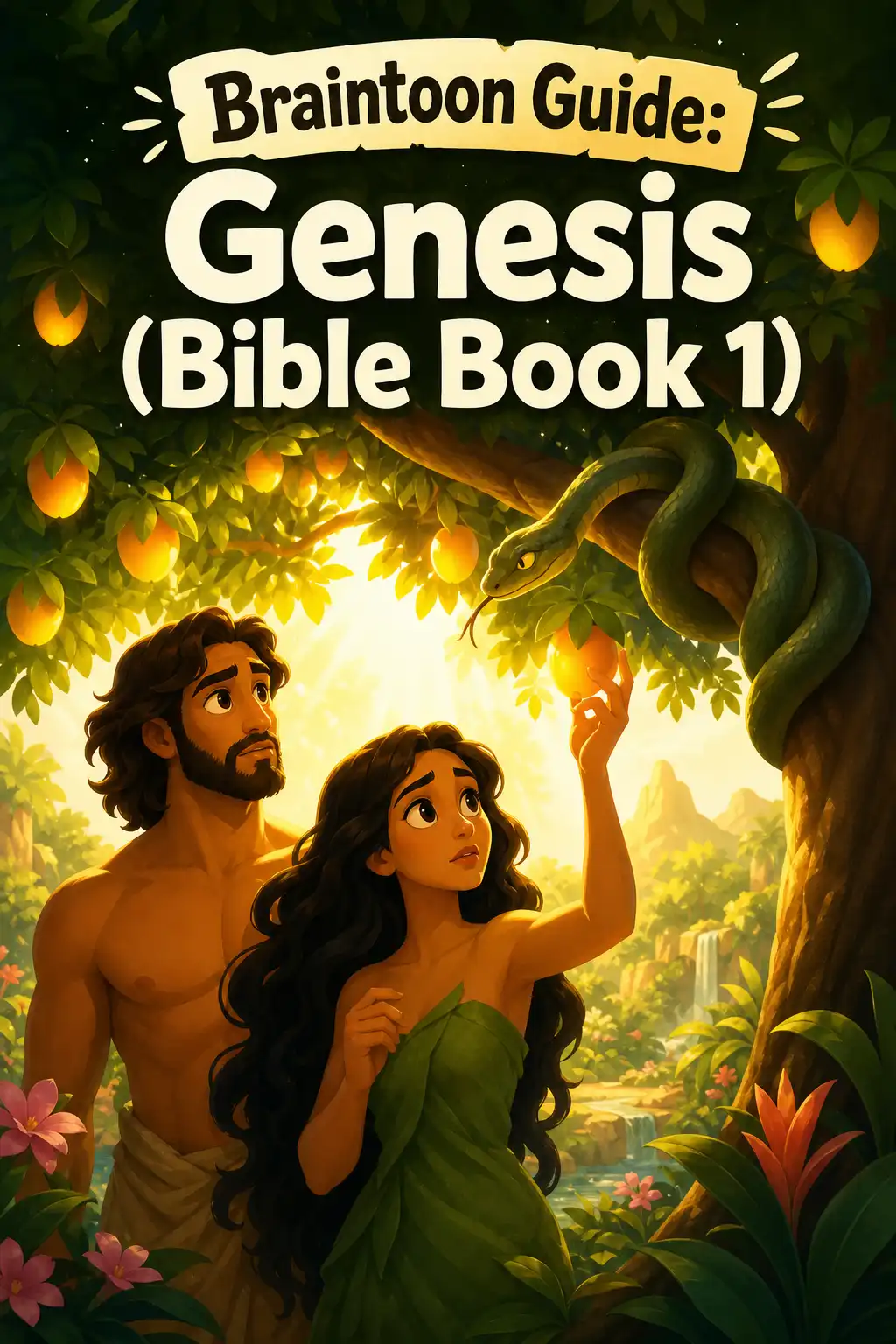
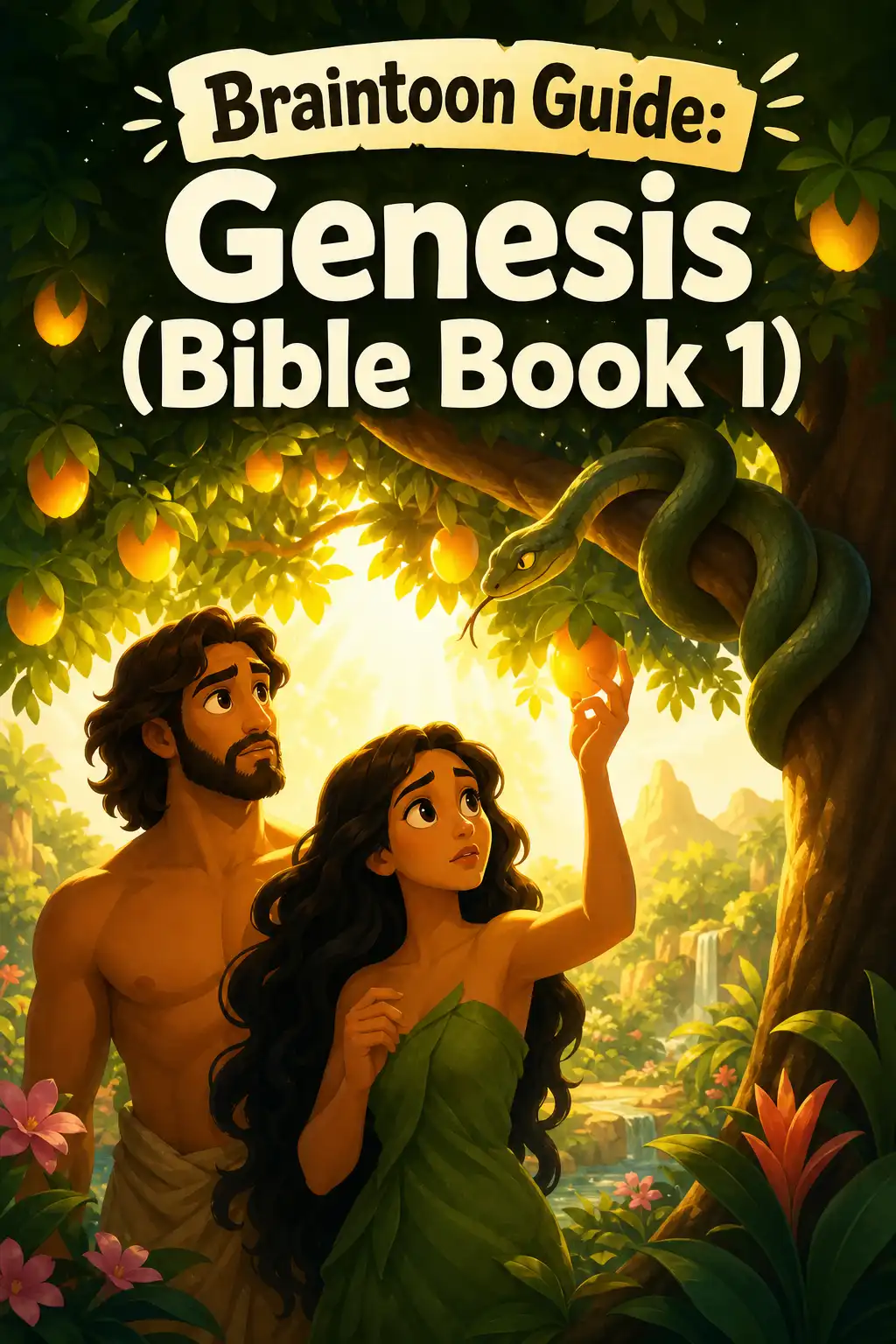
A cunning serpent approaches the woman with a tempting idea. The fruit will not kill you, it whispers. It will make you wise, like God himself.
She eats, gives some to her husband, and instantly their eyes open. Feeling exposed, they sew fig leaves together and hide when God walks through the garden.
When God confronts them, blame ricochets around the garden. The man points at the woman, the woman points at the serpent. Nobody takes responsibility for their own choice.
The consequences reshape everything. Painful childbirth, cursed ground, hard toil, and eventually death. Yet God clothes them in animal skins before driving them from Eden.
Outside Eden, the damage spreads to the next generation. Eve's two sons Cain and Abel offer sacrifices to God, God favors Abel's, and Cain burns with jealousy.
Instead of mastering his resentment, Cain lures his brother into a field and kills him. When God asks where Abel is, Cain plays dumb and denies knowing anything.
3. The Flood and Babel
Generations pass, humanity multiplies, and so does corruption. God sees hearts filled with evil at every turn and grieves that he made people at all.
One man stands apart. Noah walks faithfully with God, so God tells him to build a massive ark for his family and every kind of creature.
Rain falls for forty days, drowning everything on land. Only the ark survives. It is creation running in reverse, the waters swallowing the world God once ordered.
When the waters recede, Noah sends out a dove, and it returns carrying a fresh olive leaf. It is a small, quiet sign that the earth is healing.
Noah's first act on dry land is worship, and God responds with a covenant. Never again will a flood destroy the earth, and the rainbow becomes its visible sign.
But human nature has not changed. Noah gets drunk, his son Ham dishonors him, and a curse follows. Even the rescued family carries old fractures.
4. Abraham's Call and Long Wait
That other way begins with one man. God tells Abram, an aging, childless man living in Haran, to leave everything for a land God will show him.
The promise is staggering. Abram will father a great nation, and through him every family on earth will be blessed. Seventy-five years old, he simply goes.
But his faith wobbles almost immediately. Facing famine in Egypt, Abram passes his wife Sarai off as his sister to protect himself. God intervenes and rescues her anyway.
Back in Canaan, Abram generously lets his nephew Lot choose land first. Lot picks the lush Jordan plain and pitches his tent near Sodom, a fateful choice.
Abram's deepest wound remains childlessness. God leads him outside to count the stars and promises descendants that numerous. Abram believes, and God counts it as righteousness.
Still, waiting hurts. Sarai gives Abram her Egyptian servant Hagar, who bears him a son named Ishmael. The arrangement breeds contempt and cruelty, showing what forcing God's timeline actually costs.
5. Fire, Laughter, and the Test
Before that son arrives, judgment approaches Sodom. Abraham boldly negotiates with God, who agrees to spare the wicked city if even ten righteous people can be found there.
Ten cannot be found. Angels drag Lot's family out as fire falls from the sky, and Lot's wife looks back and becomes a pillar of salt. Choosing Sodom cost her everything.
Then, at last, laughter turns to joy. Ninety-year-old Sarah bears Isaac, whose name means laughter. The impossible promise has finally become a living child.
But the household fractures. Sarah demands Hagar and Ishmael be sent away for good. It pains Abraham deeply, yet God promises Ishmael too will become a great nation.
Then comes the devastating test. God commands Abraham to sacrifice Isaac, his beloved son, the very child the whole promise depends on. Abraham rises early and obeys.
On the mountain, Isaac asks where the lamb is. Abraham answers that God will provide. At the last moment, an angel stops the knife, and a ram appears caught in a thicket.
6. Two Brothers, One Blessing
After Sarah dies, Abraham's servant travels back to the old family homeland and finds Isaac a wife, Rebekah. She bears twins who battle inside her, foreshadowing conflict to come.
Esau arrives first, red and hairy, a rugged hunter whom Isaac favors. Jacob comes gripping his brother's heel, a quiet man Rebekah loves. The family splits in two.
Jacob's grasping nature shows early. He trades a bowl of stew for Esau's birthright, and Esau recklessly swears it away, caring only about his immediate hunger.
The bigger theft comes later. When blind old Isaac prepares to bless Esau, Rebekah dresses Jacob in goatskins and Esau's clothes to steal the blessing meant for the firstborn.
The deception works, and the fallout is devastating. Esau weeps bitterly, begging for anything left over, then resolves to kill Jacob once their father dies.
Jacob flees for his life. On the road, he dreams of a stairway to heaven filled with angels going up and down, and God repeats the family promise directly to him.
7. Wrestling Toward a New Name
Jacob falls in love with Laban's younger daughter Rachel and agrees to work seven years for her. On the wedding night, Laban swaps in her older sister Leah under cover of darkness.
The trickster has been tricked. Jacob works seven more years for Rachel, while the rival sisters compete for his love through a painful race of childbearing.
Between Leah, Rachel, and their two servants, twelve sons are born, the future tribes of Israel. Meanwhile Jacob outmaneuvers Laban's cheating and grows enormously wealthy.
When God calls Jacob home, one terror awaits. Esau, approaching with four hundred men. Jacob divides his camp, sends waves of gifts ahead, and prays in desperation.
That night, alone at the river, Jacob wrestles a mysterious figure until dawn, refusing to let go without a blessing, even with his hip wrenched from its socket.
The stranger renames him Israel, one who struggles with God and prevails. Jacob limps into the sunrise a changed man, no longer winning by trickery but by holding on.
8. Joseph, From Pit to Palace
The old family disease resurfaces in the next generation. Jacob openly favors Joseph, Rachel's firstborn, giving him an ornate colorful coat his brothers grow to hate.
Joseph makes things worse by sharing dreams in which his whole family bows down to him. When Jacob sends him to check on his brothers in the fields, they plot murder.
Reuben, the oldest, talks them into a pit instead, but their brother Judah suggests selling Joseph to passing traders for twenty pieces of silver. They dip his coat in goat's blood.
Jacob recognizes the bloodied coat and collapses in grief, refusing all comfort. The man who once deceived his blind father is now deceived by his own sons.
In Egypt, Joseph rises quickly in Potiphar's household until his master's wife falsely accuses him after he refuses her advances. Though innocent, he lands in prison.
Yet God's favor follows him everywhere. Joseph interprets dreams for Pharaoh's imprisoned officials, then later for Pharaoh himself. Seven years of plenty, then seven years of famine.
9. Forgiveness Meant for Good
Famine drives Joseph's brothers to Egypt, where they bow before a governor they do not recognize. Joseph knows them instantly, and his childhood dreams come rushing back.
He tests them harshly, holding Simeon hostage and demanding they bring back Benjamin, Rachel's other son. Underneath, he is asking one hidden question. Have these men actually changed?
The answer comes when Joseph frames Benjamin with a planted silver cup. Judah, who once sold Joseph, now begs to become a slave in Benjamin's place.
That sacrificial offer breaks Joseph completely. Weeping loudly, he reveals himself, telling his stunned brothers that God sent him ahead of them to save lives.
The family reunites in Egypt. Old Jacob sees Joseph's face again, blesses his grandsons, and dies at peace, buried back in Canaan beside Abraham and Isaac.
When his fearful brothers beg forgiveness after Jacob's death, Joseph gives Genesis its defining line. You intended evil against me, but God meant it for good, to save many lives.
Watch it come to life
Watch the animated summary
Explore this summary and the Braintoon library.