







Adult Children of Emotionally Immature Parents cover

Adult Children of Emotionally Immature Parents Summary: 9 best lessons in 10 mins

10 min readLindsay Gibson, PsyD's book, summarized

Topics will appear here once mapped for this book.

One-sentence summary

Adult Children of Emotionally Immature Parents by Lindsay Gibson, PsyD, explains why some parents can't truly connect, and how their grown kids can finally heal and feel whole.

Carla stands frozen in her Asheville kitchen, phone buzzing with her mother's third call, desperate to feel calm before answering yet bracing for the familiar guilt.

(Continued below)

Reading about Adult Children of Emotionally Immature Parents is one thing.

Watching it is faster, more fun, and you'll actually remember it.

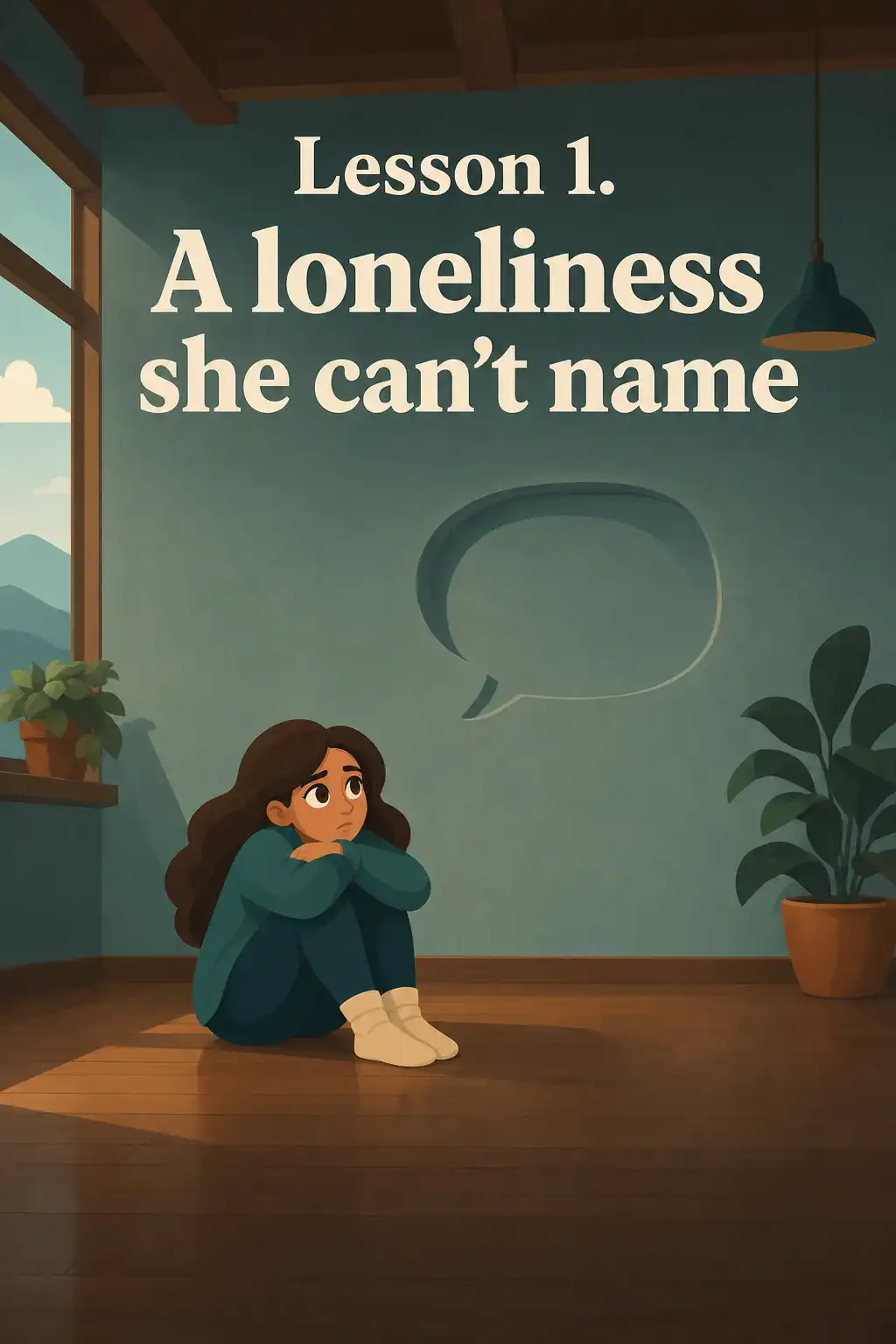
Lesson 1: A loneliness she can't name

Carla answers. Her mother talks for twenty minutes about her own dramas, never asking about Carla's life. Carla hangs up feeling strangely empty and small.

Lindsay Gibson, a clinical psychologist, calls this emotional neglect. Some parents provide food and shelter but can't offer the genuine emotional connection a child needs.

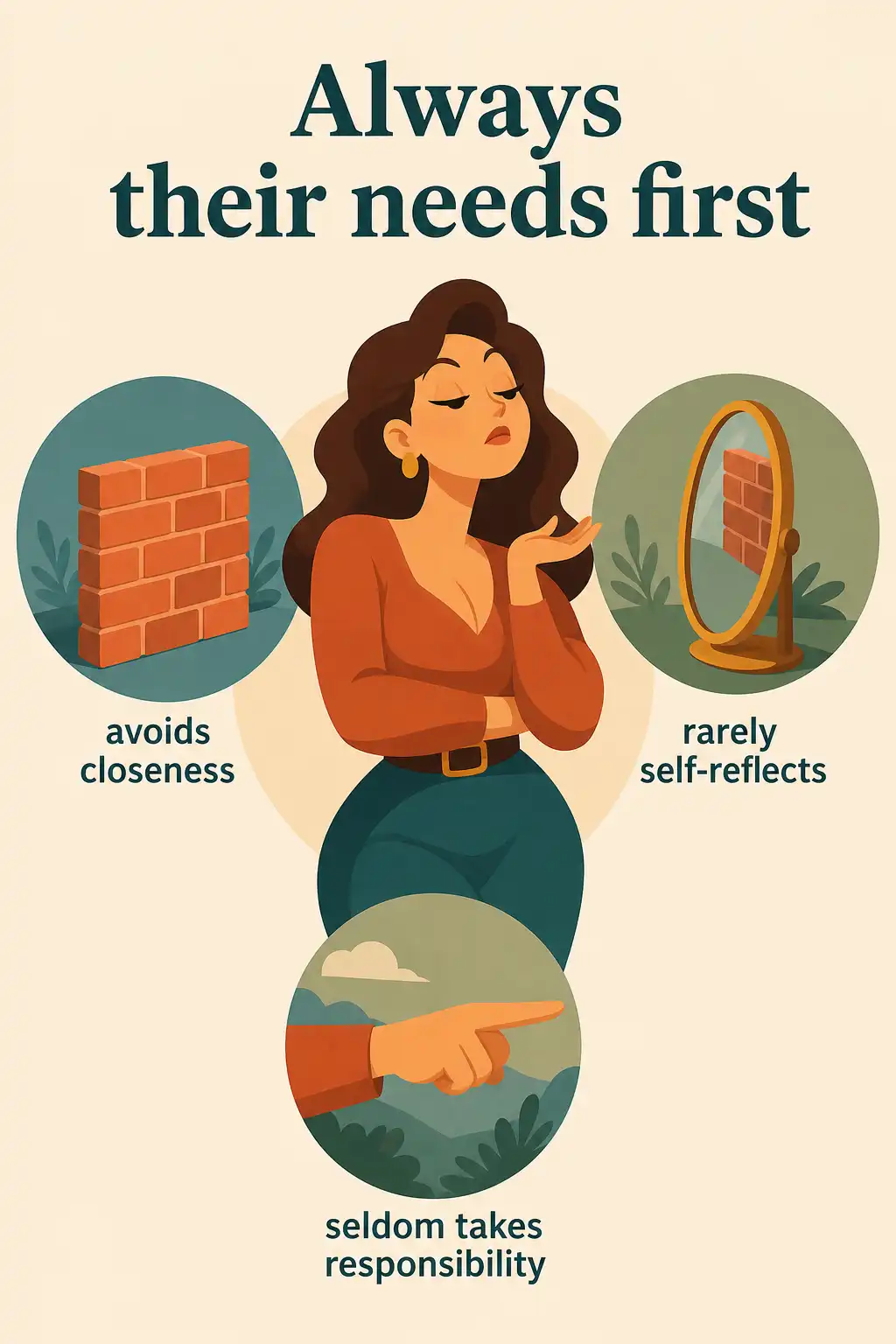
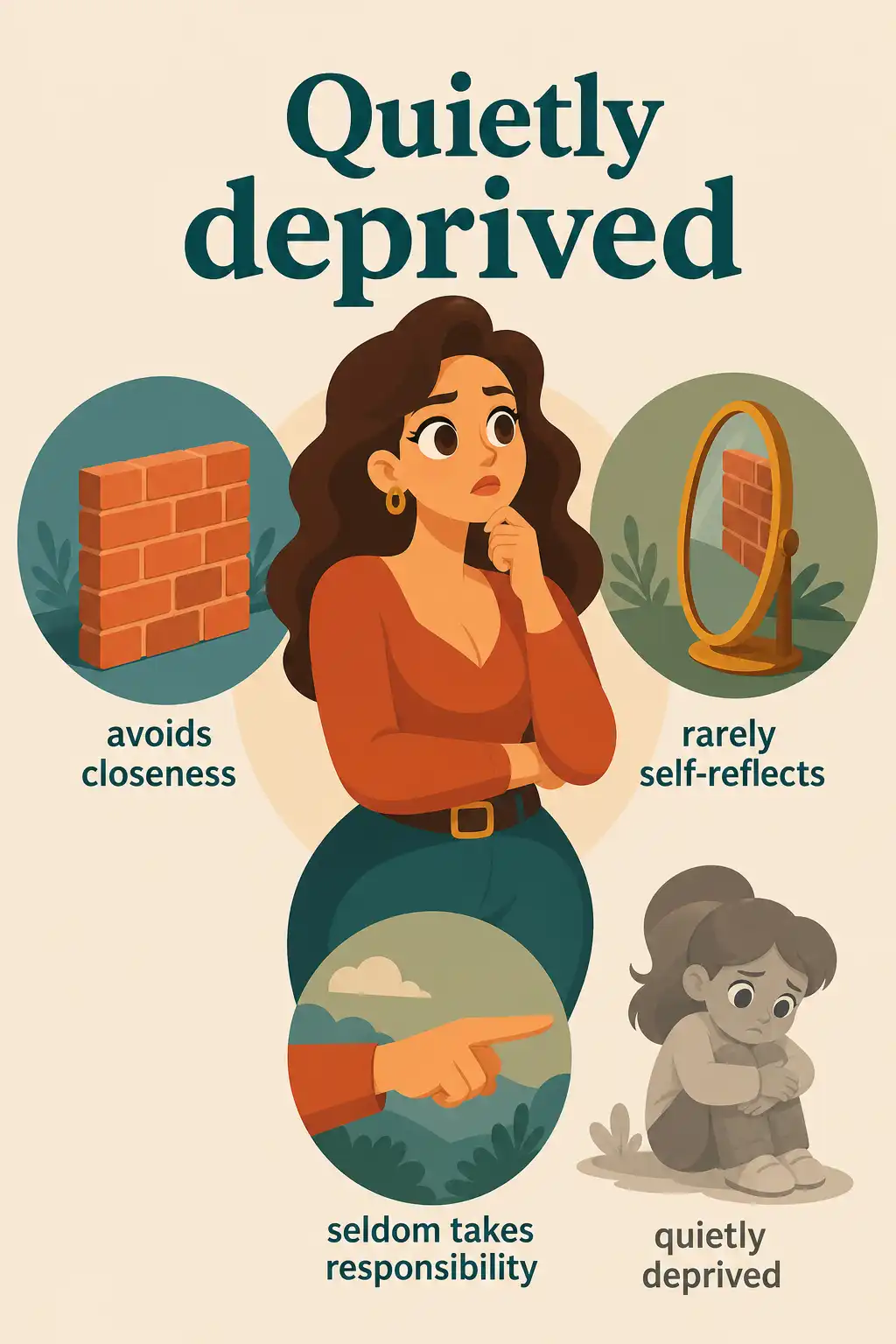
These emotionally immature parents avoid real closeness, rarely reflect on themselves, and seldom take responsibility. Their own insecurities always come first, leaving children quietly deprived.

For Carla, this explains so much. Growing up, her feelings were brushed aside while her mother's moods ruled the house. She assumed something was wrong with her.

Gibson reassures us this pain is old and universal. Fairy tales overflow with neglected children surviving alone. Recognizing the pattern is the first real step toward healing.

So Carla makes a quiet decision. Instead of blaming herself yet again, she wants to understand why her mother is the way she is.

Lesson 2: The hollow feeling explained

That night, Carla can't sleep. She has a loving partner, Devon, good friends, steady work, yet often feels invisible, like no one truly sees her.

Gibson names this emotional loneliness, a private emptiness that comes from never having someone who truly wanted to know your inner world without judging it.

Emotionally mature parents stay tuned in, welcoming a child's feelings warmly. Immature ones are too self-absorbed, sometimes even punishing distress until the child stops reaching out.

Carla notices a troubling pattern. Her last two relationships were with distant, unavailable men. The familiarity felt safe, even though it quietly repeated her childhood.

Gibson explains the brain mistakes familiar for safe, so we unconsciously choose partners who echo our parents. Carla wonders if Devon is different, or just comfortable.

She also stops feeling guilty for wanting more. Wanting closeness isn't weakness or neediness, Gibson says. It's wired into us, ancient, essential for human survival.

Lesson 3: Spotting emotional immaturity

Over the next weeks, Carla studies her mother like a curious observer. She finally sees a clear pattern instead of just hurt feelings she can't explain.

Gibson lists telltale traits. Emotionally immature people are rigid, easily stressed, act on impulse, and read everything through their own feelings rather than the facts.

They're deeply egocentric, steering every conversation back to themselves, craving attention, dodging accountability. Carla's mother fits this almost perfectly, and it isn't really about Carla.

The biggest trait is low empathy. They might read your mood, but they can't truly feel with you, which leaves children feeling fundamentally unseen.

Gibson traces this to their own upbringing, where feelings were punished or ignored. Carla pictures her mother as a small, lonely girl, and her anger softens.

She also learns why she kept trying so hard. Those rare warm moments worked like an intermittent reward, keeping her hooked, always hoping for connection.

Lesson 4: Why talking never works

Hoping for a breakthrough, Carla tries opening up about a hard week. Her mother interrupts within seconds, redirecting everything back to her own aching back.

Gibson explains communication here feels one-sided because it is. These parents crave the spotlight and yank it back whenever it drifts toward someone else.

Instead of talking about feelings, they broadcast them through emotional contagion, spreading distress until someone soothes them. Carla realizes she's always been the family fixer.

Gibson cites researcher John Bowlby to explain Carla's old anger. Being emotionally abandoned feels like being left behind, and anger is a natural response.

These parents rarely repair conflicts. They want instant forgiveness, expect you to mirror their moods, and use guilt or withdrawal whenever you assert your own self.

Carla stops expecting real dialogue from her mother. It's painful, but oddly freeing. She no longer waits for an apology that will never genuinely arrive.

Lesson 5: Four kinds of immature parents

Carla wonders exactly what kind of parent she has. Gibson describes four types, all self-involved and low in empathy, but expressed in different ways.

Emotional parents are ruled by their feelings, swinging between clinging and exploding, making the whole family walk on eggshells around their unpredictable, overwhelming moods.

Driven parents look impressive, always busy and goal-focused, but they control rather than nurture, pushing their own ambitions onto kids who feel constantly evaluated.

Passive parents seem warm and fun, but avoid conflict and fail to protect their children when it truly matters, quietly going along with the stronger personality.

Rejecting parents want little to do with their kids at all, signaling through coldness or irritation that closeness bothers them and children are a burden.

Carla sees her mother as mostly emotional, with driven streaks. Naming it isn't about blame, just clarity, so she finally knows what she's actually dealing with.

Lesson 6: The fantasy and the role

Reflecting, Carla notices a quiet wish she's carried for decades. If only she became impressive enough, her mother would finally see and adore her.

Gibson calls this a healing fantasy, an "if only" story we carry into adulthood, secretly asking partners and friends to give what our parents never did.

To survive, children build a role-self, a performance that earns attention. Carla became the dependable caretaker, but that role drains her and blocks her real self.

Gibson describes two coping styles. Internalizers look inward, blame themselves, and over-sacrifice. Externalizers act out, blame others, and expect the world to fix their feelings.

Carla recognizes herself instantly. She's a classic internalizer, thoughtful and self-reflective, but suffering silently and quietly giving far more than she ever lets herself receive.

The healthiest path, Gibson says, is balance. Carla needs to ask for help more readily, instead of carrying everything alone and slowly burning herself out.

Lesson 7: When breaking down means waking up

Months in, Carla hits a wall. Chronic tension, trouble sleeping, a low hum of anxiety. She fears she's falling apart after all this self-examination.

Gibson reframes this. Anxiety and depression aren't failures. They're signals that the old role-self has become unsustainable, that your true self is pushing to emerge.

She cites Kazimierz Dabrowski's idea of positive disintegration, where breaking down is actually reorganizing into a more mature, authentic person who's truer to themselves.

The true self, Gibson explains, is an inner compass pointing toward what genuinely energizes you. For years, Carla silenced hers to keep her mother comfortable.

She doesn't need a dramatic confrontation. Healing comes from honestly admitting her own buried feelings to herself, naming the anger and grief she long denied.

Slowly, Carla starts choosing things she actually enjoys. The discomfort hasn't vanished, but underneath it she feels something new and steadying, a quiet sense of becoming herself.

Lesson 8: Seeing your parent clearly

Carla's mother announces a week-long visit. Old dread floods back. But this time Carla decides to handle it with a completely different, more grounded strategy.

Gibson suggests detached observation, watching interactions with calm curiosity, like a scientist doing field research, silently narrating behavior instead of getting swept into reacting emotionally.

She also separates relatedness from relationship. With her mother, Carla aims simply to stay in contact, dropping the exhausting hope for true emotional exchange.

Gibson's maturity awareness approach helps. Carla expresses herself clearly, then releases any expectation of a response, and focuses on a small, achievable goal instead.

When her mother launches a guilt trip, Carla calmly manages the moment, steering the topic and stepping outside for air rather than getting hooked again.

The visit isn't perfect, but Carla feels relief and real self-worth. She stayed herself the entire time, instead of dissolving into her mother's needs.

Lesson 9: Finding your freedom

As old roles loosen, Carla notices a harsh inner voice still criticizing her every move. Gibson calls this the internalized parent-voice, imported, not truly her own.

She claims new freedoms, the freedom to be imperfect, to have her own feelings, to set limits on giving, and to offer herself genuine compassion.

Gibson also teaches Carla to recognize emotionally mature people. They're realistic and reliable, respectful of boundaries, reciprocal, and genuinely responsive when you're struggling or upset.

With this lens, Carla sees Devon clearly. He listens, apologizes sincerely, and gives back. Their bond never sparked dangerous fireworks because it was simply healthy.

She practices mature habits too, asking for help, sharing her real feelings, and stating needs clearly instead of hoping people will somehow magically guess them.

Gibson calls this discovery bittersweet. Facing the truth brings grief, but also a second life. Carla finally stops needing her mother to change, and feels free.

You've read the summary. Now watch it.

The animated version covers the same ideas — faster, and in a format you'll actually remember.