




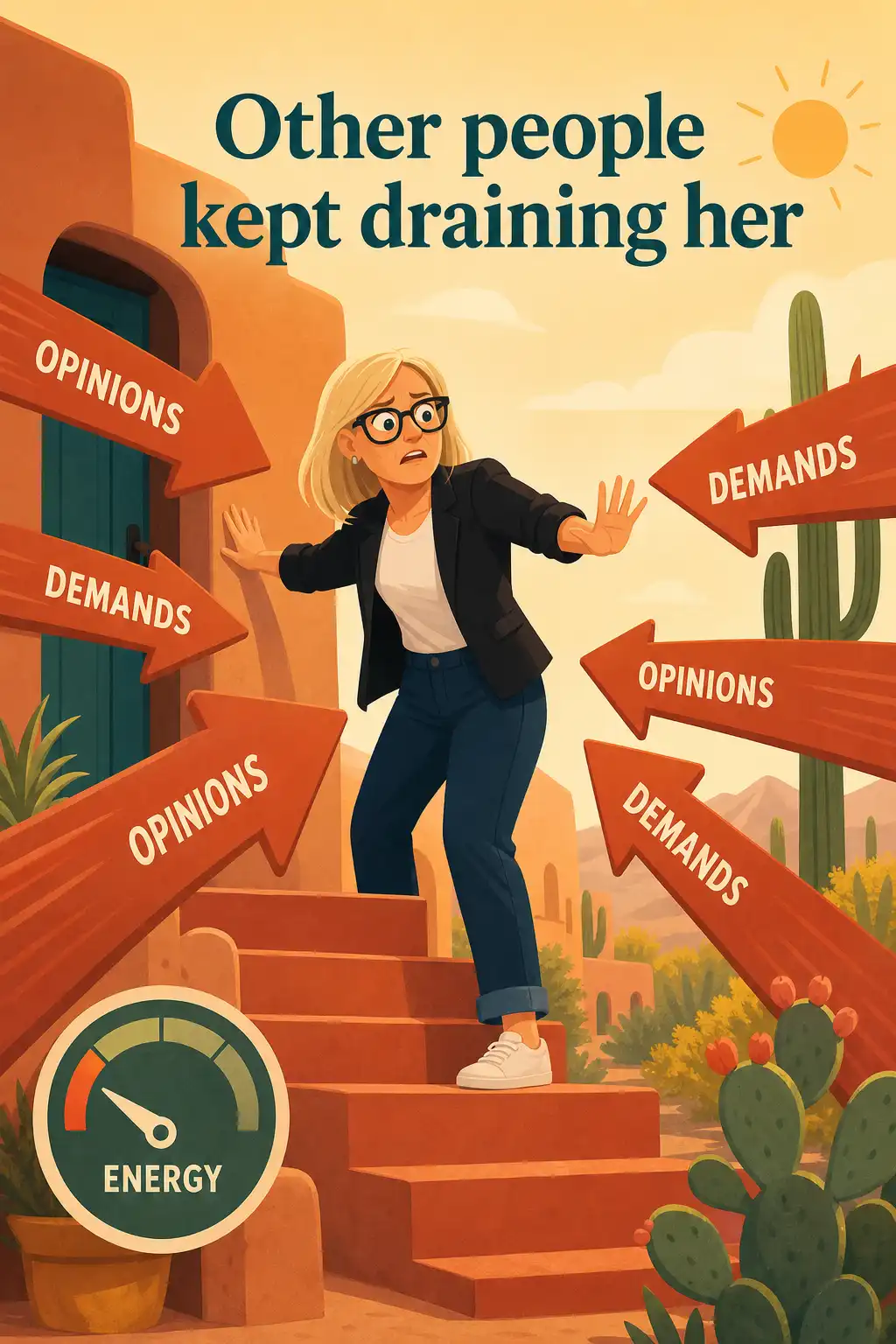



The Let Them Theory preview: Carla, a dental hygienist in Tucson, is white-knuckling the steering wheel in her driveway. She's late again, and she's The Let Them Theory preview: Carla, a dental hygienist in Tucson, is white-knuckling the steering wheel in her driveway. She's late again, and she's The Let Them Theory preview: The Let Them Theory by Mel Robbins is about reclaiming your energy by stopping the exhausting habit of controlling, pleaThe Let Them Theory preview: The Let Them Theory by Mel Robbins is about reclaiming your energy by stopping the exhausting habit of controlling, pleaThe Let Them Theory preview: Lesson 1. Where your power leaks awayThe Let Them Theory preview: Picture Carla in that driveway. She's spent the entire week managing her son's outfit, her husband's mood, and her motheThe Let Them Theory preview: Picture Carla in that driveway. She's spent the entire week managing her son's outfit, her husband's mood, and her motheThe Let Them Theory preview: This is exactly the trap Mel Robbins describes. She rebuilt her own life after hitting rock bottom, broke and unemployedThe Let Them Theory preview: This is exactly the trap Mel Robbins describes. She rebuilt her own life after hitting rock bottom, broke and unemployedThe Let Them Theory preview: But Robbins noticed her old tricks couldn't fix everything. Other people, their opinions and their demands, kept draininThe Let Them Theory preview: But Robbins noticed her old tricks couldn't fix everything. Other people, their opinions and their demands, kept draininThe Let Them Theory preview: The fix actually arrived at her daughter's prom. Stressed over the rain and dinner plans, her daughter said two words thThe Let Them Theory preview: The fix actually arrived at her daughter's prom. Stressed over the rain and dinner plans, her daughter said two words th

Carla

0:00 / 1:00

60-second animated preview

Watch full summary

The Let Them Theory Summary: 9 best lessons in 10 mins

10 min readMel Robbins's book, summarized

Topics will appear here once mapped for this book.

One-sentence summary

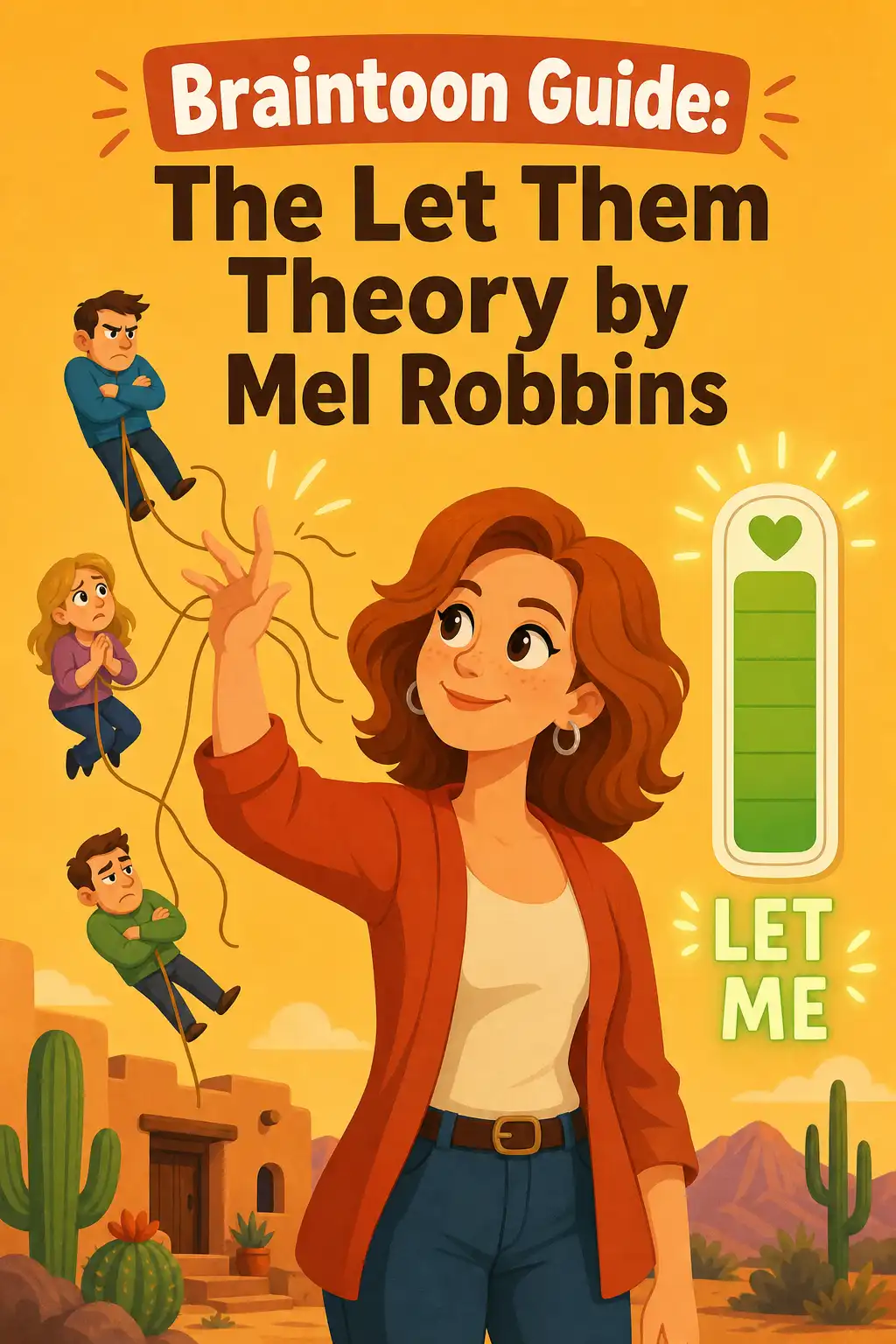
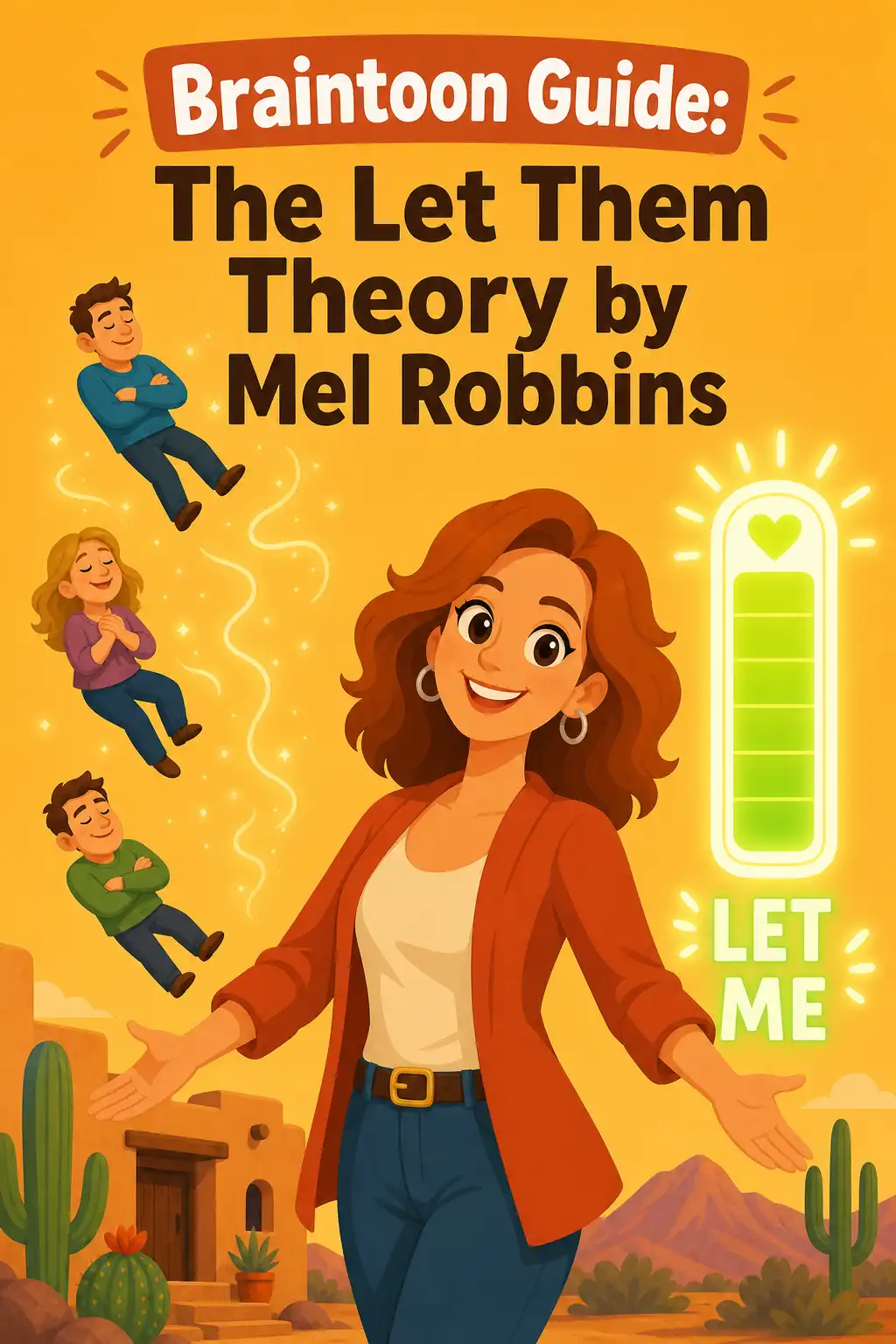
The Let Them Theory by Mel Robbins is about reclaiming your energy by stopping the exhausting habit of controlling, pleasing, and managing the people around you.

Carla, a dental hygienist in Tucson, is white-knuckling the steering wheel in her driveway. She's late again, and she's furious that her teenage son still isn't dressed for his grandmother's birthday dinner.

(Continued below)

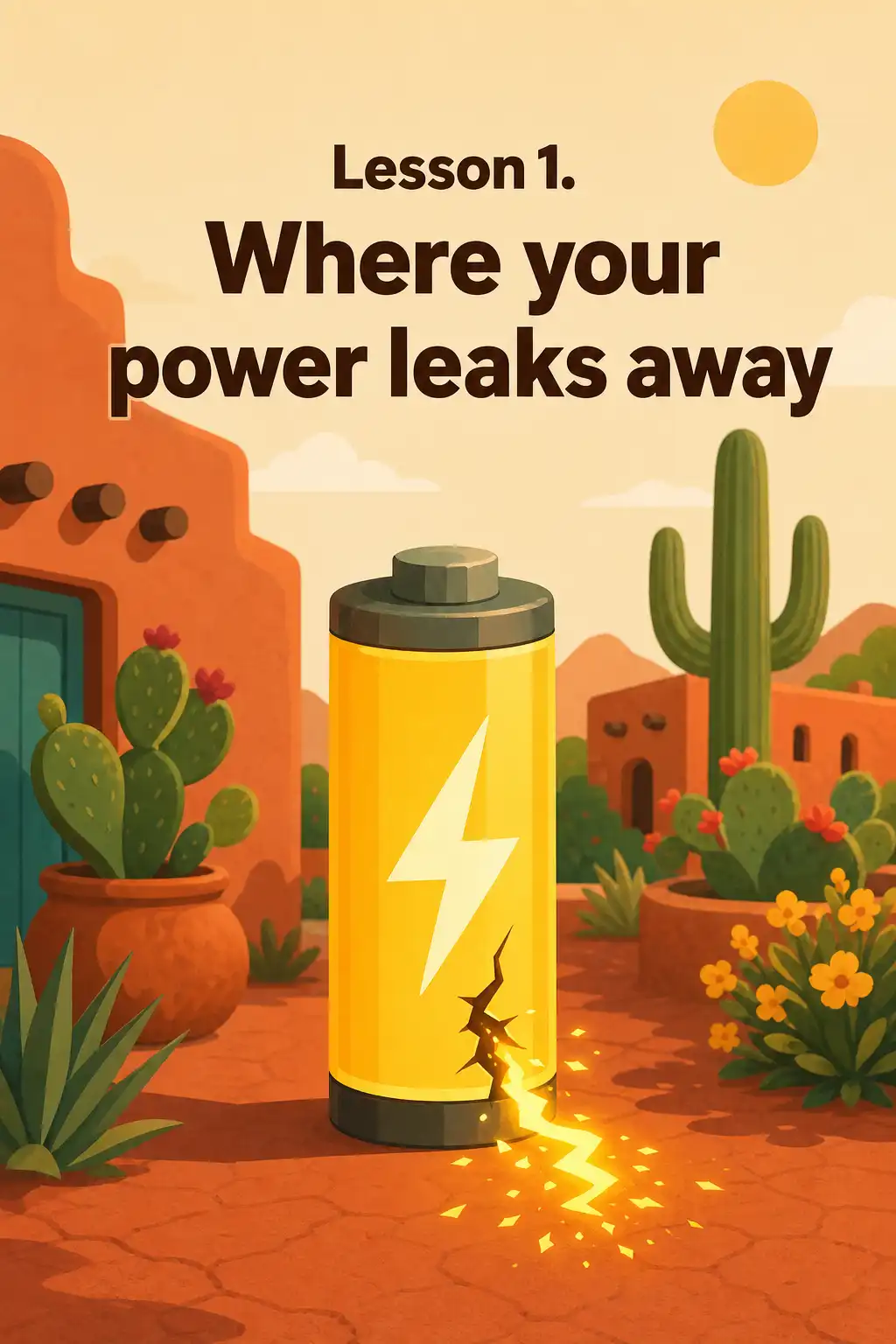
Lesson 1: Where your power leaks away

Picture Carla in that driveway. She's spent the entire week managing her son's outfit, her husband's mood, and her mother's expectations, and now she's completely drained.

This is exactly the trap Mel Robbins describes. She rebuilt her own life after hitting rock bottom, broke and unemployed at forty-one, by using tiny daily pushes forward.

But Robbins noticed her old tricks couldn't fix everything. Other people, their opinions and their demands, kept draining her no matter how hard she tried to manage them.

The fix actually arrived at her daughter's prom. Stressed over the rain and dinner plans, her daughter said two words that changed everything forever. Let them.

Let them get rained on. Let them eat wherever they want. It's their night. Robbins felt the tension drain out of her instantly, and a whole theory was born.

Carla, still gripping that steering wheel, doesn't know it yet. But those same two words are about to rewrite how she lives, and finally give her some peace.

Lesson 2: Let them, then let me

That night, Carla tries it. Her son wants to wear a wrinkled hoodie to dinner. Instead of fighting him, she whispers, 'Let them,' and her shoulders drop.

Robbins explains that this isn't surrender. It's an active choice to release control you never truly had in the first place. The urge to control others, she says, comes from fear.

But here's the catch. Saying 'Let them' all by itself can leave you feeling smug and isolated. The real power lives in the crucial second step.

That step is 'Let me.' After releasing other people, you turn inward and ask what you can do next, because your happiness is your own responsibility.

So Carla lets the hoodie go, and then she asks, 'Let me focus on actually enjoying dinner with my mom, instead of policing what everyone's wearing.'

The evening goes better than any in months. Carla realizes the fight was never really about the hoodie. It was about her own need to control.

Lesson 3: Reset stress and claim your work

Back at the dental office, Carla is swamped. A difficult patient and a sighing coworker push her right to the edge, and her whole afternoon sours.

Robbins says modern life is full of tiny stressors that chip away at you. They feel unavoidable, but letting them hijack your whole day is a choice.

Harvard physician Dr. Aditi Nerurkar told Robbins that stress flips your brain into fight-or-flight, shutting down the calm, thinking part. Most people now live there constantly.

Saying 'Let them' tells your brain the threat isn't real. Add 'Let me' and one slow breath, and you calm right back into control.

Then there's her job itself. When Carla gets passed over for the lead hygienist role, she stews for days, blaming her boss for everything wrong in her life.

Robbins's question here is blunt. Who's responsible for your career? You are. 'Let them choose someone else. Let me find a practice that actually values me.'

Lesson 4: Let them judge you

Carla has a secret dream. She wants to go back to school to teach dental hygiene. But she's frozen, terrified her friends will think she's foolish at forty-three.

Robbins knows this fear well. It took her two full years to start posting online for her business, because she dreaded being judged as arrogant.

That hesitation cost her clients, income, and years of progress. Fear of judgment, Robbins says, fuels procrastination, perfectionism, and overthinking more than almost anything else.

Here's the freeing truth. Your brain spits out around seventy thousand random thoughts a day. Even people who love you think negative things sometimes, and you can't stop that.

So stop playing defense. Let them think whatever they want. The fear itself is the real problem, not the opinions you can never control anyway.

Carla accepts she can't please everyone anyway. 'Let them judge. Let me make a choice I'm proud of.' She submits the school application that very night.

Lesson 5: Family and the frame of reference

When Carla tells her mother about school, her mom frowns and starts listing every risk. Carla feels deflated, like her own mom doesn't believe in her.

Family is the hardest place for this theory, Robbins says. They're blunt, lifelong, and invested, and their caring can easily tip into trying to control you.

Robbins shares a tool from entrepreneur Lisa Bilyeu called Frame of Reference. It means understanding the lens through which another person sees the world.

When Robbins got married, her own mother seemed unsupportive. Years later she realized her mom, who had married young and moved far away, was simply afraid of losing her.

Both truths existed at once. Stepping into someone's frame of reference doesn't mean agreeing with them. It just makes room for real connection instead of resentment.

So Carla sees it clearly now. Her mom isn't doubting her, she's just scared of the change. 'Let them worry. Let me reassure her and move forward anyway.'

Lesson 6: Let others have their feelings

As Carla's classes start, her husband Greg turns moody, dropping passive-aggressive comments about dinners and chores. Old Carla would have canceled everything to soothe him.

Robbins, quoting her therapist Dr. Anne Davin, offers a reframe. Most adults are emotionally eight-year-olds in grown-up bodies, pouting because they never learned to handle feelings.

This isn't an insult, it actually builds compassion. They simply lack the tools. So let them have their reaction, then let me respond as the mature adult in the room.

Emotions are just chemical waves, Robbins explains. They rise and fall in about ninety seconds if you don't feed them. So let the feeling pass through.

So Carla doesn't rush in to fix Greg's mood. She stays calm, lets him sulk, and later they talk honestly. His grumpiness fades on its own.

She applies it to hard choices too. Doing the difficult thing now, instead of avoiding it, spares everyone bigger pain later. Other people are allowed to be upset.

Lesson 7: Turn jealousy into fuel

In class, Carla fixates on a younger student who seems to ace everything effortlessly. She feels old and slow, and wonders if she even belongs there.

Robbins splits comparison into two types. Torture comparison fixes on things you can't change, like age, looks, or natural talent. It just crushes your self-esteem.

But there's a teacher version too. When you envy someone's achievement, Robbins says, that jealousy is a message from your future self, pointing at what you actually want.

Her designer friend Molly raged when a rival blew up online. Robbins told her to thank that woman, because the anger revealed Molly's own stalled dream.

That jealousy is fuel. The anger isn't really about them. It's frustration with yourself for not starting sooner, and it can finally push you to act.

So Carla shifts. 'Let them be brilliant. Let me study how they do it.' She asks the student for tips, and her own grades start climbing.

Lesson 8: Build friendship by going first

Buried in work and school, Carla feels lonely. Her old friends have drifted, and one weekend she spots them on a trip without her.

That exact thing happened to Robbins. She spiraled, sure she'd done something wrong, until 'Let me' revealed she'd actually stopped investing in those friendships herself.

Adult friendship is hard, Robbins says, because of the Great Scattering. After school, the built-in structure vanishes and everyone scatters into busy, separate lives.

Friendship rests on three pillars. Proximity, since closeness takes over two hundred hours together. Timing, being in similar life stages. And energy, that natural sense of clicking.

When those shift, friendships fade, and that's normal, not a personal failure. So let them drift. Then let me go first, reaching out instead of waiting.

So Carla texts an old friend and invites a classmate out for coffee. Awkward at first, but slowly she's building a real community of her own.

Lesson 9: Stop changing others, choose yourself

One worry still lingers. Carla wishes Greg would get healthier. But years of nagging, hints, and gym memberships have only sparked resistance and tired arguments.

Robbins is blunt about this. You can't change anyone. People change only when they feel ready, and pressure just triggers their need for control, creating a power struggle.

Instead, use influence. We naturally catch behaviors from those around us, something Robbins calls social contagion. So quietly model what you want, without expecting them to follow.

So Carla stops nagging completely. She cooks good food, takes evening walks, and lets Greg be. Weeks later, he starts joining her, as if it's his own idea.

In the end, Robbins says, your most important relationship is the one with yourself. Let others be who they are, and let yourself be who you truly are.

Carla, once white-knuckling that steering wheel, now breathes easier. Two small words gave her back her time, her energy, and her own life again.

Next step

Want the animated version?

Quick setup, then watch this summary in a more engaging visual format.