
Thinking In Bets preview: Carla Reyes slumps in her parked car outside the office. She has just lost the biggest account of her career, and she's Thinking In Bets preview: Carla Reyes slumps in her parked car outside the office. She has just lost the biggest account of her career, and she's Thinking In Bets preview: Thinking In Bets by Annie Duke, a former professional poker champion, shows how to make smarter choices by treating everThinking In Bets preview: Thinking In Bets by Annie Duke, a former professional poker champion, shows how to make smarter choices by treating everThinking In Bets preview: Lesson 1. Luck, skill, and a poker championThinking In Bets preview: That lost account really stings. Carla had done everything by the book, so the failure feels like proof she's a fraud. BThinking In Bets preview: That lost account really stings. Carla had done everything by the book, so the failure feels like proof she's a fraud. BThinking In Bets preview: Annie Duke spent twenty years as a professional poker player, winning over four million dollars, after an illness derailThinking In Bets preview: Annie Duke spent twenty years as a professional poker player, winning over four million dollars, after an illness derailThinking In Bets preview: At the table she learned a hard truth. You can play a hand perfectly and still lose, or play it badly and get lucky.Thinking In Bets preview: At the table she learned a hard truth. You can play a hand perfectly and still lose, or play it badly and get lucky.Thinking In Bets preview: Every outcome in life, Duke says, comes from two things. The quality of your decisions, and plain luck. Telling them apaThinking In Bets preview: Every outcome in life, Duke says, comes from two things. The quality of your decisions, and plain luck. Telling them apaThinking In Bets preview: So Carla asks herself a new question. Was losing the account really my fault, or did factors I couldn't control quietly

Carla Reyes slumps in her parked car

0:00 / 1:00

60-second animated preview

Watch full summary

Thinking In Bets Summary: 9 best lessons in 10 mins

10 min readAnnie Duke's book, summarized

Topics will appear here once mapped for this book.

One-sentence summary

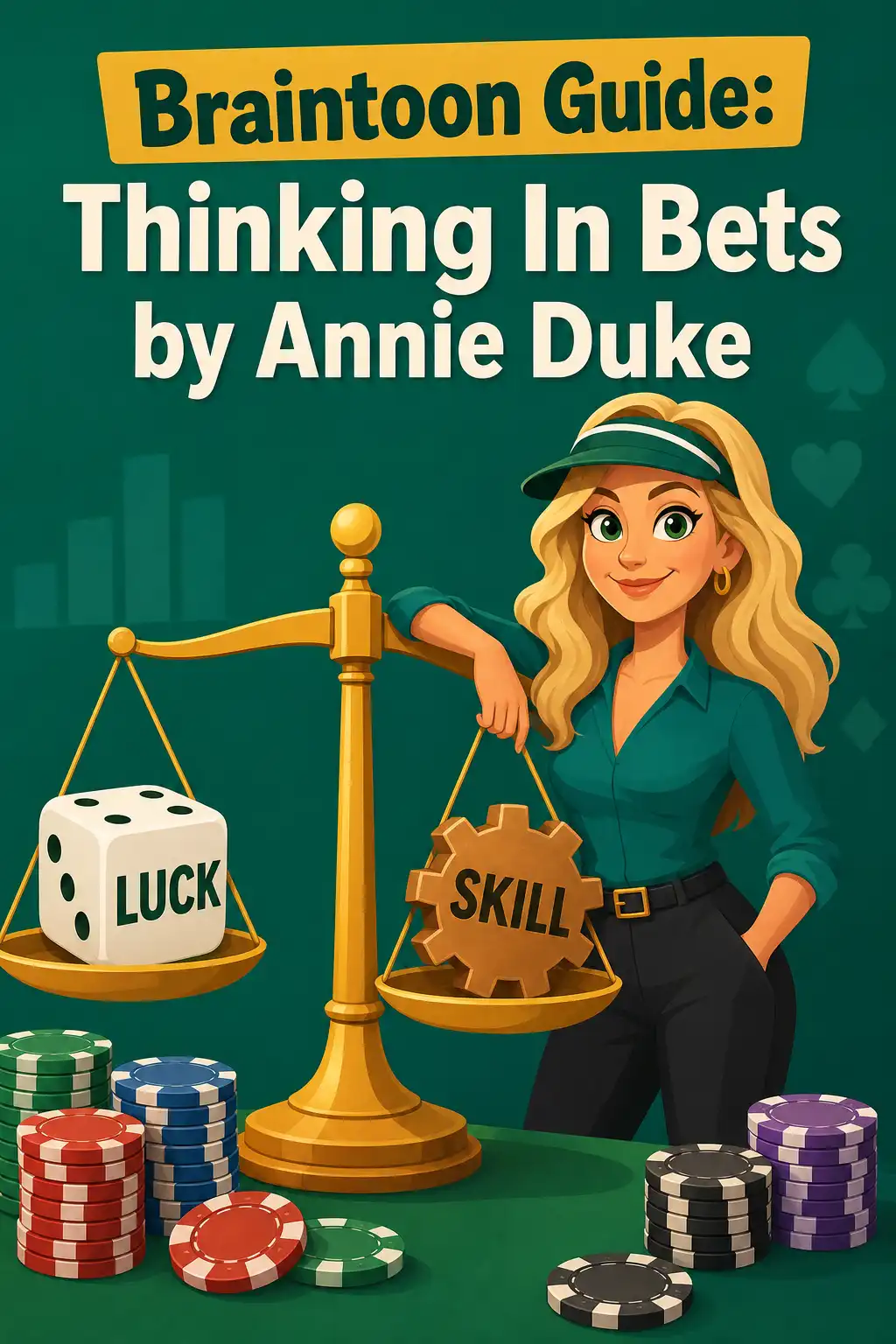
Thinking In Bets by Annie Duke, a former professional poker champion, shows how to make smarter choices by treating every decision as a bet under uncertainty.

Carla Reyes slumps in her parked car outside the office. She has just lost the biggest account of her career, and she's replaying every move, certain she blew it.

(Continued below)

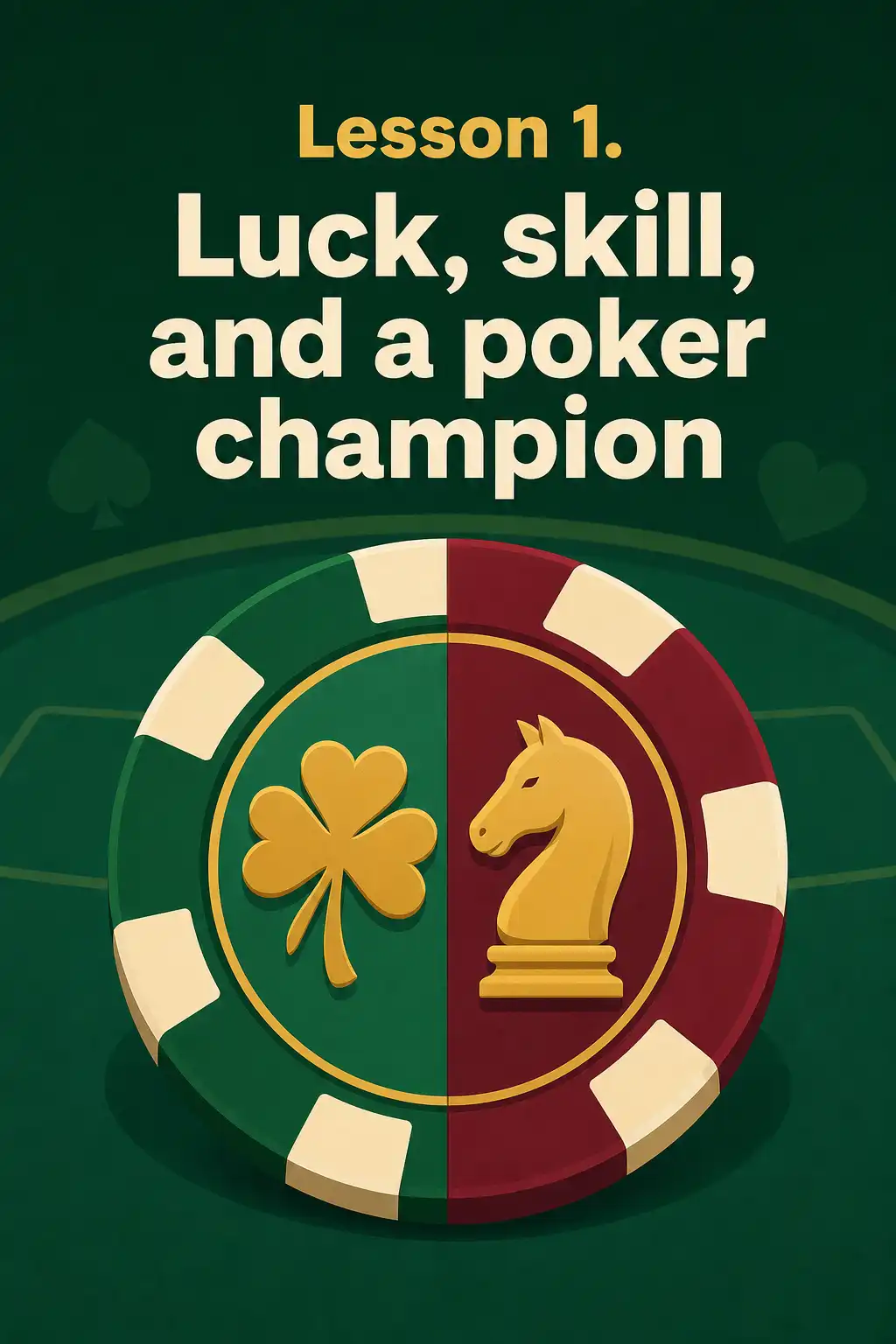
Lesson 1: Luck, skill, and a poker champion

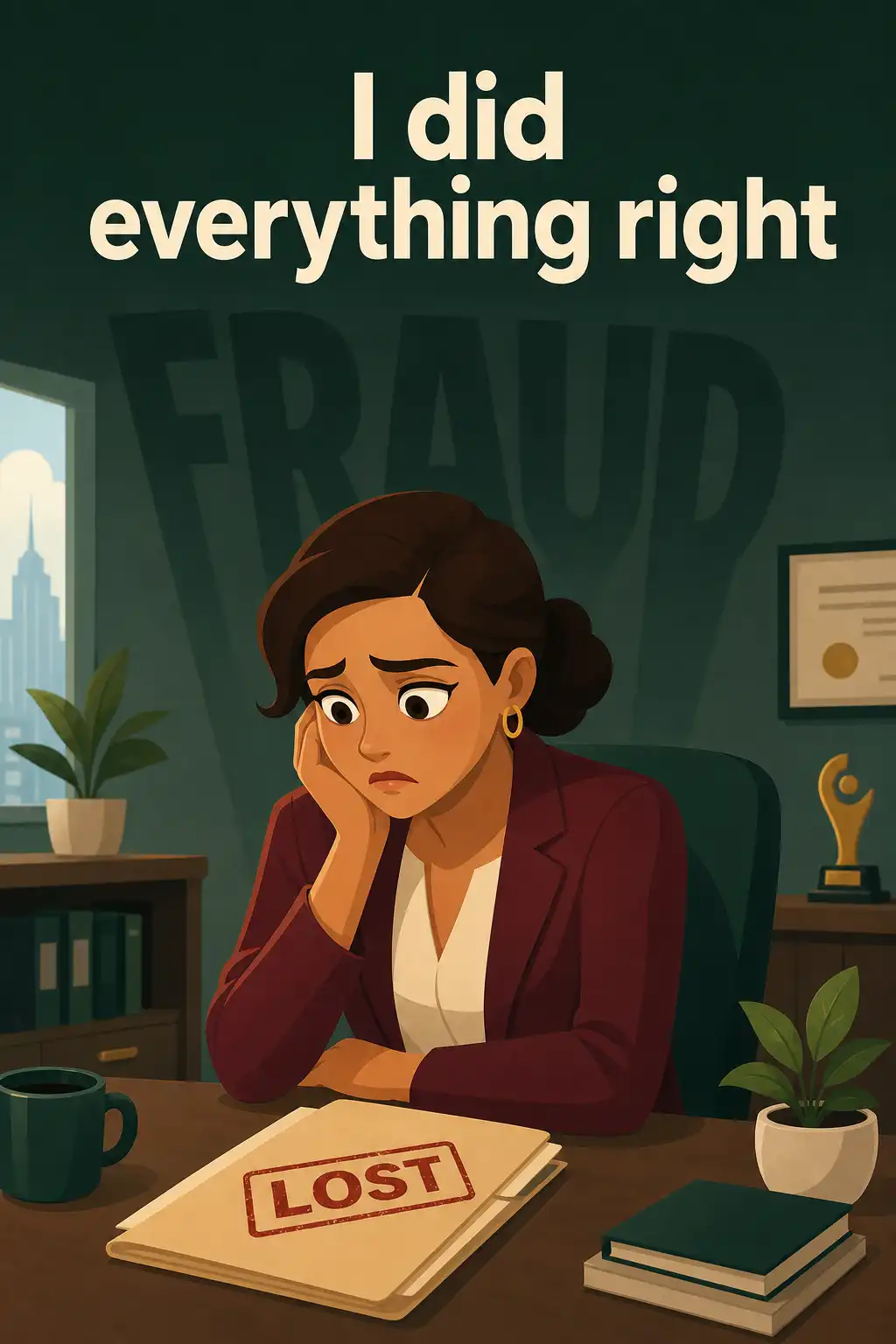
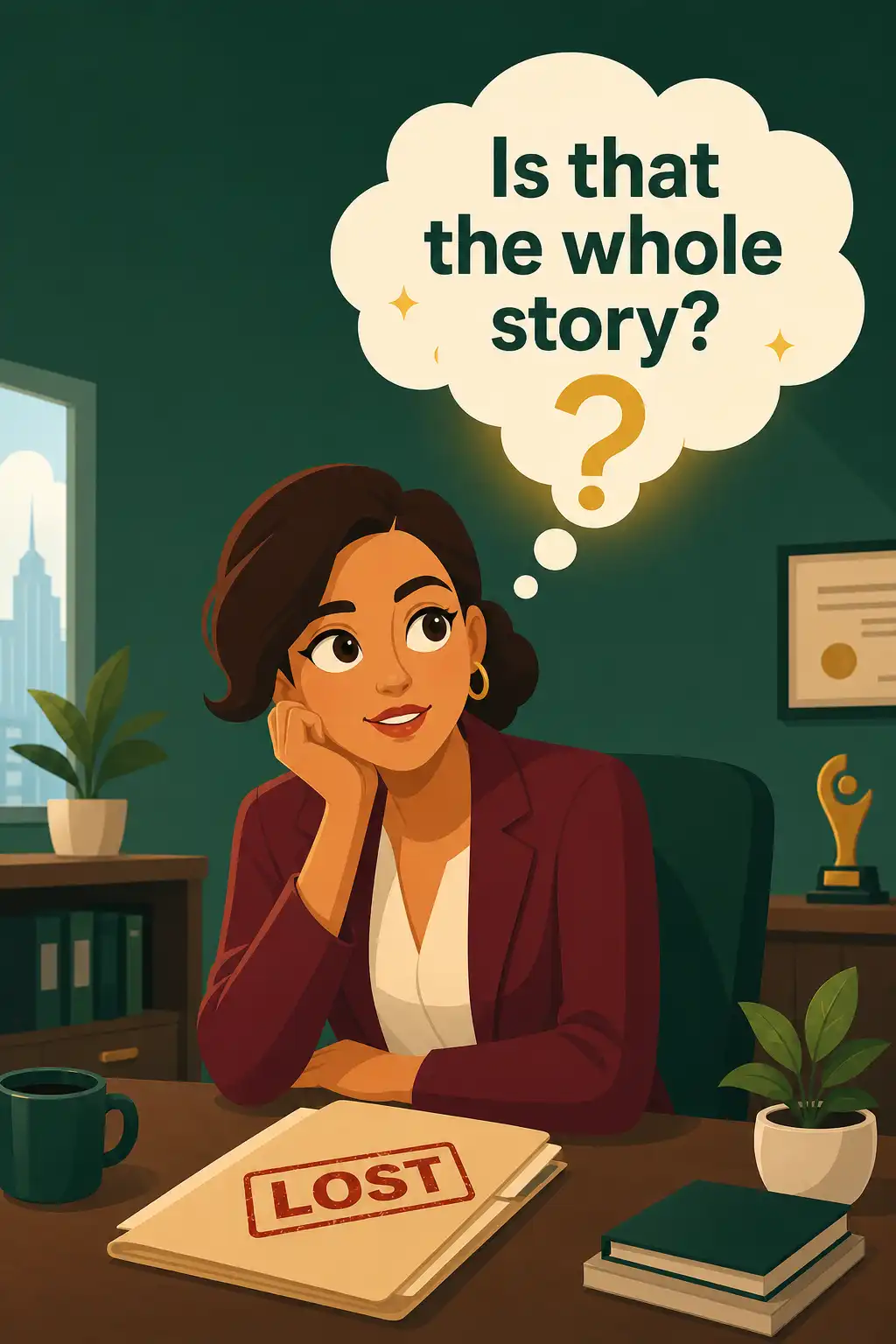
That lost account really stings. Carla had done everything by the book, so the failure feels like proof she's a fraud. But maybe the result isn't the whole story.

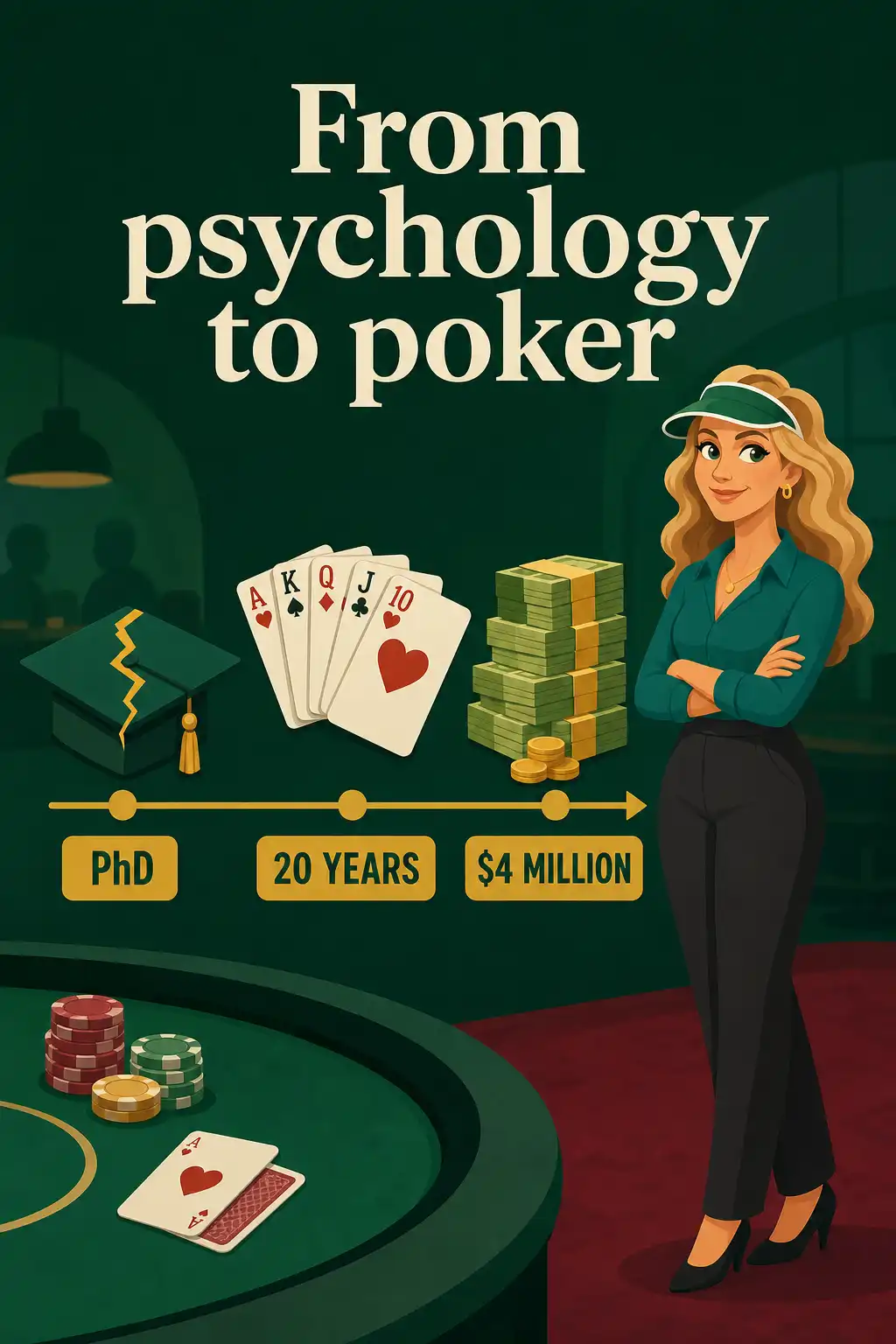
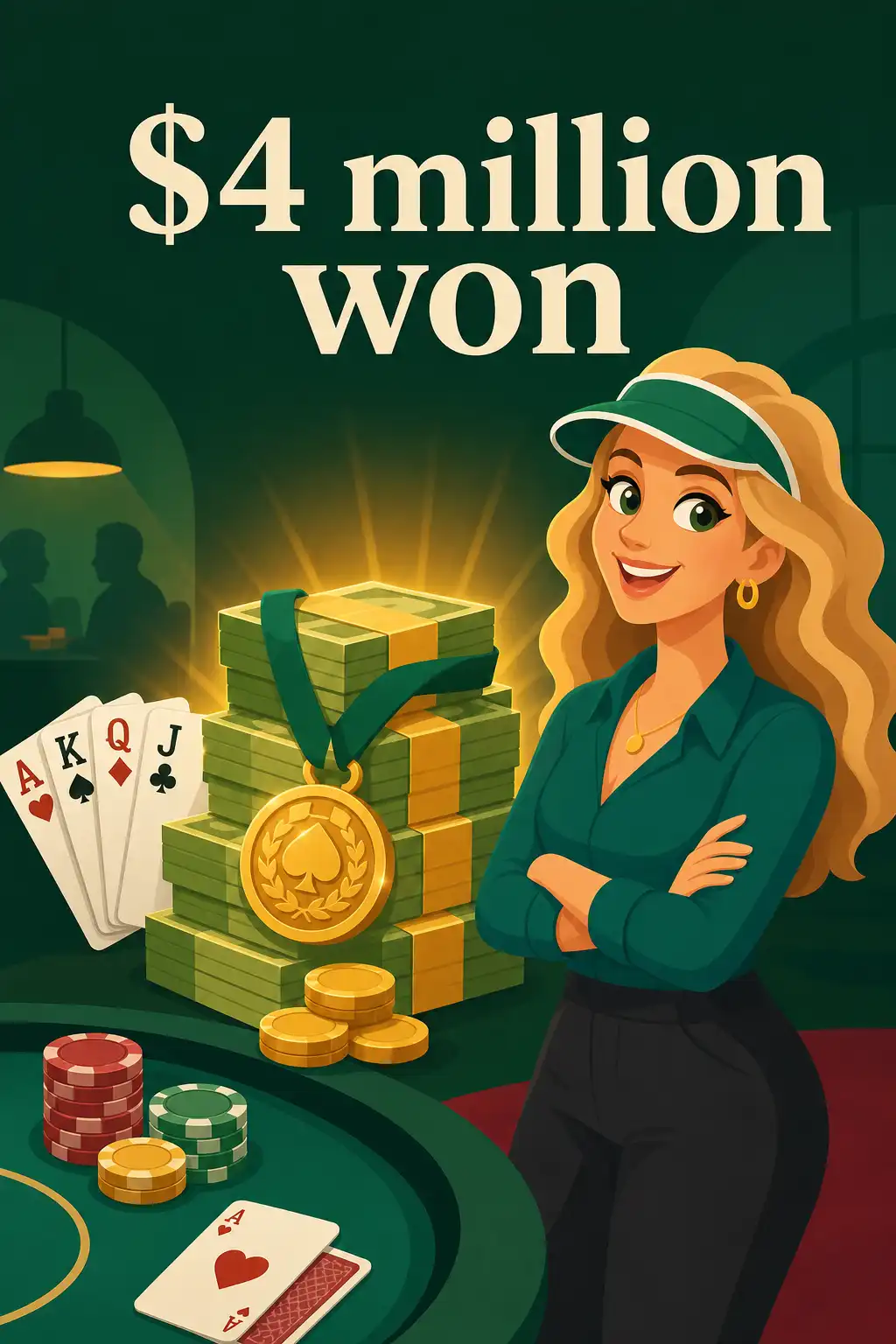
Annie Duke spent twenty years as a professional poker player, winning over four million dollars, after an illness derailed her PhD in cognitive psychology.

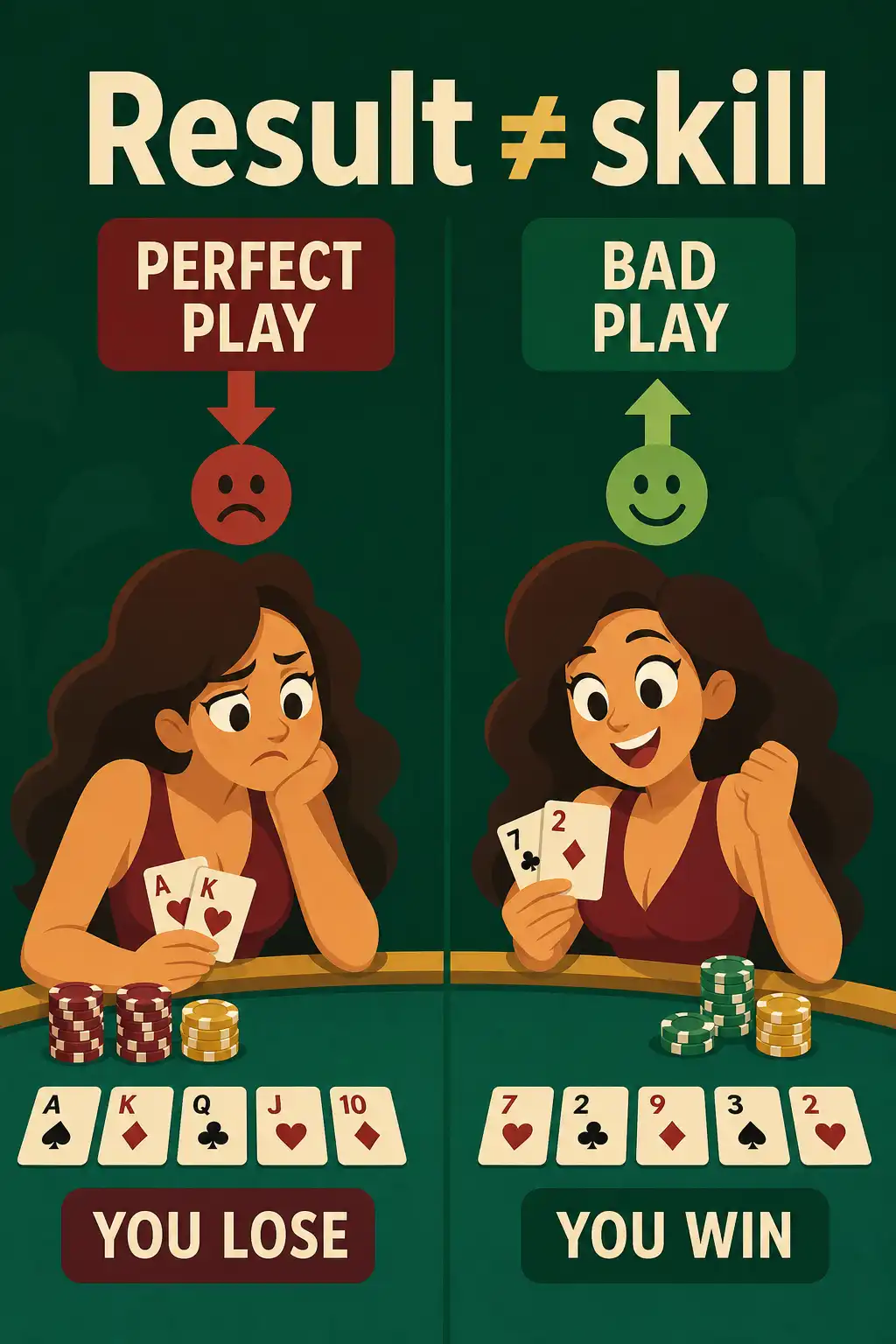
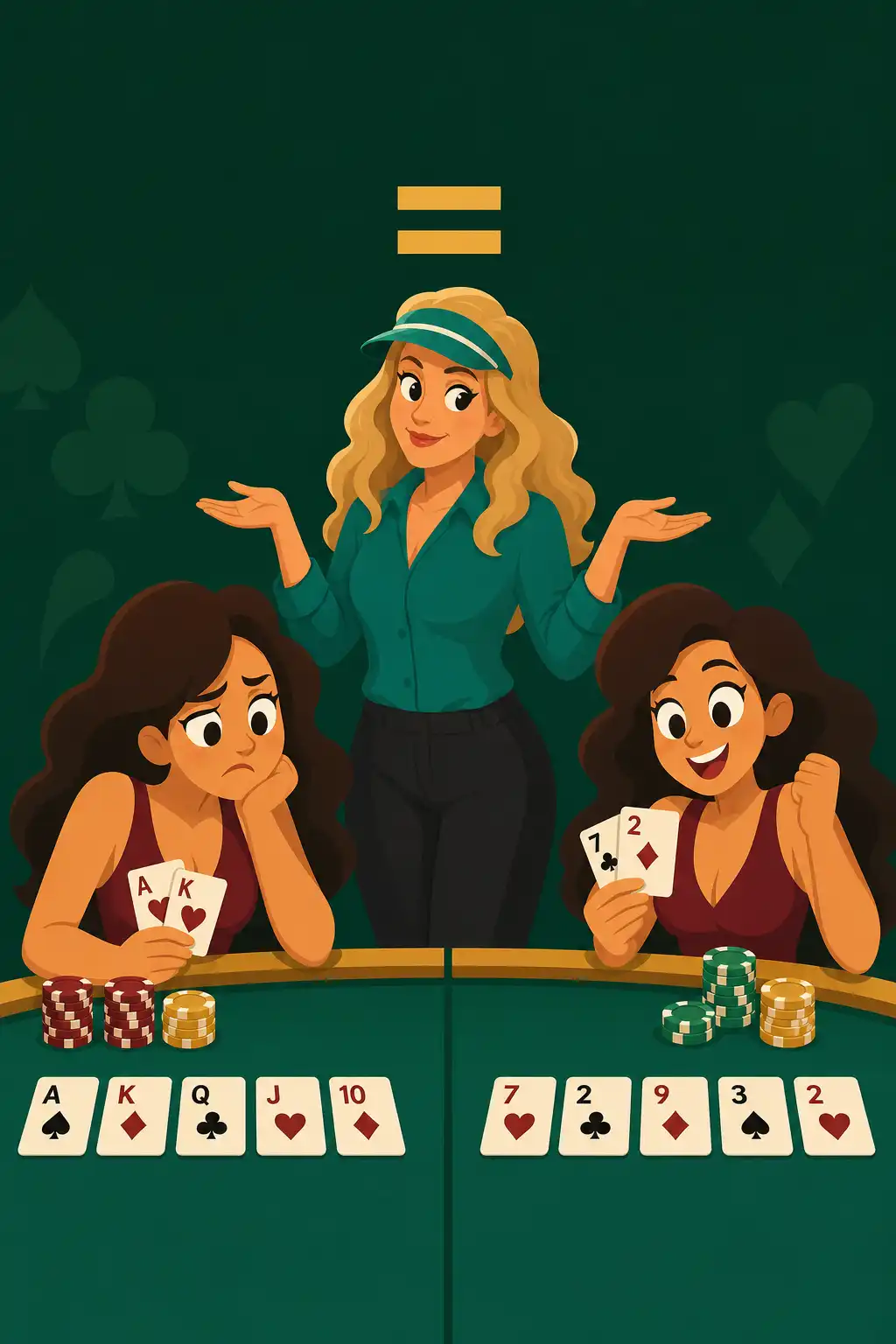
At the table she learned a hard truth. You can play a hand perfectly and still lose, or play it badly and get lucky.

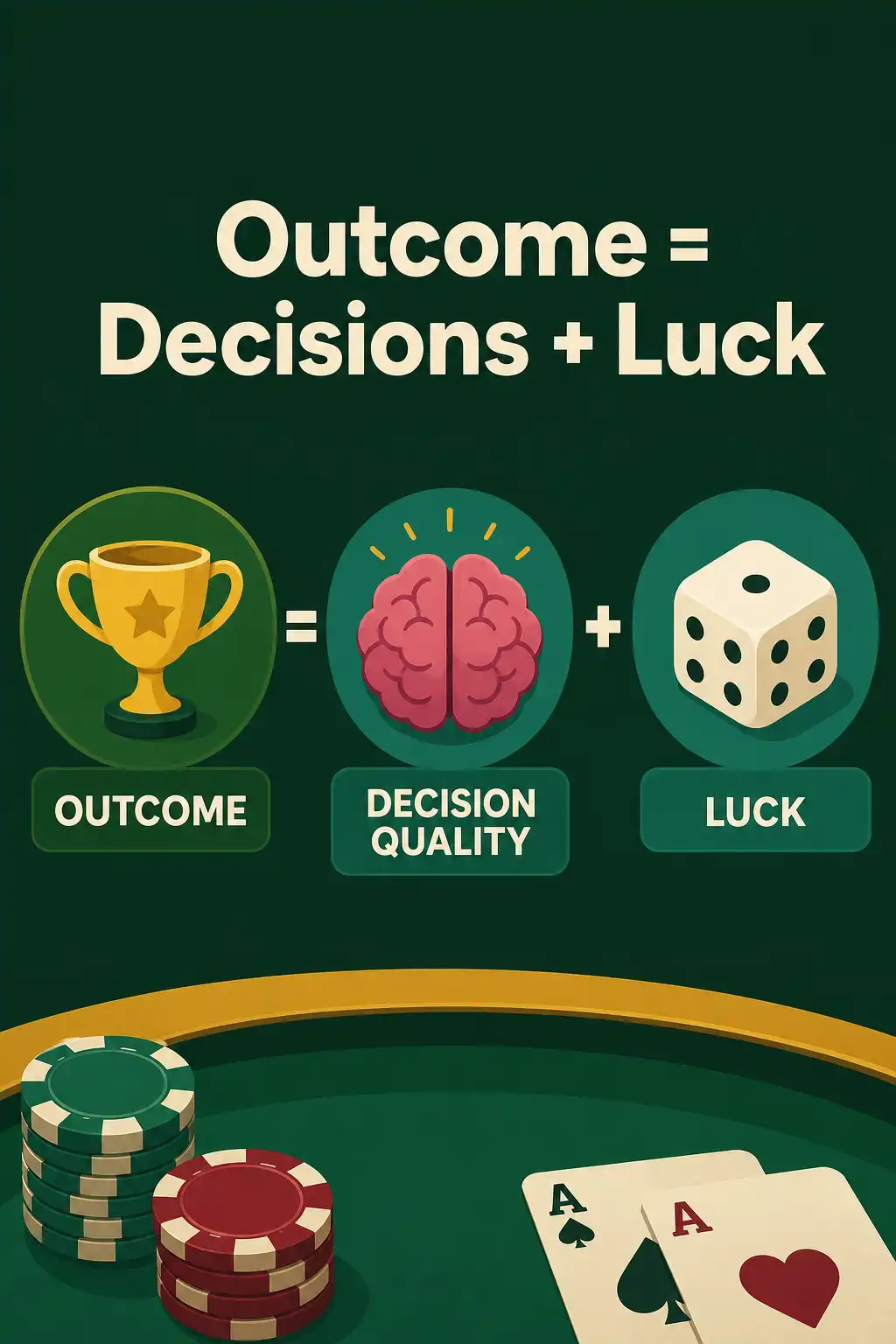
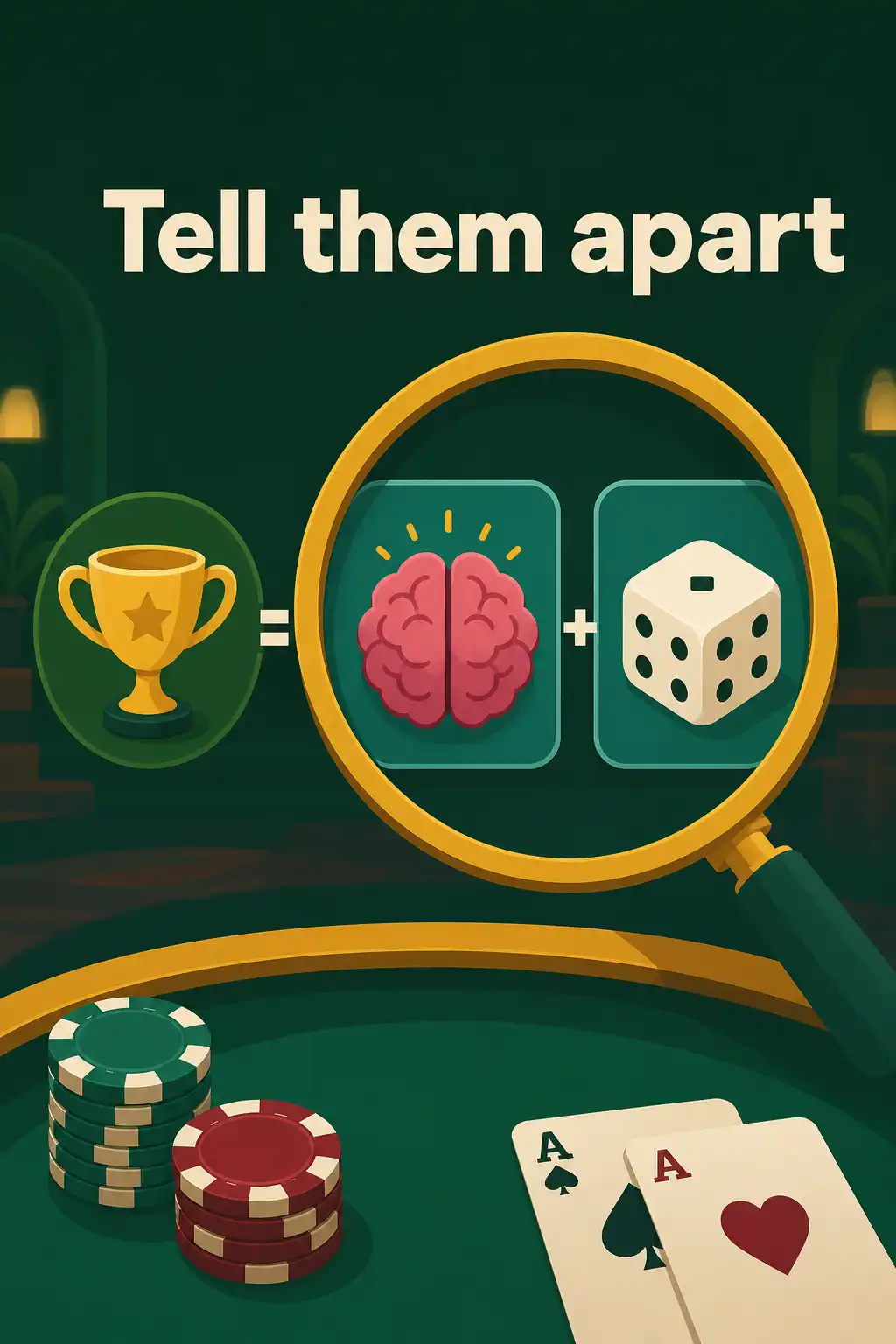
Every outcome in life, Duke says, comes from two things. The quality of your decisions, and plain luck. Telling them apart is the whole game.

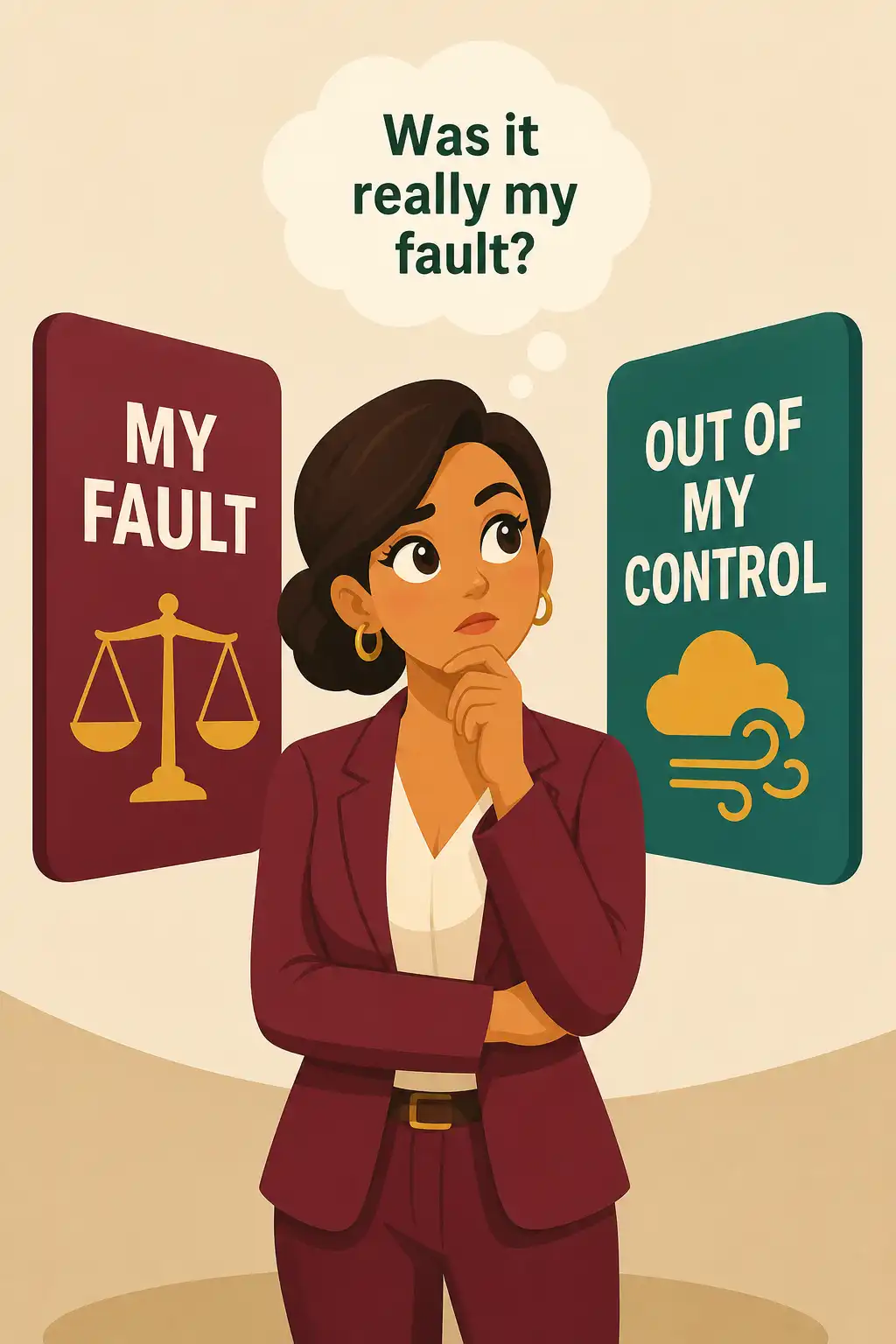
So Carla asks herself a new question. Was losing the account really my fault, or did factors I couldn't control quietly tip it away from me?

It turns out the client's parent company had frozen all spending that week. Carla's pitch never had a chance, no matter how good it was.
Lesson 2: Don't judge decisions by results

A week later, Carla's boss praises a rushed discount deal she now regrets, one that happened to land a client. It won, so everyone calls it brilliant.

Poker players have a name for this. Resulting. It means judging a decision only by how it turned out, not by how sound it was in the moment.

Duke points to Pete Carroll's famous Super Bowl pass that got intercepted at the goal line. Headlines called it the worst call ever, but the math actually said it was reasonable.

Had that pass worked, Carroll's a genius. The decision never changed, only the result did. We rewrite the past once we know how it ended.

That's hindsight bias, the belief that a bad outcome was obvious all along. It quietly warps your future choices with guilt that you don't even deserve.

So Carla reframes both events. The lost account was a fine decision with bad luck. The discount deal was a sloppy decision that just got lucky.

Lesson 3: Treat beliefs as bets

Now Carla faces a choice. A coworker swears their newest competitor is about to go under, so she should poach their unhappy clients aggressively while she can.

Duke says every decision is really a bet on an uncertain future. Acting on that rumor would risk Carla's time, her budget, and her reputation, all on a guess.

And our beliefs are shaky. Psychologist Daniel Gilbert found that we tend to accept things as true first and question them later, if we ever do.

Duke's trick is to imagine someone asking, wanna bet? Suddenly you wonder how you really know, where the claim came from, and what you might be missing.

So she attaches a confidence level to the rumor. She's only about thirty percent sure the competitor is failing. That's far too thin to bet big on.

Naming her uncertainty makes Carla more open, more credible, and more willing to update later. Small shifts from thirty to forty percent stop feeling humiliating.

Lesson 4: Sort skill from luck honestly

A great quarter arrives, and Carla feels unstoppable. She credits her instincts. But a teammate's slump? She quietly assumes he's just not trying hard enough.

That's self-serving bias. Duke says we take credit for wins as skill and blame losses on luck, then flip it completely when judging everyone else.

Champion Phil Hellmuth once claimed he'd win every tournament if luck didn't exist. Even smart people, Duke notes, are often just better at rationalizing.

Each decision feeds a learning loop. Belief leads to a bet, the bet brings an outcome, and that outcome should update your beliefs, if you're honest about it.

So Carla tries perspective-taking. She asks how she'd judge her good quarter if a rival had it, and what bad luck her teammate might quietly be hitting.

Like top pro Phil Ivey, who reviews even his wins hunting for mistakes, Carla rewires her habit, getting her ego boost from being accurate instead of from being right.

Lesson 5: Build a truthseeking group

Carla tries this alone and keeps slipping back into excuses. She realizes she needs help spotting her own blind spots, the ones she just can't catch solo.

Duke learned poker faster thanks to a small group who refused to indulge her bad-luck stories and pushed her to examine her actual decisions instead.

So Carla forms a small pod. Three trusted colleagues who agree to review each other's calls honestly. It only takes a few committed people to make this work.

Duke says a good group rests on three rules. Chase accuracy over comfort, hold each other accountable, and welcome people who genuinely disagree with you.

But truthseeking only works when people opt in. When Letterman told reality star Lauren Conrad she caused her own drama, she just shut down cold.

Accountability sharpens Carla almost instantly. Just knowing she'll explain a deal to her pod next week makes her pause and think harder in the moment.

Lesson 6: Make groups chase the truth

Carla's pod almost becomes a cheer squad. To keep it sharp, Duke offers science's playbook, neatly summed up by sociologist Robert Merton's acronym, CUDOS.

First, share information openly. The messy details we're most tempted to hide are often the very ones the group needs to judge a decision well.

Second, judge ideas on merit, not on who said them. Carla had been ignoring tips from a junior rep she'd unfairly written off as clueless.

Third, guard against bias. Carla tries outcome blindness, asking her pod to review a pitch without telling them whether it actually won or lost.

She also stops sharing her opinion first, since people unconsciously echo the boss. Fourth, welcome dissent by gently asking, have you considered this instead?

With outsiders, Duke suggests leading with real agreement, then adding your view with the word and, not but. It keeps people curious instead of defensive.

Lesson 7: Recruit your future self

Friday night, exhausted, Carla nearly fires off an angry email to a client who stiffed her. Tomorrow's Carla will have to clean up the whole mess.

Duke calls this temporal discounting. Like Seinfeld's Night Guy who robs Morning Guy of sleep, we let the present self ignore the future self entirely.

In one study, people who saw an aged photo of themselves saved more for retirement. A vivid future self nudges wiser choices today.

So Carla uses the 10-10-10 tool. How will this email feel in ten minutes, ten months, ten years? She closes the laptop and walks away.

Poker players call that emotional spiral tilt, when one bad beat wrecks every choice after it. The fix is committing to step away beforehand, not in the moment.

So Carla sets Ulysses contracts, named for the sailor who tied himself to the mast. She auto-schedules tough emails for morning, never late at night.

Lesson 8: Map the future before you bet

A new opportunity appears. A stack of possible deals, each with a different chance of closing. Carla wants to plan her whole quarter around them.

Duke advises mapping the future first. List the possible outcomes, estimate the odds of each, and plan how you'll respond when reality finally picks one.

A nonprofit Duke advised once counted every pending grant at full value. Multiplying each by its real chance of winning gave them honest expected numbers to plan with.

So Carla weighs each deal by its probability, not its full price. Suddenly her forecast feels realistic, and she knows where to spend her energy.

She also backcasts. Standing at next quarter's goal, she asks how she got there, which surfaces a richer plan than staring at today's first step.

Then she runs a premortem, imagining the plan failed and asking why. Picturing obstacles upfront, Duke says, makes success likelier and invites honest dissent.

Lesson 9: Keep your decision tree intact

Months later, one of Carla's well-planned bets still flops. Her old instinct whispers, I should have known. But this time she catches herself early.

Duke pictures decisions as a tree. The trunk is the fixed past, the branches are possible futures, some thick and likely, some thin and unlikely.

Once one branch comes true, we saw off all the others and pretend that outcome was always inevitable. That's hindsight bias swinging its chainsaw.

So Carla keeps a record of the branches she considered and the odds she gave them. The unlikely outcome happened, but her reasoning was sound.

A year on, Carla isn't right every time, and she's okay with that. She loses some bets calmly, learns faster, and earns her promotion.

That's Annie Duke's lesson. Life is one long game of uncertain bets. You won't always win, but you can always make smarter, clearer-eyed decisions.

Next step

Want the animated version?

Quick setup, then watch this summary in a more engaging visual format.