










The Courage to be Disliked cover

Book summary: The Courage to be Disliked by Ichiro Kishimi and Fumitake Koga

10 min read10 key lessonsText + animated summary

Topics will appear here once mapped for this book.

It's 9 p.m. Daniel sits frozen at his desk, rereading the same email he's too afraid to send, convinced his life is permanently stuck.

One-sentence summary

The Courage to be Disliked by Ichiro Kishimi and Fumitake Koga uses Alfred Adler's psychology to show how anyone can choose happiness, starting today.

Reading about The Courage to be Disliked is one thing.

Watching it is faster, more fun, and you'll actually remember it.

Open in app

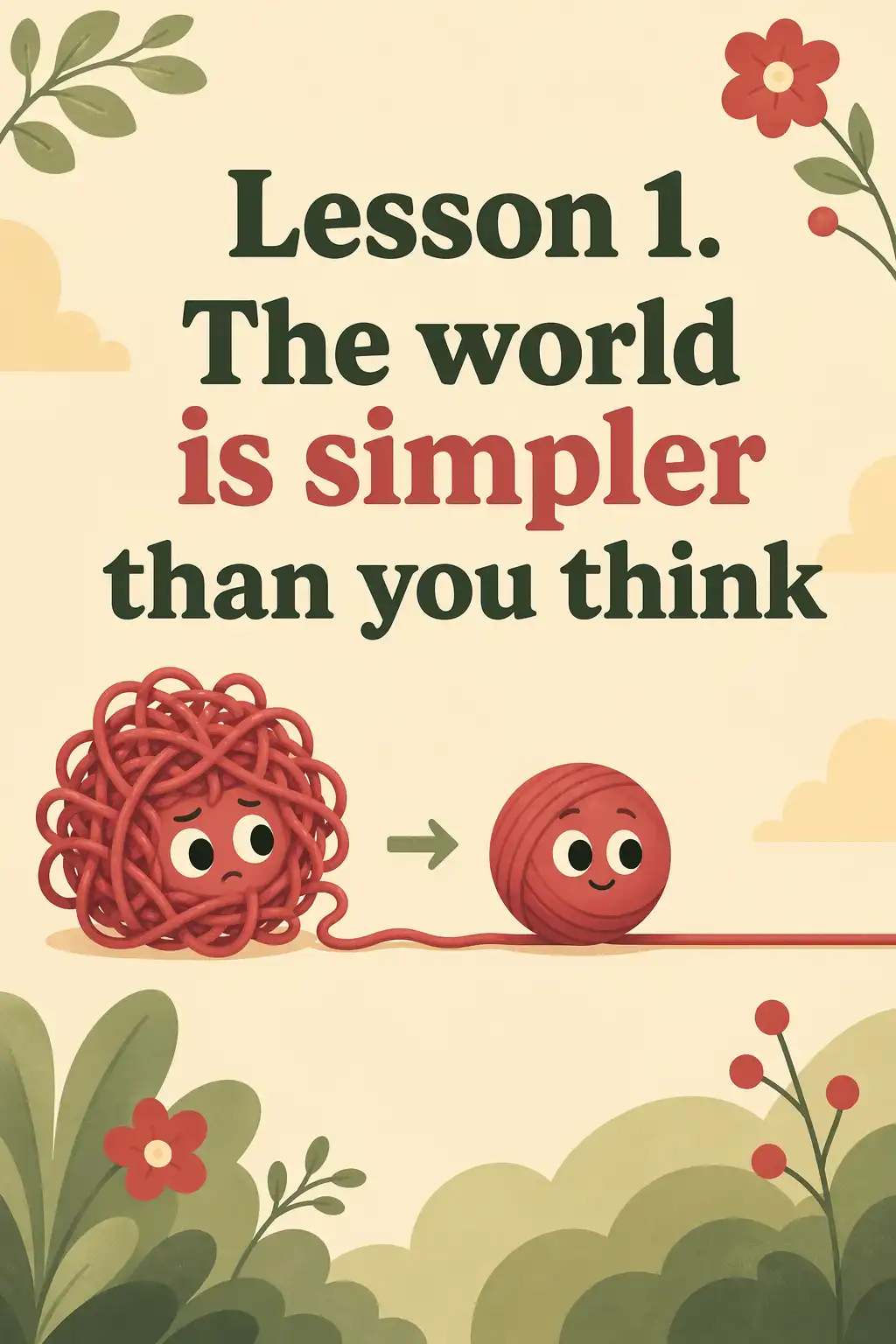
Lesson 1: The world is simpler than you think

Daniel closes his laptop and stares at the wall. He's thirty-two, working in marketing, and genuinely believes he's simply too shy to ever feel happy.

Life feels tangled. His coworkers seem effortless, his apartment feels small, and every Sunday night his chest tightens for no clear reason.

Kishimi and Koga wrote this book as a dialogue between a philosopher and a restless young man, drawing directly on the ideas of Alfred Adler.

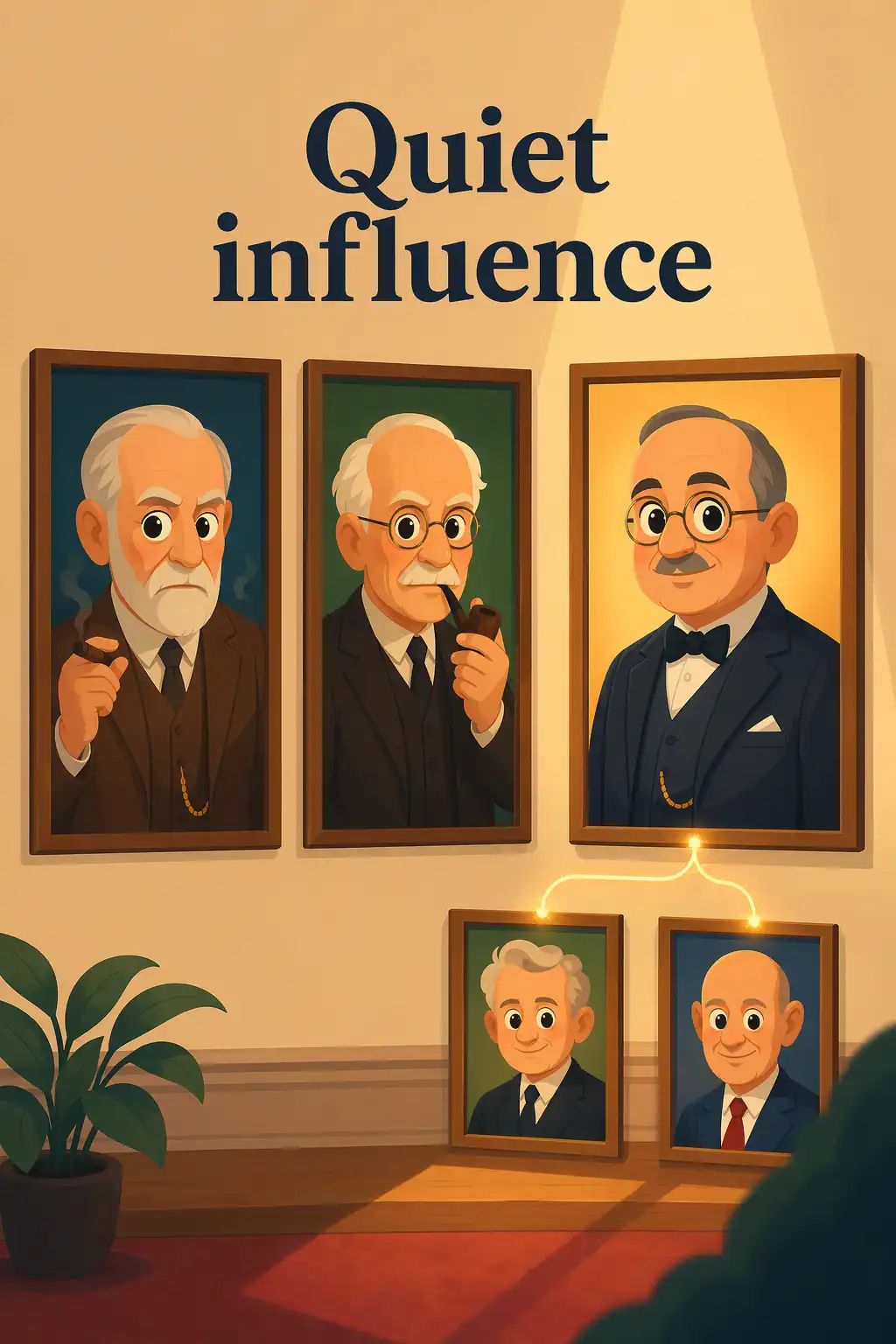
Alongside Freud and Jung, Adler is one of the great thinkers of modern psychology. His ideas quietly shaped the work of Dale Carnegie and Stephen Covey.

The book's core claim is striking. The world isn't objectively complicated. It only looks that way because of the subjective lens each person wears.

Think of well water. It stays around fifty-five degrees year round. It feels cold in summer and warm in winter. Reality didn't change. Your perception did.


Lesson 2: You choose your feelings for a reason

The next morning, Daniel snaps at a barista who mishandles his order. Walking out, he feels justified, then slightly ashamed, then genuinely confused.

He tells himself the anger was automatic. But Adler's teleology says something uncomfortable. Emotions aren't causes. They're tools we pick up for a purpose.

Koga gives a vivid example. A mother screaming at her daughter answers the phone sweetly, then resumes yelling. Anger, clearly, can be switched on and off.

Daniel wanted to dominate the barista quickly, so he manufactured anger to do the job. The shouting came first. The feeling followed.

This changes everything. His shyness, his bad moods, his avoidance, each serves some hidden purpose. They aren't fixed traits. They're chosen strategies.

If Daniel chose this lifestyle, roughly around age ten, he can choose differently now. Staying stuck just feels safer than the unknown.

Lesson 3: Inferiority is a story, not a fact

That weekend, at a friend's party, Daniel catches himself scanning the room, cataloguing who's taller, funnier, more successful. He leaves early, totally drained.

Kishimi would call this a feeling of inferiority, and it's completely subjective. Daniel isn't actually short or boring. He's measuring himself against standards he chose.

A feeling of inferiority can actually fuel healthy growth, like hunger. The problem begins when it curdles into an inferiority complex, used as a permanent excuse.

Daniel often thinks, I'd date more if I were taller. That's the life-lie. He's protecting himself from rejection by blaming his height.

The philosopher argues that all problems are, at bottom, interpersonal problems. Self-dislike is a shield. If Daniel decides he's unworthy, nobody can reject him first.

Recognising this stings. But it also means the wall around Daniel's life isn't built from facts. It's built from carefully chosen excuses.

Lesson 4: Stop competing with everyone

Monday morning. Daniel's coworker Priya gets promoted. His stomach clenches. He starts listing reasons she doesn't deserve it, then hates himself for doing so.

Adler would say Daniel just turned a colleague into an enemy. When life becomes competition, every person around you becomes a threat.

The healthier pursuit of superiority isn't about beating others. It's about moving forward from where you personally stand, at your own pace, on your own path.

So Daniel tries something new. He walks over, genuinely congratulates Priya, and asks what she's working on. The knot in his chest loosens noticeably.

He also notices something else. Admitting Priya earned it isn't defeat. Refusing to admit it would just be protecting his ego from honesty.

Life, Kishimi writes, is not a race. Treating it like one poisons every friendship, every collaboration, every chance at genuine connection.

Lesson 5: Separate your tasks from theirs

Daniel's mother calls. She's worried he isn't married, isn't saving enough, isn't visiting enough. He hangs up feeling twelve years old again.

Here Koga introduces the separation of tasks. Ask one simple question. Who ultimately bears the consequences of this decision? That person owns the task.

Whether Daniel marries is his task. Whether his mother worries about it is her task. He's been carrying her anxiety as if it were his own.

This isn't coldness. Daniel can still love her, listen, even help when asked. But he stops trying to manage feelings that aren't his to manage.

And here's the hard truth about freedom. Living by your own values means some people, sometimes including family, will disapprove of you.

Freedom, Kishimi says bluntly, is being disliked by other people. Not seeking dislike, but accepting it as the honest cost of an authentic life.

Lesson 6: Stop chasing recognition

At work, Daniel realizes he spends hours crafting Slack messages, hoping for thumbs-up emojis. Without them he spirals. With them, relief lasts only minutes.

Adler warns against the desire for recognition. It traces back to childhood reward-and-punishment patterns, training us to perform for approval instead of simply living.

When Daniel chases likes, he's effectively living his colleagues' lives, not his own. Every choice gets filtered through one anxious question. Will they approve?

So he runs a small experiment. He proposes an unpolished idea in a meeting without rehearsing every word. Some teammates push back. The world doesn't end.

Afterward, he notices something strange. The mild disapproval feels survivable. Meanwhile, the idea itself was actually better than his usual approval-seeking drafts.

Letting go of recognition isn't selfish. It's finally reclaiming the tasks that were always his, from people who were never meant to carry them.

Lesson 7: Build horizontal relationships

Daniel starts mentoring a junior colleague, Marcus. He notices he keeps saying, good job, nice work, well done, in a slightly parental tone.

Kishimi would flag this immediately. Praise seems kind, but it's actually vertical. It's a superior passing judgment downward on an inferior's performance.

Think about it. You'd never praise your partner for taking out the trash the way you'd praise a child. Praise quietly ranks people.

The Adlerian alternative is encouragement, rooted in horizontal relationships, where people differ but aren't ranked. Instead of praise, you simply offer genuine thanks.

Daniel tries it. Marcus finishes a report, and Daniel says, thank you, this really helped me. Marcus straightens up, visibly steadier and genuinely contributing.

Gratitude gives people a feeling of worth that comes from inside, not from a boss's verdict. That inner worth, Adler says, is real courage.

Lesson 8: Contribute, don't perform

Sunday dinner at his sister's house. Daniel finds himself washing dishes alone while everyone laughs in the living room. Old resentment flares up.

Koga uses almost this exact scene. A wife stuck with the dishes either grumbles bitterly, or shifts her view to see family as comrades.

Same dishes, totally different experience. The pivot is from what will they do for me, to what can I actually contribute here?

Daniel tries it deliberately. He pictures his niece's sticky fingerprints, his sister's long week, and keeps scrubbing. The resentment quietly drains away.

This connects with self-acceptance and confidence in others. Accept yourself honestly at sixty percent. Trust people unconditionally. Then contribute without demanding payment.

Happiness, Adler says, is the feeling of contribution. Not applause, not promotion. Just the quiet, subjective sense that you're of use to someone.

Lesson 9: Have the courage to be ordinary

Late one night, Daniel scrolls LinkedIn and feels the old ache. He hasn't founded anything, written anything, become anyone particularly special or remarkable.

Kishimi addresses this directly. The desire to be special, whether through achievement or through dramatic suffering, is often a refusal to accept being ordinary.

Children who can't be especially good sometimes become especially bad, just to stand out. Adults do subtler versions of the same desperate move.

The alternative Adler offers is surprising. Have the courage to be normal. Ordinary isn't failure. It's simply the honest condition of most good lives.

Daniel closes the app. He thinks about his walks, his friends, his slowly improving guitar playing. None are remarkable. All are genuinely his.

Dropping the demand to be special doesn't shrink his life. It finally lets him actually live it, instead of auditioning for a biography.

Lesson 10: Dance through the present moment

A month later, Daniel is walking home through falling snow. He isn't rehearsing tomorrow or replaying yesterday. He's just walking, breathing, here.

Kishimi ends the book with this image. Life isn't a climb toward a distant summit. It's a dance, complete in each moment of movement.

Aristotle distinguished kinetic activity, aimed at an external goal, from energeial activity, where the doing itself is the point. Dancing is energeial.

The greatest life-lie is treating the present as a waiting room for some future real life. That future never arrives. Only this moment does.

Life, in general, has no built-in meaning. Whatever meaning Daniel's life holds, he'll assign himself, guided by one steady star. Contribution to others.

So Daniel sends the email he once feared, thanks a coworker, calls his mother. Small, ordinary, free. Someone has to start. That someone is you.

You've read the summary. Now watch it.

The animated version covers the same ideas — faster, and in a format you'll actually remember.

Next summary