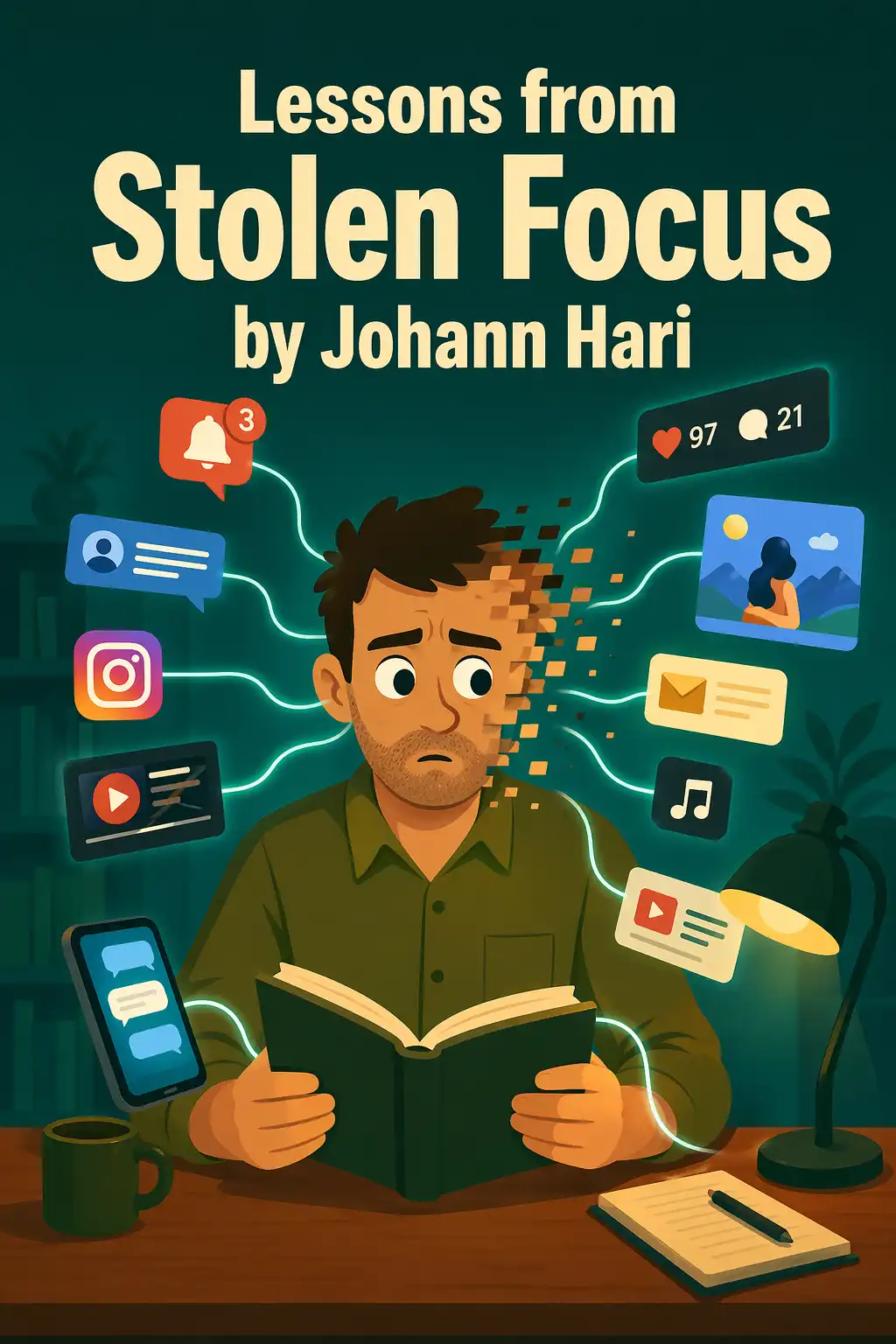

Stolen Focus cover

Book summary: Stolen Focus by Johann Hari

10 min read12 key lessonsText + animated summary

Topics will appear here once mapped for this book.

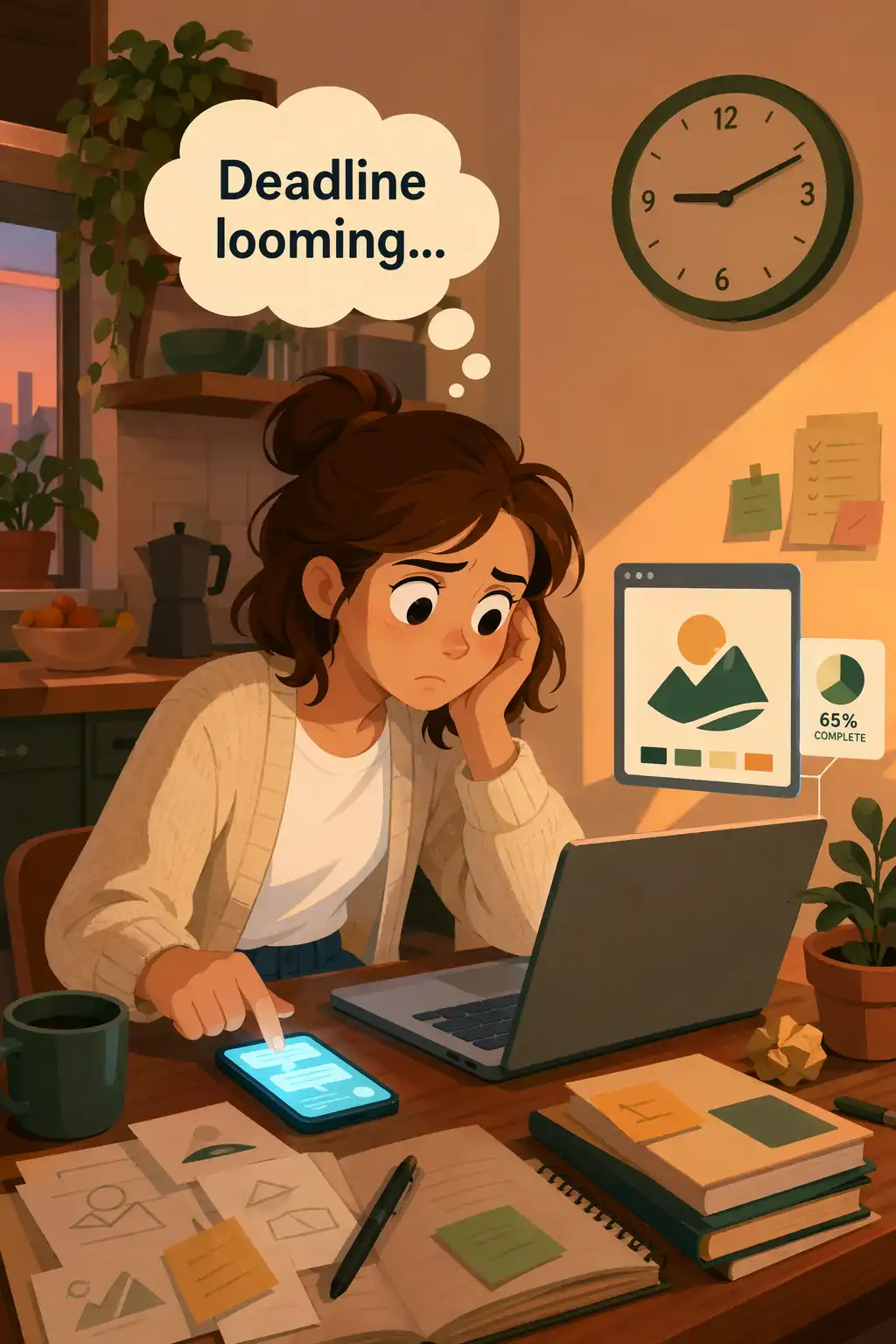
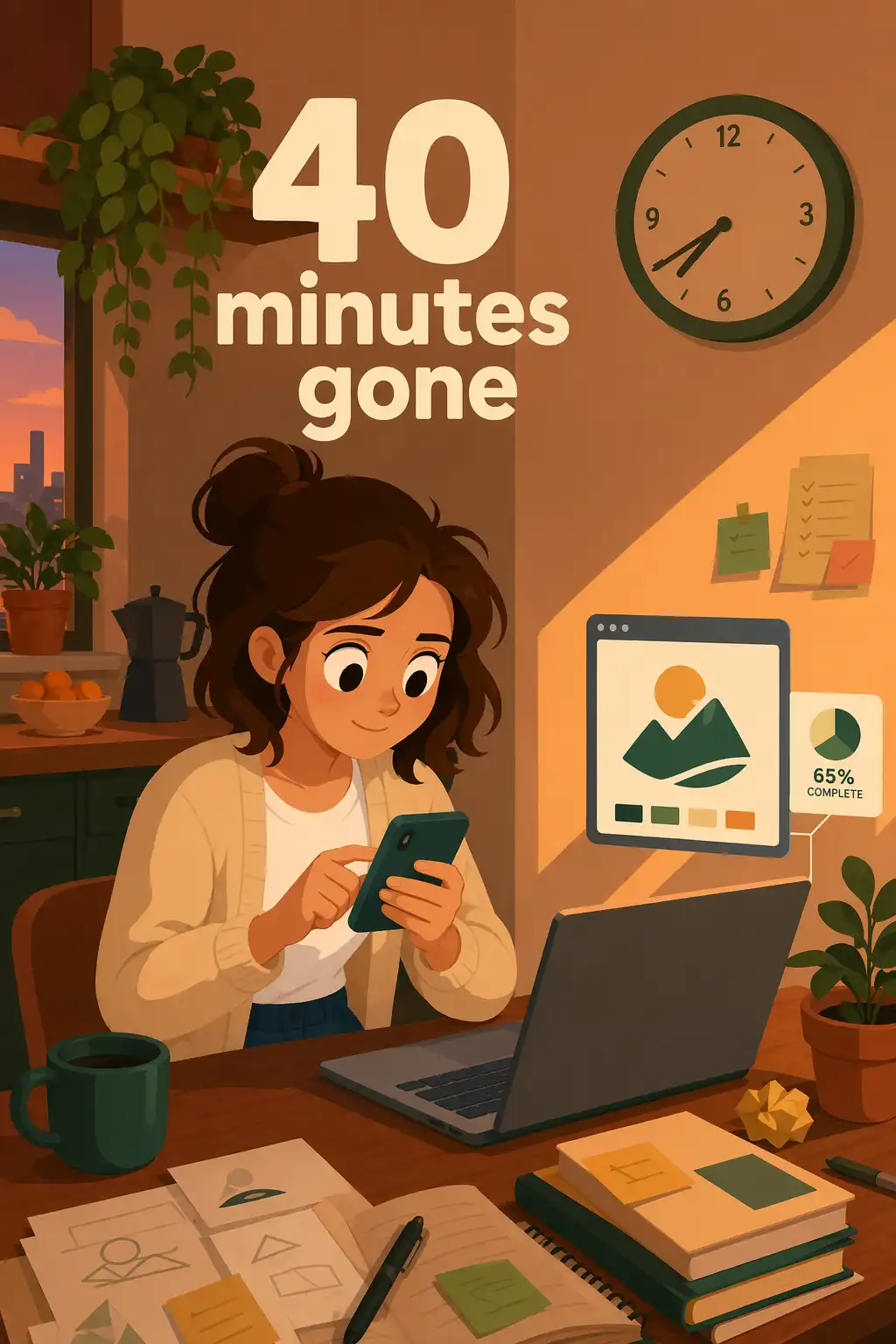
Emma stares at her laptop. The deadline is looming. But her thumb keeps drifting to her phone, and somehow, forty minutes have just vanished again.

One-sentence summary

In "Stolen Focus," Johann Hari explores why our attention is collapsing, and he reveals twelve hidden forces quietly dismantling our ability to think deeply.

Reading about Stolen Focus is one thing.

Watching it is faster, more fun, and you'll actually remember it.

Open in app

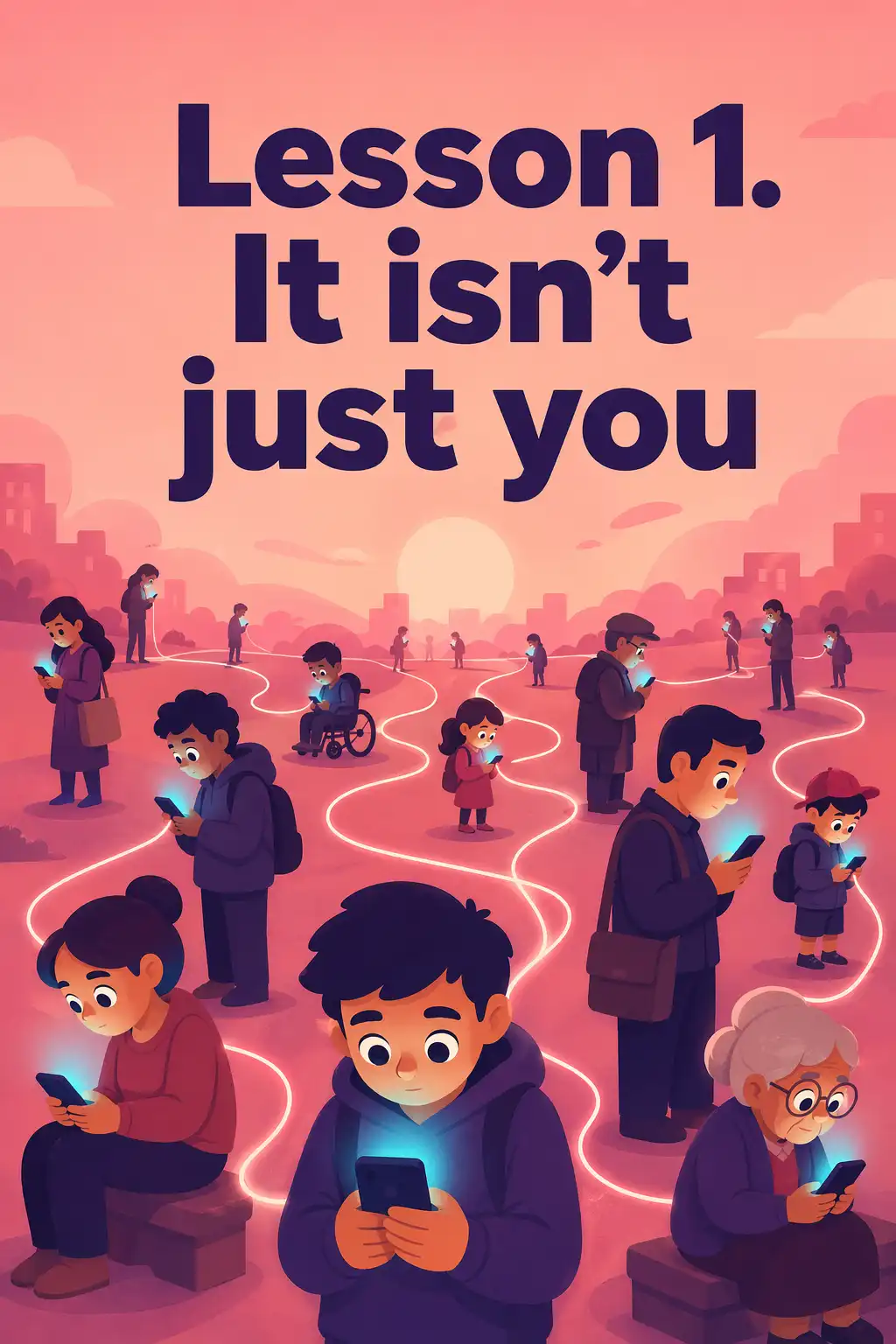
Lesson 1: It isn't just you

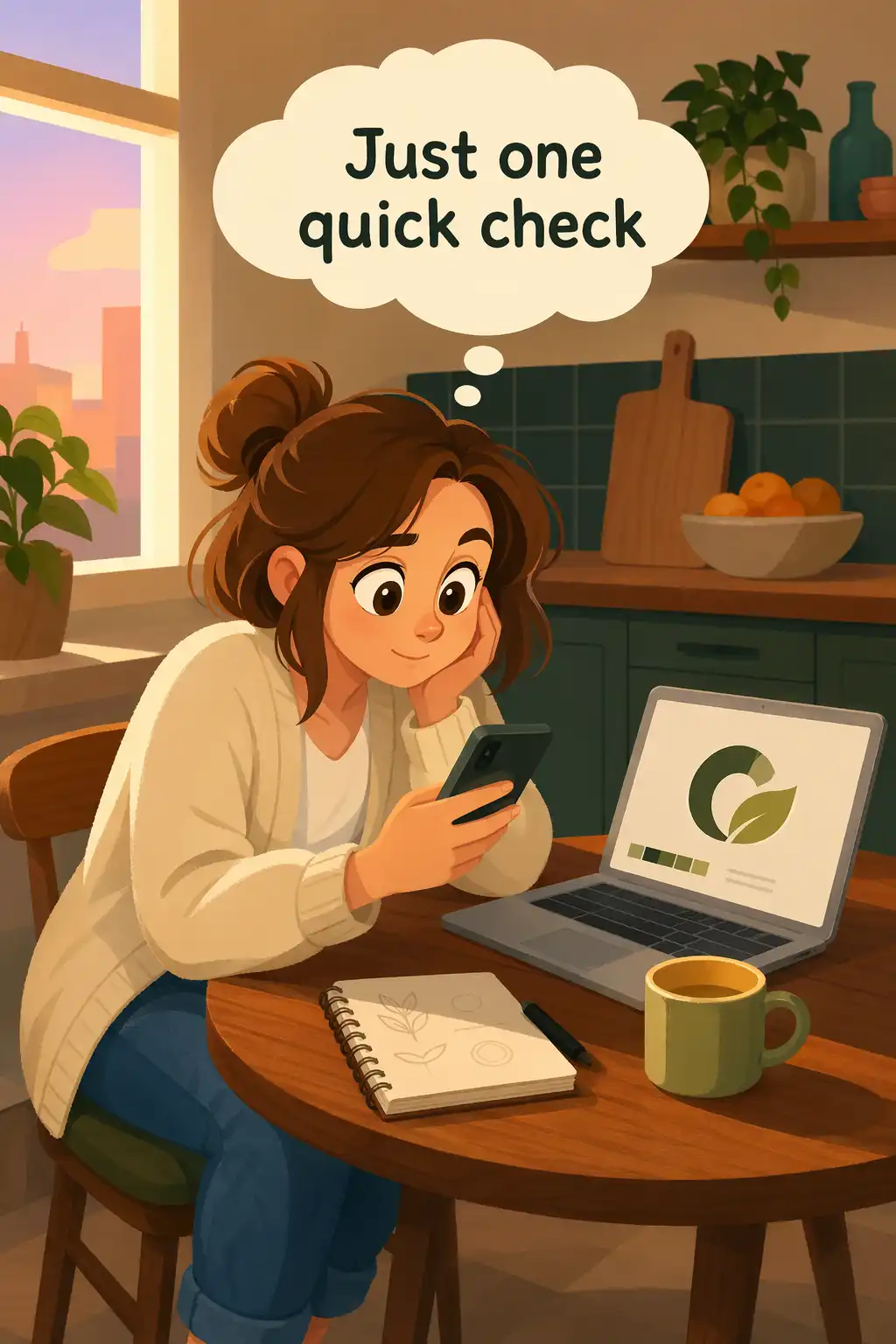
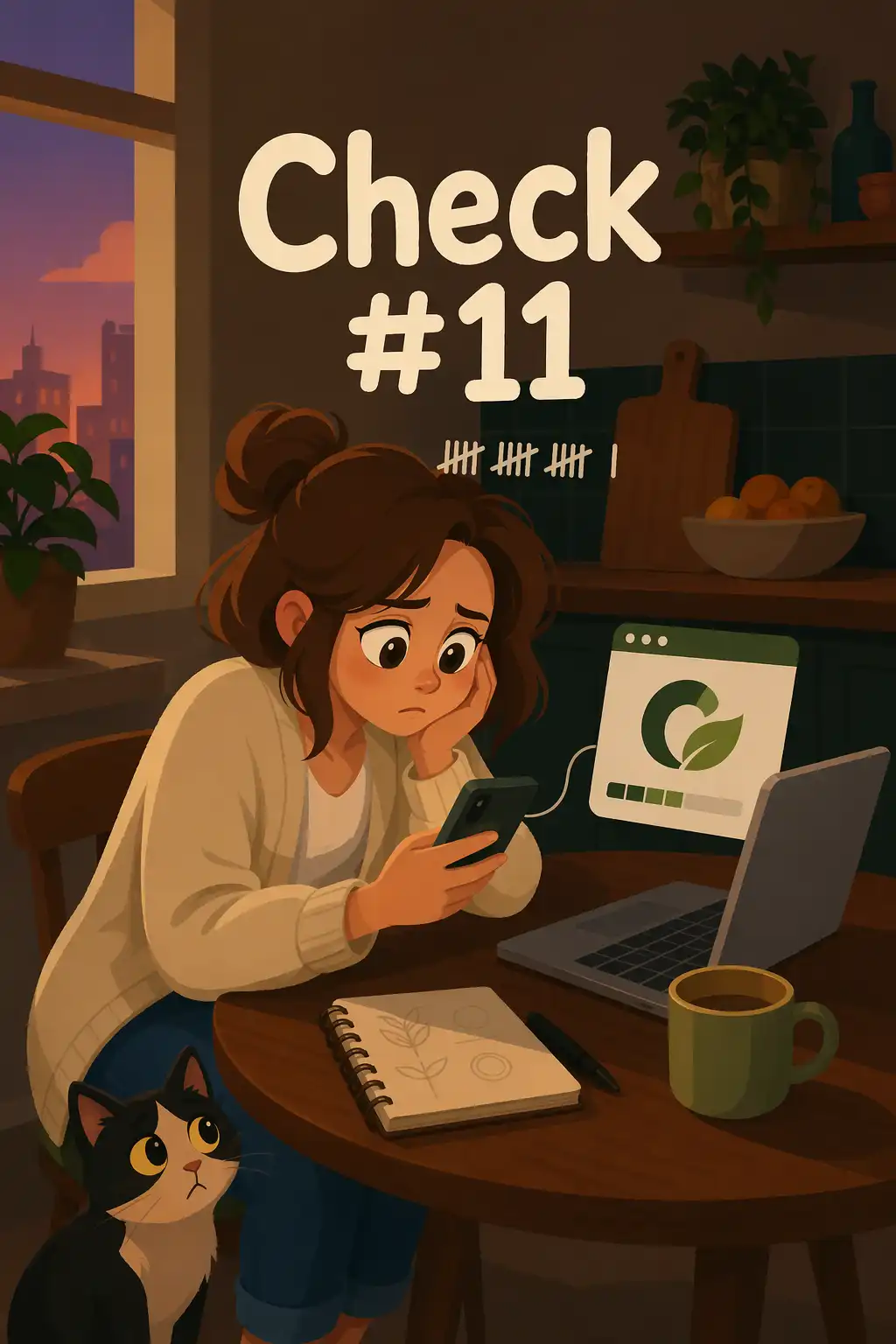
Emma, a graphic designer, sits at her kitchen table trying to finish a client's logo. Instead, she's checked Instagram eleven times in the past hour.

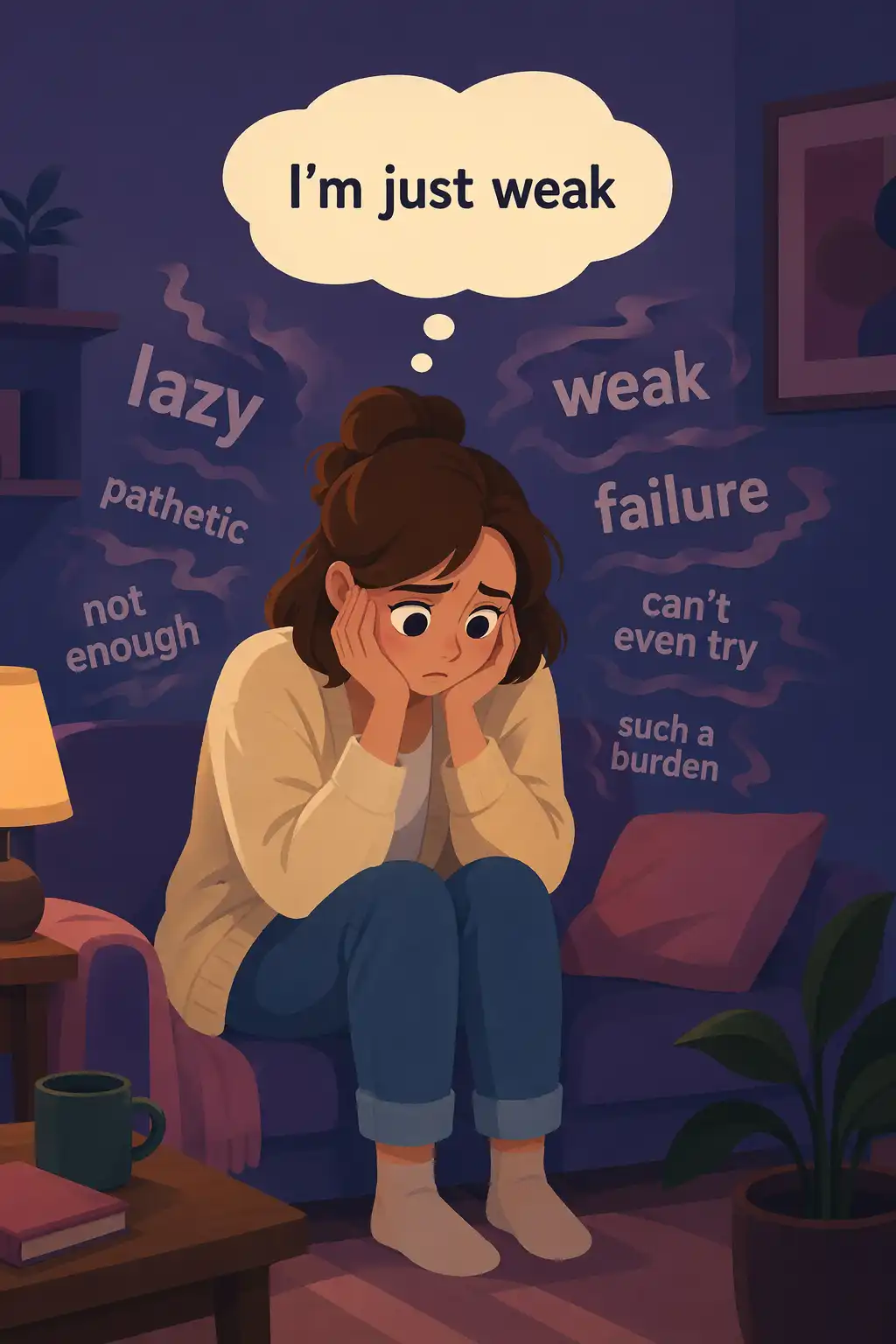
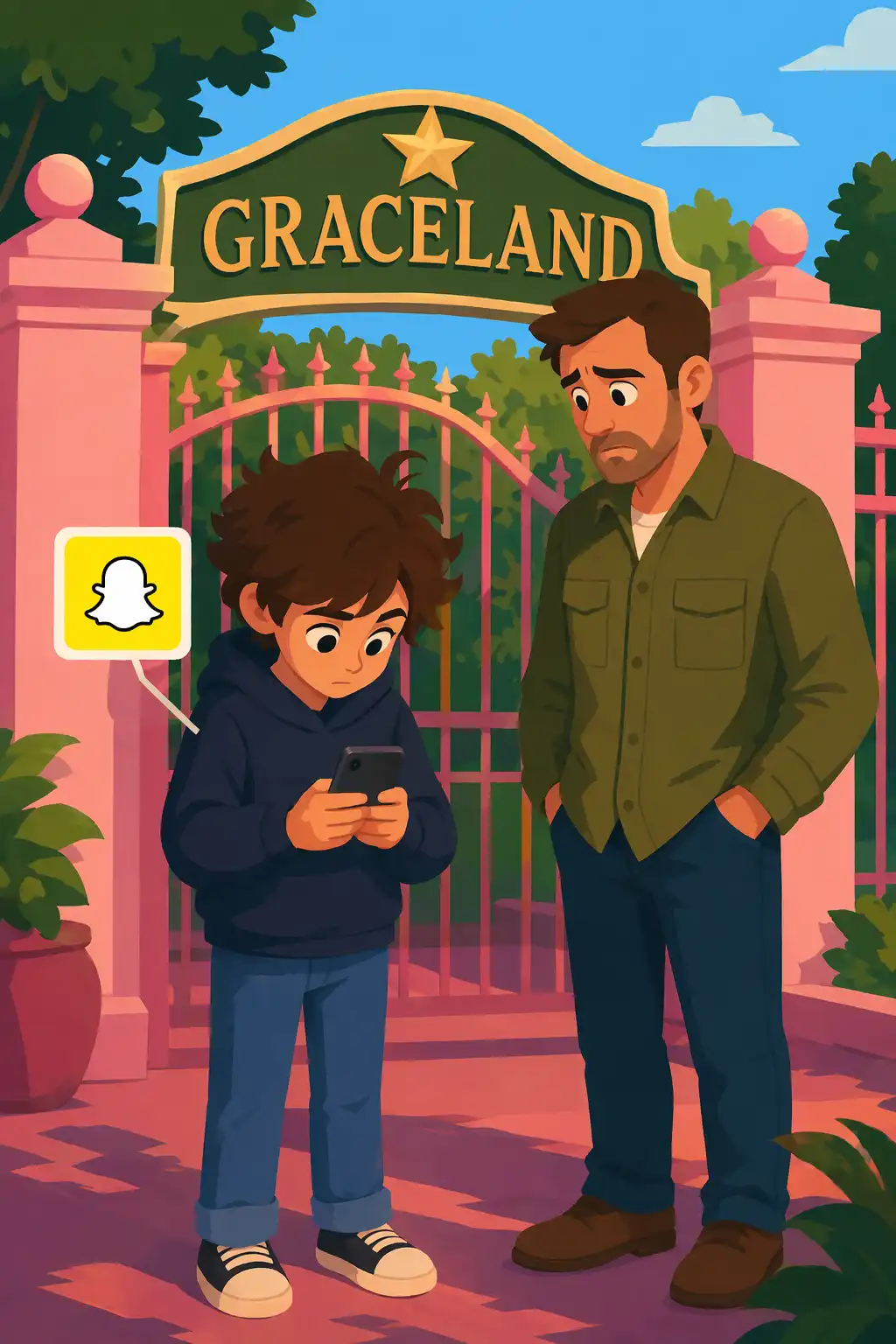
She blames herself. Lazy. Weak. But journalist Johann Hari noticed the same collapse in his godson, Adam, who couldn't look up from Snapchat, even at Graceland.

Hari spent three years interviewing scientists around the world, and his conclusion surprised him. Our shrinking focus isn't a personal failure. It's an engineered environment.

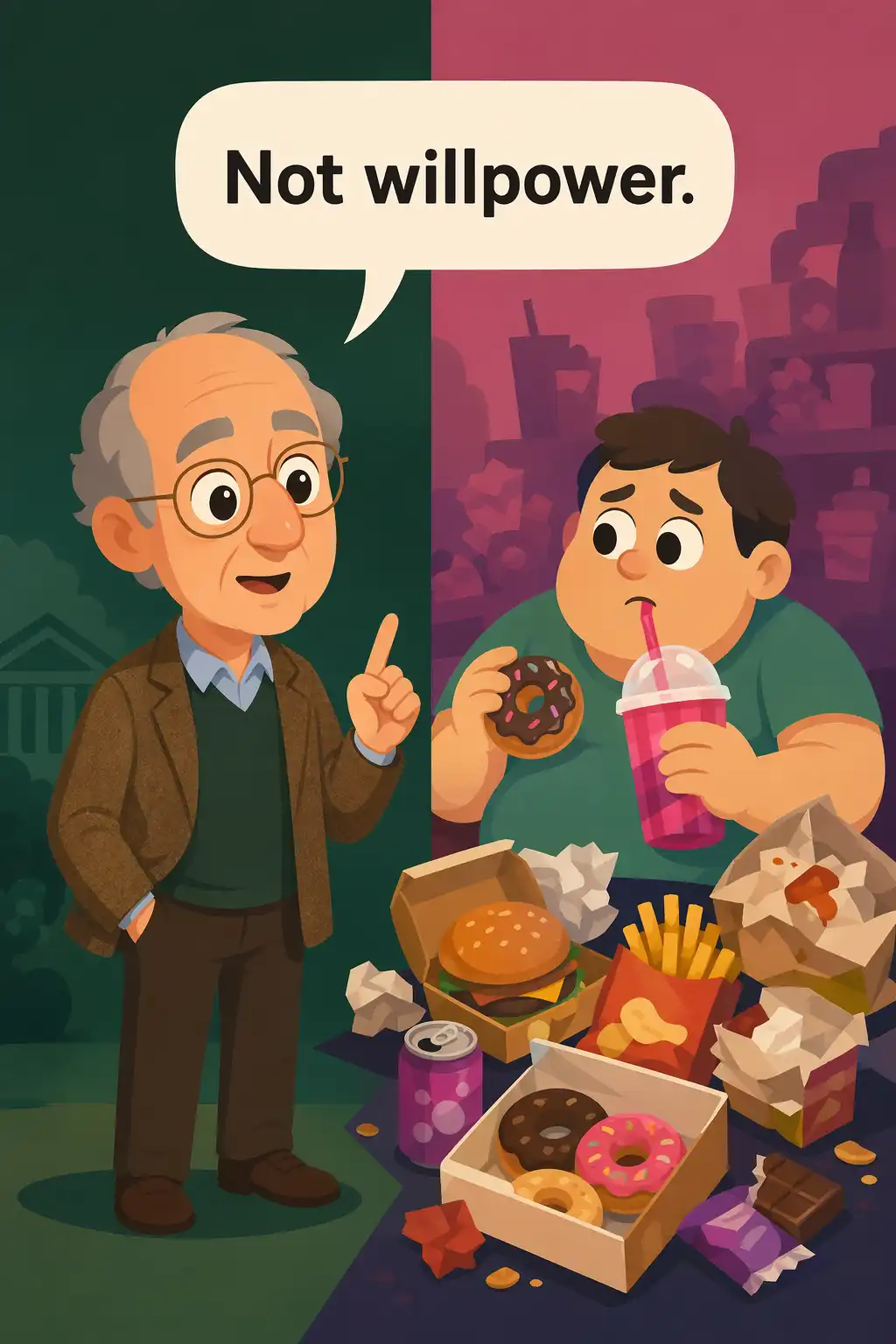
Professor Joel Nigg compares it to obesity. We don't call that weak willpower anymore. We recognise that the food system itself makes bad choices easy.

Emma reads this and feels something loosen in her chest. Maybe she isn't broken. Maybe twelve bigger forces are quietly pulling at her mind.

So she decides to investigate each one, starting with the simplest question. What actually happens inside her brain every time she switches tabs?
Lesson 2: The myth of multitasking

Emma tries designing while answering Slack messages and half-watching a tutorial. Three hours later, the logo looks worse than when she started.

Hari interviewed MIT neuroscientist Earl Miller, who explained something Emma had never learned. The brain can only hold one or two thoughts at a time.

What we call multitasking is actually rapid task-switching. Each switch costs time, accuracy, and creativity, as the brain scrambles to reload context.

One study found that constant digital distraction drops your effective IQ by ten points. That's double the impairment of smoking cannabis on the job.

So Emma runs an experiment. She closes every tab, silences her phone, and works on the logo for one uninterrupted hour.

She finishes in forty minutes, and the work is sharper. But by evening, the scrolling pull returns, stronger than ever. Something deeper is happening.

Lesson 3: Replace distraction with flow

Emma deletes TikTok. For two days, she feels proud. By day three, she's aimlessly refreshing her email, bored and weirdly anxious.

Hari hit the same wall during his three offline months in Provincetown. Removing distraction just created a void that he desperately wanted to fill.

Then he learned about psychologist Mihaly Csikszentmihalyi, who studied painters and climbers. They described losing themselves completely in difficult, meaningful work. He called it "flow."

Flow needs three things. One clear goal, a task that genuinely matters to you, and a challenge that stretches you without overwhelming you.

Emma picks up an old sketchbook and starts illustrating a children's story she'd imagined years ago. Two hours pass without a single urge to check her phone.

The lesson lands. She doesn't need more discipline. She needs something absorbing enough that her phone becomes genuinely uninteresting by comparison.

Lesson 4: Sleep is foundational

Despite finding flow, Emma still crashes every afternoon. She blames her coffee timing, but really, she's been averaging just five and a half hours of sleep a night.

Harvard sleep researcher Charles Czeisler told Hari that after nineteen hours awake, your brain performs like a legally drunk person's. You just don't notice.

Parts of your brain literally fall asleep while you keep working. It's called "local sleep," and it wrecks your attention without any warning signal.

During sleep, cerebrospinal fluid flushes out toxins, memories consolidate, and the prefrontal cortex restores itself. Skimp on sleep, and focus has nothing to stand on.

So Emma sets a hard bedtime, dims her screens after nine, and moves her phone out of the bedroom entirely.

Within a week, her mornings feel different. Sharper. Calmer. She realises she'd been trying to think clearly while chronically impaired.

Lesson 5: Read books, slowly

Emma picks up a novel that's been gathering dust. Ten minutes in, her eyes keep jumping ahead to the bottom of each page.

Professor Anne Mangen told Hari that screen reading trains us to scan and skim. That habit then bleeds into how we read everything else.

Americans now spend just seventeen minutes a day with books, and over five hours on their phones. Deep reading, the muscle for sustained thought, is atrophying.

Psychologist Raymond Mar found that fiction readers are measurably better at understanding other people's emotions. Novels work as a kind of social simulator.

So Emma commits to thirty minutes of paper reading each night. The first week feels awkward. By week three, she's devouring whole chapters.

Her thinking feels roomier. She can follow longer arguments, even her own, without needing a notification to pull her out of them.

Lesson 6: Let your mind wander

On a weekend walk, Emma forgets her headphones. At first, she feels twitchy. Then her thoughts drift freely for the first time in months.

Ideas start surfacing. A solution to a stuck design. A forgotten memory. A whole new illustration concept, arriving unbidden from somewhere quiet.

Neuroscientist Marcus Raichle discovered the brain's "default mode network," which lights up precisely when we aren't focused. Wandering isn't wasted time.

Hari learned that mind-wandering helps us connect ideas, generate creativity, and plan for the future. It's the other half of attention, not its enemy.

There's one caveat. Wandering only heals us when we feel safe. Under stress, it slides into rumination and makes everything worse.

So Emma starts taking daily phone-free walks. They become her thinking time. But back home, her notifications are still screaming. Why so aggressively?

Lesson 7: The machine wants your attention

Emma counts her phone unlocks. Ninety-three in a single day. She starts to wonder who exactly designed something this difficult to put down.

Hari tells the story of Tristan Harris, a former Google engineer. Inside the company, success was measured only in engagement, meaning time captured.

Another designer, Aza Raskin, invented infinite scroll. He later calculated that it costs humanity two hundred thousand lifetimes of attention every single day.

Surveillance capitalism harvests your every click to build a predictive model of you, and then sells your future behaviour to advertisers.

The algorithms amplify outrage because angry content keeps you scrolling longer. Your distraction is their revenue. Your calm is bad for business.

Emma feels something shift inside her, from shame to anger. She isn't losing a fair fight with herself. She's up against engineered systems worth billions.

Lesson 8: Individual fixes aren't enough

Emma tries every focus hack she can find. App blockers. Time-boxing. Notification batching. They help, genuinely. But within a month, she's slipping back.

Hari calls this "cruel optimism," borrowing from Professor Ronald Purser. We meet huge systemic problems with cheerful personal tips that quietly set people up to fail.

Diet books didn't fix obesity because the food system stayed toxic. In the same way, focus hacks won't fix attention while surveillance capitalism keeps mining our minds.

Real solutions, Hari argues, require structural change. Banning surveillance business models. Funding platforms through subscriptions. Removing infinite scroll and outrage-driven recommendations.

Emma still uses her personal tools, but she stops blaming herself when they wobble. She even joins an online group pushing for humane tech regulation.

For the first time, her attention feels like a collective issue, not a private failing. That reframe alone changes how she spends her energy.

Lesson 9: Stress hijacks focus

A rent hike lands in Emma's inbox. For two weeks afterwards, she can barely concentrate on anything, even with her phone locked away.

Hari met Dr. Nadine Burke Harris, who found that traumatised children weren't failing to pay attention. They were paying attention to danger.

When the brain senses a threat, it flips into hypervigilance. Scanning replaces focusing. It's a survival feature, not a personal defect.

Indian sugarcane farmers lost thirteen IQ points during financially insecure months. And Finland's basic income trial showed that modest payments meaningfully improved participants' concentration.

Emma realises her scattered weeks usually follow stressful news. She can't remove every stressor, but she can stop treating her reaction as weakness.

So she builds a small emergency savings buffer and joins a tenants' group. Addressing the cause of her anxiety does more than any app ever did.

Lesson 10: Rest, food, and clean air

Emma's studio pushes a crunch week. Twelve-hour days. Vending-machine lunches. City windows wide open to traffic fumes. Her focus collapses completely.

Hari highlights entrepreneur Andrew Barnes, who gave his staff a four-day week at full pay. Productivity held. Stress dropped. Teamwork jumped forty percent.

Nutritionist Dale Pinnock explained that refined carbs spike and crash blood sugar, while additives and dyes measurably worsen children's attention and behaviour.

Air pollution quietly inflames the brain over years. Researcher Bruce Lanphear found that removing lead from petrol raised average IQ across entire populations.

So Emma pushes back on the crunch culture, cooks simple whole meals, and buys a basic air filter for her flat.

Her focus doesn't transform overnight, but it stabilises. She realises attention is physical. It needs rest, nourishment, and breathable air to exist.

Lesson 11: Childhood needs real play

Emma babysits her nephew, Leo, age seven, who's been diagnosed with attention problems. Every minute is scheduled. Every screen is monitored. Every game is adult-led.

Hari met psychiatrist Sami Timimi, who found that many diagnosed children were actually responding sensibly to chaotic or painful environments. Fix the environment, and focus often returns.

Evolutionary researchers have shown that free play builds creativity, social skill, and aliveness. Remove it, and anxiety rises while intrinsic motivation withers.

In Finland, children start school at seven, get fifteen minutes of free play every forty-five minutes, and just 0.1 percent are diagnosed with attention disorders.

So Emma takes Leo to the park and lets him roam within sight, with no instructions. He invents an elaborate pirate game and plays for two hours.

Back home, he reads quietly for the first time in weeks. She wonders how much adult attention is really an adult problem in disguise.

Lesson 12: Reclaiming focus together

A year in, Emma's attention isn't fixed. But it's meaningfully better, and she understands why. She holds both personal habits and systemic awareness.

Hari describes three layers of attention. Spotlight, for immediate tasks. Starlight, for long-term goals. And daylight, for understanding who you are and what matters.

Lose the daylight, and life becomes reactive noise. Hari adds a fourth, stadium lights, our collective attention needed for shared problems like climate change.

Emma keeps her six changes. Phone-free walks. Eight hours of sleep. Paper books. Flow projects. Seasonal social media breaks. And protecting Leo's free play.

She also keeps showing up for the bigger fight, because no individual routine can outrun a system designed to strip-mine human minds.

Your focus, Hari argues, isn't just yours. Reclaiming it, together, may be the quiet, urgent political struggle that defines this century.

You've read the summary. Now watch it.

The animated version covers the same ideas — faster, and in a format you'll actually remember.

Next summary