BrainToon
Productivity books all promise to help you get more done, but they disagree about what's actually in the way. For some people it's distraction. For others it's procrastination, low energy or a calendar full of the wrong things.
If your important work keeps getting crowded out by email and small tasks, our pick overall is Deep Work by Cal Newport. If you'd like something you can use tomorrow morning, start with Eat That Frog!
The rest of the list covers habits, priorities, energy, managing a team and cutting busywork, so choose the book that matches your problem.
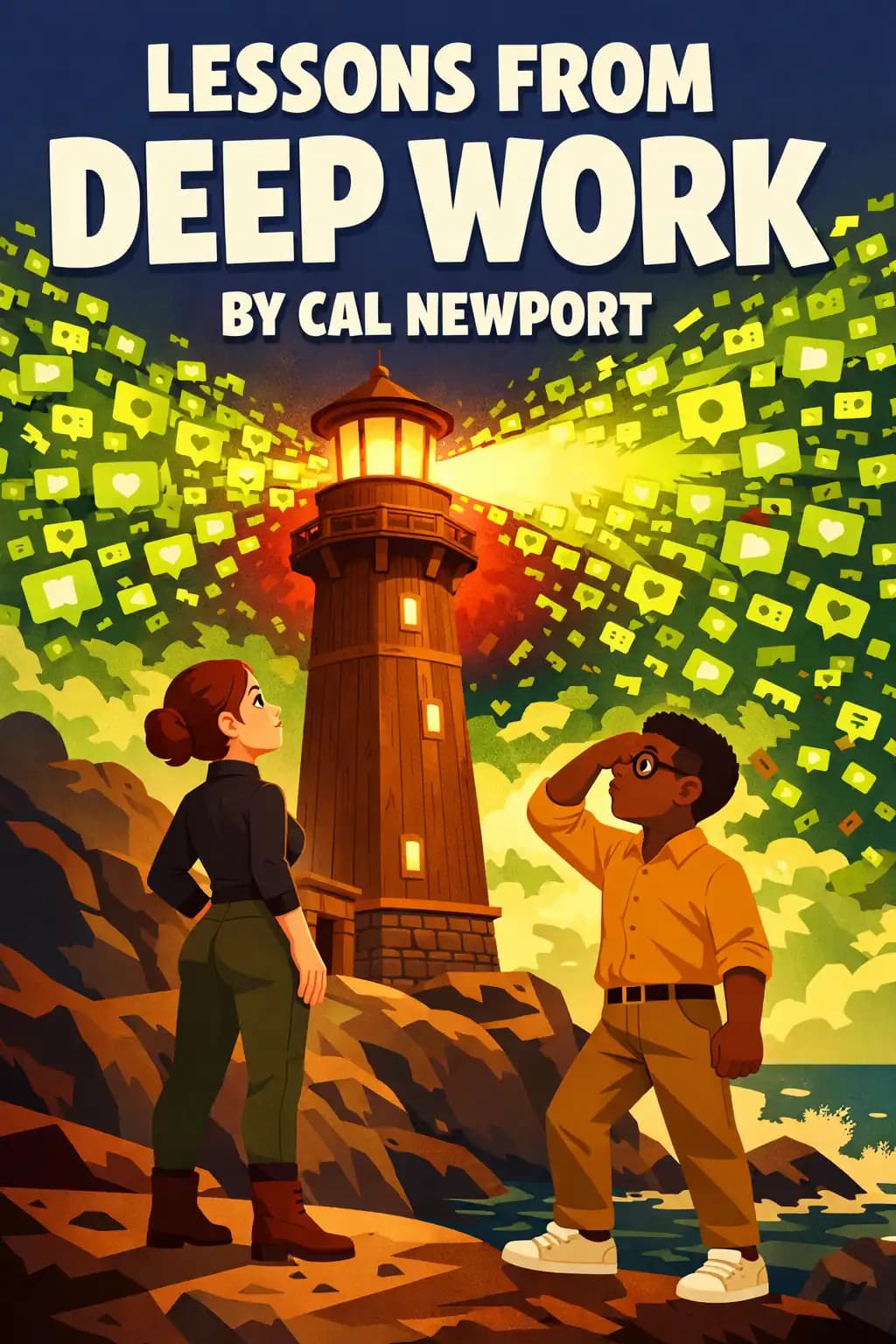
1. Deep Work by Cal Newport
Best for:
A guide to protecting long stretches of focused work in a world built to interrupt you.
10 min animated summary
Inside our summary
- Deep work is rare and valuable
- Choose your depth philosophy
- Schedule every minute of your day
We recommend Deep Work if your days fill up with messages, meetings and quick replies while the work that really counts keeps slipping to tomorrow.
Cal Newport argues that long stretches of undistracted focus are both rare and valuable. He also warns that busyness can be a trap that feels productive without producing much. He makes a case that depth leads to a more meaningful working life, which gives the book more heart than a list of tips.
The practical side is where it earns its place. Newport asks you to choose a depth philosophy that fits your job, train your attention like a skill and be deliberate about which tools you let into your day. He even suggests scheduling every minute of the day, then shutting down completely so you can recharge.
It suits knowledge workers best. If your job is mostly reactive, expect to adapt some of the advice.
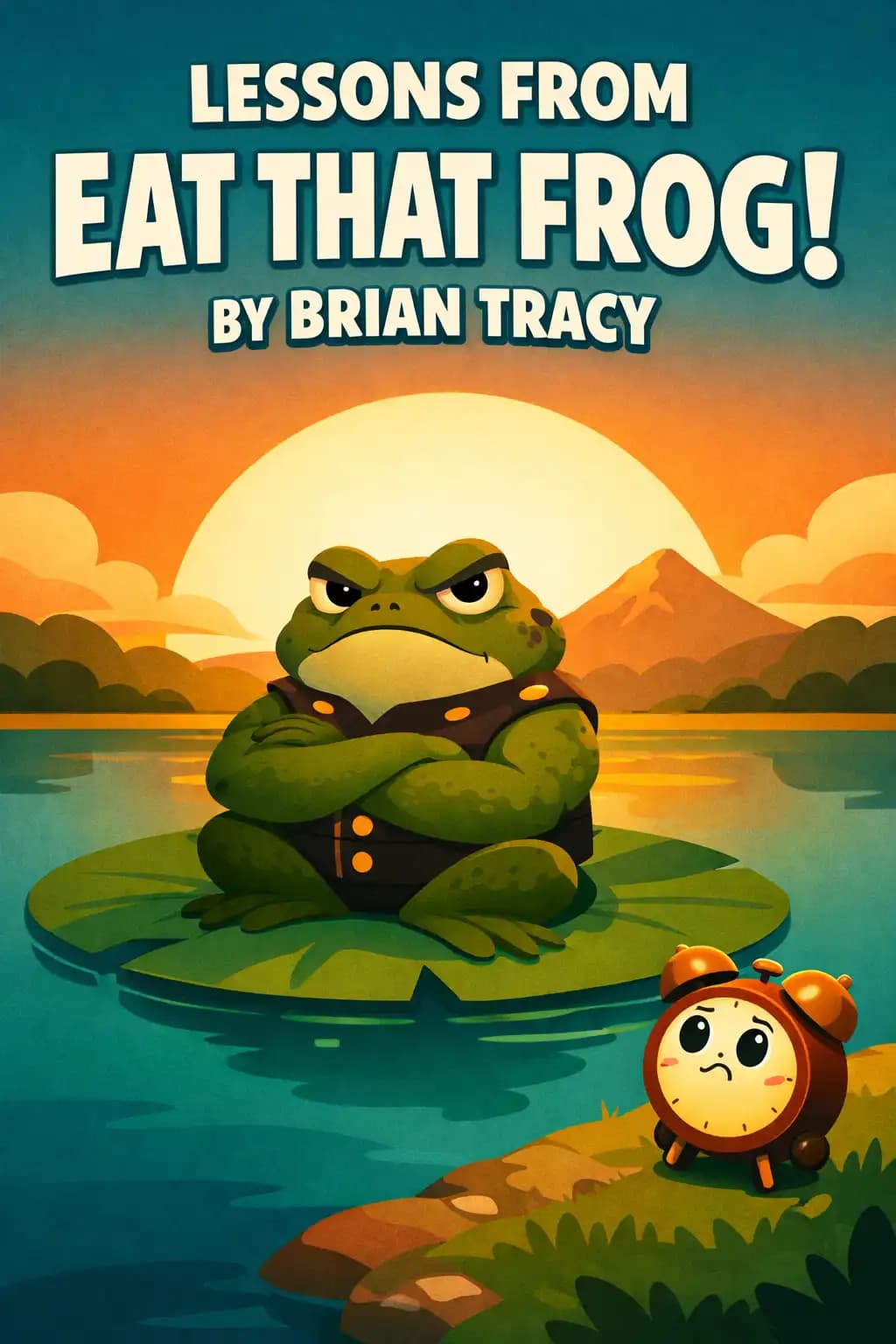
2. Eat That Frog! by Brian Tracy
Best for:
A practical guide to beating procrastination by tackling your most important task first.
11 min animated summary
Inside our summary
- Eat the ugliest frog first
- Use the ABCDE method
- Practice creative procrastination
If you know exactly what you should be doing and keep doing something else, start here. It's our starting pick because the core idea fits in one sentence. Brian Tracy says to tackle your most important task first, especially the one you'd rather avoid.
Around that idea, Tracy offers simple tools for choosing which task deserves that first spot. He applies the 80/20 rule to your list, asks you to think about the consequences of doing or skipping a task and sorts work with his ABCDE method.
He also encourages planning each day in advance, protecting the hours when your energy peaks and staying with an important task until it's done. His idea of creative procrastination, deliberately choosing what to put off, is a relief for anyone with an overloaded to-do list.
It doesn't go as deep into focus as Deep Work, but it's the quickest route to a better day tomorrow.

3. Atomic Habits by James Clear
Best for:
A clear framework for building good daily habits and dropping bad ones, one small step at a time.
12 min animated summary
Inside our summary
- Forget goals, build systems
- Change your identity first
- Make it obvious
Atomic Habits is for people whose productivity problem isn't one big task. It's the small things they do, or skip, every day.
James Clear argues that tiny improvements add up to remarkable results, and that systems matter more than goals. He also suggests starting with your identity, so a new habit becomes part of who you are rather than another chore.
The heart of the book is a simple four-part framework. Clear's advice is to make a good habit obvious, attractive, easy and satisfying, and he shows how the same ideas help you break bad ones. It's easy to remember and works just as well for a morning routine as for a writing habit.
If you've tried focus or planning advice before and it faded after a week, this book deals with making change stick.
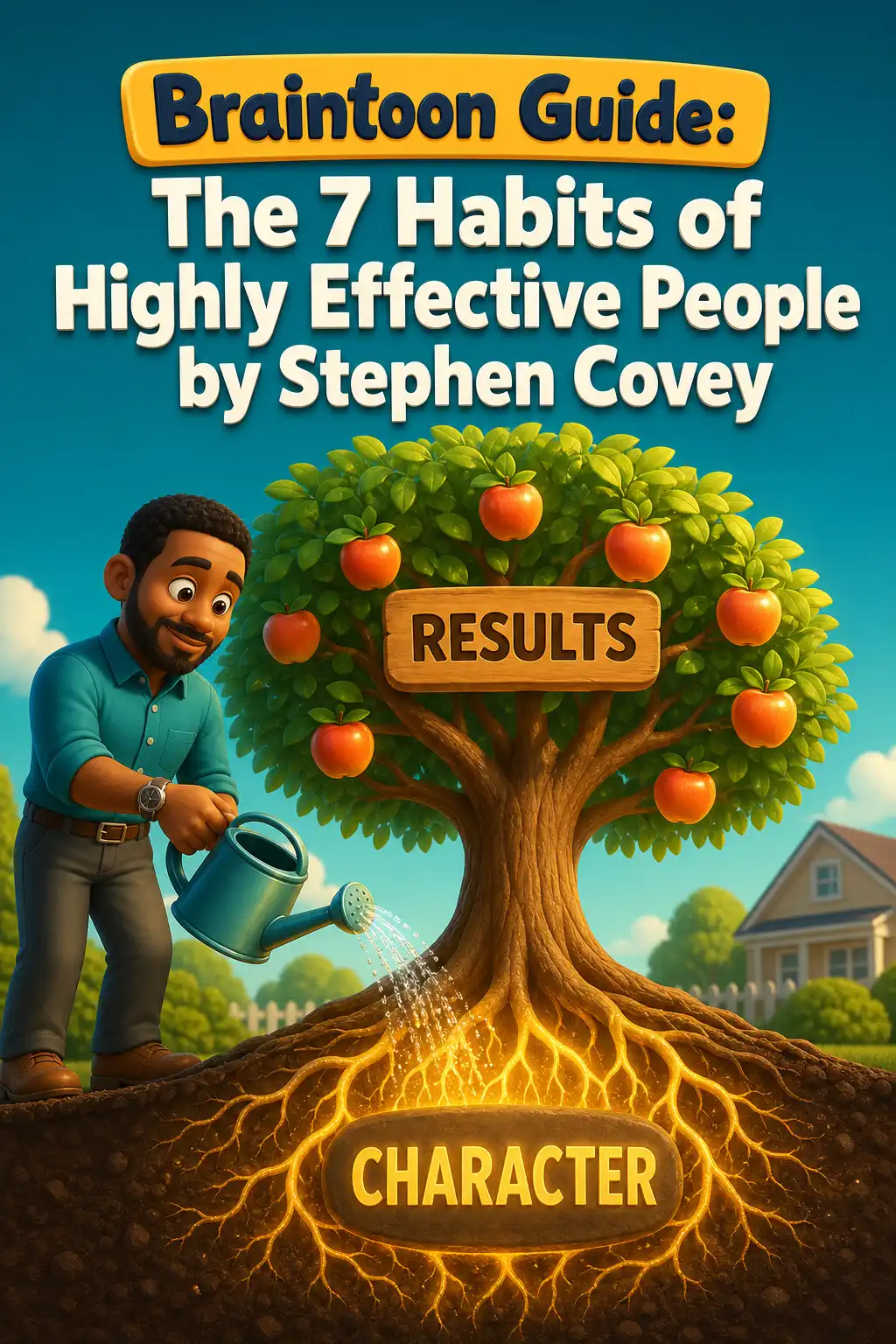
4. The 7 Habits of Highly Effective People by Stephen Covey
Best for:
A classic about building effectiveness from the inside out, starting with what really matters to you.
12 min animated summary
Inside our summary
- Be proactive
- Begin with the end in mind
- Put first things first
Choose this if you're busy all the time but not sure you're busy with the right things. Stephen Covey's book works a level above daily task management.
Covey argues that lasting effectiveness grows from the inside out, through character, principles and habits rather than quick techniques. For productivity, the most relevant habits are being proactive, beginning with the end in mind and putting first things first. Together they help you decide what matters before you organize your time around it.
Much of the book goes beyond work output. Later habits deal with relationships and cooperation, such as the emotional bank account, thinking win/win and seeking first to understand. That breadth is a strength if you want a wider look at how you live and work, but it's less of a hands-on time-management guide than the picks above it.
It fits best when the question isn't how to get things done, but which things deserve doing.
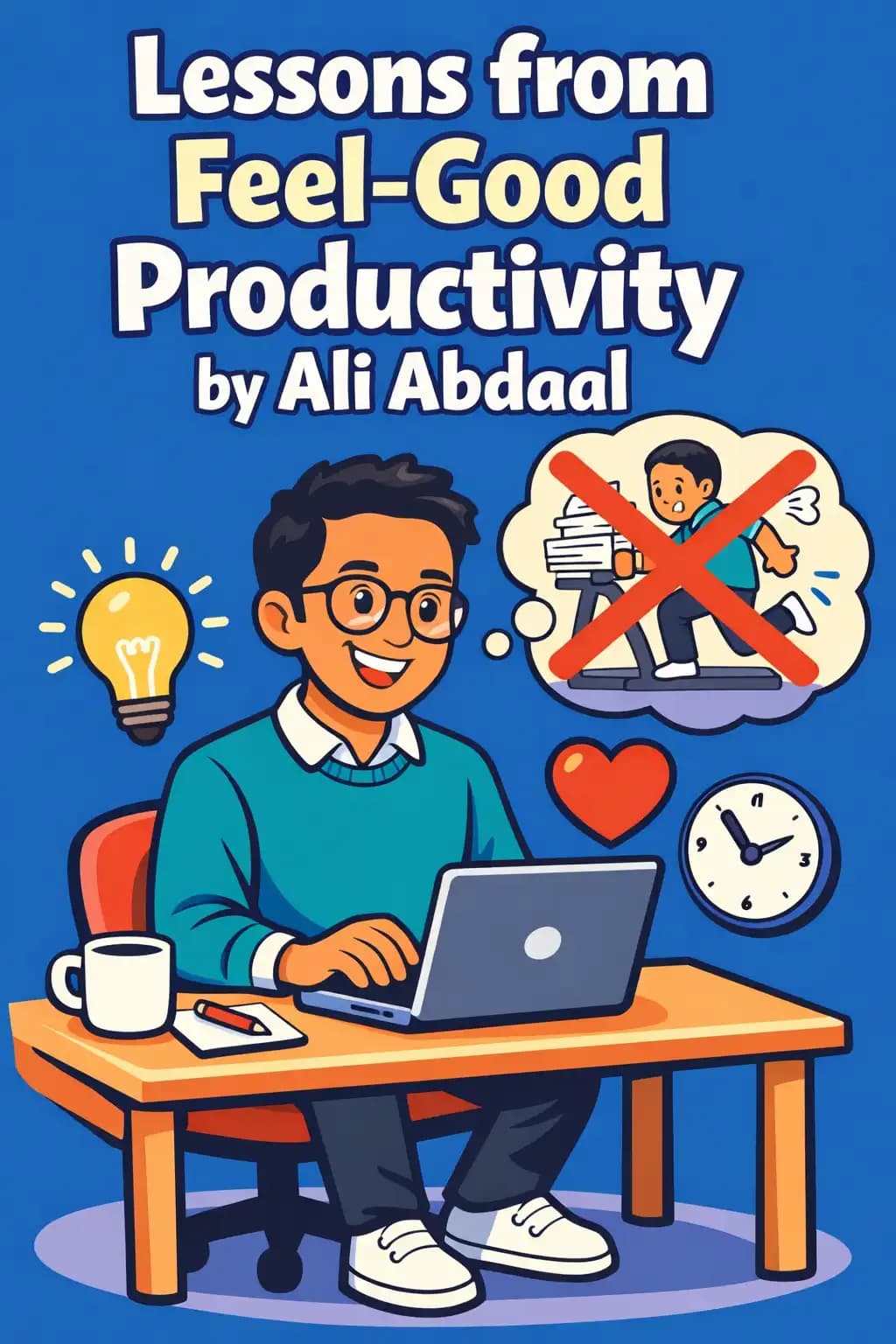
5. Feel-Good Productivity by Ali Abdaal
Best for:
A gentler approach that uses wellbeing, not willpower, as the fuel for getting things done.
12 min animated summary
Inside our summary
- Make the Feel-Good Shift
- Clarity Beats Raw Motivation
- Conserve Energy to Avoid Burnout
If pushing yourself harder has stopped working, Feel-Good Productivity takes a different angle. Ali Abdaal argues that wellbeing is the engine of getting things done, not raw willpower.
He looks at what creates energy, including play, a sense of agency and the people around you. Then he turns to what holds you back, with lessons on seeking clarity instead of waiting for motivation, training courage and starting small enough to get moving.
The final part focuses on burnout. Abdaal covers conserving energy, recharging the right way and aligning your work with what matters to you, then experimenting to see what fits.
It's the gentlest book here and a welcome counterweight to the discipline-heavy picks. We'd point to it first for anyone who feels tired, flat or stuck rather than simply disorganized.
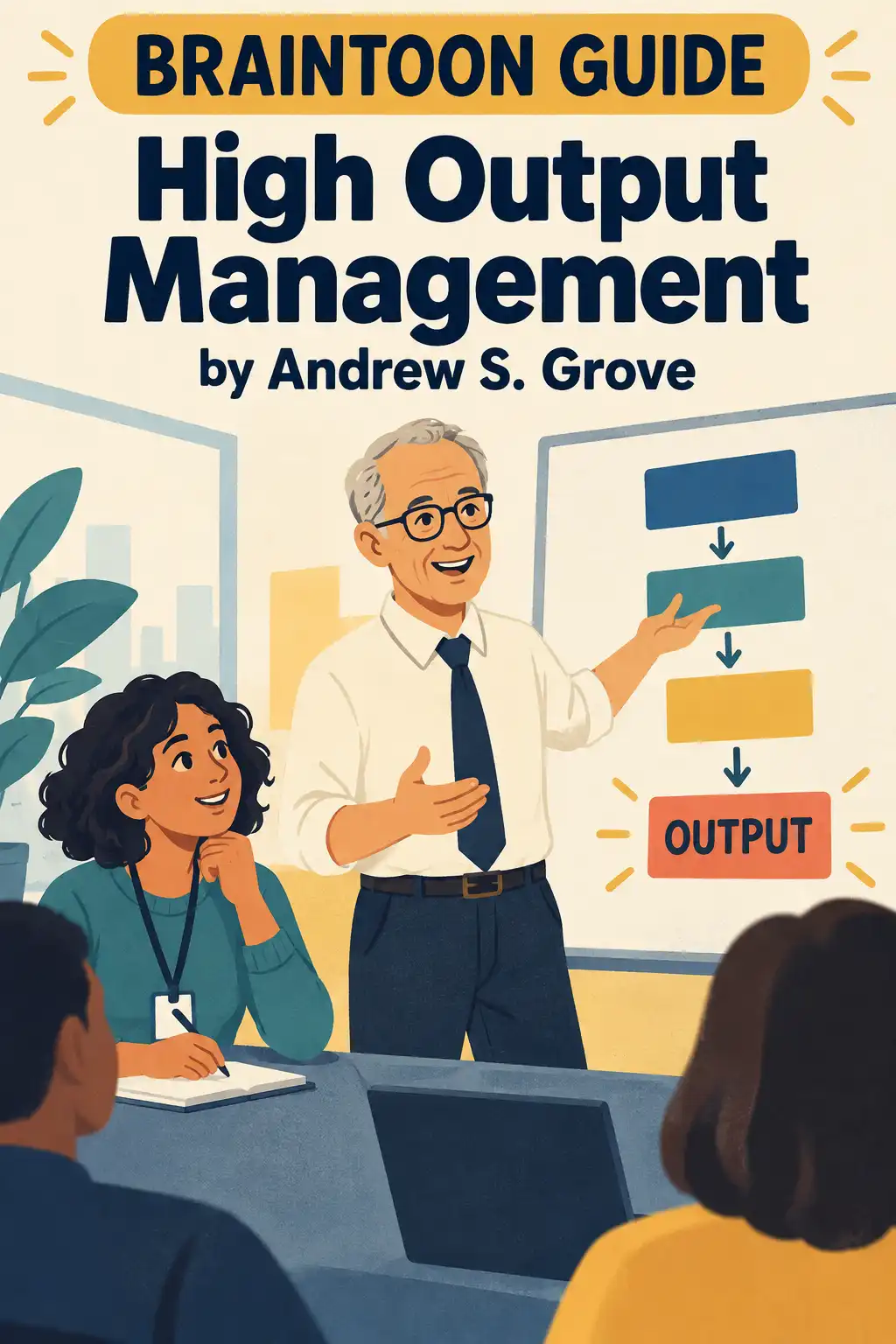
6. High Output Management by Andrew S. Grove
Best for:
A manager's guide to productivity, measured by what your whole team achieves.
15 min animated summary
Inside our summary
- Your output is your team's output
- Build everything around the limiting step
- Match your style to task-relevant maturity
This is the book for when your results start depending on other people. Andrew S. Grove, Intel's former CEO and chairman, argues that a manager's output is the output of their team. In his view, the job is to focus on activities that multiply results.
That shift changes how you judge your own day. Instead of counting the tasks you finished, Grove's lens asks what you did that helped the whole team produce more.
From there, he gets practical. He treats meetings as the place where management happens and suggests building work around the limiting step. He also argues that you should match your management style to each person's experience with a particular task. He sees reviews as a way to improve future performance and calls training part of the manager's job.
New managers and team leads will get the most from it. If you only manage your own work, other picks here will suit you better.
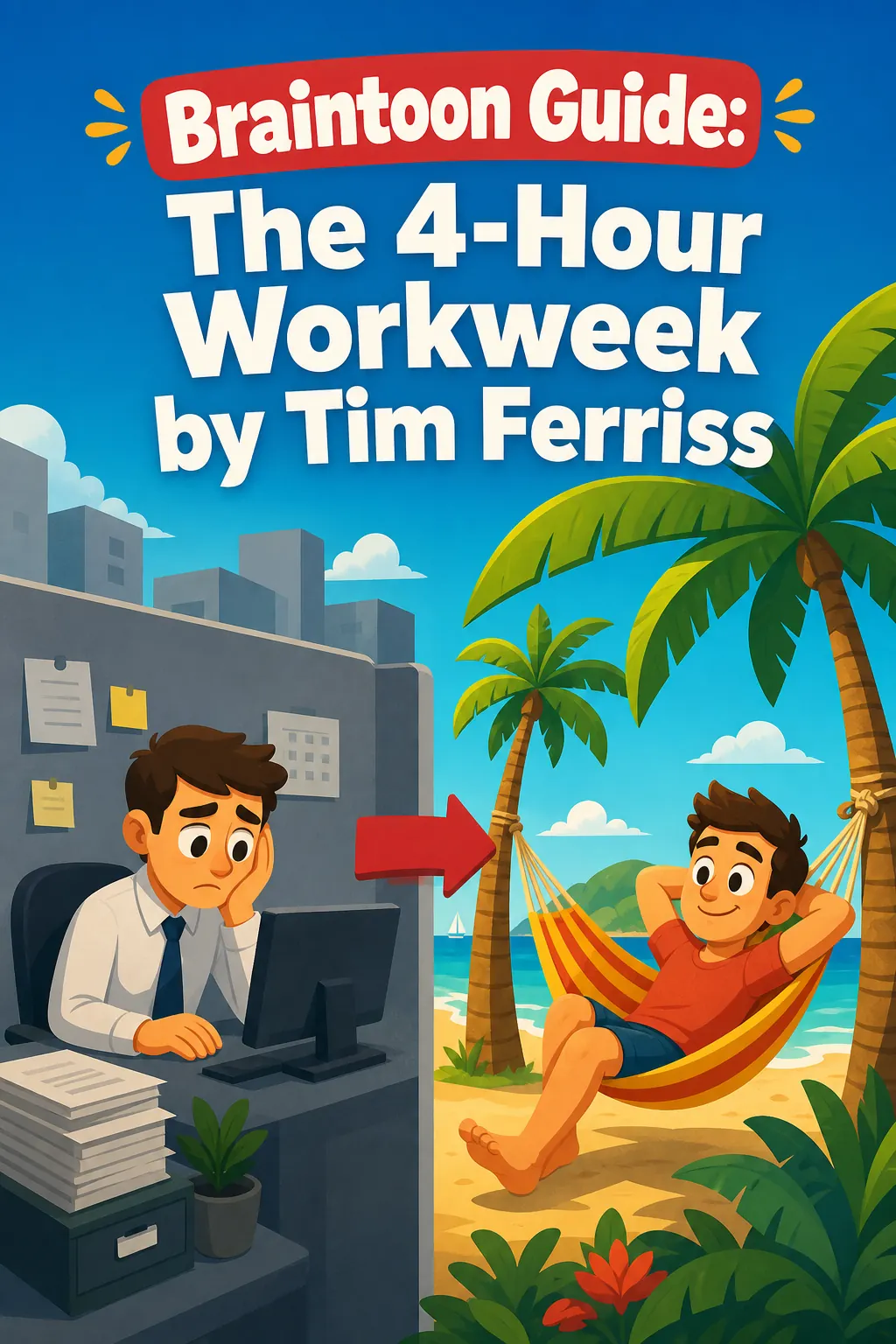
7. The 4-Hour Workweek by Tim Ferriss
Best for:
A bold case for cutting busywork and designing a more flexible working life now, not someday.
12 min animated summary
Inside our summary
- Cut the unimportant ruthlessly
- Protect your attention
- Outsource and automate
The 4-Hour Workweek is the boldest book on this list. It's less about squeezing more into your week and more about rethinking how you work.
Tim Ferriss challenges the all-or-nothing career path and the idea that freedom has to wait for decades. He asks readers to define what they actually want, spell out their worst case and aim unreasonably high.
For productivity, the most useful parts are his advice to cut unimportant work ruthlessly, protect your attention and outsource or automate what's left. That makes it a natural fit for freelancers and small business owners who control how their work is set up.
A large share of the book is about lifestyle design, from building a "muse" business to escaping the office. That won't suit everyone, especially people in traditional jobs. Even so, the ideas about doing less are useful for anyone buried in busywork.