



Limitless cover

Book summary: Limitless by Jim Kwik

10 min read8 key lessonsText + animated summary

What if the reason you feel behind is not your intelligence, but the fact that nobody ever handed you the owner’s manual for your brain?

One-sentence summary

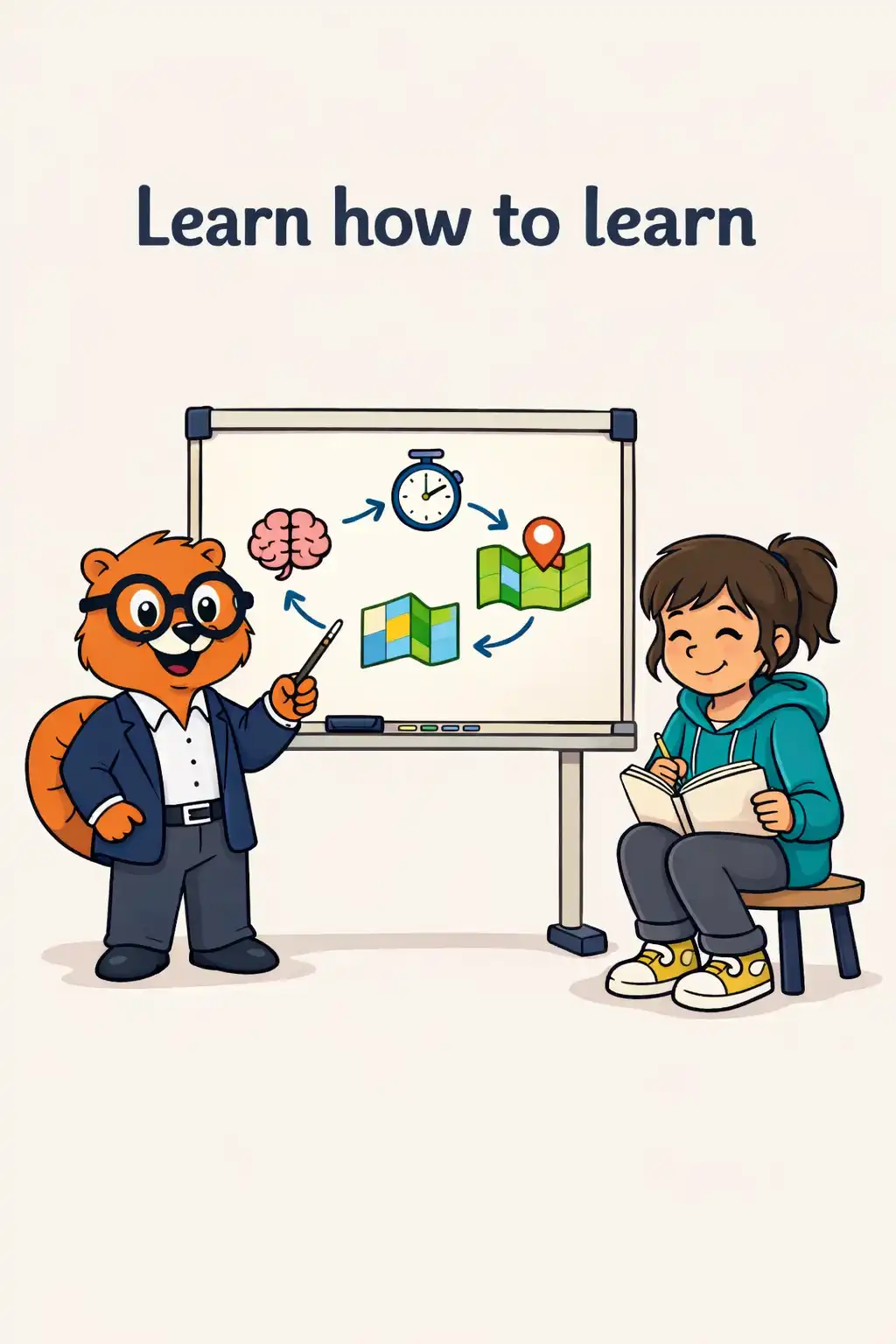
Limitless by Jim Kwik is about learning how to learn, so you can focus better, remember more, read faster, and build a life that feels more intentional.

Reading about Limitless is one thing.

Watching it is faster, more fun, and you'll actually remember it.

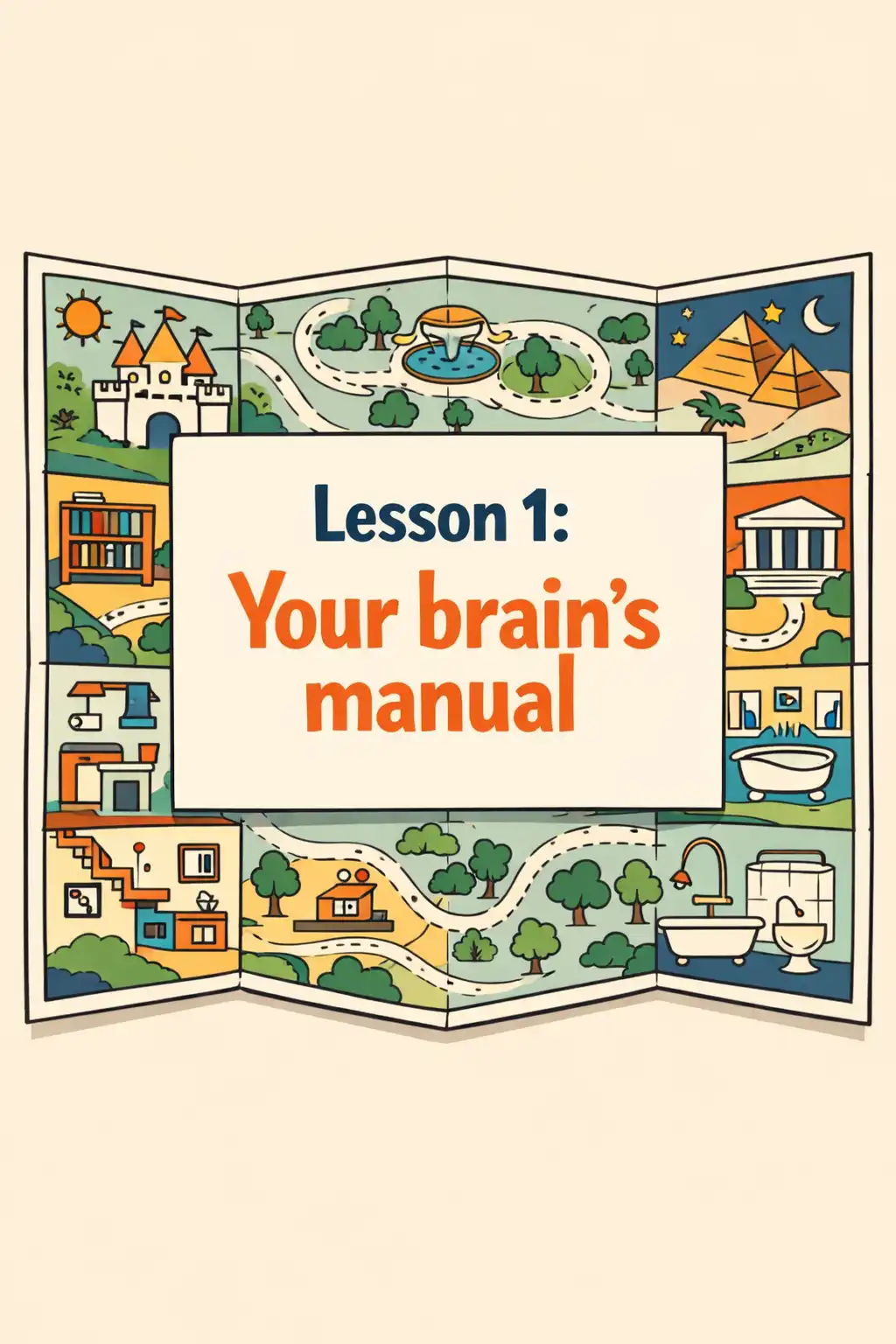
Lesson 1: Your brain’s manual

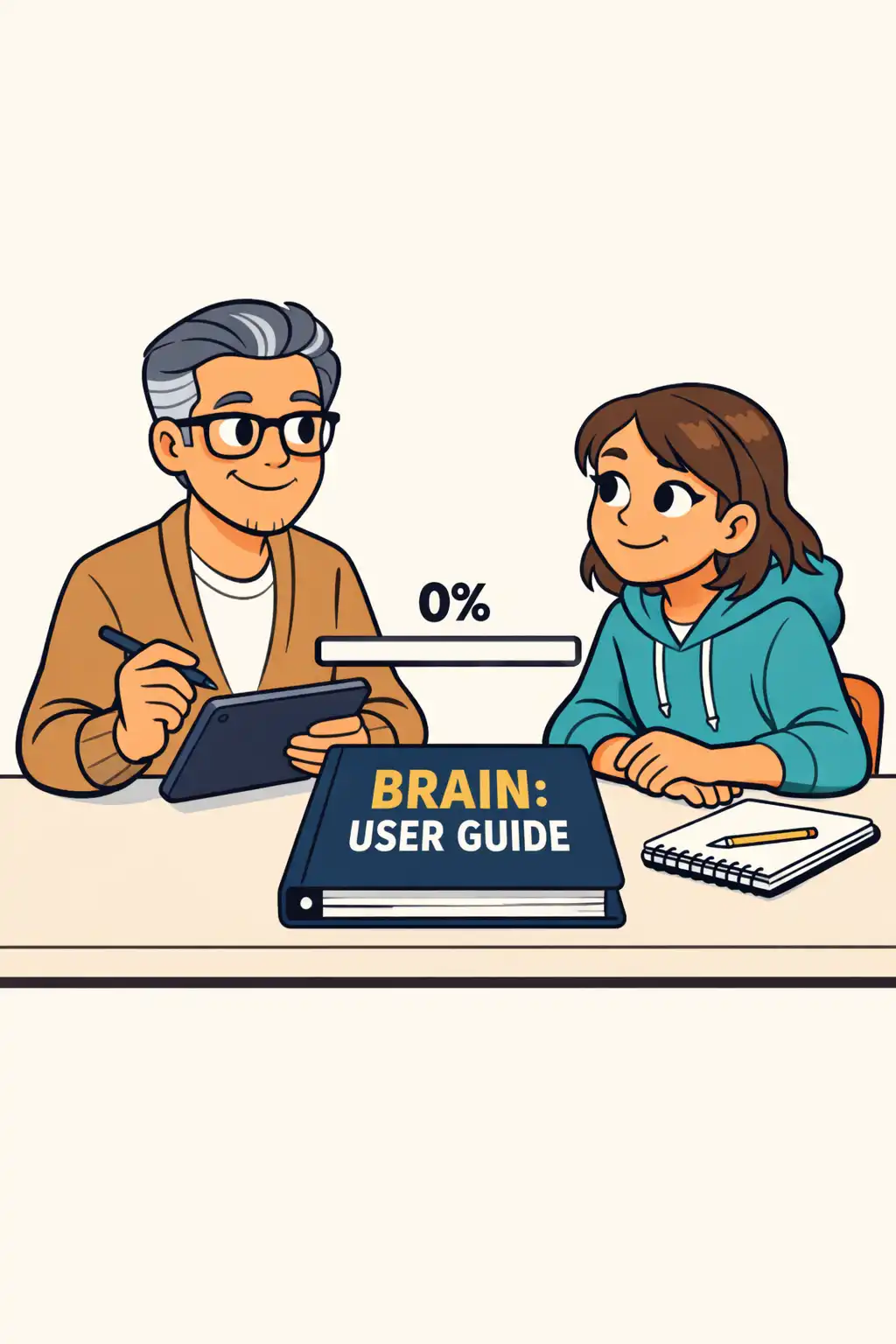
Picture this. You buy a powerful new device, but it comes with no instructions, and everyone yells when you press the wrong button.

Jim Kwik says that is basically school. We’re taught what to learn, but not how to learn.

His promise is simple and huge. Upgrade your brain so you learn faster, remember more, and live with purpose.

Kwik frames it like a Hero’s Journey. You are the hero, and he plays the guide with the map and tools.

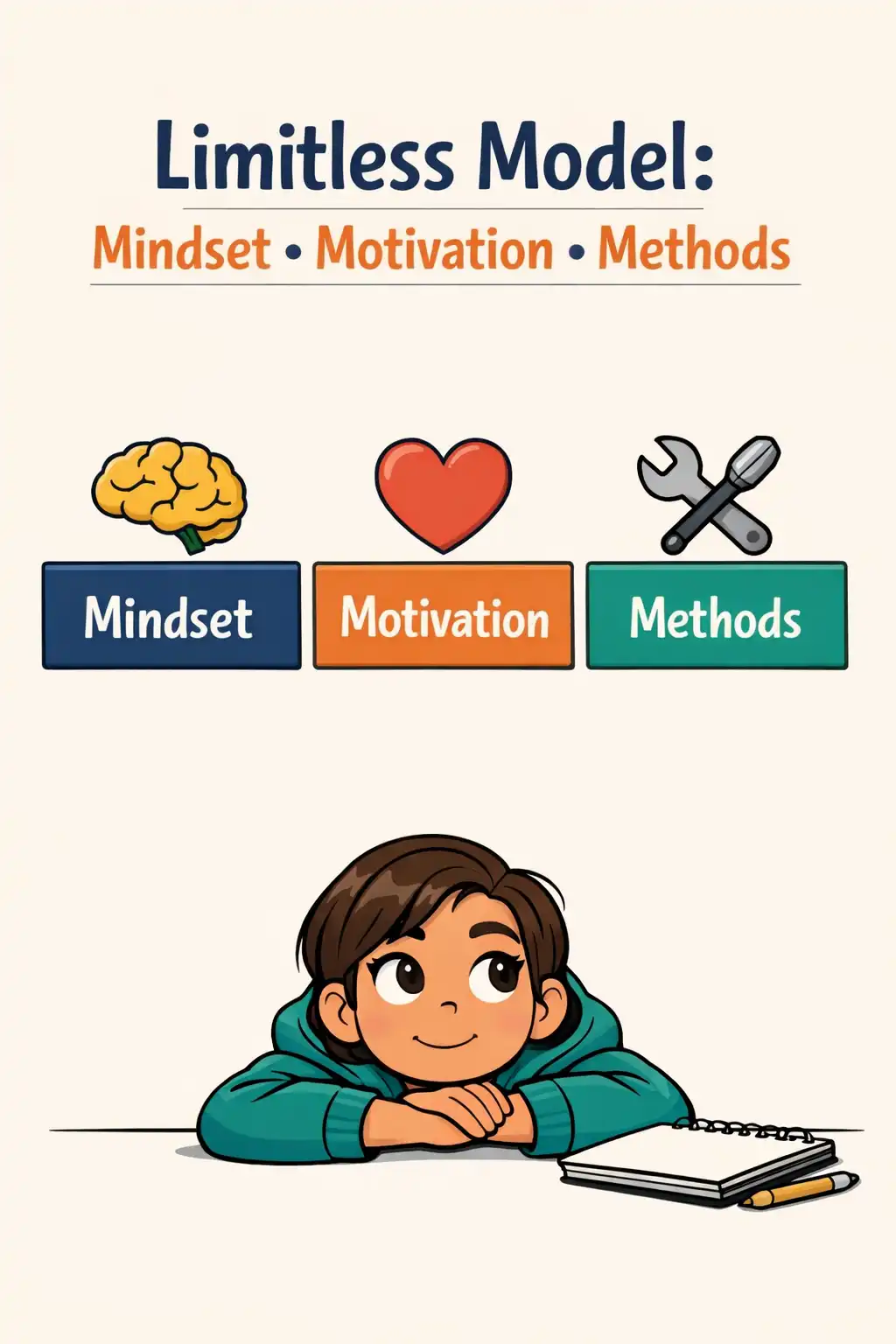
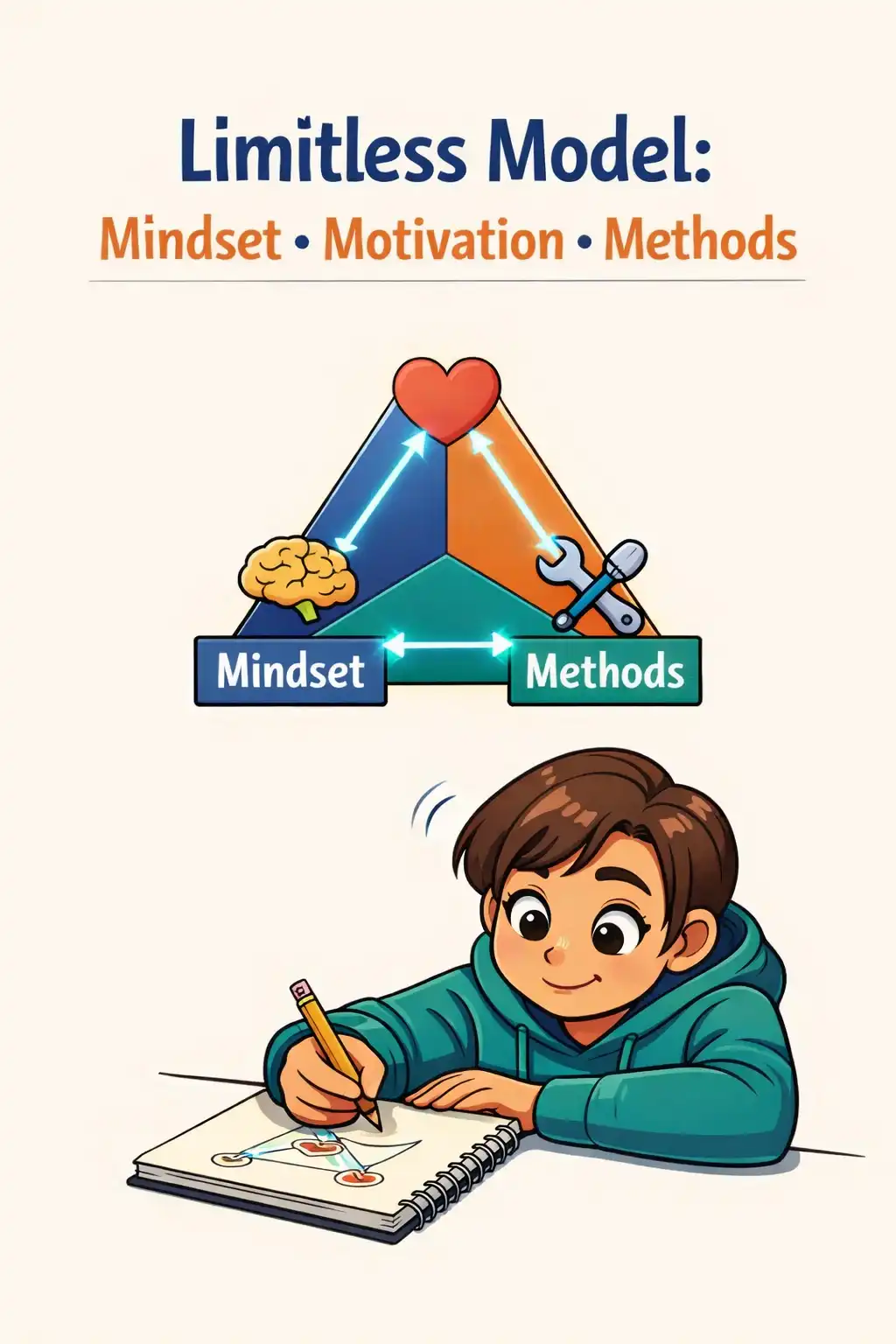
The map is the Limitless Model. Mindset is what you believe, Motivation is why you act, Methods are how you do it.

And he warns about modern “villains.” Too much information, too many interruptions, weak memory from outsourcing, and lazy thinking from letting devices decide.
Lesson 2: Change the question

Imagine being a kid, struggling to read, while a teacher stamps you with a label that feels permanent and heavy.

Jim Kwik lived that. After a childhood head injury, he was called slow, even “the boy with the broken brain.”

Comics became his doorway back. X-Men stories mattered because the heroes were outsiders who still found their power.

Then life made it even more personal. His grandmother developed dementia, and Kwik watched memory disappear in real time.

As a student, he hit a breaking point. He wasn’t just behind, he was close to quitting, and shame was steering.

A mentor figure, a friend’s father, asked questions and pushed him to write a bucket list, then handed him books like a lifeline.

Lesson 3: Beat the digital villains

Think about checking one message, then another, and suddenly you’ve lost twenty minutes and your brain feels foggy and annoyed.

Kwik calls this the digital deluge. The volume of information is so big that our minds rarely get true downtime.

Then comes digital distraction. Notifications act like tiny slot machines, training your attention to jump even when you want to focus.

He points out the cost of multitasking. You burn brain fuel faster, you feel tired sooner, and you learn less deeply.

Digital dementia is next. When you outsource everything to a device, your recall muscles get less practice, so they weaken.

And digital deduction is sneaky. If the internet supplies the conclusions, you stop exercising judgment, critical thinking, and discernment.

Lesson 4: Build a growth mindset

Picture a ceiling in your mind with words painted on it. “I’m bad at names.” “I’m not smart.” “That’s not me.”

Kwik calls these LIEs, limited ideas entertained. They’re stories that feel like facts, mostly because you’ve repeated them.

He reminds you your brain is built for change. Neuroplasticity means experience rewires you, the way practice rewires a musician.

He uses the London taxi driver research as proof. Intensive navigation practice can actually grow the hippocampus, a memory-related region.

Then he goes after common myths. Intelligence is not fixed, mistakes are data, and “genius” is grown through training.

A big move is learning to notice your inner critic. Kwik suggests making it a silly character so it loses authority.

Lesson 5: Motivation is a formula

Imagine two people with the same goal. One starts tomorrow forever. The other starts today, because the reason feels personal.

Kwik makes motivation practical. Motivation equals Purpose times Energy times Small Simple Steps, what he calls S3.

Purpose is your why. Not a poster slogan, but a real reason like, “My family depends on me staying sharp.”

He suggests making goals both clear and emotional. Use SMART for clarity, then HEART so the goal actually pulls you forward.

Identity matters here too. If you keep saying “I am bad at learning,” your habits quietly try to prove it true.

Kwik recommends writing the cost of not changing, and the gain if you do. Then pause and really feel those futures.

Lesson 6: Protect your brain energy

Think of your brain like a phone. Great apps are useless if the battery is dying, and you keep running power-hungry programs.

Kwik says your brain uses a lot of your body’s energy. So food, hydration, and sleep are not optional lifestyle extras.

He gives a simple brain-food list. Berries, leafy greens, eggs, salmon, walnuts, avocado, broccoli, turmeric, dark chocolate, and water.

He also talks about the gut as a second brain. Your digestion and microbiome influence mood and mental clarity.

Exercise is a brain upgrade too. Even short daily movement helps, and consistent aerobic activity supports memory-related brain structures.

Then there are ANTs, automatic negative thoughts. Those repeated doubts drain energy and become self-fulfilling limits if left unchallenged.

Lesson 7: Study like a pro

Picture cramming the night before a test, eyes burning, rereading the same paragraph, and waking up feeling like your brain is cotton.

Kwik says cramming is common but backwards. Long marathons fight how memory works, and sleep deprivation makes it worse.

He recommends focused blocks like 25 minutes on, 5 minutes off. More starts and stops help memory through primacy and recency.

His FASTER method makes learning active. Forget distractions, Act by engaging, set your State, Teach it, Enter it, Review it.

Active recall is a cornerstone. Read a bit, close the book, and pull the ideas out of your head on purpose.

Spaced repetition keeps it alive. Review over days and weeks, focusing on what you almost know, not what is already easy.

Lesson 8: Train memory and thinking

Imagine meeting someone important, hearing their name once, and losing it instantly. You smile, but inside you feel awkward and small.

Kwik says memory is a skill, not a trait. Like Joshua Foer training to become a memory champion, you can train too.

He starts with MOM. Motivation to care, Observation to actually notice, and Methods that turn boring facts into sticky experiences.

The secret method is imagery and association. Your brain remembers meaning and pictures better than bland labels, like the baker versus Baker paradox.

He teaches the memory palace, or loci method. Put ideas along a familiar route, then walk that route in your mind to recall.

For names, he offers BE SUAVE. It’s a checklist to believe you can remember, say the name, use it, and link it visually.

You've read the summary. Now watch it.

The animated version covers the same ideas — faster, and in a format you'll actually remember.