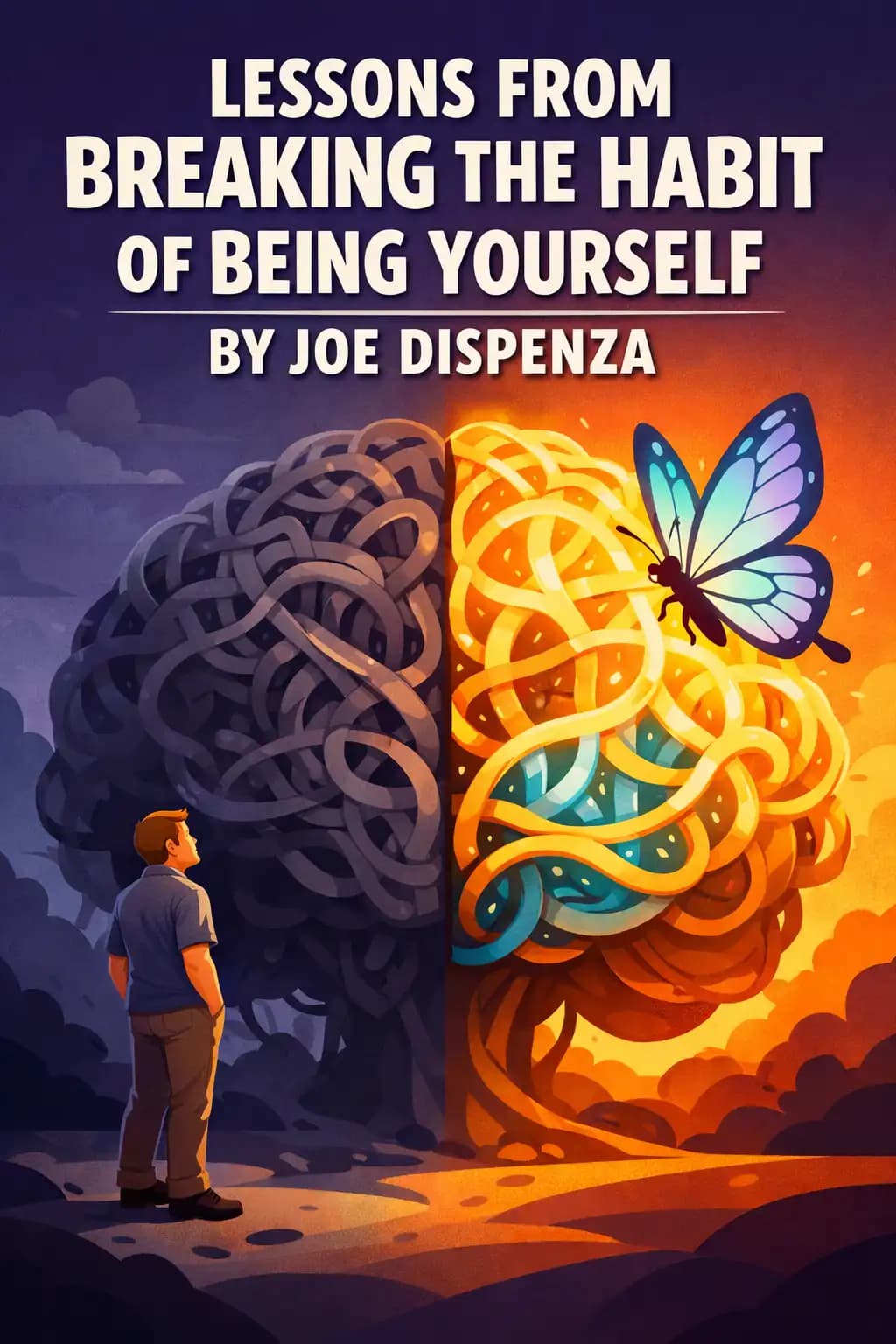





Breaking the Habit of Being Yourself cover

Book summary: Breaking the Habit of Being Yourself by Joe Dispenza

10 min read10 key lessonsText + animated summary

Topics will appear here once mapped for this book.

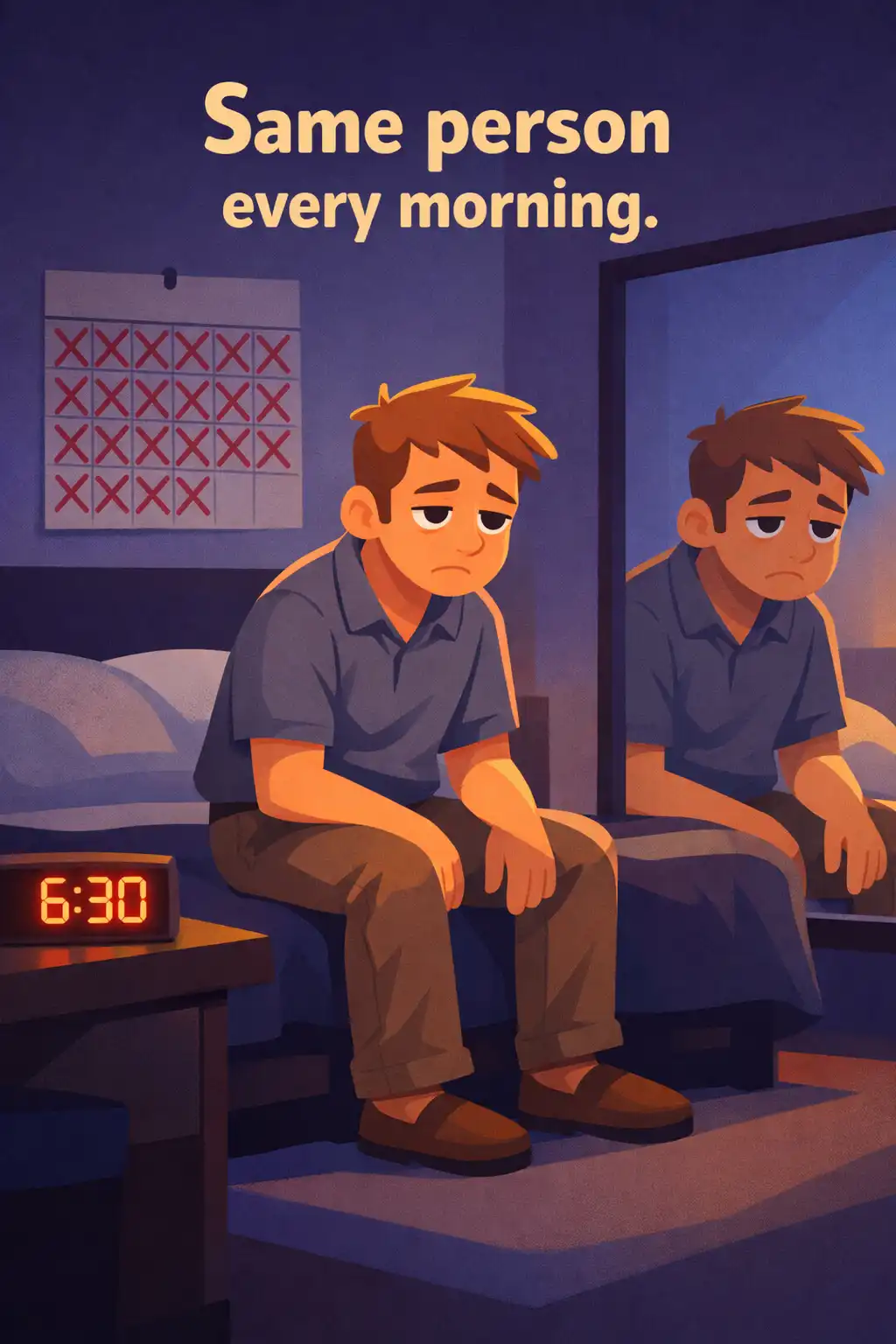
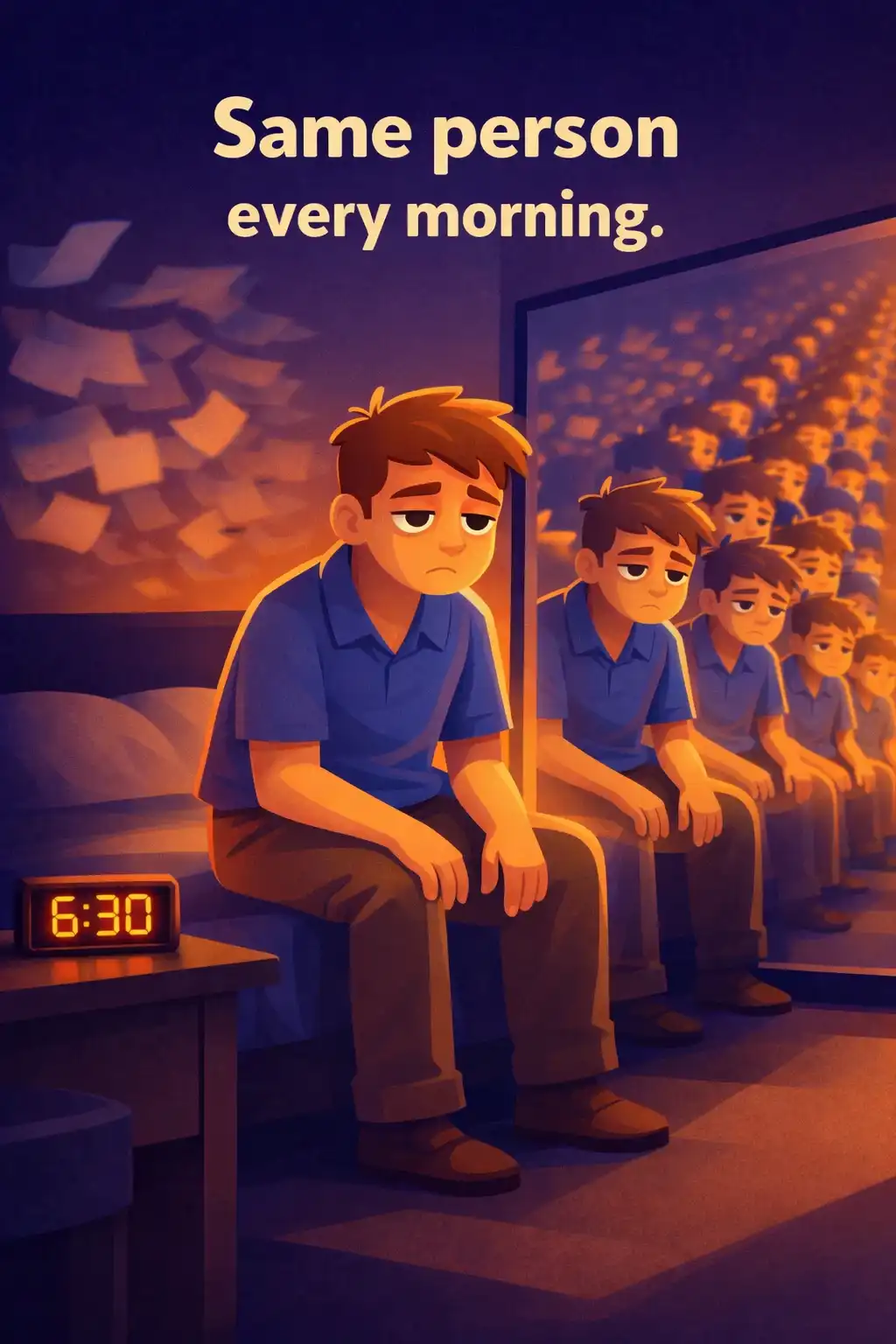
What if the reason your life never changes is because you keep waking up as the same person every single morning?

One-sentence summary

"Breaking the Habit of Being Yourself" by Joe Dispenza reveals how to rewire your brain and body to create a completely new life.

Reading about Breaking the Habit of Being Yourself is one thing.

Watching it is faster, more fun, and you'll actually remember it.

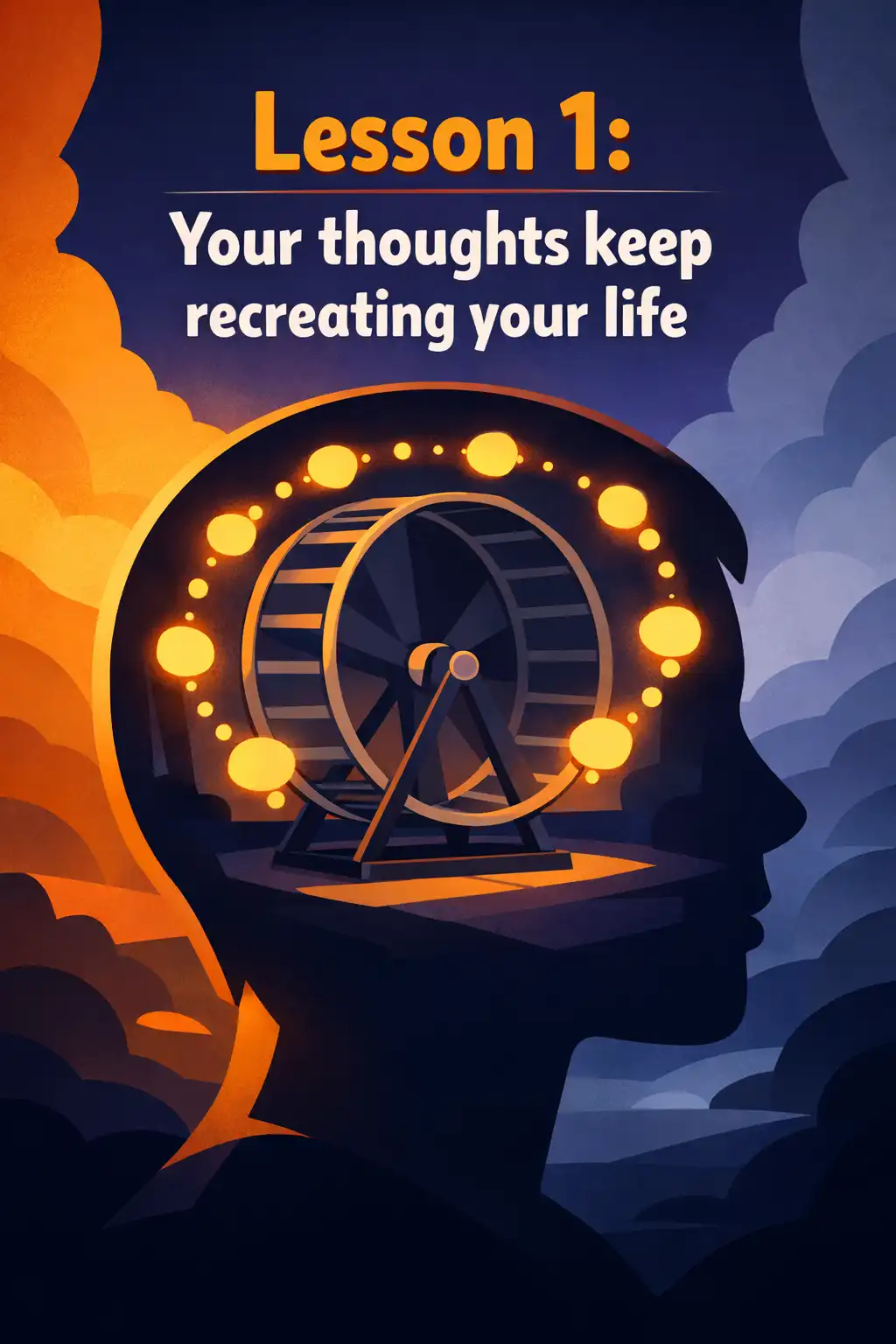
Lesson 1: Your thoughts keep recreating your life

Marcus sits at his kitchen table on a Tuesday morning, scrolling through job listings. He's been laid off for three months, and nothing is working.

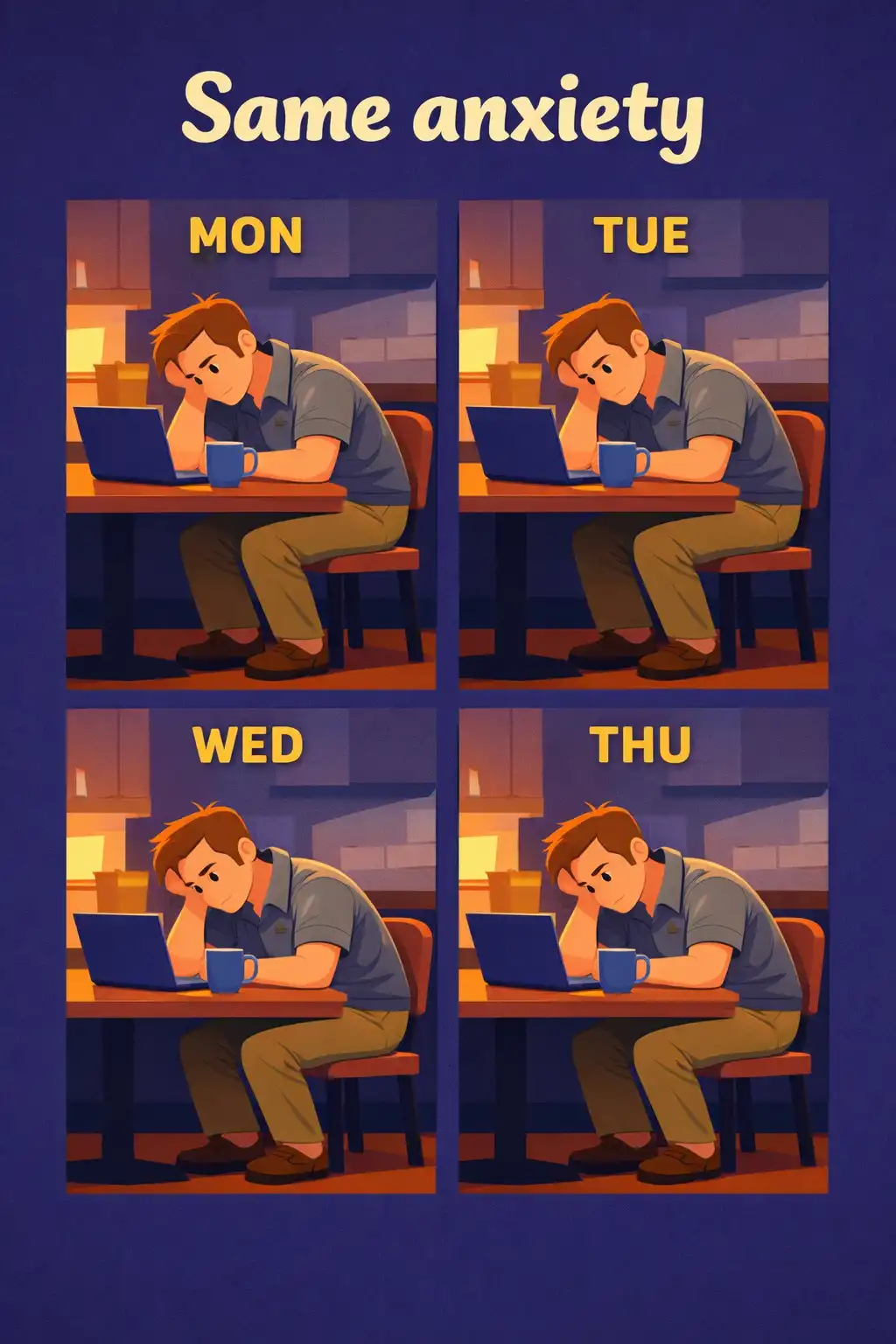
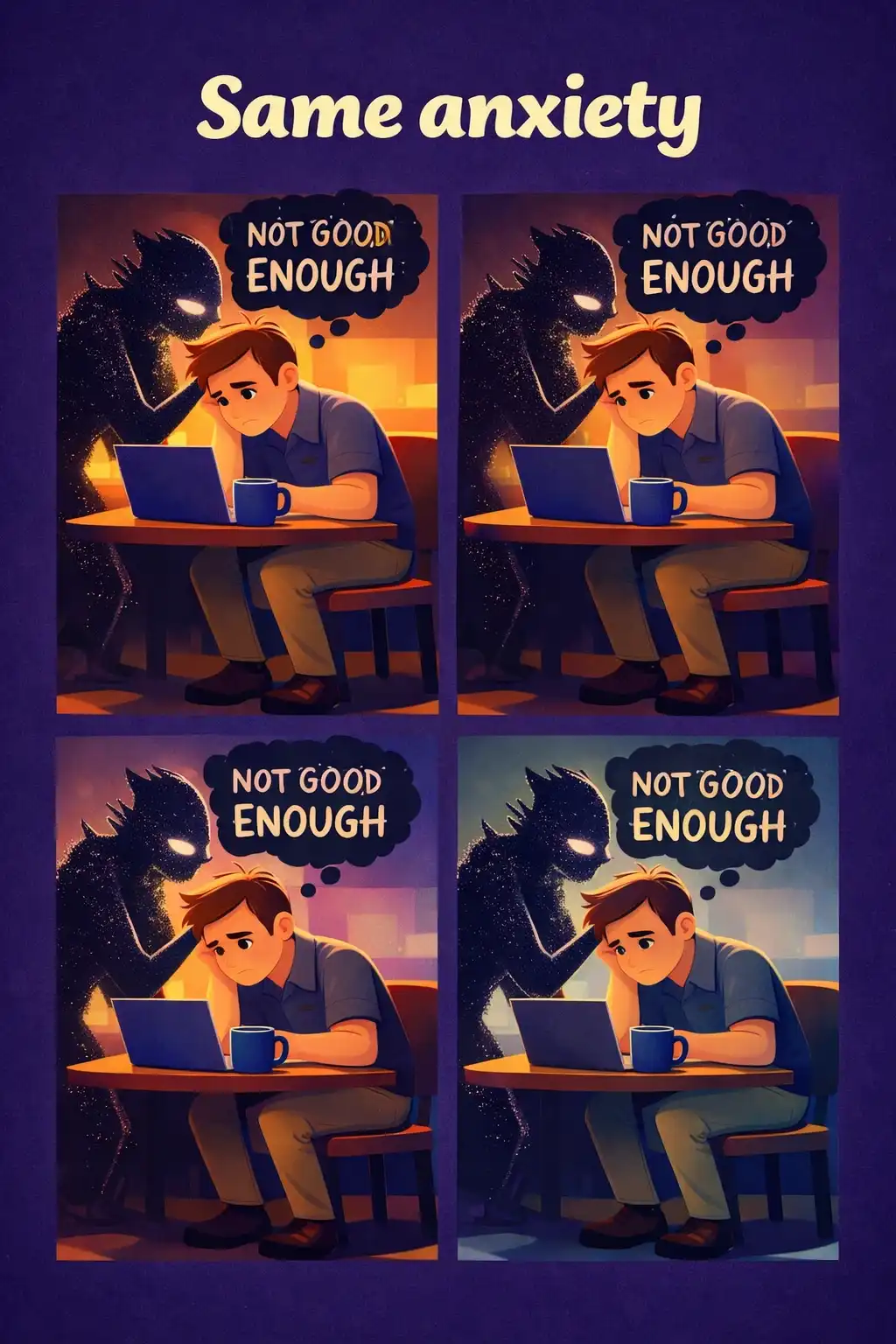
Every day feels identical. Same coffee, same anxiety, same defeated voice in his head telling him he's not good enough to start over.

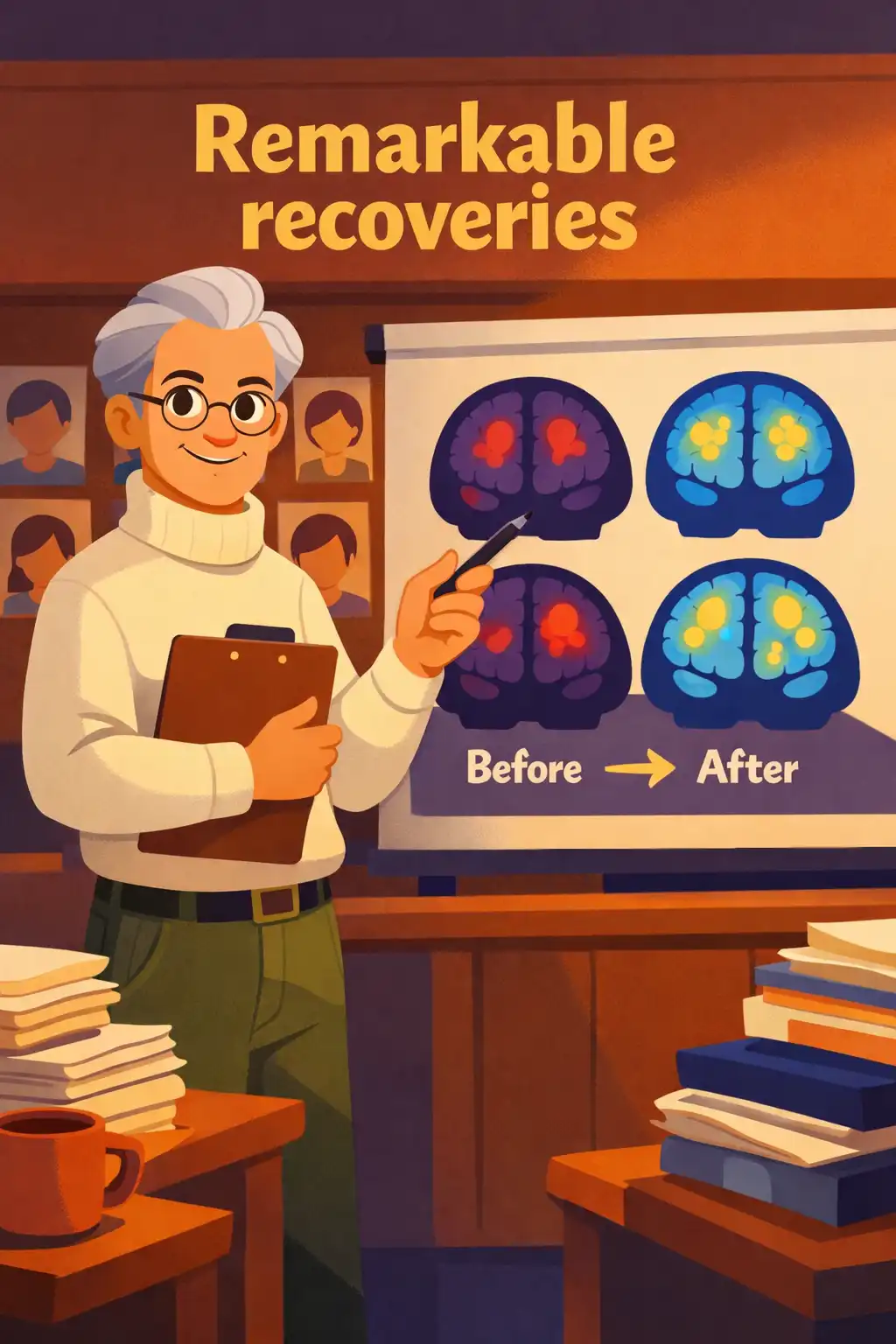
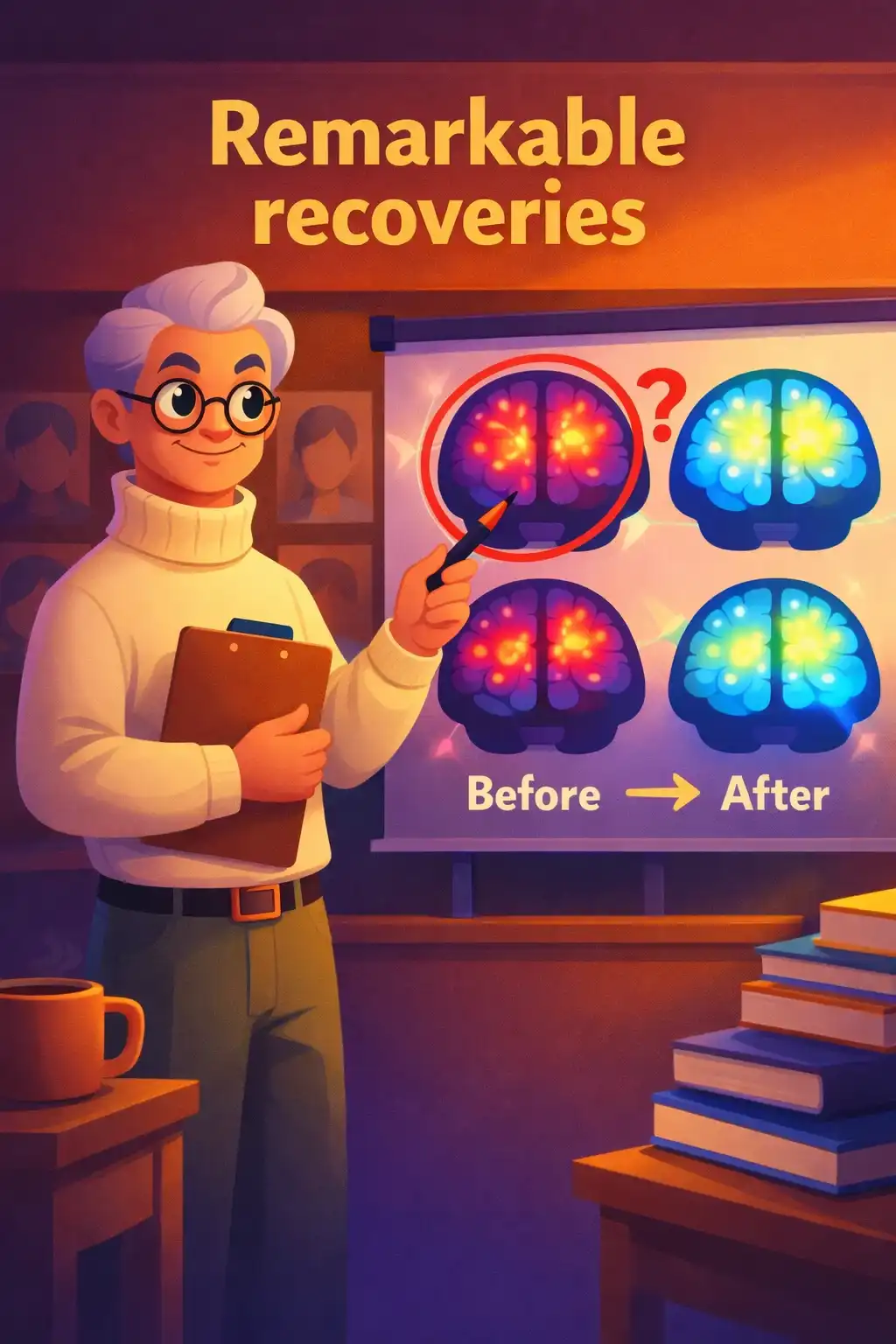
Joe Dispenza is a chiropractor and neuroscience educator who spent years studying people who made remarkable recoveries from serious illnesses. He noticed something surprising.

These recoveries weren't random. Every single person had changed something fundamental on the inside before their outer circumstances shifted.

Dispenza argues that most people only transform when a crisis forces them to. But he says it doesn't have to be that way.

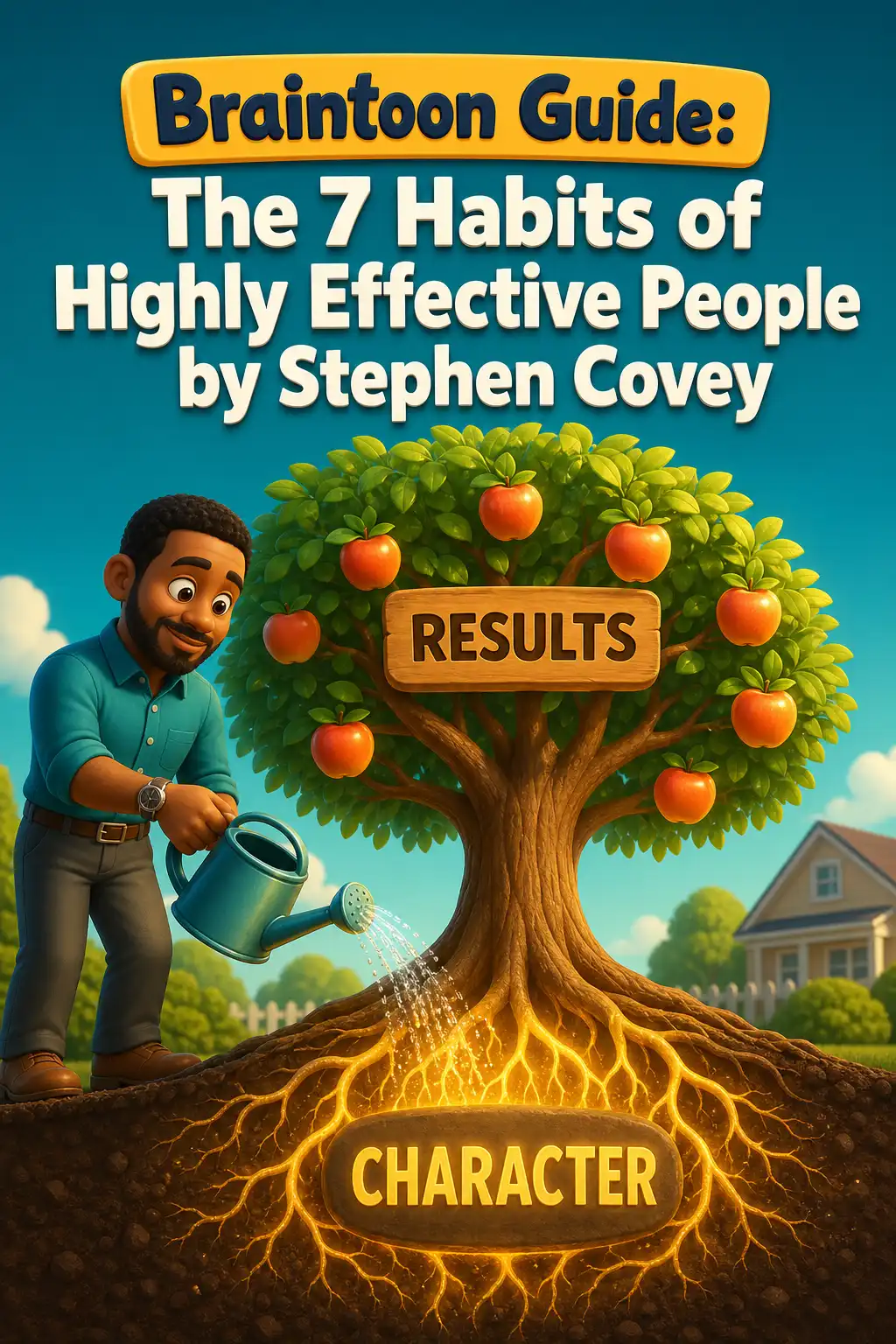
His research in neuroplasticity and epigenetics shows that by reshaping your inner thoughts and feelings, you can produce real, measurable changes in your outer world.

Lesson 2: Your feelings and thoughts form a loop

Marcus notices something strange. Every time he thinks about money, his chest tightens and his stomach drops. The anxiety feels completely automatic.

Dispenza explains why this happens. Every thought triggers a chemical reaction in the brain, which sends signals to the body. The body then feels an emotion.

That emotion sends a signal right back to the brain, which generates more of the same thoughts. It becomes a loop that runs on autopilot.

By midlife, roughly ninety-five percent of who you are has become a set of subconscious programs. Your body has literally memorized your emotional state.

When Marcus tries to think positively, the attempt fizzles. His conscious mind wants hope, but his body is chemically addicted to worry and defeat.

Positive thinking alone can't fix this. True change means getting into the subconscious operating system and rewiring it from the inside out.

Lesson 3: Your personality is the past on repeat

Marcus realizes his mornings are almost scripted. Same routine, same walk to the coffee shop, same worried conversations with the same friends.

Dispenza explains that your environment constantly triggers familiar thoughts. Every place, person, and habit quietly reinforces who you believe yourself to be.

There's a neuroscience principle called Hebb's law. It says neurons that fire together wire together. Repeated patterns become hardwired into your brain.

A brief emotional reaction becomes a mood. That mood becomes a temperament. And that temperament becomes a personality trait. Most of what we call "personality" is simply the past on repeat.

Marcus dreads job interviews because of old rejections. He's living inside a negative outcome before it even arrives, and the present moment disappears completely.

But here's the hopeful part. Studies showed that people who only imagined playing piano produced nearly the same brain changes as those who physically practiced.

Lesson 4: Survival mode keeps you stuck

Marcus catches himself replaying worst-case scenarios again. What if the savings run out? What if nobody hires him? His heart races even though he's just sitting still.

Dispenza compares this to a deer fleeing a predator. The stress response floods the body with energy to fight or run, and then it's supposed to shut off.

But humans can trigger that same emergency response through thought alone. We replay painful memories or imagine disasters, and the body reacts as if they're happening right now.

Over time, chronic stress hormones damage the immune system, disrupt how your genes express themselves, and produce constant anxiety, anger, and depression.

The antidote is what Dispenza calls "creative mode." When you're genuinely absorbed in creating something new, you lose track of your body, your surroundings, and time itself.

Your frontal lobe powers this state. It helps you catch old patterns, imagine a new way of being, and make that inner vision feel more real than outside circumstances.

Lesson 5: Close the gap between image and truth

At a friend's barbecue, someone asks Marcus how things are going. He smiles and says, "Great." But inside, he feels like a fraud.

Dispenza calls this the "identity gap." On one hand, there's the image you project to others. On the other hand, there's who you really are underneath.

Most people spend enormous energy keeping that gap open. They hide shame, fear, or self-doubt beneath a polished surface. And it's absolutely exhausting.

The goal isn't to analyze your past endlessly. It's to unmemorize the emotion itself. A memory stripped of its emotional charge becomes wisdom, not a trap.

Closing this gap frees up the energy you were spending on maintaining the facade. That released energy becomes available for creating a genuinely new life.

Marcus starts to wonder what it would feel like to just be honest with himself. To stop performing confidence he doesn't feel, and actually build it.

Lesson 6: Meditation rewires the subconscious

Marcus decides to try meditation. Not the vague, sit-and-relax kind. Dispenza describes meditation simply as becoming familiar with yourself through honest self-observation.

The key is brain waves. In normal waking life, your brain runs in what's called Beta mode. During stress, it shifts into high Beta, which keeps you locked in survival thinking.

Meditation slows your brain waves down through Alpha and into Theta. This bypasses your analytical mind and opens direct access to the subconscious.

That's where your deeply rooted habits actually live. You can't rewrite those programs while the conscious gatekeeper is standing guard. You have to slip past it.

The best times to meditate are just after waking up and right before sleep. Your brain is naturally transitioning during those moments, and the door to the subconscious is already open.

Marcus sets his alarm thirty minutes earlier. The first few sessions feel awkward and restless, but Dispenza warned him the body would resist. He stays with it.

Lesson 7: Prune the old self layer by layer

In week two of his practice, Marcus starts what Dispenza calls the recognition step. He asks himself honestly, "What emotion have I been running on?" The answer is clear. Unworthiness.

Dispenza's process has three parts. First, recognize the pattern. Then, admit it openly to a greater intelligence, whatever that means to you, without shame.

Finally, surrender it. Hand the emotion over and trust that something beyond your ego can resolve it in ways you can't predict or control.

Marcus also starts catching himself during the day. When old thoughts creep in, he says the word "Change" out loud, just like Dispenza recommends.

It feels silly at first. But each interruption weakens the old neural pathway. Over days, the automatic pull of unworthiness starts losing its grip.

Dispenza compares this to clearing a garden. You have to pull weeds and remove rocks before anything new can grow. It's not glamorous, but it's essential.

Lesson 8: Build the new self with feeling

By week four, Marcus shifts from pruning old patterns to planting new ones. He asks himself, "How would my ideal self think, act, and feel each day?"

Dispenza explains it like this. Learning new information plants seeds. Daily meditation is the water and sunlight. And genuine elevated emotion is the fertilizer.

Here's the crucial part. Thought and feeling must work together. Research at the HeartMath Institute showed that intention alone produced no measurable change.

But when participants combined a clear mental picture with genuine elevated emotion, they actually altered the physical structure of DNA samples in the lab.

So Marcus doesn't just visualize a new career. He feels gratitude and excitement as though it's already happening, letting his body experience that future right now.

Dispenza calls this "gratitude in advance." Feeling thankful before the outcome arrives sends a signal to your body that the desired reality has already occurred.

Lesson 9: Carry the new self into daily life

Something starts to change. Marcus walks into a networking event and doesn't feel the usual dread. He's genuinely curious about the people in the room.

Dispenza warns that meditating on a new self means nothing if you slip back into old habits the rest of the day. You have to live the change consistently.

Each evening, Marcus reviews his day with simple questions. Where did his new self hold firm? Where did it slip? Then he mentally rehearses a better response for next time.

Small synchronicities begin to appear. An old colleague calls with a freelance project. A conversation at the gym leads to an unexpected introduction.

Dispenza says to connect those outer results with your inner work. When your thoughts, feelings, and actions align, your environment begins reflecting that shift.

Some friends question Marcus. They liked the old him. But Dispenza explains that people around you often resist your change because it threatens their own sense of identity.

Lesson 10: Break the habit of being yourself

Six months later, Marcus barely recognizes his old patterns. He's running a small consulting practice and waking up each morning with a quiet sense of purpose.

The anxiety isn't gone forever. It still knocks sometimes. But now he notices it, names it, and lets it pass instead of building his entire life around it.

Dispenza calls this "transparency." It means your outer life fully mirrors your inner world. Old ego-driven thoughts fade because they would disturb a deep sense of wholeness.

And here's the paradox. Once genuine inner completeness is felt, the desperate chase for external things dissolves. What replaces it is a generous urge to give.

The greatest habit you can break, Dispenza says, is the habit of being your old self. And the greatest new habit is expressing who you truly are.

Marcus didn't need a new city or a lucky break. He needed to stop recreating yesterday. And so do you. The change always starts on the inside.

You've read the summary. Now watch it.

The animated version covers the same ideas — faster, and in a format you'll actually remember.

Next summary