BrainToon
A good mindset book changes how you respond when things get hard: a setback, tough feedback, a skill that won't come easily, or someone whose approval you can't win.
If you're not sure where to begin, we recommend starting with Carol Dweck's Mindset. It lays out the core idea of fixed versus growth beliefs about ability, and much of this list builds on it.
After that, choose by the problem in front of you: learning, calm, approval, confidence or money.
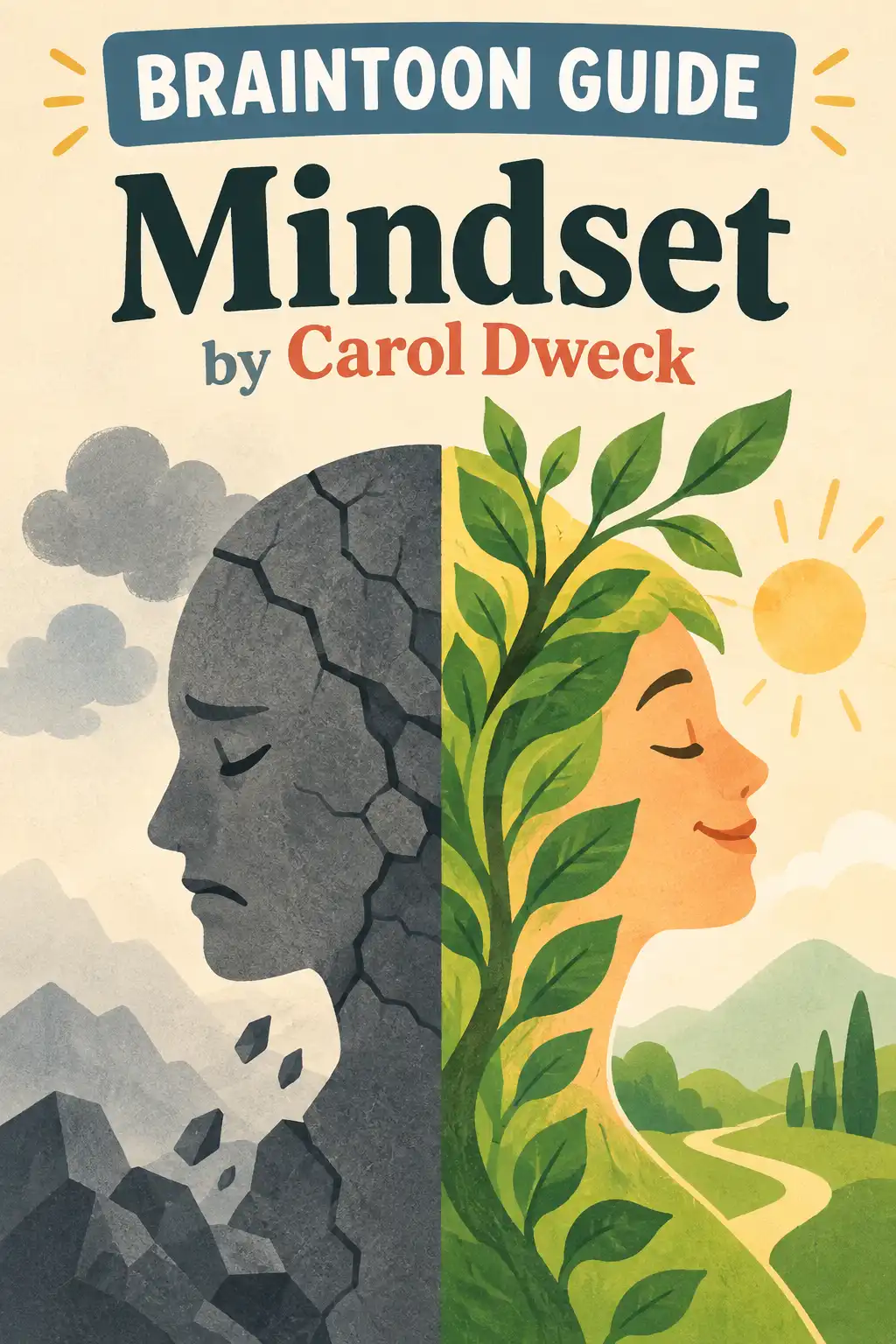
1. Mindset by Carol Dweck
Best for:
Dweck's case that believing your abilities can grow changes how you face challenge, failure and feedback.
14 min animated summary
Inside our summary
- Two beliefs about ability
- Why praising intelligence backfires
- Changing a mindset takes maintenance
This is our best overall pick and the place we'd start. Dweck's central idea is that one belief, whether your abilities are fixed or can be developed, shapes how you handle challenge, failure and feedback. She also argues that this belief can change.
She applies the idea well beyond personal growth. Our summary covers why praising intelligence can backfire, which is why parents and teachers get so much from it. It also looks at talent worship inside organizations, a useful lens for managers who give feedback, and at the idea that relationships are supposed to take work.
If fear of failure holds you back, the lesson on what failure and effort come to mean is a good place to begin.
Dweck doesn't promise an overnight change. In her account, changing a mindset takes maintenance, not a single insight.
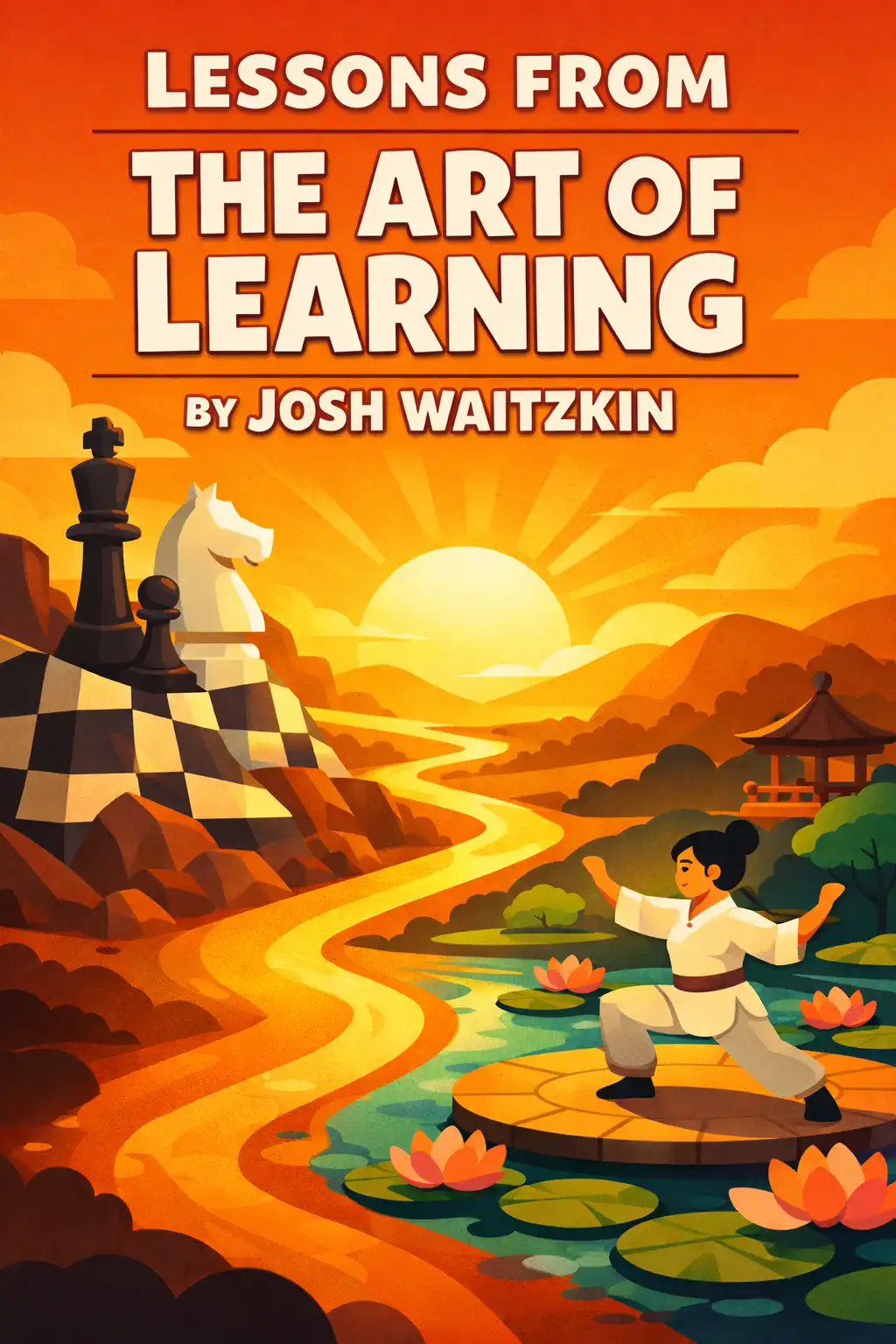
2. The Art of Learning by Josh Waitzkin
Best for:
A chess prodigy and martial arts champion's guide to learning hard skills and performing under pressure.
11 min animated summary
Inside our summary
- Growth mindset beats fragile talent
- Recover fast after a mistake
- Build a trigger for peak performance
Dweck explains the idea. Waitzkin shows what it can look like in competition. He draws on his path from chess prodigy to martial arts world champion, so this book suits athletes, competitors and anyone learning something difficult.
He treats learning itself as the skill worth mastering. He explains why a growth mindset beats fragile talent, then turns practical about high-pressure moments: recovering quickly after a mistake, building a "soft zone" of focus and creating a trigger for peak performance.
He also favors depth over breadth. His advice to go deep with smaller circles may help learners who keep skimming the surface of a skill.
Choose this over Dweck if you'd rather learn through one person's lived experience than a broader psychological argument. You could also read it after Mindset to see the same idea in action.
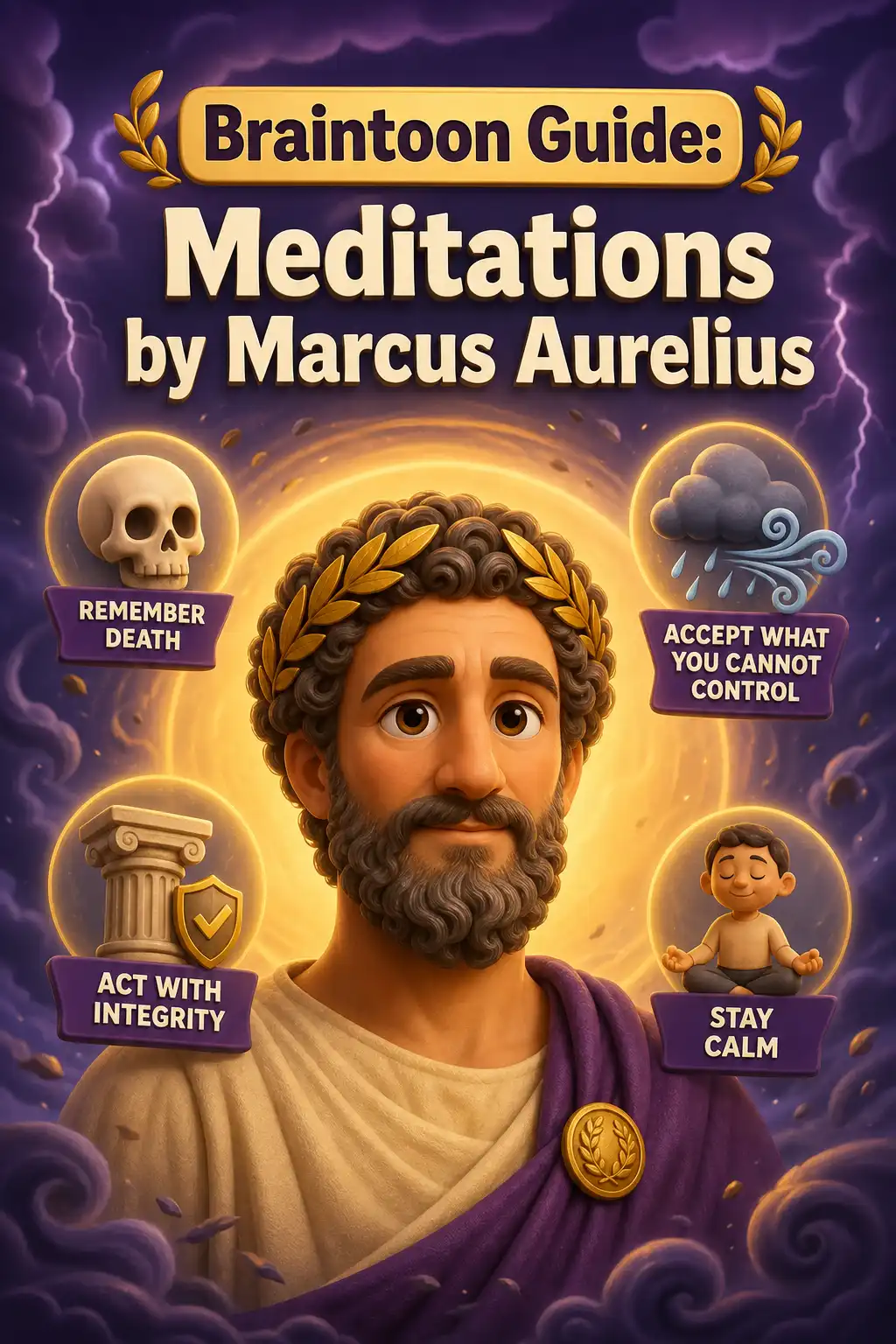
3. Meditations by Marcus Aurelius
Best for:
A Roman emperor's private journal on staying calm, acting with integrity and accepting what you can't control.
11 min animated summary
Inside our summary
- Your judgments hurt you, not events
- Expect difficult people and skip the anger
- What stands in the way becomes the way
Not every mindset problem calls for more drive. If you need steadiness, this is our pick. It's the private journal of a Roman emperor, focused on staying calm, acting with integrity and accepting what you can't control.
Its most useful idea for this list is that your judgments hurt you, not events. That shift in perspective shapes much of what follows, from expecting difficult people without getting angry to treating obstacles as part of the way forward.
Because these are private notes rather than a formal treatise, the book makes a natural first introduction to Stoicism. Marcus also warns himself against chasing applause and uses the thought of death to stay awake to what matters.
Pick it if you tend to react strongly or if calm under pressure matters more to you than ambition right now.

4. The Courage to be Disliked by Ichiro Kishimi and Fumitake Koga
Best for:
Adler's psychology applied to approval-seeking, comparison and choosing your own path to happiness.
11 min animated summary
Inside our summary
- Inferiority is a story, not a fact
- Separate your tasks from theirs
- Stop chasing recognition
If your mindset struggles are tied to other people, such as their opinions, their approval or the feeling that you're falling behind them, this is the book we'd hand you. Kishimi and Koga use Alfred Adler's psychology to argue that anyone can choose happiness, starting today.
They challenge some comfortable assumptions. They argue that inferiority is a story, not a fact, and that we choose our feelings for a reason. For people-pleasers, the most practical idea may be separating your tasks from other people's: working out what is yours to handle and what isn't.
They also challenge competition and the need for recognition. They favor horizontal relationships over ranking yourself above or below others, and contribution over performance.
Some of these claims can feel uncomfortable. That's part of the appeal if gentler advice hasn't helped you break the approval habit.
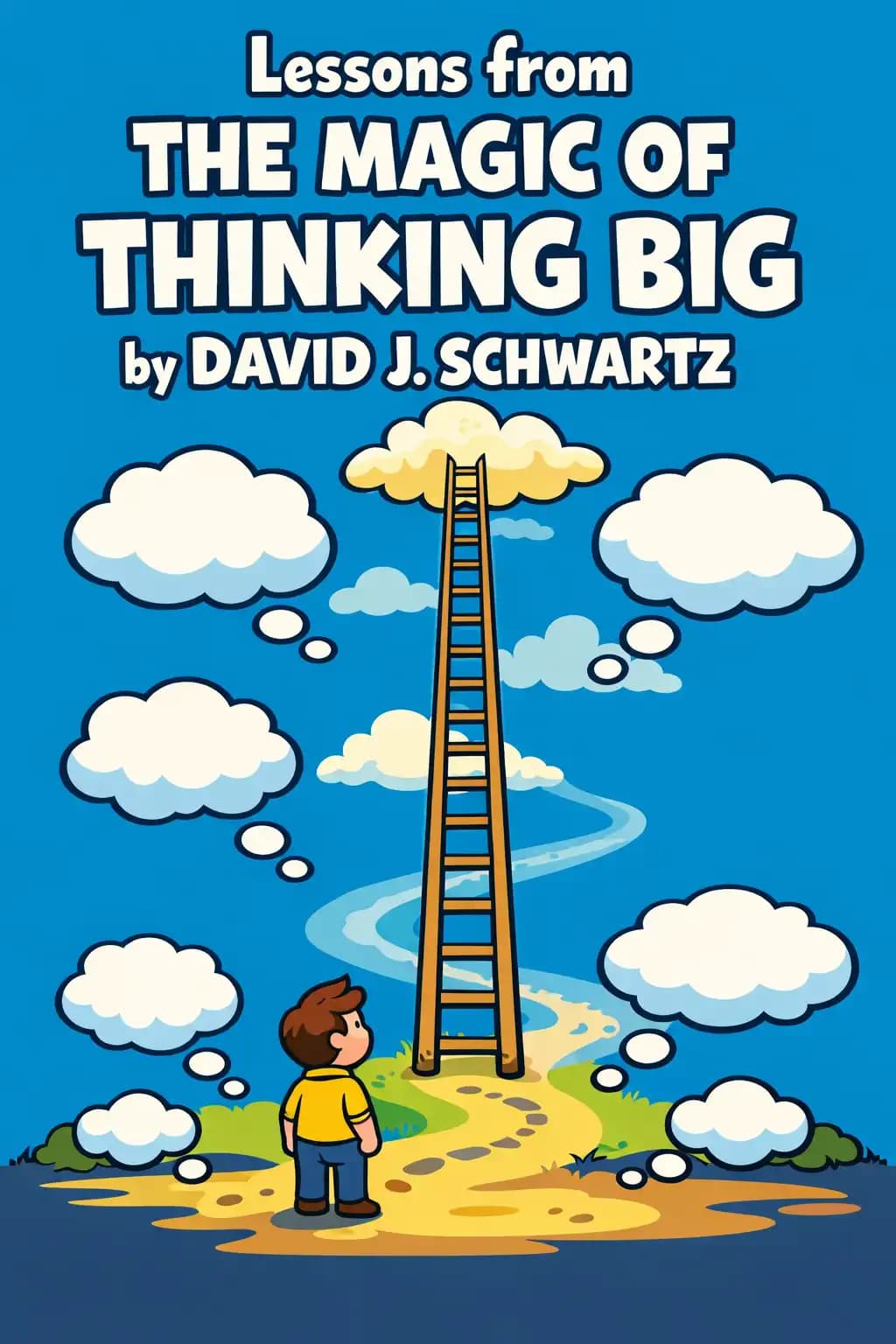
5. The Magic of Thinking Big by David J. Schwartz
Best for:
An upbeat confidence builder about cutting excuses, acting despite fear and aiming higher.
12 min animated summary
Inside our summary
- Cure 'Excusitis'
- Action Kills Fear
- Choose Better Mind Food
If you keep talking yourself out of things, Schwartz offers a direct push. His core claim is that thinking bigger leads to bigger actions, which then compound into bigger results.
It's especially good for low confidence and excuse-making. Schwartz calls the habit "excusitis" and sets out to cure it. His lesson that action kills fear gives hesitant readers something concrete to try.
Career starters may get the most from it. The lessons on thinking bigger every day, choosing better "mind food" and noticing how people affect your attitude focus on everyday choices rather than theory.
Compared with Dweck, it's lighter and more motivational. That's a strength if you already understand the idea and need encouragement to act.
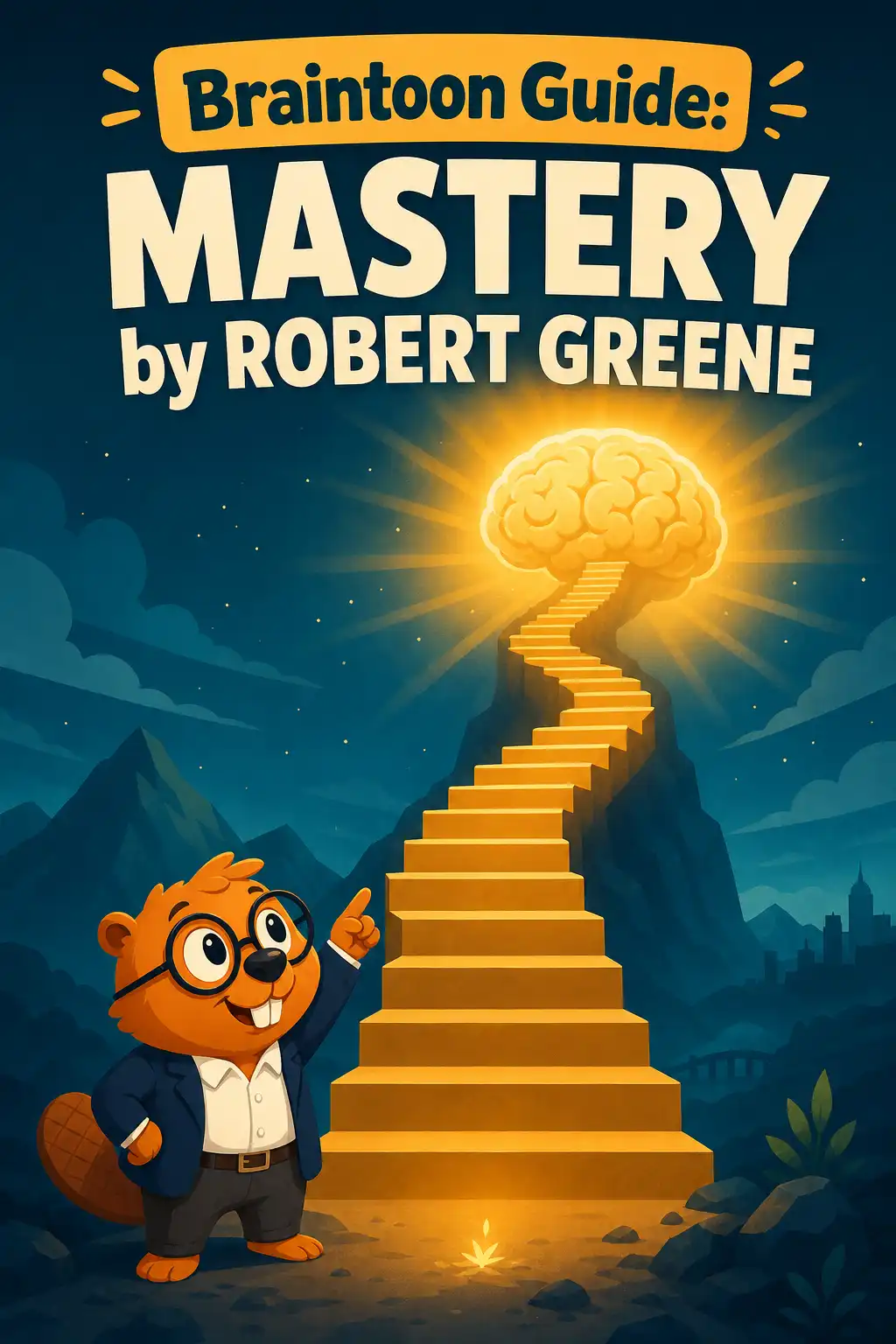
6. Mastery by Robert Greene
Best for:
Robert Greene's long-view case that world-class skill comes from a learnable process, not a genetic gift.
11 min animated summary
Inside our summary
- Find your life's task
- Choose learning over money
- Move toward resistance and pain
Mastery belongs here because Greene argues that world-class skill isn't a genetic gift. He presents it as a learnable process and traces a path he says history's greatest minds followed.
It's a strong choice if you're thinking about career direction over years rather than weeks. Greene starts with finding your life's task, then argues for choosing learning over money and moving toward resistance and pain instead of avoiding it.
Along the way, he covers finding a mentor and then adapting, as well as seeing people as they are. Later lessons deal with pushing through creative frustration and combining intuition with reason.
Choose this over The Art of Learning if you care more about building a working life around a skill than about performing well in a particular moment.

7. The Subtle Art of Not Giving an F by Mark Manson
Best for:
A blunt guide to caring about fewer things and choosing struggles worth having.
11 min animated summary
Inside our summary
- Choose what deserves your energy
- Choose your struggle
- Doubt yourself, then do something
If upbeat self-help makes you roll your eyes, Manson's bluntness may work better for you. He argues that you live better by caring about less, choosing real values and facing life's struggles instead of running from them.
That makes it a good fit for overthinkers. Instead of urging you to feel more confident, Manson asks you to choose what deserves your energy and the struggle you're willing to take on.
He also makes a useful point about doubt: question yourself, then do something anyway. Other lessons cover choosing better values, taking responsibility for everything and learning to say no.
It overlaps with The Courage to be Disliked on ordinariness and responsibility. Choose Manson for blunt, irreverent help with priorities. Choose Kishimi and Koga if approval from others is your main struggle.
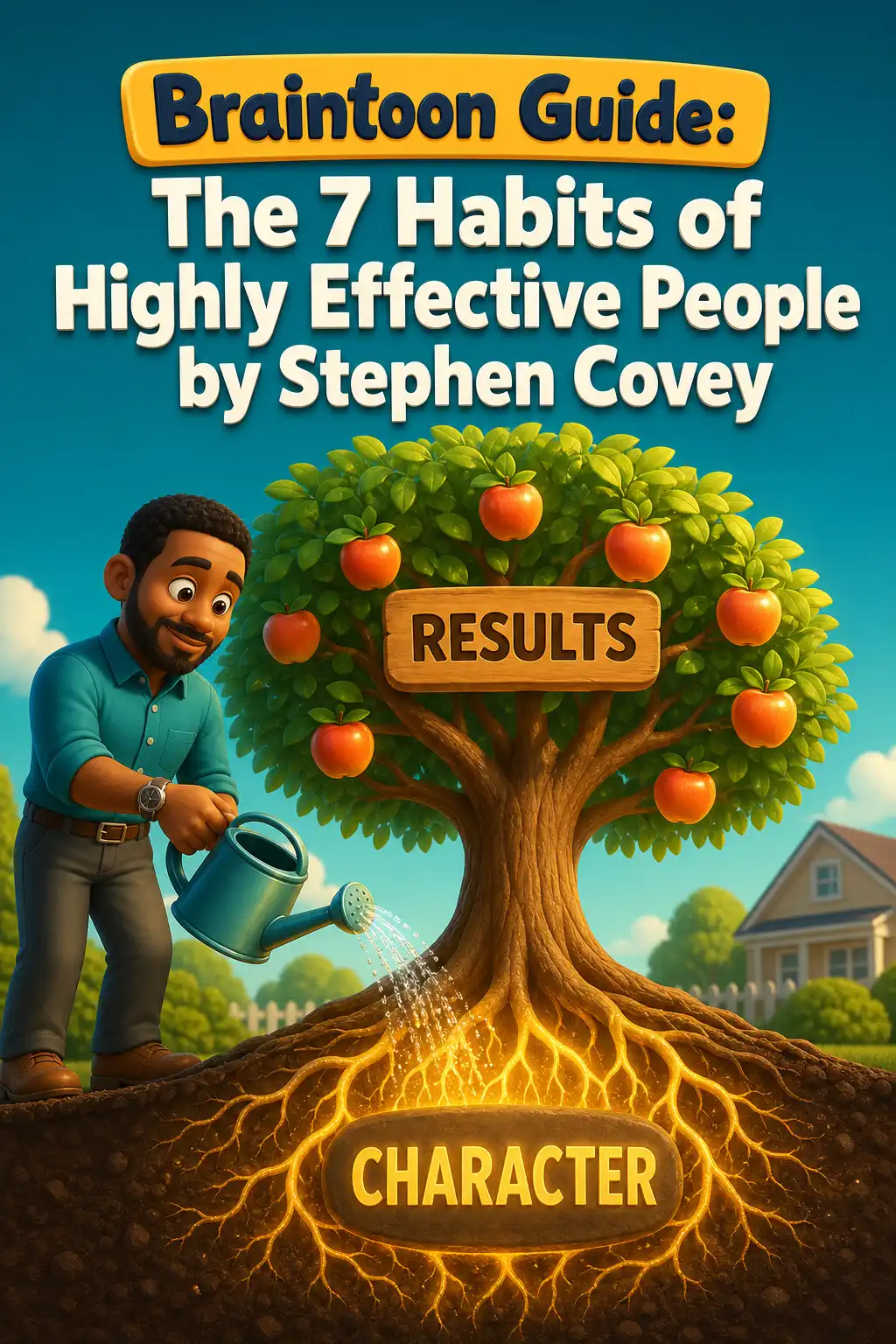
8. The 7 Habits of Highly Effective People by Stephen Covey
Best for:
Stephen Covey's inside-out framework for owning your responses and building effective habits.
12 min animated summary
Inside our summary
- Effectiveness starts from the inside out
- Be proactive
- The emotional bank account
Covey's book covers more than mindset, but its starting point belongs here. He argues that lasting effectiveness grows from the inside out, through character, principles and habits anyone can build.
The habit that fits this list best is being proactive: taking responsibility for your choices instead of blaming circumstances. It's a good match if blame or drift is the pattern you want to break.
Then Covey widens the lens. Our summary covers beginning with the end in mind and putting first things first. It also covers relationship ideas such as the emotional bank account, win/win thinking and seeking first to understand.
Choose it if you want a complete personal framework, not just a new belief. If you mainly want the psychology of ability and failure, Dweck is more focused.
9. Awaken the Giant Within by Tony Robbins
Best for:
Tony Robbins's high-energy toolkit for changing beliefs, emotions and habits.
13 min animated summary
Inside our summary
- How to Rewire Your Patterns for Good
- How to Master Your Emotions
- Transform Your Life by Transforming Your Vocabulary
Robbins is for readers who want to work actively on their mindset, not mainly reflect on it. He aims to help you take control of your emotions, habits and future.
He pays close attention to the small mental habits that shape behavior: the beliefs you hold, the questions you ask yourself and even the words you use. He also covers rewiring patterns, mastering emotions and consciously designing your values.
That makes it a fit if you're trying to break a pattern that keeps repeating, or if your emotions tend to steer your decisions.
The tone is motivational and high-energy. Some readers will find it energizing, while others may find it too much. If you'd prefer a quieter approach to emotions, Meditations is the calmer choice.

10. The Psychology of Money by Morgan Housel
Best for:
Morgan Housel on why doing well with money depends more on behavior and patience than on intelligence.
14 min animated summary
Inside our summary
- Money is a soft skill, not a science
- Survival lets compounding do the work
- Volatility is a fee, not a fine
This is the specialist pick. If your mindset struggles show up mainly around money, Housel offers a grounded perspective. He argues that doing well with money depends far more on behavior, patience and self-knowledge than on intelligence or technical skill.
He treats money as a soft skill, not a science. That can be a relief if you've assumed financial success requires expertise you don't have.
For anxious investors, two ideas may help most: volatility is a fee, not a fine, and survival gives compounding time to work. Housel also explores how closely luck and risk are linked, and he encourages using money to buy your own time.
It's narrower than everything else here. Choose it when your relationship with money is the real issue.
A suggested reading order
You don't need to read these in order. If you want the foundation, start with Mindset. Then choose by the problem you're facing: The Art of Learning or Mastery for building skills, Meditations for calm, The Courage to be Disliked or The Subtle Art of Not Giving an F for approval and priorities, The Magic of Thinking Big or Awaken the Giant Within for a push, The 7 Habits of Highly Effective People for a broader framework, and The Psychology of Money for money worries.
How we chose these books
We chose from books that already have BrainToon summaries. We favored titles that deal directly with beliefs about ability, setbacks, emotions and what you can control, and we based our choices on each book's overview and lesson titles. We left out some catalog books where mindset is only a side theme, such as books about habit design, wealth-building or leadership. We also skipped books when another pick covered the same ground more directly. A few well-known mindset books, including Grit, Learned Optimism and Peak, aren't in our catalog yet, so they aren't on this list.