A detailed summary ofThe 7 Habits of Highly Effective Peopleby Stephen Covey
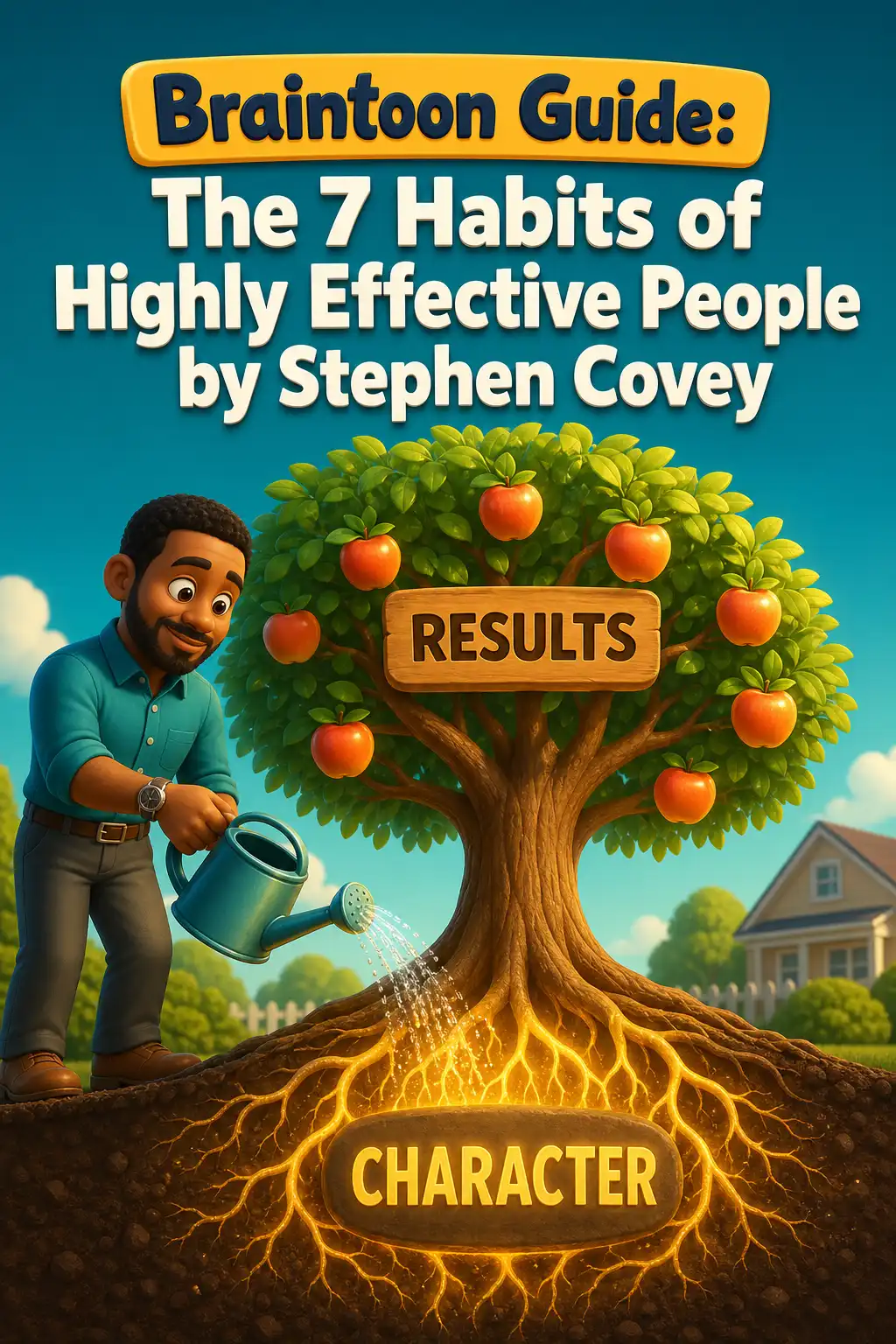
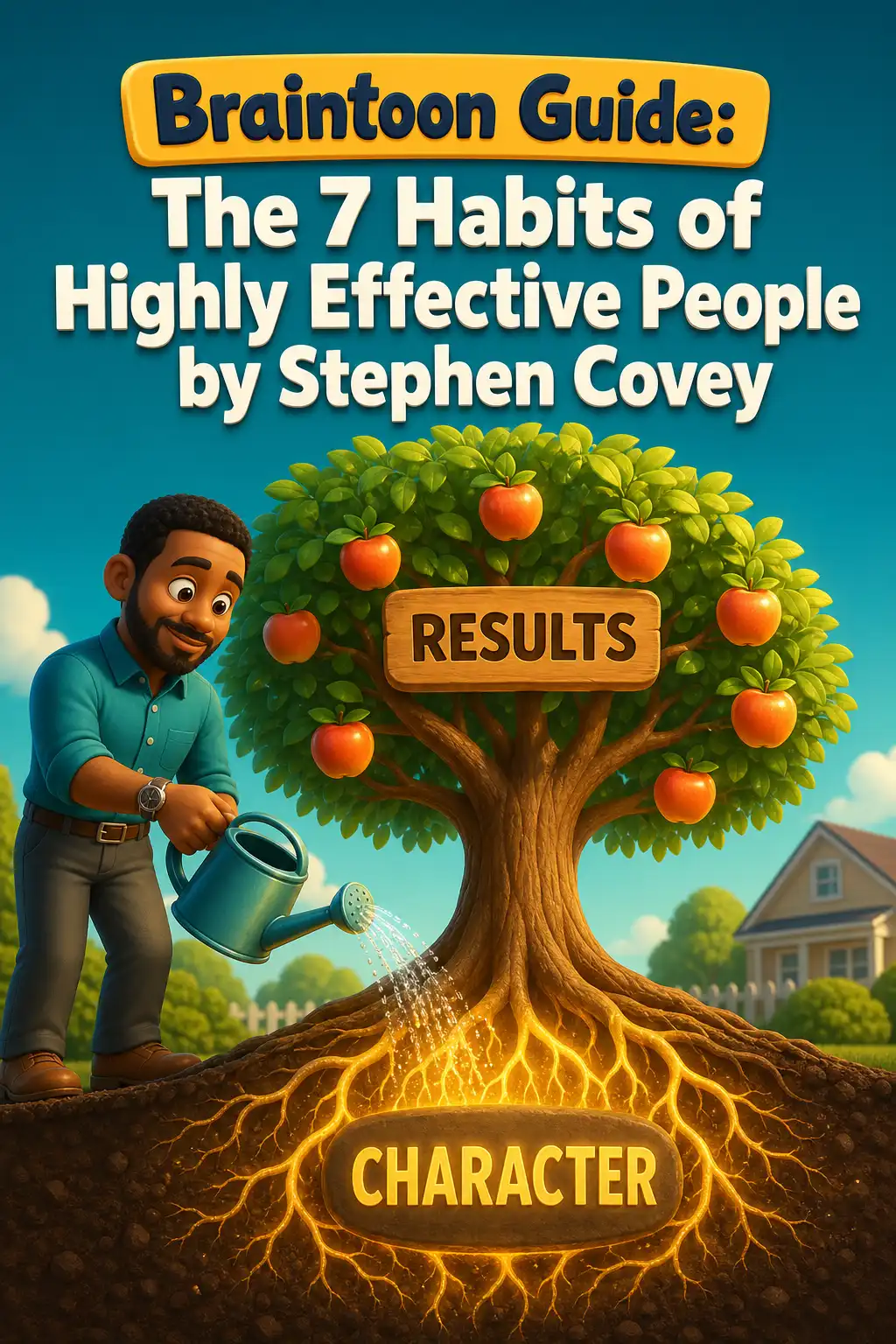
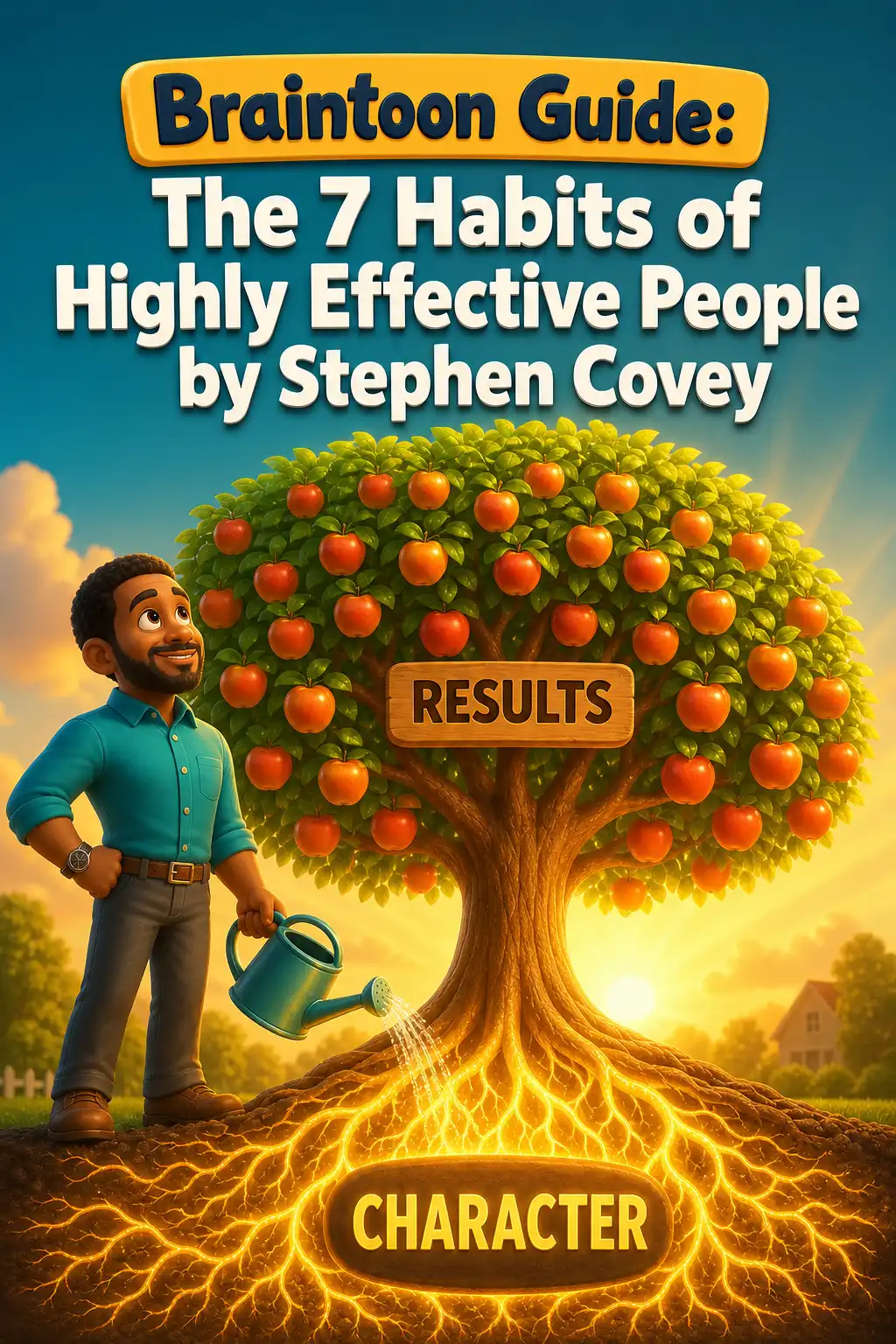
The 7 Habits of Highly Effective People by Stephen Covey teaches that real, lasting effectiveness grows from the inside out, through character, principles, and habits anyone can build.






Why do so many smart
0:00 / 1:00
60-second animated preview
Big ideas, at a glance
Explore the visual guides. Select any image to take a closer look.
The Urgent–Important Matrix (Habit 3)
Circle of Influence vs. Circle of Concern (Habit 1)
The Emotional Bank Account
The 7 Habits of Highly Effective People Summary
Why do so many smart, hardworking people still feel stuck, overwhelmed, and disconnected from the people they love, no matter how hard they push themselves?
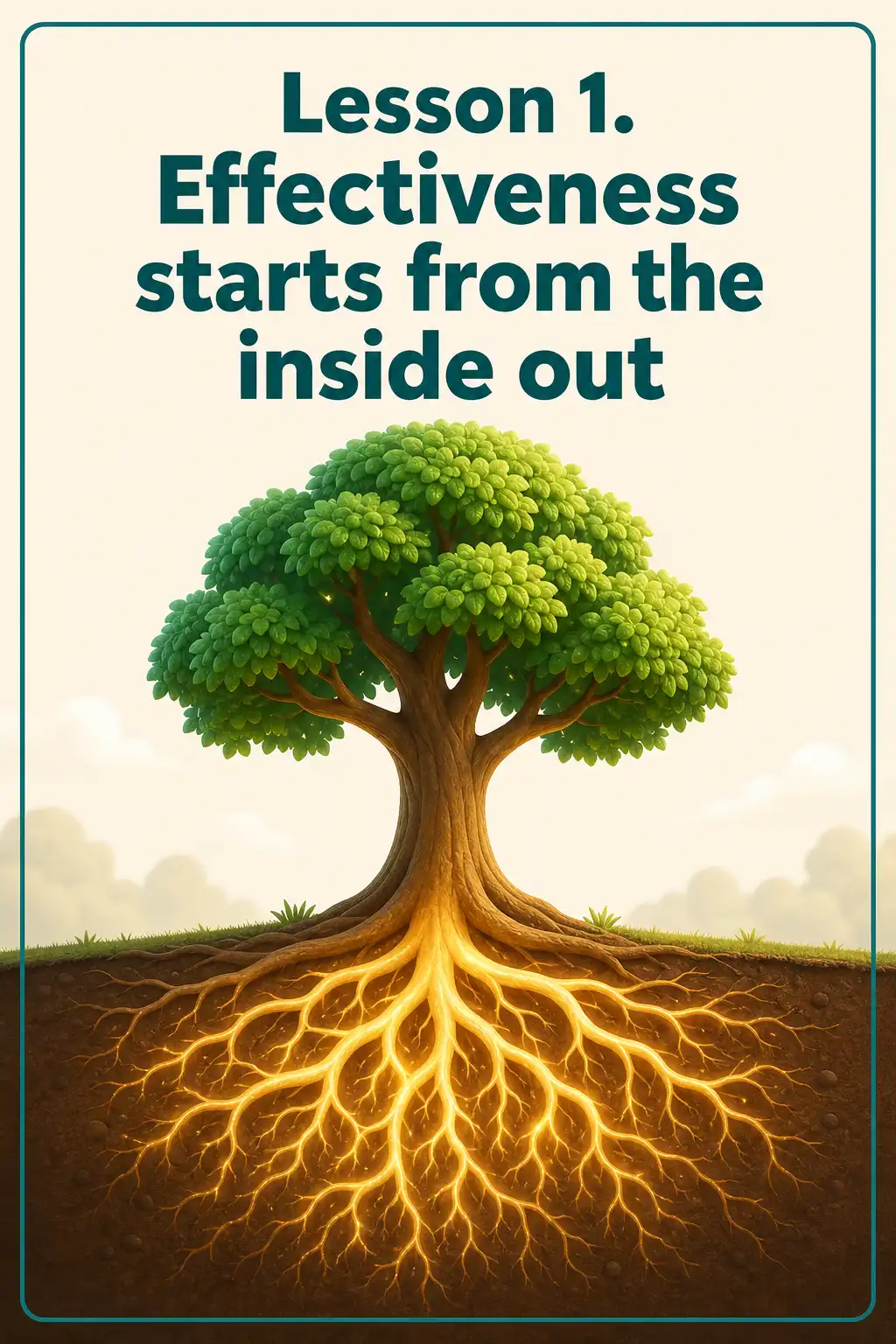
1. Effectiveness starts from the inside out
Over twenty-five years of teaching, Stephen Covey noticed something surprising. Plenty of outwardly successful people were quietly struggling with strained marriages, distant kids, and a nagging sense of emptiness.
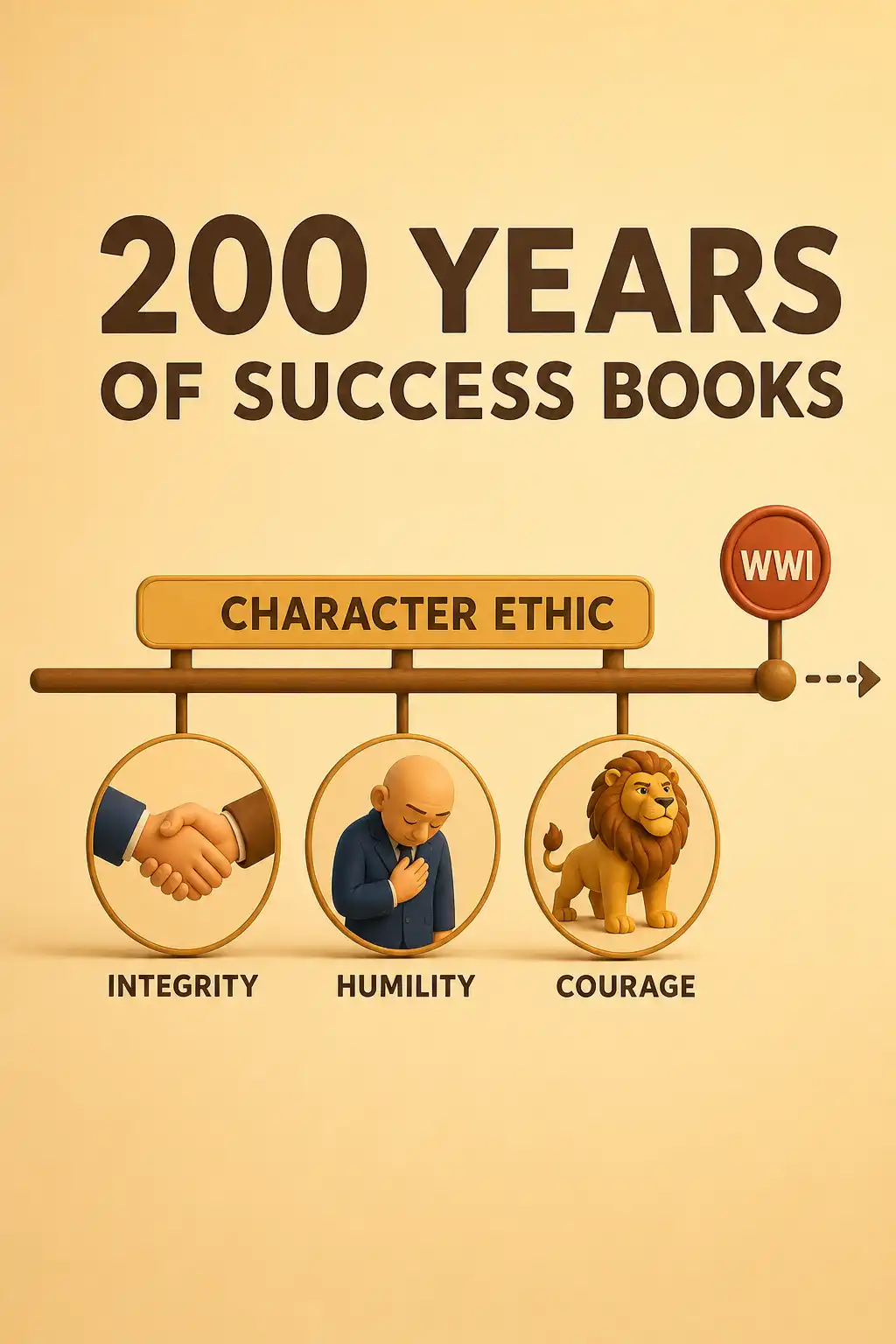
So Covey, a longtime leadership teacher, went back and studied two hundred years of success literature. Before World War One, it centered on character, qualities like integrity, humility, and courage.
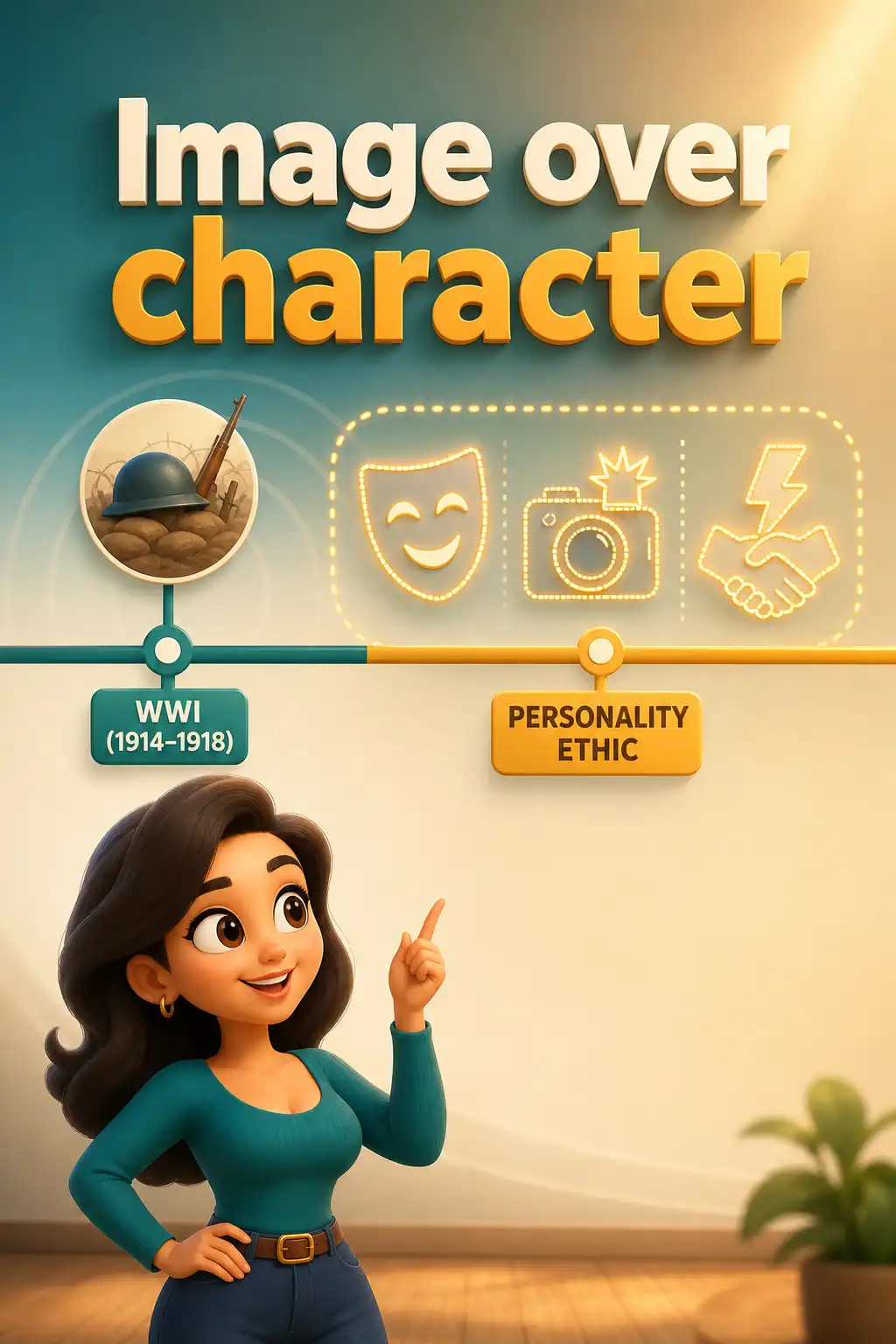
Afterward, it shifted to personality, image, and quick influence techniques. Covey argues those ring hollow without character underneath, because our real problem is often our paradigm, our mental map of how the world works.
On a New York subway, Covey once felt irritated by a man ignoring his rowdy kids. Then the man quietly explained his wife had just died. Covey's whole perception shifted in an instant.
If your map is wrong, working harder won't get you there. That's the book's foundation. Change works from the inside out. Character and paradigms come first, and behavior and relationships follow.
To see these ideas in action, meet Mike, a sales manager in Atlanta. On paper, he's doing just fine. In reality, he's drowning in email and running on fumes.
Watch it come to life
Watch The 7 Habits of Highly Effective People instead
Explore this summary and the Braintoon library.
2. Be proactive
Habit one starts with Viktor Frankl, a psychiatrist who survived Nazi death camps. He discovered that between anything that happens to you and how you respond, there's a space.
And in that space lies your freedom to choose. The guards controlled everything around Frankl, but they couldn't control how he responded. Nobody can take that from you either.
Being proactive means choices, not conditions, drive your life. Listen to your own language. Reactive people say things like, I have to, or, he makes me so mad.
Covey draws two circles. The Circle of Concern holds everything you worry about. The Circle of Influence holds what you can actually affect. Proactive people focus their energy there.
He tells the story of an executive who, while his colleagues complained about a difficult boss, quietly did excellent work and anticipated needs. His influence steadily grew while theirs shrank.
Mike catches himself saying, my boss makes this job impossible. That's pure reactive language. He can't control his boss, but he can control his preparation, his attitude, and his promises.
3. Begin with the end in mind
Here's an uncomfortable exercise. Imagine your own funeral three years from now. A family member, a friend, a colleague, and a neighbor each get up to speak. What do you hope they say?
Covey's point is that everything is created twice, first mentally, then physically. A builder drafts blueprints before laying bricks. If you don't author your own life's blueprint, someone else will.
He pictures workers hacking through a jungle. Managers sharpen the machetes and write procedures. The leader climbs a tree, looks around, and shouts, wrong jungle. Efficiency can't fix a wrong direction.
So Covey recommends writing a personal mission statement, centered on unchanging principles like integrity and contribution, not on shifting things like money, work, or even other people's approval.
Mike tries the funeral exercise, and it stings. Nobody would say, he answered emails fast. He wants present father, honest colleague, and dependable husband to be true about him.
So he drafts a short mission statement organized by his roles: husband, dad, sales leader, friend. It's rough, but for the first time, he's written his own blueprint.
4. Put first things first
Now for the habit that turns vision into daily action. Covey sorts every activity by two simple questions. Is it urgent? Is it important? That creates four quadrants.
Quadrant one holds urgent, important crises. Quadrant three holds urgent but unimportant interruptions. Quadrant four is pure time-wasting. Most people bounce between these, exhausted, wondering where their week went.
The magic lives in Quadrant Two, important but not urgent things like planning, relationships, and preparation. Spend more time there, and crises actually stop forming in the first place.
Of course, that means saying no to less important demands, pleasantly and without guilt. Covey says that's only possible when you have a bigger yes burning inside you.
His method is weekly planning. Each week, you list your key roles, choose one or two important goals per role, and schedule them in before the urgent stuff floods in.
Mike tries it on a Sunday evening. Under dad, he blocks Thursday dinner with Emma. Under sales leader, he schedules planning time before his quarter turns into pure firefighting.
5. The emotional bank account
The first three habits build private victory, mastery over yourself. Covey insists that has to come before public victory with others, the way algebra has to come before calculus.
The bridge between them is the Emotional Bank Account. Deposits build trust, and withdrawals drain it. When trust runs high, communication flows easily and mistakes get forgiven quickly.
Deposits include understanding what actually matters to the other person, like a father spending six weeks at baseball games purely because his son loves the sport.
Other deposits are small kindnesses, kept promises, clear expectations, loyalty to people who aren't in the room, and sincere apologies. In relationships, the small things really are the big things.
Mike realizes his account with Emma is deeply overdrawn. Years of canceled plans and distracted uh-huhs have added up. No wonder she gives him one-word answers at dinner.
So he starts making deposits. He apologizes sincerely for missed moments, shows up early to her volleyball games, and keeps every small promise, even when work gets loud.
6. Think win/win
A company president once complained to Covey that his people just wouldn't cooperate. Behind a curtain in his office hung a chart showing his managers as racehorses competing for a Bermuda trip.
He preached teamwork while rewarding rivalry. Most of us are scripted the same way, by grading curves, sports, and constant comparison. We assume someone must lose for us to win.
Habit four says otherwise. In interdependent life, win/lose poisons relationships, and lose/win breeds quiet resentment. Win/win, the belief that both parties can come out ahead, is the only sustainable approach.
It requires an abundance mentality, believing there's enough success out there for everyone. And if no mutual win exists, you choose no deal. Walking away beats forcing a bad agreement.
Mike faces this at work. He and another manager, Dave, have been fighting over the same big accounts for months, undercutting each other and splitting the team down the middle.
Instead of scheming, Mike proposes a win/win agreement. Clear territories, shared credit on joint deals, and results they both define upfront. Dave is skeptical at first, then visibly relieved.
7. Seek first to understand
Imagine an optometrist who hands you his own glasses without examining your eyes. They work great for me, he says. You'd walk out. Nobody trusts prescription before diagnosis.
Yet Covey says we do this constantly, rushing to advise and fix before we've actually understood. Most listening is just waiting for our turn to talk.
Empathic listening is different. You step inside the other person's frame of reference, reflecting back both their words and their feelings. It gives people what Covey calls psychological air.
Only after someone feels understood can you be understood. Covey borrows the Greek sequence: ethos, your credibility, then pathos, your empathy, and only then logos, your logic.
One night, Emma mutters that school is pointless. Mike's instinct is a lecture about effort. Instead, he just reflects back what he hears. You're feeling pretty defeated about it.
Given air instead of advice, Emma keeps talking. The real issue finally surfaces. She's badly behind in math and terrified of failing in front of her friends.
8. Synergize and sharpen the saw
Habit six is synergy, where the whole becomes greater than the sum of its parts. It's not compromise, where one plus one equals one and a half.
Synergy means valuing differences and searching for a third alternative better than either original idea. Covey describes a couple who resolved a vacation standoff with a creative third plan they both loved.
Finally, habit seven. Covey tells the story of a man too busy sawing a tree to stop and sharpen his blade. Renewal is what keeps every other habit working.
Sharpen the saw in four dimensions. Physical through exercise, spiritual through reflection, mental through reading and writing, and social through investing in relationships. Neglect one, and the others weaken.
A year in, Mike is running three mornings a week, journaling on Sundays, and rereading his mission statement. He's calmer at work, closer to Emma, and enjoying his marriage again.
Covey would call him a transition person, someone who stops passing bad scripts down and starts writing better ones. Not perfect, just growing on an upward spiral.
Watch it come to life
Watch the animated summary
Explore this summary and the Braintoon library.