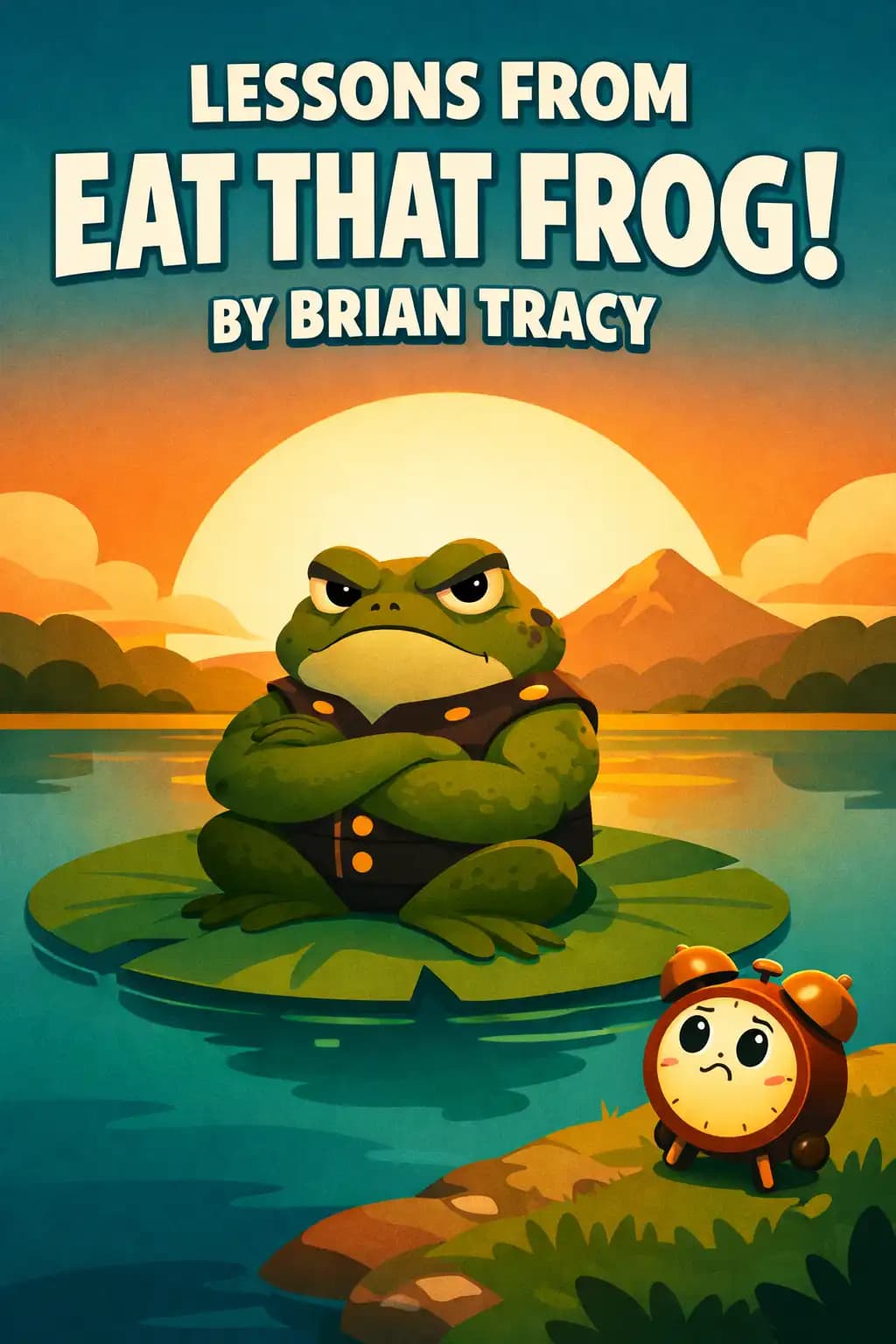







Eat That Frog! cover

Book summary: Eat That Frog! by Brian Tracy

10 min read11 key lessonsText + animated summary

Topics will appear here once mapped for this book.

What if the secret to getting more done isn't working harder? What if it's simply changing which task you tackle first each morning?

One-sentence summary

"Eat That Frog" by Brian Tracy is a practical guide to beating procrastination by always focusing on your most important task first.

Reading about Eat That Frog! is one thing.

Watching it is faster, more fun, and you'll actually remember it.

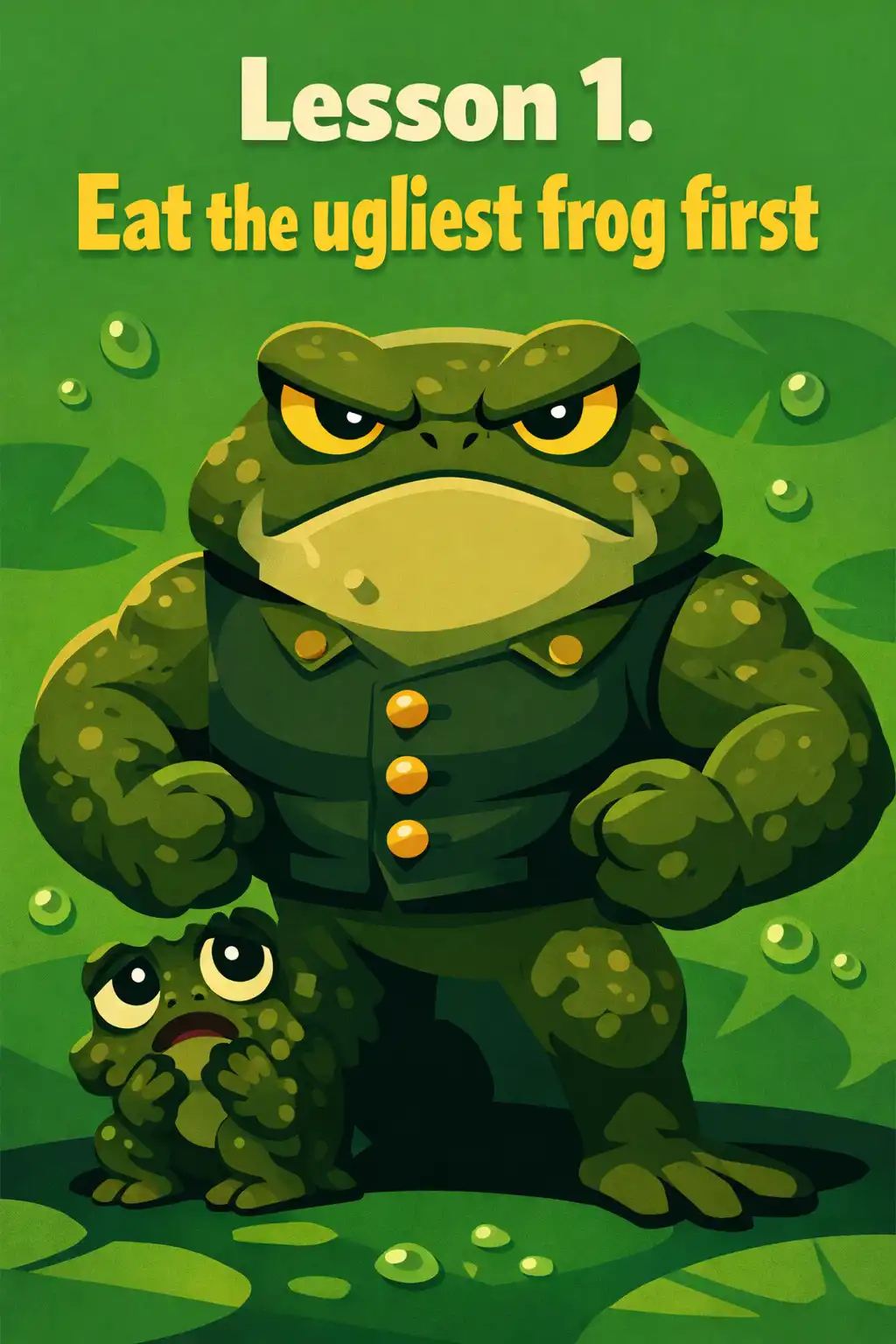
Lesson 1: Eat the ugliest frog first

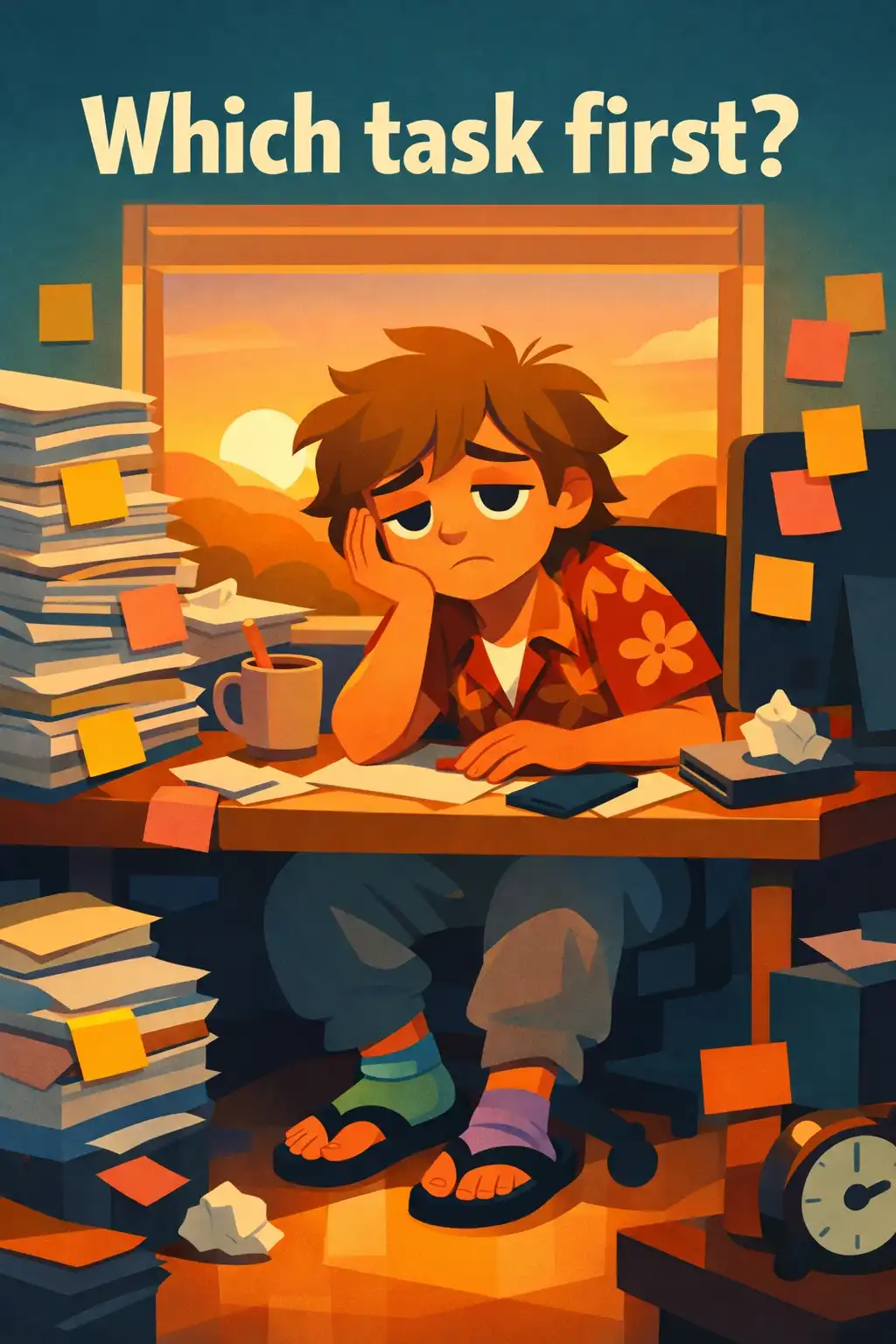
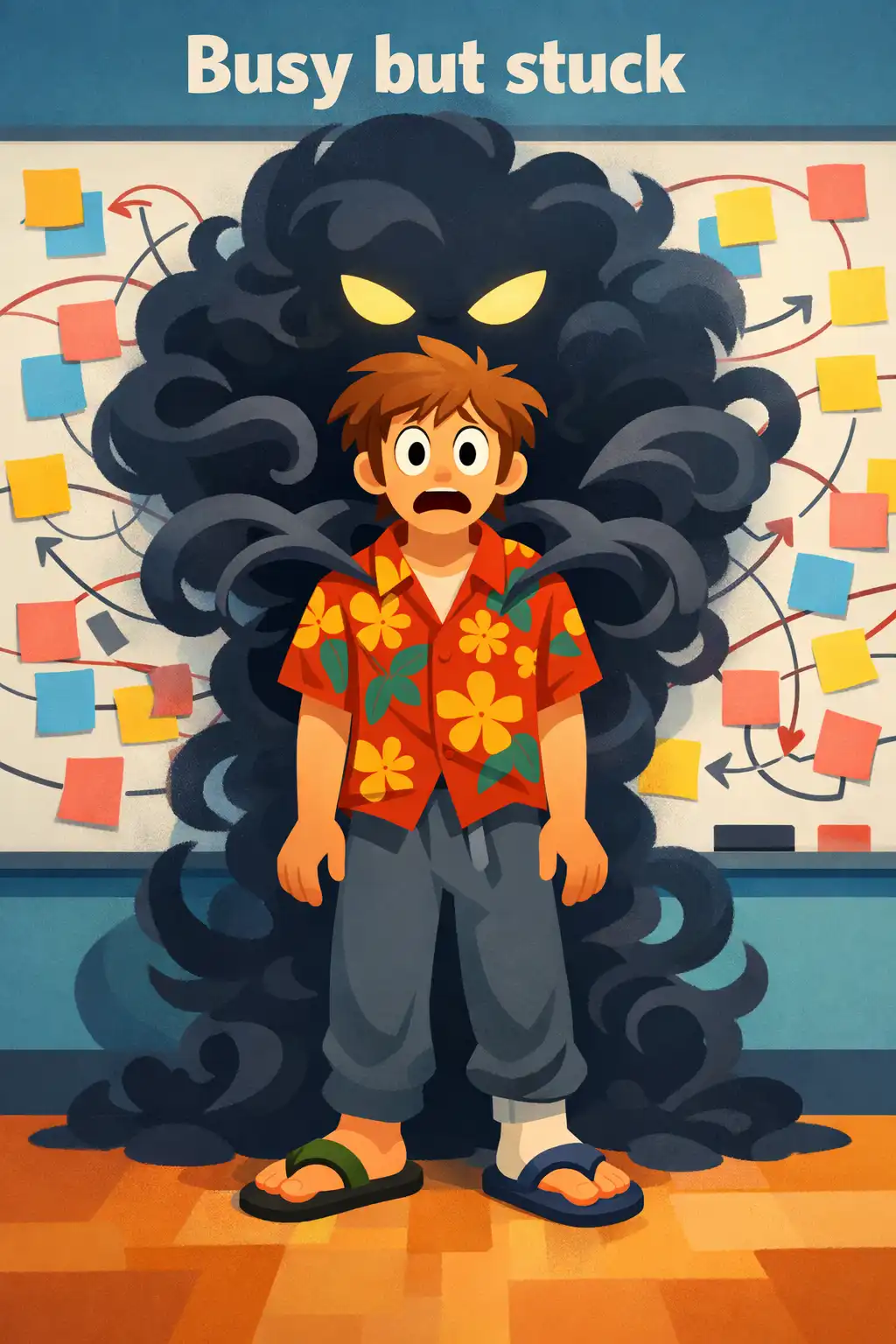
Imagine staring at a long to-do list, feeling completely paralyzed. You stay busy all day, yet somehow nothing truly important ever gets done.

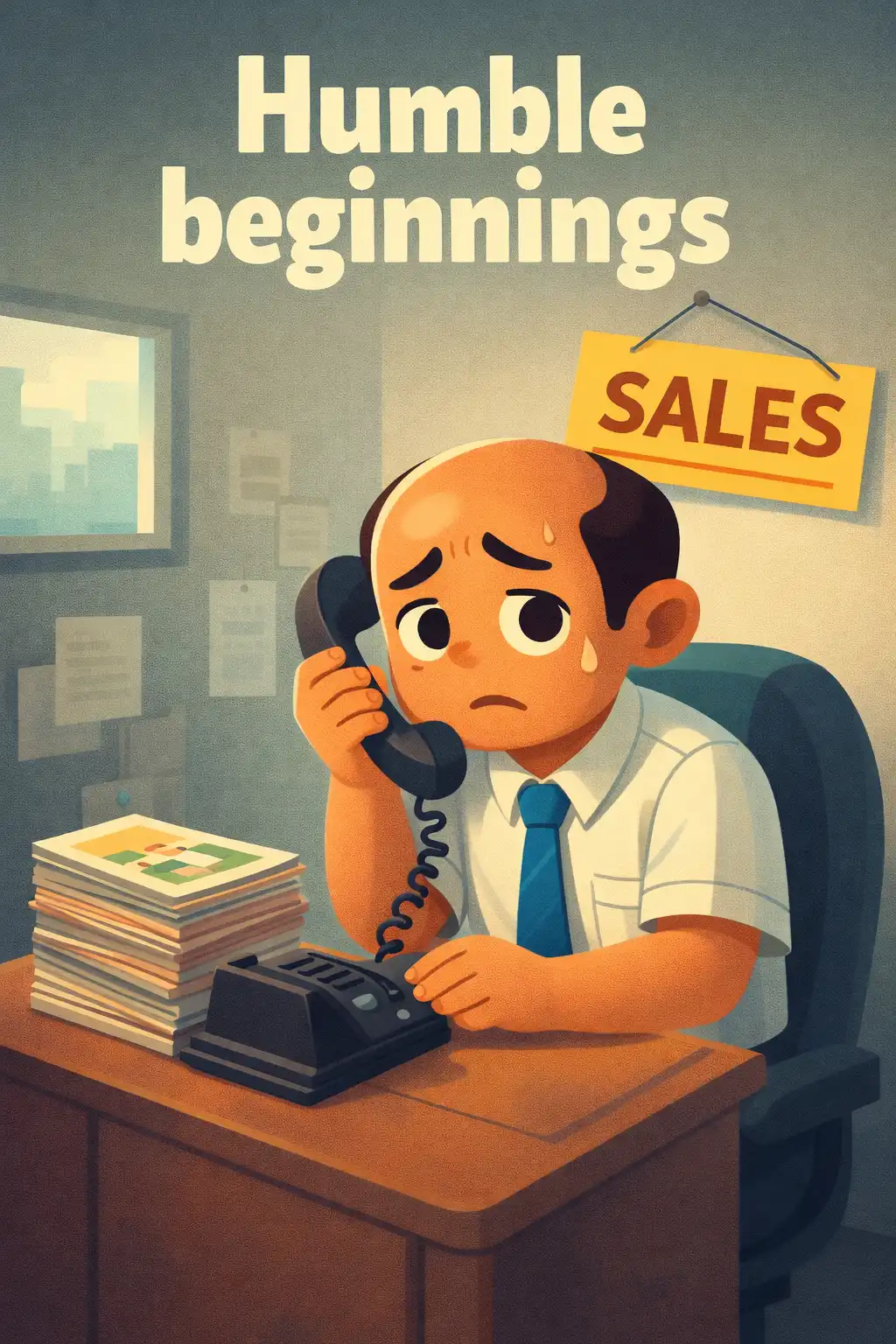
Brian Tracy knows that feeling well. He dropped out of school, spent years doing manual labor, and really struggled when he first got into sales.

But then he did something simple. He started asking successful people what they did differently. And then he copied their habits exactly.

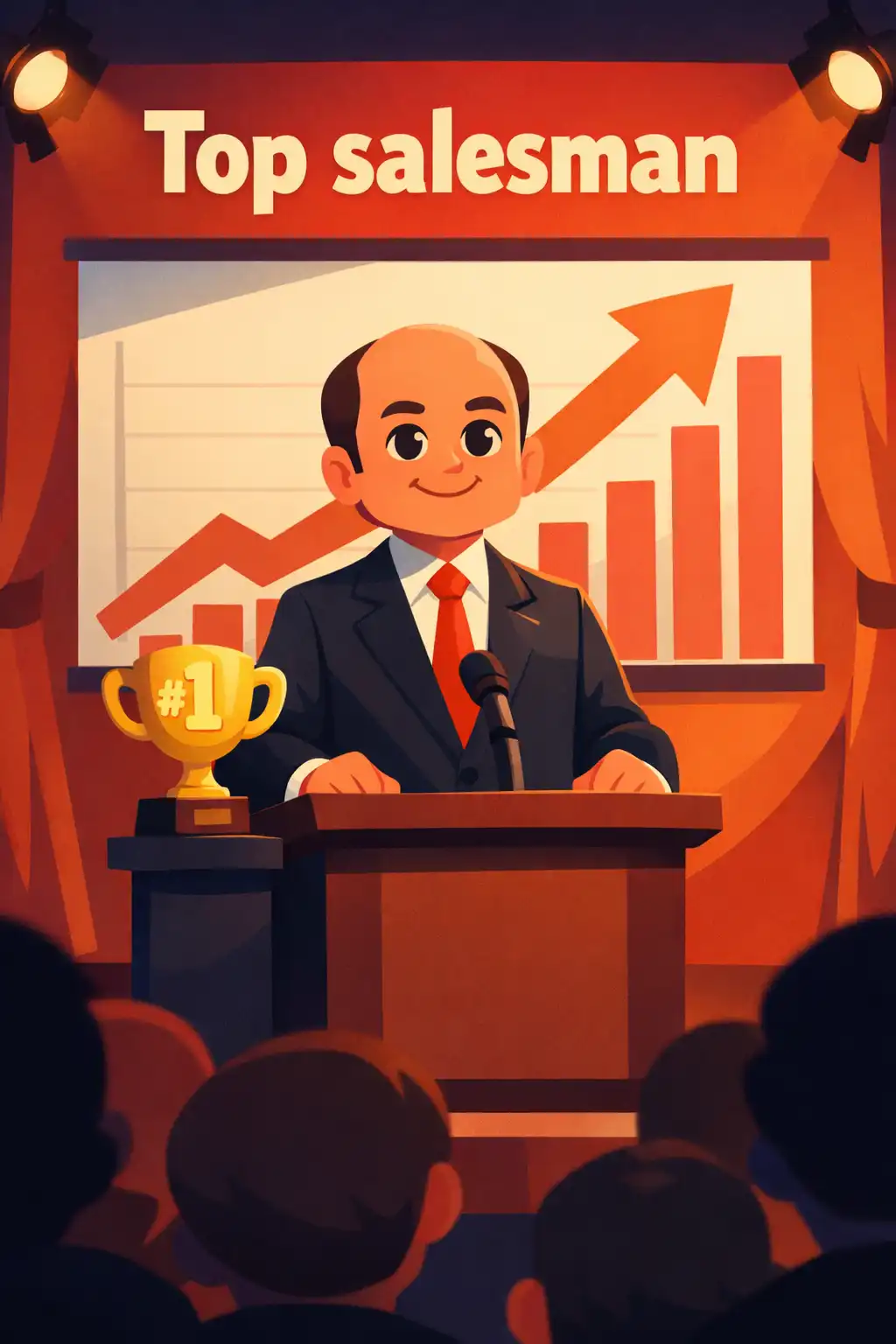
Within a year, he became a top salesman. By his mid-twenties, he was a vice president overseeing sales teams across six countries.

Tracy's big insight is this. Success comes from focusing completely on your most important task and finishing it before you move on to anything else.

He borrows an old saying to make the point. "If you have to eat a live frog, do it first thing in the morning, and nothing worse will happen to you the rest of the day."
Lesson 2: Get clear on what you want

Think about the last time you felt stuck. Chances are, you weren't even sure what you were actually trying to accomplish. That vagueness feeds procrastination.

Tracy says clarity is the foundation of productivity. Research shows that only about three percent of adults have clear, written goals.

Yet those people consistently outperform others who have equal or even greater talent. Writing a goal down turns a vague wish into something real and concrete.

Tracy offers a seven-step formula. Step one, decide exactly what you want. Step two, write it down. Step three, set a firm deadline.

Step four, list every action you'll need to take. Step five, organize those actions by priority. Step six, take immediate action on your plan, even if it feels imperfect.

And step seven, do something every single day that moves you closer to your goal. An average plan acted on with energy always beats a brilliant plan left sitting on a shelf.

Lesson 3: Plan every day in advance

Picture yourself the night before a big day. Instead of worrying, you spend just ten minutes writing out tomorrow's tasks. That small habit changes everything.

Tracy says ten to twelve minutes of planning can save you two hours or more of wasted effort. He calls this the "ten-ninety rule."

The idea is simple. The first ten percent of time you spend planning saves up to ninety percent of the time needed to get the work done well.

He recommends keeping several lists. A master list for everything, a monthly list, a weekly list, and a daily list that you build each evening.

Making tomorrow's list tonight is especially powerful. Your subconscious mind actually works on those tasks while you sleep, so you wake up sharper and more ready.

And as you check items off throughout the day, that visible progress builds motivation and confidence. You always know exactly where to focus your energy.

Lesson 4: Apply the 80/20 rule ruthlessly

Imagine you have ten tasks on your list today. They might all take roughly the same amount of time. But two of them will deliver more value than the other eight combined.

That's the Pareto Principle, named after Italian economist Vilfredo Pareto. He noticed that roughly twenty percent of efforts drive eighty percent of results.

Tracy says most people do the exact opposite. They clear the easy, small tasks first and procrastinate on the vital twenty percent that actually matters.

This explains why some people seem constantly busy yet accomplish surprisingly little. They're working hard on the wrong things, day after day.

So before starting any task, ask yourself, "Does this belong in the top twenty percent?" If the answer is no, resist the urge to do it first.

Whatever you do repeatedly becomes a habit. So starting each day on your highest-value work gradually locks in a lasting pattern of real achievement.

Lesson 5: Think about the consequences

Here's a question Tracy wants you to ask constantly. "What will happen if I do this task? And what will happen if I don't?"

He draws on research by Harvard's Dr. Edward Banfield, who found that "long-time perspective" is the single strongest predictor of upward social and economic mobility.

More powerful than education, background, or raw intelligence. People who think years ahead consistently make better choices about how they spend today.

Motivational speaker Dennis Waitley put it simply. "Failures do what relieves tension right now, while winners do what achieves their long-term goals."

So if a task carries significant positive potential, or serious negative consequences if you ignore it, treat it as a top priority and start right away.

Lesson 6: Use the ABCDE method

Picture your task list as a jumbled pile. Everything feels equally urgent. Tracy's ABCDE method turns that chaos into a clear order of action.

Start by writing out everything you need to do, then label each item with a letter. "A" tasks are critical. If you skip them, there will be serious consequences.

"B" tasks should get done, but they only carry minor consequences. The rule is simple. Never start a B task while an A task remains unfinished.

"C" tasks are nice to do but have no real impact. "D" tasks should be delegated to someone else, freeing your time for the A items that only you can handle.

And "E" tasks? Eliminate them entirely. They no longer serve any meaningful purpose. Then start immediately on your A-1 task and don't stop until it's done.

Lesson 7: Identify what's holding you back

Think of a goal you've been chasing for months. Progress feels painfully slow. Tracy says there's always one bottleneck, one limiting factor, slowing everything down.

He shares a great story. A company retrained its entire sales force to fix declining revenue. But the real problem? An accountant had accidentally set their prices too high.

They solved the wrong problem entirely. Tracy says applying the 80/20 rule here reveals something uncomfortable. About eighty percent of what holds you back comes from within.

Your own habits, skills, and mindset are usually the real constraint, not outside circumstances. Honest self-examination is the starting point for real breakthroughs.

So ask yourself this. "What one skill, if I mastered it, would have the greatest positive impact on my career?" Then start developing that skill today.

Lesson 8: Take it one barrel at a time

Tracy shares a vivid personal story. He once drove across the Sahara Desert through Algeria. It was a five-hundred-mile stretch where over thirteen hundred people had died.

The terrain was completely flat and featureless, with no landmarks at all. But the French had placed black oil drums every five kilometers along the route.

They were spaced just far enough apart that you could always see the next one on the horizon. Tracy and his group simply drove from one barrel to the next.

That was enough to cross the entire desert. One step at a time. The lesson is clear. Any overwhelming goal becomes manageable when you break it into small, visible steps.

So pick something you've been avoiding. Write out all the steps it requires. Then complete just the first one. Momentum will carry you forward from there.

Lesson 9: Protect your peak energy hours

Ever notice how some mornings you feel sharp and focused, but by late afternoon your brain feels like mush? Tracy says this pattern matters enormously.

Productivity drops sharply after eight or nine hours of work. Pushing through exhaustion doesn't make you a hero. It just leads to more mistakes and lower quality.

Tracy connects tiredness directly to procrastination. When you're drained, starting anything feels impossible. It's like a cold engine that just won't turn over.

His advice is to identify your peak hours and schedule your hardest, most important tasks during that window. For most people, that window is in the morning.

And sometimes the most productive thing you can do is simply go to bed early. A full night's sleep more than makes up for the lost work time.

Lesson 10: Practice creative procrastination

Here's a surprising idea. Tracy says you should actually procrastinate on purpose. Since you can't do everything, the real question is what you deliberately choose to delay.

Both high performers and low performers procrastinate. The difference is what they put off. Top achievers postpone the low-value tasks and attack the big ones first.

Tracy recommends setting what he calls "posteriorities." These are things you'll do less of, or push to later. Saying no to unimportant activities is just as crucial as saying yes to important ones.

He also suggests something called "zero-based thinking." Ask yourself, "Knowing what I know now, would I start this activity again?" If the answer is no, stop doing it.

Review your commitments regularly. Drop, delegate, or reduce anything that no longer serves your biggest goals. That's how you free up time for your real frogs.

Lesson 11: Single handle your most important task

Imagine you're writing a report. You check email, reply to a message, glance at your phone, then try to pick up where you left off. Sound familiar?

Tracy says constantly starting and stopping a task can make it take up to five times longer. Every interruption forces you to rebuild your momentum from scratch.

His solution is what he calls "single handling." You start your most important task and work on it without stopping until it's completely finished. No switching. No multitasking.

When the temptation strikes to stop or check something else, Tracy recommends repeating a simple phrase to yourself. "Back to work." Then keep going.

This kind of self-discipline builds willpower and self-respect over time. The more you practice finishing what you start, the easier and more natural it becomes.

Tracy's final message is beautifully simple. Decide on your most important task right now. Start it immediately. And don't stop until it's done. That's how you eat your frog.

You've read the summary. Now watch it.

The animated version covers the same ideas — faster, and in a format you'll actually remember.