




Feel-Good Productivity cover

Book summary: Feel-Good Productivity by Ali Abdaal

10 min read10 key lessonsText + animated summary

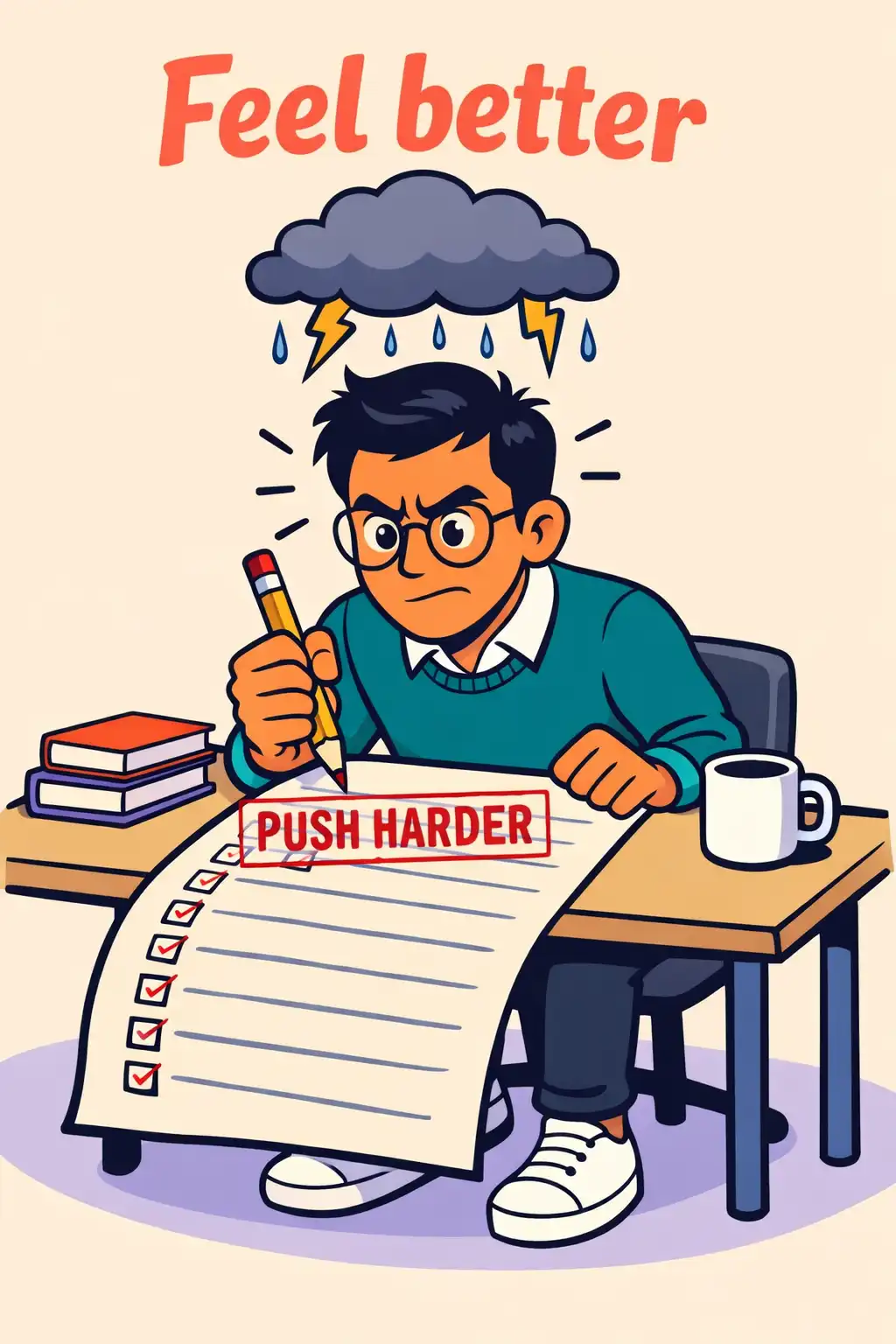
What if the quickest way to get more done is not to push harder, but to feel a little better before you even begin?

One-sentence summary

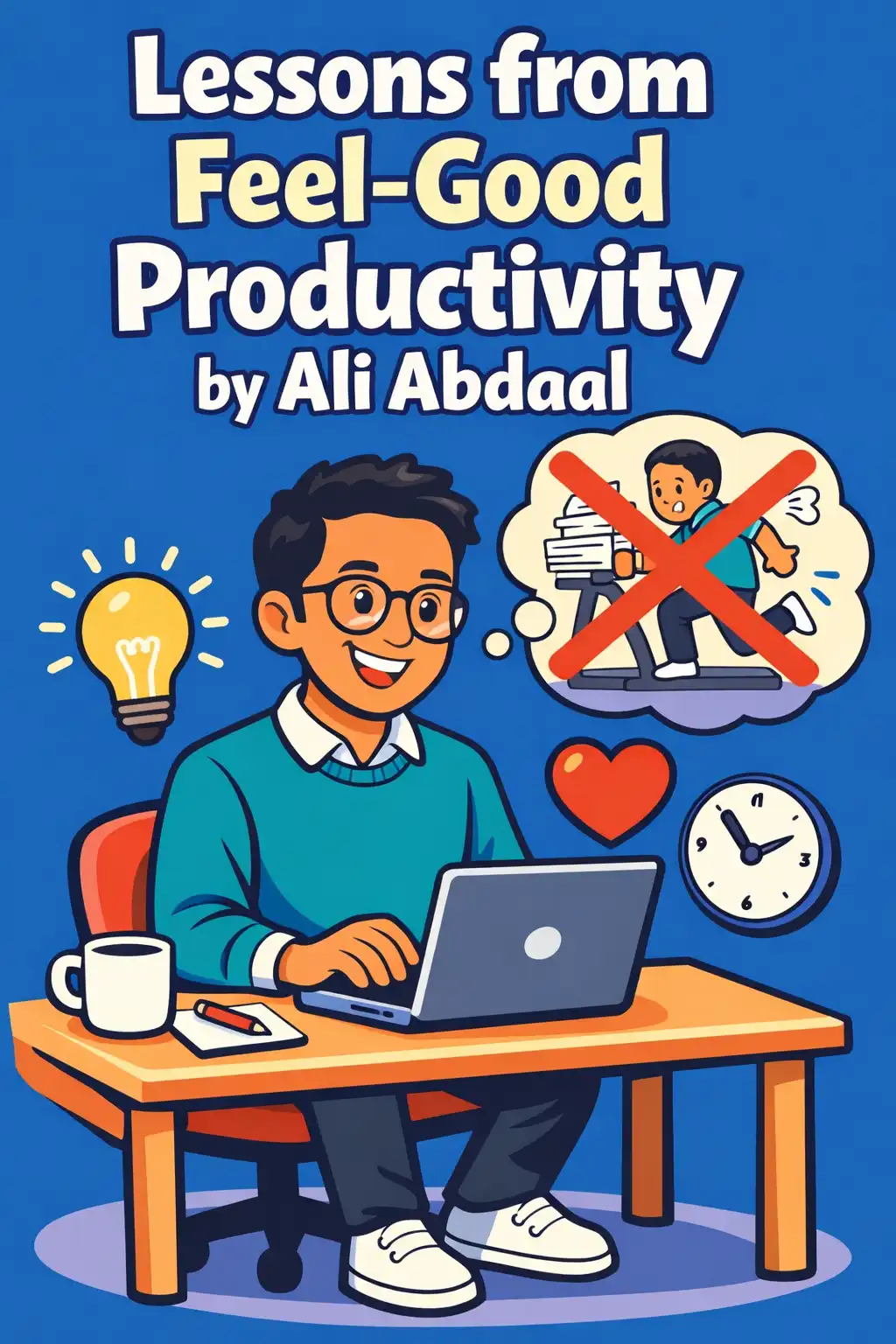
Feel-Good Productivity, by Ali Abdaal, shows you how to do more of what matters by using wellbeing as the engine, not raw willpower.

Reading about Feel-Good Productivity is one thing.

Watching it is faster, more fun, and you'll actually remember it.

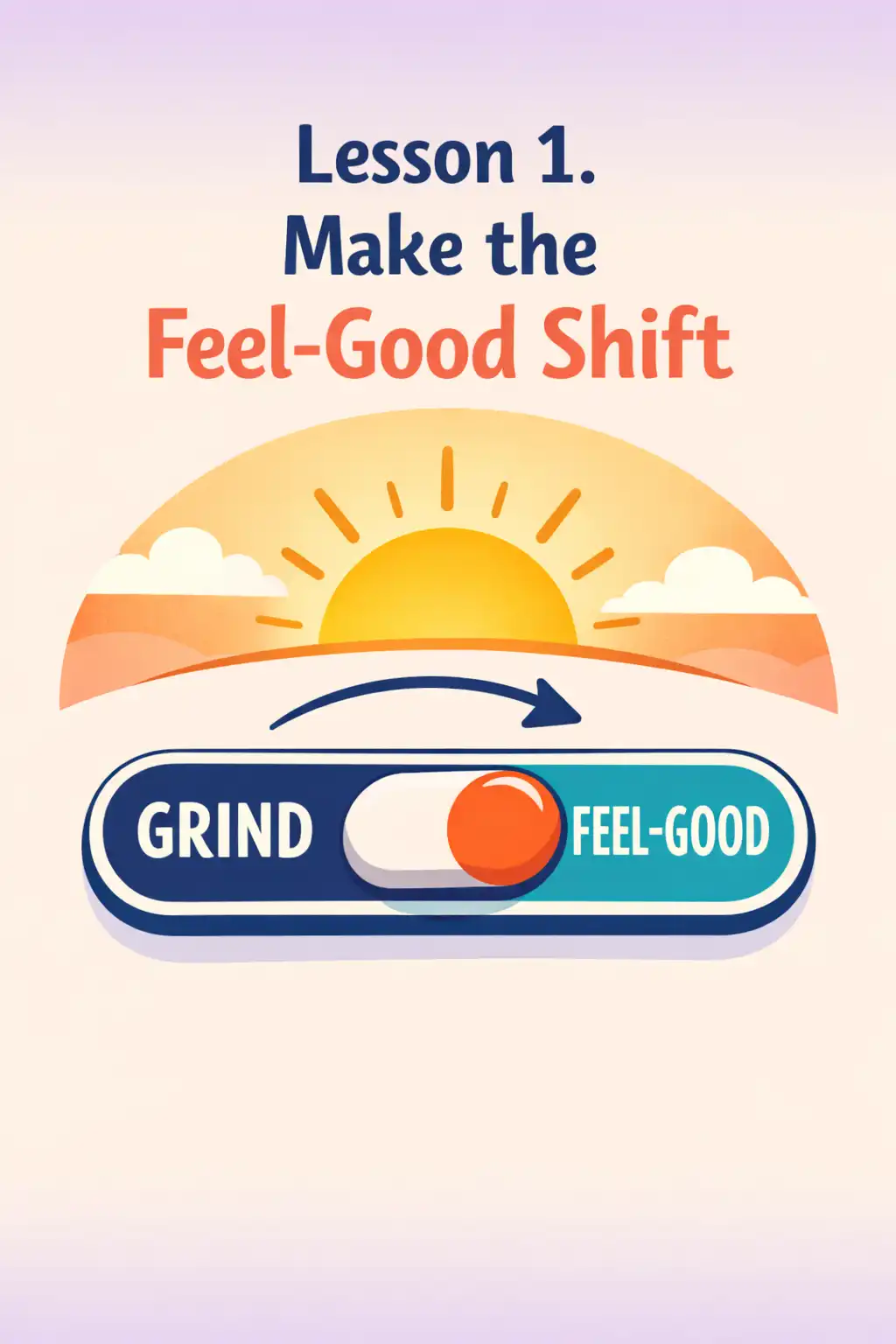
Lesson 1: Make the Feel-Good Shift

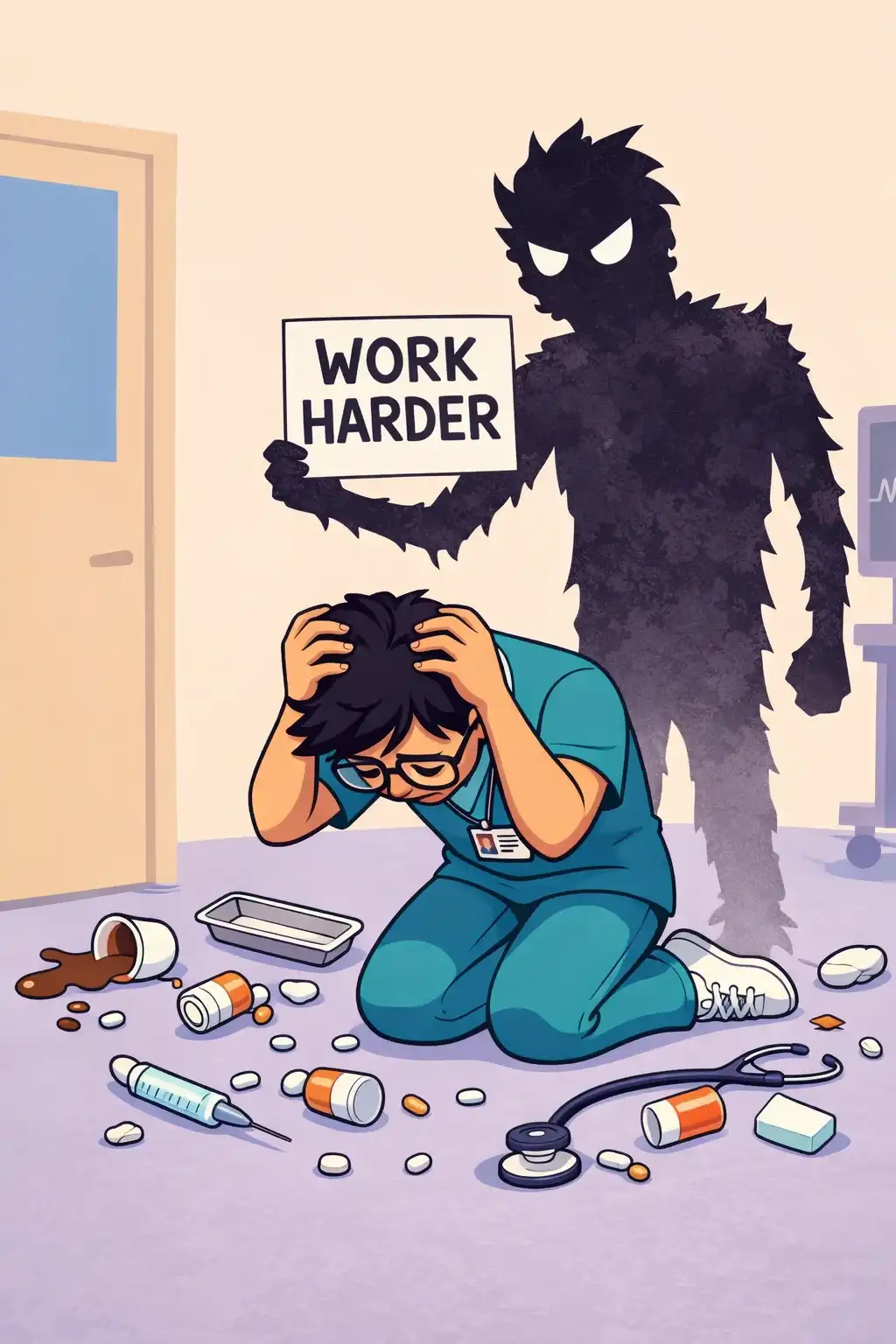
Picture this. It is Christmas Day. The hospital is chaotic. A scheduling mistake leaves you as the only doctor on the ward.

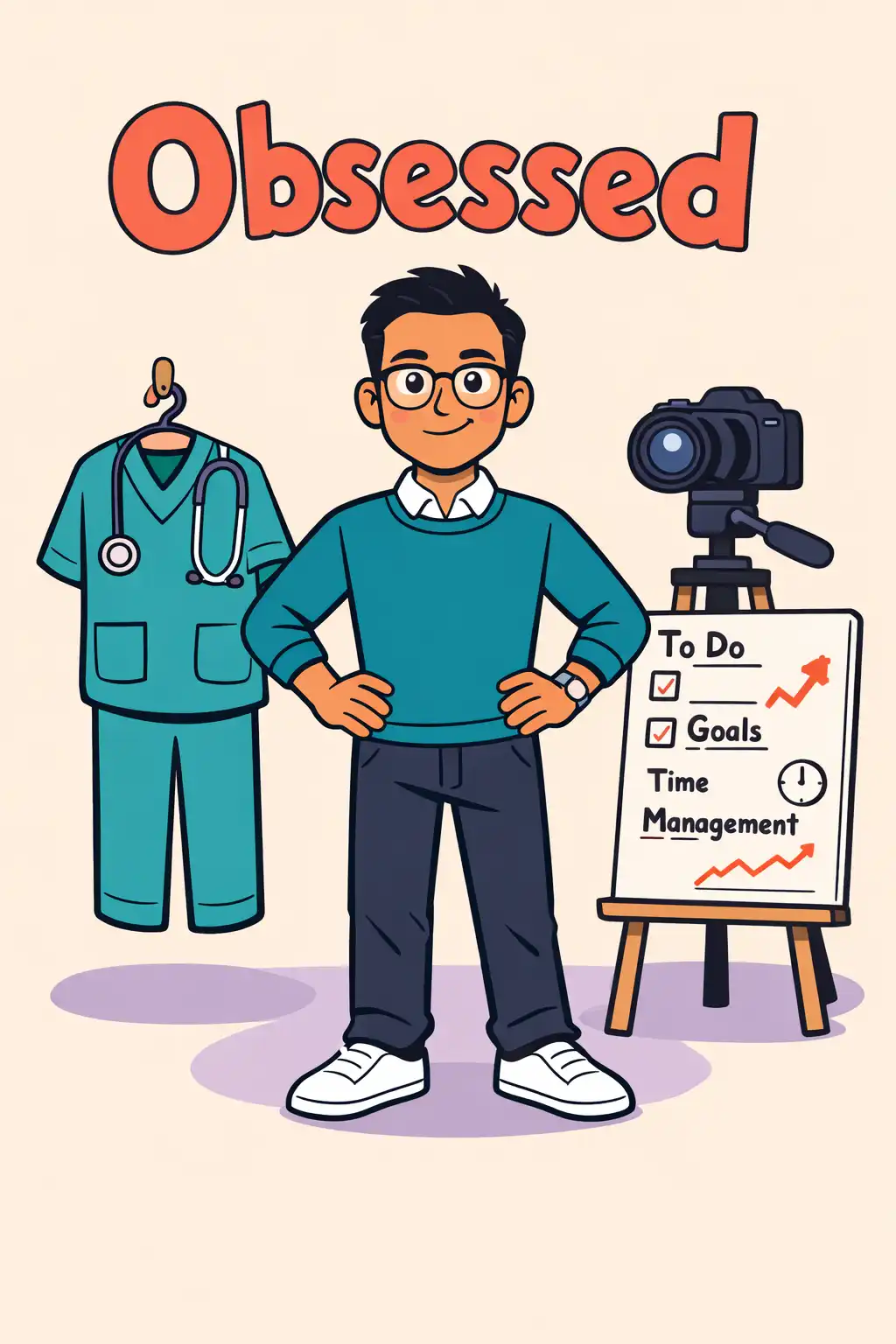
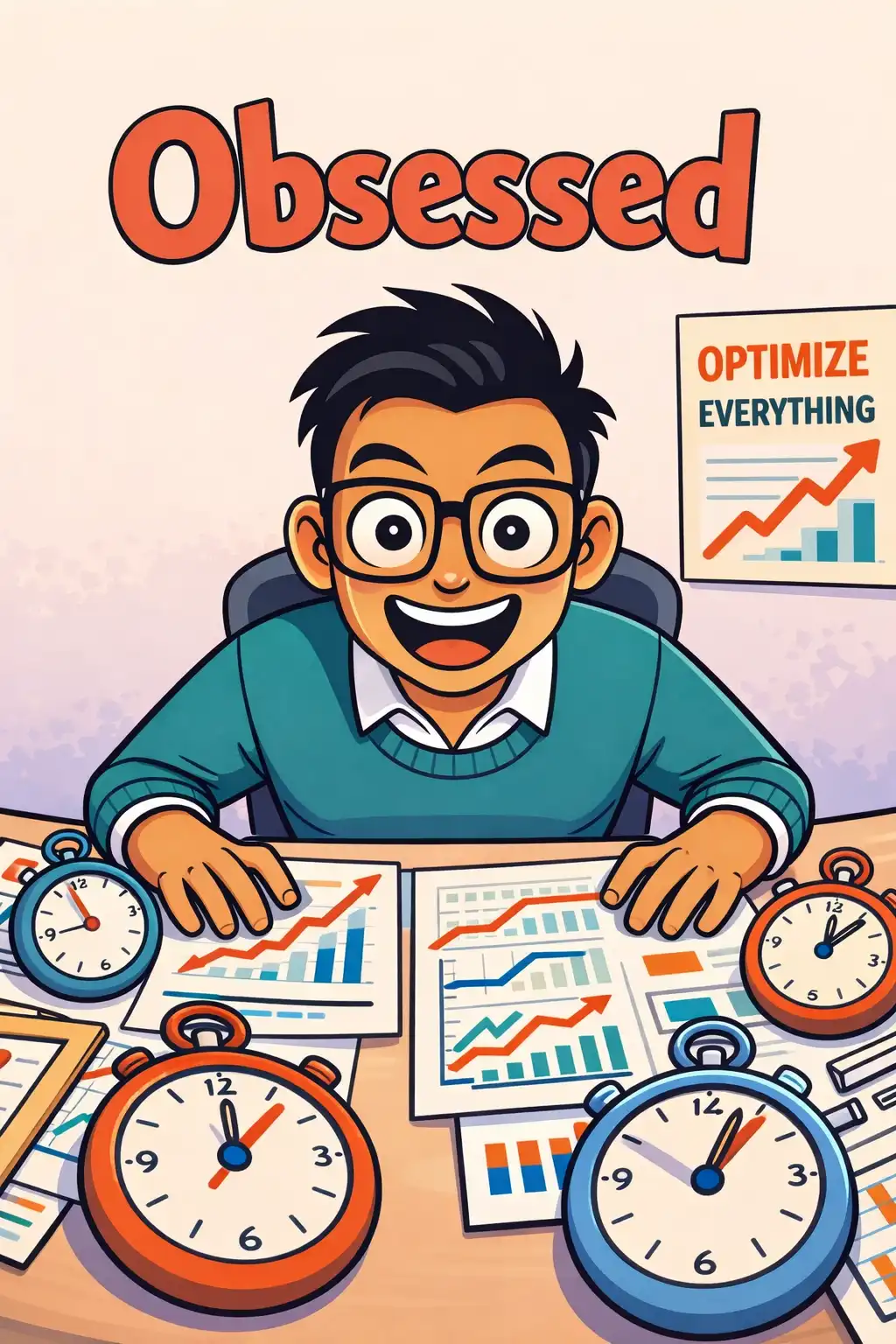
That is what happened to Ali Abdaal, a newly qualified doctor in the UK. He later became a YouTuber and productivity teacher who was obsessed with efficiency.

In the panic, he drops a tray. Everything spills. In that moment he realizes his old plan, just work harder, has stopped working.

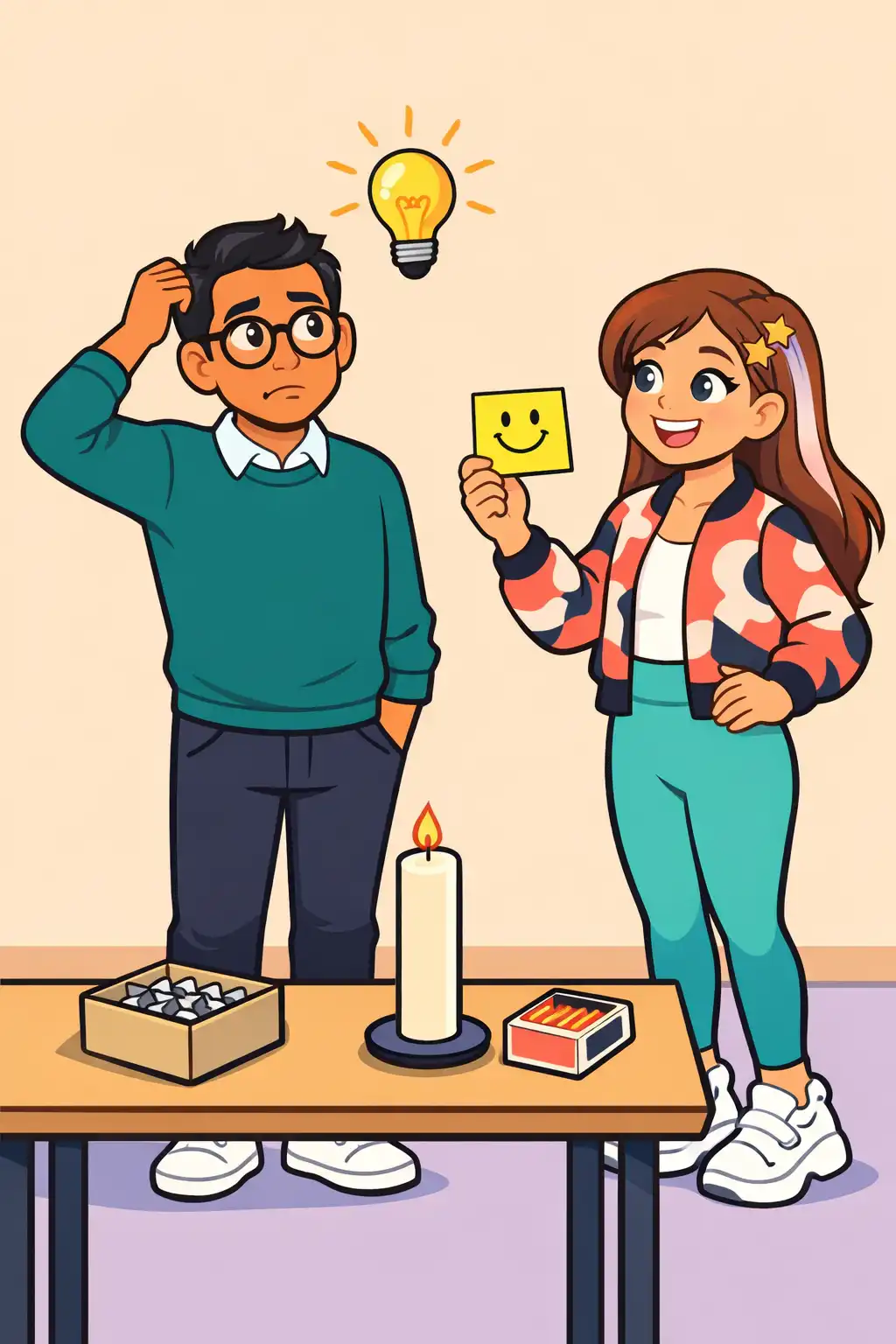
He starts digging into psychology. Take the candle problem, a classic test where people must fix a candle to a wall using a box of tacks. Most get stuck, but a small mood boost helps people see new options.

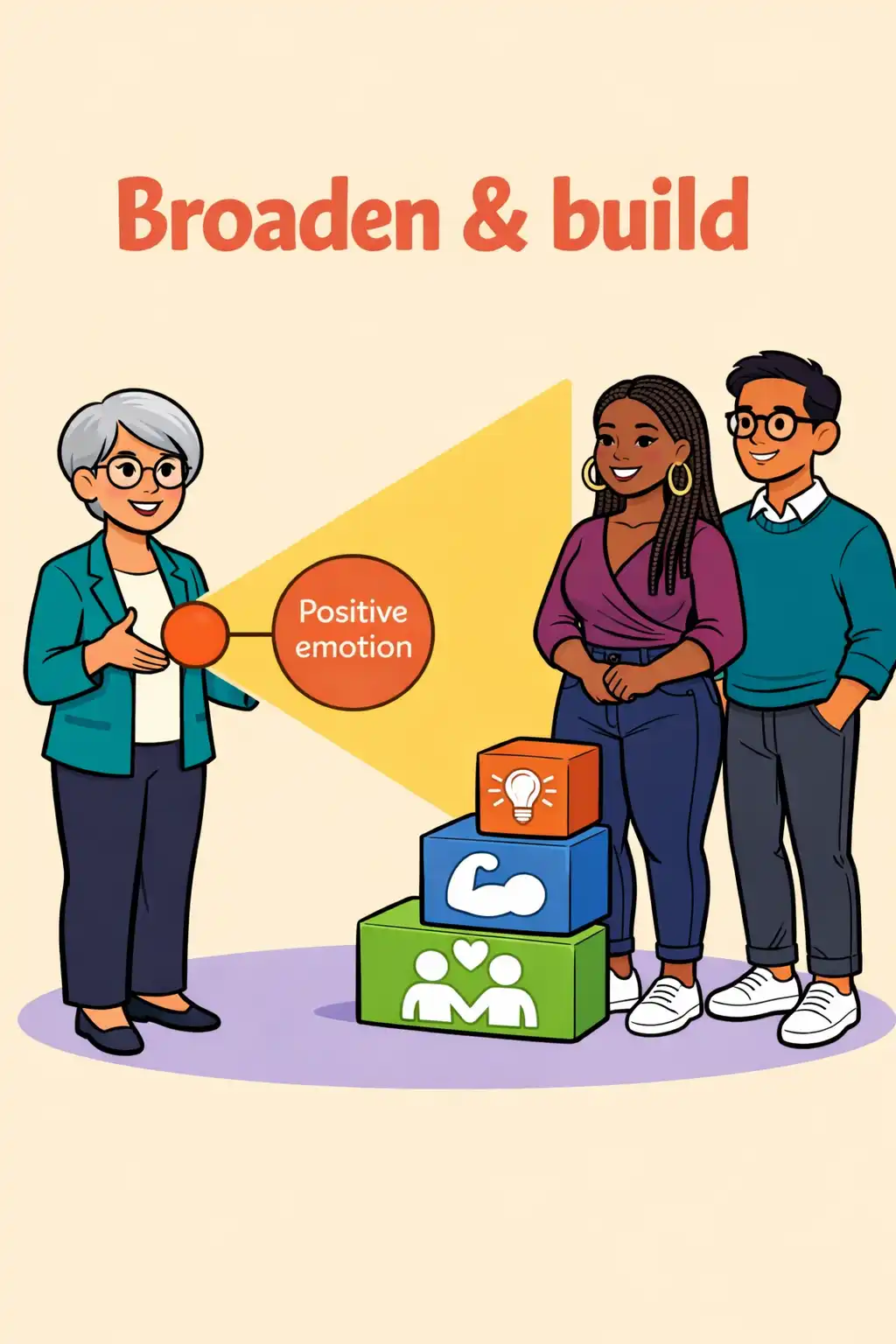
This connects to Barbara Fredrickson’s broaden and build theory. Positive emotions widen your attention in the moment. Over time they help you build skills, resilience, and relationships.

So the book turns into a practical philosophy with three parts. First, energize yourself with play, power, and people. Next, unblock fear and uncertainty. Finally, sustain progress with rest and alignment.
Lesson 2: Use Play to Create Energy

Imagine a boring task on your screen. Your brain feels like a flat battery. You promise to grind through it anyway.

Ali Abdaal points to physicist Richard Feynman. He rebuilt his spark by tinkering with a wobbling cafeteria plate just for fun.

That playful mindset was not childish. It relaxed him and nudged dopamine. It quietly pulled him back into serious work that shaped modern physics.

To make play practical, choose a game character, like Explorer or Creator. This idea comes from researcher Stuart Brown, who mapped common play personalities.

Then add small side quests, like trying a new route or testing a new tool. Curiosity makes learning stick. It also makes effort feel lighter.

Ali Abdaal even used a Post it note that asked, 'What would this look like if it were fun?' He added music, simple rituals, and lower stakes.

Lesson 3: Find Power Through Agency

Think about a day when work feels like a treadmill you cannot control. The frustration drains you before you begin.

Ali Abdaal tells the Netflix story. Founders like Reed Hastings and culture leader Patty McCord built a system of freedom and responsibility so people could make decisions.

His point is simple. Power is not dominance. It is agency, the feeling that your actions matter and you can steer the process.

Psychologist Albert Bandura called this self efficacy. Studies show that even a small confidence nudge boosts endurance. Cyclists performed better when told they were especially fit.

You can flip that switch with self talk. Use short phrases that reduce perceived effort. Watch people like you succeed. That builds belief.

When you cannot control outcomes, own the process. Automate boring work. Reframe 'have to' as 'choose to.'

Lesson 4: People Fuel Your Momentum

Picture leaving one meeting buzzing with ideas. Then you leave another and feel strangely tired, even though the agenda looked the same.

Ali Abdaal calls this relational energy. In most teams people can name the energizers and the drainers with surprising accuracy.

He shares musician Brian Eno’s story. Eno produced and created with the right group at the right time, and his career suddenly exploded.

He calls this scenius. It is the idea that brilliance often comes from a lively scene or community, not a lone genius in isolation.

So act like comrades, not competitors. Build synchrony, like co working to the same timer. A shared rhythm boosts cooperation.

Ask for help. We often underestimate how willing others are to say yes. Respond actively to good news. Give feedback with kind, specific candor.

Lesson 5: Clarity Beats Raw Motivation

Imagine staring at a to do list. You are not lazy or careless. You are frozen because every task feels blurry and slightly risky.

Ali Abdaal says procrastination is often not a motivation or discipline problem. It is an uncertainty problem that creates paralysis.

He clears the fog by starting with why. Use commander’s intent. Name the purpose, the desired end state, and the few key tasks.

He uses D Day as an example. Plans broke instantly, yet a shared intent helped people improvise and still move toward the real goal.

Then he tightens the what with the five whys and NICE goals. NICE means near term, input based, controllable, and deliberately energizing.

Before you start, run a pre mortem. Imagine the project failed. List the reasons, then plan fixes, including who can help and what tiny step comes first.

Lesson 6: You Can Train Courage

Picture your finger hovering over Publish or Send. Suddenly you are doing the dishes, not because it matters, but because it feels safer.

Ali Abdaal explains fear as your amygdala sounding an alarm. You avoid the task now, which creates even more stress later. It is an emotional boomerang.

The first tool is naming the fear. Labeling emotions reduces their grip. In studies, people with spider phobia could approach a tarantula after saying what they felt.

Next, watch for identity traps, like 'I am not a creative person.' Swap them for identities that invite action, like 'I am a learner.'

To shrink fear, use the 10 10 10 rule. Ask whether this mistake will matter in 10 minutes, in 10 weeks, and in 10 years.

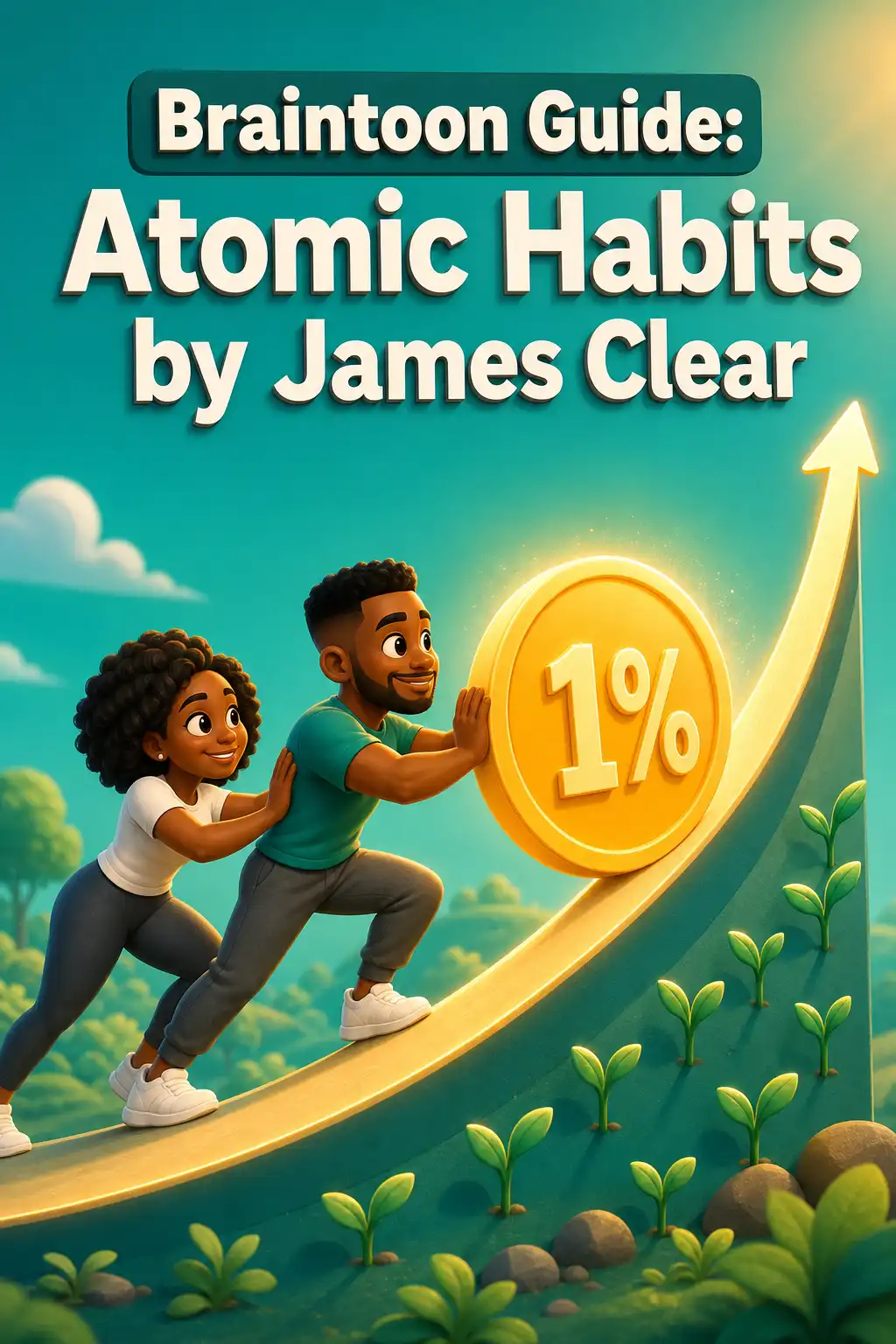
For self doubt, Ali Abdaal shares a simple confidence equation. He asks, how much confidence do you really need to start. Maybe just one percent.

Lesson 7: Start Small and Move

Imagine being stuck on the couch, thinking about the task. A heavy 'cannot be bothered' fog lingers while time keeps passing.

Ali Abdaal uses Newton’s first law as a metaphor. Inertia is normal. You need a small push, not a personality transplant.

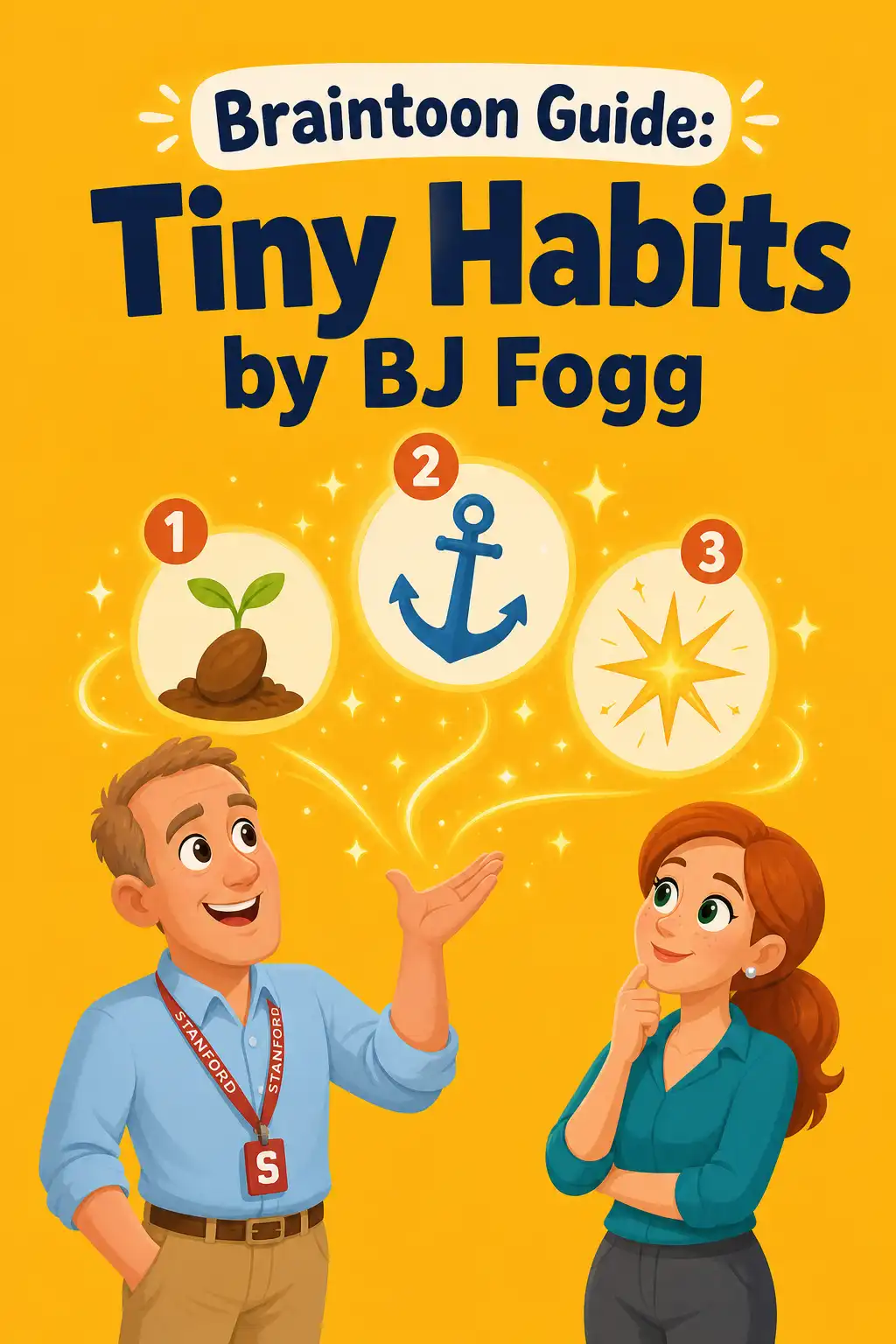
Start by reducing friction. Keep a guitar in the living room. Make healthy choices obvious, like shopping carts that nudge you toward vegetables.

Then use the five minute rule. Commit to only five minutes, and truly allow yourself to stop. Honesty keeps the trick working.

When it still feels big, ask the research backed question, 'What is the next action?' It might be open the laptop, write one sentence, or roll out the mat.

Track progress visibly. Novelist Brandon Sanderson aims for a daily word count. Seeing numbers climb creates momentum and shows you when you are drifting.

Lesson 8: Conserve Energy to Avoid Burnout

Picture your calendar stuffed with calls, projects, favors, and quick tasks. You promise to rest later, once things calm down.

Ali Abdaal describes overexertion burnout as sprinting nonstop. He points to LeBron James as a model. Explosive effort is paired with lots of walking.

To copy that pattern, build an energy investment portfolio. Separate dreams from active investments. Keep current projects to a small single digit number.

Then practice saying no. Use Derek Sivers's line, 'Hell yes or no.' A lukewarm yes is often a slow leak in disguise.

Watch for the six week trap, where future commitments look easy today. Ask, would I still want this if it were tomorrow.

He also tackles distraction by adding friction. Log out or remove apps. Tiny hurdles break the automatic reach for quick dopamine.

Lesson 9: Recharge the Right Way

Imagine finishing work drained. You flop onto the couch and scroll the news for an hour. You feel worse, not rested.

Ali Abdaal calls this depletion burnout. Downtime looks like rest but actually empties you further, like doomscrolling during the pandemic years.

He suggests a simple audit. List what you do automatically when tired. Then list what truly recharges you, like walking, stretching, or calling a friend.

A powerful recharger is CALM creativity. That means Competence, Autonomy, Liberty, and Mellow. Try sketching, baking, guitar, or pottery without pressure.

He distinguishes hobbies from projects. Avoid turning every hobby into a side hustle. Monetizing play often steals its comfort.

Nature helps too, even in small doses. Studies show greenery and nature sounds improve focus and reduce stress. Add plants, nature photos, or short park walks.

Lesson 10: Align and Experiment

Think of climbing a ladder fast, then realizing it leans on the wrong wall. Your hard work is buying a life you do not want.

Ali Abdaal shares research from psychologist Kennon Sheldon. Hikers pushed through discomfort best when their motivation matched personal values, not guilt or outside approval.

That is misalignment burnout. The long term fix starts with the eulogy method. Imagine what you want people to say about your life.

To explore options, borrow the odyssey plan from design thinking. Write three five year paths. One is your current path, one is an alternative, and one is radical.

For the medium term, try values affirmation and the wheel of life. Rate areas like health and relationships so misalignment becomes visible and specific.

Then use the 12 month celebration. Picture next year’s toast with a friend. List what you achieved, then work backward into first steps.

You've read the summary. Now watch it.

The animated version covers the same ideas — faster, and in a format you'll actually remember.