







The Magic of Thinking Big cover

Book summary: The Magic of Thinking Big by David J. Schwartz

10 min read10 key lessonsText + animated summary

What if the main reason you feel stuck isn’t a lack of talent, but the small size of the goals you allow yourself to pursue?

One-sentence summary

In 'The Magic of Thinking Big,' David J.

Reading about The Magic of Thinking Big is one thing.

Watching it is faster, more fun, and you'll actually remember it.

Lesson 1: The Success-Size Secret

Picture a sales meeting. One ordinary-looking rep quietly earns five times the average, with no special territory, connections, or fancy degree.

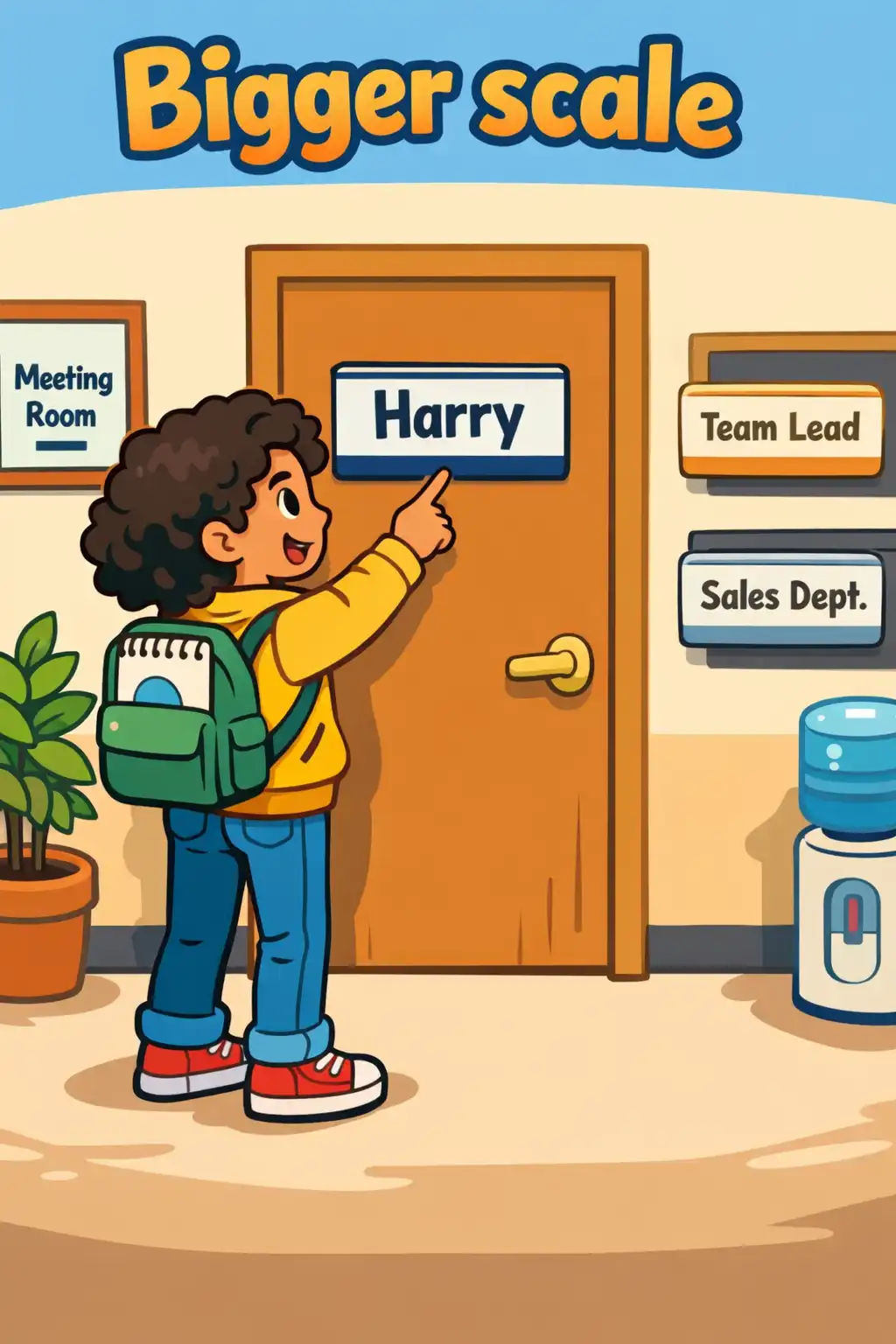
Schwartz introduces 'Harry,' a top performer who didn’t outwork everyone; he simply thought on a bigger scale.

Schwartz’s core premise: success depends less on raw intelligence and more on the size of your thinking—the ambition you allow yourself.

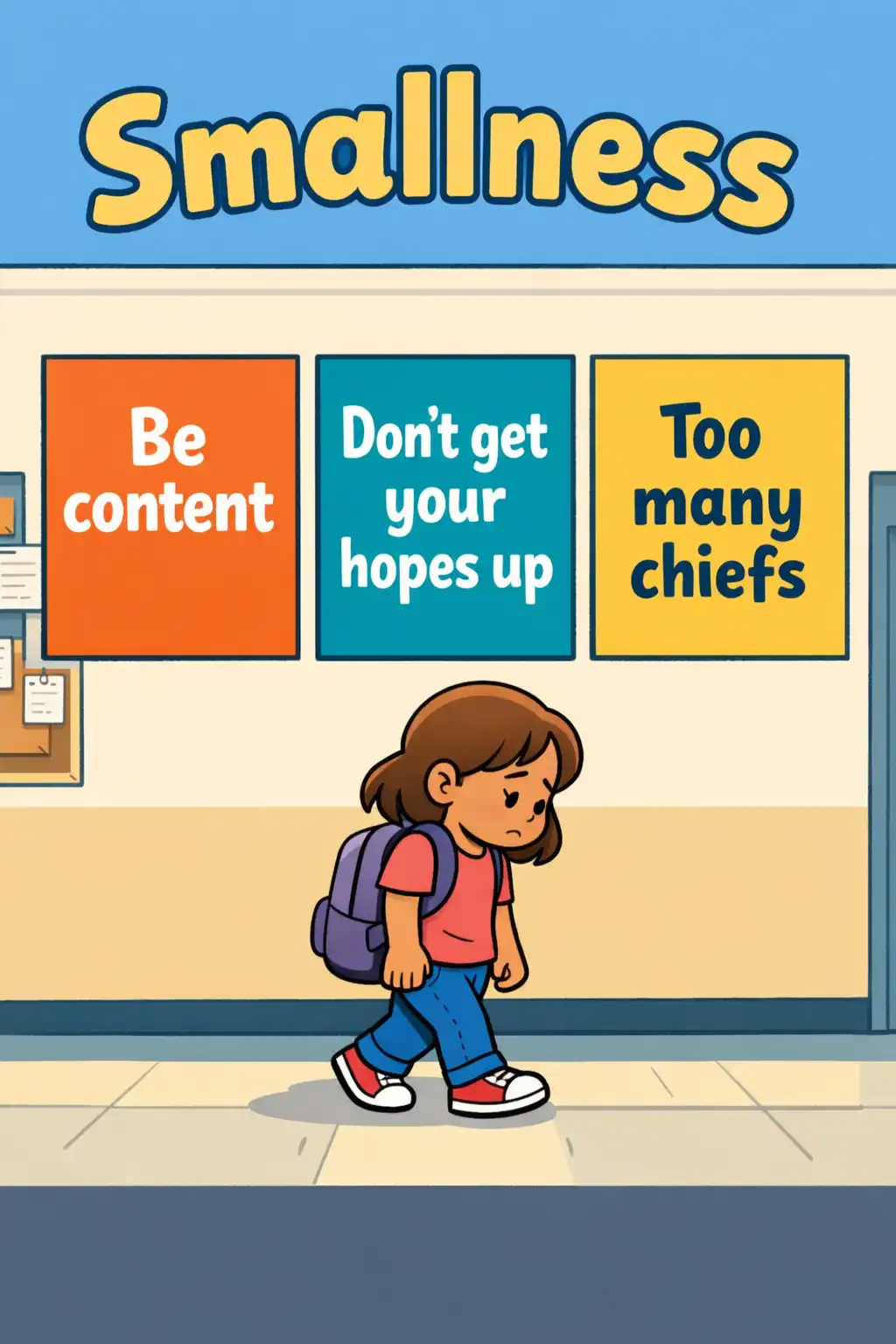
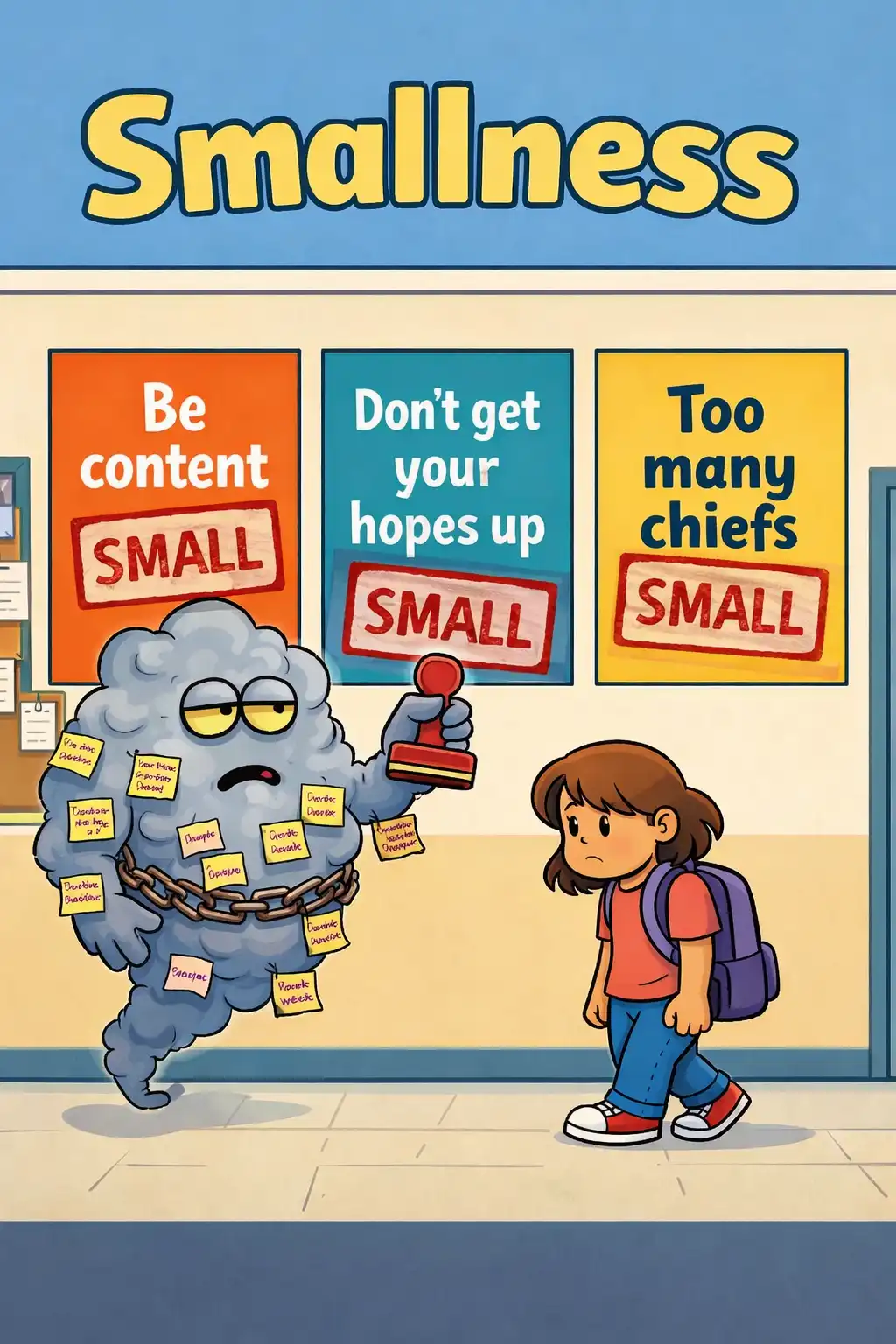
Most environments teach smallness with lines like 'Be content,' 'Don’t get your hopes up,' or 'There are already too many chiefs.'

He argues those messages are false. First-class opportunities are strangely uncrowded; few people dare to aim higher.

He promises practical tools—not motivational fog—using real-life case histories and time-tested principles to show what works.


Lesson 2: Belief Builds Ability

Imagine applying for a big opportunity, and the loudest inner voice whispers, 'Who are you to try?'

Schwartz says belief is the single most important ingredient of success because it creates energy, determination, and persistence.

Belief isn’t wishing; it’s a mental engine that pushes you to study winners, adopt their methods, and build useful habits.

He tells of a young woman with little capital who built a million-dollar mobile-home business by believing she could compete and acting relentlessly.

He also describes a small engineering firm that dared to bid on a major bridge contract—and won—because belief drove superior preparation.

Schwartz says your mind is a factory with two foremen—'Mr. Triumph' and 'Mr. Defeat'—issuing opposite orders all day.

Lesson 3: Cure 'Excusitis'

Think about someone who always offers reasons, not results. Over time, those reasons harden into identity—'I’m the kind of person who can’t.'

Schwartz calls this habit 'excusitis'—a mental disease of alibis that grows stronger each time you repeat it.

Successful people don’t have fewer problems; they simply practice fewer excuses—especially in private self-talk.

Health excusitis sounds like constant complaining: 'My health holds me back.' Schwartz advises: stop the talk, drop the worry, and choose gratitude daily.

Intelligence excusitis says, 'I lack brains.' Yet attitude, preparation, and persistence often beat sheer IQ—especially over time.

Age excusitis says, 'Too old' or 'Too young.' Schwartz counters with examples of people starting fresh at forty-five, fifty-one, or later.

Lesson 4: Action Kills Fear

Picture standing at a pool’s edge, heart racing. You know the fear grows the longer you wait to jump.

Schwartz says fear is real—mostly psychological today—and it steals action, energy, and access to opportunity.

His core rule is blunt and freeing: 'Action cures fear,' because motion shrinks the monster in your mind.

He teaches two steps: first, isolate the fear clearly; then take decisive action that matches the actual problem.

Schwartz adds the 'memory bank' idea: repeated negative withdrawals—dwelling on failures—create doubts larger than the situation deserves.

So make positive deposits on purpose—list wins, note reasons to be grateful—until confidence becomes easier to access.

Lesson 5: Think Bigger, Daily

Imagine two people doing the same job. One sees only survival; the other sees a ladder of opportunities.

Schwartz insists accomplishments are set by the size of your thinking, and many choose 'security' language over 'opportunity' language.

He calls chronic self-deprecation a great weakness, because it convinces you to refuse chances before anyone else can reject you.

Try his exercise: list five assets you already have, then name successful people you know who lack each one.

Words create pictures. Use bigger, possibility-oriented language; praise others; encourage plans; and speak about your feelings in constructive terms.

Big thinkers see potential—for example, a realtor selling what a place could become, not just what currently sits there.

Lesson 6: Creativity Is Practical

Picture a stuck work problem, and then someone asks one question that unlocks three new, workable options.

Schwartz redefines creativity as everyday improvement—not painting masterpieces, but finding better ways to do normal things.

Belief fuels creativity: once you assume 'It can be done,' your mind starts hunting for methods.

Traditional thinking is the enemy. The phrase 'We’ve always done it this way' quietly freezes experimentation.

He recommends a daily 'I-can-do-better' habit, plus a weekly review to collect small improvements consistently.

Schwartz stresses listening for raw material: ask questions that invite others to talk, then concentrate fully on their answers.

Lesson 7: Act Important, First

Think of a day you dressed sharply and suddenly spoke more clearly—as if your appearance gave your mind permission.

Schwartz says people become what they think they are. Thoughts drive actions, and actions teach others how to treat you.

So looking important isn’t vanity; it’s communication—telling yourself and others, 'I matter, and I’m ready.'

He even uses packaging as a metaphor: the same grapes sell better in better presentation, because the mind responds to signals.

Work attitude matters too: when you think your job is important, your performance improves, and promotions feel logical to managers.

Schwartz recommends daily self-pep talks—a short 'personal commercial' you rehearse until confident behavior becomes automatic.

Lesson 8: Choose Better Mind Food

Imagine your mind as a stomach. Every conversation, show, and weekend plan is either nourishing—or junk.

Schwartz says environment shapes thinking the way food shapes the body; your inputs quietly set your limits.

He warns that childhood dreams get smothered by steady 'You can’t' messages, until surrender starts feeling normal.

Negators are especially dangerous—people who spread defeat like weather reports, even when they’re friendly and familiar.

Seek advice from successful, informed people—not freelancing pessimists who specialize in caution, delay, and worst-case scenarios.

He contrasts enriching weekends with aimless ones, because repeated patterns become attitude—and attitude becomes destiny.

Lesson 9: People Power Your Attitude

Picture meeting someone who lights up the room—and notice how your own energy rises to match.

Schwartz says attitude is a visible mirror of the mind, and people respond to your tone and expression instantly.

First: 'I’m activated.' Enthusiasm is contagious—just as a bored professor can infect an entire class with apathy.

Build enthusiasm by learning deeper, adding life to handshakes and thank-yous, and broadcasting good news often.

Second: 'You are important.' Everyone craves significance, and sincere appreciation earns loyalty and cooperation naturally.

Third: 'Service first.' Money follows service, so give more than expected, and repeat business appears.

Lesson 10: Do, Learn, Lead

Imagine two people with the same dream. One takes a small step today; the other waits for perfect conditions.

Schwartz says the world has plenty of ideas—but a shortage of people who can get things done.

Activationists act and gain confidence. Passivationists delay and debate, then later regret the life they postponed.

He shows action solving problems: like J.M., who wanted a house and negotiated, budgeted, worked extra—and moved in.

Defeat happens to everyone. Winners study it like investigators, find causes, and correct the system.

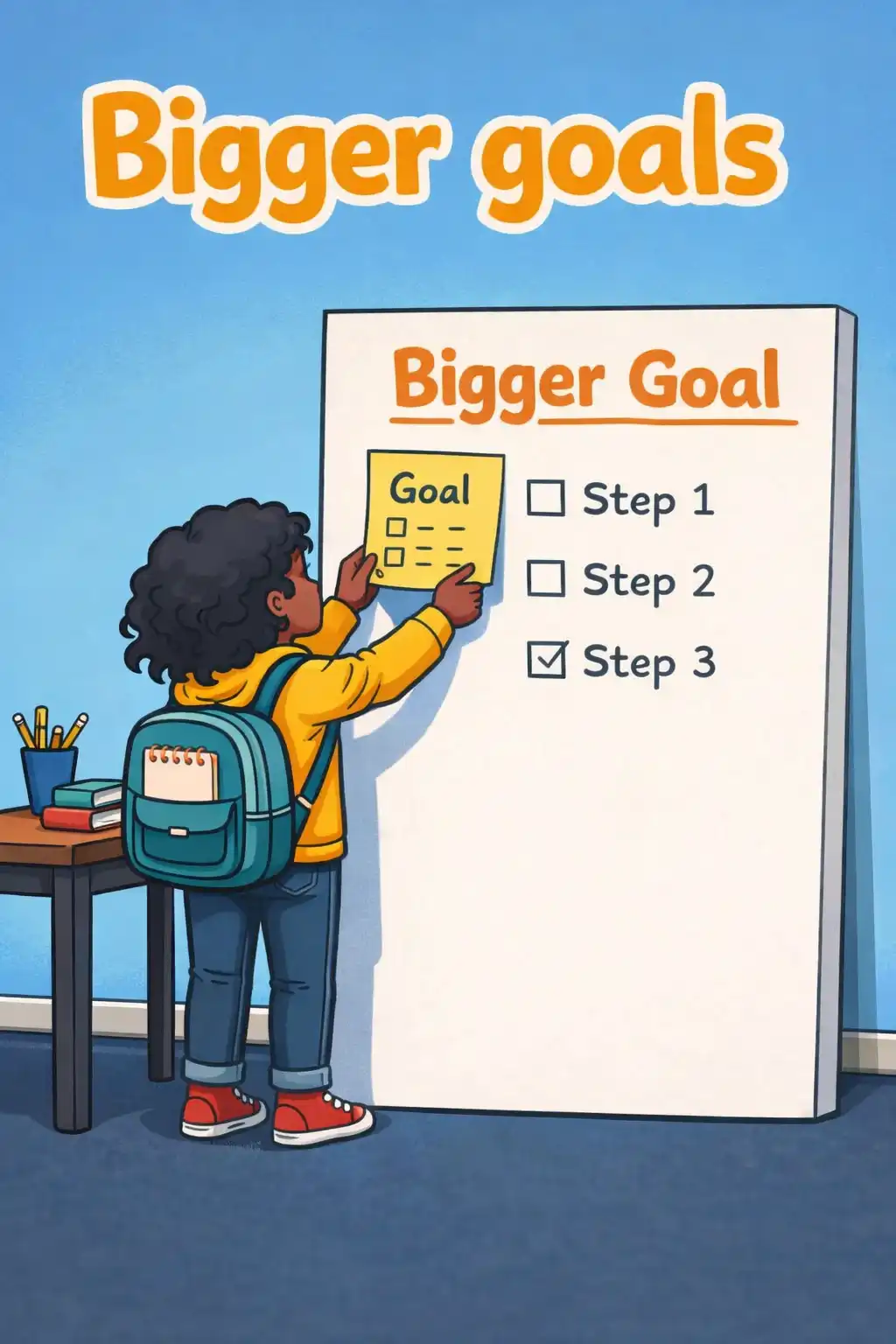
Goals matter because they steer daily choices. Plan years ahead, set deadlines, and use 'next-mile' steps to keep momentum.

You've read the summary. Now watch it.

The animated version covers the same ideas — faster, and in a format you'll actually remember.