BrainToon
Getting better with money usually comes down to two things: how you think about it, and a few simple systems you'll actually stick with. The books below cover both, along with some solid thinking on investing.
If you only read one, our pick is The Psychology of Money by Morgan Housel, a short, wise look at why behavior matters more than brains.
If you'd rather start doing things this week, begin with Ramit Sethi's I Will Teach You to Be Rich, which walks you through setting up your money step by step.

1. The Psychology of Money by Morgan Housel
Best for:
A warm, clear case that doing well with money depends on behavior and patience, not brilliance.
14 min animated summary
Inside our summary
- Luck and risk are twins
- Wealth is what you don't see
- Use money to buy your own time
Morgan Housel's big idea is that money is a soft skill. In his view, how you behave matters far more than how clever you are. That includes being patient, knowing your own limits and sitting still when markets wobble.
That makes it the book on this list almost anyone can get something from, whether you're just starting to save or already have a healthy retirement account.
The lessons are short and easy to remember. Housel looks at how luck and risk shape outcomes, and why simply surviving lets compounding do its work. He also argues that real wealth is often the money you don't see someone spend. Market swings, in his framing, are a fee you pay, not a fine.
You won't find a step-by-step plan here. If you want help setting up accounts or choosing funds, pair it with a more practical pick like Sethi's or Collins's.
2. I Will Teach You to Be Rich by Ramit Sethi
Best for:
A step-by-step system for automating your money so you can spend guilt-free on what you love.
11 min animated summary
Inside our summary
- Play offense with your credit cards
- Build a conscious spending plan
- Automate everything
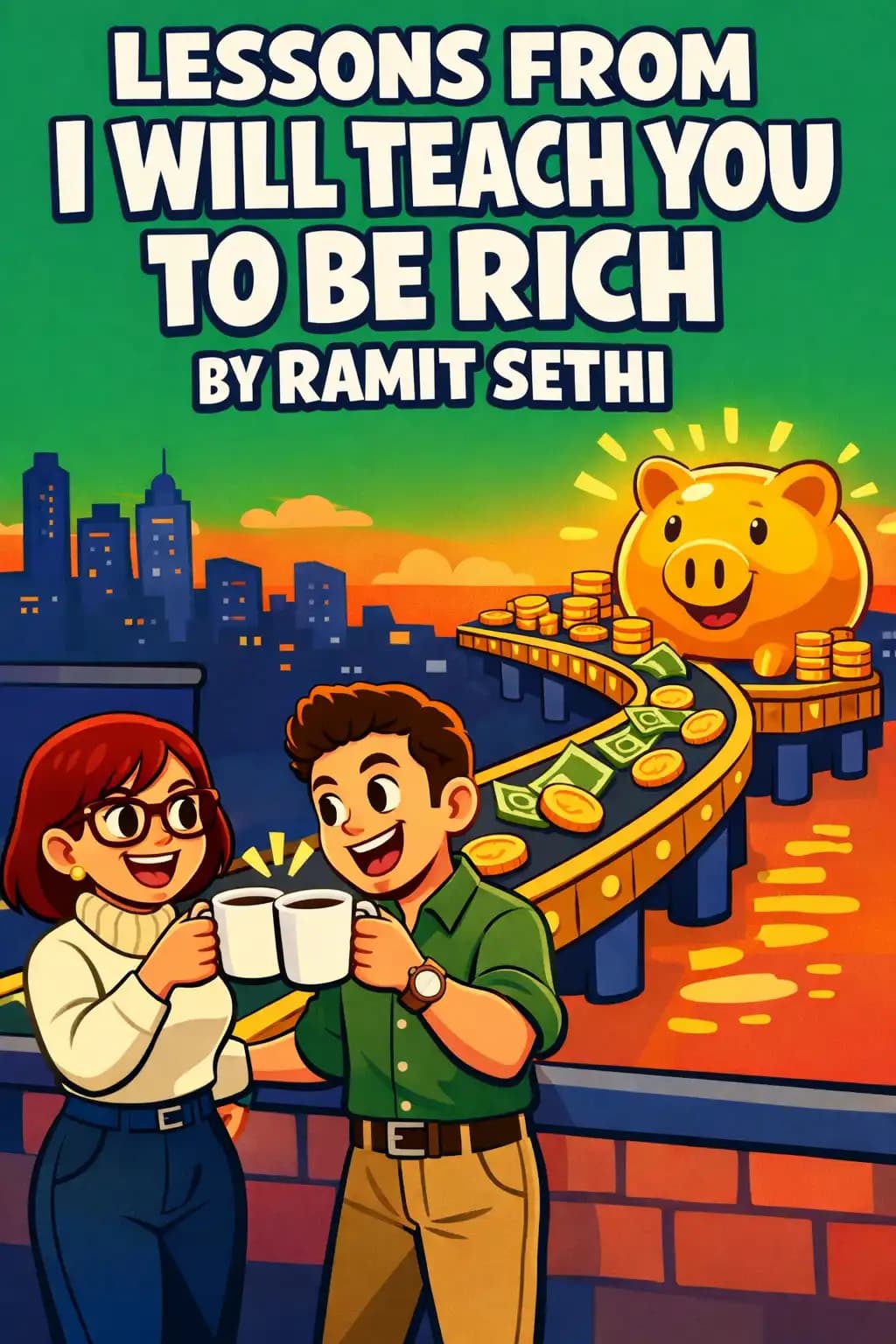
This is our starting pick for anyone who wants to get organized fast. Ramit Sethi's message is to stop debating and start doing.
The book moves in a practical order. Sethi shows how to play offense with your credit cards, set up the right bank accounts and build what he calls a conscious spending plan. Then he shows how to automate everything, so saving and investing don't depend on willpower.
From there, he lays out a simple ladder for investing and explains asset allocation, urging readers to ignore the experts and keep it simple.
It suits young professionals especially, but anyone who has put off sorting out their finances can follow along and act as they read.
Later lessons go beyond the basics. Sethi covers big purchases and how to talk about money with the people you love, topics many money books skip.
3. The Simple Path to Wealth by JL Collins
Best for:
A low-effort investing plan built on avoiding debt, saving hard and holding low-cost index funds.
11 min animated summary
Inside our summary
- Why debt is the biggest obstacle
- Crashes are normal and recovery follows
- The four percent rule and flexibility
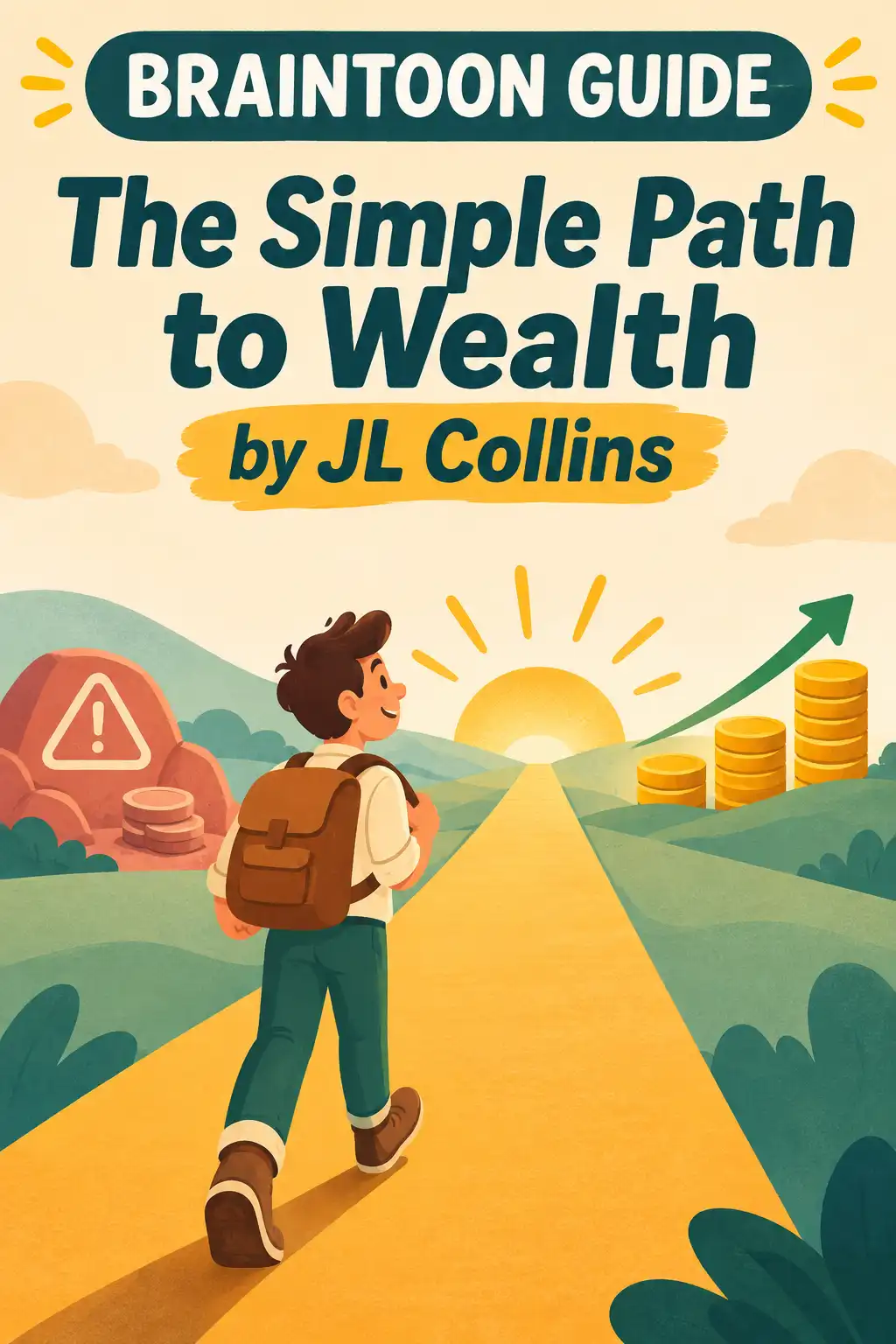
If you want one clear investing approach you can largely put on autopilot, JL Collins offers exactly that. His formula fits in a sentence: spend less, invest the gap and avoid debt.
Collins treats debt as the biggest obstacle to getting ahead and argues that low-cost index funds beat the experts. Running through it all is the idea that money's real value is freedom, not more things.
It's also a calming read for nervous investors. Collins treats crashes as normal and recovery as something that follows, which helps if a bad year would tempt you to sell.
Readers thinking about early retirement will appreciate his lesson on the four percent rule and why flexibility matters.
A Random Walk Down Wall Street makes a similar case for index funds. Choose Collins if you want the simpler, more personal version.

4. The Millionaire Next Door by Thomas J. Stanley and William D. Danko
Best for:
A look at how many real millionaires live modestly, and how ordinary earners can build wealth quietly.
12 min animated summary
Inside our summary
- A big salary isn't wealth
- Your home sets your overhead
- Beware economic outpatient care
This one is a reality check for anyone whose income has grown faster than their savings. Thomas J. Stanley and William D. Danko's central point is that a big salary isn't wealth. They argue that many people who look rich are "big hat, no cattle."
The millionaires they describe tend to be frugal and to live well below what they could afford.
What makes the book useful is how concrete it gets. The authors look at how your home sets your ongoing costs and how to approach buying cars. They also examine the hidden cost of regularly supporting adult children, which they call "economic outpatient care."
It's a good fit for high earners who feel they should be further ahead. It's also encouraging if you like the idea that quiet habits can beat flashy spending.
5. The Richest Man in Babylon by George S. Clason
Best for:
Ancient parables that teach timeless basics of saving, budgeting and growing your money.
10 min animated summary
Inside our summary
- Pay yourself first
- Control your spending with a budget
- Face your debts and find the way
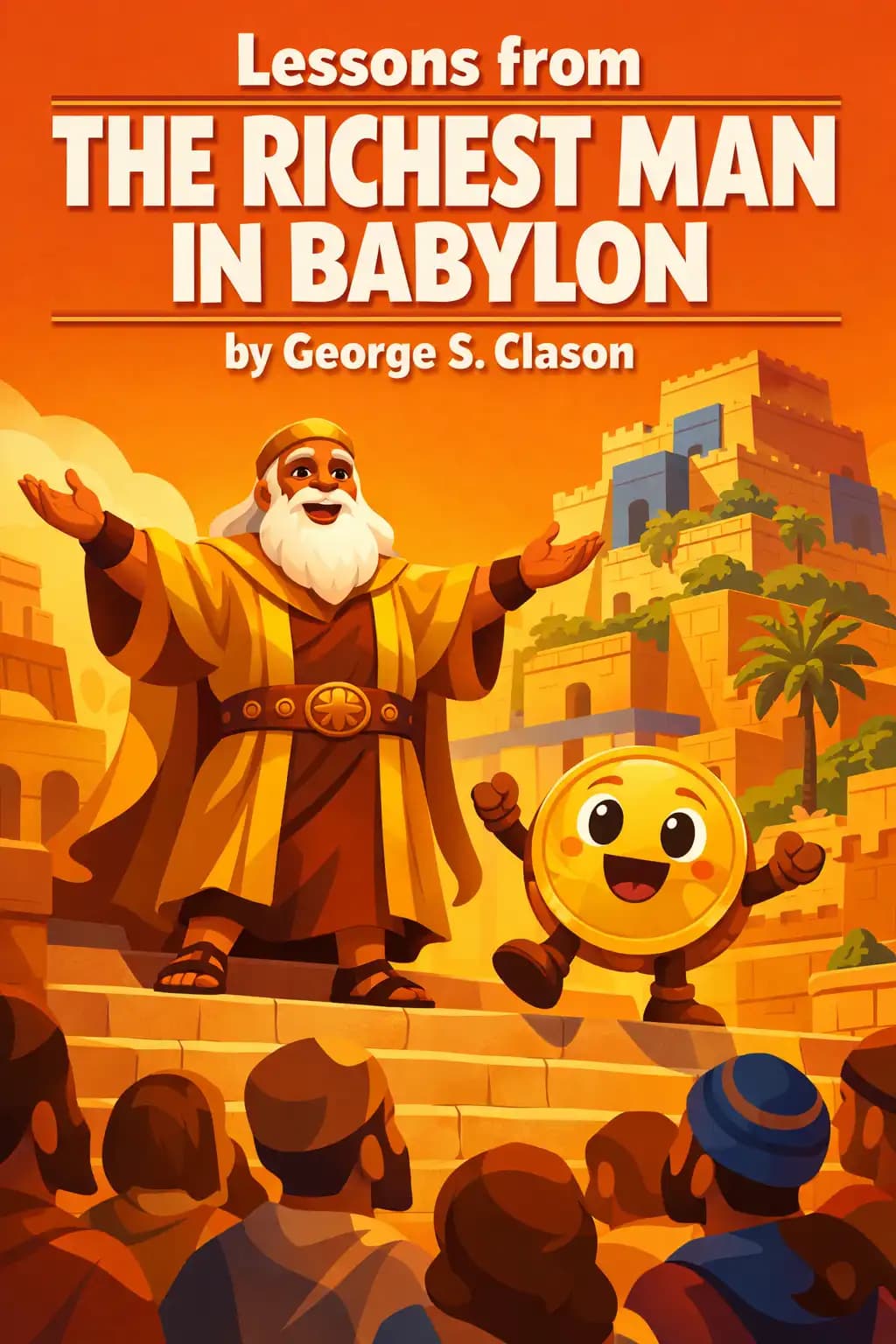
George S. Clason teaches money through parables set in ancient Babylon, and that's both the charm and the limit. If dry finance writing loses you, these stories make the basics stick.
The lessons cover foundations most people need first. Clason teaches readers to pay themselves first, control spending with a budget, make money work for them and guard it against loss. He also addresses facing your debts, not putting things off and increasing your ability to earn.
It's a quick, easy read that's simple to return to, and a friendly choice for anyone just starting out.
Because of the ancient setting, you won't get modern details about accounts, funds or credit cards. Think of it as the principles, not the paperwork. If you want specifics, a practical guide like Sethi's fills that gap.
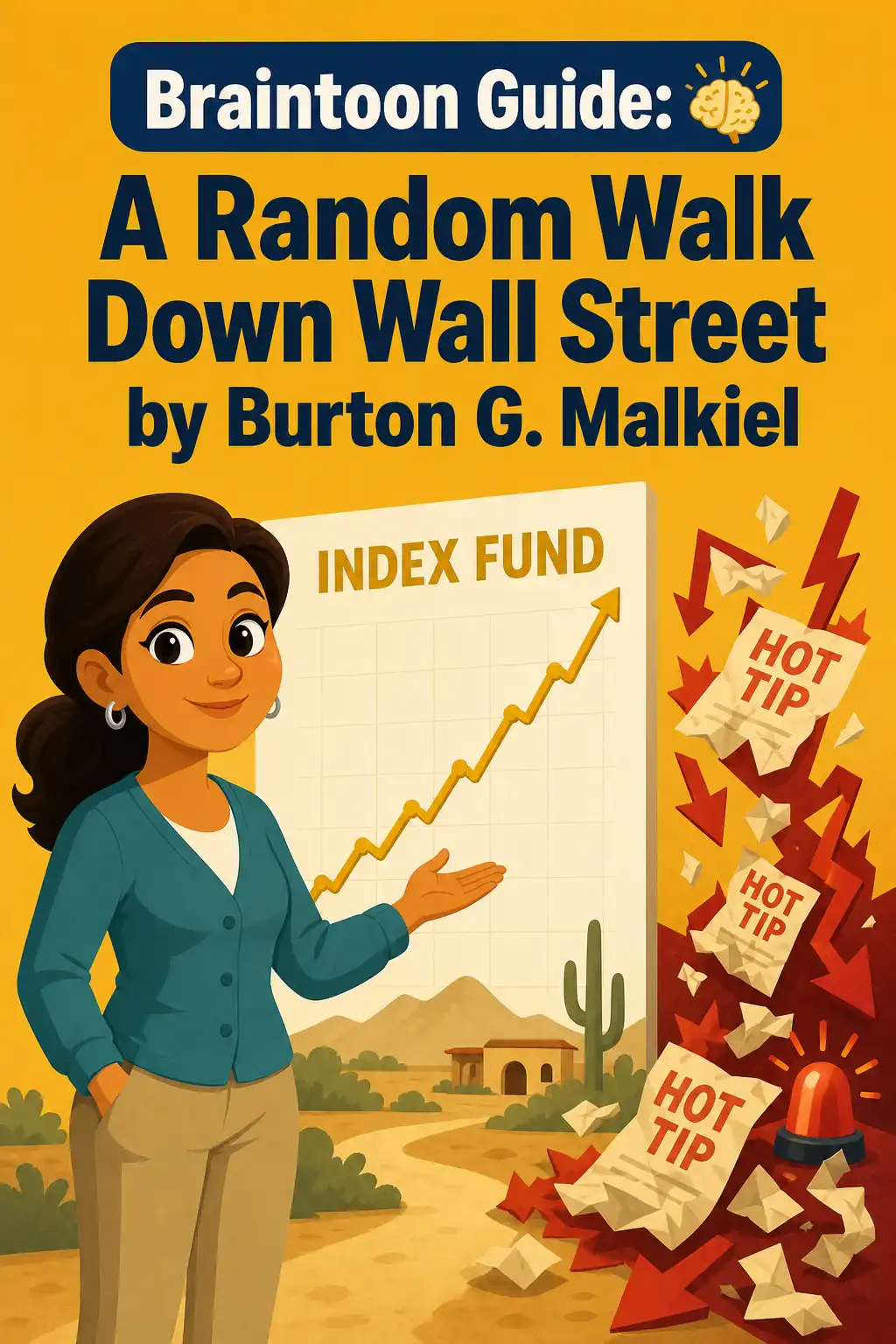
6. A Random Walk Down Wall Street by Burton G. Malkiel
Best for:
The case for ignoring hot tips and holding low-cost index funds for the long haul.
12 min animated summary
Inside our summary
- Bubbles never really change
- Even the experts can't
- The lifelong game plan
Plenty of books tell you to buy index funds. Burton G. Malkiel's is for readers who want the reasoning behind that advice, not just the instruction.
Malkiel questions whether even experts can reliably beat the market, and he takes a skeptical look at chart reading and market timing. He also explores bubbles and why they never really change, which is useful perspective when everyone seems sure about a hot investment.
There's a lesson on how investors become their own worst enemy, plus guidance on diversification and a lifelong investing game plan.
If you just want a simple plan to follow, Collins is the lighter choice. If you want to understand why the index approach holds up, choose Malkiel. He makes a strong case against chasing tips and timing the market.
7. The Intelligent Investor by Benjamin Graham
Best for:
The classic guide to disciplined, rational stock investing and the margin of safety.
10 min animated summary
Inside our summary
- Know the line between investing and speculating
- Meet Mr. Market and use his moods
- The margin of safety is everything
Benjamin Graham's book is for readers who want to understand stocks themselves and invest with discipline rather than hunches.
Graham draws a firm line between investing and speculating, and argues that success comes from discipline, not genius. His well-known character Mr. Market helps explain how to use the market's moods instead of being ruled by them.
Other lessons cover looking for bargains rather than glamour, reading earnings reports carefully and staying skeptical of advisers and hot tips. He also explains how to balance and rebalance a portfolio. At the heart of it all is the margin of safety, which Graham treats as everything.
Expect this to be the densest pick here. If you're happy holding index funds and don't plan to choose individual stocks, Collins or Malkiel will suit you better. If picking stocks is your goal, Graham is the place to go.

8. Rich Dad Poor Dad by Robert Kiyosaki
Best for:
A motivating take on how the wealthy think about money, assets and income beyond a paycheck.
12 min animated summary
Inside our summary
- Know assets from liabilities
- Mind your own business
- Work to learn, not earn
Robert Kiyosaki builds his book around two very different ways of thinking about money. It's more about shifting your attitude than following step-by-step instructions.
His core claim is that the rich don't work for money. Instead, he says, they focus on knowing assets from liabilities and building the right kind. Kiyosaki urges readers to "mind your own business" and to take work for what it teaches, not just what it pays.
That makes it a natural fit if you're curious about side businesses or feel stuck relying on a single paycheck. The closing lessons on beating common obstacles and starting small aim to turn motivation into action.
Treat Kiyosaki's ideas as a prompt to rethink your approach. For the practical mechanics of saving and investing, pair it with a hands-on guide like Sethi's.
A suggested reading order
You don't need to read these in order.
If you're new to managing money, start with Sethi to get your accounts set up. Read Housel whenever you want the bigger picture on behavior.
When you're ready to invest, choose one book based on how deep you want to go. Collins is the simplest, Malkiel explains the reasoning and Graham is for would-be stock pickers. The Millionaire Next Door, The Richest Man in Babylon and Rich Dad Poor Dad work well whenever you want motivation or a fresh angle.
How we chose these books
We chose these eight from the book summaries currently available on BrainToon. We had everyday readers in mind: people who want to think more clearly about money, spend and save on purpose, and invest without stress.
We favored books with broad, practical value. We left out guides focused only on real estate, a long investor biography and older mindset books with little practical guidance. A few well-known titles, such as books on getting out of debt or spending well over a lifetime, aren't currently available as BrainToon summaries, so they don't appear here.