





A Random Walk Down Wall Street preview: Laura, a middle school science teacher in Tucson, stood in her kitchen clutching a brochure for a hot tech fund. Her dauA Random Walk Down Wall Street preview: Laura, a middle school science teacher in Tucson, stood in her kitchen clutching a brochure for a hot tech fund. Her dauA Random Walk Down Wall Street preview: A Random Walk Down Wall Street by Burton G. Malkiel makes a bold argument. Ordinary investors do best by ignoring hot tiA Random Walk Down Wall Street preview: A Random Walk Down Wall Street by Burton G. Malkiel makes a bold argument. Ordinary investors do best by ignoring hot tiA Random Walk Down Wall Street preview: Lesson 1. Why index funds winA Random Walk Down Wall Street preview: Laura sets the glossy brochure down. A colleague swore this actively managed tech fund would crush the market. But is paA Random Walk Down Wall Street preview: Laura sets the glossy brochure down. A colleague swore this actively managed tech fund would crush the market. But is paA Random Walk Down Wall Street preview: Burton Malkiel, a Princeton economist, has spent decades wrestling with this exact question. His answer is blunt. Most iA Random Walk Down Wall Street preview: Burton Malkiel, a Princeton economist, has spent decades wrestling with this exact question. His answer is blunt. Most iA Random Walk Down Wall Street preview: An index fund just holds every stock in a broad basket, like the S&P 500, which tracks five hundred big U.S. companies. A Random Walk Down Wall Street preview: An index fund just holds every stock in a broad basket, like the S&P 500, which tracks five hundred big U.S. companies.

Laura

0:00 / 1:00

60-second animated preview

Watch full summary

A Random Walk Down Wall Street Summary: 8 best lessons in 10 mins

10 min readBurton G. Malkiel's book, summarized

Topics will appear here once mapped for this book.

One-sentence summary

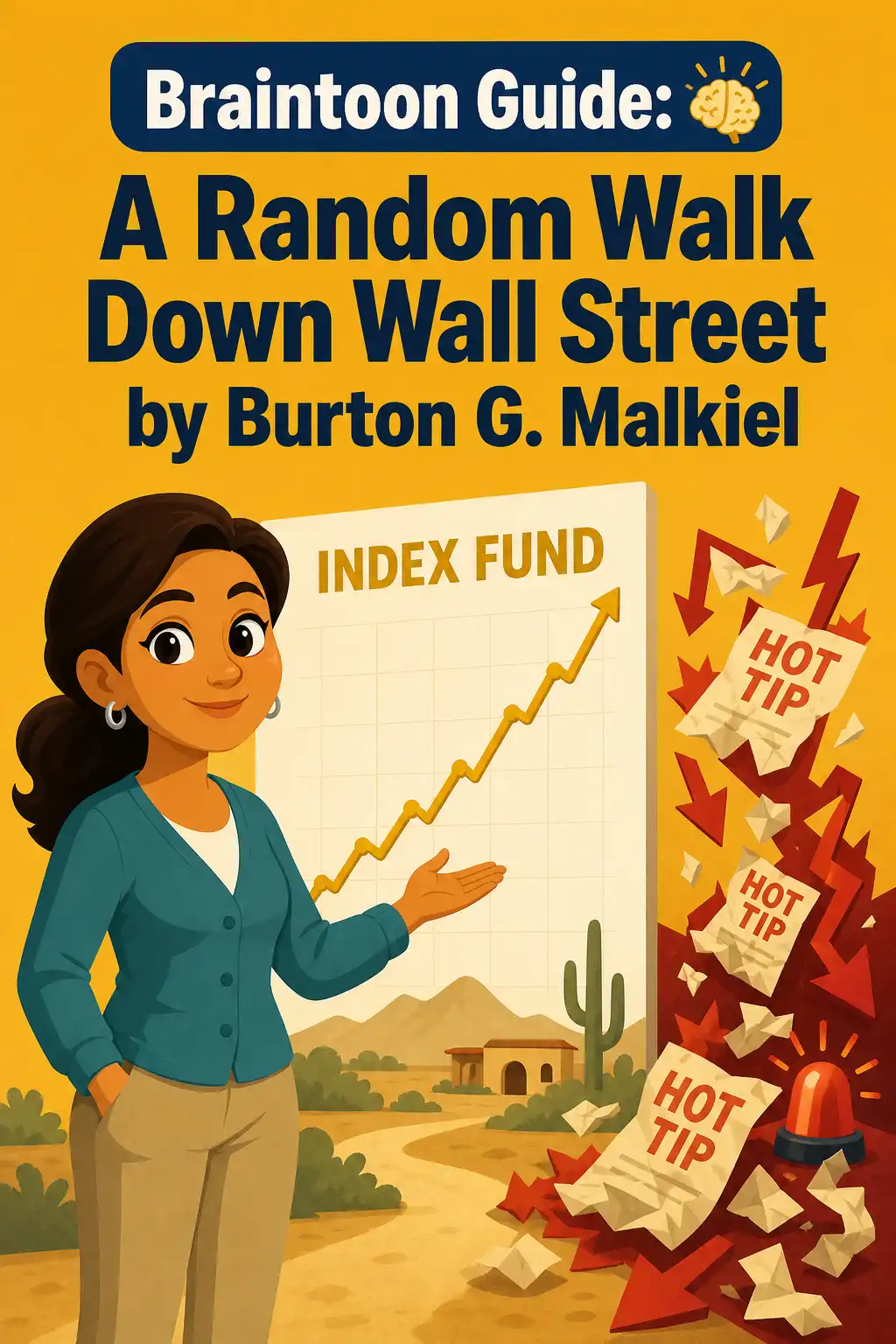
A Random Walk Down Wall Street by Burton G. Malkiel makes a bold argument. Ordinary investors do best by ignoring hot tips and simply buying and holding low-cost index funds for the long haul.

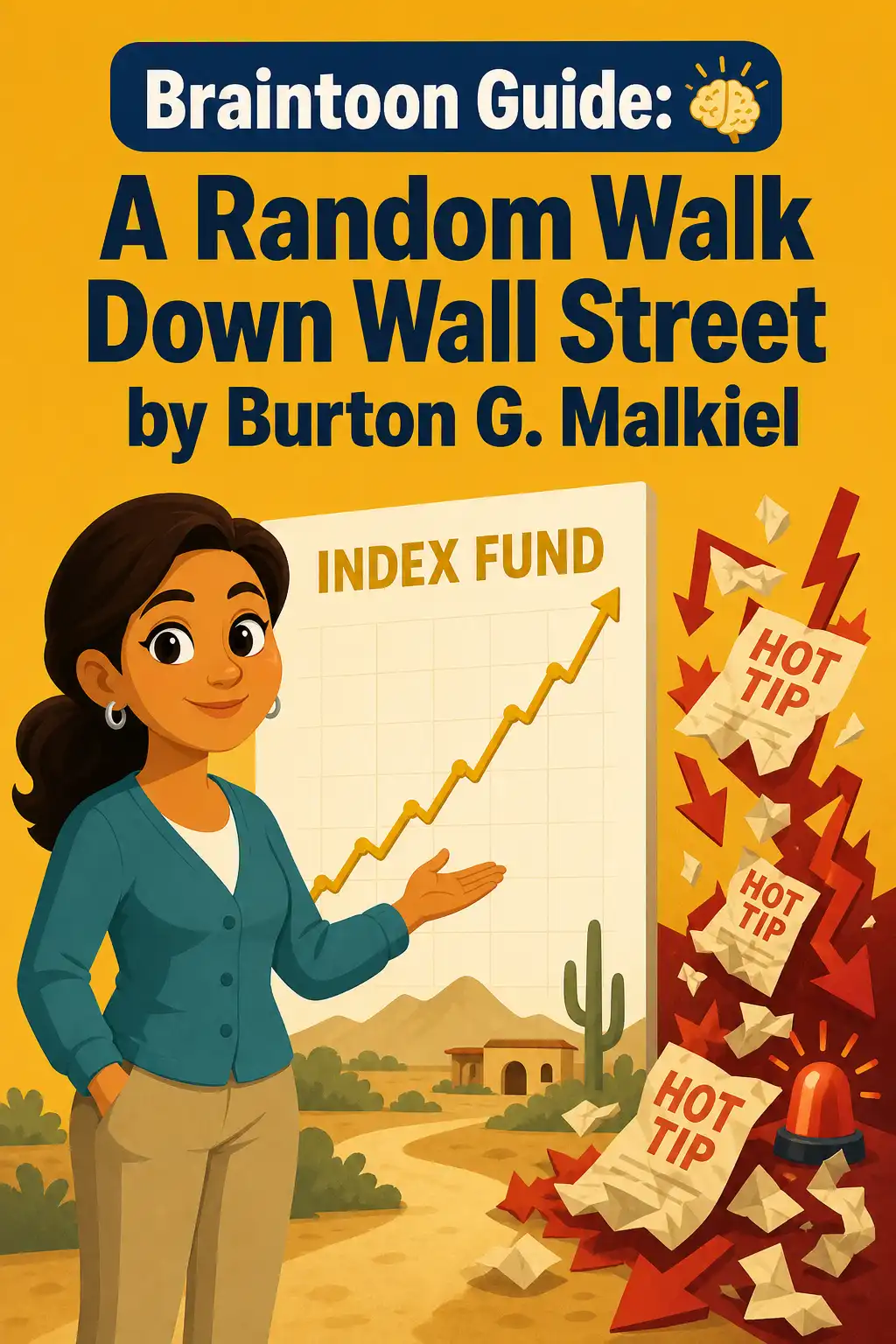
Laura, a middle school science teacher in Tucson, stood in her kitchen clutching a brochure for a hot tech fund. Her daughter starts college in eight years, and she's desperate to grow her savings before then.

(Continued below)

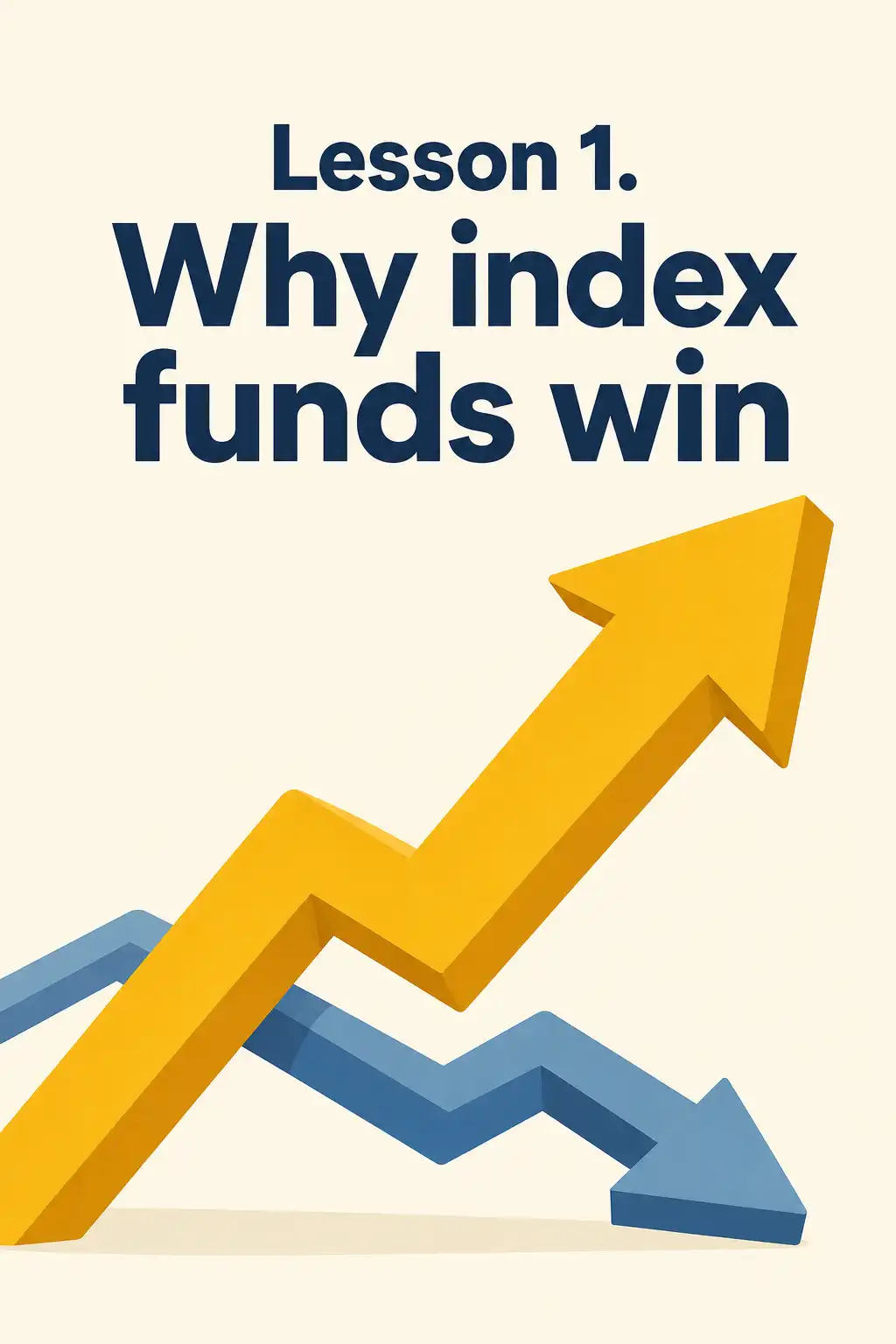
Lesson 1: Why index funds win

Laura sets the glossy brochure down. A colleague swore this actively managed tech fund would crush the market. But is paying experts to pick stocks really worth it?

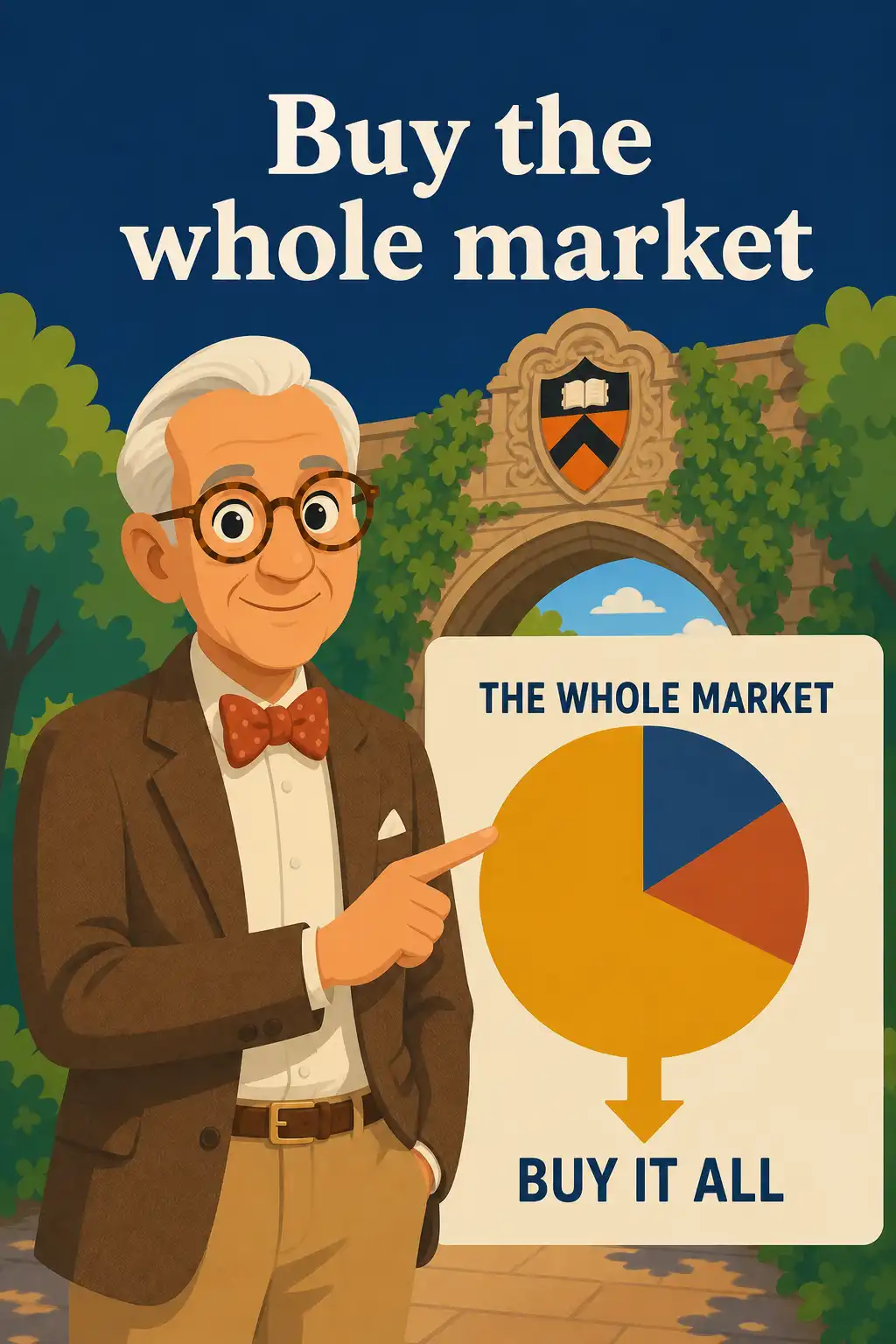
Burton Malkiel, a Princeton economist, has spent decades wrestling with this exact question. His answer is blunt. Most investors do far better simply buying a fund that mirrors the entire market.

An index fund just holds every stock in a broad basket, like the S&P 500, which tracks five hundred big U.S. companies. No stock picking. Tiny fees.

Malkiel shares a stunning comparison. Two people each invested ten thousand dollars back in 1969. By 2014, the one holding a simple index fund had over seven hundred thousand dollars.

The one paying for the average active fund? Just five hundred thousand. That gap, nearly a quarter million dollars, was eaten up mostly by higher fees.

Laura does the math. Every dollar skimmed by a manager is a dollar not compounding for her retirement. Suddenly that hot fund looks a lot less appealing.
Lesson 2: Random walks and castles

Laura reads that prices follow what Malkiel calls a random walk. Yesterday's moves tell you almost nothing about tomorrow's. The market has no memory and no reliable pattern.

That reframes everything. Chasing quick gains from short price swings, Malkiel says, isn't investing. It's speculating. Investing means buying assets for steady, long-term returns you can actually count on.

And doing nothing isn't safe either. Even mild inflation quietly eats away at your money's buying power. Sitting in cash, Laura realizes, is its own slow-motion loss.

Malkiel describes two ways people value stocks. The firm-foundation theory says each company has a true worth based on its future profits. Warren Buffett buys when prices dip below that value.

The other, the castle-in-the-air theory from economist John Maynard Keynes, says price is really about crowd psychology. You win by guessing what everyone else will chase next.

Laura sees the danger. That tech fund was pure castle-in-the-air, a bet the crowd would keep pushing prices up. But crowds, she's about to learn, can be very dangerous.

Lesson 3: Bubbles never really change

Laura dives into Malkiel's parade of manias. In 1630s Holland, people traded houses for tulip bulbs. Prices rose twentyfold in a month, then collapsed to almost nothing.

A century later came England's South Sea Bubble. One company raised fortunes while refusing to reveal its business. When insiders cashed out, it crumbled, ruining even Isaac Newton.

The pattern repeats endlessly. In the 1960s, firms slapped "electronics" onto their names and shares soared. Later, adding "dot-com" could boost a stock's price over a hundred percent overnight.

When the internet bubble burst around 2000, over eight trillion dollars vanished. Even solid tech giants lost ninety percent. Excitement, Laura sees, is not the same as worth.

Then came housing. Lenders handed mortgages to almost anyone, then sold them off instantly, so nobody actually cared if borrowers could repay. Prices doubled, then crashed a third.

The 2008 crash nearly toppled the whole financial system. Yet Malkiel notes something reassuring. In every bubble, prices eventually snapped back toward real value. Gravity always wins.

Lesson 4: Charts and market timing

A neighbor shows Laura a chart, pointing to a "head-and-shoulders" pattern that supposedly predicts the next move. This is called technical analysis. Malkiel is deeply skeptical.

In one experiment, students built fake charts using nothing but coin flips. They looked exactly like real charts, full of convincing trends. A chartist even got excited and urged buying.

The point? Our brains crave patterns, even in pure randomness. Researchers tested filter rules, momentum systems, and dozens of classic formations. None of them reliably beat simply buying and holding.

Laura wonders if she could at least jump out before crashes and back in before rallies. That's called market timing, and the numbers terrify her.

Over one thirty-year stretch, ninety-five percent of the market's gains came on just ninety trading days. Miss those rare surges by sitting in cash, and your returns collapse.

So why do brokers still push charts and constant trading? Malkiel is blunt. Frequent trading generates commissions. The broker profits from your activity, even when you don't.

Lesson 5: Even the experts can't

Fundamental analysts dig into earnings, growth, and dividends to find a stock's true value. It sounds rigorous. So Malkiel tested whether their forecasts actually come true.

He gathered predictions from nineteen major Wall Street firms and checked them against reality. Their careful, research-heavy estimates were no better than simply assuming last year's trend continues.

Why do they miss so badly? Random shocks strike, companies quietly massage their numbers, and research teams feel pressure to stay cheerful, since honest "sell" ratings upset business relationships.

It shows up in the results. Decade after decade, the average active fund trails a simple index. Last decade's stars routinely become next decade's disappointments.

Malkiel explains it with coins. Flip enough coins, and a few people will get ten heads in a row by pure luck. Then we crown them geniuses.

This is the efficient-market idea. Public information gets baked into prices almost instantly, so consistently beating the market is nearly impossible. Even Benjamin Graham admitted this late in life.

Lesson 6: Your own worst enemy

During a market dip, Laura's stomach knots. Everyone at school is nervously selling, and she feels the pull to join them. This is exactly what Malkiel warns about.

Behavioral finance, built by psychologists Daniel Kahneman and Amos Tversky, shows how predictably irrational we are. Kahneman even won the Nobel Prize in economics, which is remarkable for a psychologist.

We're overconfident. Most people rate themselves above-average drivers. Studies found that the more investors traded, sure they knew better, the worse they actually did.

We follow the herd, piling in as prices rise and fleeing when they fall. That's why the typical fund investor buys high, sells low, and trails the index itself.

And we hate losses far more than we enjoy equal gains. This loss aversion makes people cling to sinking stocks, praying to break even, while dumping their winners too soon.

Malkiel's advice is simple. Don't follow the crowd. Don't overtrade. Ignore hot tips. And distrust suspiciously smooth, steady returns, the exact red flag investors missed in the Madoff fraud.

Lesson 7: Don't put eggs together

The answer is diversification, the heart of modern portfolio theory. Its creator, Harry Markowitz, won a Nobel Prize for one powerful insight about combining investments.

Picture an umbrella maker and a beach resort. One thrives in rain, the other in sun. Own both, and you earn a steady return whatever the weather.

That's the magic. When investments don't move in lockstep, holding many together smooths out the bumps. Owning fifty well-spread stocks erases much of the risk of any single one failing.

Going global helps even more, since foreign economies don't always rise and fall with America's. Malkiel notes that adding international stocks has lowered risk while nudging returns slightly higher.

But there's a catch. Diversification can't erase the risk of the whole market dropping together, what economists call systematic risk. That shared risk never fully goes away.

Laura also hears about "smart beta" funds promising market-beating returns by tilting toward bargains or small companies. Malkiel's verdict? Any extra reward just reflects extra risk. Smart marketing, not smart investing.

Lesson 8: The lifelong game plan

Laura opens her school district's retirement plan, a 403(b). Malkiel's first rule hits home. Start saving early and steadily, because compound growth needs time far more than cleverness.

She sets up dollar-cost averaging, investing a fixed amount every month like clockwork. One example. A hundred dollars monthly since 1978 grew from under forty-four thousand to over four hundred thousand.

For the funds themselves, Malkiel offers the "no-brainer" step. Just buy broad, low-cost index funds. He suggests going wider than the S&P 500, into a total-market fund plus international shares.

Malkiel also says match your investments to your age. Young Laura can hold mostly stocks, since decades of paychecks let her ride out crashes. Near retirement, she'll shift toward bonds.

Once a year she rebalances, trimming whatever grew too big and topping up the rest. This keeps her risk steady and quietly forces her to buy low.

And she keeps costs brutally low. Every fee avoided, Malkiel stresses, is return kept. She can't control the market, but she can control costs, taxes, and her own behavior.

Next step

Want the animated version?

Quick setup, then watch this summary in a more engaging visual format.