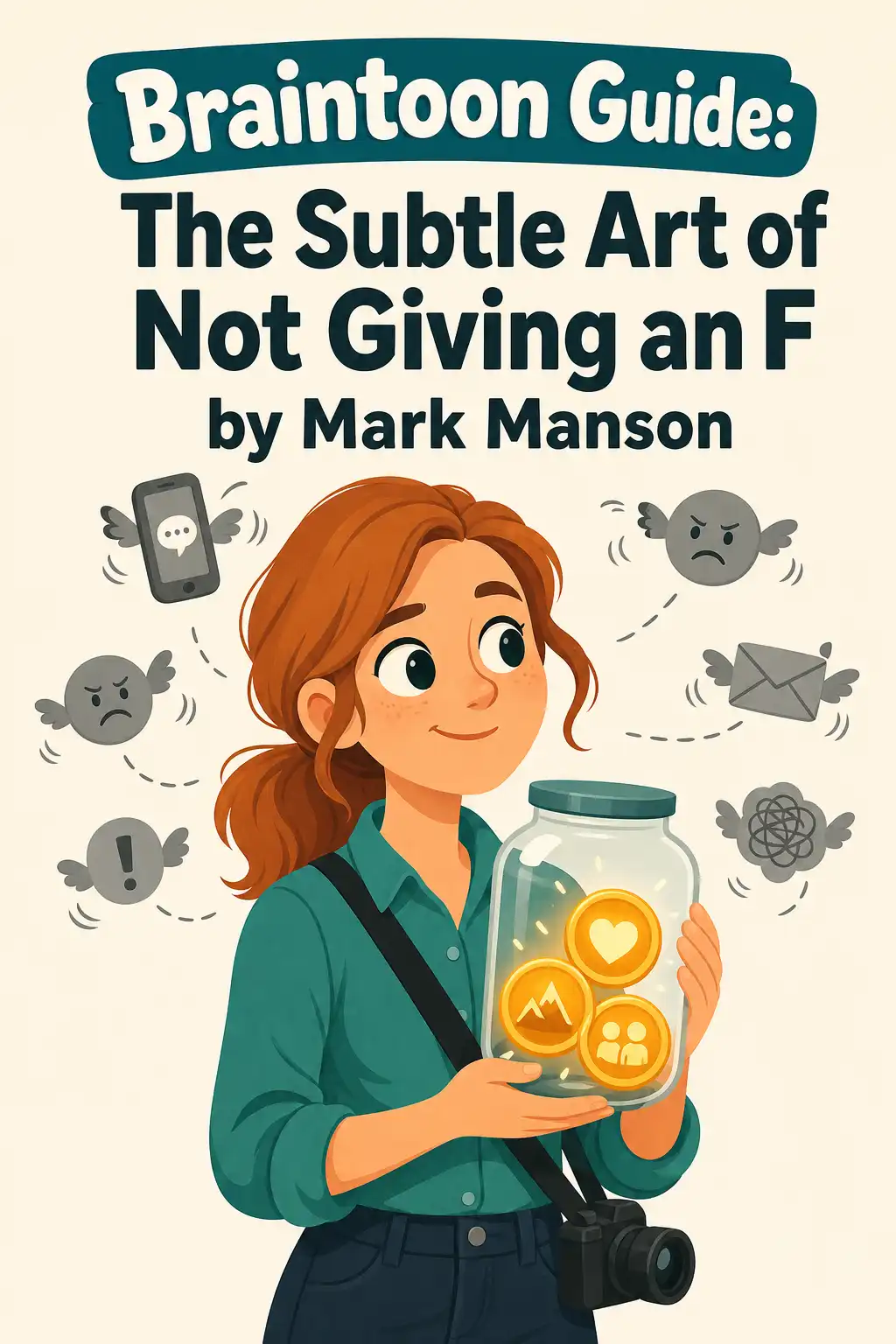


The Subtle Art of Not Giving an F cover

The Subtle Art of Not Giving an F Summary: 8 best lessons in 10 mins

10 min readMark Manson's book, summarized

One-sentence summary

The Subtle Art of Not Giving an F by Mark Manson is a blunt guide to living better by caring about less, choosing real values, and embracing life's struggles instead of running from them.

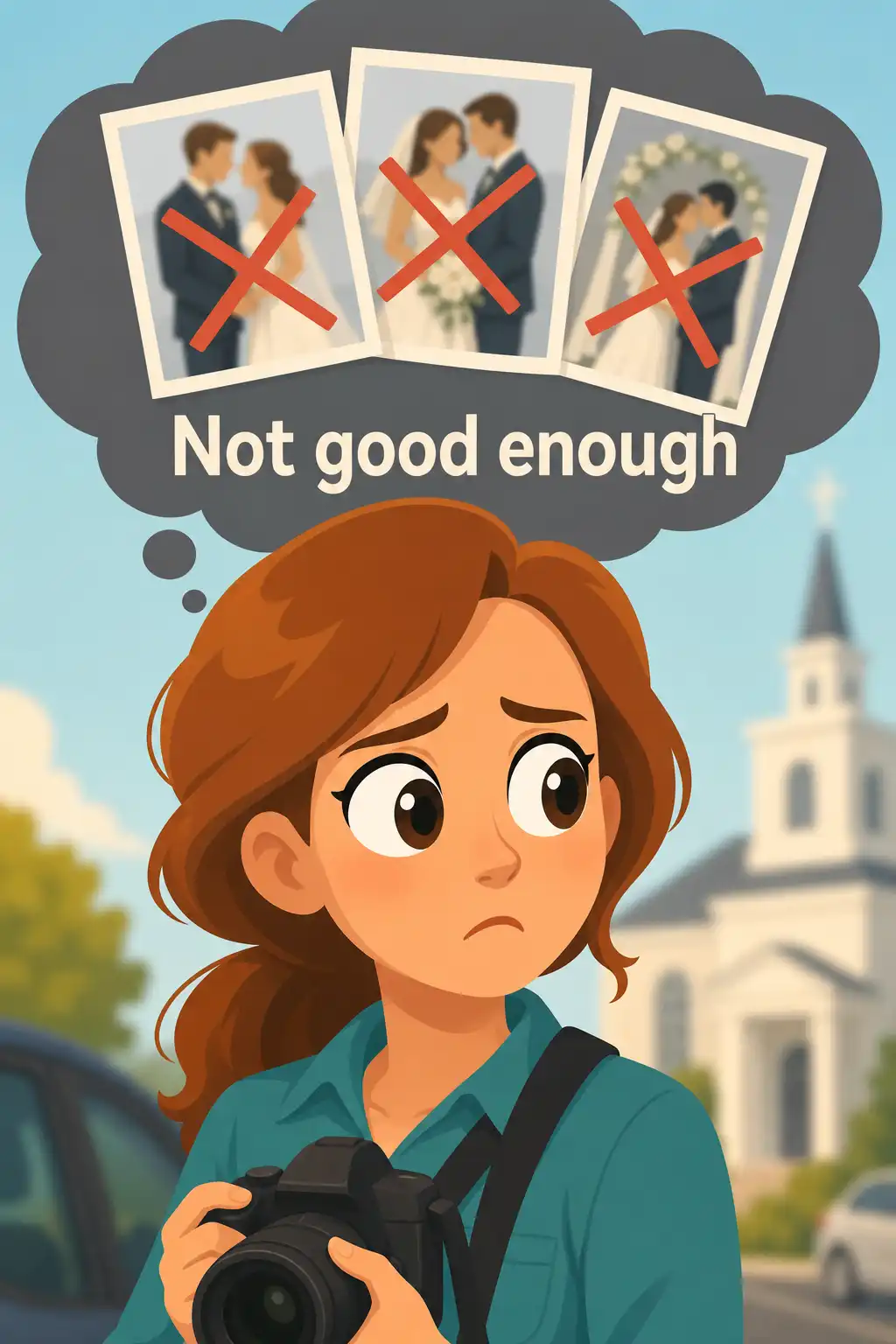
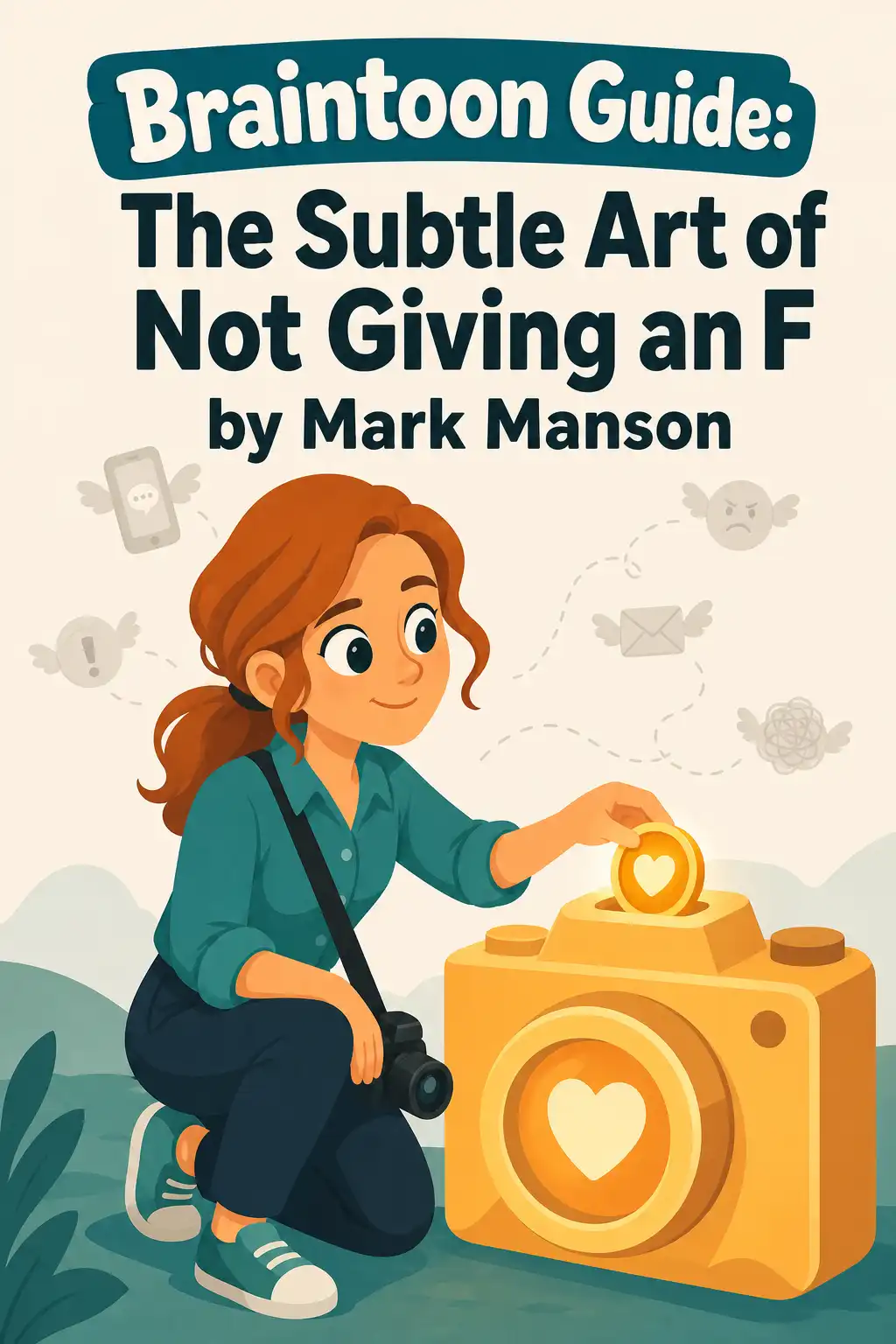
In a church parking lot in Charlotte, Elizabeth grips her camera before her first paid wedding shoot. And she's already convinced that every photo she takes today won't be good enough.

(Continued below)

Reading about The Subtle Art of Not Giving an F is one thing.

Watching it is faster, more fun, and you'll actually remember it.

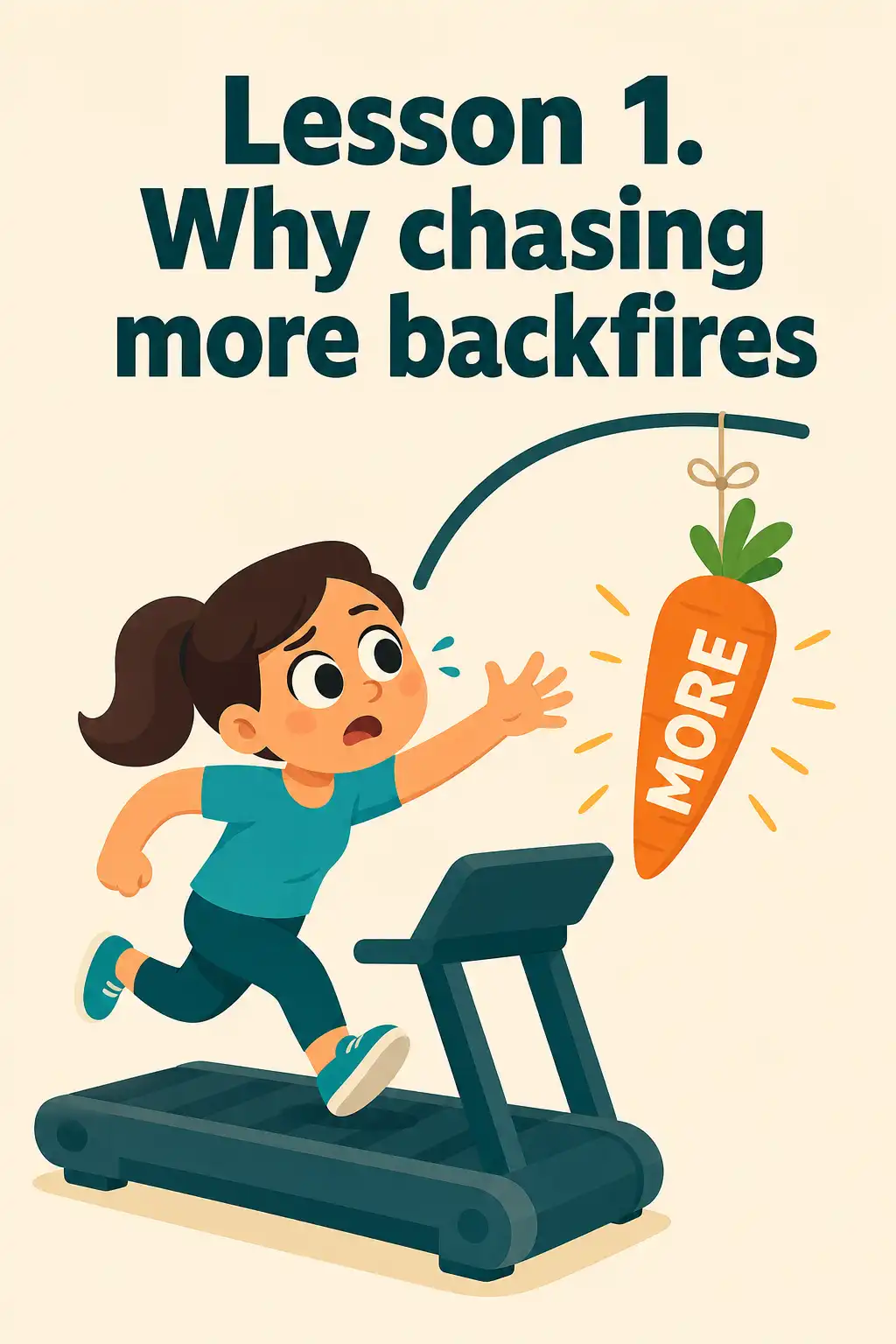
Lesson 1: Why chasing more backfires

Elizabeth is thirty. She runs social media for a credit union in Charlotte, and she dreams of becoming a full-time wedding photographer with her own thriving business.

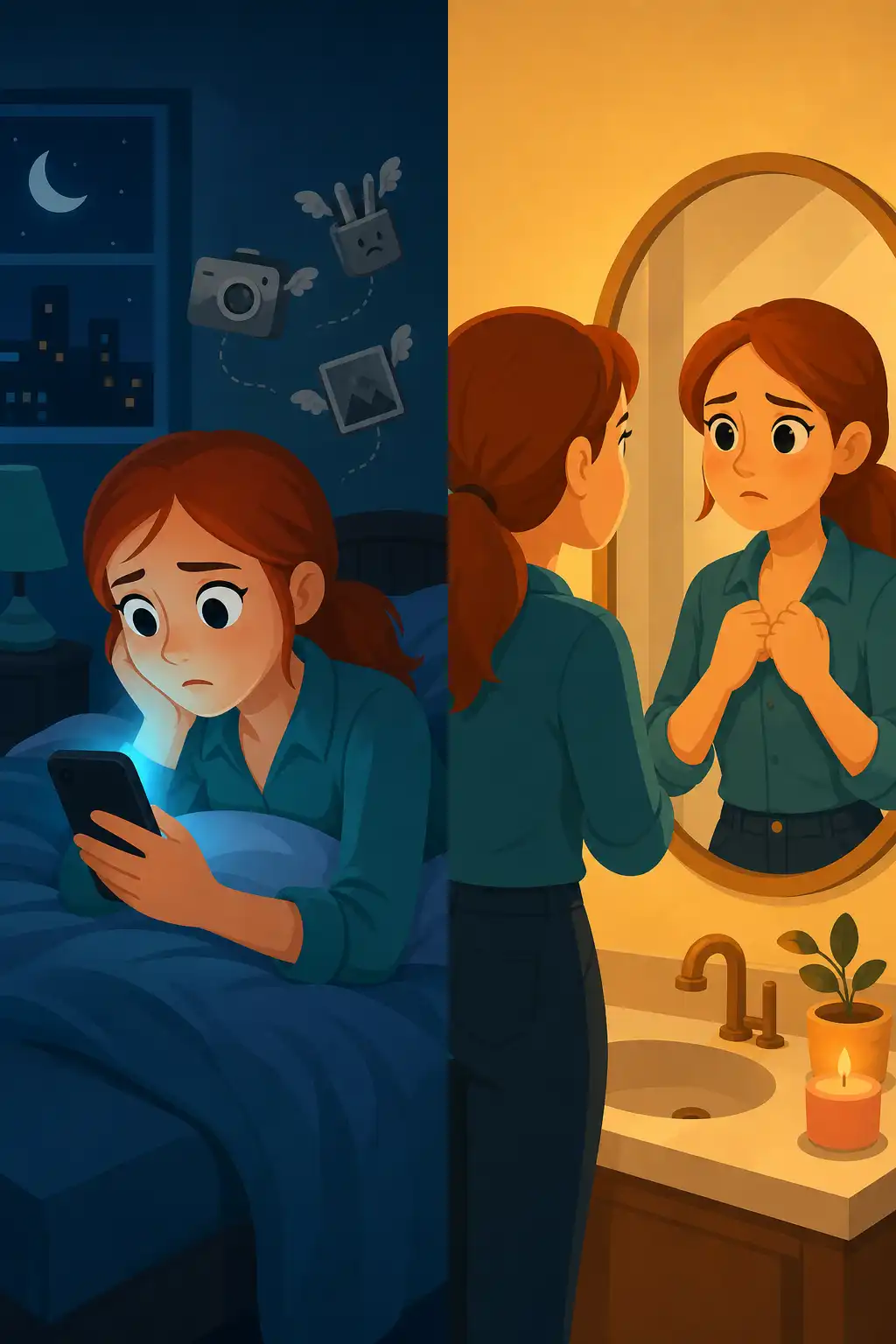
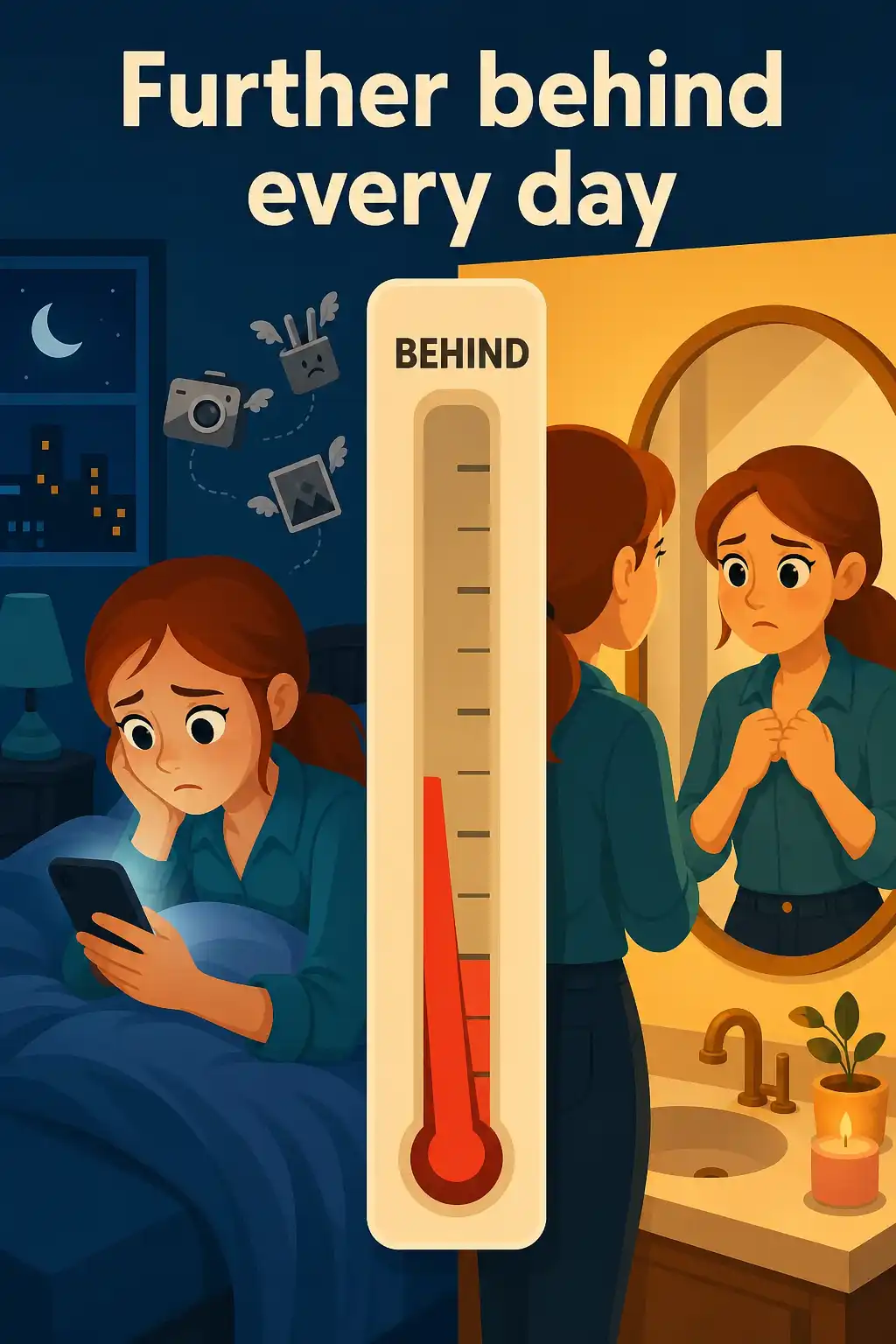
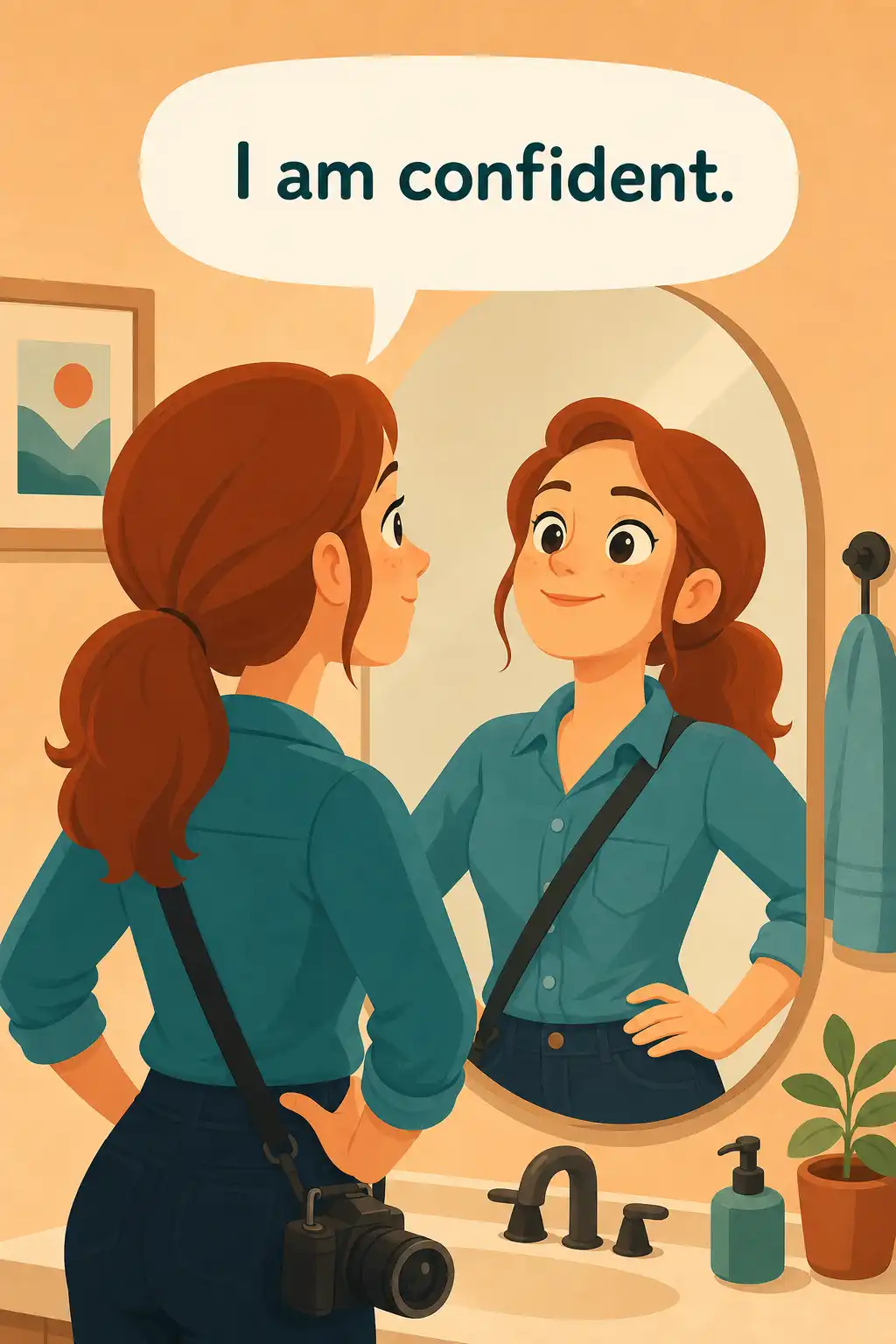
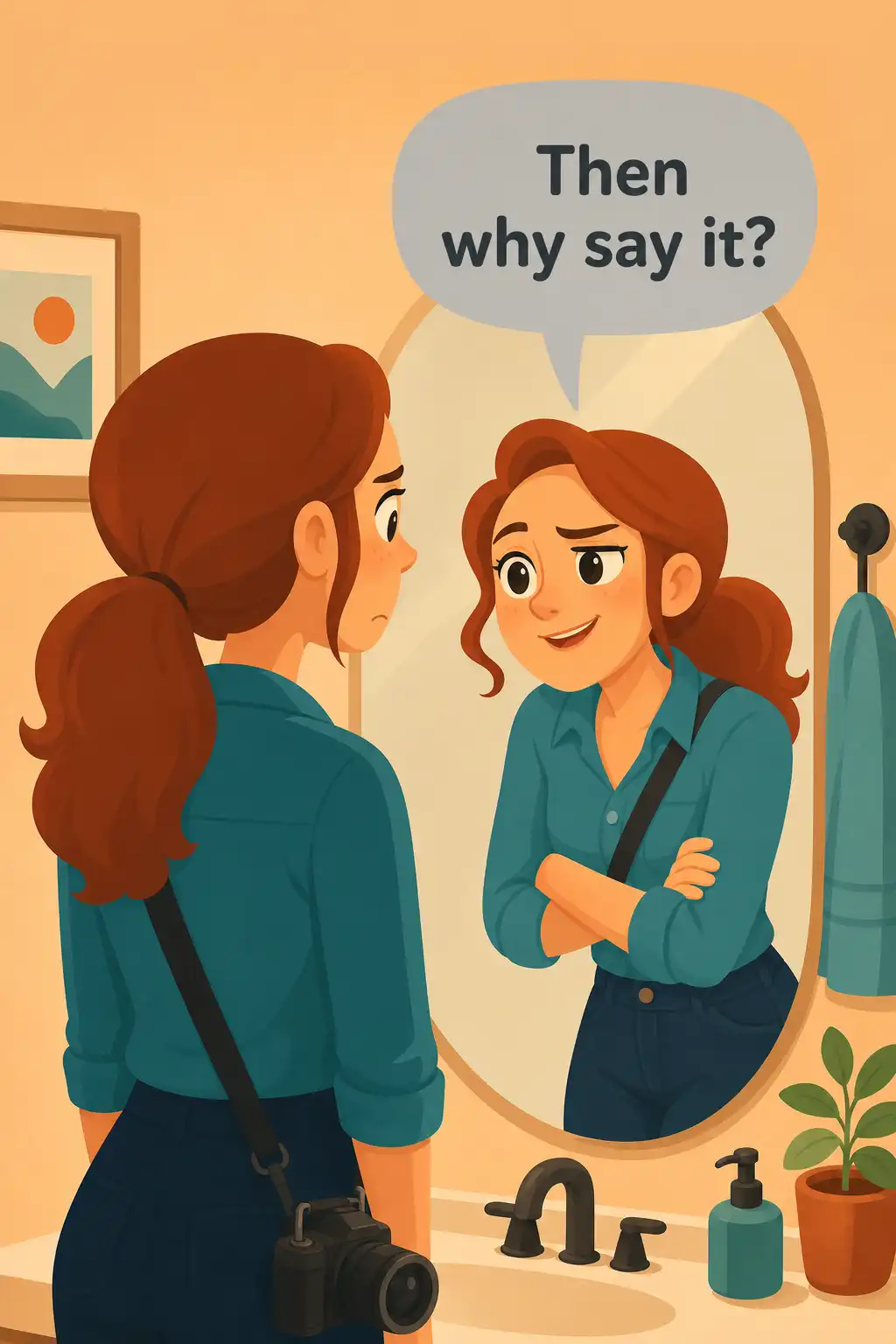
Every night, she scrolls famous photographers' feeds, repeats affirmations in the mirror, and somehow feels even further behind than she did the day before.

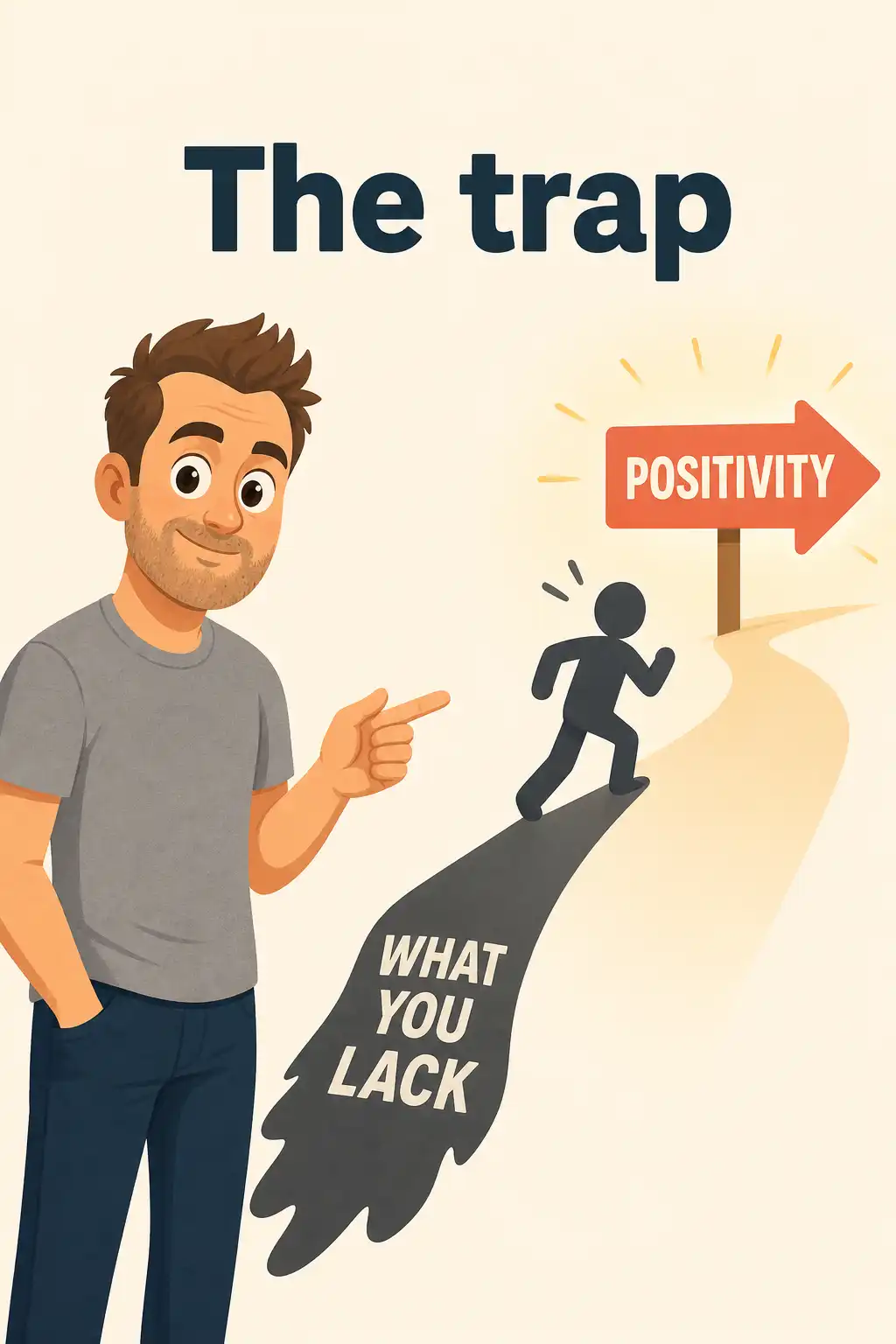
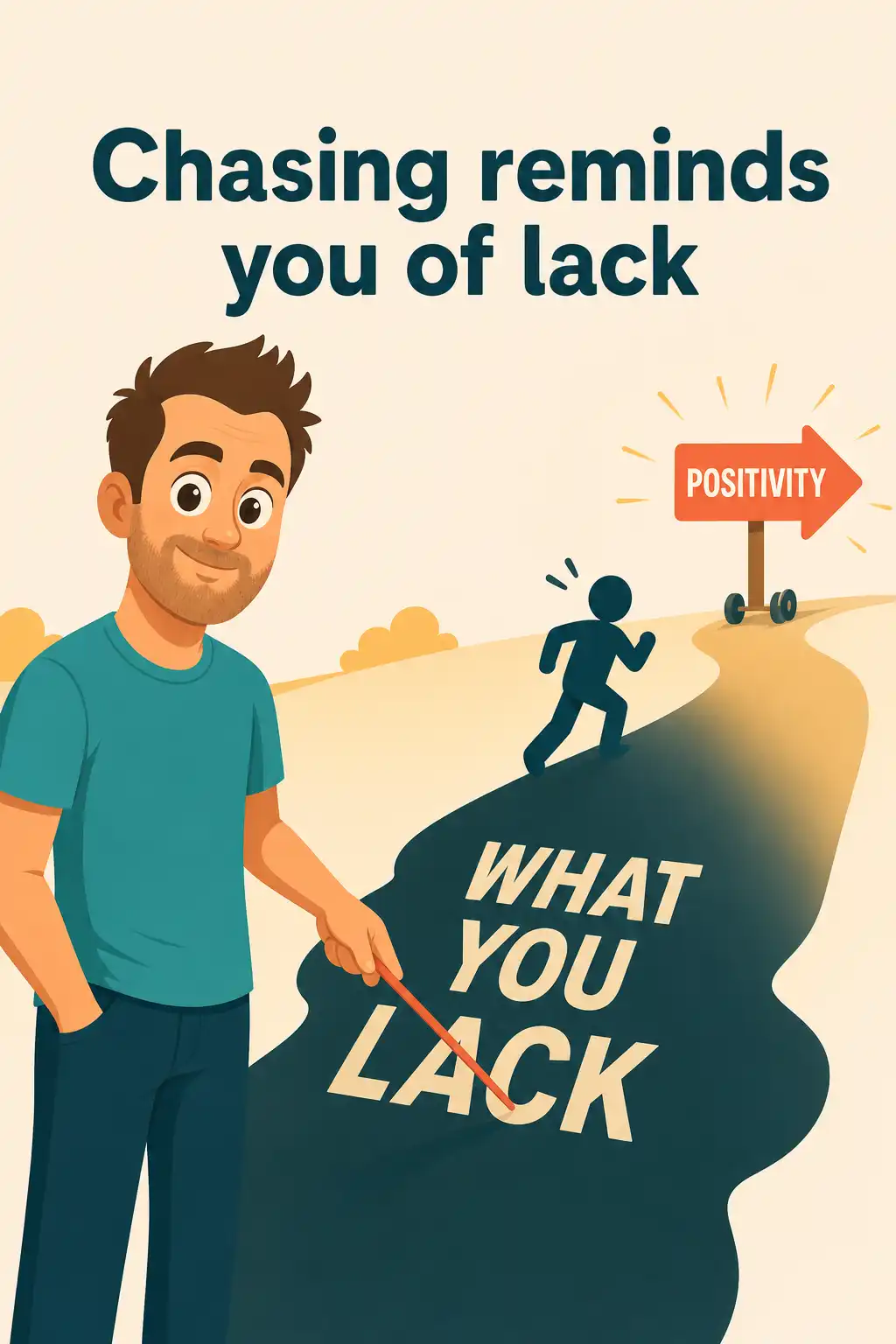
Author Mark Manson, a blogger turned bestselling writer, says this is exactly the trap. Chasing positivity constantly reminds you of what you lack.

Every affirmation Elizabeth repeats quietly whispers the opposite. After all, you wouldn't need to say it if you already believed it was true.

Philosopher Alan Watts called this the backwards law. The harder you chase a feeling like happiness or confidence, the more it slips away from you.

Manson opens with Charles Bukowski, a hard-drinking writer rejected for thirty years before finally succeeding at fifty. His tombstone reads simply, "Don't try."

Lesson 2: Choose what deserves your energy

At the wedding shoot, Elizabeth obsesses over everything. A guest's frown, her cheap lens, whether the bride's cousin thinks she looks professional enough.

Manson says not giving an F doesn't mean caring about nothing. That would just be indifference, or cowardice wearing sunglasses.

It means choosing carefully what's worth your limited energy, and being comfortable standing apart from everything that isn't.

Here's the catch. If you don't have something meaningful to care about, your mind automatically fills the empty space with petty worries.

That's exactly why Elizabeth stresses about a stranger's frown. Without one clear focus, every tiny thing feels like a full-blown emergency.

So she decides her one focus today is simple. Capture honest moments for this couple. Everything else can wait.

Lesson 3: Choose your struggle

Back home, Elizabeth edits photos until two in the morning and wonders why building this dream hurts so much. Shouldn't passion feel good?

Manson tells the story of the Buddha, a prince who discovered that suffering touches everyone, rich or poor. Pain is simply part of being human.

Humans are wired for dissatisfaction. Solving one problem just creates the next one. The goal isn't a problem-free life, it's better problems.

So the real question isn't, what do I want to enjoy? It's, what pain am I genuinely willing to endure?

Manson once dreamed of being a rock star. He loved imagining the stage, but he hated the daily practice. He wanted the summit without the climb.

Elizabeth asks herself honestly. Does she actually enjoy the unglamorous parts? The endless editing, the awkward client emails, hauling heavy gear?

Lesson 4: You're not special, and that's fine

Then comes the gut punch. A bigger photographer posts work from the same venue, and suddenly Elizabeth's photos look completely ordinary by comparison.

Her first instinct is familiar. Either I'm secretly a hidden genius, or I'm uniquely doomed. Manson says both thoughts are traps.

He describes Jimmy, a schemer who believed his own hype, blamed everyone else for his failures, and produced absolutely nothing. Pure confidence, zero substance.

The self-esteem movement told a whole generation they were special. But feeling great about yourself means very little without real reasons behind it.

And victimhood is just entitlement flipped over. Saying "I suffer more than anyone" is still all about me, me, me.

Social media makes it worse, flooding us with extremes until ordinary life feels like failure. But almost everyone is average at almost everything.

Lesson 5: Pick better values

But better by what measure? Elizabeth realizes she's been grading herself on followers, likes, and bookings compared to strangers on the internet.

Manson says values are the hidden layer underneath every emotion. Bad values quietly guarantee misery, no matter how well life actually goes.

Take Dave Mustaine, kicked out of Metallica right before they got big. He went on to build Megadeth, sold millions of records, and still felt like a failure.

Why? His measuring stick was, be bigger than Metallica. That was something he could never fully control, so no achievement would ever satisfy it.

Pete Best was dropped from the Beatles. Eventually he chose to value his family and a quiet life, and he said he ended up happier for it.

Good values, Manson argues, are grounded in reality, helpful to others, and within your control. Honesty and creativity qualify. Fame and approval don't.

Lesson 6: Take responsibility for everything

Then comes disaster. A couple cancels at the last minute, leaving a hole in Elizabeth's budget, and she spends days fuming about how unfair it is.

Manson separates fault from responsibility. The cancellation isn't her fault. But how she responds now is one hundred percent her responsibility.

He compares it to running a marathon. Forced at gunpoint, it's torture. Chosen freely, those exact same miles become meaningful.

He tells of William James, sick, depressed, and suicidal, who decided to spend one year acting fully responsible for everything in his life.

James later called that experiment his rebirth, and he went on to become the father of American psychology. We always choose our response, even when we can't choose the events.

Even refusing to respond is still a response. Blaming the couple felt good for a day, but it left Elizabeth completely powerless.

Lesson 7: Doubt yourself, then do something

Months in, Elizabeth stalls. She won't launch her photography website because, deep down, she believes she's not a real photographer yet.

Manson's law of avoidance says the more something threatens your identity, the harder you'll avoid it. Launching the site means risking who she thinks she is.

His fix sounds strange. Hold your identity loosely. Get comfortable being wrong. Keep asking, what if I'm wrong about myself?

Humans cling to certainty because it feels safe. But real growth means treating your beliefs like hypotheses and letting your actions test them.

And don't wait around for motivation. Manson's "do something" principle says action creates inspiration just as often as inspiration creates action.

He shares one novelist's secret. Simply commit to two hundred terrible words a day, and trust that momentum will handle the rest.

Lesson 8: Say no, commit, remember you'll die

Bookings grow, and so do the requests. Corporate headshots, free favors for friends, a part-time gig. Elizabeth says yes to everything, and burns out.

Manson learned while living in Russia that honesty beats likability. Saying no isn't negative. If you reject nothing, you stand for nothing.

Commitment, he argues, is actually freedom. The paradox of choice means endless options breed anxiety, while going deep on one thing unlocks rewards that breadth never can.

So Elizabeth declines the headshots and the favors. Weddings only. The word "no" feels terrifying at first, then suddenly, wonderfully clarifying.

Manson's final lesson came from losing his friend Josh at nineteen. In a dream, Josh asked why he mourned death while being afraid to live.

Philosopher Ernest Becker argued our hidden fear of death drives nearly everything we do. Facing mortality honestly strips away trivial values and entitled fears.

You've read the summary. Now watch it.

The animated version covers the same ideas — faster, and in a format you'll actually remember.

More books like The Subtle Art of Not Giving an F