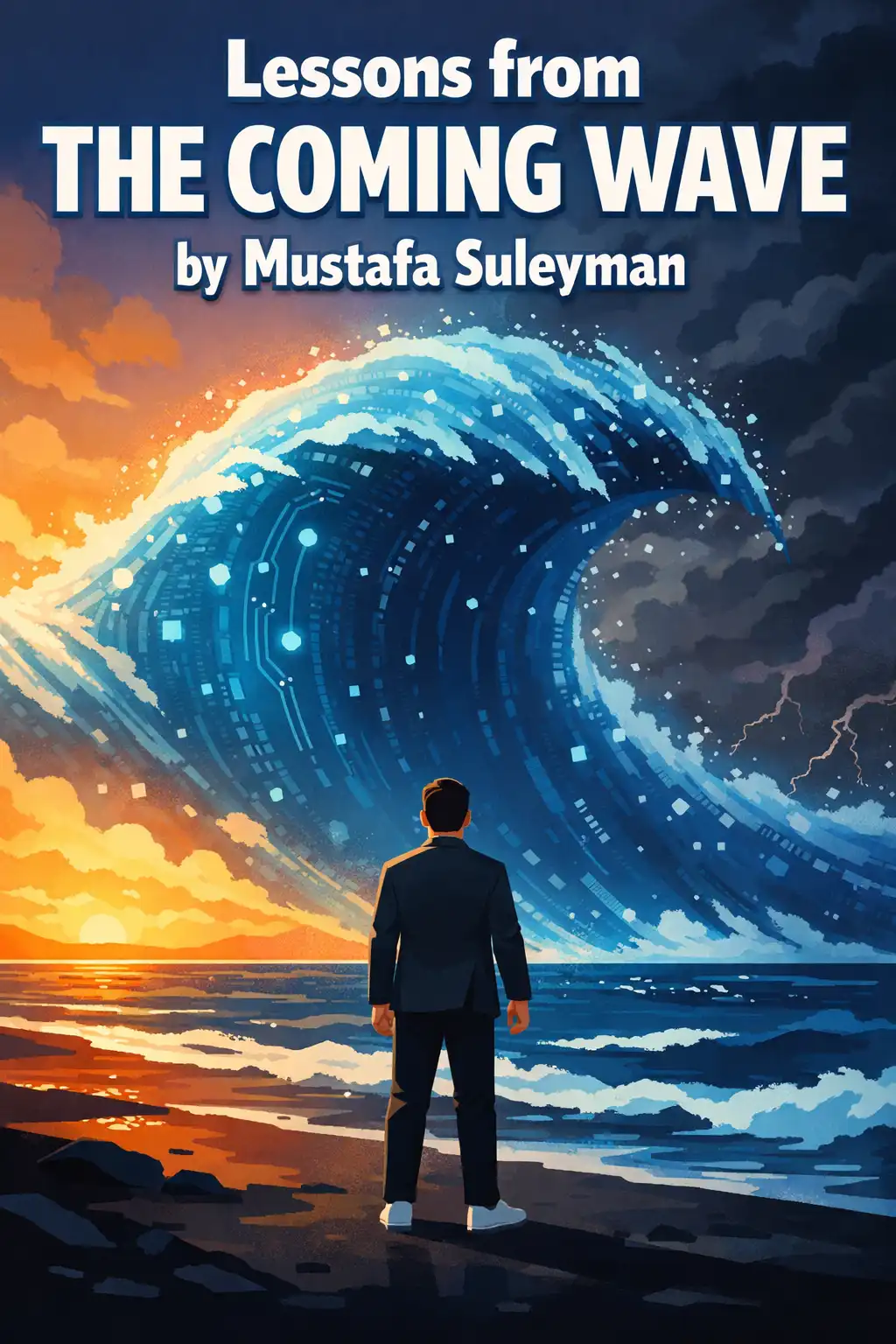


The Coming Wave cover

Book summary: The Coming Wave by Mustafa Suleyman

10 min read10 key lessonsText + animated summary

Topics will appear here once mapped for this book.

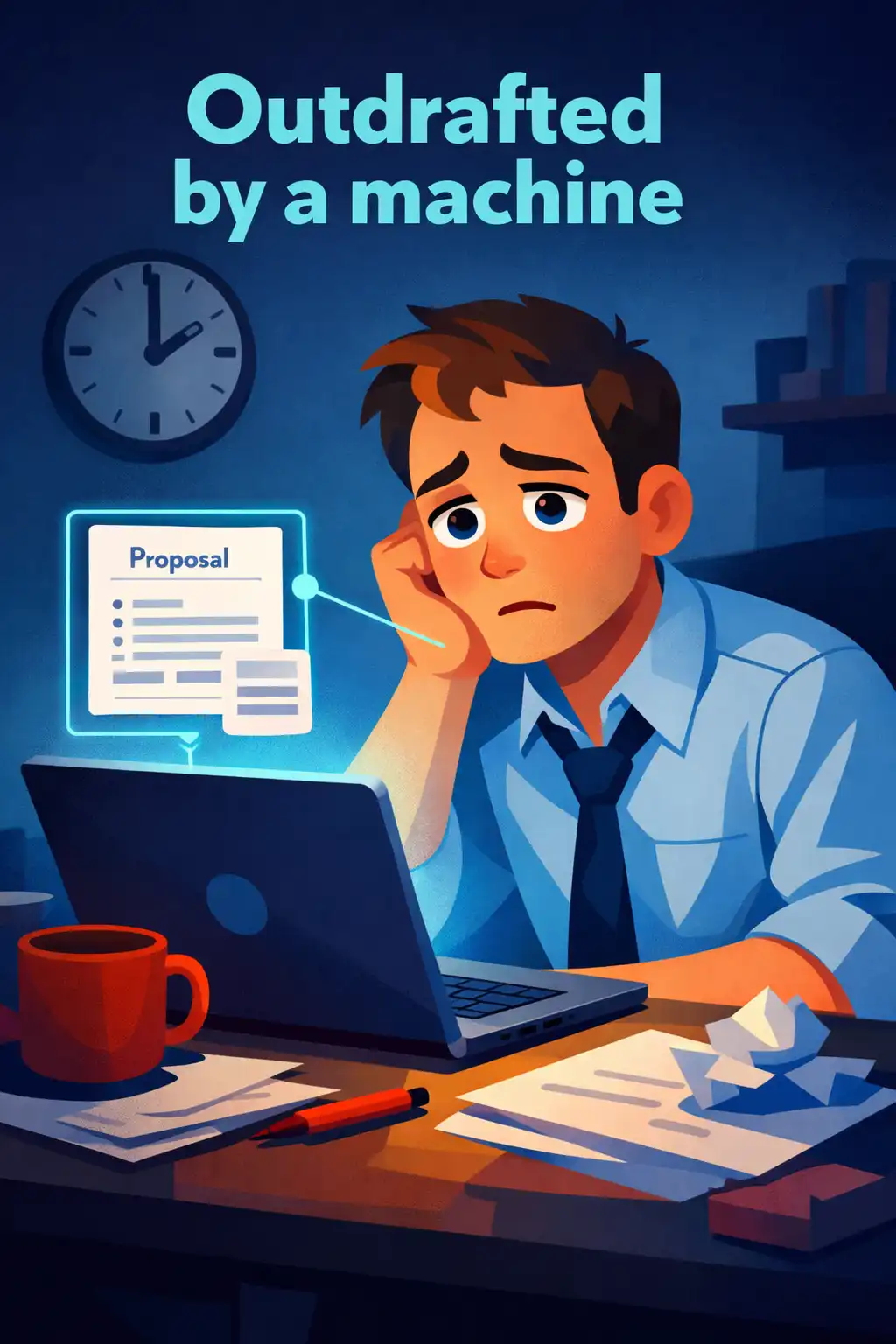
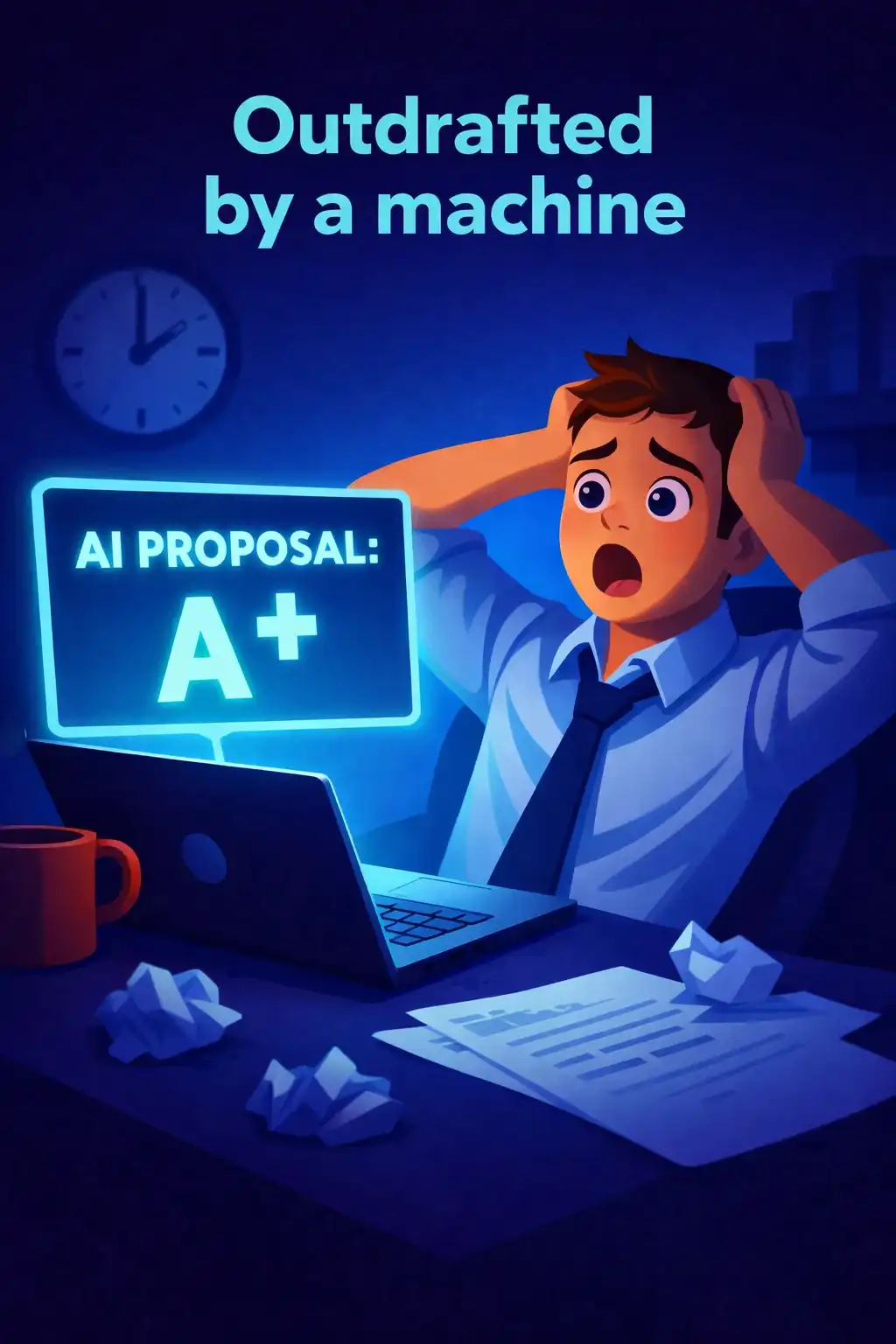
It's 2 a.m., and Ethan is staring at an AI-written client proposal that's somehow better than his own. He's starting to wonder if his consulting firm even has a future.

One-sentence summary

In The Coming Wave, Mustafa Suleyman explains how AI and synthetic biology are about to reshape everything, and why keeping them under control may be the defining challenge of our lifetime.

Reading about The Coming Wave is one thing.

Watching it is faster, more fun, and you'll actually remember it.

Open in app

Lesson 1: A wave you can't ignore

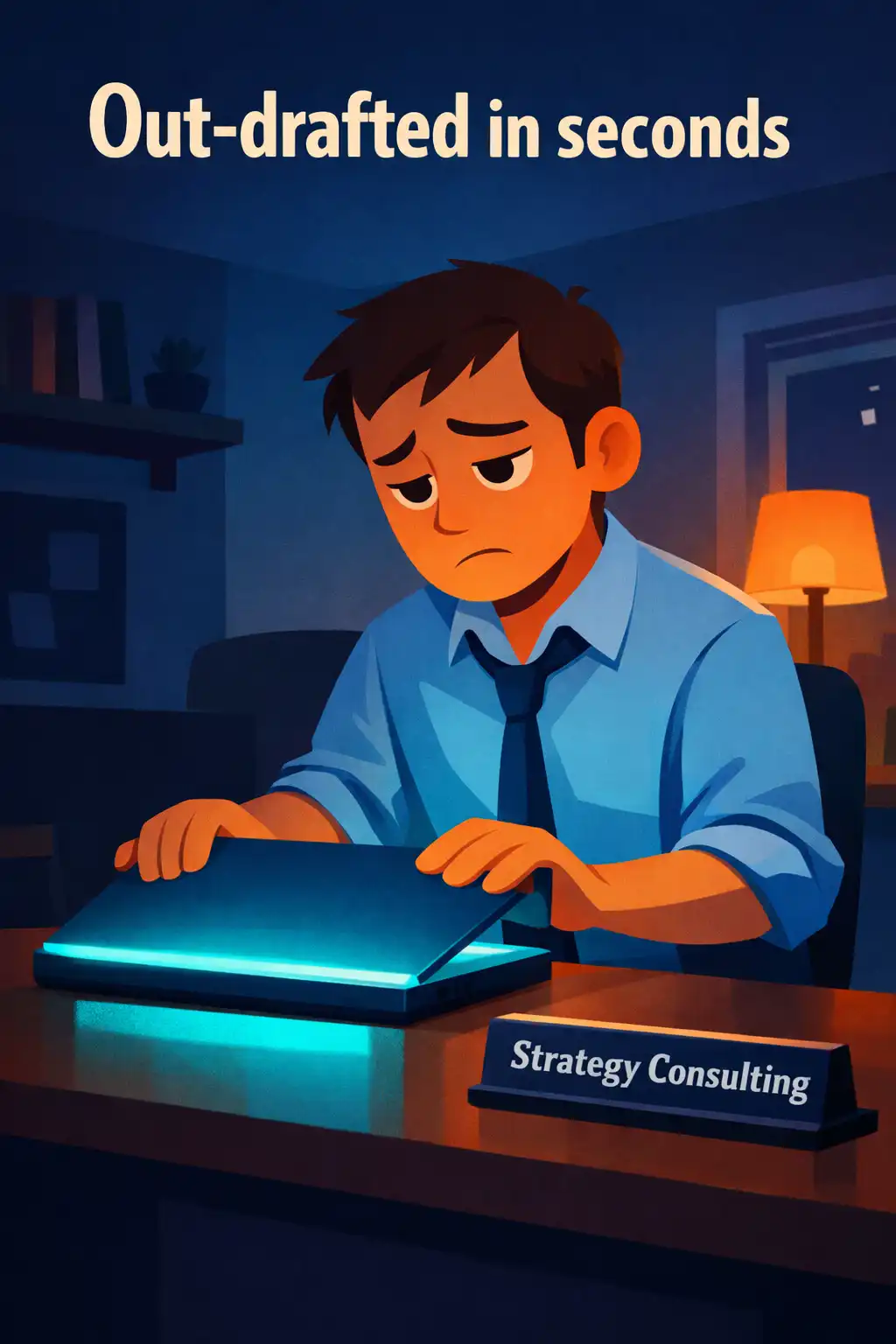
Ethan closes his laptop, rattled. He runs a small strategy consulting firm, and an AI just out-drafted him in a matter of seconds.

He can feel the ground shifting. Clients keep asking about AI tools, and competitors are already quietly using them to undercut his prices.

Mustafa Suleyman, who co-founded the AI lab DeepMind, would recognize Ethan's unease instantly. He calls this cluster of breakthroughs "the coming wave."

And it's not just one flashy gadget. It's artificial intelligence and synthetic biology rising together, powerful enough to cure diseases or trigger real disasters.

Suleyman warns of a dilemma. Embracing these tools is risky, but ignoring them is just as risky, because societies that stand still get left behind.

Ethan realizes pretending nothing has changed won't protect him. So he decides to really understand this wave before it decides his firm's fate for him.
Lesson 2: Technology always spreads

The next morning on his commute, Ethan spots ads for three new AI writing tools. Just last month, he'd barely heard of any of them.

Suleyman says this is exactly how technology behaves. Think of cars. Karl Benz built a single Motorwagen in 1886. Today, 1.4 billion engines roar across the world.

The printing press followed the same pattern. One machine in 1440 grew to a thousand across Europe within fifty years, reshaping religion and science along the way.

Suleyman calls these surges "waves." Each one gets cheaper, easier to use, and eventually reaches almost everyone, whether leaders approve or not.

Ethan stops hoping AI will stay niche. Instead, he starts tracking which tools his clients are already using. Proliferation, he accepts, is just inevitable.

Lesson 3: The containment problem

A client asks Ethan whether AI tools can simply be put back in the box. He wants to say yes, but honestly, he hesitates.

Suleyman calls this "the containment problem." Can we meaningfully control powerful technologies, or do they always slip past their creators' intentions?

History isn't encouraging. The Ottoman Empire held back the printing press for nearly three centuries, then finally gave up. The Luddites smashed industrial looms and changed nothing.

Even nuclear weapons, the closest thing we have to a contained technology, rely on treaties, enormous costs, and frankly, sheer luck during some terrifying Cold War near-misses.

So Ethan tells his client the truth. You can't ban the wave. You can only build smart guardrails around how your business chooses to use it.

Lesson 4: Intelligence becomes general

Curious now, Ethan tests out a large language model. He asks it to analyze a messy industry report, and it nails the summary on the first try.

Then he asks it to draft code, write a sales pitch, and plan a marketing campaign. Same system, completely different tasks, all handled competently.

Suleyman describes this leap through AlphaGo, DeepMind's program that beat world champion Lee Sedol at Go, a game far more complex than chess.

One move, known as Move 37, baffled the commentators. It looked wrong, but it won the game. The machine had uncovered strategies humans had missed across thousands of years of play.

Suleyman calls the next step "artificial capable intelligence," systems that pursue messy real-world goals with very little supervision. Ethan starts to see his own workflow being quietly rewritten.

Lesson 5: Biology joins the wave

Over coffee, Ethan's friend, a biotech founder, shows him a desktop DNA synthesizer. Its price has dropped like a smartphone over the last ten years.

Suleyman explains that gene sequencing costs have fallen from a billion dollars to under a thousand. That's a millionfold drop, faster than computing ever moved.

Tools like CRISPR now let scientists edit DNA almost like text. And DeepMind's AlphaFold cracked protein folding, unlocking 200 million protein structures for researchers worldwide.

Ethan realizes his consulting work won't just be reshaped by AI. His healthcare and agriculture clients will be remade by engineered biology, too.

Lesson 6: Four features that change everything

A client in logistics asks Ethan why this wave feels so different from past tech shifts. He pulls out the four traits Suleyman identifies.

First, asymmetry. In Ukraine, volunteers used cheap drones and AI targeting to halt Russian armored columns, rivaling expensive missiles at a tiny fraction of the cost.

Second, hyper-evolution. These tools improve at near-digital speed, far faster than regulators, boards, or even thoughtful managers like Ethan can adapt.

Third, omni-use. A single AI system can handle thousands of tasks, helpful and harmful alike. Fourth, autonomy. Systems are increasingly acting without direct human oversight.

Ethan uses these four lenses to audit every new tool his firm adopts. Suddenly, risk assessment stops feeling abstract and becomes genuinely practical.

Lesson 7: Incentives drive the wave

Ethan wonders why no one hits pause. At a conference, he hears researchers, investors, and government officials all racing in the same direction.

Suleyman lists the engines driving it. Geopolitical rivalry pushes nations forward, the way Sputnik once shocked America, and AlphaGo shocked China into massive AI investment.

Open research culture spreads breakthroughs instantly on platforms like GitHub. Trillions in potential profit beckon. And real human needs, from climate change to aging, demand new tools.

On top of all that, plain ego drives founders to be first, whatever the consequences. Ethan stops expecting someone, somewhere, to simply stop the wave for him.

Lesson 8: Fragile states, fragile systems

A ransomware attack freezes one of Ethan's clients for three straight days. He thinks back to Suleyman's warning about WannaCry, the attack that paralyzed Britain's health service.

WannaCry spread to 150 countries in a single day. It was built from a leaked American cyberweapon, and stopped almost by accident by one young hacker.

Suleyman warns that future attacks will use AI that learns and adapts in real time. Deepfakes will flood elections. And lab leaks could unleash engineered pandemics.

Meanwhile, nation-states are already strained, trust is collapsing, and institutions are struggling to keep up. So Ethan invests in real cybersecurity, backup systems, and training his staff to verify information.

Lesson 9: Power concentrates and fragments

Ethan notices two trends happening at once. His biggest clients are merging into giants, while tiny startups armed with open-source AI are eating up specialist niches.

Suleyman says the wave pulls power in opposite directions. A handful of mega-corporations will dwarf entire nation-states, compounding their advantages through superior intelligence systems.

At the same time, cheap solar, open-source models, and accessible biotech let small groups operate independently, almost like parallel mini-states outside traditional control.

So Ethan repositions his firm. He helps midsized clients navigate between the dominant platforms above and the agile upstarts below, instead of pretending the old middle ground still exists.

Lesson 10: The narrow path of containment

Ethan's team asks the hard question. If total control means a surveillance dystopia, and no control means catastrophe, what should they actually do?

Suleyman offers ten overlapping steps. Build technical safety into systems. Audit them independently. Use choke points, like advanced chips, to buy society more time.

Stay close to the technology instead of shouting from the outside. Rethink business models so that safety becomes a legal duty, not an optional extra.

Push governments to hire real technical talent and license powerful systems. Form international alliances. And build safety cultures, like aviation did, that share every failure openly.

Grow popular movements that demand accountability, and weave it all together into one coherent path between catastrophe on one side and authoritarian overreach on the other.

Ethan adopts this mindset inside his own firm. He shapes technology rather than resisting it, remembering Suleyman's lesson from the Luddites. That, he decides, is worth fighting for.

You've read the summary. Now watch it.

The animated version covers the same ideas — faster, and in a format you'll actually remember.

Next summary