










How To Win Friends and Influence People cover

How To Win Friends and Influence People Summary: 10 best lessons in 10 mins

10 min readDale Carnegie's book, summarized

Topics will appear here once mapped for this book.

One-sentence summary

How To Win Friends and Influence People by Dale Carnegie is a timeless guide to handling people, building real connections, and gently changing minds.

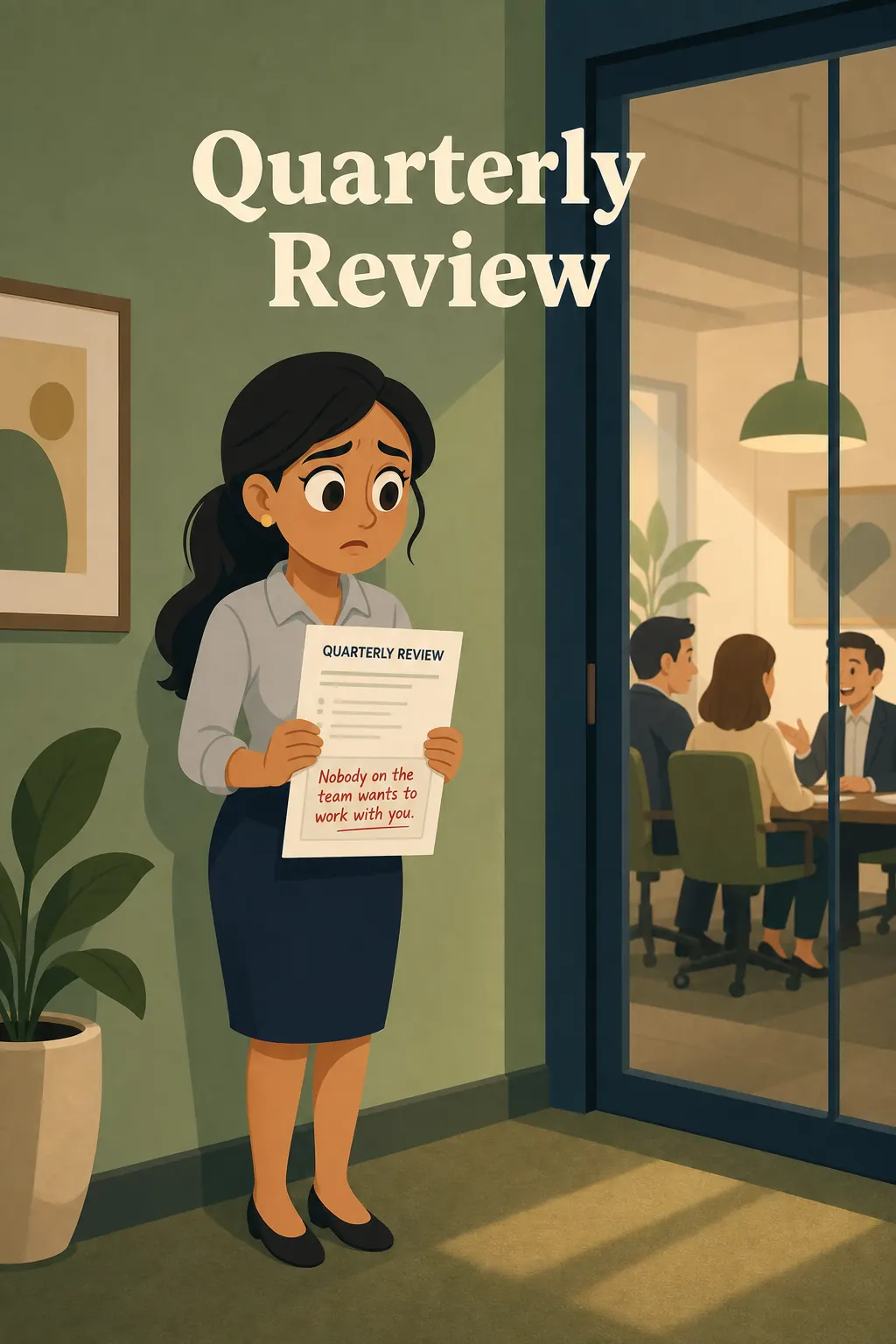
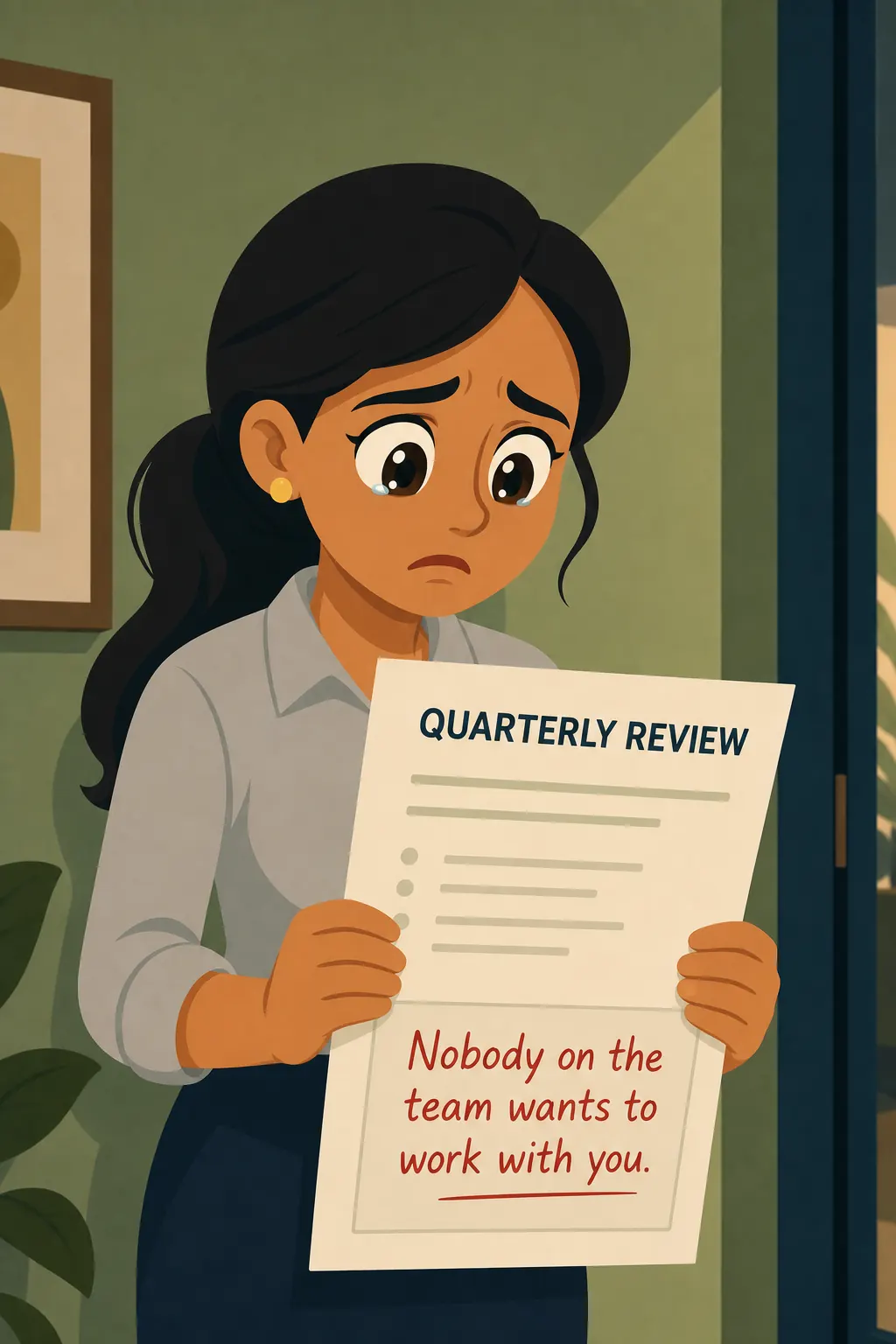
Ashley stands frozen outside the conference room, holding her quarterly review. Her boss wrote one brutal sentence at the bottom. Nobody on the team wants to work with you.

(Continued below)

Reading about How To Win Friends and Influence People is one thing.

Watching it is faster, more fun, and you'll actually remember it.

Open in app

Lesson 1: Why people skills decide everything

Meet Ashley. She's a brilliant marketing analyst at a Denver software company, but her review just confirmed what she'd been dreading for months.

She knows her spreadsheets cold. She hits every deadline. And yet, teammates avoid her in the hallway and quietly skip her brainstorm invites.

Back in 1936, Dale Carnegie noticed this exact problem while teaching public speaking classes to business professionals in New York City.

His students were technically skilled, but they kept failing at the human side of work. So Carnegie went looking for a handbook to recommend, and he found nothing.

So he wrote one himself, drawing on interviews with leaders like Edison and Rockefeller and fifteen years of classroom testing.

Research backed him up. Carnegie Foundation studies found that roughly 85 percent of financial success comes from people skills, not technical expertise.


Lesson 2: Don't criticize, condemn, or complain

The next morning, Ashley opens her laptop to find a teammate named Raj has uploaded a report with three obvious errors in the numbers.

Her usual move would be a sharp email copying their manager. Instead, she pauses, and remembers what she read the night before.

Carnegie points out that even hardened criminals like Al Capone never blamed themselves. Criticism just makes people defensive and resentful. It never makes them reflective.

He tells the story of Lincoln writing a furious letter to General Meade after Gettysburg, then quietly filing it away, unsent.

Lincoln realized that blasting Meade wouldn't undo the mistake. It would only create an enemy and harden the general's pride.

So Ashley deletes her draft email. She walks over to Raj's desk, asks how he built the analysis, and helps him spot the errors himself.

Lesson 3: Give honest, sincere appreciation

A week later, Ashley's designer, Priya, quietly delivers gorgeous slides for a big client pitch, then slips back to her desk without a word.

Old Ashley would have just nodded and moved on. New Ashley remembers Carnegie's chapter on the deep human hunger to feel important.

Carnegie tells how steel executive Charles Schwab earned a million-dollar salary largely because he showered his workers with sincere, specific praise.

But Carnegie warns sharply against flattery. Flattery is selfish and obvious. Real appreciation means actually noticing something true, and saying so out loud.

So Ashley walks over and tells Priya exactly which design choice made the data finally feel clear, and why the client is going to love it.

Priya lights up, and offers to redesign two more decks Ashley has been struggling with. One small comment, a huge ripple.

Lesson 4: Arouse an eager want

Ashley needs the engineering team to prioritize a tracking feature for her campaign, but their lead, Marcus, keeps brushing her requests aside.

She's been pitching it her way, explaining why marketing needs the data. Carnegie would say that's exactly the wrong approach.

Carnegie compares it to fishing. You don't bait a hook with strawberries just because you happen to like strawberries. You use what the fish wants.

He shows how a job seeker named Barbara Anderson landed eleven interviews out of twelve banks by writing about what she could give, not what she wanted to get.

So Ashley rethinks her pitch. What does Marcus actually want? Cleaner code. Fewer last-minute fire drills. Recognition from leadership.

She rewrites her request to show how the tracking feature would let engineering ship updates without marketing constantly interrupting them for manual reports.

Lesson 5: Become genuinely interested in others

At Friday's team lunch, Ashley realizes she barely knows her coworkers beyond their job titles. So she decides to actually pay attention today.

Carnegie says the best teacher of friendship is a dog. Dogs offer pure, uncomplicated interest in you, and almost everyone loves them back.

He shares how Theodore Roosevelt charmed even the White House staff by remembering their names, asking about their kids, and asking real questions.

Ashley asks Priya about her weekend pottery class, then asks Raj about the hiking trip he mentioned weeks ago, the one Ashley had forgotten about until just now.

She doesn't perform interest. She actually gets curious, follows up with more questions, and notes details to bring up next week.

Carnegie adds two more small habits. Smile genuinely, because warmth travels even through a phone line. And always use people's names.

Lesson 6: You can't win an argument

In a strategy meeting, a senior colleague named Derek claims a competitor's launch failed for reasons Ashley knows are flat-out wrong.

Her instinct is to correct him publicly, with the data. But she remembers Carnegie's blunt warning. You cannot win an argument.

Even if you crush someone with logic, you wound their pride. And a person convinced against their will keeps their original opinion anyway.

Carnegie tells how Ben Franklin retrained himself to swap dogmatic statements for softer phrases like, I imagine, or, it appears to me.

So instead of attacking, Ashley says, I may be reading this wrong. Could we look at the numbers together after lunch?

Derek agrees easily. In private, with no audience to defend himself in front of, he studies the data, sees the gap, and quietly revises his view.

Lesson 7: Admit mistakes and start friendly

Two weeks later, Ashley misses a key data point in a client report, and the account manager, Tanya, marches over to her desk visibly furious.

Before Tanya can say a word, Ashley jumps in. I dropped the ball on this. I should have double-checked. I'm really sorry.

Carnegie tells how he once walked his dog illegally in a park, and beat the officer to the punch by fully confessing before being scolded.

The officer, with nothing left to scold, ended up being kind. When you criticize yourself first, the other person almost has to defend you.

Tanya's anger deflates instantly. She helps Ashley draft a correction email, and even offers to brief the client herself.

Carnegie adds that you should always begin in a friendly way, like Aesop's sun gently coaxing the coat off the traveler.

Lesson 8: Get to yes and let them talk

Ashley now wants to pitch a bold new campaign strategy to her skeptical director, Linda, who has already rejected two of her ideas this quarter.

Instead of leading with her proposal, Ashley starts by asking questions Linda will naturally say yes to. Questions about shared goals, shared concerns.

Carnegie calls this the Socratic method. Once someone says no, pride locks them in. A string of small yeses keeps them open.

Then Ashley does something harder. She stops talking. She asks Linda what she would want a new campaign to actually accomplish, and then she just listens.

Carnegie shares how a salesman who lost his voice closed a huge deal, because the client basically ended up making the case for him.

Linda talks for twenty minutes, and her ideas overlap heavily with Ashley's plan. So Ashley just shapes her pitch around Linda's own words.

Lesson 9: See it from their side

An intern named Jamal misses a deadline, and Ashley feels her old frustration rising. She catches herself, and asks why he might have struggled.

Carnegie calls this the single most valuable habit in the whole book. Always honestly try to see things from the other person's point of view.

He adds another principle. Be sympathetic. Saying, if I were in your shoes, I'd feel exactly the same way, disarms almost anyone.

So Ashley asks Jamal what got in the way. He admits he didn't understand the brief, but was too nervous to ask for help.

Instead of lecturing, Ashley says, I felt exactly that way my first year here. Let's walk through it together right now.

Jamal relaxes, finishes the work that afternoon, and becomes one of Ashley's most loyal collaborators over the following months.

Lesson 10: Lead with praise and encouragement

Six months later, Ashley is promoted to team lead. Her first challenge is coaching a talented but sloppy new analyst named Chris.

She remembers Carnegie's leadership principles. Begin with honest praise. Mention your own mistakes first. Ask questions instead of giving orders.

She tells Chris his analytical instincts are sharp, shares a story of her own early formatting disasters, then asks how they could improve quality checks together.

Chris suggests his own system. Carnegie notes that people support what they help create, and sure enough, Chris's error rate drops within two weeks.

When Chris slips up later, Ashley gives him a reputation to live up to, calling him the most detail-oriented analyst she's hired this year.

Carnegie shows how this transformed everyone from struggling students to opera singers. People rise to match the good name you give them.

You've read the summary. Now watch it.

The animated version covers the same ideas — faster, and in a format you'll actually remember.