






Zero to One cover

Book summary: Zero to One by Peter Thiel

10 min read9 key lessonsText + animated summary

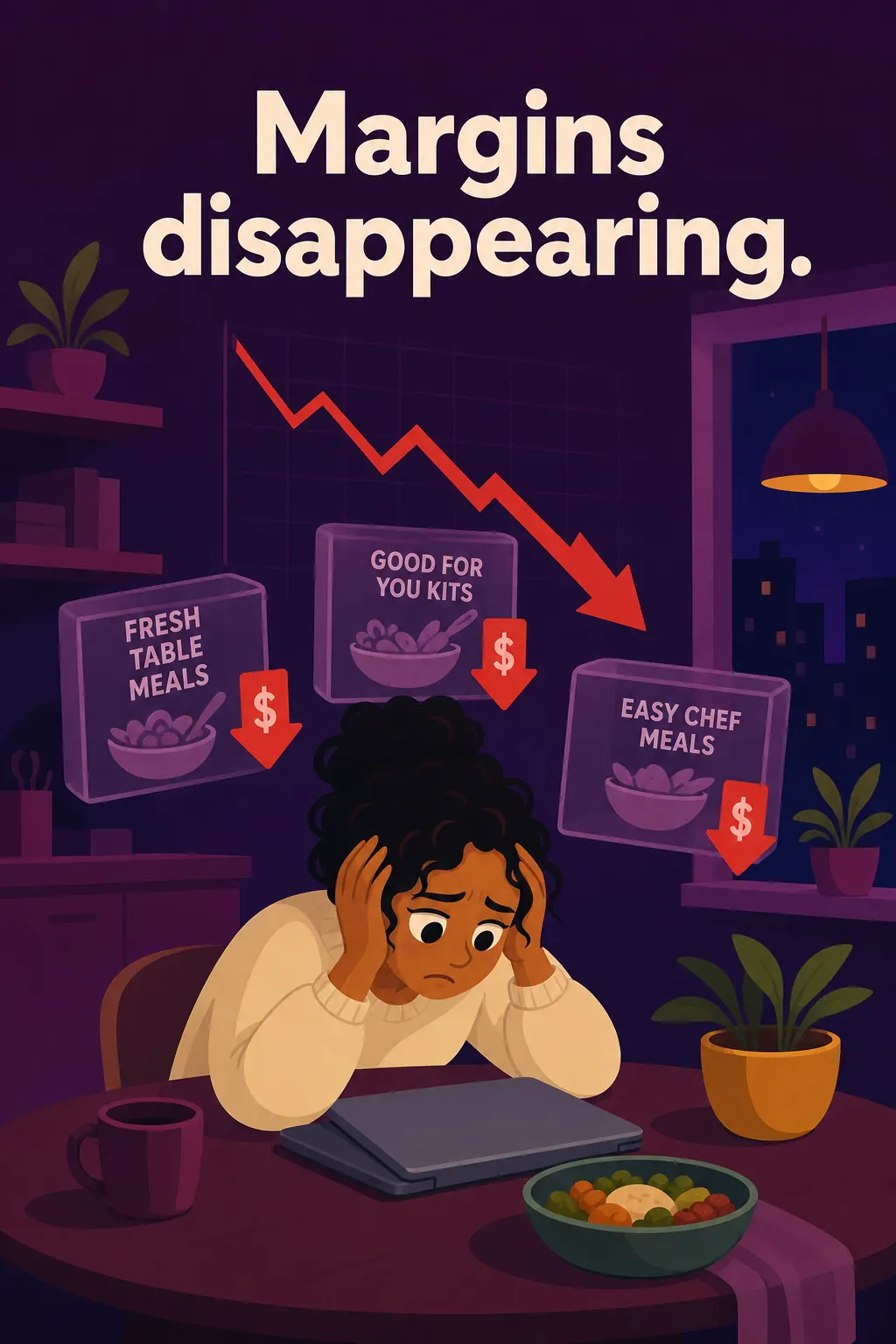
It's 2am, and Maya is staring at her laptop, watching her meal-kit startup bleed cash. Three nearly identical competitors are slashing prices in the same crowded market, and she has no idea how to break out.

One-sentence summary

Zero to One by Peter Thiel is about building genuinely new things instead of copying what already exists. It's a guide to creating businesses that actually last.

Reading about Zero to One is one thing.

Watching it is faster, more fun, and you'll actually remember it.

Open in app

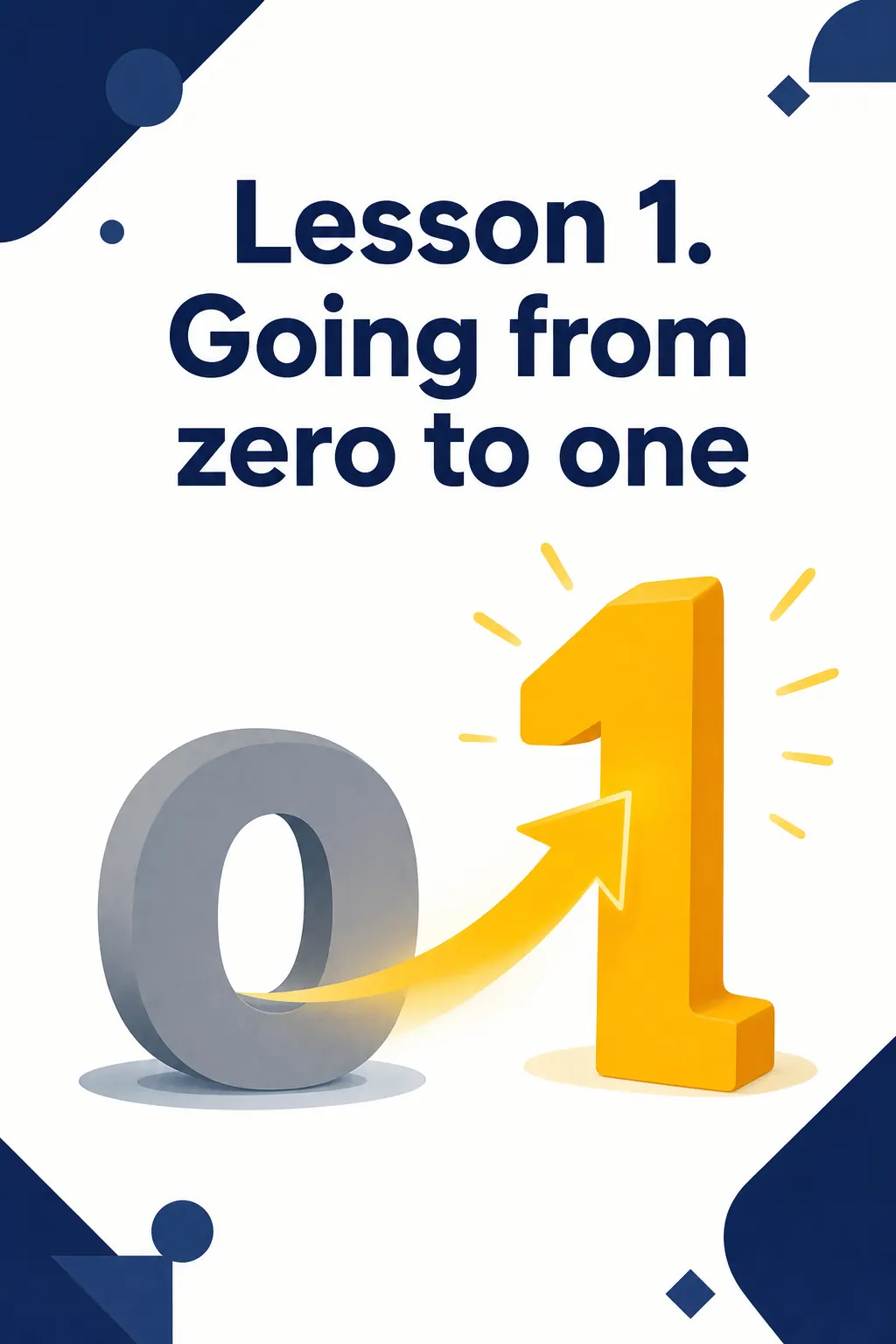
Lesson 1: Going from zero to one

Maya closes her laptop, exhausted. Her meal-kit company is essentially a copy of bigger ones, and the price war is destroying her margins.

Desperate for ideas, she starts reading about Peter Thiel, the investor who co-founded PayPal and Palantir and was the first outside investor in Facebook.

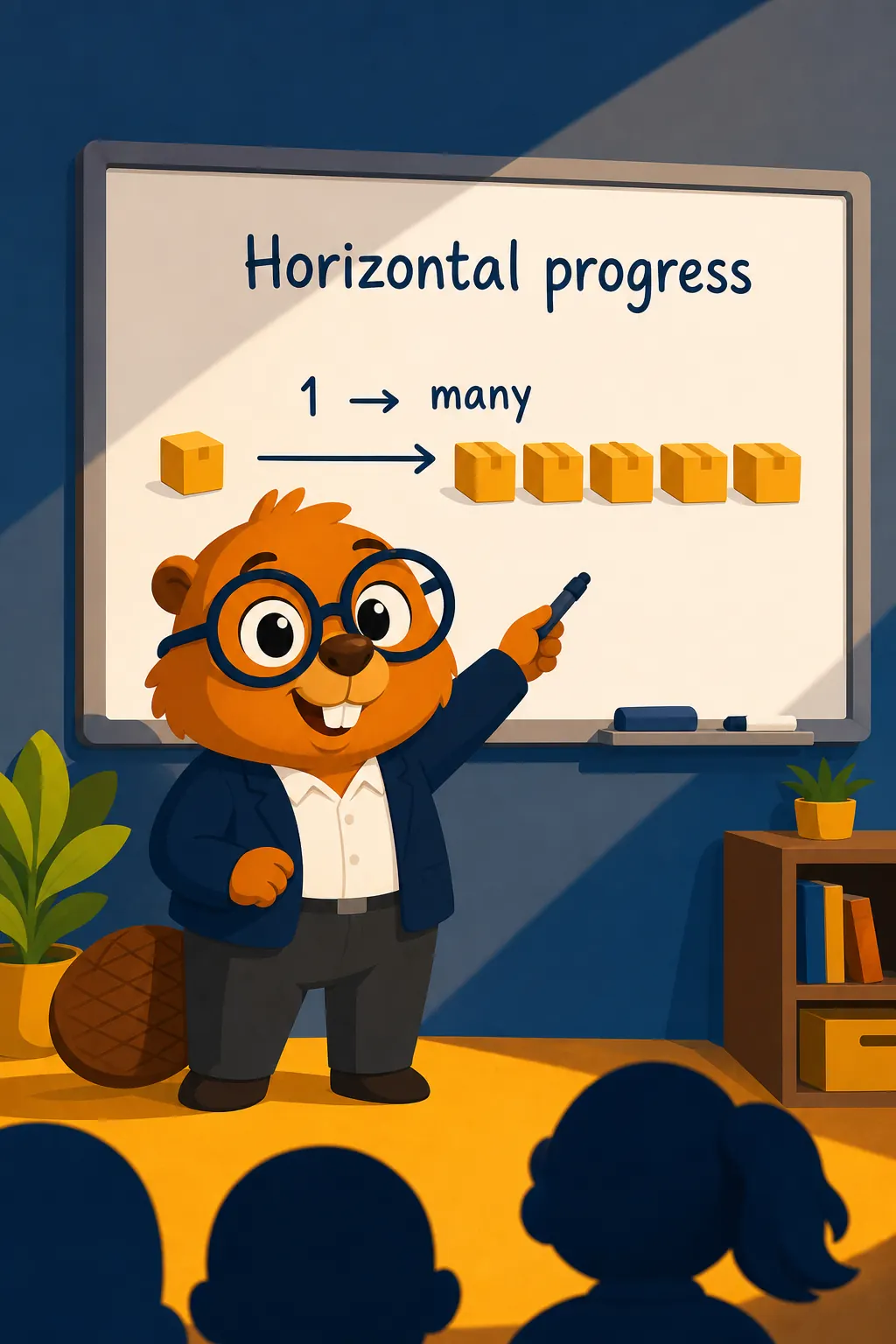
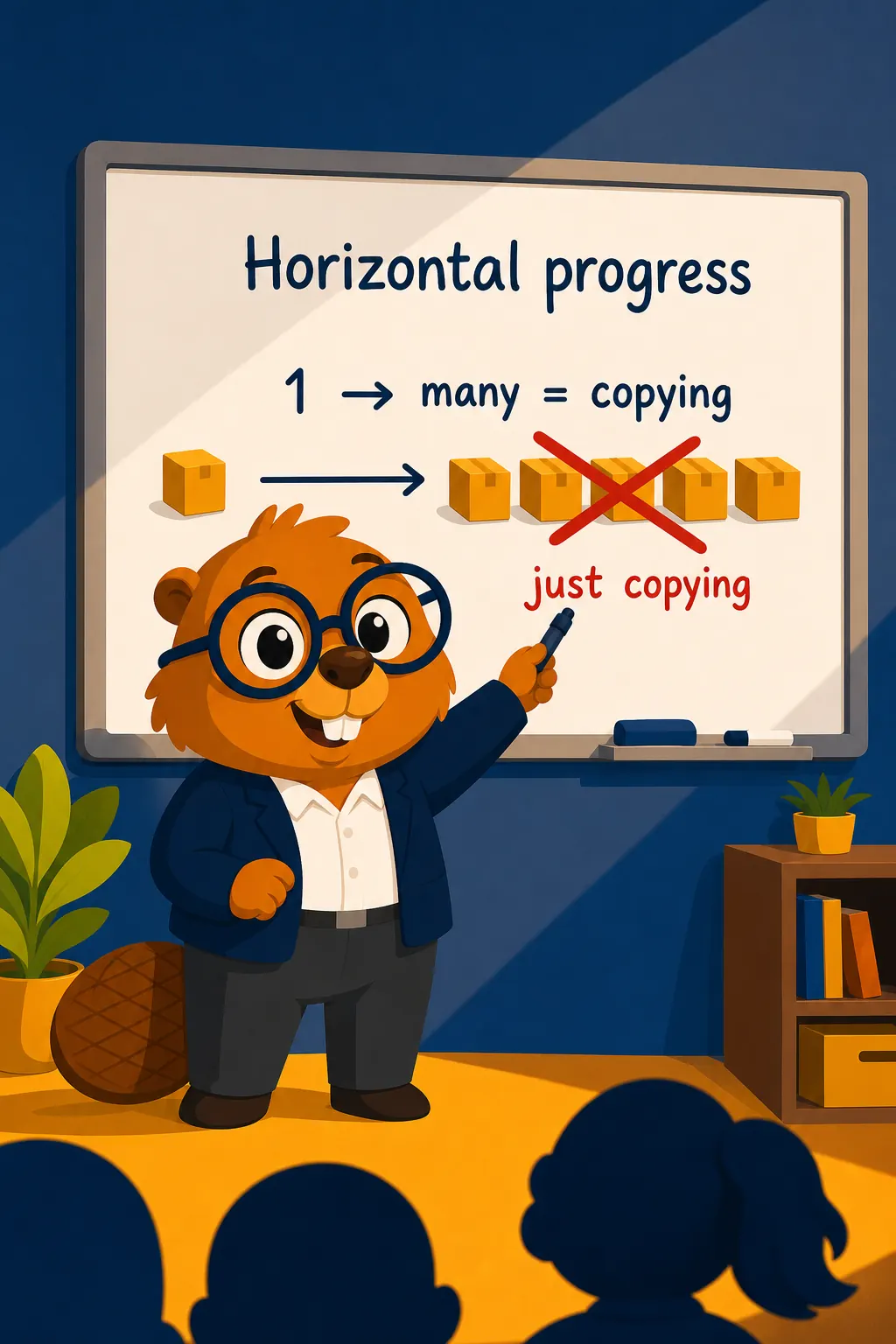
Thiel argues that copying what already works just spreads existing ideas further. He calls that horizontal progress, like going from one to many.

Real breakthroughs, he says, go from zero to one. That means inventing something genuinely new, not just adding another version of what already exists.

Maya realizes her business is stuck at one to many. She's selling the same boxed dinners as everyone else, just with slightly nicer packaging.

Thiel argues that startups are perfect for zero-to-one work. They're small enough to think freely, but big enough to actually build something.

Lesson 2: Question what everyone believes

The next morning, Maya reads about the dot-com crash of 2000, when investors poured billions into internet companies that had no real plan to make a profit.

After the crash, founders adopted four supposed lessons. Take small steps. Stay flexible. Copy existing products. And ignore sales work.

Thiel says these became dogma, and the opposite is closer to the truth. Make bold bets. Have real plans. Avoid direct competition. And take selling seriously.

Maya recognizes herself in the conventional wisdom. She'd been told to iterate slowly, dodge big visions, and just out-tweak her competitors on the margins.

She lists what everyone in meal kits believes. Faster delivery wins. Cheaper ingredients win. More variety wins. Everyone is chasing the same things.

Then she asks what's actually true. Maybe customers don't want endless choices at all. Maybe they want one perfect weekly dinner they can genuinely trust.

Lesson 3: Competition is for losers

Maya checks her bank balance and winces. She's stuck in a race to the bottom with rivals offering nearly identical boxes at nearly identical prices.

Thiel makes a sharp distinction. Perfect competition erodes profits. Monopolies, meaning companies so good that no one comes close, capture lasting value.

He uses Google as an example. It dominates search, so it can pay workers well, think long-term, and pursue ambitious side projects most companies never could.

Airlines, by contrast, create huge value for travelers but earn pennies per passenger, because they're locked in brutal competition with each other.

Maya sees it now. She's been the airline, not Google. Every dollar of margin gets squeezed out by the next competitor's discount the following week.

Thiel adds that competition isn't just unprofitable. It's psychologically destructive, forcing companies to cut corners and obsess over rivals instead of focusing on customers.

Lesson 4: Build a lasting monopoly

Maya wants to build something defensible. Thiel lists four traits strong monopolies share. Proprietary technology. Network effects. Economies of scale. And real branding.

He says your product needs to be at least ten times better than the alternatives. Small improvements just get drowned out by everything else competing for attention.

He also warns founders to start small. Amazon began with books. eBay began with collectors. Both dominated tiny niches before expanding outward methodically.

Maya had been targeting busy families everywhere, a huge market. Thiel calls that dangerous, because giant markets invite endless competitors and brutal price pressure.

So she narrows her focus to one specific group. Home cooks with serious food allergies, who currently can't trust mainstream meal kits at all.

It's a small slice of the market. But it's one she could genuinely own, with rigorous sourcing and real expertise that bigger players wouldn't bother building.

Lesson 5: Plan the future deliberately

Maya's advisor tells her to just iterate and let the market decide. Thiel calls this indefinite optimism, hoping things improve without any concrete plan to make them improve.

He contrasts that with definite optimists, who shaped the West for centuries by building bold things like the Apollo program and the interstate highway system.

Steve Jobs, Thiel says, didn't just design beautiful gadgets. His real masterpiece was a multi-year business plan he stuck with through every distraction and setback.

When Yahoo offered to buy Facebook for a billion dollars, Mark Zuckerberg refused almost instantly, because he could already see exactly where he was headed.

Maya had been treating her company like a lottery ticket, hoping randomness would reward her eventually. Thiel pushes her instead to write an actual ten-year plan.

She maps out what her allergy-focused brand should look like in three years, five years, and ten years, with specific milestones for each phase along the way.

Lesson 6: The power law matters

Maya is deciding where to spend her limited time. Should she try ten marketing channels at once, or commit fully to just one and go deep?

Thiel introduces the power law. A small number of efforts produce most of the results. Spreading thin usually means missing the one thing that actually matters.

He points out that at his fund, Founders Fund, Facebook alone returned more than every other investment combined. Palantir came second and still beat all the rest.

The lesson applies beyond investing. Entrepreneurs invest their time into one company, so picking the right market and channel matters more than working harder everywhere.

Maya audits her efforts. She's been spread across Instagram, TikTok, Google Ads, podcast sponsorships, and farmers markets. None of them are really working well.

She drops everything except one channel. Partnerships with allergists, who can recommend her kits directly to patients who actually need a trustworthy option.

Lesson 7: Look for hidden secrets

Maya wonders what other obvious things she's been missing. Thiel says every great company is built on a secret that almost nobody else has noticed yet.

Most people stop looking, he says, because they assume all the easy discoveries are already taken. Thiel calls this a quiet, widespread loss of curiosity.

But Airbnb and Uber were built on secrets hiding in plain sight. Unused spare rooms and idle cars that everyone walked past for years without thinking twice.

Thiel splits secrets into two kinds. Some come from studying nature. Others come from studying people, things they won't admit to themselves or simply haven't noticed.

Maya digs into customer interviews. She finds parents quietly terrified of accidentally feeding their kids allergens, and embarrassed about constantly grilling restaurants with questions.

That fear is her secret. Competitors talk about convenience and freshness. Nobody is openly addressing the daily anxiety driving allergy families toward her product.

Lesson 8: Foundations and team culture

Maya is growing fast and needs to bring on a co-founder and her first hires. Thiel calls these early decisions the foundation, the part you can't fix later.

Choosing a co-founder, he says, is like marriage. Founder conflict destroys companies, so real history and genuine compatibility matter far more than complementary resumes do.

Maya picks someone she's worked closely with for years, not the impressive stranger who pitched her at a networking event last month over cocktails.

Thiel also warns against high cash salaries for early CEOs. They encourage protecting the status quo. Equity, by contrast, aligns everyone around long-term value creation.

On culture, Thiel rejects the beanbag-chair approach. A company doesn't have a culture, he says. It is one, defined by the mission its team genuinely shares.

He cites the PayPal alumni who later founded Tesla, LinkedIn, YouTube, and Yelp. Their bond came from real relationships and a clear mission, not from office perks.

Lesson 9: Build the future on purpose

Two years later, Maya's company is the trusted name for allergy-safe meals. She's profitable, focused, and building something her competitors genuinely can't easily copy.

Thiel ends the book with a choice. We can drift, hoping technology and progress arrive on their own, or we can deliberately create new things ourselves.

He says the future doesn't show up automatically. It depends on individuals thinking for themselves and refusing to settle for slightly improved versions of today.

Maya looks at her sticky note from two years ago. The question that once felt impossible now has a real answer she's actually living out every day.

Going from zero to one isn't about being a genius. It's about asking honest questions, finding hidden secrets, and committing fully to a definite plan.

Whatever you're building, start small enough to dominate, look for what others have missed, and refuse to compete in places where copying is the only path forward.

You've read the summary. Now watch it.

The animated version covers the same ideas — faster, and in a format you'll actually remember.

Next summary