
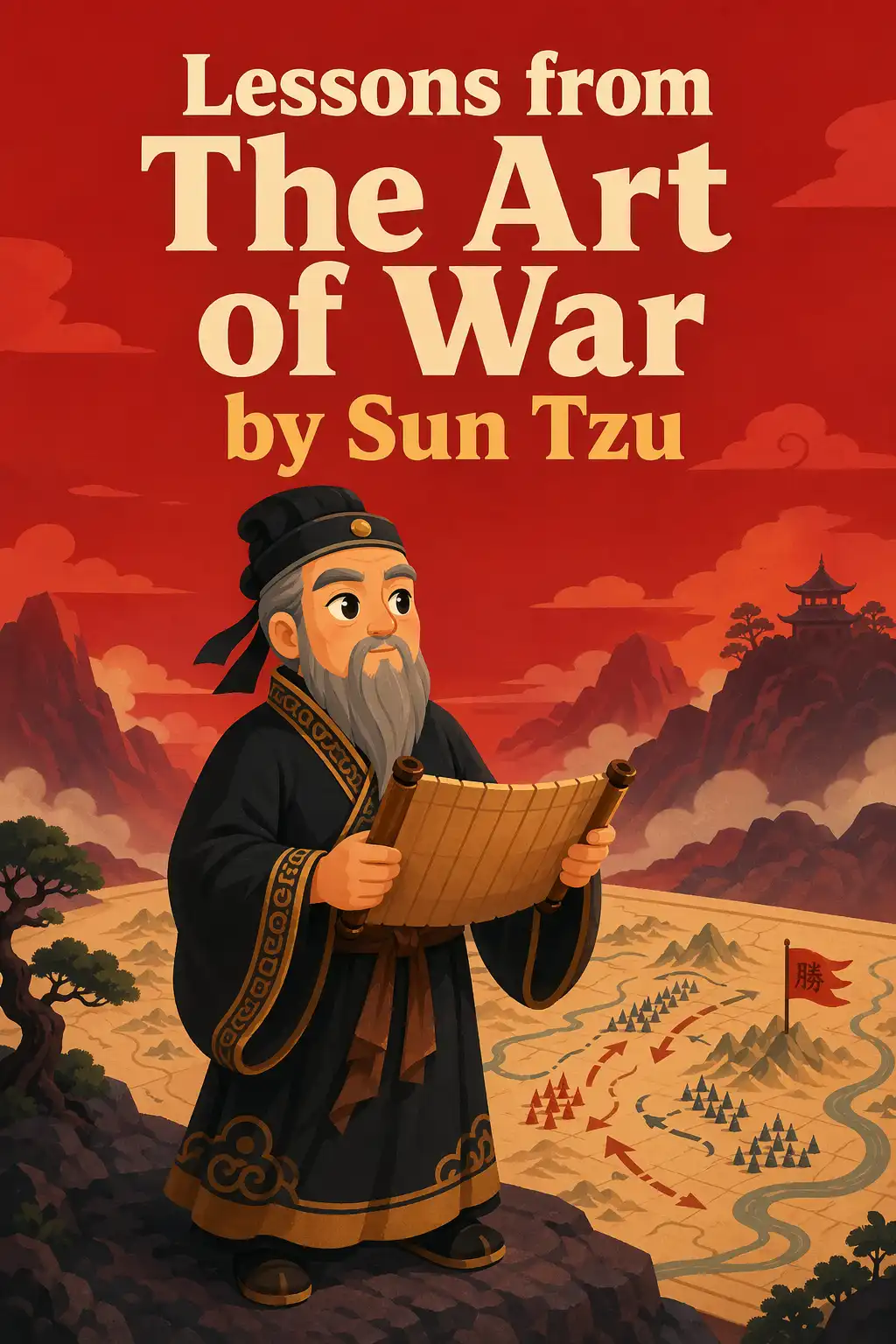





The Art of War cover

Book summary: The Art of War by Sun Tzu

10 min read11 key lessonsText + animated summary

Topics will appear here once mapped for this book.

Marcus stares at the quarterly numbers, watching his software startup bleed customers to a bigger rival. Payroll is due Friday, and he has no clear plan.

One-sentence summary

The Art of War by Sun Tzu is a 2,500-year-old Chinese military classic about winning conflicts through planning, deception, and knowing yourself and your opponent.

Reading about The Art of War is one thing.

Watching it is faster, more fun, and you'll actually remember it.

Open in app

Lesson 1: Treat competition seriously

So back to Marcus. His rival just poached three more clients this week, and he's been winging every decision on pure gut feeling.

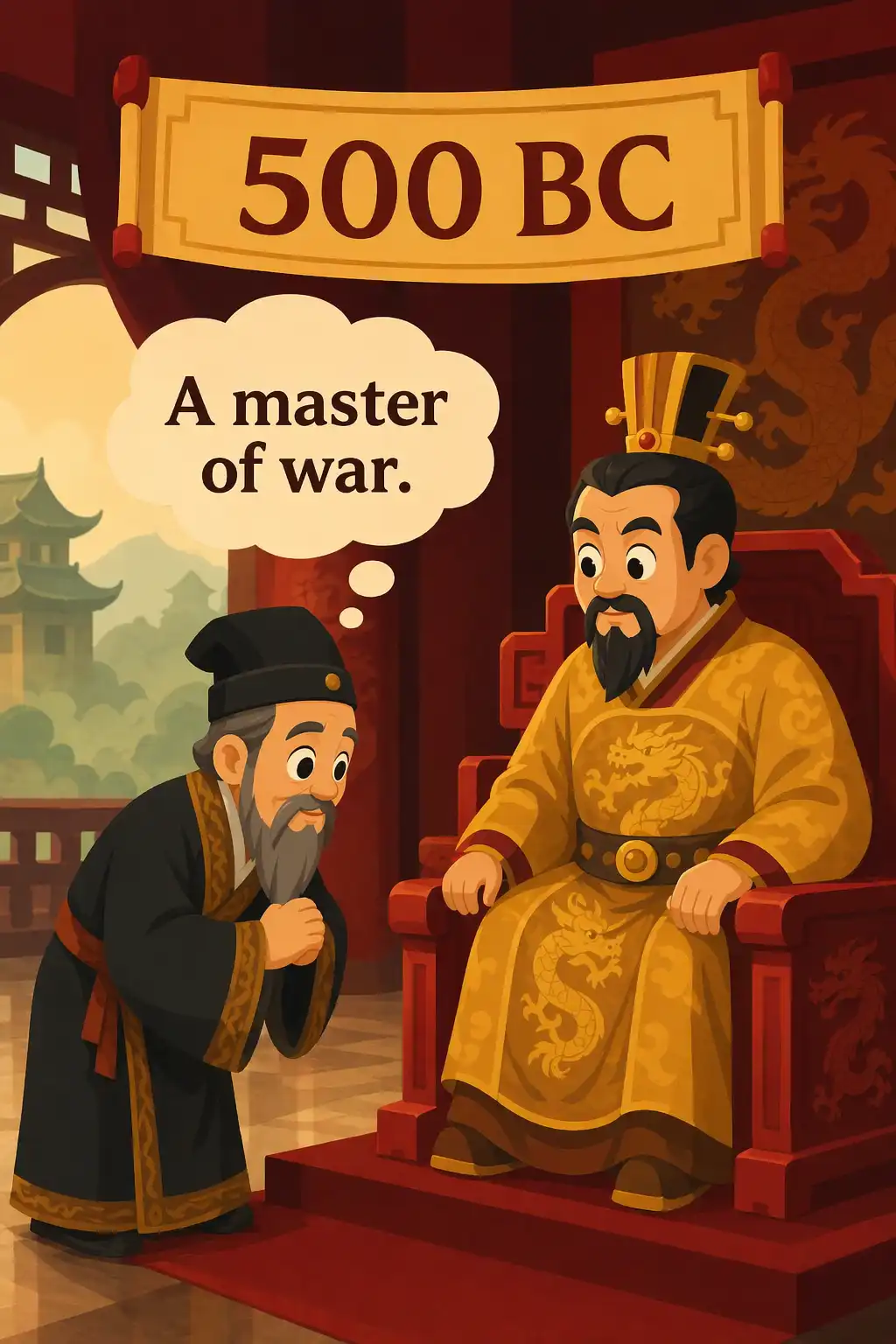
That's exactly the mistake Sun Tzu warns against. Sun Tzu was a Chinese general around 500 BC, serving King Ho Lu of Wu.

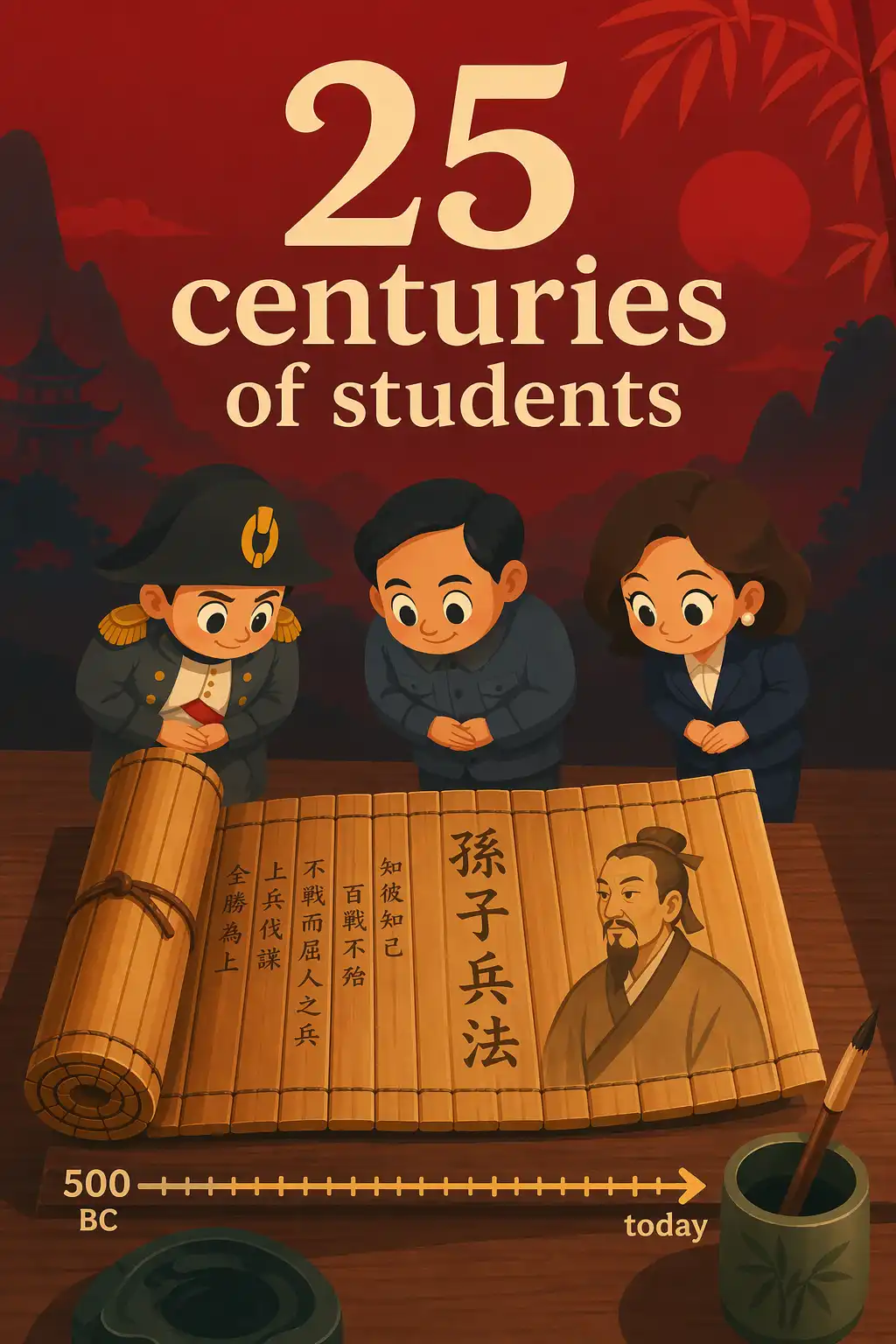
His name means Master Sun, and his book has guided Napoleon, Mao, and modern business strategists for roughly twenty-five centuries.

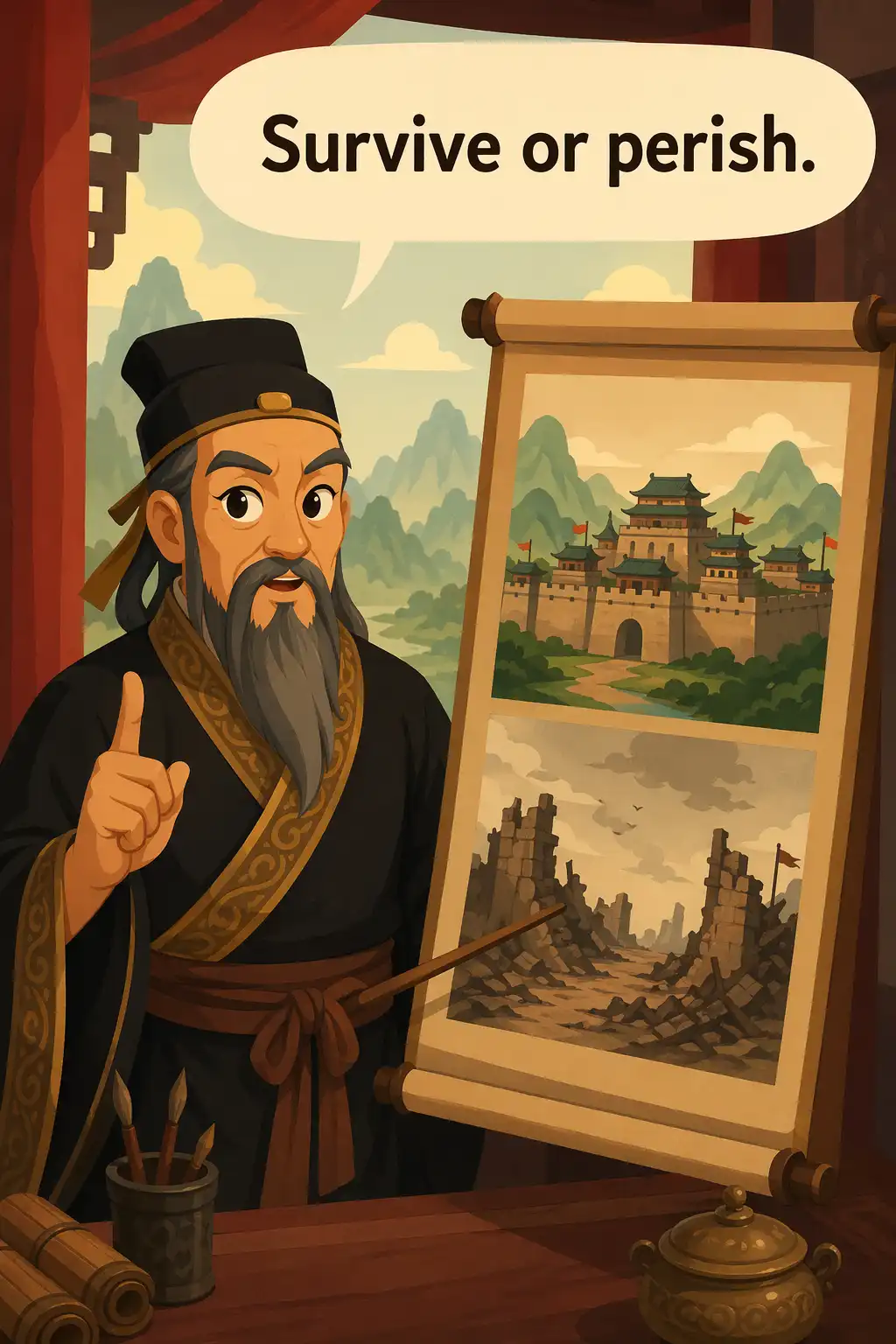
Sun Tzu opens by saying that war decides whether a state survives or dies, so it demands careful study, not casual improvisation.

Marcus realizes his business is the same. Every pricing choice and every hire affects survival, and he's been treating them like coin flips.

He closes his laptop, grabs a notebook, and decides that from tonight on, he'll actually think before he acts.


Lesson 2: Plan before you fight

The next morning, Marcus sits with his coffee and tries to honestly compare his startup to his rival, CloudPeak, point by point.

Sun Tzu says five factors decide any campaign: moral purpose, timing, terrain, leadership quality, and internal discipline.

He also recommends asking who has the stronger team, clearer rewards, tighter processes, and more committed people before engaging.

Marcus scores both companies honestly. CloudPeak has more money, but his team cares deeply, and his product is genuinely sharper.

Sun Tzu adds that all warfare is based on deception. Appear weak when strong, quiet when active, far away when actually close.

So Marcus decides to stop publicly announcing every feature. Let CloudPeak guess what's coming while he quietly prepares his real move.

Lesson 3: Don't drag things out

A month in, Marcus is tempted to launch a long, expensive marketing war to match CloudPeak's billboards and conference sponsorships.

But Sun Tzu warns that prolonged campaigns drain treasuries, exhaust soldiers, and invite other enemies to pounce on a weakened state.

No nation, he says, has ever benefited from a drawn-out war. Speed and decisive victory matter more than total destruction.

Marcus rethinks it. A year-long ad battle would burn his runway and still not dent CloudPeak's brand recognition.

Instead, he picks one sharp, focused campaign targeting customers already frustrated with CloudPeak's slow support, using their own weakness against them.

Lesson 4: Win without fighting

Marcus's advisor suggests a brutal price war to crush CloudPeak. Just undercut them everywhere until they bleed out.

But Sun Tzu teaches that the highest skill is breaking the enemy's plans without drawing a sword at all.

Winning a hundred battles isn't excellence. Excellence is capturing the whole prize intact, without ruining it through fighting.

So Marcus changes course. Instead of attacking CloudPeak directly, he partners with two smaller firms CloudPeak had been pressuring into acquisition.

Suddenly CloudPeak's expansion plan stalls, because the companies they wanted to buy now belong to Marcus's growing alliance.

Sun Tzu also says know your enemy and yourself, and you'll never lose. Marcus now studies CloudPeak's filings every single week.

Lesson 5: Make yourself unbeatable first

One Tuesday, a huge enterprise deal appears, and Marcus is tempted to stretch his small team to chase it immediately.

But Sun Tzu cautions that ancient warriors first made sure they couldn't be defeated, then waited for the chance to win.

You control your own defense, but the opening to strike depends entirely on the enemy's mistakes, not on your wishes.

So Marcus first shores up his existing customers, fixes reliability issues, and locks in long contracts so CloudPeak can't poach them back.

Only then does he pursue the big deal, from a stable base rather than a desperate scramble for growth.

Lesson 6: Combine direct and indirect

Marcus notices his sales team only uses one playbook. Cold calls, demos, close. CloudPeak has already learned to counter every move.

Sun Tzu compares tactics to music. Just a few notes combine into endless melodies, and direct and indirect methods do the same.

You engage directly, but you win through the indirect. A feint here, a surprise partnership there. Unpredictable combinations every time.

So Marcus rolls out a free educational podcast, which seems unrelated, but it quietly funnels listeners toward trying his product.

Meanwhile his sales team keeps running normal demos, so CloudPeak watches the front door while customers slip in the side.

Lesson 7: Attack weakness, avoid strength

At a conference, Marcus sees CloudPeak dominating enterprise clients. His instinct is to fight them there, head-on, for the prestige.

But Sun Tzu says tactics should flow like water, avoiding high ground and seeking the lowest, easiest path through.

Appear where the enemy can't defend. Strike the unguarded points, and force the opponent to spread thin across every threat.

So Marcus ignores the crowded enterprise space and targets mid-sized clinics and law firms that CloudPeak considers too small to bother with.

Within months, he owns that segment completely, while CloudPeak still doesn't realize where his growth is actually coming from.

Lesson 8: Adapt to the terrain

Marcus expands into a new European market and assumes his American playbook will work identically. Within weeks, signups stall badly.

Sun Tzu says an army should move swift as wind, steady as forest, fierce as fire, and immovable as mountain, each when appropriate.

A general must know the terrain, use local guides, and understand neighboring allies before committing forces to unfamiliar ground.

So Marcus hires a local country manager who actually understands European data laws, buying habits, and which competitors already own which verticals.

He also learns Sun Tzu's warning about a general's flaws, especially recklessness and pride, and resists the urge to push harder out of ego.

Lesson 9: Read the signs

Marcus notices CloudPeak suddenly dropping prices aggressively and firing off angry public statements about his company. Something feels off about the timing.

Sun Tzu teaches commanders to read small signals. Birds taking flight mean ambush. Angry words from the enemy often hide retreat.

Humble words paired with increased activity mean an attack is coming. Frequent rewards signal desperation. Constant punishments point to a leader losing control.

Marcus digs deeper and learns CloudPeak is quietly losing engineers and burning cash. Their bluster is covering real internal panic.

Instead of retreating from the price war, Marcus holds firm, knowing CloudPeak can't sustain it much longer without collapse.

Lesson 10: Lead with care and discipline

Meanwhile, Marcus's own team is exhausted. Two senior engineers just quit, citing burnout and unclear direction from overwhelmed middle managers.

Sun Tzu warns that six disasters, including collapse and disorganization, come from the general's failures, not from enemies or bad luck.

Treat soldiers like beloved sons, he says, and they'll follow you into any valley. But kindness without authority creates spoiled, useless troops.

So Marcus raises salaries, clarifies roles, and also enforces real accountability. He builds loyalty first, then expects genuine discipline to follow.

Morale climbs back up, and his team starts shipping features faster than CloudPeak's larger but fractured engineering organization.

Lesson 11: Use fire and intelligence

One afternoon, a CloudPeak insider reaches out to Marcus, offering to share their product roadmap in exchange for a job and a signing bonus.

Sun Tzu says foreknowledge can't come from spirits or guesses. It comes only from people who know the enemy's situation.

He names five types of spies, and says a wise leader spends generously on intelligence, because ignorance costs far more than information.

So Marcus ethically hires the insider for real work, and gains honest insight into CloudPeak's next moves through normal industry relationships.

Sun Tzu also warns never to fight from anger or pride. A destroyed company, like a destroyed kingdom, can't be rebuilt.

Two years later, Marcus's company thrives, CloudPeak has merged out of necessity, and he still keeps that worn notebook on his desk.

You've read the summary. Now watch it.

The animated version covers the same ideas — faster, and in a format you'll actually remember.

Next summary

The Courage to be Disliked cover

The Courage to be Disliked

by Ichiro Kishimi and Fumitake Koga