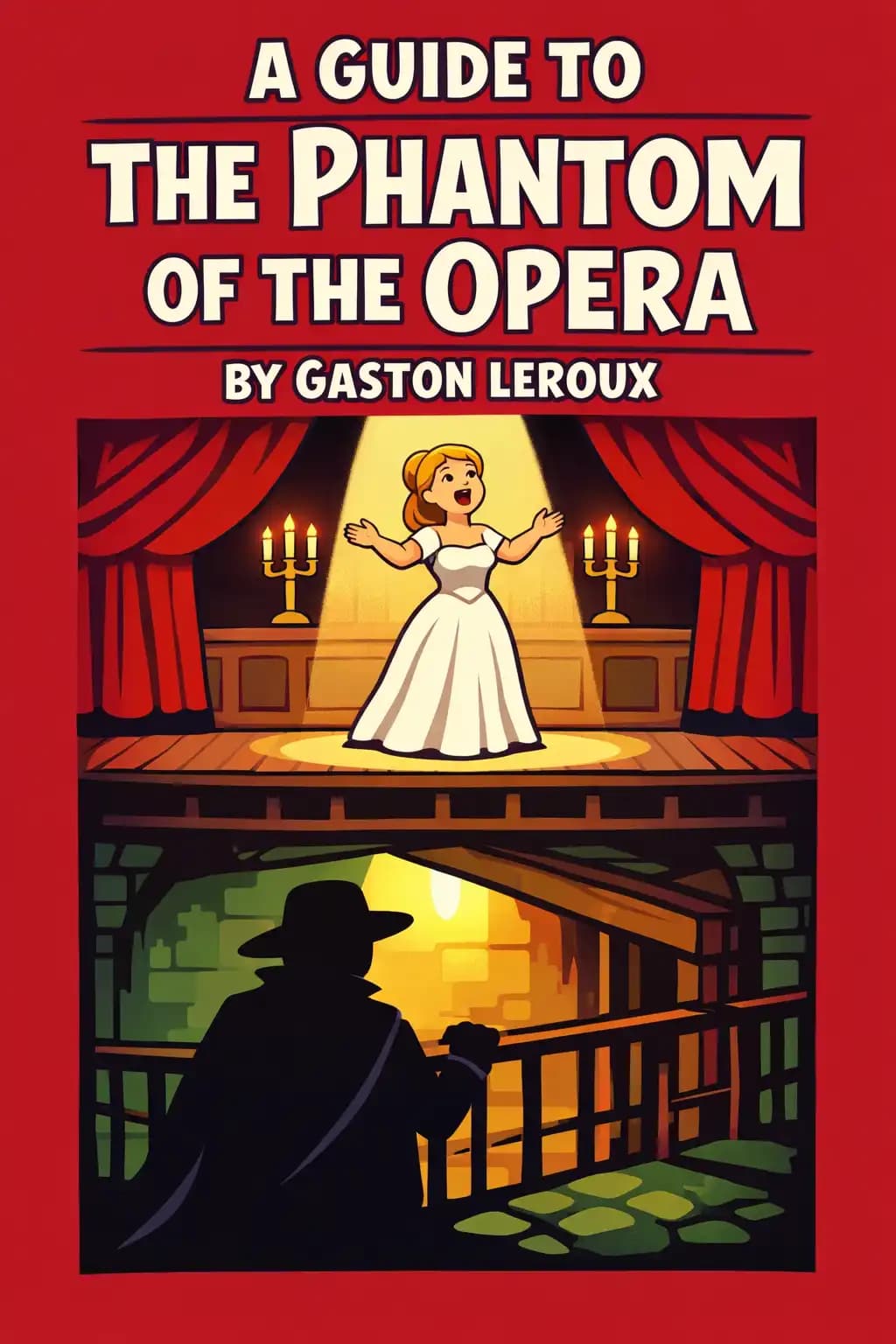




The Phantom of the Opera cover

Book summary: The Phantom of the Opera by Gaston Leroux

10 min read10 key partsText + animated summary

What if Paris’s most frightening "ghost story" wasn’t supernatural at all, but a trail of receipts, sworn witnesses, and one life shattered beyond repair?

One-sentence summary

The Phantom of the Opera, by Gaston Leroux, is a French mystery-horror tale set in the Paris Opera House.

Reading about The Phantom of the Opera is one thing.

Watching it is faster, more fun, and you'll actually remember it.

Part 1: Is the "Opera Ghost" real?

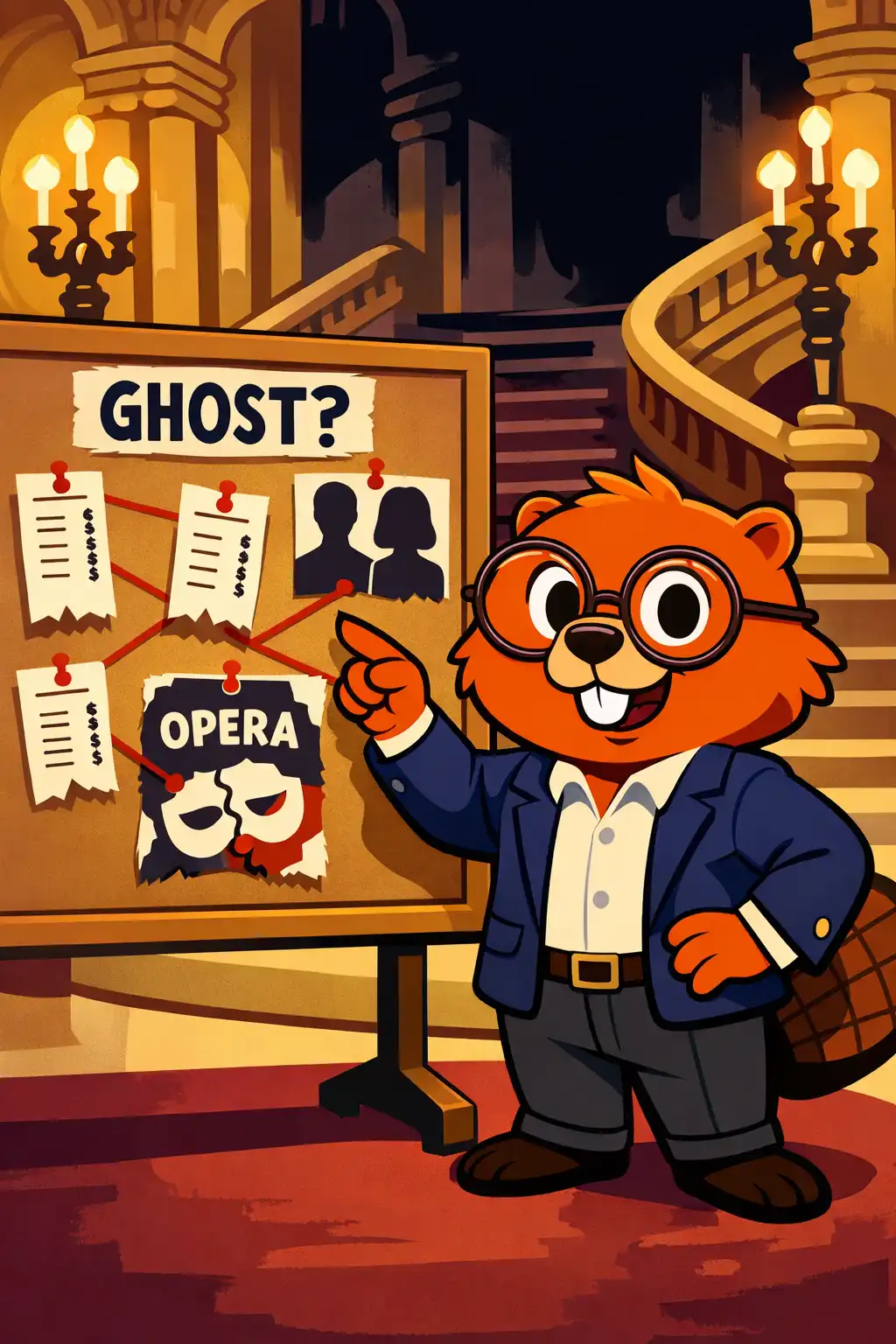
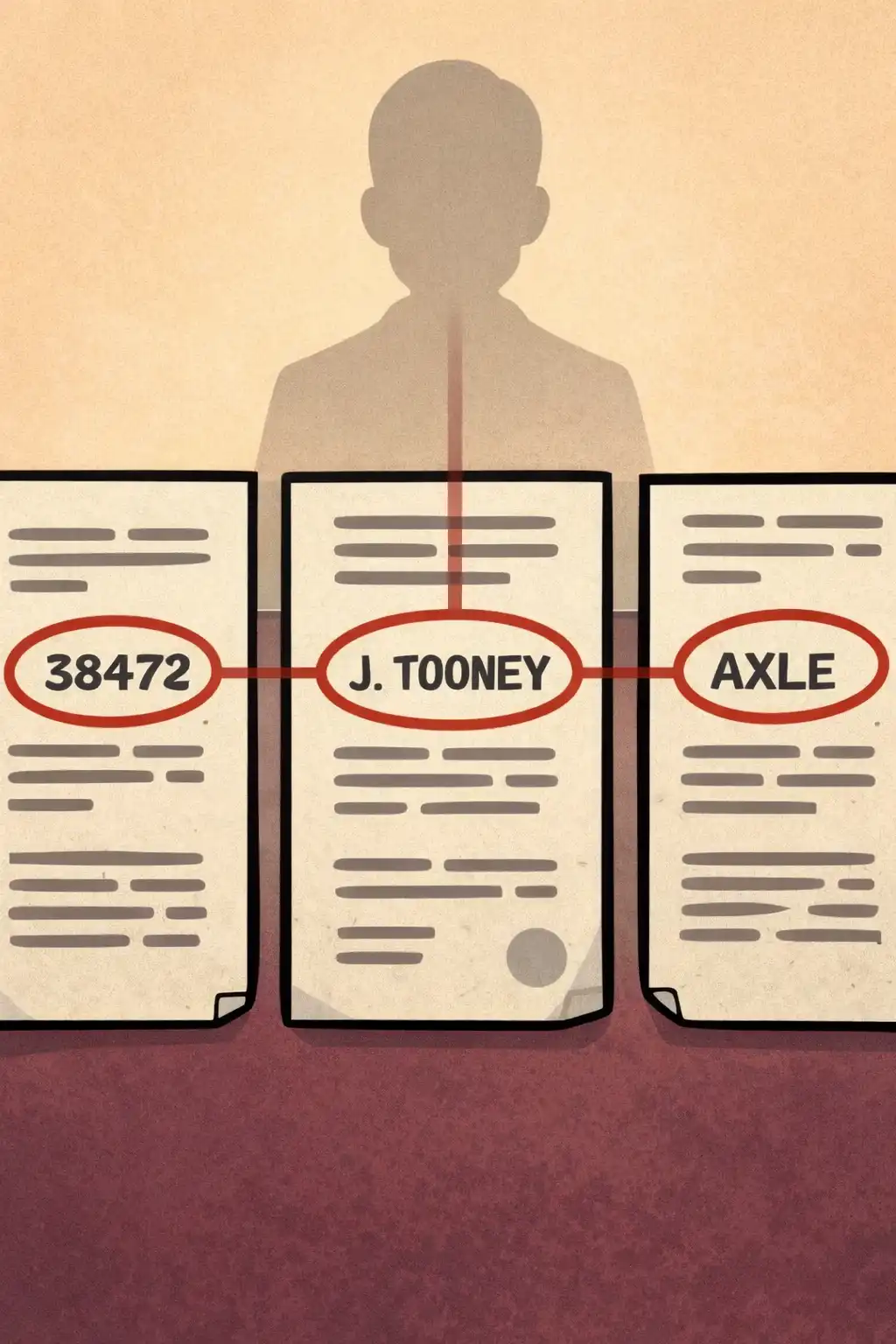
From the first page, the narrator sounds less like a dreamy storyteller and more like an investigator building a case, insisting the Opera Ghost was a real man—with a paper trail to prove it.

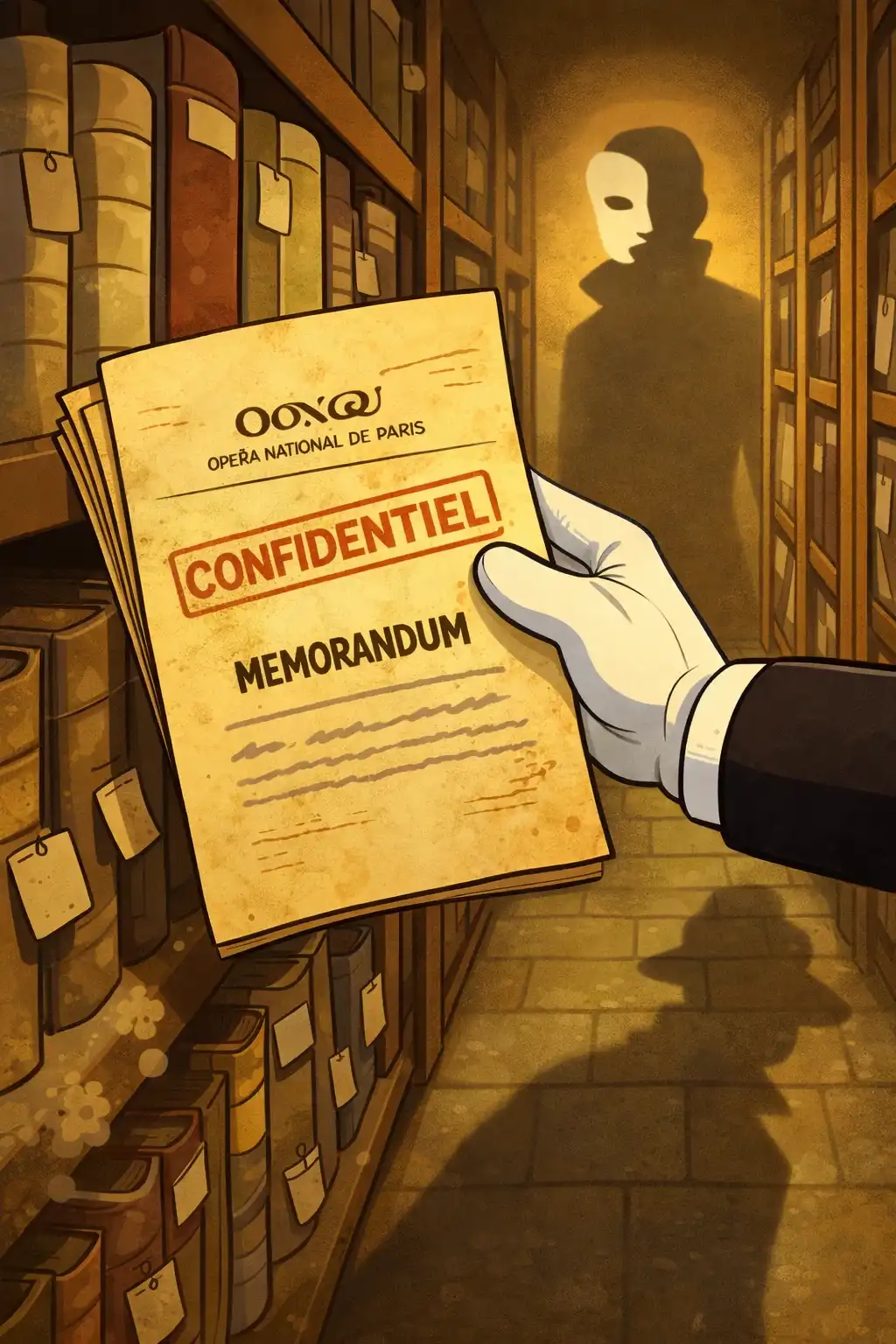
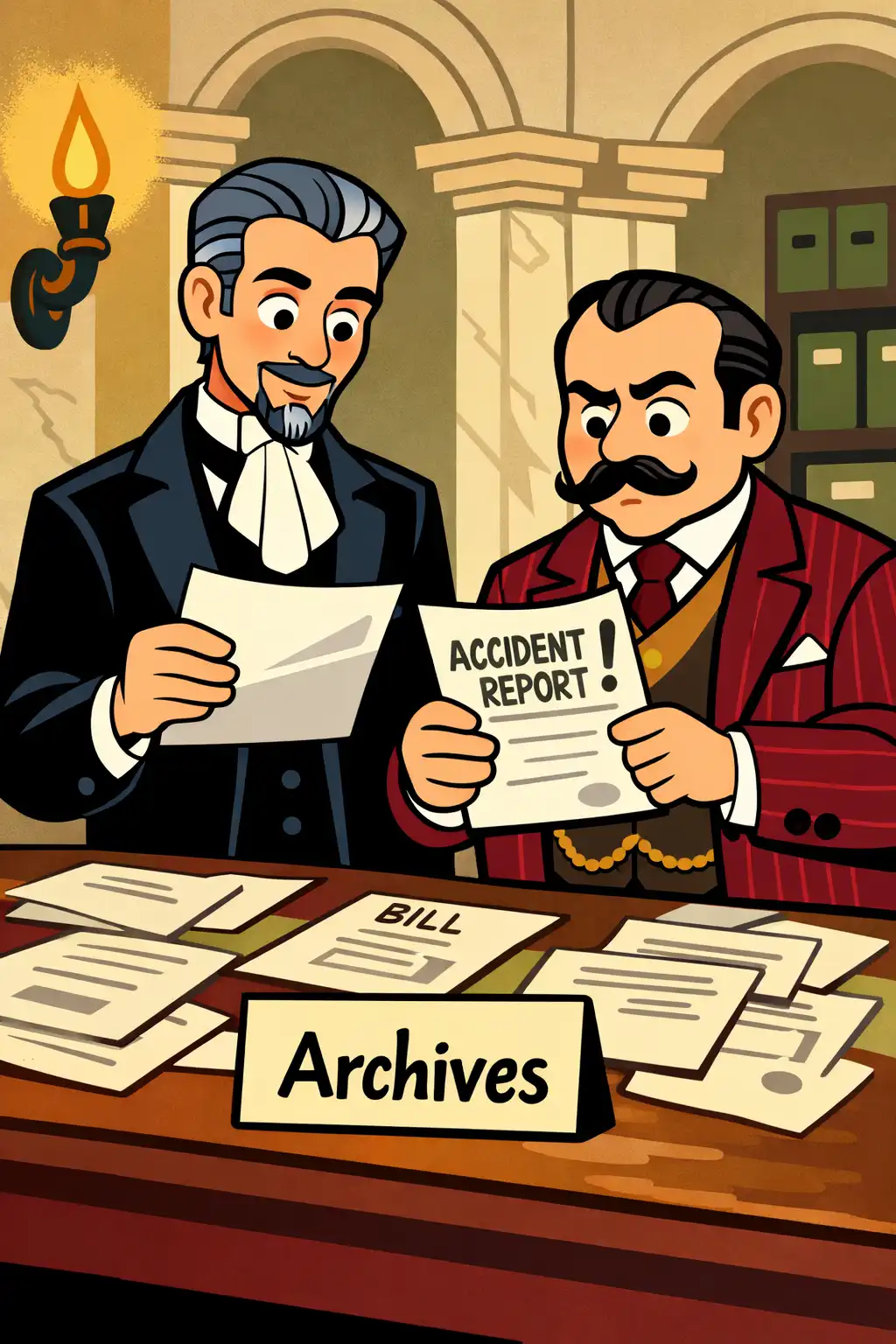
Leroux frames the novel as research: he points to the Paris Opera’s archives—memos, bills, accident reports—odd entries that line up with rumors about a phantom haunting the building.

The mystery centers on Christine Daaé, a rising young soprano, and the Chagny brothers, aristocrats whose futures become entangled with hers until love, ambition, and fear collide.

A key lead is M. Faure, a magistrate tied to the Chagny affair, who distrusts one crucial witness: a shadowy figure known only as "the Persian."

When Leroux finally locates the Persian, the man produces letters and testimony—including Christine’s correspondence—making the so-called "ghost" feel disturbingly documented.

And the hook is bold: Leroux claims he even found a corpse in the Opera’s depths, daring us to watch reason wrestle with legend.


Part 2: Superstition grips the Opera House

On a farewell gala night, the ballet girls crowd into La Sorelli’s dressing-room. The tiniest dancer, little Jammes, shrieks, "It’s the Ghost!" and the room freezes.

Their fear isn’t abstract. They trade sightings: a man in evening dress gliding through walls—or just a dress-coat hanging so precisely it looks like a skeleton standing to attention.

Joseph Buquet, the chief scene-shifter, gives the sharpest image: a death’s-head face, yellow skin stretched tight over bone, and eyes sunk so deep they seem to burn.

Meg Giry, a dancer with backstage access, adds the strangest detail: "Box Five" has been kept empty for weeks for the Phantom’s exclusive use.

Then rumor hardens into horror. Buquet is found hanging in the third cellar under the stage—and the noose, the rope itself, has vanished.

The Opera turns into a pressure cooker where accidents, shadows, and office politics all get blamed on one invisible figure nobody can prove exists.

Part 3: Christine’s "miracle" night

The gala dazzles, and then Christine Daaé, a quiet chorus singer, suddenly replaces the prima donna Carlotta. She sings so brilliantly the audience erupts, as if hearing a new star born in minutes.

She faints afterward, which makes the miracle feel costly—like the performance was pulled from somewhere deeper than training or ambition.

We meet the Chagny brothers: Philippe, the Comte—polished, powerful—and Raoul, a younger naval officer whose reserve melts into shy devotion for Christine.

Raoul fights his way backstage, clinging to a childhood memory they share, but Christine keeps him at arm’s length with polite distance and baffling secrecy.

In the corridor, Raoul hears a man’s commanding voice inside her dressing-room—"You must love me"—and Christine answering, "I sing only for you."

When Raoul bursts in, the room is empty. Moments later, workers carry Buquet’s body past him, as if art and death share the same hallway.

Part 4: Contracts written in red ink

At a farewell supper for retiring managers Debienne and Poligny, a ghastly stranger appears like an unwanted guest—silent, seated, and unsettling everyone without a word.

The old managers finally admit what sounds insane but has paperwork: a formal Opera memorandum, scrawled in red ink, demanding money and permanent control of Box Five.

New managers Firmin Richard and Armand Moncharmin laugh it off—until letters arrive signed "O. G.," the Opera Ghost, ordering them to feature Christine and obey his house rules.

Mme Giry, Box Five’s keeper and Meg’s mother, describes a precise routine: a disembodied voice asks for a footstool, leaves money, and somehow no one ever sees him come or go.

Even when Richard inspects Box Five in an empty, sheet-draped theater, he and Moncharmin see different frightening shapes—as if the building is projecting their fear back at them.

The conflict sharpens: the Opera is a business with contracts, and the Phantom is a private ruler who writes threats as if they were law.

Part 5: The curse becomes real

A blunt ultimatum arrives from "O. G."—reserve Box Five, put Christine onstage tonight, reinstate Mme Giry, and pay his monthly allowance, or the house will be cursed.

Then the Opera’s white horse, César, is stolen. The head groom swears a black shadow rode it straight into the underground passages.

Carlotta, the jealous prima donna, receives anonymous threats not to sing. She takes them as sabotage, convinced Christine and her allies are trying to edge her out.

Richard and Moncharmin plant themselves in Box Five to prove there’s no ghost, but sweets and an opera glass appear beside them as if dropped by invisible hands.

During Carlotta’s showpiece, her voice turns into a grotesque croak. The managers hear a whisper: "If she sings, the chandelier will fall."

The chandelier crashes into the stalls, killing a woman and injuring others. In an instant, the Phantom stops being a rumor and becomes a force with casualties.

Part 6: A love triangle and masks upon masks

After the chandelier disaster, Christine vanishes from public view. Raoul’s desperate letters go unanswered, and the managers hide behind vague updates about her health.

Raoul turns to Mamma Valerius, Christine’s elderly guardian, who insists Christine serves her "good genius"—the Angel of Music who taught her to sing.

A secret note finally offers hope: meet at midnight during the masked ball, in a small room behind the chimney—arrive disguised and unrecognized.

At the ball, Christine in a black domino glides through the crowd. A terrifying figure appears as Red Death—skull mask, scarlet cloak—a living echo of a gothic masquerade.

Raoul recognizes that mask from the night at Perros-Guirec, but Christine physically stops him. "You must not follow—please. It would be a tragedy."

Later, hiding in her dressing-room, Raoul hears Christine murmur, "Poor Erik," then answer a male voice singing through the wall—as if romance itself is happening inside a trap.

Part 7: Christine finally tells the truth

When Raoul confronts her, Christine suddenly denies the Angel of Music, yet she wears a plain gold ring that feels like a brand—more command than jewelry.

They agree to a secret engagement before Raoul’s polar expedition. For a moment the story turns tender, almost childish, as if they can simply outrun fate.

But Christine keeps warning him about trap-doors and the underground. It all belongs to "him," she says—and that one sentence puts fear under every floorboard.

On the roof beneath Apollo’s bronze statue, Christine finally explains her rise: a voice coached her in private, calling itself the Angel of Music.

She describes being seized at Perros, waking on César the white horse, and descending spiral passages to an underground lake beneath the Opera.

There, the Angel removed the illusion and became Erik: a masked genius who sleeps in a coffin beside his unfinished score, Don Juan Triumphant—music both beautiful and possessive.

Part 8: The kidnapping onstage

Christine admits the worst moment: she tore off Erik’s mask and saw a deathlike face. His heartbreak snapped into fury—and a vow that she would never leave him.

Back at the Opera, a man in a pointed cap appears—the one Christine calls the Persian. He seems to know Erik’s paths, methods, and hiding places.

She explains the ring’s cruel logic: Erik gave it as protection. When it slips off during a kiss with Raoul, she believes she has lost her only shield.

Raoul even sees glowing eyes at his bed. He fires a shot and finds blood on the balcony, though servants brush it off as a wounded cat.

Then, during Christine’s performance, the entire theater goes dark. When the lights blaze back, she is simply gone—vanished at the height of applause.

Backstage chaos erupts. Raoul discovers the mirror that swings open to the cellars and realizes the Phantom’s real power is control of space, doors, and disappearance.

Part 9: Into the cellars with the Persian

While police and managers argue upstairs, Leroux adds an embarrassment: the Phantom’s demanded wages are paid—then swapped for fake "Bank of St Farce" notes in a clumsy sting.

Mme Giry admits she obeys Erik because he promises her daughter Meg a glittering future—and because favors and threats pull on her like invisible strings.

In the corridor, Raoul meets the Persian—also called the daroga, a title from his past—who warns him never to speak Erik’s name aloud and confirms Christine is below.

The Persian arms Raoul with an old pistol and teaches him to brace against Erik’s Punjab lasso—a deadly looped cord that tightens faster than a thought.

They trigger the mechanism behind Christine’s mirror. It swings like a revolving door, throwing them from bright dressing-room light into the dark, damp world underneath.

As they crawl deeper, they face tricks: a floating head of fire, swarming rats, and, after a hidden stone gives way, a mirrored torture room designed to break minds.

Part 10: Erik’s terrible final choice

In the hexagonal mirror chamber, Raoul and the Persian overhear Erik forcing Christine into an ultimatum: choose the wedding mass—or the requiem.

Christine whispers that the keys are in a little leather bag near the organ—"the bag of life and death"—and you feel how literally love has become a hostage negotiation.

Erik’s ventriloquism turns space unreal. Voices jump from walls and boxes while heat and mirages make the room feel like a desert manufactured to drive men mad.

The Persian finds barrels—not water, but gunpowder. The threat is sudden and simple: if Christine refuses him, Erik can blow the Opera sky-high.

Christine chooses the scorpion casket for "yes"—not out of love, but to save everyone. Instead of an explosion, the chamber floods, forcing surrender without a massacre.

At the end, something softens in Erik. He releases Raoul and lets Christine go, then dies alone beneath the Opera—leaving behind a ring and the haunting question of what tenderness cost him.

You've read the summary. Now watch it.

The animated version covers the same ideas — faster, and in a format you'll actually remember.