A detailed summary ofThe Odysseyby Homer
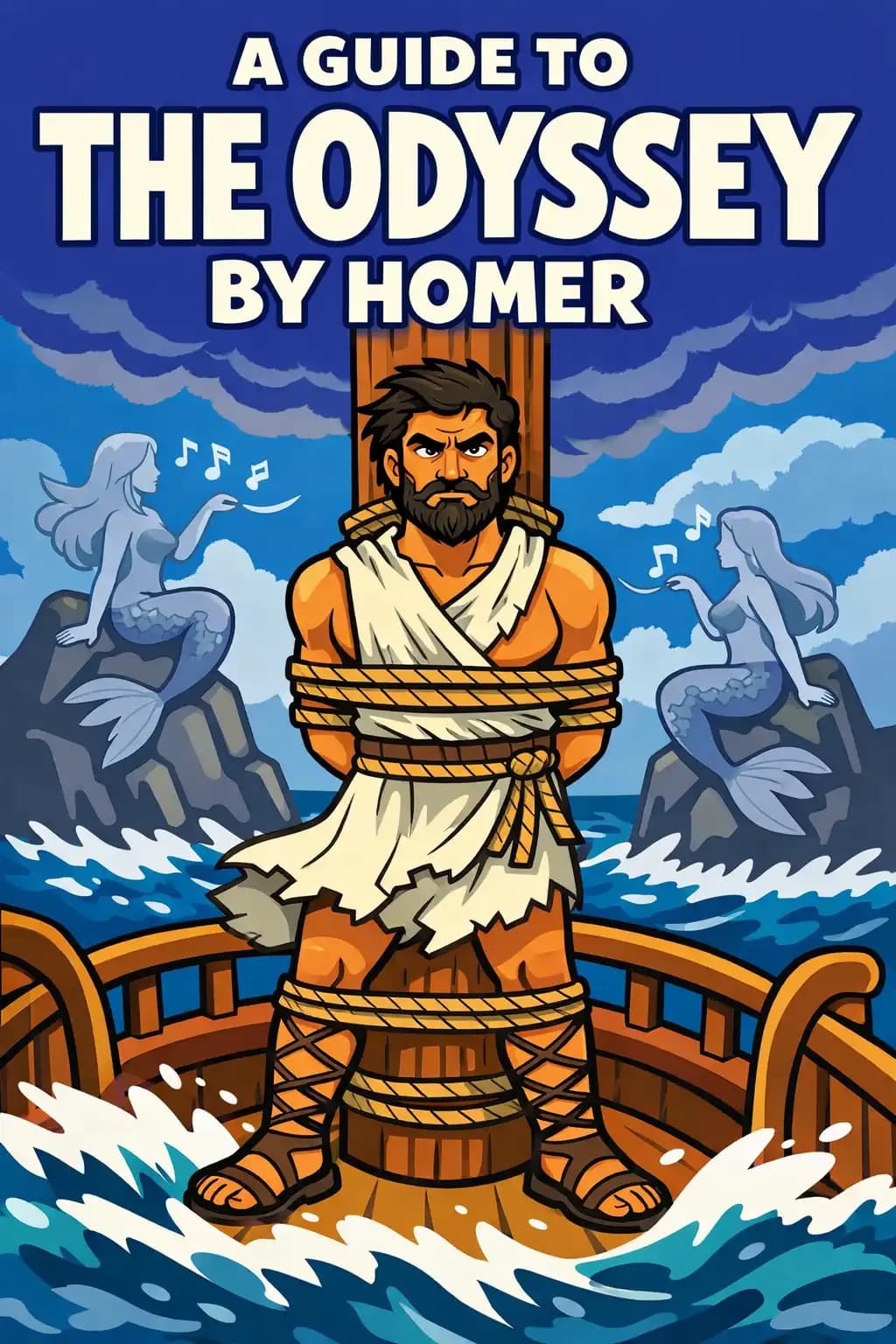
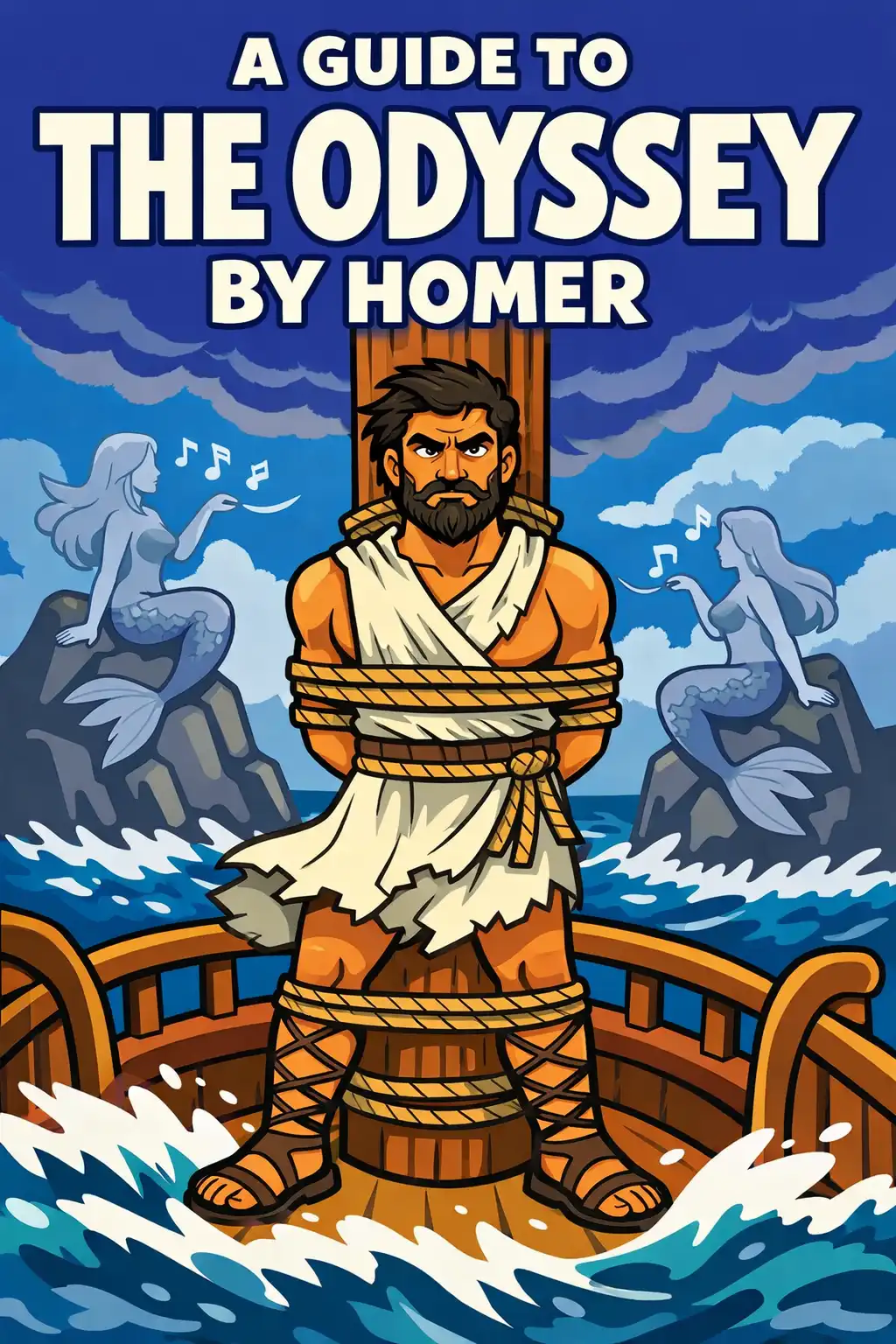
"The Odyssey" by Homer is the epic story of one hero's ten-year struggle to return to his family after the fall of Troy.
Watch the first minute
What if the hardest part of winning
0:00 / 1:00
60-second animated preview
Key ideas, illustrated
The Voyage of Odysseus
The Beggar's Revenge: Reclaiming Ithaca
Proofs of Identity: How Odysseus Is Recognized
The Odyssey Summary
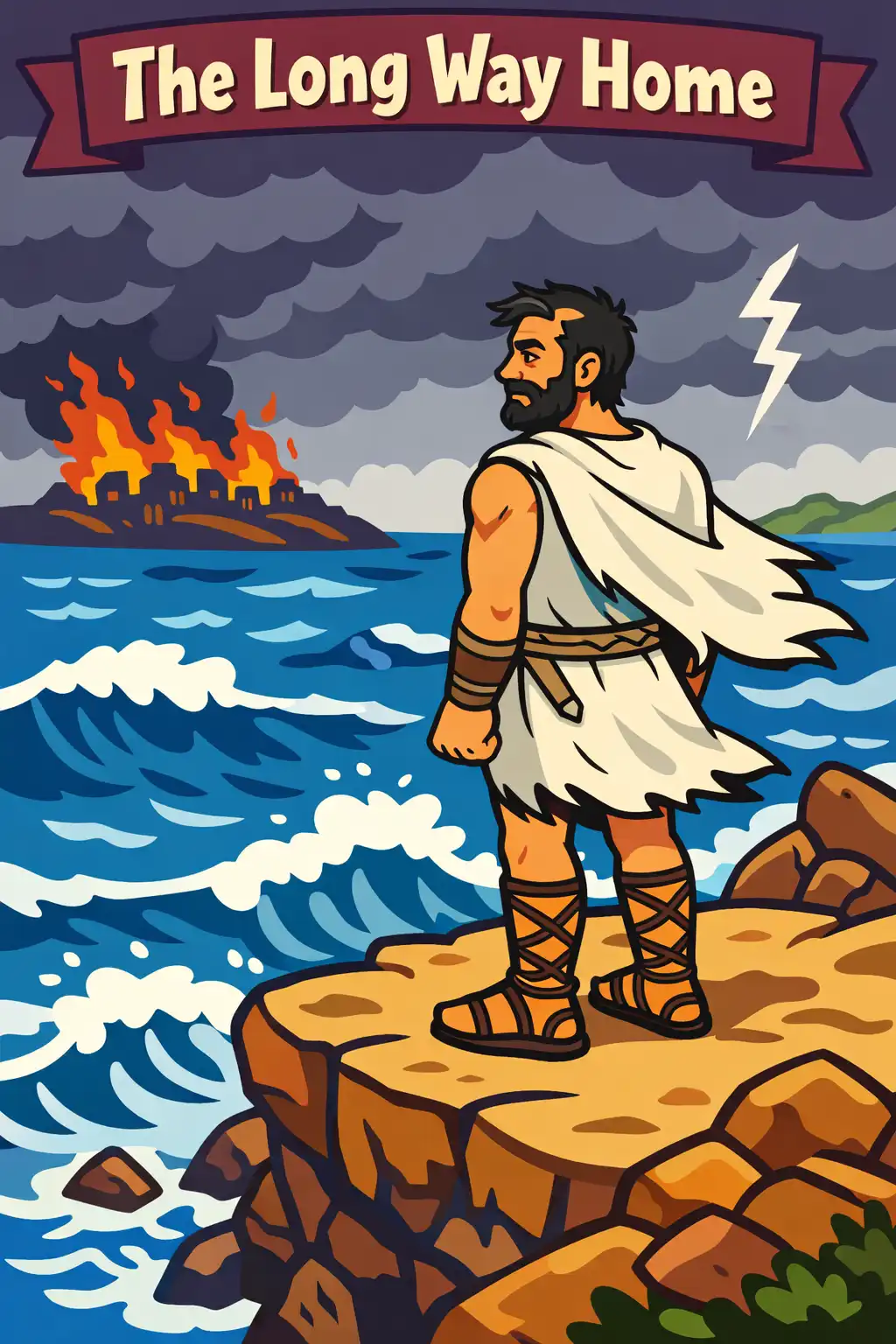
What if the hardest part of winning a war wasn't the fighting, but the impossibly long journey just to get back home?
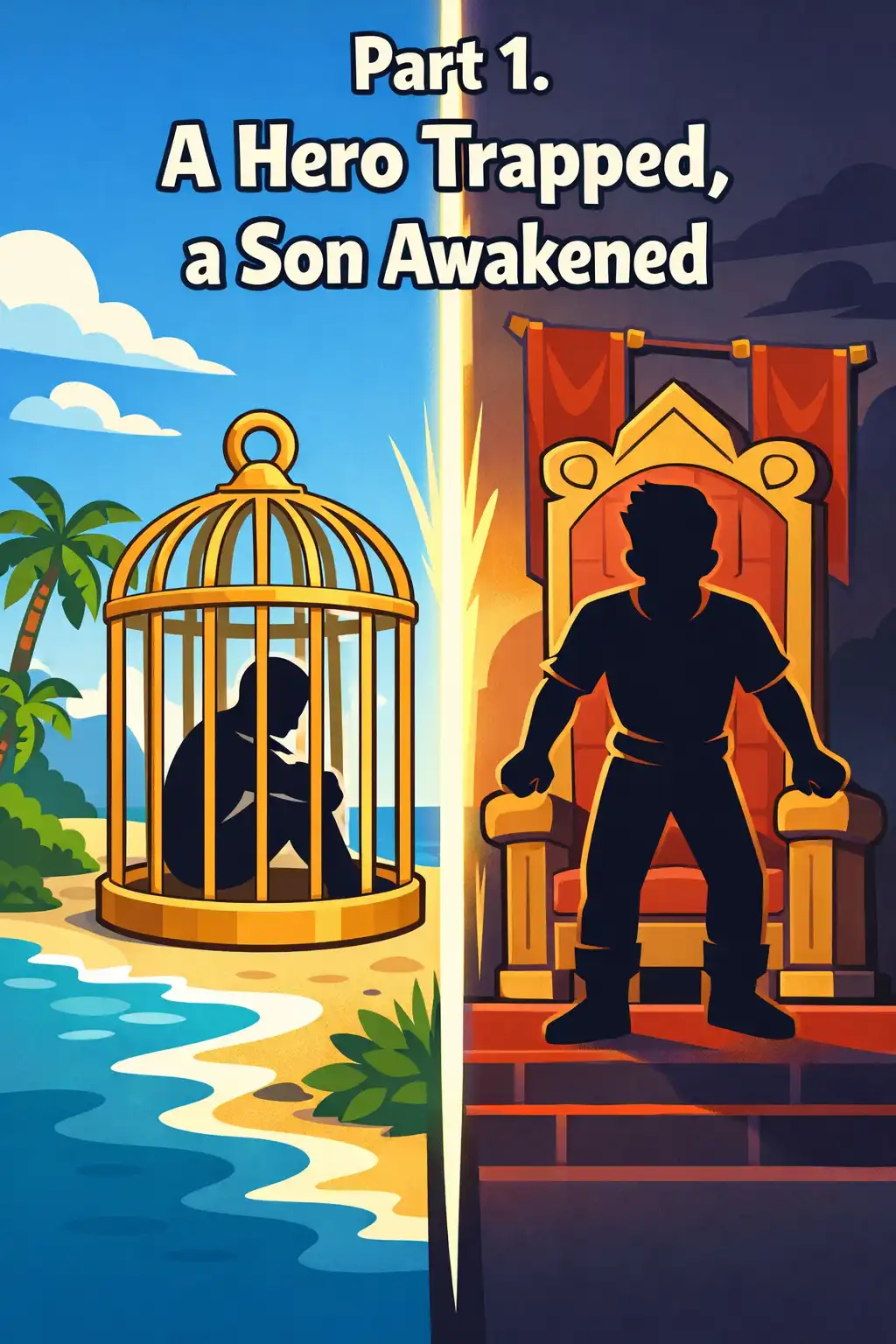
1. A Hero Trapped, a Son Awakened
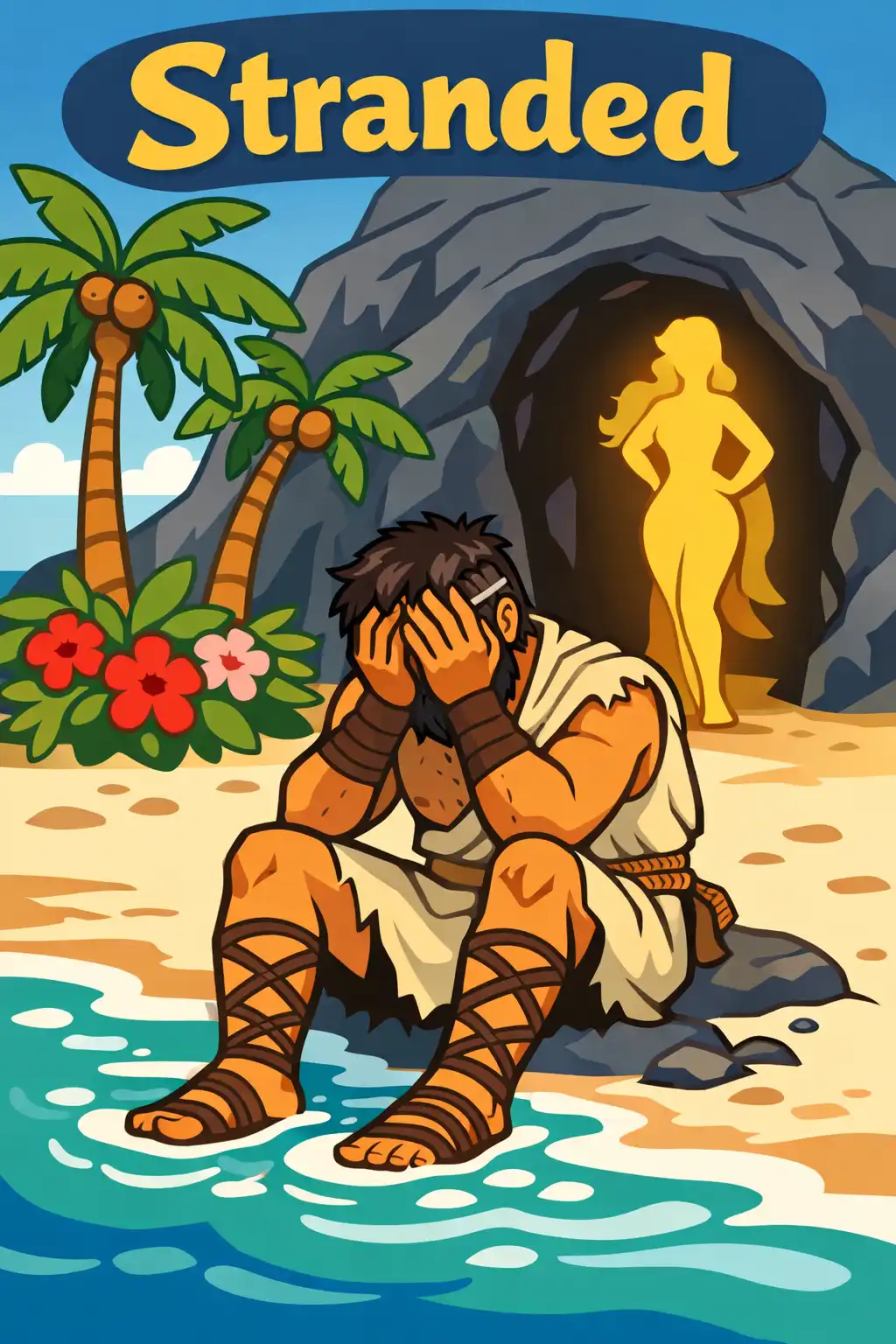
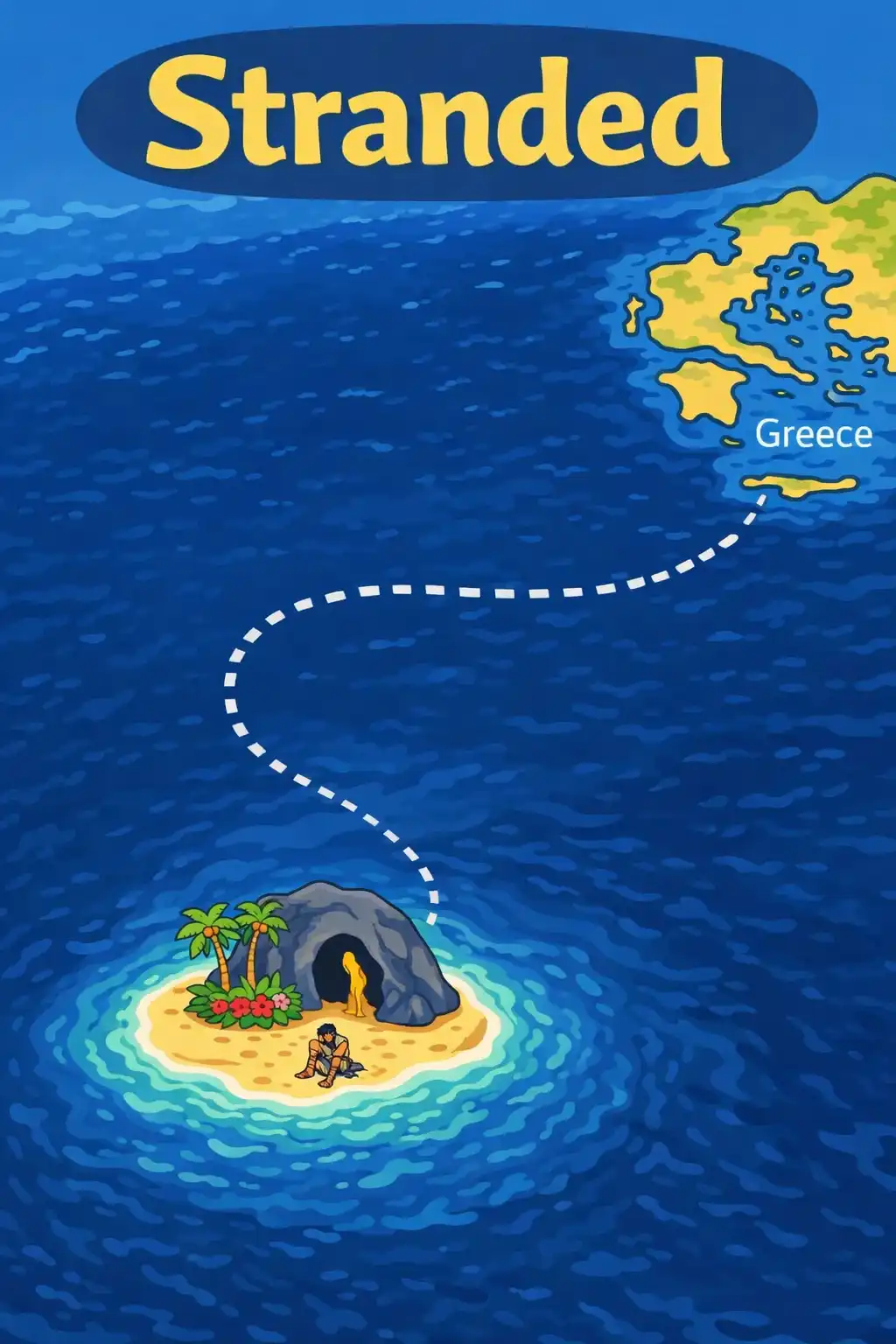
Every Greek warrior who survived the Trojan War has made it home, except one. Odysseus is stranded on a remote island, held captive by a goddess named Calypso.
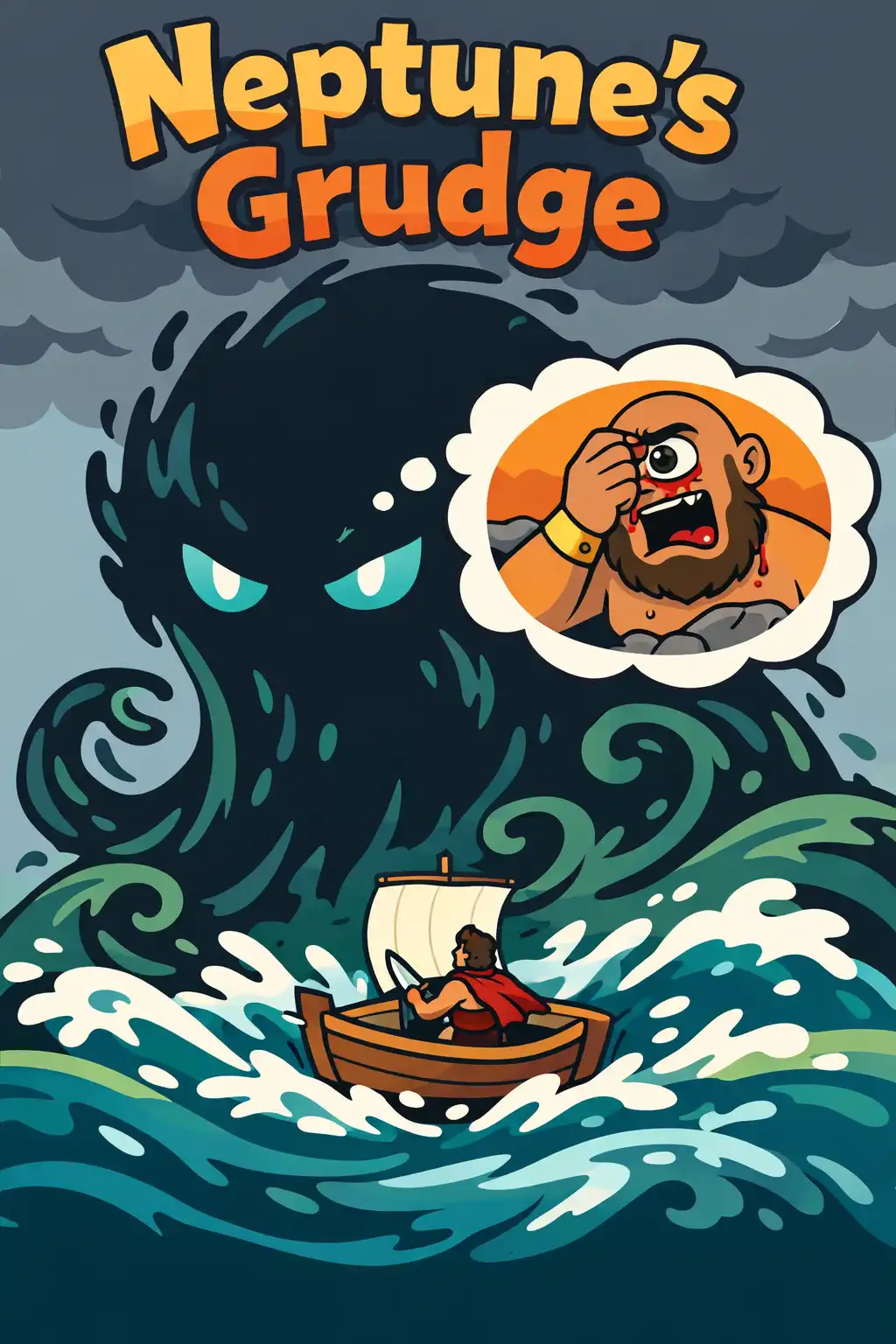
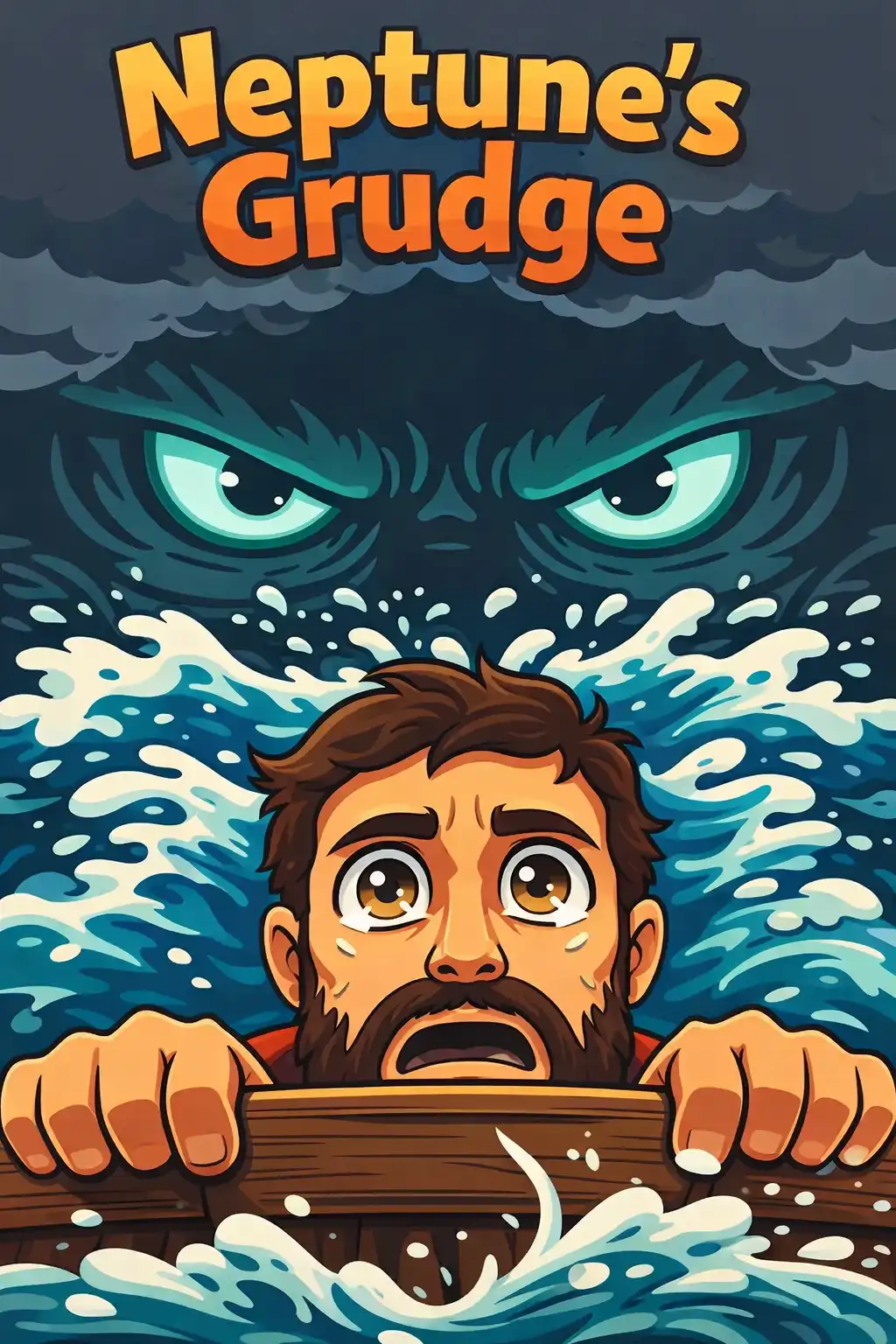
The sea god Neptune despises him, because years earlier, Odysseus blinded Neptune's son, a giant Cyclops named Polyphemus. That grudge has kept Odysseus lost at sea for years.
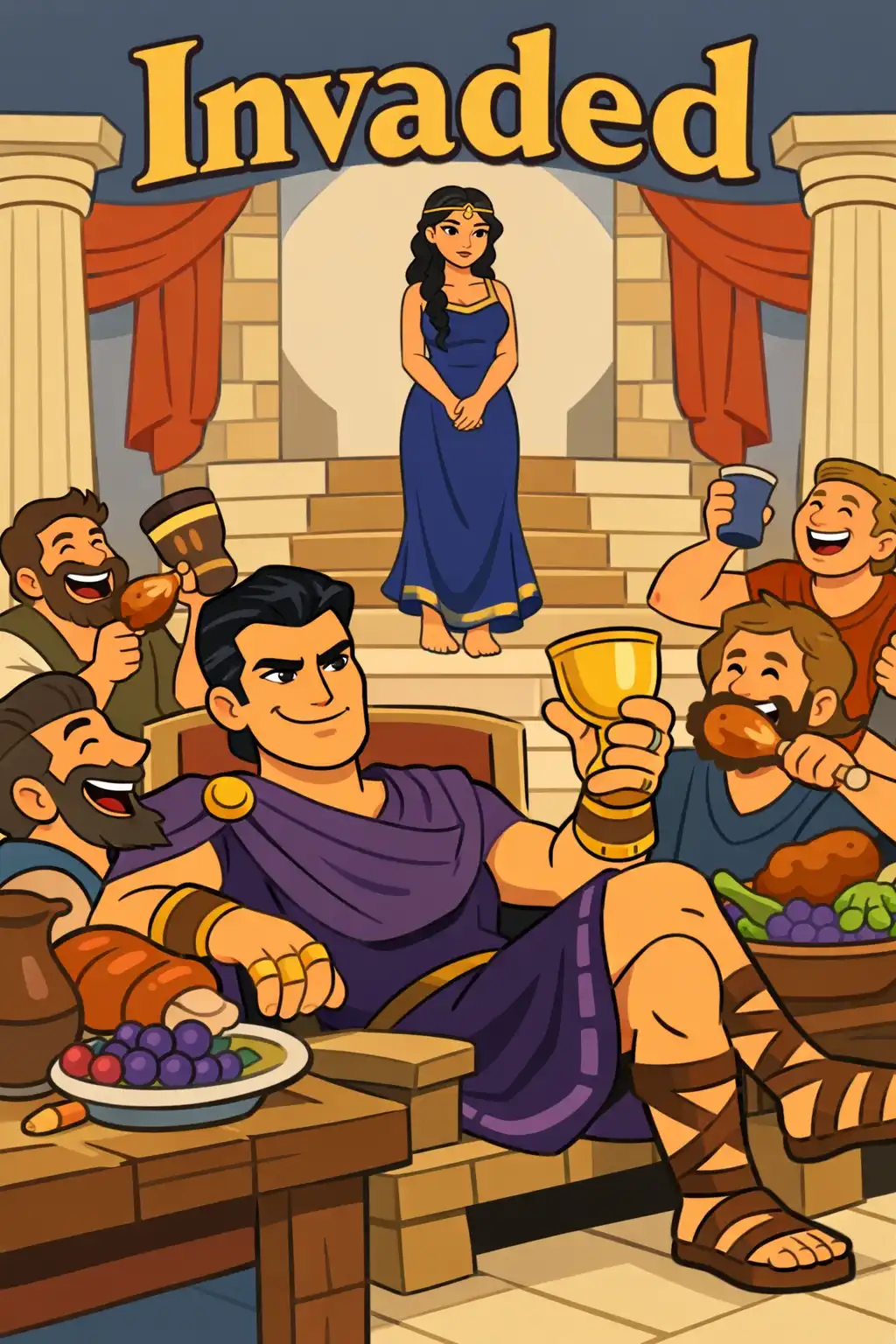
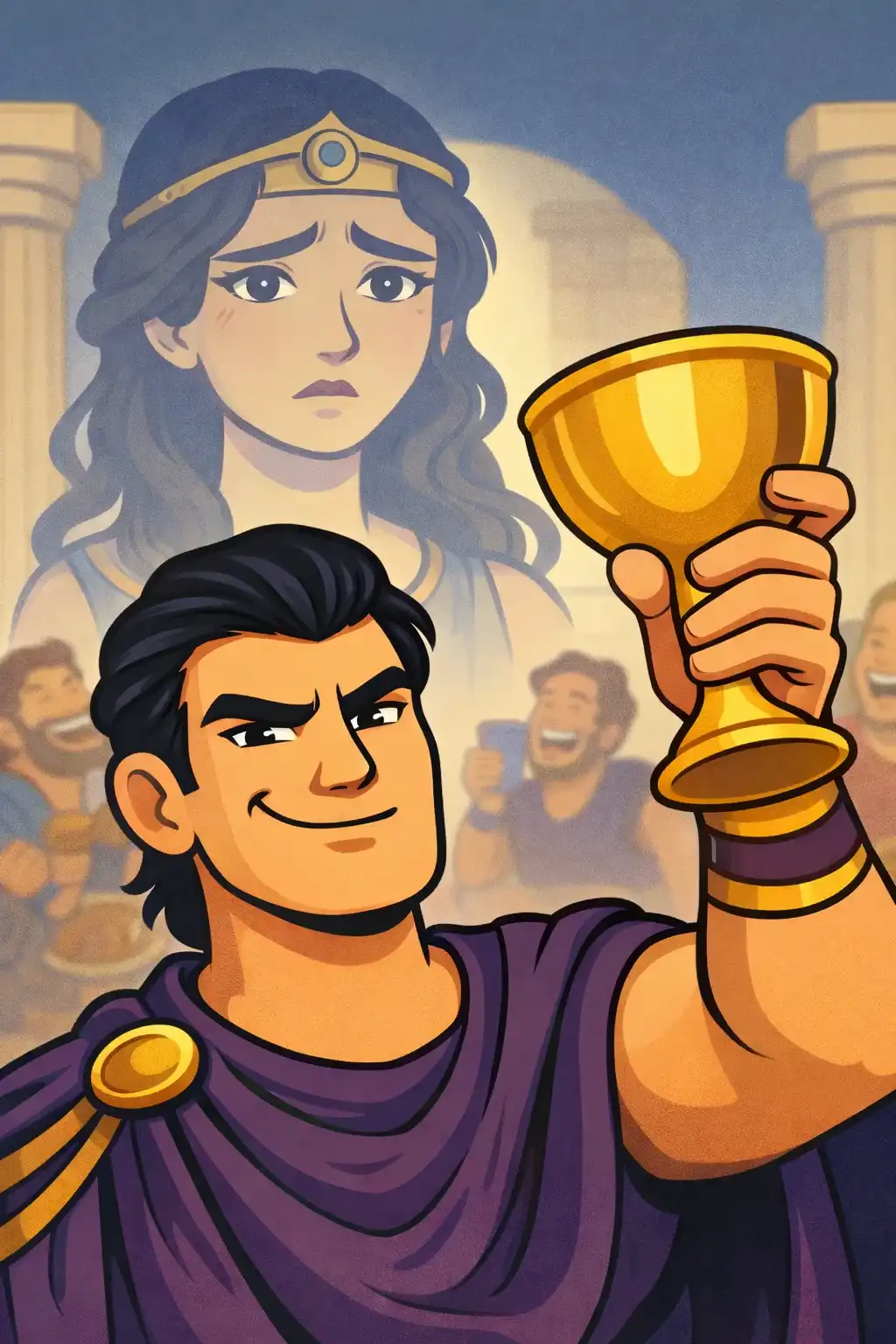
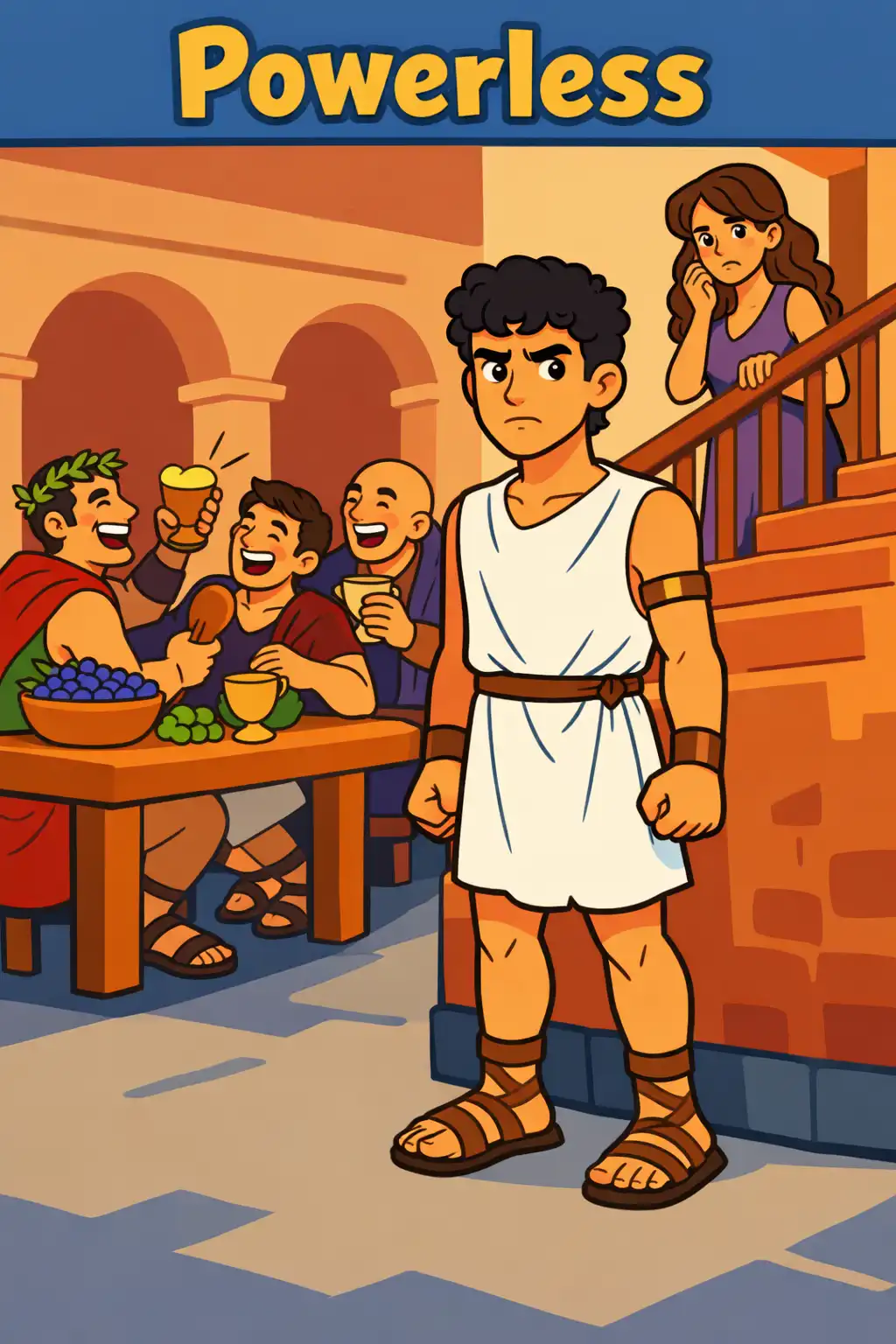
Back home on the island of Ithaca, over a hundred arrogant suitors have invaded his palace. They feast on his wealth day after day, all while competing to marry his wife, Penelope.
His young son, Telemachus, watches helplessly. He is frustrated and powerless. He can't throw these men out, and he has no news of whether his father is even alive.
Then the goddess Minerva arrives in disguise and lights a fire in Telemachus. She tells him to stand before the suitors and demand they leave, and then to sail out in search of his father.
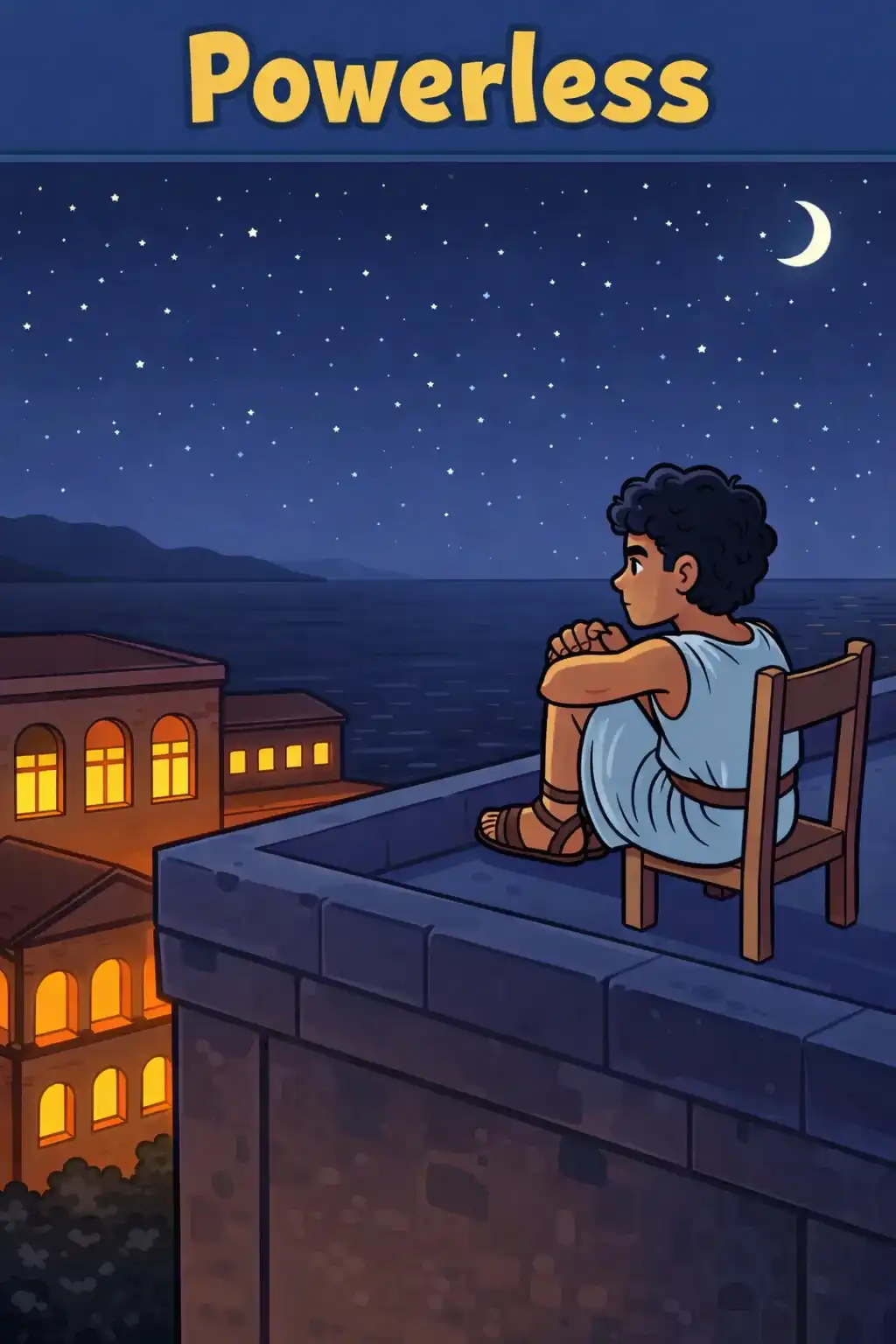
That night, Telemachus lies awake with new determination. The story now splits into two threads: a father trying to come home, and a son learning to stand up for himself.
Watch it come to life
Watch The Odyssey instead
Explore this summary and the Braintoon library.
2. Telemachus Steps Into the World
Telemachus calls a public assembly and confronts the suitors directly. He accuses them of draining his household and demands they leave. They flatly refuse.
The lead suitor, Antinous, fires back and blames Penelope. He says she tricked them for three years by weaving a burial shroud during the day, then secretly unraveling it every night to delay finishing it.
With no support from the townspeople, Telemachus sets out on his own journey. Minerva helps him gather a crew, and they slip away under cover of darkness.
He visits the wise old king Nestor in a city called Pylos. Nestor praises Odysseus but has no real news of him. So Nestor sends Telemachus onward to Sparta to see King Menelaus.
Menelaus tells Telemachus something crucial. He once wrestled a shape-shifting sea god named Proteus, who revealed that Odysseus is alive, but trapped on Calypso's island.
Meanwhile, the suitors discover that Telemachus has left Ithaca. They send a ship to ambush him on his return. The stakes just got much higher for this young man.
3. Odysseus Breaks Free
On Calypso's island, Odysseus sits alone on the shore, weeping. He has been stranded here for seven years, longing for home, even though the goddess has offered him immortality if he stays.
Zeus, the king of the gods, finally steps in. He sends the messenger god Mercury to order Calypso to release Odysseus. She is furious, but she obeys.
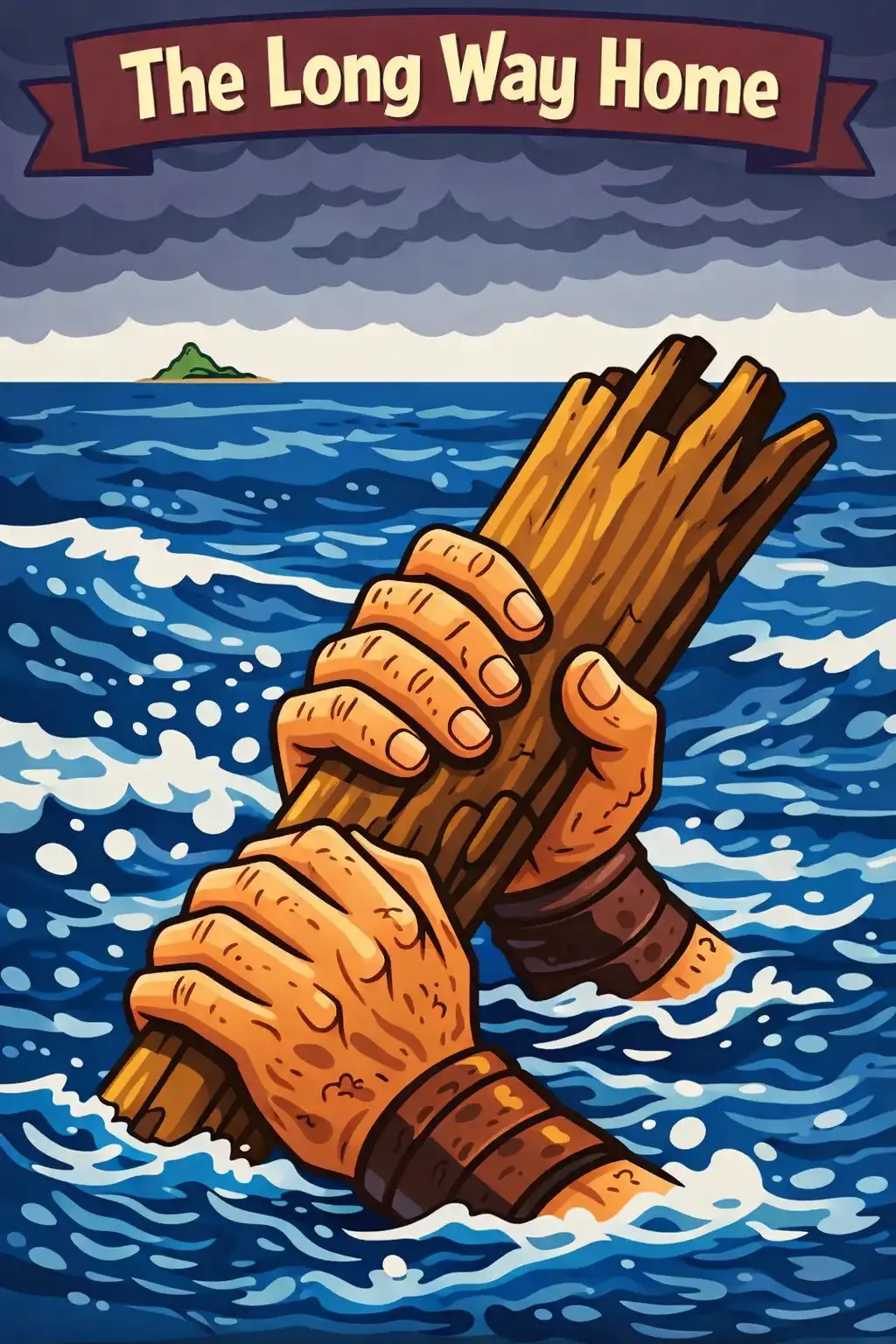
Odysseus builds a raft over four days and sets sail. After eighteen days on the open water, he spots land. But Neptune sees him too, and unleashes a devastating storm.
The raft is smashed to pieces. A sea goddess named Ino gives him a magical veil to keep him afloat. He struggles in the churning water for two more agonizing days.
He finally drags himself ashore on the island of Phaeacia, completely exhausted, and collapses into a pile of leaves. Even freedom nearly killed him. But he survived.
4. Kindness Among the Phaeacians
A young princess named Nausicaa finds the shipwrecked Odysseus on the beach. He is naked and wild-looking, but she holds her ground and offers him help.
She guides him toward the palace of her father, King Alcinous. There, Odysseus throws himself at the feet of Queen Arete and begs for safe passage home.
The Phaeacians are generous hosts. They hold feasts, athletic games, and performances by a blind bard named Demodocus, who sings tales of the Trojan War.
When Demodocus sings about the Trojan Horse, Odysseus quietly pulls his cloak over his face to hide his tears. He is reliving his own painful past.
King Alcinous notices his guest weeping and finally asks the question everyone has been wondering. "Who are you, and why do these songs of Troy move you so deeply?"
5. Odysseus Tells His Story
Odysseus reveals his name and begins recounting his incredible journey. After leaving Troy, his crew raided a city belonging to a people called the Cicons, and they lost dozens of men in the fight.
Next, they encountered the Lotus-eaters, people who ate magical flowers that made anyone who tasted them forget everything, their home, their mission, everything. Odysseus had to drag his own scouts back to the ship by force.
Then came the Cyclops Polyphemus, a massive one-eyed giant. He trapped Odysseus and his men in a cave and ate several of them alive. Odysseus got the giant drunk on wine, then blinded him with a burning wooden stake.
They escaped by hiding beneath the giant's sheep as he let them out to graze. But Odysseus made a fatal mistake. He shouted his real name back at the blinded Cyclops, and Polyphemus called on his father Neptune to curse him.
This is the moment that defines the entire journey. Odysseus's pride, his deep need to be recognized and feared, is the very thing that keeps him from getting home.
6. Circe, the Dead, and the Sun God's Cattle
The wind god Aeolus gave Odysseus a bag holding every harmful wind, sealed tight so the crew could sail home safely. But with Ithaca actually in sight, his crew opened it out of greed, and a storm blew them all the way back.
Cannibalistic giants called the Laestrygonians then destroyed all but one of their ships. The survivors reached the island of the sorceress Circe, who used her magic to turn Odysseus's men into pigs.
With help from the god Hermes, Odysseus overcame Circe's magic and freed his crew. They stayed on her island for a full year before Circe told them they needed to visit the land of the dead for guidance.
In the underworld, Odysseus met the ghost of his own mother. He didn't even know she had died. When he tried to embrace her, she slipped through his arms like a shadow. It is one of the most devastating moments in the poem.
The prophet Tiresias warned him: never touch the sacred cattle of the Sun God. But later, his starving crew disobeyed and slaughtered the cattle anyway. Zeus destroyed their ship with a thunderbolt, killing everyone except Odysseus.
He drifted alone for nine days and washed up on Calypso's island. That is how his seven-year captivity began. Now the Phaeacians finally understand the full weight of his suffering.
7. The Beggar Returns to Ithaca
The Phaeacians carry a sleeping Odysseus home by ship and lay him gently on the shore of Ithaca. When he wakes, Athena has covered the land in mist, and he does not even recognize his own homeland.
Athena appears and reveals where he is. But she warns him not to announce himself. Instead, she disguises him as an old, ragged beggar so he can enter his own house unrecognized and plan his revenge against the suitors.
He goes first to the hut of Eumaeus, his loyal swineherd. Eumaeus welcomes the stranger with warmth and kindness, sharing his food and shelter, without knowing who the beggar really is.
Then Telemachus arrives at the hut, guided there by Minerva. Once the two are alone, Athena transforms Odysseus back into himself. He reveals his identity to his son, and the two embrace, weeping.
Together, father and son begin plotting. There are over a hundred suitors to defeat, and only a handful of allies. But Odysseus assures Telemachus that the gods are on their side. The plan takes shape.
8. Testing Loyalties at the Palace
Disguised as a beggar, Odysseus enters his own palace for the first time in twenty years. Near the gate, his old hunting dog, Argos, recognizes him and wags his tail weakly.
The dog has waited all this time, neglected and frail. He sees his master one last time, and then quietly dies. Odysseus wipes away a tear without anyone noticing.
Inside, the suitors treat the beggar with open contempt. The ringleader, Antinous, hurls a footstool that strikes Odysseus on the shoulder. Odysseus bears the blow in silence, hiding his rage.
Penelope hears about the mistreatment and asks to speak with the stranger. When they finally meet by the fire, she pours out her years of suffering and loneliness to him.
Odysseus, still in disguise, describes her husband's cloak and brooch in such precise detail that Penelope weeps. She gave those gifts to Odysseus herself, long ago. He keeps his own emotions carefully hidden.
Later, an old nurse named Eurycleia washes his feet and feels a familiar scar on his leg from a boar hunt long ago. She gasps in recognition, but Odysseus grabs her arm and demands her silence.
9. The Contest of the Bow
Penelope announces a contest. Whoever can string Odysseus's great bow and shoot an arrow cleanly through twelve axe heads lined up in a row will win her hand in marriage.
One by one, the suitors try and fail. Not a single man can even bend the bow enough to string it. It was made for Odysseus alone, and it seems to reject every pretender who touches it.
Meanwhile, Odysseus slips outside and reveals his true identity to Eumaeus and a loyal cowherd named Philoetius. He shows them the old scar on his leg as proof. Both men weep and swear their loyalty.
Back inside, the disguised beggar asks to try the bow. The suitors erupt in fury at the idea. But Telemachus firmly orders that the bow be handed over. The room falls tense and silent.
Odysseus strings the bow effortlessly and sends an arrow clean through all twelve axe heads. The suitors stare in disbelief. Telemachus arms himself and stands beside his father.
10. The Slaughter and the Reckoning
Odysseus throws off his disguise and shoots Antinous through the throat mid-drink. The cup falls from his hand. The other suitors scramble in panic, searching for weapons that Telemachus had already removed from the hall.
Another suitor, Eurymachus, tries to negotiate. He blames everything on the now-dead Antinous and offers full repayment for all they consumed. Odysseus refuses. There will be no deals. Only justice.
With Athena watching from above, Odysseus, Telemachus, and their two loyal servants fight the suitors in a bloody battle. They do not stop until every last suitor lies dead on the floor.
The disloyal maidservants, women who had sided with the suitors, are forced to clean the blood-soaked hall and are then executed. The treacherous goatherd Melanthius meets a brutal end as well. Odysseus purifies the house with sulphur.
It is violent and unflinching. Homer does not shy away from the cost of the suitors' arrogance, or from the fury that Odysseus has carried with him across an entire ocean.
11. Penelope's Final Test
The old nurse Eurycleia rushes upstairs to tell Penelope that Odysseus has returned. But Penelope thinks the nurse has lost her mind. She has waited twenty years and been disappointed before. She will not be fooled.
She goes downstairs and sits silently across from the man who claims to be her husband. Telemachus scolds her for being so cold and distant. But Penelope needs to be absolutely certain.
So she sets a clever trap. She casually suggests that his bed be moved to another room. Odysseus erupts in frustration. He built that bed himself around a living olive tree rooted in the ground. It cannot be moved. No one else should know that.
And that is exactly the point. Only the real Odysseus would know that secret. Penelope finally breaks down, throws her arms around him, and the two weep together after two decades apart.
Athena holds back the dawn so they can have a longer night together. Odysseus tells her everything he endured, and they are finally, truly reunited.
12. Peace at Last
Odysseus travels to his elderly father Laertes' farm and finds the old man broken with grief, working alone in his orchard. He tests his father first before finally revealing who he is.
He shows Laertes the scar on his leg and names the very trees his father planted for him when he was a boy. The old man collapses with joy. Three generations of this family are together again.
But the conflict is not over yet. The families of the dead suitors want revenge. Armed townspeople march toward Odysseus and his small band. A battle erupts, and for a moment, the cycle of violence threatens to continue forever.
Then Athena commands both sides to stop. Zeus reinforces her order with a thunderbolt crashing from the sky. A peace treaty is struck, and the long chain of suffering finally comes to an end.
"The Odyssey" is about more than one man getting home. It is about endurance, loyalty, identity, and the question of what is worth fighting through an entire world to hold onto.
Watch it come to life
Watch the animated summary
Explore this summary and the Braintoon library.