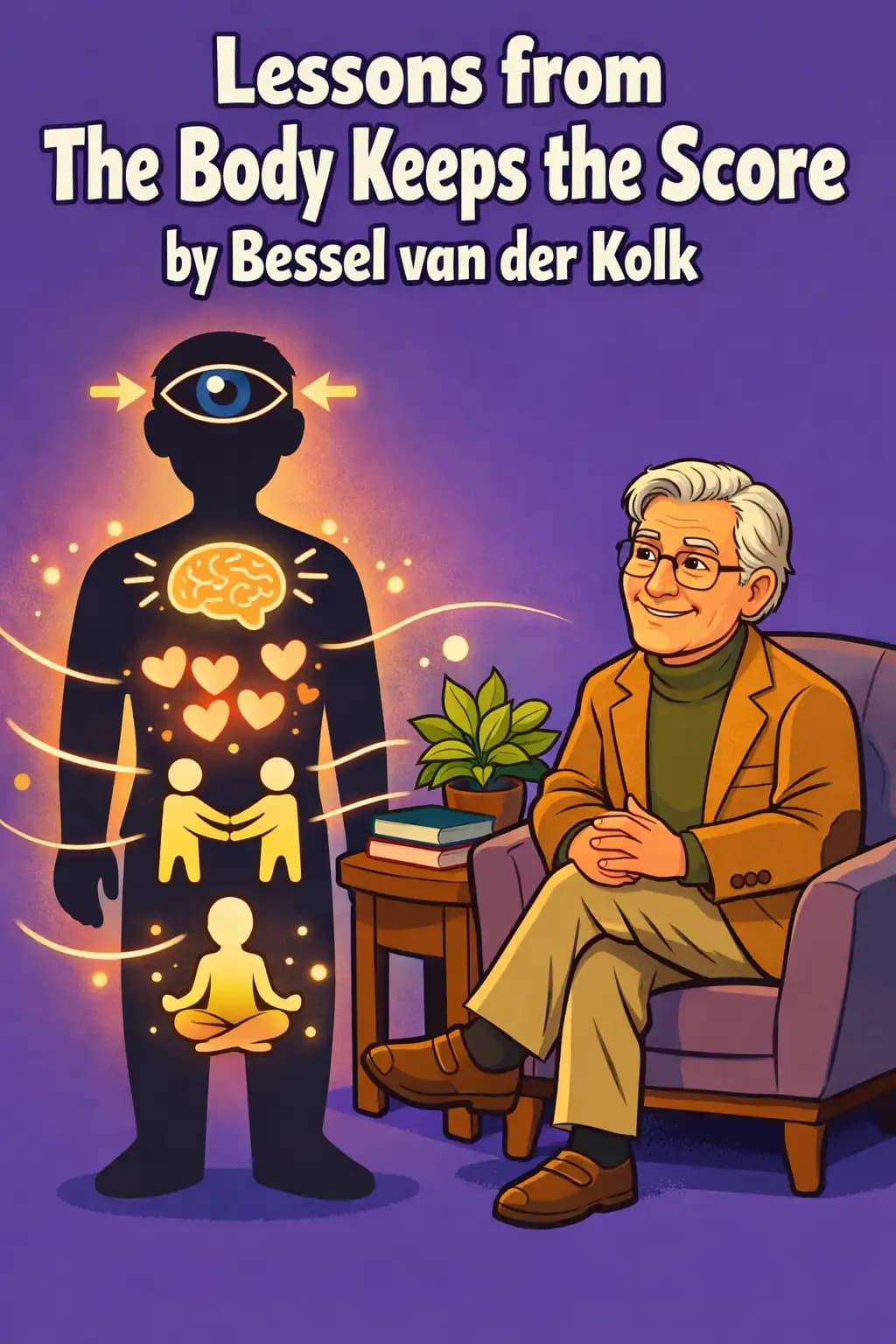



The Body Keeps the Score cover

Book summary: The Body Keeps the Score by Bessel van der Kolk

10 min read12 key lessonsText + animated summary

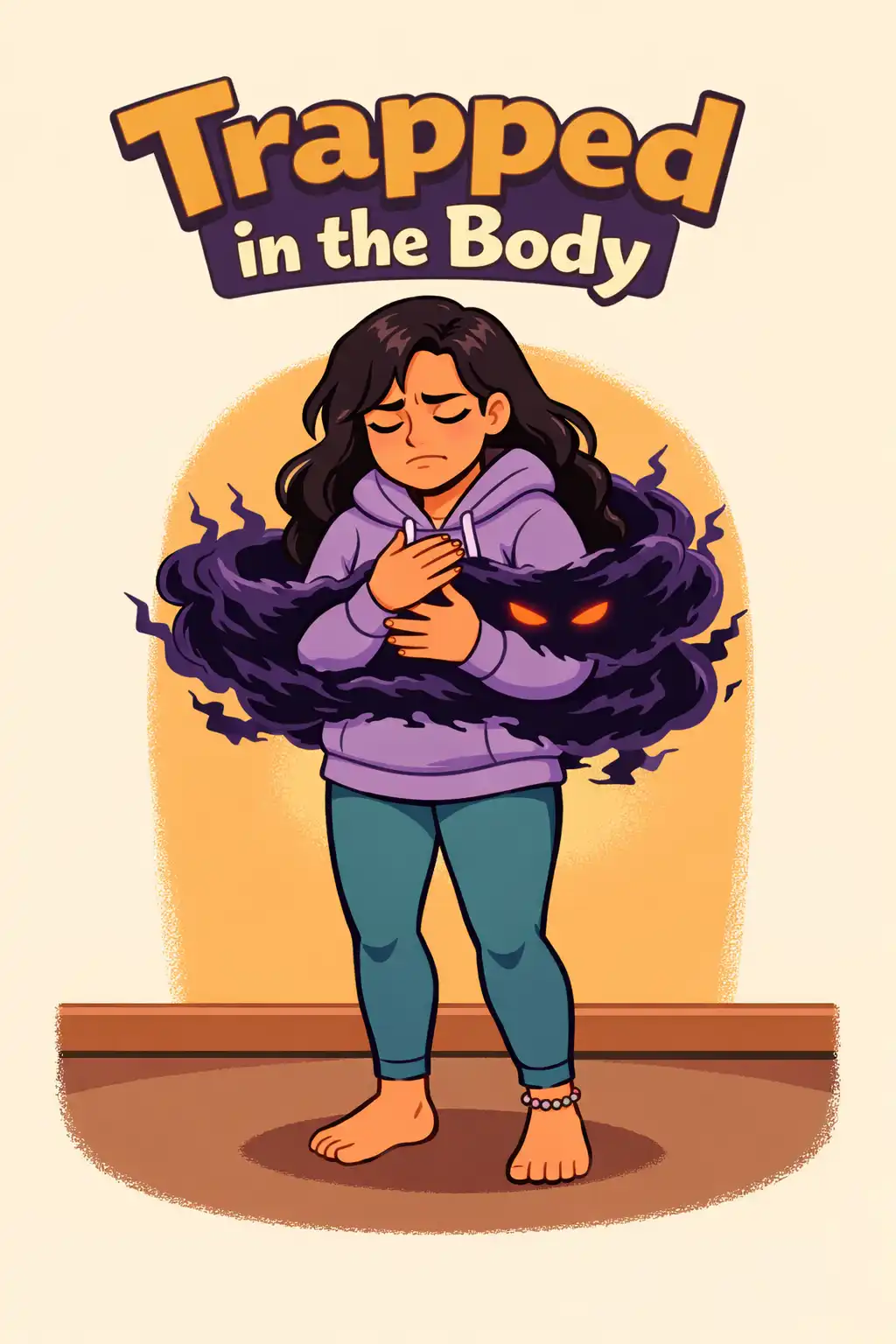
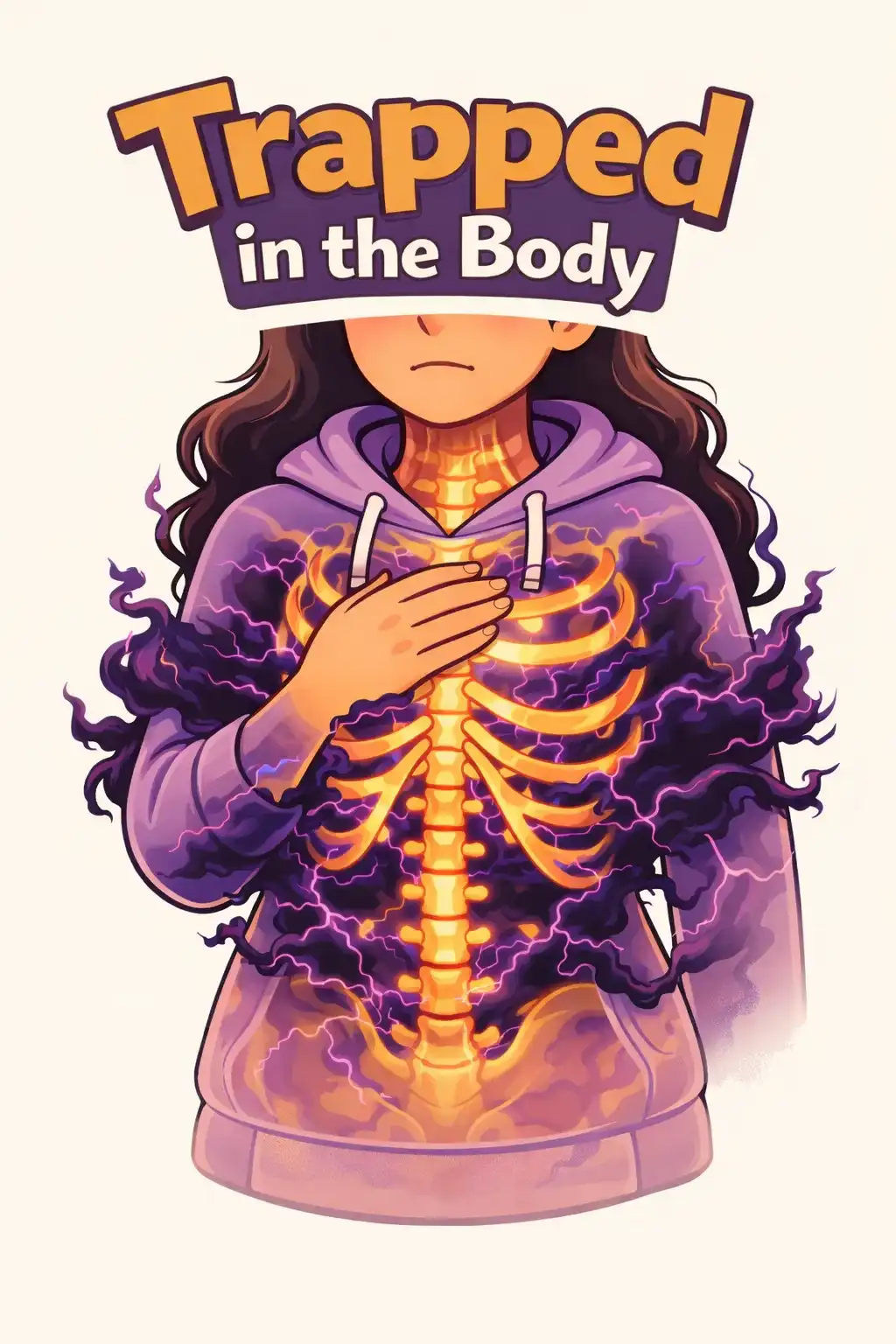
What if the pain you can't explain isn't in your head at all, but trapped somewhere deep inside your body?

One-sentence summary

"The Body Keeps the Score" by Bessel van der Kolk reveals how trauma physically reshapes the brain and the body, and more importantly, how we can truly heal.

Reading about The Body Keeps the Score is one thing.

Watching it is faster, more fun, and you'll actually remember it.

Lesson 1: Trauma Is Far More Common Than You Think

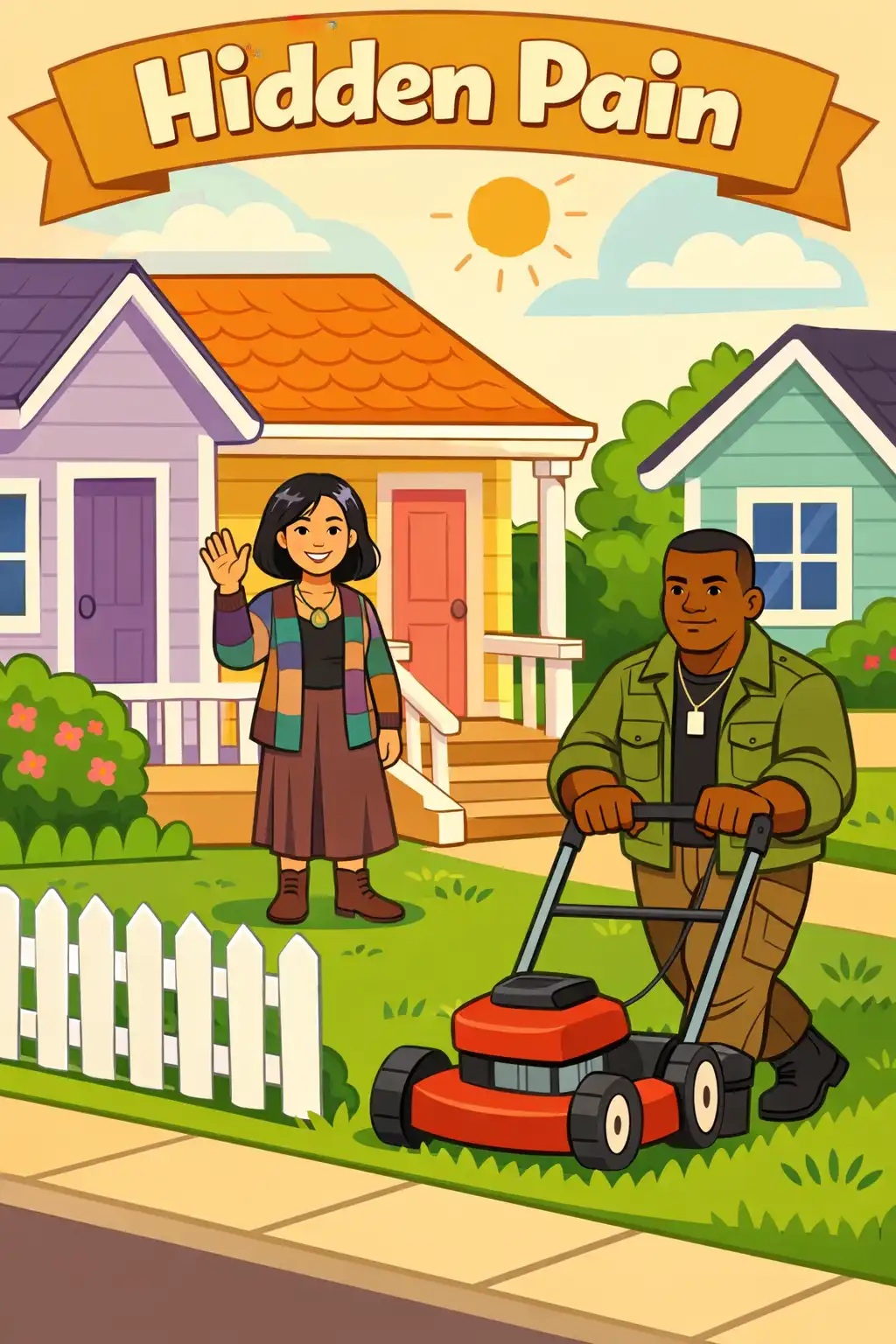
Picture a quiet neighborhood with tidy lawns and friendly waves. You would never guess the pain hidden behind some of those doors.

Bessel van der Kolk is a psychiatrist who has spent over forty years studying trauma. And his research revealed something startling.

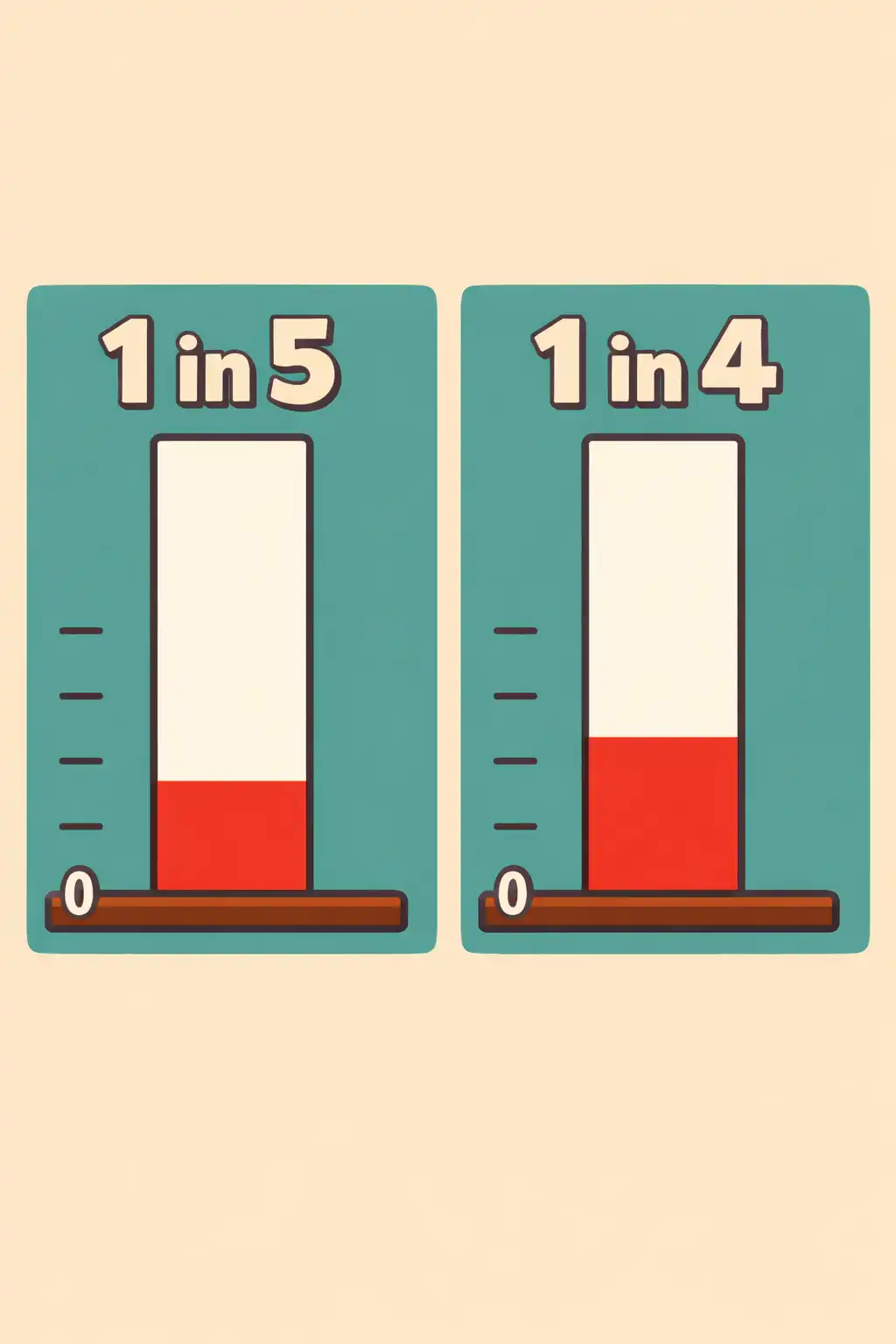
One in five Americans was sexually abused as a child. One in four was physically harmed by a parent. Trauma is shockingly, disturbingly common.

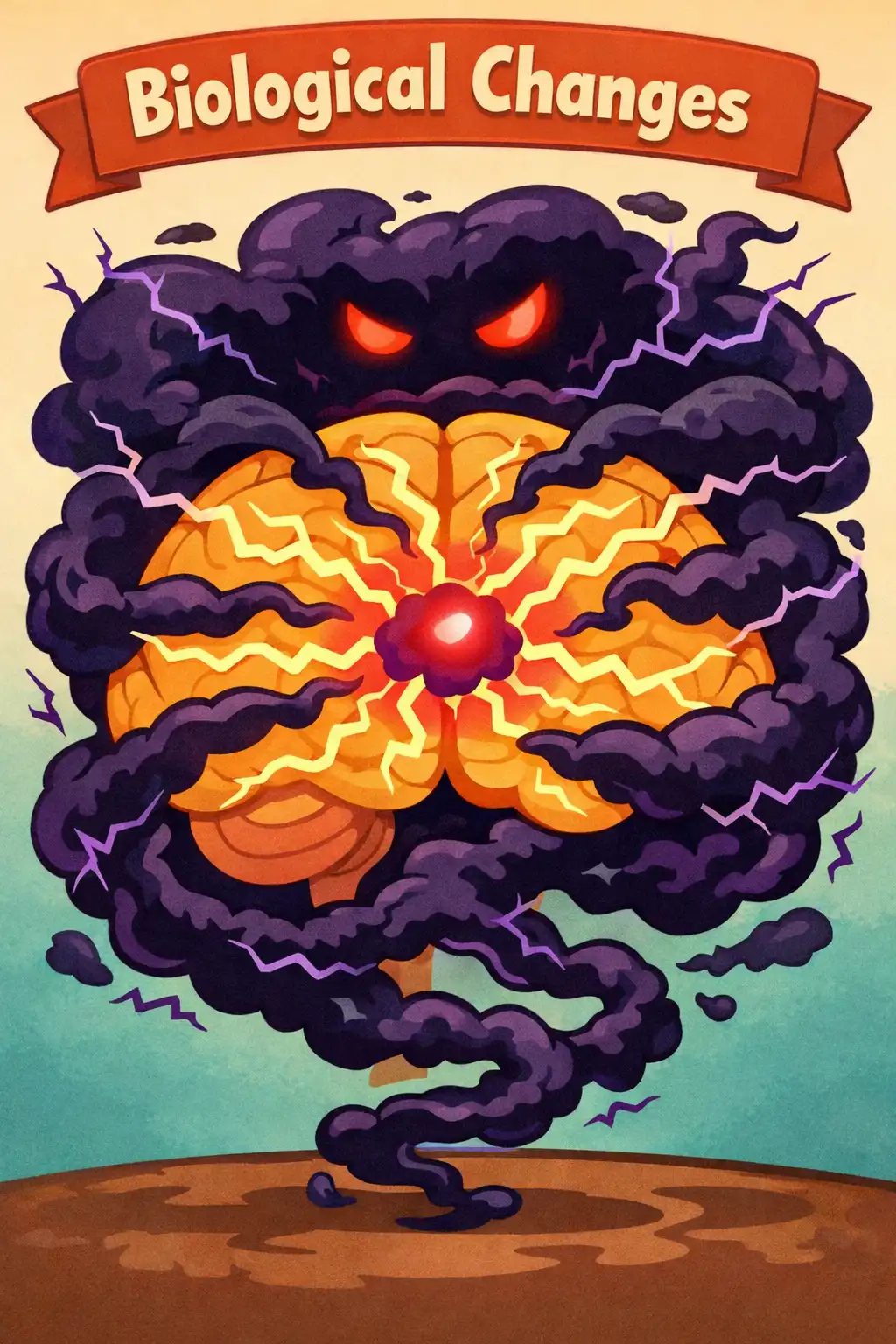
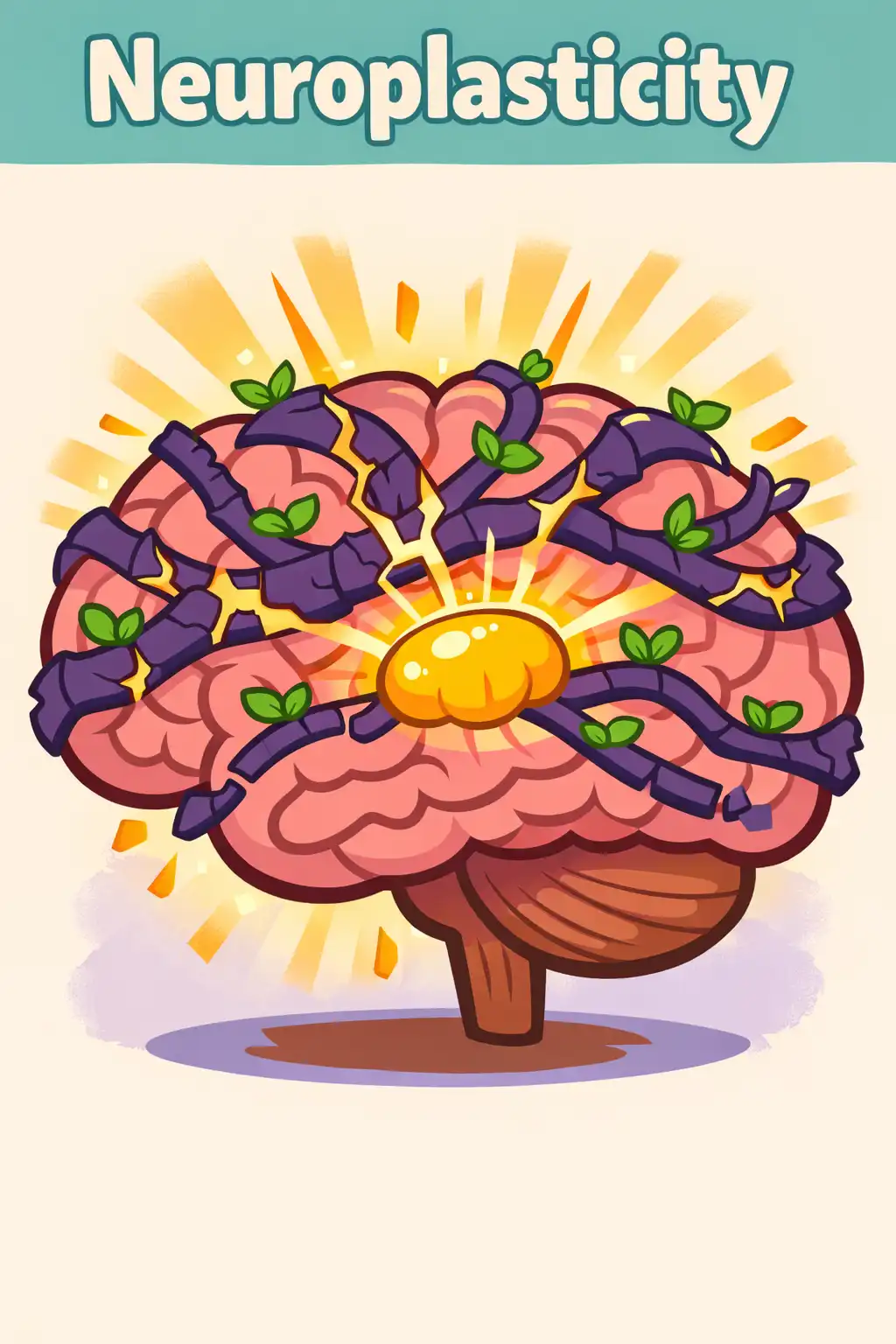
Van der Kolk found that trauma physically changes the brain. It rewires your alarm systems and your stress responses. These are not character flaws. They are biological changes.

But here is the hopeful part. The brain is "plastic," meaning it can be reshaped through connection, body-based practices, and the right kind of support.

Lesson 2: Trauma Makes People Relive the Past

Imagine a veteran named Tom who avoids Fourth of July fireworks because each explosion sends him right back to a jungle in Vietnam.

Tom was one of van der Kolk's first patients. He had nightmares, flashbacks, and explosive rage. Medication was offered, but Tom refused it.

Why? Because giving up the nightmares meant abandoning the memory of his fallen friends. That moment changed how van der Kolk understood trauma entirely.

Brain scans later showed exactly what was happening. During flashbacks, the brain's speech center goes dark. Survivors literally cannot find words for what they are experiencing.

Meanwhile, the brain's alarm center, called the amygdala, fires as if the danger is happening right now. The body relives what the mind cannot put into words.

This is why simply telling someone to "get over it" never works. Their brain is genuinely stuck in a moment that already passed.

Lesson 3: The Brain's Smoke Detector Goes Haywire

Think about a smoke detector in your kitchen that goes off every time you make toast. Annoying, right? Now imagine that happening inside your brain, all day long.

Van der Kolk describes the amygdala as the brain's smoke detector. In traumatized people, it becomes wildly oversensitive, reacting to harmless everyday triggers as if they were real threats.

At the same time, the frontal lobes, which he calls "the watchtower," lose their ability to calm things down and reassure you, "You are safe now."

Researcher Stephen Porges added another layer with something called Polyvagal Theory. He found that our nervous system cycles through three responses when it detects a threat.

First, we seek connection and help from others. If that fails, we fight or flee. And if escape is impossible, we shut down entirely and go numb.

Trauma can lock someone into fight mode or shutdown mode permanently. Recovery means restoring the ability to move flexibly between these states again.

Lesson 4: Trauma Disconnects You from Your Own Body

Imagine someone pinching your arm and you feel absolutely nothing. Not because of cold or numbness, but because your brain has completely disconnected from your body.

Van der Kolk describes a patient named Sherry who picked at her own skin just to feel something. Years of chronic neglect had cut her off from her own sensations.

Brain scans confirmed this pattern. In trauma survivors at rest, the self-sensing regions of the brain showed almost no activity at all.

Without access to those inner signals, people lose what van der Kolk calls "agency." That is the feeling of being in charge of your own life and your own choices.

Many also develop something called alexithymia, which is an inability to name their own feelings. Instead of feeling sadness, they get migraines. Instead of feeling anger, they get chronic back pain.

Recovery requires gently reconnecting with the body. Not forcing it, but slowly learning to notice sensations again without being overwhelmed by them.

Lesson 5: What Happens in Childhood Shapes Everything

Picture a baby reaching for her mother's face and getting a warm smile back. That tiny moment is literally building the baby's brain.

Van der Kolk explains that "attunement," the emotional sync between a caregiver and a child, shapes the nervous system, the sense of self, and even the capacity for love.

When caregivers are frightening instead of comforting, children develop what researchers call "disorganized attachment." They have no strategy for feeling safe, because the person who should protect them is the source of danger.

A landmark study called the Adverse Childhood Experiences study surveyed over seventeen thousand people. It found that childhood trauma was startlingly common, even among the middle class.

Higher trauma scores predicted depression, addiction, and serious illness decades later. The harmful coping behaviors people developed often functioned as survival strategies, not willpower failures.

Van der Kolk argues that healing must address not just the traumatic events, but the deeper wound of never having been truly seen or safe as a child.

Lesson 6: Traumatic Memories Break Apart

Think about your favorite birthday. You probably remember it as a story with a beginning, a middle, and an end. Traumatic memories do not work that way at all.

Van der Kolk describes a man named Julian, who had forgotten childhood abuse by a priest until a news report triggered a flood of fragmented images and panic.

Here is why that happens. When terror overwhelms the brain, the frontal lobe shuts down. Experiences get stored as disconnected sensations, smells, and feelings, with no coherent story attached.

A nineteenth-century psychiatrist named Pierre Janet first described this process, coining the term "dissociation." Traumatized people do not just remember their experiences. They physically reenact them.

Putting trauma into words helps, but it does not always stop the flashbacks. The body holds a record that language alone cannot fully reach.

Lesson 7: Talking Helps, but It Is Not Enough

After the September eleventh attacks, experts recommended talk therapy for survivors. But almost no one actually sought it out. So what did they turn to instead?

A survey of 225 survivors found they credited acupuncture, massage, yoga, and a technique called EMDR as the most helpful treatments. Not traditional talk therapy.

Van der Kolk does not dismiss language entirely. Breaking silence is powerful. Naming what happened can restore a sense of control and connect you to others who understand.

Researcher James Pennebaker found that writing privately about trauma improved immune function and mental health. But writing for yourself is very different from performing your story for others.

The deeper problem is that trauma changes the brain's body-sensing regions. True healing requires reaching the physical self, not just constructing a better narrative about what happened.

Lesson 8: EMDR Can Unlock Stuck Memories

Imagine following a therapist's finger back and forth with your eyes while painful memories surface, shift, and gradually lose their grip on you.

That is EMDR, which stands for Eye Movement Desensitization and Reprocessing. Van der Kolk was skeptical at first, but the results changed his mind completely.

In a controlled study, EMDR outperformed both the antidepressant Prozac and a placebo. Eight months later, sixty percent of the EMDR patients had fully recovered from their symptoms.

Patients on Prozac, by contrast, relapsed when they stopped the medication. EMDR seemed to help traumatic memories become integrated stories rather than raw, intrusive fragments.

Van der Kolk believes the process may work similarly to REM sleep. That is the stage of sleep where the brain naturally processes memories through lateral eye movements and new associations.

Lesson 9: Yoga Can Bring You Back to Your Body

Think about taking a deep breath and noticing, for the first time in years, that your shoulders are clenched tight. That small moment of awareness can be revolutionary.

Van der Kolk describes a patient named Annie, a severely traumatized woman who had spent years in hospitals with little improvement. Traditional therapy simply could not reach her.

His team launched the first study funded by the National Institutes of Health on yoga and PTSD. The program focused on breath awareness, simple postures, and mindfulness over perfect technique.

Yoga rebuilt what van der Kolk calls "interoception." That is your ability to sense what is happening inside your own body. Annie gradually learned to locate and name her feelings.

Over time, she could discuss her trauma openly, tolerate physical touch, and experience genuine intimacy. The body had become a safe place to live in again.

Lesson 10: Befriending the Different Parts of Yourself

Have you ever felt two things at once? Like part of you wants to speak up while another part screams to stay silent? That internal conflict is very real.

Van der Kolk introduces a therapy called Internal Family Systems, developed by psychologist Richard Schwartz. It treats the mind as a community of distinct inner parts.

Some parts are "managers" that try to control everything. Others act as "firefighters," reacting impulsively to pain through things like drinking or bingeing. Beneath both lie wounded "exiles" carrying the original trauma.

At the center is what Schwartz calls the "Self," a calm, curious core that was never damaged. Healing comes from the Self building caring relationships with its own struggling parts.

A study applying this therapy to patients with rheumatoid arthritis showed improvements in pain, depression, and self-compassion. It proved that inner emotional work has real, measurable physical consequences.

Lesson 11: Neurofeedback Can Rewire the Brain

Imagine watching your own brain waves on a screen and learning to shift them, like adjusting the dial on a radio until the static clears.

That is neurofeedback. Van der Kolk describes a woman named Lisa, who was severely abused and had spent years in institutions with no improvement from talk therapy.

After neurofeedback sessions targeting her brain's fear center, Lisa stopped dissociating. The internal noise quieted, and she could finally engage in relationships.

She later graduated near the top of her nursing school class. Van der Kolk's lab found that just twenty sessions produced a forty percent drop in PTSD symptoms.

No other treatment, he argues, has matched that result for improving executive functioning. The brain can literally learn new patterns when it is given a mirror of its own activity.

Lesson 12: Community and Shared Action Are Powerful Medicine

Picture a group of teenagers performing a play about their own lives, transforming pain into something shared, witnessed, and finally understood by an audience.

Van der Kolk found that three Vietnam veterans improved more from joining a theater project with the playwright David Mamet than from years of clinical therapy.

Collective rhythm, movement, and shared action build solidarity. From civil rights marchers singing together to youth theater programs, community itself becomes medicine.

Van der Kolk believes schools hold the greatest hope for traumatized children. When teachers are trained to see disruptive behavior as a trauma response rather than defiance, they can change entire life trajectories.

Activities like yoga, music, drama, and team sports help children develop agency, self-regulation, and genuine connection with the people around them.

The knowledge to heal trauma already exists. Van der Kolk's message is clear. The body keeps the score, but with the right support, recovery is absolutely possible.

You've read the summary. Now watch it.

The animated version covers the same ideas — faster, and in a format you'll actually remember.