


Outlive cover

Book summary: Outlive by Peter Attia

10 min read9 key lessonsText + animated summary

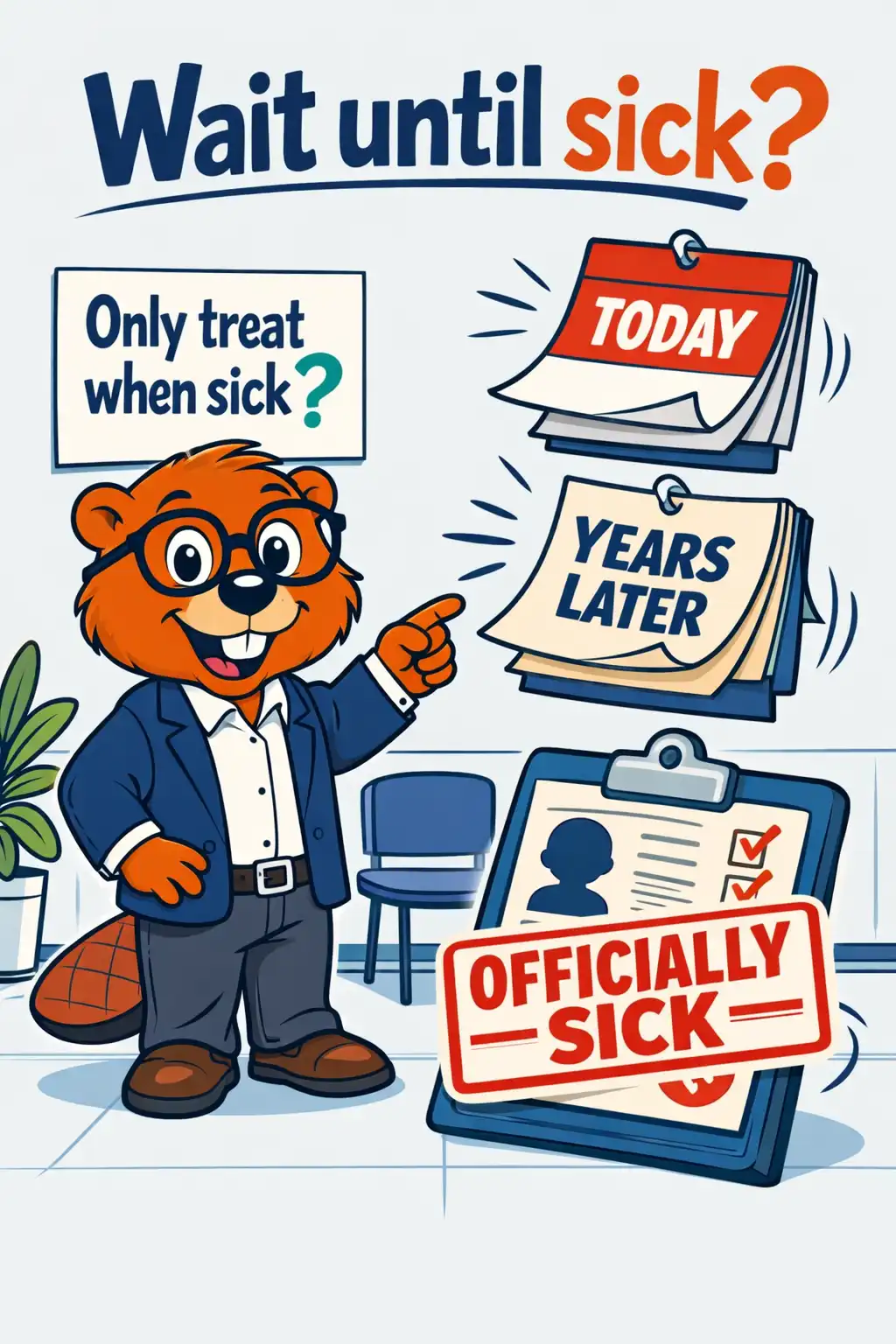
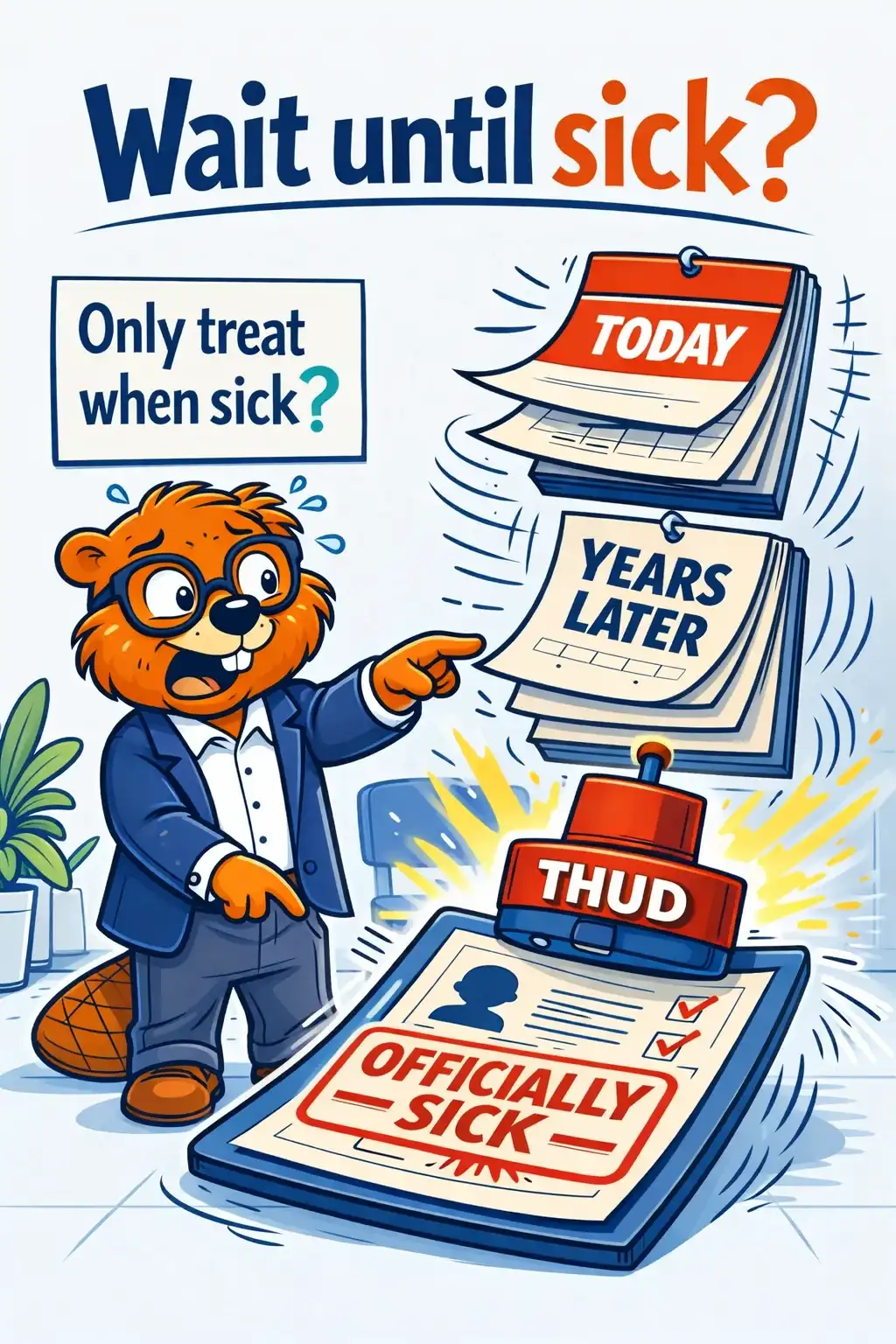
What if the biggest health mistake isn’t what you eat today, but waiting until a doctor says, "You’re officially sick"?

One-sentence summary

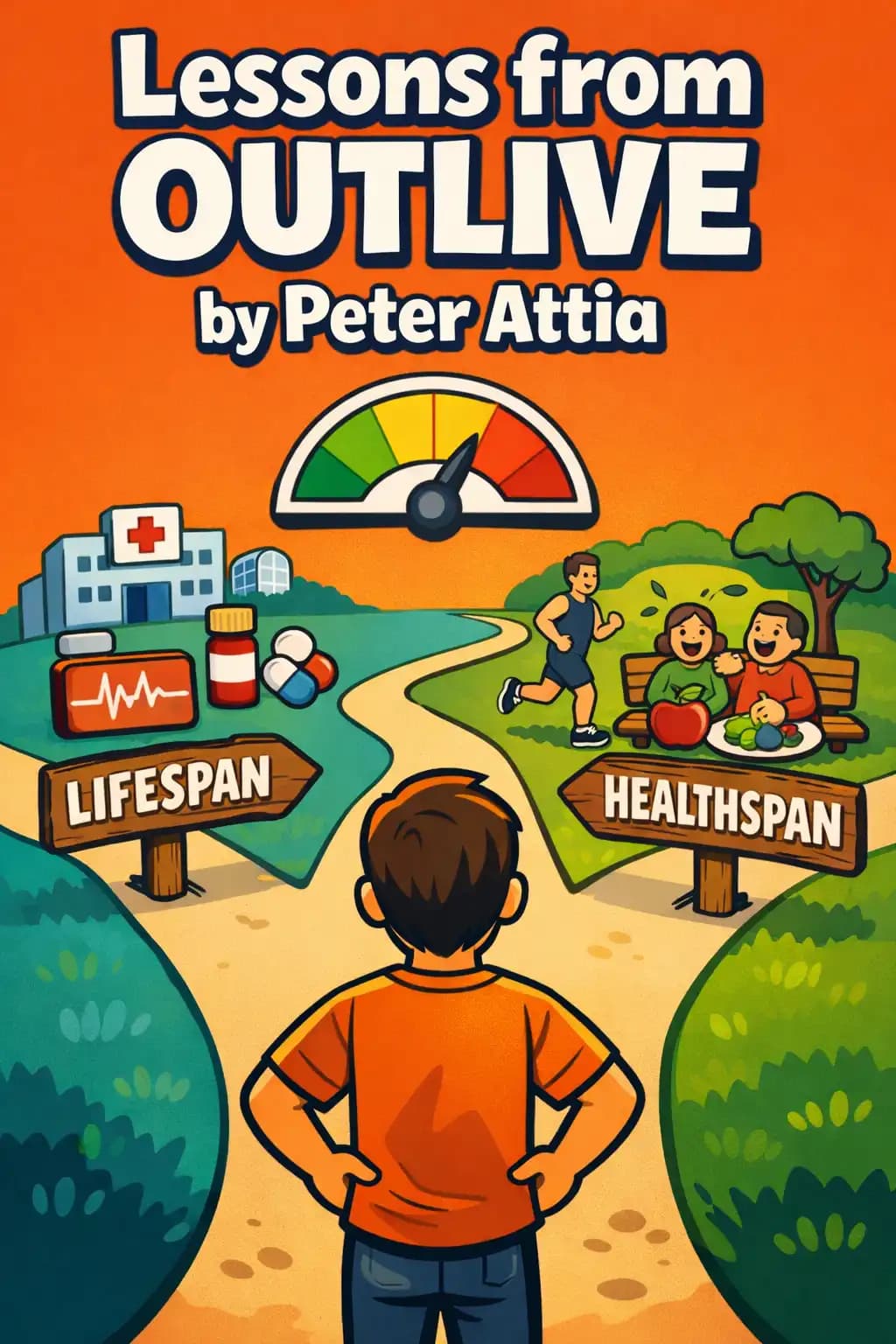
Outlive, by physician Peter Attia, explains how to extend not just lifespan—years alive—but healthspan, the years you can live well, by preventing chronic disease long before it shows up on standard tests.

Reading about Outlive is one thing.

Watching it is faster, more fun, and you'll actually remember it.

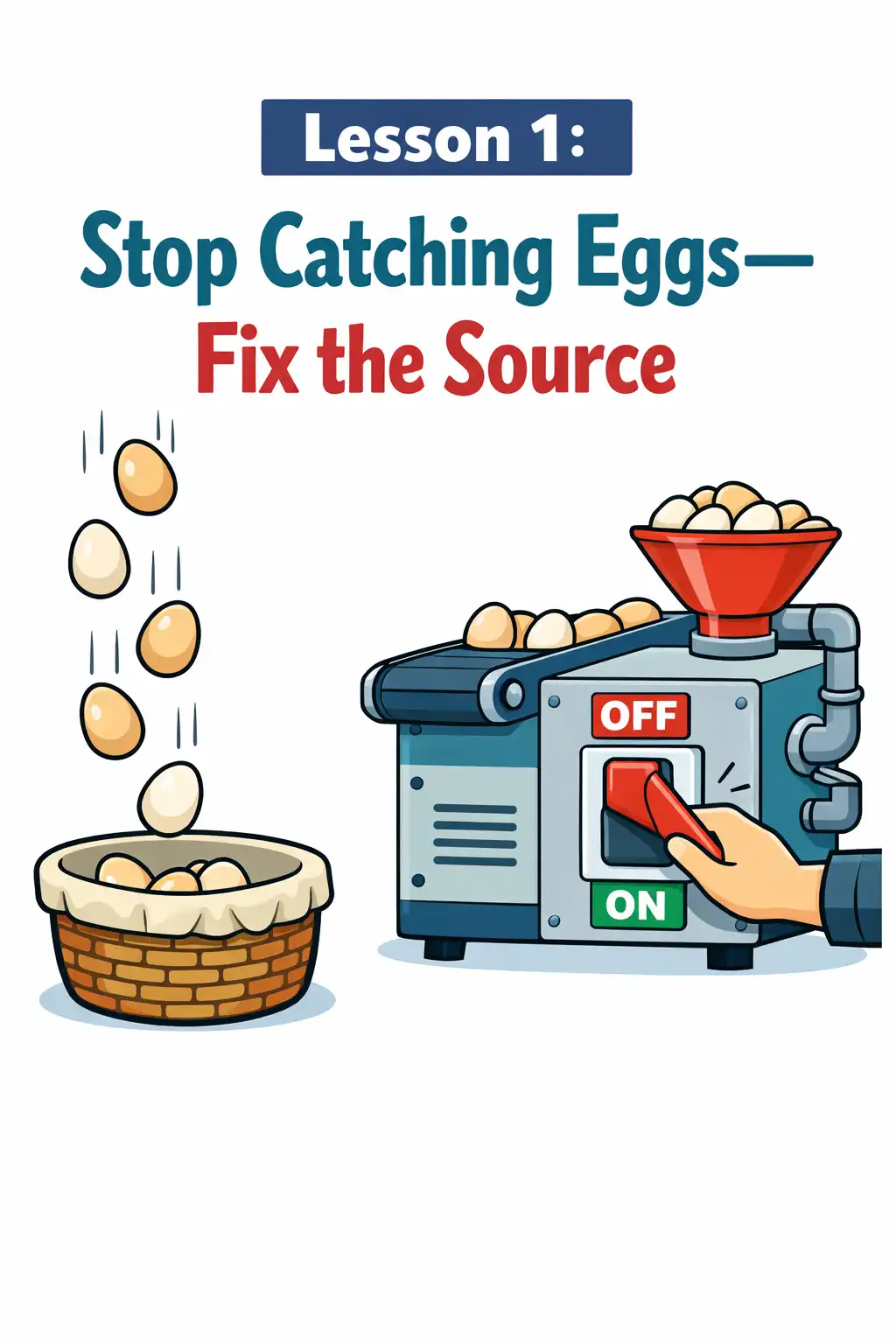
Lesson 1: Stop Catching Eggs—Fix the Source

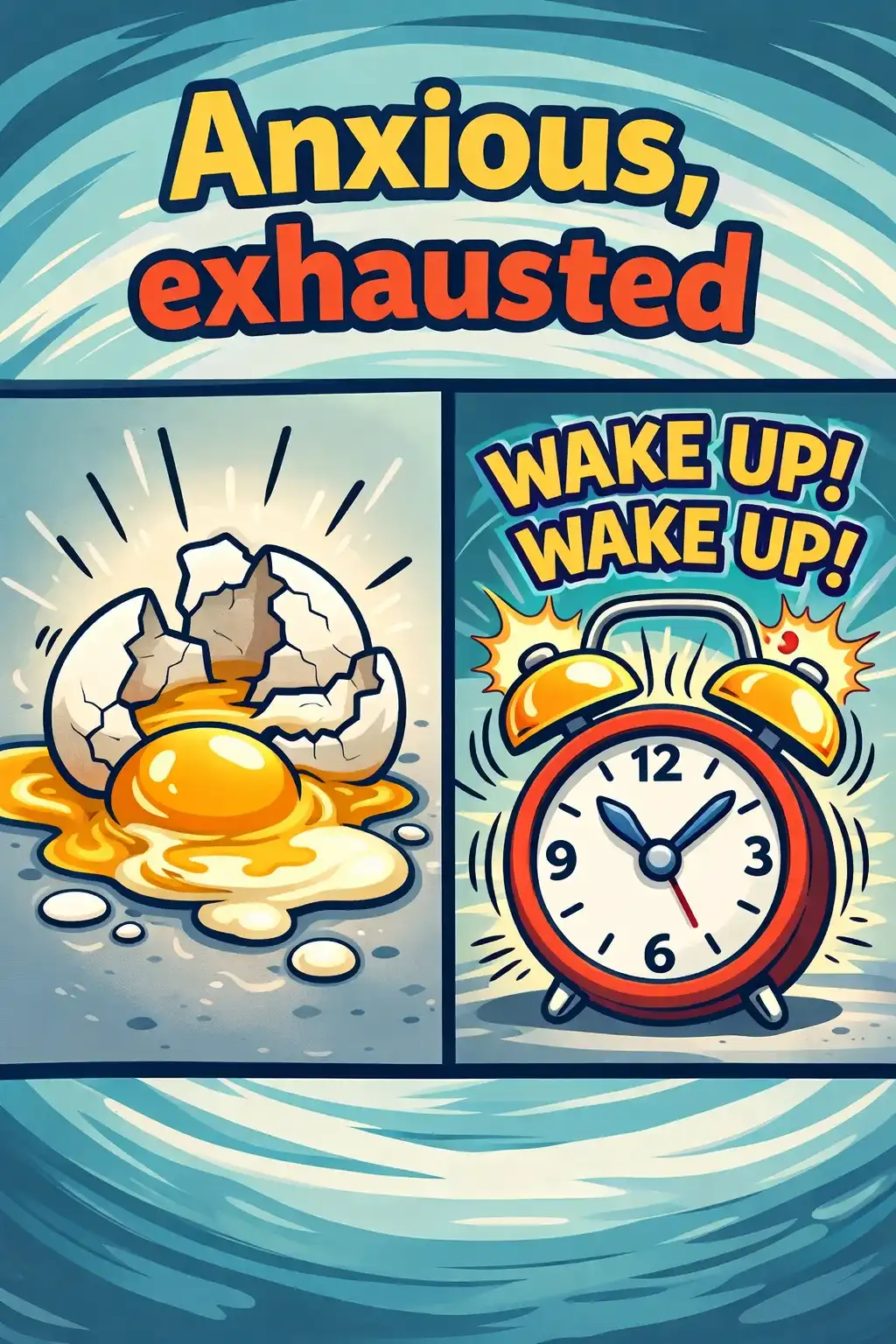
As a surgical resident, Peter Attia kept having the same dream: he’s sprinting down a sidewalk, trying to catch eggs falling from the sky.

He carries a padded basket and runs faster and faster, yet eggs still shatter—he wakes up anxious and exhausted.

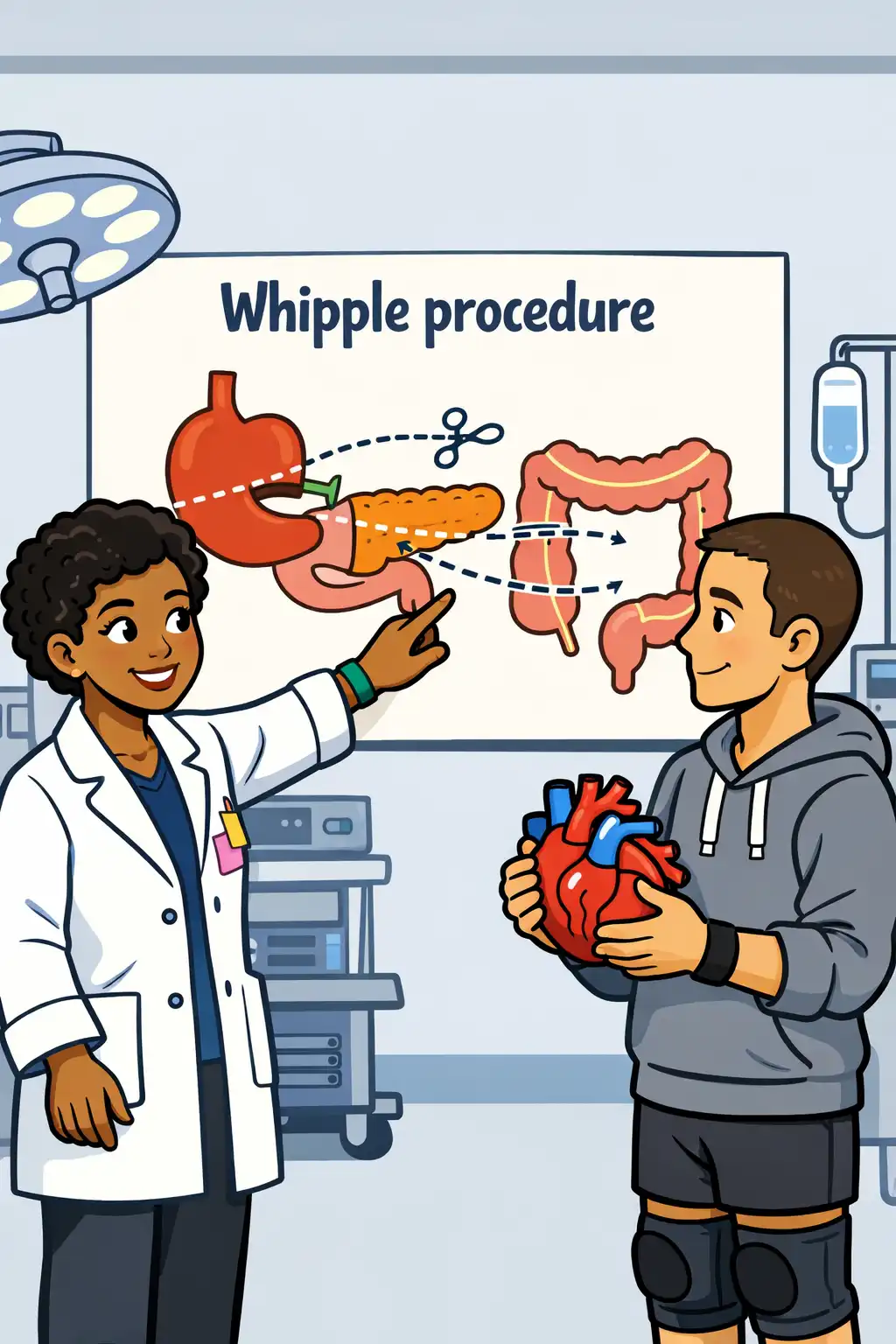
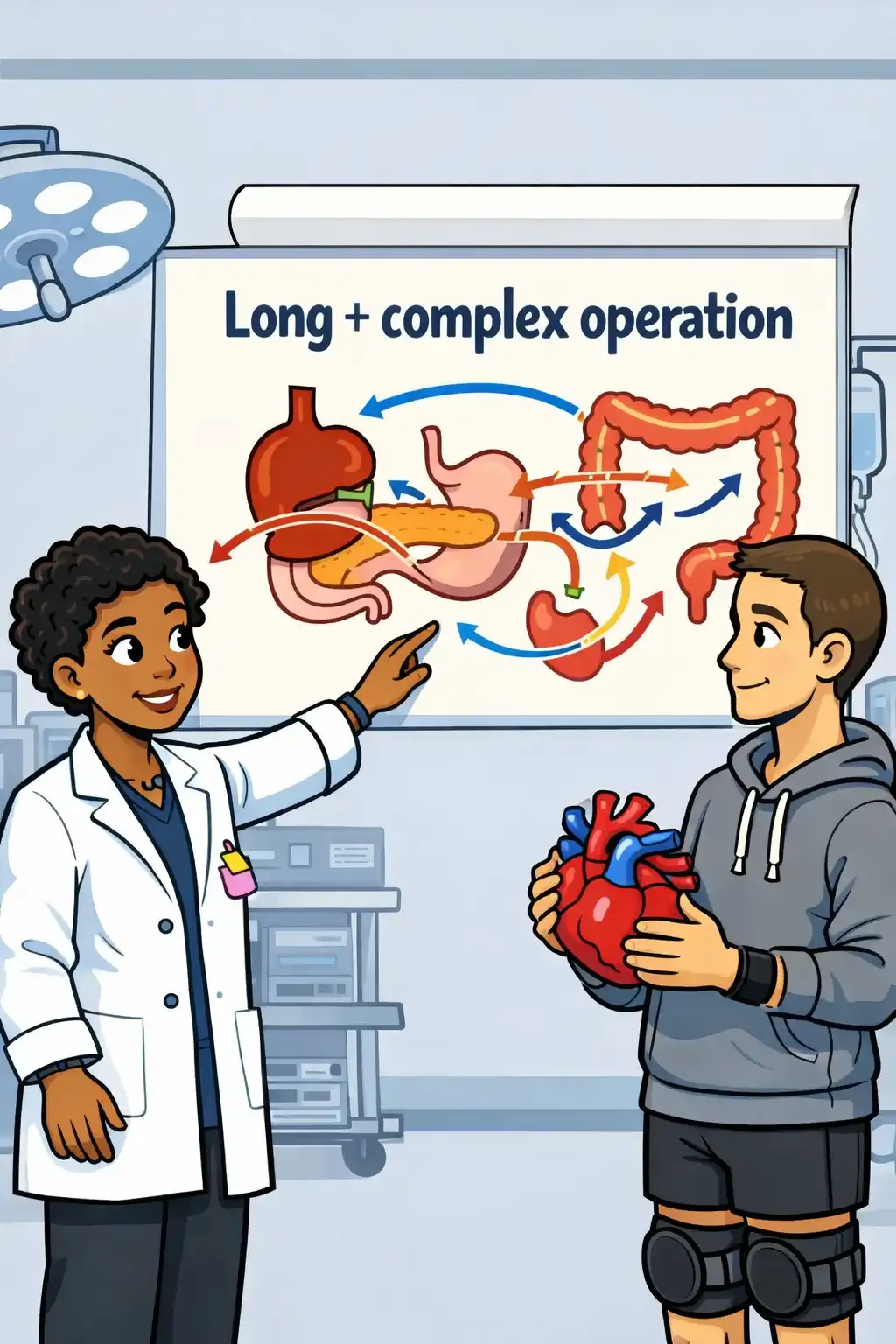
At Johns Hopkins, Attia trained as a cancer surgeon and often performed the Whipple procedure for pancreatic cancer—a long, complex operation that removes parts of the pancreas, stomach, and intestine to treat a notoriously lethal disease.

The team got better at surgery and short‑term survival improved, yet many patients later died when the cancer returned.

That’s when Attia realized modern medicine often perfects egg‑catching—reacting skillfully to crises—while the real problem keeps creating more eggs.

Outlive is his case for stopping the thrower: find root causes and prevent chronic disease early, before the emergency becomes inevitable.
Lesson 2: Play the Long Game—Start Upstream

Imagine standing by a river as people tumble past downstream. If you only pull them out, you’re always late and exhausted. The smarter move is to ask what’s happening upstream.

An emergency‑room death haunted Attia and pushed a simple question: why are people falling in upstream in the first place?

He separates "fast death"—accidents, infections, sudden events—from "slow death," the decades‑long buildup of chronic disease.

He calls the main culprits the Four Horsemen: heart disease, cancer, neurodegenerative disease, and type 2 diabetes with related metabolic dysfunction.

Here’s the twist: the goal isn’t just more birthdays; it’s more capable years—your healthspan.

If you fear living longer but frail, Attia’s point is hopeful: your trajectory can change when you act earlier.

Lesson 3: Think in Risk, Not Certainty

Driving into dense fog with only headlights means you react to whatever appears. Radar would let you see farther and steer sooner. Medicine needs that kind of forward‑looking view.

Attia briefly left training to model financial risk before the 2008 crisis, and it changed how he thinks about uncertainty.

He noticed medicine often avoids risk instead of measuring it—even though doing nothing can be its own danger.

He calls the upgrade Medicine 3.0: look across long time horizons, prevent problems early, and treat each patient as an individual.

It means interpreting evidence carefully—focusing on absolute risk, not just scary relative risk. A "50% increase" might mean going from 2 in 10,000 to 3 in 10,000—small in absolute terms.

It also means you become a co‑captain: track your own data—things like blood pressure, lab trends, sleep, and activity—ask questions, and steer before the crash.

Lesson 4: Avoid the Marginal Decade—Compress Your Decline

Picture an older friend who lives to ninety but spends the last ten years in pain, confusion, and dependence.

After a bad fall, a woman named Sophie declined quickly. Attia calls that drawn‑out final stretch the Marginal Decade.

So he asks patients to picture their ideal eighties and nineties in detail, because goals get clearer when you can see them.

He wants a "squared curve": strong function for longer, followed by a shorter, sharper decline near the end instead of a long fade.

He also separates strategy from tactics—like Muhammad Ali’s rope‑a‑dope (the strategy) before the specific punches and footwork (the tactics).

Strategy targets physical, cognitive, and emotional decline; tactics become daily choices in exercise, food, sleep, relationships, and stress management.

Lesson 5: Fix Metabolic Health First

Imagine a mechanic opening a car hood and finding sludge everywhere, even though the driver swears they used clean fuel. That sludge is like fat and inflammation building up inside the body.

Attia describes seeing fatty, enlarged livers in surgery—even in people who didn’t drink—revealing how silent non‑alcoholic fatty liver disease (NAFLD) can be.

His big claim: metabolic dysfunction, not just body weight, drives much of the risk across the Four Horsemen.

Insulin resistance often starts quietly. Insulin rises to keep blood glucose normal, so common tests like fasting glucose or A1C can look "fine" while problems are already brewing.

He prefers earlier signals—such as fasting insulin and an oral glucose tolerance test (OGTT)—because waiting for diabetic cutoffs is waiting too long.

Tools like continuous glucose monitors can teach your personal responses to food, sleep, and movement, so you can adjust in real time.

Lesson 6: Treat Your Arteries Early—Before Symptoms

Picture termites eating a house for years while the paint looks fine—until one day the porch collapses.

Attia discovered early calcification on a coronary artery calcium (CAC) scan despite decent routine labs, showing atherosclerosis can build quietly for years.

Cholesterol rides inside lipoprotein particles. The key risk is how many apoB‑containing particles circulate over time; apoB is a protein on the surface of the particles that deliver cholesterol into artery walls.

These particles slip into artery walls, oxidize, trigger inflammation, and slowly build plaques that can rupture without warning.

He highlights lipoprotein(a), or Lp(a)—a mostly genetic particle many people never test—yet it strongly raises risk for premature heart and valve disease.

Medicine 3.0 focuses on lifetime exposure—cumulative apoB over decades—using apoB labs and sometimes imaging, plus lifestyle and medications (such as statins, ezetimibe, or PCSK9 inhibitors) to lower risk earlier.

Lesson 7: Train Like a Centenarian—Build Capacity Now

Imagine funding a retirement account, except the currency is strength, balance, and stamina you’ll spend in old age.

Attia calls exercise the most powerful longevity drug: better fitness shifts risk across heart disease, diabetes, and dementia, and cardiorespiratory fitness strongly tracks with longer life.

Don’t pick sides between cardio and weights—longevity needs aerobic capacity, muscle mass, power, and stability together.

Do Zone 2 training at a steady, conversational pace—where you can speak in full sentences—to build mitochondria and metabolic flexibility, like upgrading the body’s energy engines.

Then add VO2 max intervals—short, hard efforts—to raise your ceiling so aging steals less and you keep reserve for illness or stress.

Finally, use the Centenarian Decathlon: list future tasks (carry two grocery bags up stairs, rise from the floor without hands), then train backward from those goals.

Lesson 8: Eat With Feedback, Not Faith

Think of nutrition like tuning a radio: small twists change the signal, and copying someone else’s station rarely works.

Attia criticizes diet tribalism because nutrition research is noisy; weak observational links often become loud, confident headlines, even though they can’t prove cause and effect.

He reframes it as Nutrition 3.0: ask whether you’re overnourished (too many calories), undermuscled (too little lean mass), and metabolically healthy right now.

He offers three levers: calorie restriction (eat less overall), dietary restriction (limit certain foods or macros), and time restriction (compress eating into fewer hours, like intermittent fasting).

Across approaches, make protein the anchor—especially with age—often well above the RDA to protect and build lean mass; for many adults, that means aiming above 0.8 g/kg/day.

The winning plan is the one you can sustain—one that improves biomarkers, supports training, and doesn’t quietly shrink your muscle.

Lesson 9: Sleep and Meaning—Protect the Mind, Too

Picture trying to repair a city every night, but the workers never show up; trash piles up in streets and alleys.

Attia admits he dismissed sleep during residency—until dangerous moments, like drowsy driving and microsleeps, forced him to take it seriously.

Sleep loss quickly harms performance and mood, and over time worsens insulin resistance, appetite signals, inflammation, and heart risk.

Sleep also protects the brain: deep sleep helps clear waste, and REM helps process emotion—one reason poor sleep links to dementia risk.

Attia goes further, sharing his emotional breakdown and therapy, because a longer life feels empty without connection, purpose, and joy.

So the final lesson is simple: build the body, protect the mind, and choose a future you truly want to live.

You've read the summary. Now watch it.

The animated version covers the same ideas — faster, and in a format you'll actually remember.