










Never Split the Difference cover

Book summary: Never Split the Difference by Chris Voss

10 min read10 key lessonsText + animated summary

What if the most dangerous negotiation mistake you can make is trying to meet the other person halfway?

One-sentence summary

"Never Split the Difference" by Chris Voss reveals FBI hostage negotiation secrets that can transform how you handle any conversation, from boardrooms to everyday life.

Reading about Never Split the Difference is one thing.

Watching it is faster, more fun, and you'll actually remember it.

Lesson 1: Emotions run the show

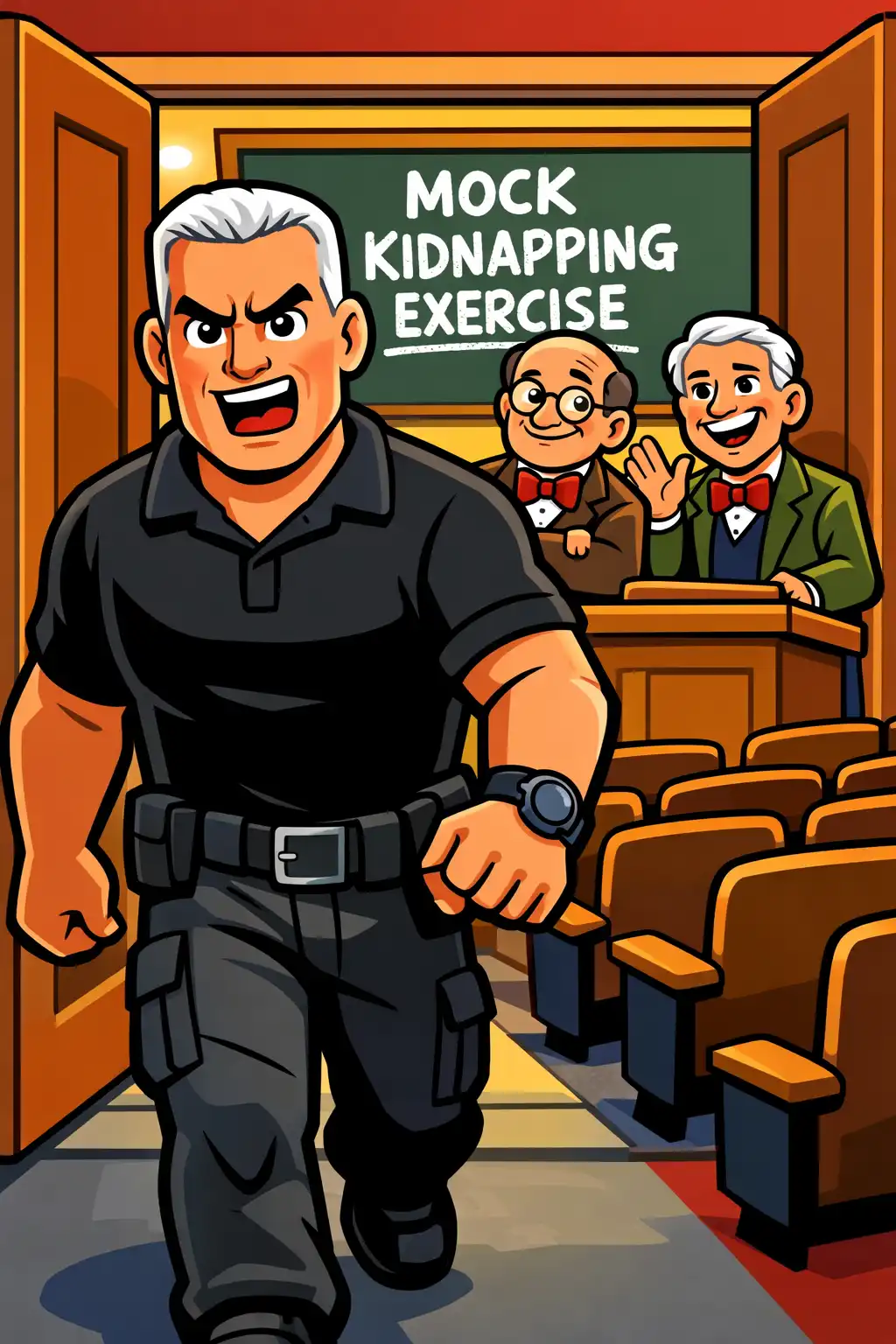
Picture this. A former FBI hostage negotiator walks into a Harvard classroom and goes head to head with two distinguished professors in a mock kidnapping exercise.

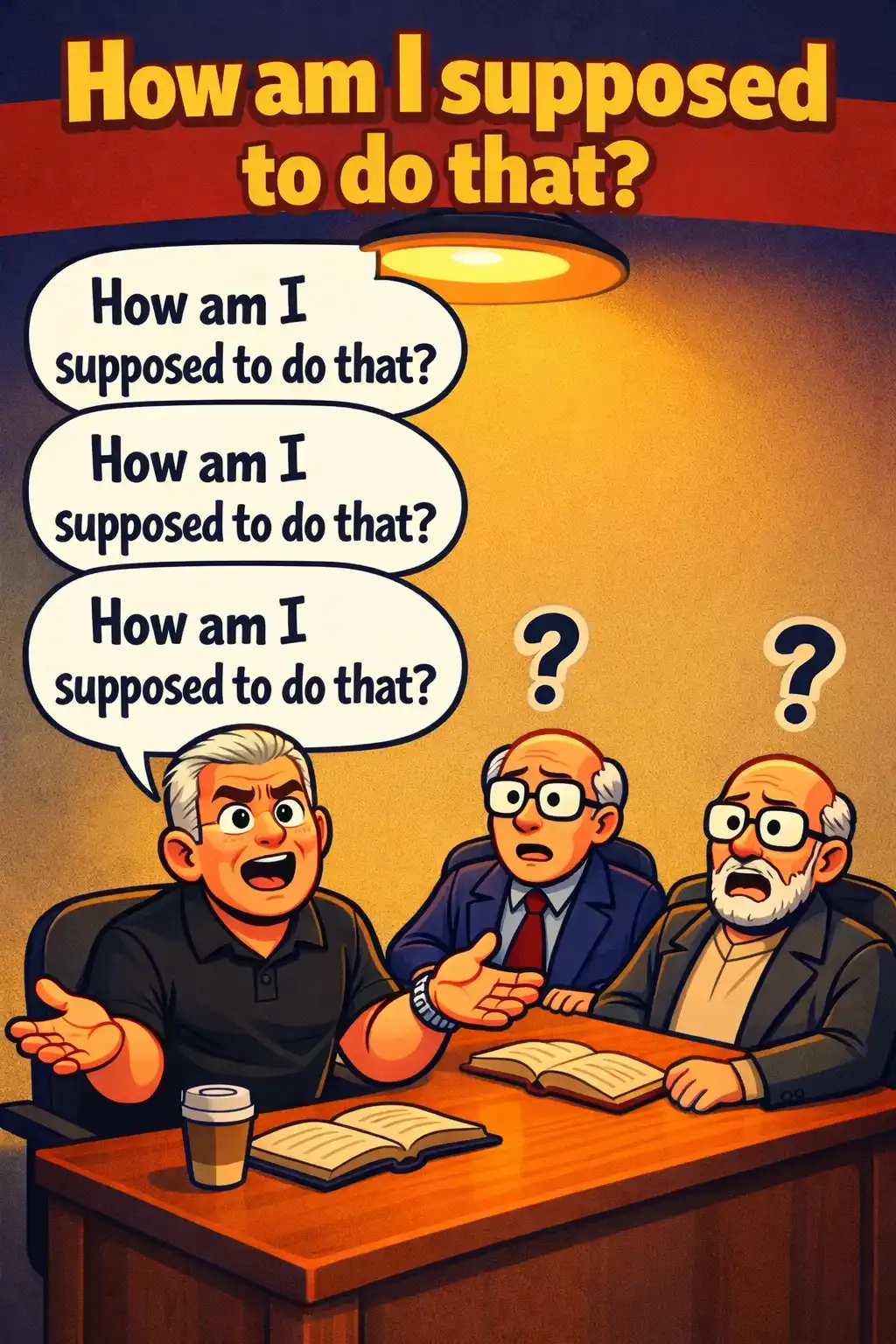
Chris Voss didn't rely on logic or clever arguments. He just kept asking one calm question over and over again: "How am I supposed to do that?"

The professors grew frustrated and couldn't advance their position. Voss held his ground without ever making a single counteroffer or demand.

His insight was simple but powerful. Traditional negotiation theory treats people as rational problem solvers. But humans are not rational. We are emotional.

Psychologists Daniel Kahneman and Amos Tversky proved that our fast, emotional brain actually drives our slow, logical brain, not the other way around.

Voss built his entire approach on this truth. If you want to change someone's mind, you have to reach their feelings first, before anything else.
Lesson 2: Mirror their words to open doors

Imagine you are at work and your boss gives you a confusing instruction that could waste everyone's time. What do you do?

Voss teaches a technique called mirroring. You simply repeat the last one to three words the other person just said, using a curious, upward tone.

It sounds almost too easy, but it works. Humans are naturally drawn to people who seem to reflect their own thinking back at them.

During a real bank hostage standoff, Voss mirrored a key phrase from the lead robber. The man immediately started volunteering information he never intended to share.

Combine mirroring with what Voss calls the "late night FM DJ voice." Slow, calm, and reassuring. Together, they create a powerful sense of trust.

The result? People keep talking and revealing what they really need, while you stay in control of the conversation without ever being aggressive.

Lesson 3: Label emotions to defuse them

Think about a time someone was upset with you and nothing you said seemed to help. What if simply naming their emotion was the key to calming them down?

Voss calls this technique "labeling." You say something like, "It seems like you're frustrated," or, "It sounds like this has been really difficult for you."

Neuroscience backs this up. When you name a fear out loud, brain activity shifts away from the panic center and toward the rational thinking areas.

One of Voss's students rewrote a debt collection script for football season ticket holders. Instead of aggressive demands, the new script used labels that acknowledged fans' financial hardship.

The results were stunning. Every single delinquent account set up a payment arrangement before the season started. The old aggressive script had never come close to that.

Voss also teaches something called the "accusation audit." You name every negative thing the other side might be thinking before they say it, which takes away its power.

Lesson 4: Let them say no

You know that feeling when a telemarketer keeps pushing you toward saying yes? All you want to do is hang up and say no.

Voss says most negotiators make the same mistake. They chase "yes," but that just makes people defensive and desperate to escape the conversation.

Here is the thing. There are actually three types of yes. A counterfeit yes just gets rid of you. A confirmation yes is a reflex. Only a commitment yes leads to real action.

Instead of pushing for agreement, Voss recommends inviting "no." It gives the other person a feeling of safety and control, which actually opens them up.

A political fundraiser tested this by switching from a yes-pattern script to a no-oriented one. Donations jumped by twenty-three percent.

And when someone goes silent on you, try asking, "Have you given up on this project?" People's fear of loss almost always triggers an immediate response.

Lesson 5: Get them to say 'that's right'

Imagine negotiating with a militant rebel leader who is demanding ten million dollars and refuses to budge for months. How do you break the deadlock?

In a real kidnapping of an American in the Philippines, Voss coached the local negotiator to stop arguing. Instead, he had him summarize the rebel leader's entire worldview.

Every grievance, every frustration, reflected back with patience and accuracy. After hearing it all, the rebel leader went silent. Then he said, "That's right."

The ten million dollar demand vanished overnight. But Voss warns there is a huge difference between "that's right" and "you're right."

"You're right" is what people say to end a conversation they are tired of. It means nothing has changed. "That's right" means they truly feel understood.

A well-crafted summary that combines paraphrasing with labeling is your best tool for reaching those two breakthrough words that change everything.

Lesson 6: Bend reality with fairness and framing

Picture a couple arguing about shoes. One wants black, the other wants brown. Splitting the difference means wearing one of each. That is not a good outcome for anyone.

Voss argues that compromise often produces results worse than either starting position. Real negotiation means embracing discomfort and finding creative solutions instead.

One powerful lever is the concept of fairness. The word "fair" triggers intense emotional reactions. Voss recommends telling your counterpart early on that you want them to feel fairly treated.

Another key insight comes from something called Prospect Theory. People hate losing more than they enjoy gaining. So frame your offers around what they might miss out on.

Voss also suggests using precise, odd numbers instead of round ones. Saying thirty-seven thousand, five hundred and one feels researched and final. Thirty-eight thousand invites haggling.

When negotiating salary, anchor with a range, ask for a new title, define success metrics, and present specific figures. Let their reality bend toward yours.

Lesson 7: Use calibrated questions to steer

After a hostage crisis in the Philippines went tragically wrong, with friendly fire killing the very people he was trying to save, Voss questioned everything about his approach.

The breakthrough came from an unlikely place. During a different case, an untrained victim asked a kidnapper, "How do I know she's all right?" The kidnapper paused, then put the hostage on the phone.

That simple, open-ended question worked because it handed the kidnapper a problem to solve, without making any demands or triggering a power struggle.

Voss built this into what he calls "calibrated questions." They start with "what" or "how" and invite the other side to think and problem-solve alongside you.

Avoid "why" questions because they sound accusatory. And remember, these tools only work when you stay emotionally composed. Lose your cool and the whole strategy collapses.

In a kidnapping in Ecuador, Voss coached a wife to answer every demand with calibrated "how" questions. The ransom dropped from five million dollars to just sixteen thousand.

Lesson 8: Yes means nothing without how

During a prison siege, negotiators designed a careful surrender plan using walkie-talkies. Then a SWAT officer confiscated one of them, and the remaining inmates thought their friend had been killed.

The deal nearly fell apart. Voss uses this story to drive home a crucial point. Getting someone to agree is only half the battle.

Real success means making sure the agreement actually gets carried out. That requires asking how it will be implemented and who else might be affected.

Voss warns about hidden players who are not in the room. A colleague, a boss, or a division head can quietly kill a deal you thought was done.

He recommends something called the Rule of Three. Get your counterpart to confirm their commitment three different times through questions, summaries, and labels. It is very hard to fake agreement three times.

And pay close attention to body language and tone. Research suggests only seven percent of a message comes from words. The rest is voice and nonverbal cues.

Lesson 9: Know your style and bargain with structure

Voss once bought a Toyota 4Runner by calmly repeating, "I'm sorry, I just can't do that," while letting silence do the work. The dealer dropped his price three times.

Before you start bargaining, Voss says you need to know your negotiation style. Are you an Analyst who loves data? An Accommodator who values relationships? Or an Assertive who craves results?

The danger is assuming your counterpart thinks like you do. With three styles out there, there is a two-thirds chance they do not. Adjust your approach accordingly.

For making offers, Voss recommends a method called the Ackerman model. Start at sixty-five percent of your target price, then increase to eighty-five, then ninety-five, and finally one hundred percent.

Each jump gets smaller, signaling that you are being squeezed dry. End on a precise, odd number and throw in a small non-monetary bonus to seal the deal.

Above all, be willing to walk away. Neediness hands your power straight to the other side. Calm persistence beats desperation every single time.

Lesson 10: Find the Black Swans

In 1981, a hostage taker named William Griffin did something no one had ever seen before. He killed a hostage exactly on his stated deadline.

Negotiators had missed every sign that Griffin actually wanted to die. A note he read aloud even contained the words, "after the police take my life." Nobody connected the dots.

Voss calls these hidden game changers "Black Swans." They are the unknown unknowns that sit outside your expectations and transform everything once you find them.

Every negotiation contains at least three Black Swans on each side. They might be hidden constraints, bad information, or interests the other person has not revealed yet.

To uncover them, get face-to-face time. Pay attention during unguarded moments, like the small talk before a meeting or the offhand comment as someone is leaving.

When a counterpart seems irrational, do not dismiss them. Dig deeper. Their strange behavior is almost always a clue pointing toward something you have not discovered yet.

You've read the summary. Now watch it.

The animated version covers the same ideas — faster, and in a format you'll actually remember.