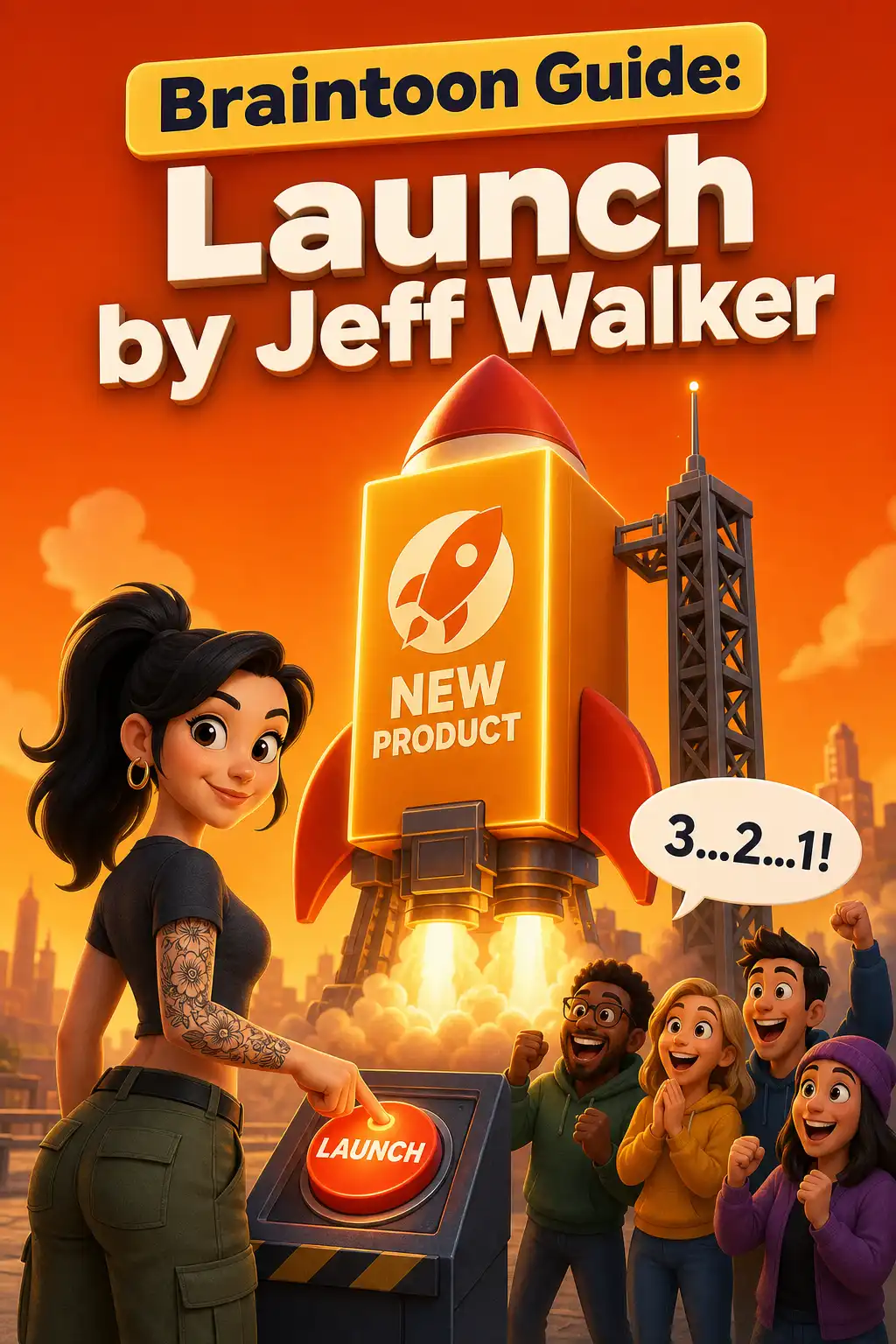
A detailed summary ofLaunchby Jeff Walker
Launch by Jeff Walker teaches a step-by-step formula for turning your product release into an event, building anticipation and trust so that customers are genuinely excited to buy before you even ask.
Watch the first minute






What if your tiny
0:00 / 1:00
60-second animated preview
Key ideas, illustrated
The Sideways Sales Letter: Launch Sequence
The 9 Mental Triggers
The Circle of Awesome
Launch Summary
What if your tiny business could generate Apple-keynote-level buzz, so that when you finally say 'it's for sale,' people are already lined up with their wallets out?
1. The click that started everything
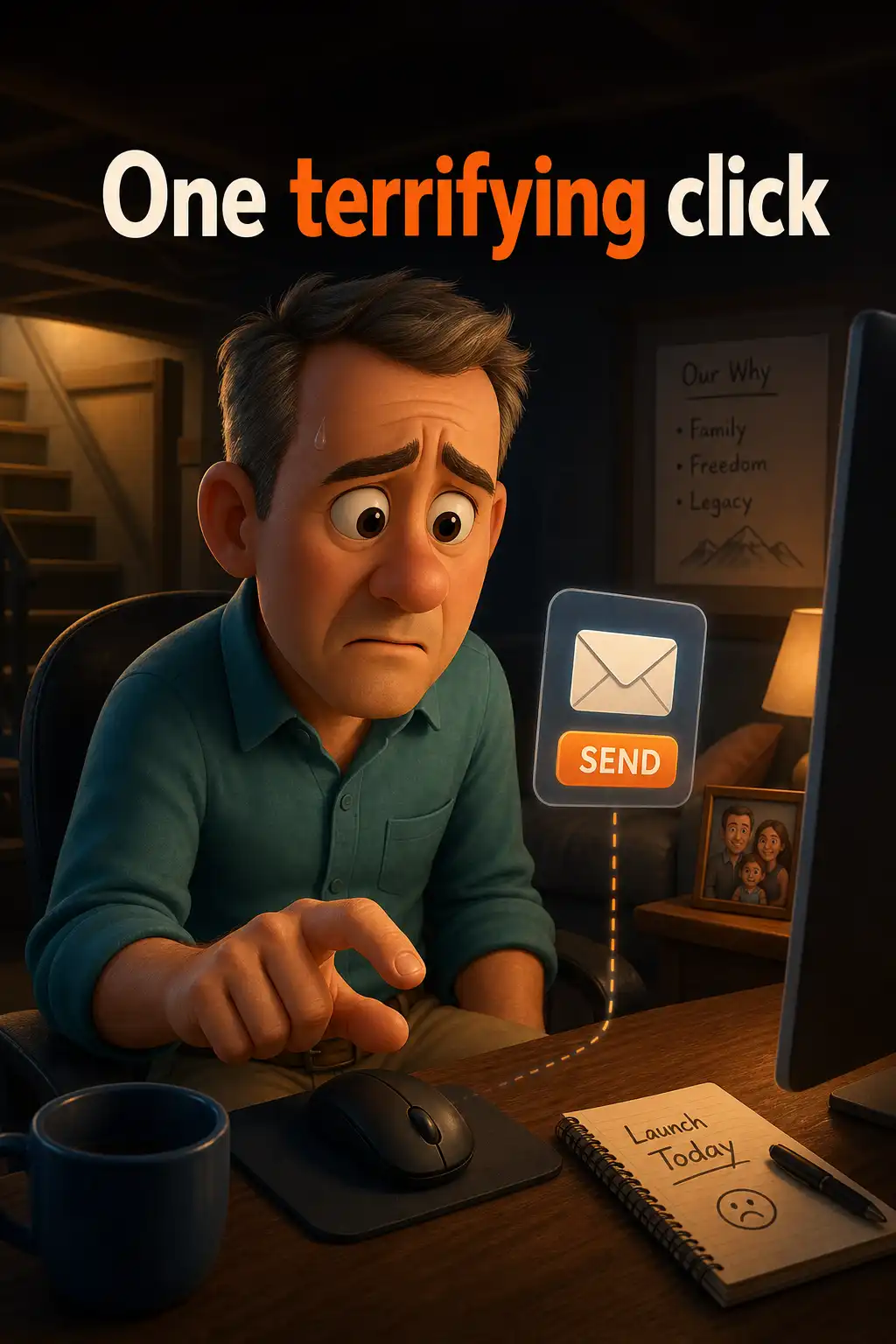
Picture Jeff Walker in a dim Colorado basement, hovering over a mouse button, absolutely terrified. He's a stay-at-home dad, and his wife Mary just came home in tears, crushed by being the sole breadwinner for the family.
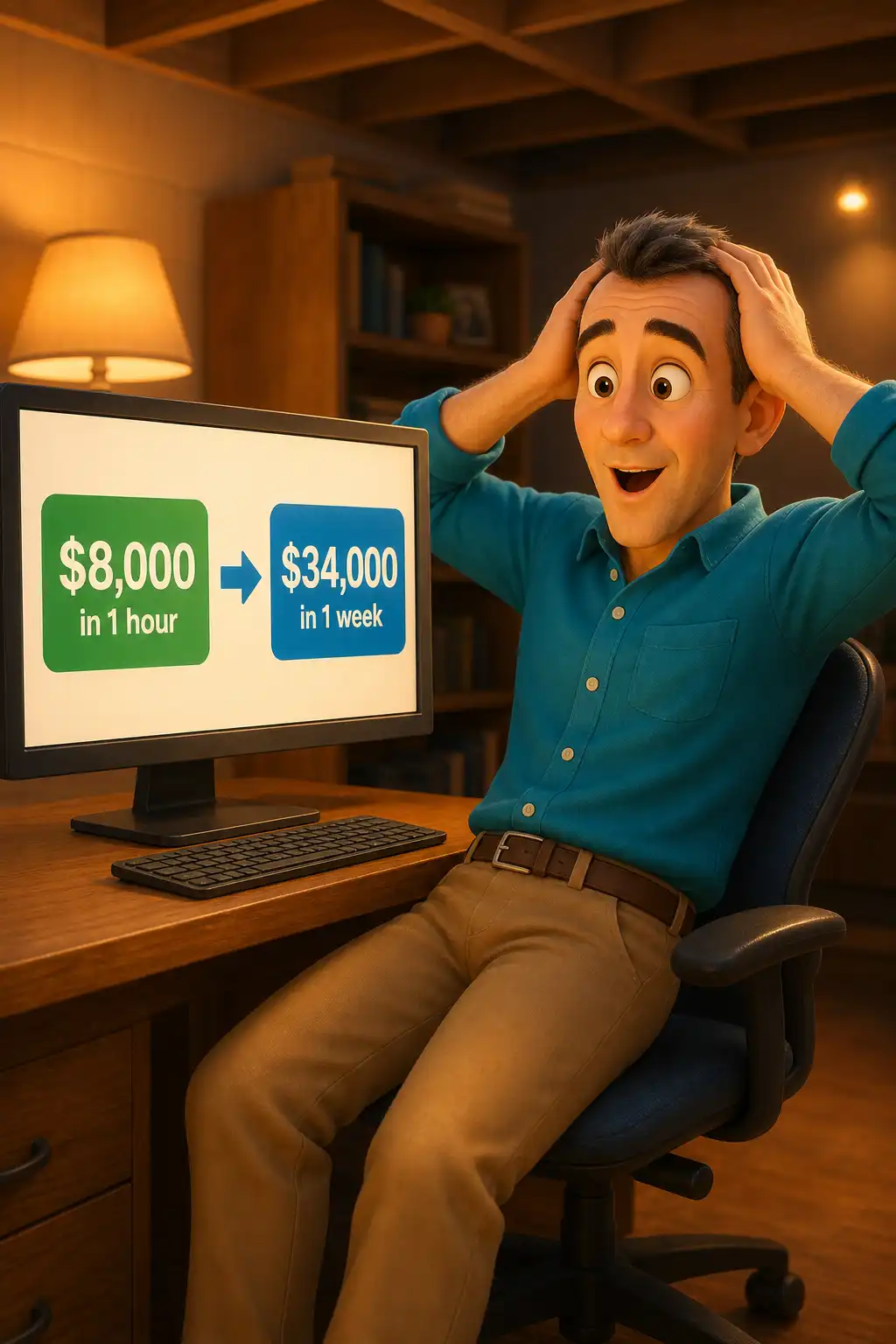
He clicks. An email goes out to his little newsletter list about a simple stock market publication. Within an hour, eight thousand dollars comes in. By the end of the week, thirty-four thousand.
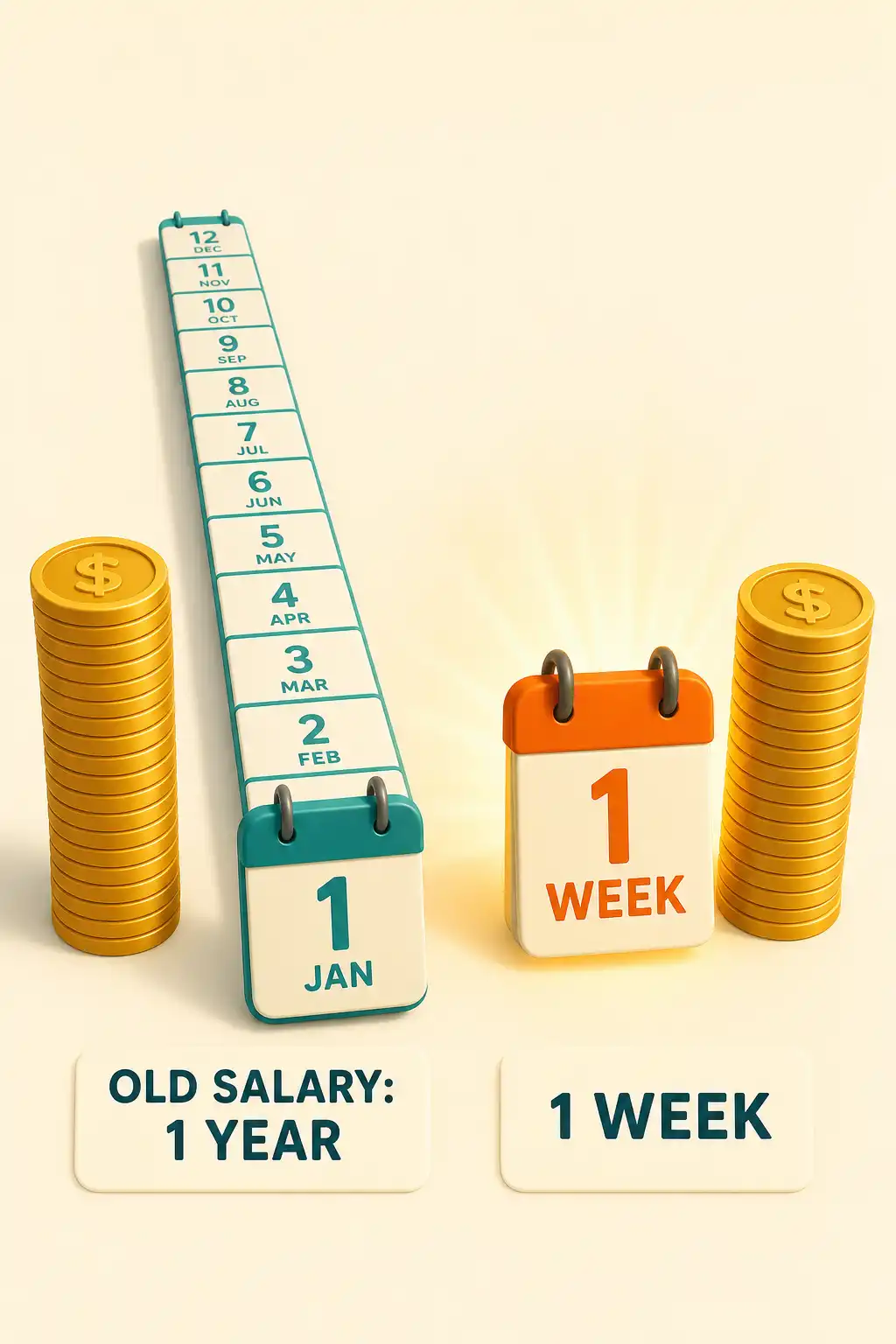
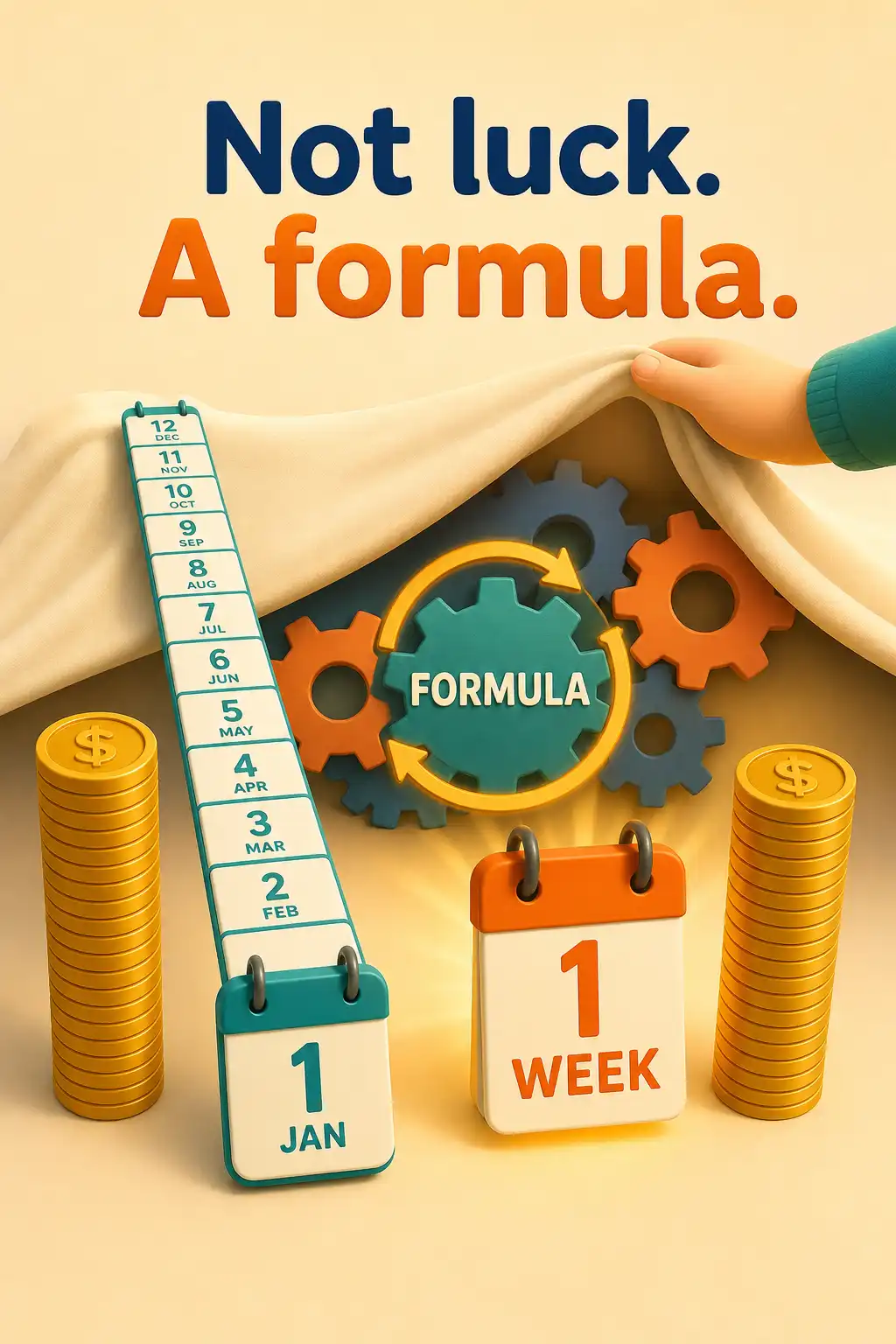
That was nearly a full year of his old corporate salary, earned in one week. And here's the thing. It wasn't luck. There was a repeatable formula underneath it.
Walker spent eighteen years refining that formula, now called <cite index="7-1">Product Launch Formula</cite>. His students have collectively sold hundreds of millions across niches like knitting, dog agility, and medical education.
This book isn't theory. Every case study is a real launch Walker ran or coached. And no, it's not get-rich-quick. It's more like get-rich-deliberately, with actual steps you can follow.
Meet Rachel, a piano teacher in Tucson. She spent six months recording an online course for adult beginners, put it up on a website, and posted about it twice. Total sales: three.
2. Hope is not a marketing strategy
Quick story. John Gallagher, an acupuncture student on food assistance, borrowed twenty grand from his dad to print 1,500 copies of Wildcraft, a board game teaching kids about medicinal herbs.
The games filled his garage, a spare bedroom, and literally his shower stall. Then came his big launch party, where he sold a grand total of twelve copies.
Walker calls this Hope Marketing. Build a thing, put it out there, and hope. It's why restaurants shutter and blogs die. Great products don't sell themselves. Ever.
After finding Walker's formula, John relaunched to a tiny email list. Cost, basically nothing. Result, 670 sales and around twenty thousand dollars. That's fifty-five times better than attempt one.
So why does this work now? The internet made communication nearly free, instant, and two-way. That means you can have a real conversation with your market before you ever try to sell them anything.
The formula has three key ingredients. Sequences of content that build on each other. Storytelling that cuts through the noise. And mental triggers, the psychology quietly steering every buying decision.
3. Your list is a money machine
At a school event, another parent asked Walker about his college savings plan. His answer: 'I have a list.' Cue the awkward silence. But he was completely serious.
When Walker needed seventy grand fast for a Durango dream-home down payment, he didn't call a bank. He made an offer to his email list and banked $106,000 in a single week.
An email list is just people who asked to hear from you. Walker says list building isn't a strategy, it's the strategy. If you remember one thing from this book, make it that.
And no, social media followings don't count the same. Walker's data says email outperforms social by roughly twenty to one, and platforms can change the rules or vanish overnight. Remember Myspace? Exactly.
How to build one. Define your avatar, your one ideal person. Create an ethical bribe, some free content worth trading an email for. Then a squeeze page with two options: opt in or leave.
Also, buyers are worth ten to fifteen times more than prospects, so treat them like royalty. Handwritten thank-you cards. Surprise bonuses. That kind of thing.
4. The Sideways Sales Letter
Everyone now carries a built-in BS detector. The moment we smell a sales pitch, we're gone. So how do you sell to people who are allergic to being sold to?
Old-school marketers used long-form sales letters, written ads that ran dozens of pages, walking readers toward a purchase. They worked for decades, then migrated online and became those endless sales videos.
Walker's move is to tip that letter sideways. Instead of one giant pitch, you spread the journey across about twelve days as three pieces of prelaunch content. Videos, emails, or posts.
The catch, and it's crucial, is that each piece must deliver genuine value on its own. You're teaching first, not stretching out a pitch like taffy.
Barry Friedman, a professional juggler, used this to sell Showbiz Blueprint, coaching entertainers on how to land corporate gigs. Video one shared his story, video two taught marketing fixes, and video three pivoted to the offer.
His list had fewer than a thousand people. He sold out all fifteen spots almost instantly, nearly thirty grand, and eventually crossed one hundred thousand dollars repeating that same launch.
5. Nine mental triggers
Critics predicted Walker's formula would stop working once everyone knew the tricks. It didn't, because it's built on psychology that hasn't changed in millennia. Walker calls these forces mental triggers.
There are nine of them. Authority, because we defer to experts, and teaching great content makes you one. Reciprocity, because give generously and people feel a genuine pull to give back.
Trust, which grows through repeated contact over days, not one flashy ad. Anticipation, that kid-before-a-birthday excitement aimed at your launch date. And likeability, because we buy from people we like.
Then events and ritual, framing your launch as a happening people belong to. Community, where prospects start talking to each other. And social proof, because seeing others excited signals something worthwhile.
Finally, scarcity. Limited things feel more desirable and force a decision. Walker says real scarcity can drive as many sales in the final twenty-four hours as the entire rest of the launch combined.
The magic is in the layering. Different people respond to different triggers, so weaving several through a launch compounds the effect. One trigger is a nudge. Nine sequenced together is gravity.
6. Prelaunch, the sequence that sells
Before any of that, there's a sneaky step most imitators miss entirely. The pre-prelaunch, which Walker calls the Shot Across the Bow. You're not selling. You're just, well, asking.
In 2005, Walker sent an eighty-word email titled 'Quick announcement and a favor,' saying his trading manual was almost done and asking subscribers what their top two questions were.
That tiny email built curiosity, surfaced objections, made readers feel like co-creators, and handed him the exact language his market used. That launch did over $110,000 in a week.
Then comes the prelaunch itself, which is really a three-act play. Act one covers the why, the opportunity and transformation. Act two, the what, with real teaching. Act three, the how, plus a soft pivot to the offer.
Will Hamilton's tennis site, FuzzyYellowBalls, was ten months old and dying. His first scrappy launch made $35,000 in a week, matching everything the business had ever earned up to that point.
Each launch after that grew. Sixty-five, one-oh-five, one-seventy thousand, then $450,000 when he partnered with the Bryan Brothers, pro tennis's most famous doubles team. Same formula, bigger stages.
7. Open cart, launch day
Susan Garrett, a world-champion dog agility trainer, had no product, no real list, and no tech skills. Just 700 former clients and a credit card bill from joining Walker's program.
She bundled her old articles into a $14.97 ebook, ran an all-email prelaunch, and made $27,000 in weeks. That was nearly triple her best year of selling DVDs. It grew into a global business.
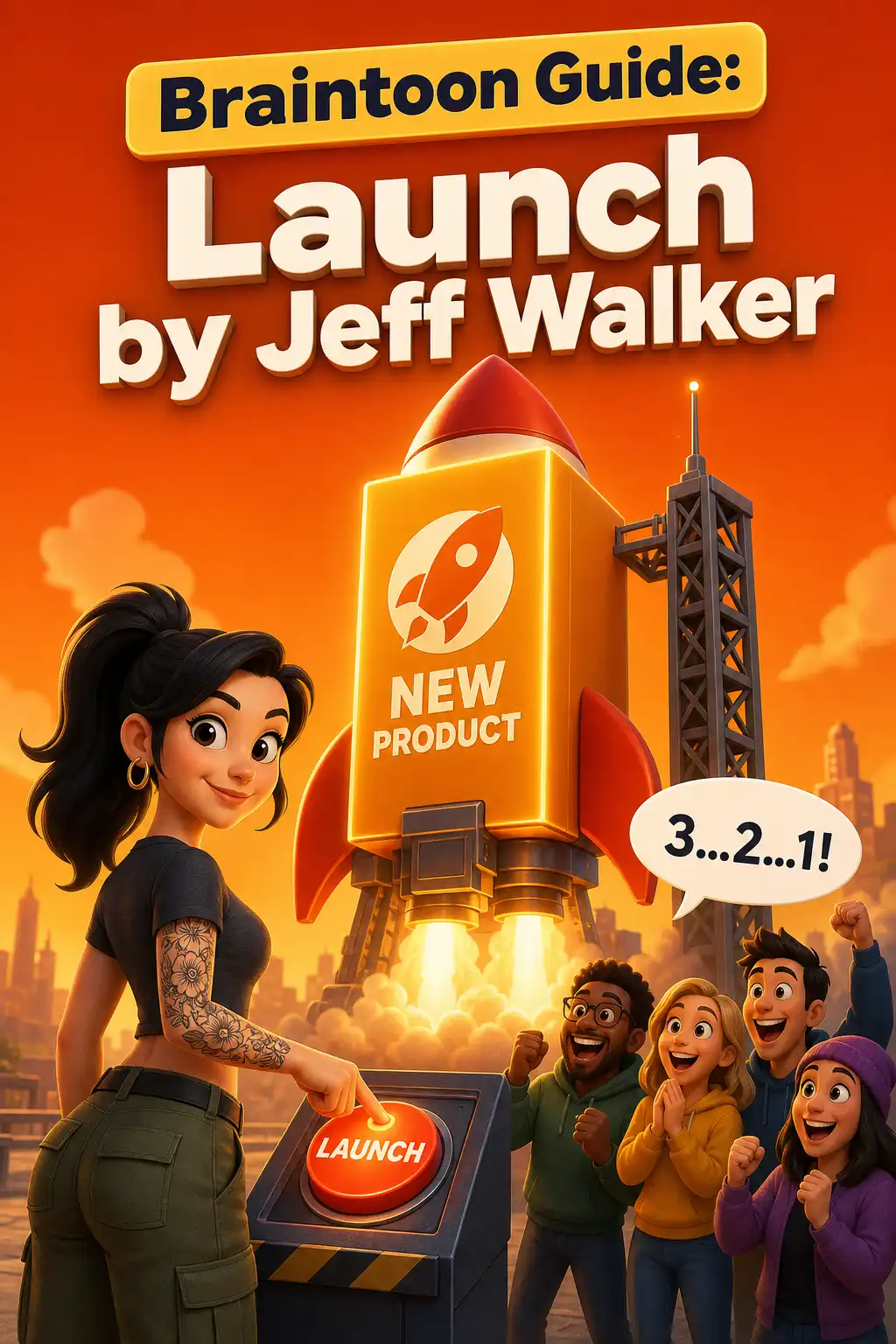
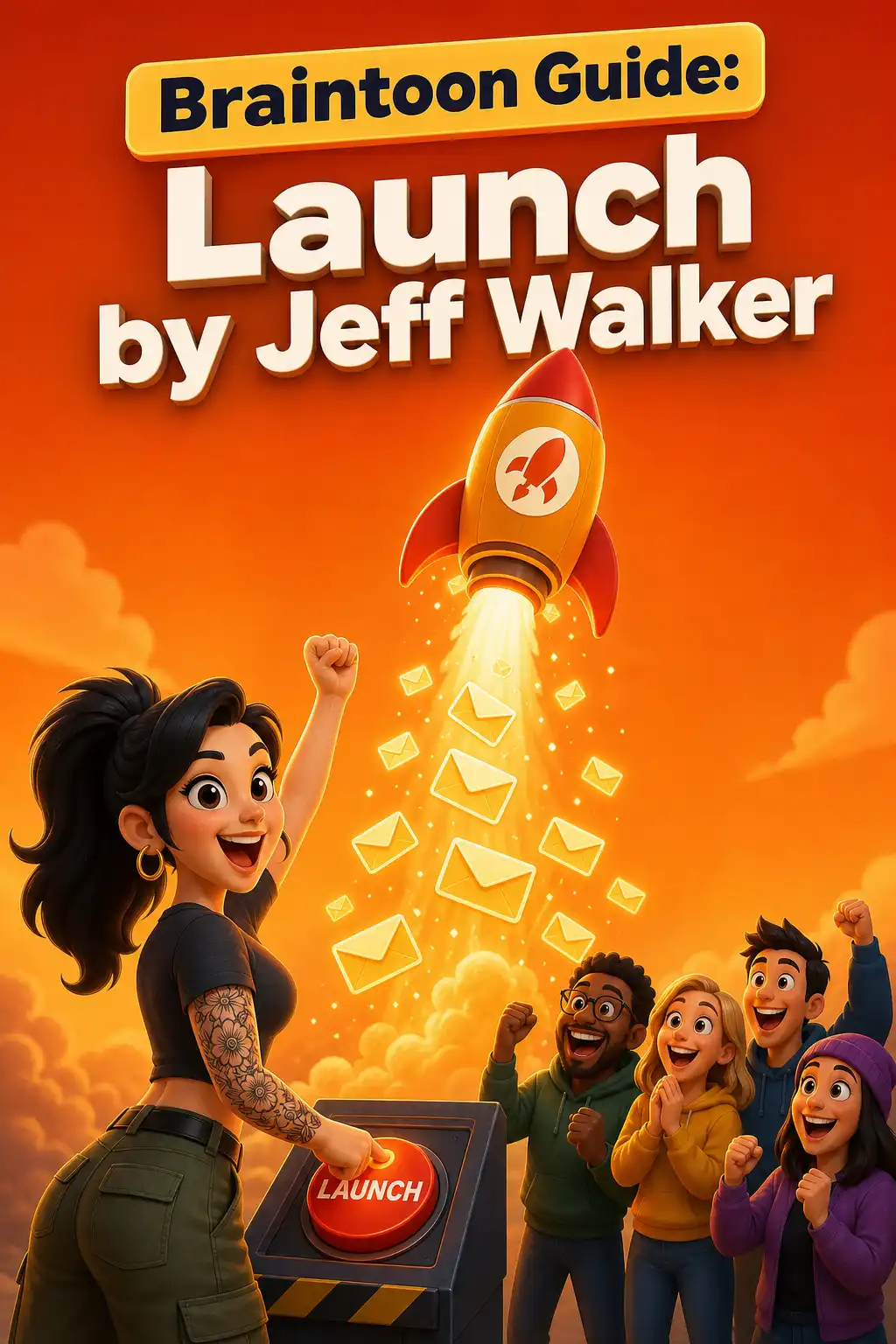
Launch day itself feels like a rocket launch, and even Walker still gets nervous. Test everything first. Sales page, order form, confirmation emails. Then hit send.
Keep the cart open for about five days. Expect roughly a quarter of orders on day one and half on the final day. That closing spike is scarcity doing its job.
So the close must be real. Raise the price, remove the bonuses, or shut the offer completely. Skip a hard close, Walker warns, and you can cut your results in half.
In between, follow a rhythm. Two emails on open day, social proof on day two, Q&A on day three, a scarcity warning on day four, then two or three emails on closing day. Buyers procrastinate.
8. From one launch to a business you love
But what if you have literally nothing? No product, no list? Tara Marinos had around 200 personal contacts and a dream of teaching women to live more sensually.
Using Walker's Seed Launch, she sold five teleseminar spots before creating a single lesson, built the content week by week from student feedback, and the recordings themselves became her product.
Her launches grew. Three thousand, twelve, ninety, then $190,000. Eventually the family passed half a million in sales and moved to the south of France. All from 200 contacts.
At the other extreme sits the JV Launch, where partners promote you to their lists for commissions. Walker's 2008 launch hit a million dollars in 53 minutes, and $3.73 million in 34 hours.
Walker's roadmap is the Circle of Awesome. A Seed Launch to test an idea, an Internal Launch to your own list to refine it, then a JV Launch to scale. Each one feeds the next.
And build a business you actually love. Find your Big Why, attract right-fit clients, guard your focus, and stay generous. Walker's generosity to a competitor once came back multiplied.
Watch it come to life
Watch the animated summary
Explore this summary and the Braintoon library.