





Mere Christianity cover

Book summary: Mere Christianity by C.S. Lewis

10 min read9 key lessonsText + animated summary

What if the clearest clues about God aren't written in the stars, but in your ordinary arguments about what's fair?

One-sentence summary

Mere Christianity, by C.

Reading about Mere Christianity is one thing.

Watching it is faster, more fun, and you'll actually remember it.

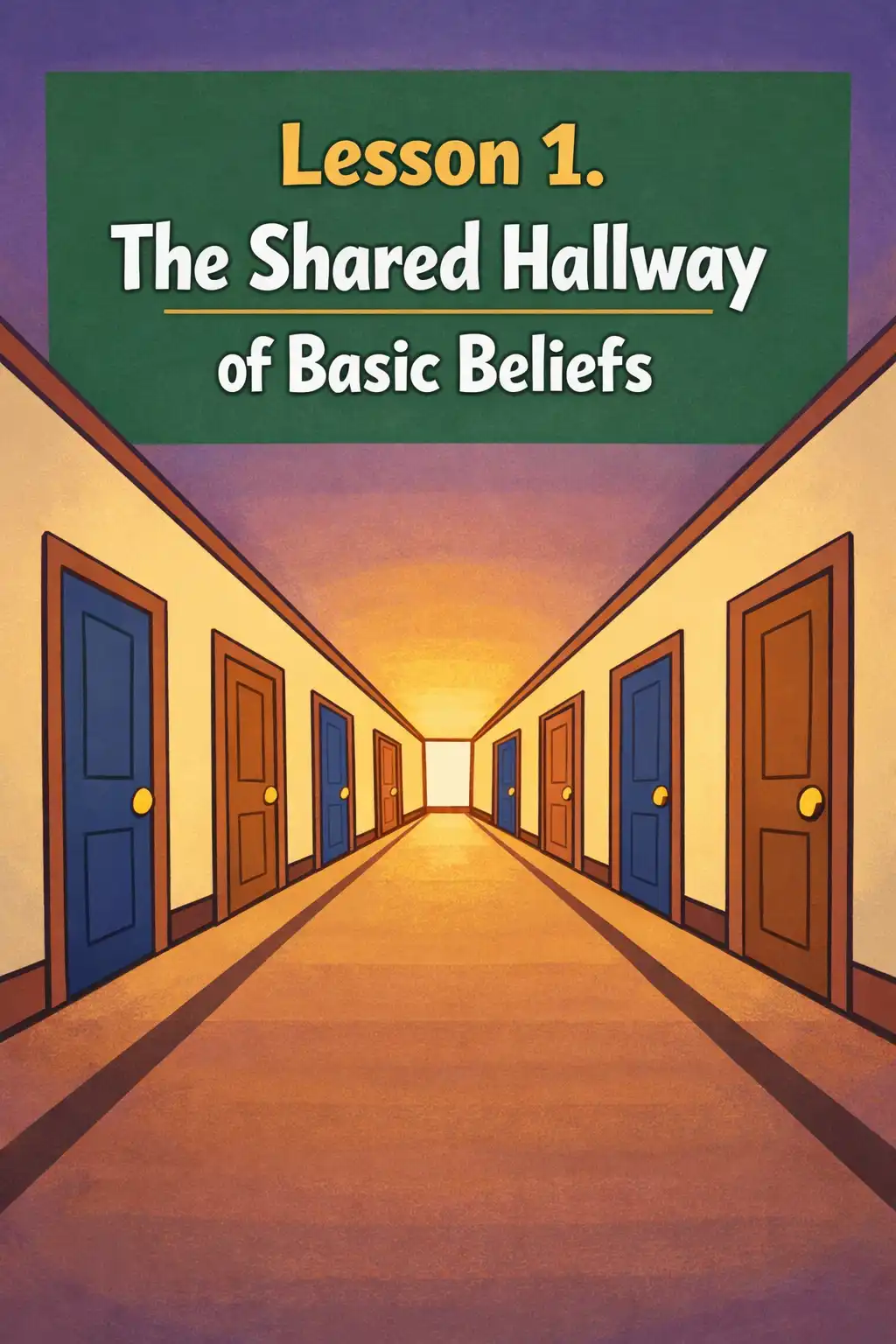
Lesson 1: The shared hallway of basic beliefs

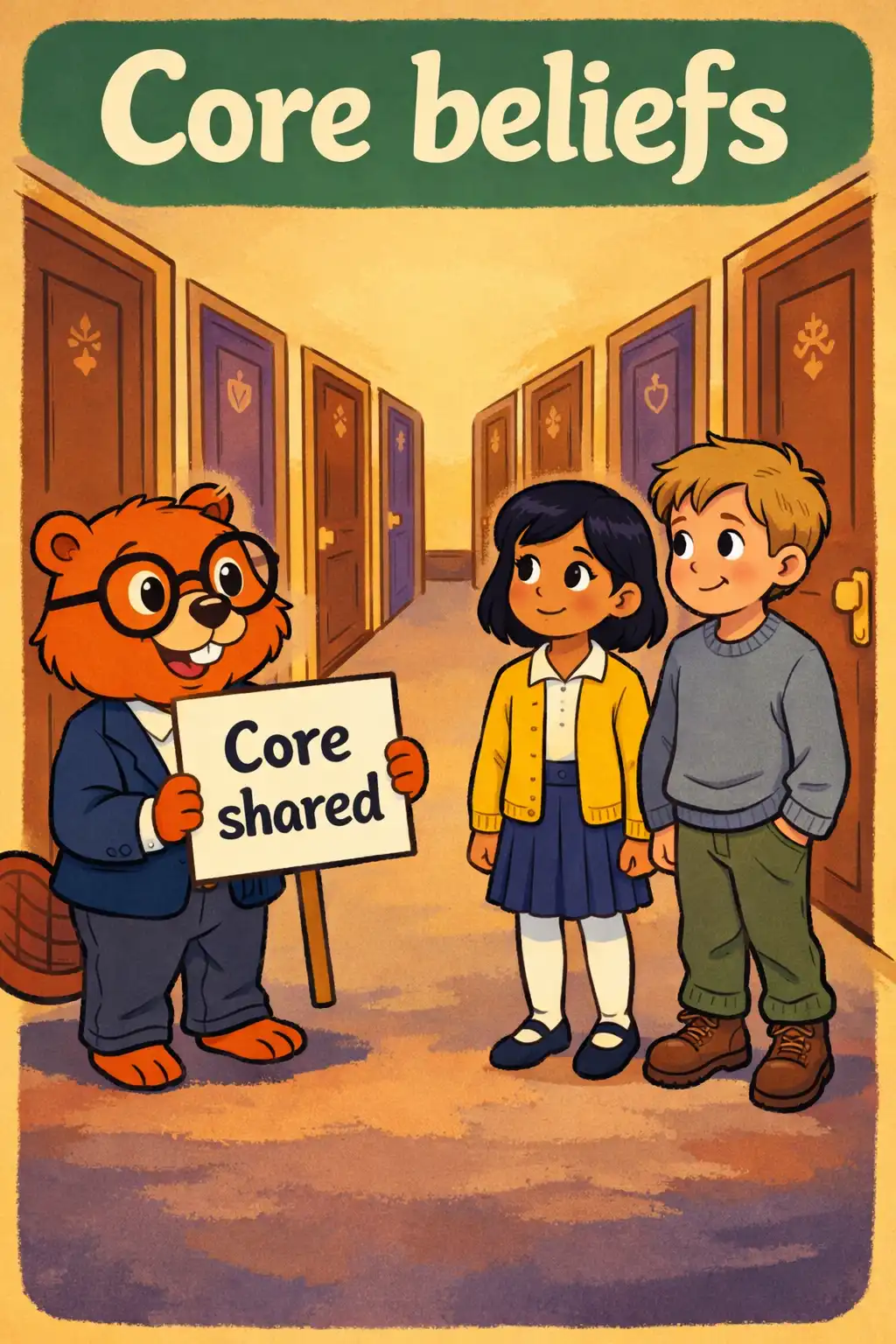
Picture a crowded building: one long hallway, many doors, and people nervously asking, “Which room is right?” That hallway is our starting place.

C. S. Lewis first delivered Mere Christianity as BBC radio talks during World War II, speaking to ordinary listeners living through bombings and fear.

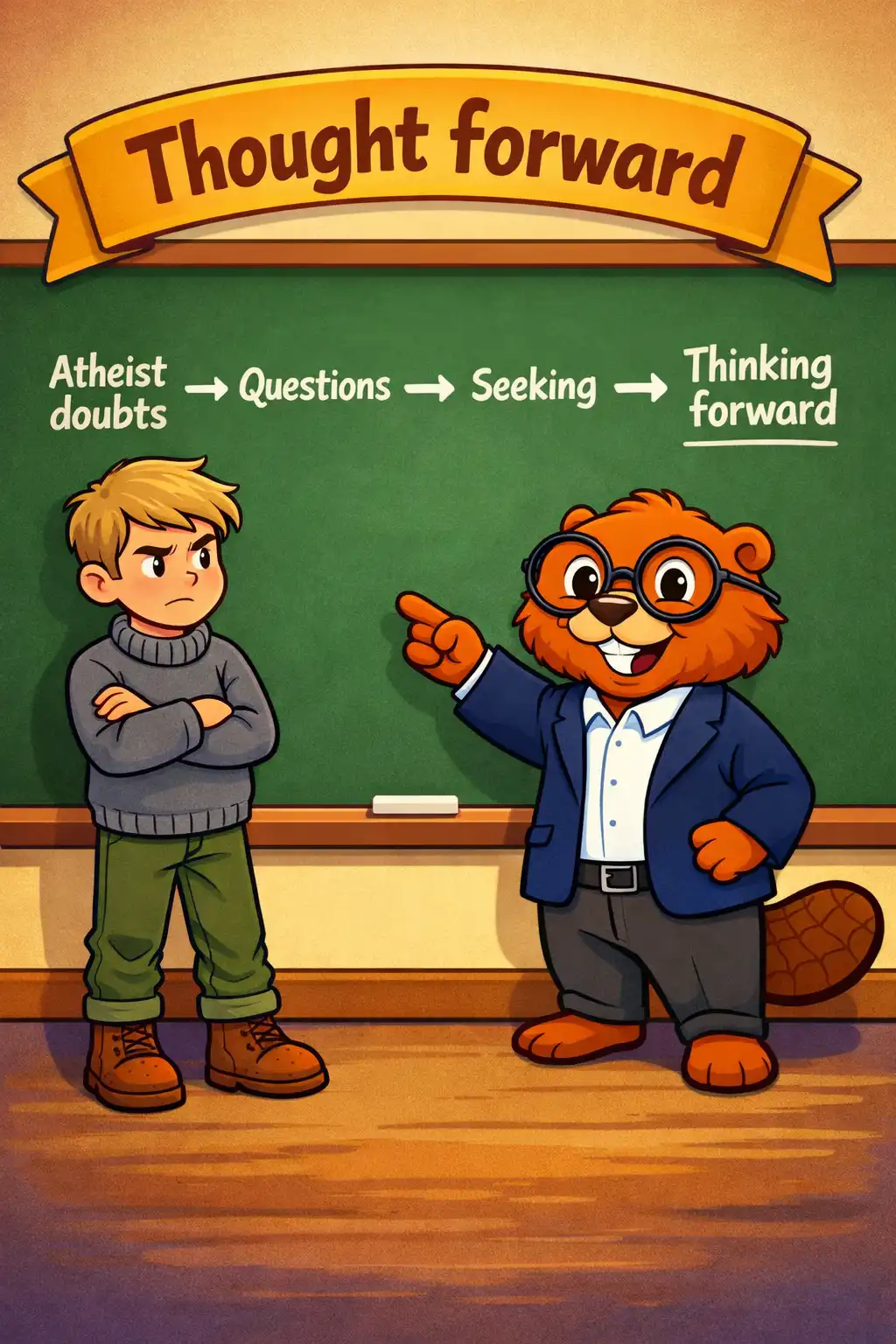
Lewis was a literature professor and a former atheist, so he explains faith like someone who doubted first, then thought his way forward.

His goal is simple: defend and explain the core beliefs most Christians share, without arguing which denomination, style, or tradition is the “best.”

He uses the hallway image on purpose: the hall is common ground where everyone meets, not the final room you settle into.

He also insists words matter. “Christian” should mean someone who accepts the basic teaching, not a vague compliment for a generally nice person.
Lesson 2: The instinct for fairness and right

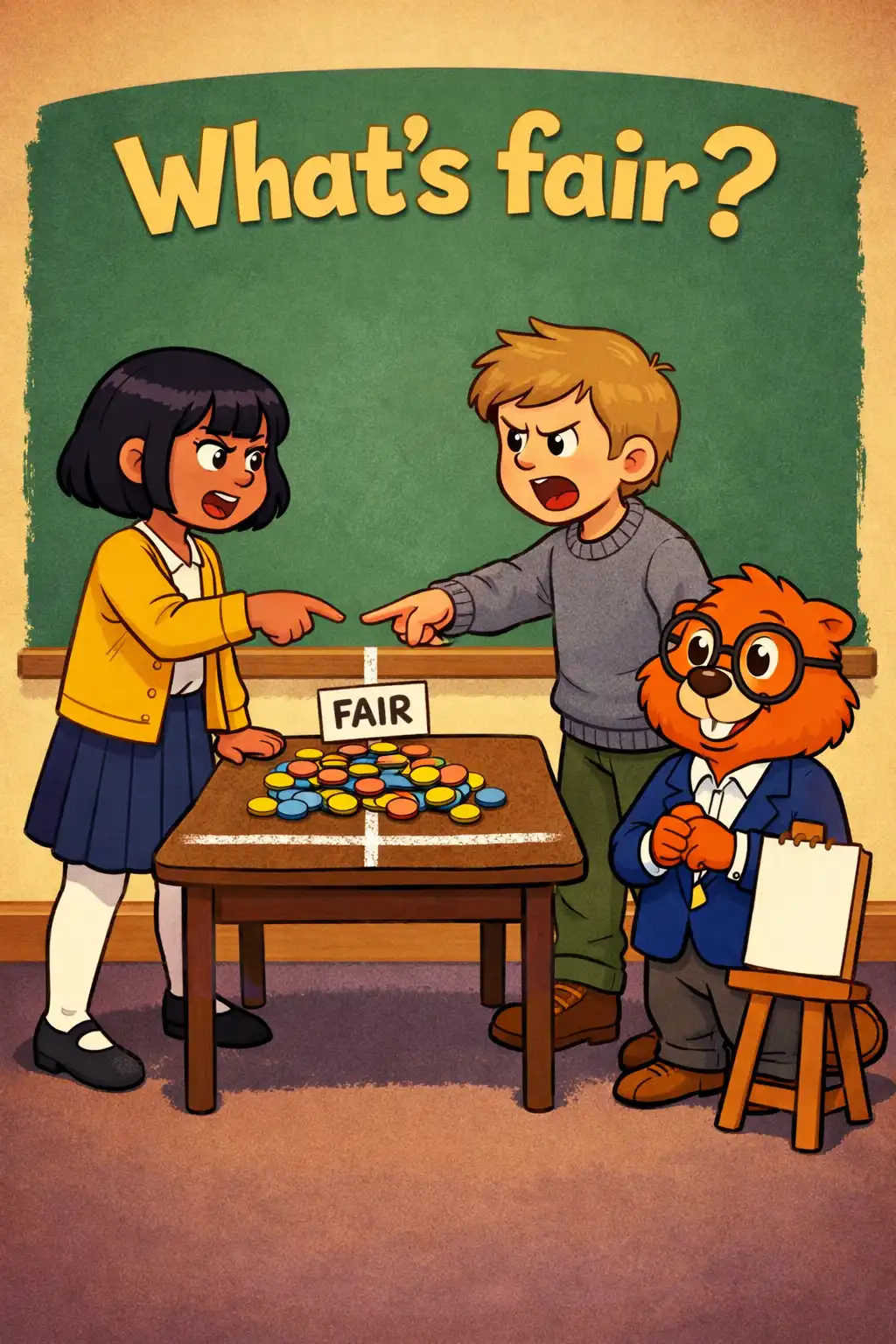
Imagine you’re in a checkout line, and someone cuts in. Instantly you think, “That’s not fair—you shouldn’t do that,” even before you plan response.

Lewis notices how everyday quarrels work: when we accuse someone, we appeal to a rule we expect them to recognize and respect.

He calls that rule the “Law of Human Nature,” meaning a moral law about what we ought to do, not just what happens.

Unlike gravity, you can disobey this law— which is exactly why guilt, excuses, apology, and blame make sense in human life.

Across cultures, details differ, yet the basics repeat: honesty matters, promises should be kept, and selfishness is ugly when it harms others.

Lewis says two facts start the journey: we know the rule, and we repeatedly fail to live by it—so we need help.

Lesson 3: Morality is more than instinct

Picture yourself at a crosswalk, late for a meeting. You want to rush across, yet you also want to keep everyone safe.

Lewis says instincts are pushes and pulls—like fear, hunger, or compassion—while the Moral Law stands above them, judging which should lead.

Sometimes that inner judge tells you to follow the weaker impulse—like keeping a promise when you feel tired or afraid to disappoint.

So morality is not “whatever I feel strongest,” because different moments demand strengthening one desire and restraining another, depending on what’s truly right.

He answers “It’s just society” by comparing morals to math: learning the rules over time does not mean we invented the truths.

And when we say one society is better than another, we are appealing to a real standard, beyond personal taste or popular opinion.

Lesson 4: When real goodness confronts us

Picture a bright spotlight snapping on in a messy room. Suddenly you see dust you were ignoring and corners you avoided.

For C. S. Lewis, the Moral Law feels like that spotlight, because it presses on us as an obligation, not a suggestion.

Science can describe facts, Lewis says, but it cannot tell you why you should be honest when lying would pay off immediately.

If this law is real, it hints at a Mind behind the universe—because real commands sound like they come from a real Commander.

But Lewis warns this is not instant comfort: if absolute goodness exists, then we often opposed it, and our conscience knows it.

Christianity starts making sense, Lewis says, only when you feel that strange mix of comfort and dread while standing in the light of goodness.

Lesson 5: The world as enemy-occupied territory

Imagine waking in a town that looks normal—shops open, people busy—yet you learn the whole place is under enemy occupation.

Lewis calls our world “enemy-occupied territory,” meaning something originally good was made, then badly went wrong through a tragic rebellion.

He rejects strict Dualism—two equal cosmic powers—because calling one “bad” only makes sense if a higher standard of good exists.

Evil, Lewis says, is spoiled good—like a bent tool—because it can only twist and parasitize what was originally useful and beautiful.

Then comes free will. Love requires real choice, and real choice includes the terrifying possibility of choosing self first and wounding others.

In Lewis’s picture, the rightful King has landed in disguise, and your daily decisions become quiet acts of resistance and loyalty.

Lesson 6: More than a moral teacher

Think of a friend claiming to forgive your debts to other people—not money they loaned you. You’d immediately ask, “Who are you?”

Lewis points to Jesus doing exactly that—announcing forgiveness of sins—and speaking as if he carried authority only God should have.

So, Lewis argues, you cannot safely label Jesus only a moral teacher, because his claims are too extreme to fit that category.

His famous summary is blunt: “Lunatic, Liar, or Lord,” because a merely “nice teacher” option does not fit the evidence.

Then Lewis turns to the cross and the resurrection, saying Christians agree that something happened there to put us right with God.

He treats explanations like pictures—helpful but not identical to reality—like a wiring diagram compared with the shock of electricity itself.

Lesson 7: A new kind of life—Zoe

Picture a cold statue slowly warming, then moving—because life is entering it from outside the stone, awakening what seemed impossible.

Lewis says Christianity is not mainly advice; it is an offer of a new kind of life he calls “Zoe,” divine life.

You cannot simply imitate Zoe like copying a hero, because, Lewis says, this life must be shared with you, not self-generated.

He describes baptism, belief, and the Lord’s Supper as ordinary channels the church has used for centuries to pass on Christ-life.

This is why Lewis calls Christians “the Body of Christ,” meaning Christ works through people—like hands continuing the work of a living person.

God delays the final, overwhelming reveal, Lewis says, because a real choice needs space to breathe, grow, and finally decide.

Lesson 8: The surrender that changes everything

Imagine asking a dentist to fix one tooth. They look kindly and say, “The real problem is deeper—we need a full plan.”

Lewis says that’s what happens when we ask God for small help, because God intends a full cure, not temporary pain relief.

Christianity is not one duty beside others, Lewis insists; it is the whole project of “putting on Christ,” the reshaping of a person.

That means surrendering your will, not bargaining with God—because partial surrender only keeps the old self quietly in control.

Lewis pictures a cottage rebuilt into a palace: knocking down walls hurts, but the pain makes sense when you glimpse the larger plan.

So “Be perfect” is not a cruel joke; it is God’s promise to finish what he starts in you, steadily and patiently.

Lesson 9: Love, hope, and steadfast faith

Picture holding a compass in thick fog. Your feelings scream one direction, but the needle stays steady, pointing to what’s true.

Lewis calls that steadiness “Faith,” meaning you keep what reason decided even when moods, fear, and imagination try to pull you away.

He recommends simple training—prayer, reading, and gathering with other Christians—because most people drift away by neglect, not by careful arguments.

Then Lewis talks about “Hope,” that ache nothing on earth quite satisfies—like hunger hinting that real food exists beyond the picnic.

And he defines “Charity” as love of the will: choosing another’s good, even when you don’t feel warm or especially inspired.

Lewis ends by aiming for “new men”: giving yourself to Christ makes you more truly yourself—and that, he says, is the real adventure.

You've read the summary. Now watch it.

The animated version covers the same ideas — faster, and in a format you'll actually remember.