









Radical Candor cover

Radical Candor Summary: 9 best lessons in 10 mins

10 min readKim Scott's book, summarized

One-sentence summary

**Radical Candor by Kim Scott** shows managers how to care deeply about people while challenging them honestly enough to help everyone actually grow.

Rachel sits across from Tyler in a quiet conference room in Charlotte, ready to fire him, knowing deep down she should have said something nine months ago.

(Continued below)

Reading about Radical Candor is one thing.

Watching it is faster, more fun, and you'll actually remember it.

Open in app

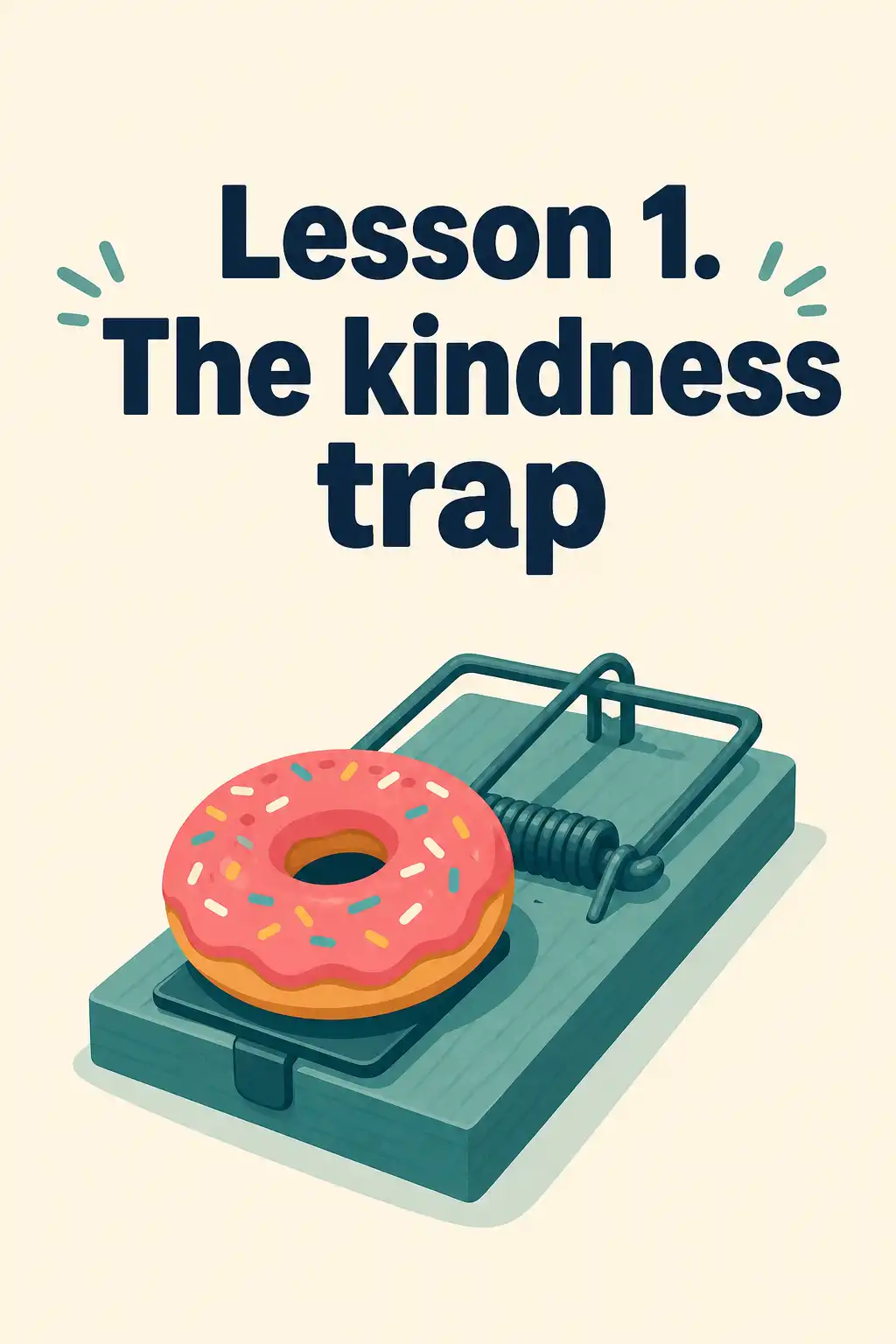
Lesson 1: The kindness trap

Rachel manages a customer support team at a mid-sized insurance company. She's warm, well-liked, and absolutely terrified of hurting anyone's feelings.

Tyler, her newest hire, kept missing the mark. Tickets piled up, teammates quietly covered for him, and Rachel kept offering vague encouragement instead of real feedback.

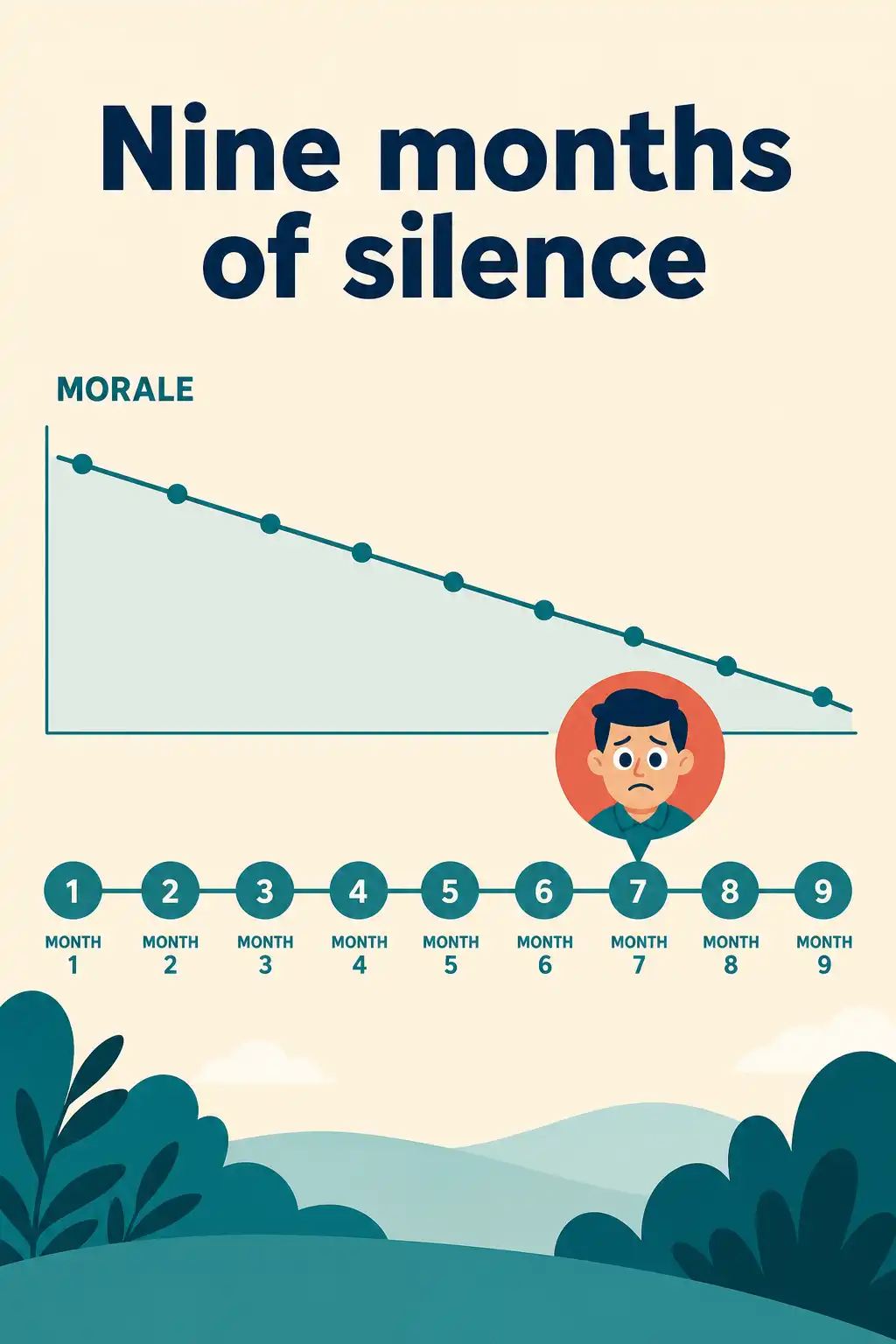
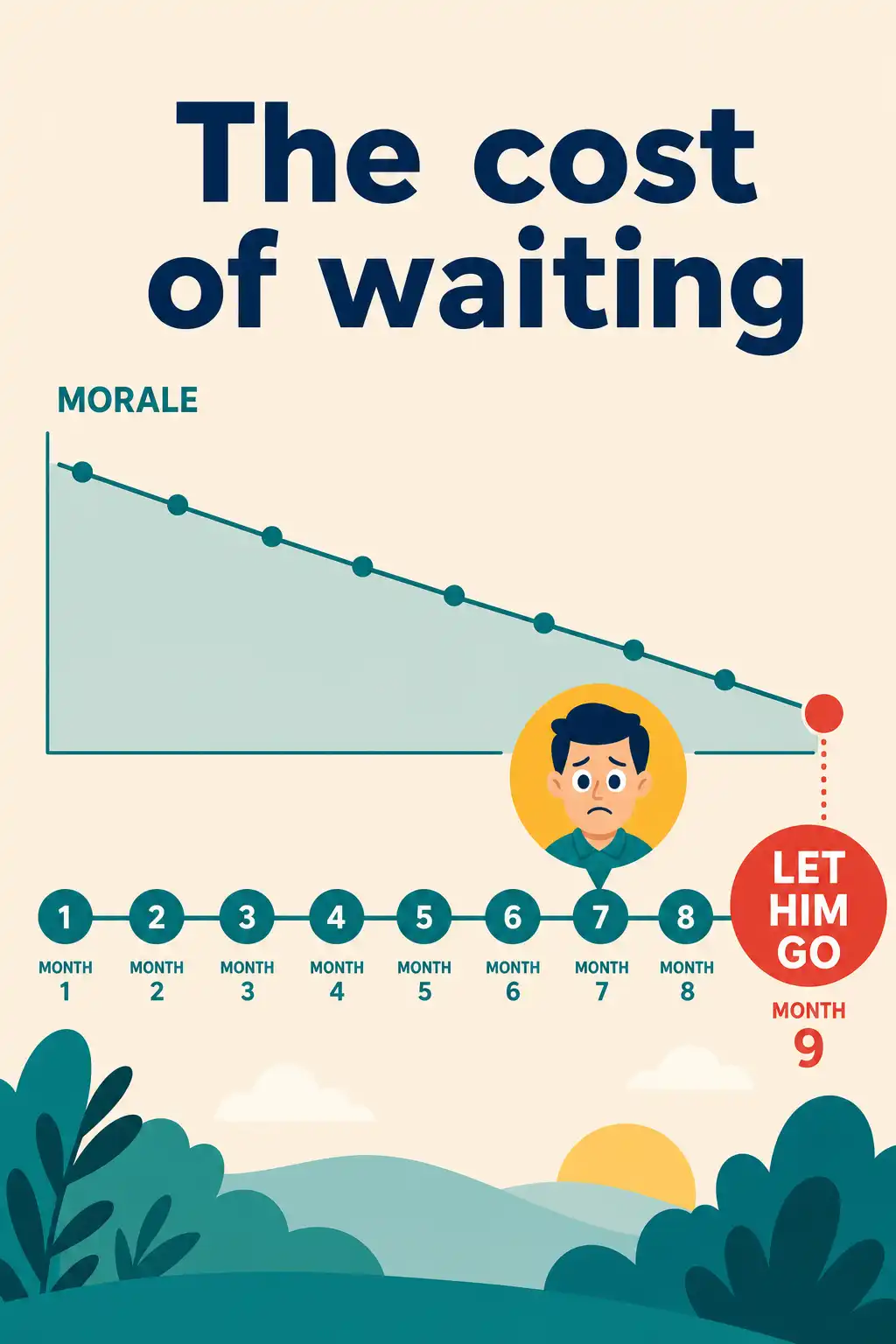
She told herself he would grow into the role eventually. Nine months later, morale was sinking, customers were complaining, and Rachel was finally letting him go.

Then Tyler asked the question that gutted her. Why didn't anyone tell me sooner? Rachel had no honest answer to give him.

This is exactly the trap Kim Scott describes from her own startup days. Scott once avoided a hard talk with an employee for ten full months.

Scott calls niceness without honesty a quiet form of harm. People simply cannot improve at problems nobody is willing to name out loud.


Lesson 2: Care personally, challenge directly

The next Monday, Rachel sat down with her remaining six reps and admitted she had been protecting their feelings instead of helping them improve.

Kim Scott's framework rests on two simple ideas working together. **Care personally about people, and challenge them directly about their work.**

Caring personally means treating each person as a whole human being, not just a worker filling a seat or hitting a number on a dashboard.

Challenging directly means telling them the truth, even when it's awkward, because their growth matters more than your momentary comfort in the moment.

Scott calls this combination Radical Candor. It isn't cruelty, and it isn't constant socializing. It's honesty rooted in genuine respect for the person.

Rachel realized she had been doing only half the job. She cared deeply, but she never challenged. It was time to balance the equation.

Lesson 3: The four quadrants

Rachel sketched Scott's four quadrants on her notebook to figure out where her own habits actually landed in everyday moments at work.

Obnoxious Aggression is challenging without caring. It's blunt and harsh. People know exactly where they stand, but it badly bruises trust over time.

Manipulative Insincerity is the worst corner of all. No caring, no challenging. Just hollow flattery, office politics, and apologies nobody actually believes.

Ruinous Empathy is exactly what Rachel had been doing. Caring deeply, but staying silent to avoid discomfort, which actually causes far more pain in the long run.

Radical Candor is the goal. Scott shares a story of a stranger who scolded her untrained dog kindly, saying, it's not mean, it's clear.

Rachel decided to start small. She would ask for feedback first, before giving any, so her team could see honesty modeled safely from the top.

Lesson 4: Rock stars and superstars

During one-on-ones, Rachel noticed her top performer, Denise, kept turning down promotion talks. Rachel had assumed everyone secretly wanted to climb the ladder.

Scott distinguishes two kinds of excellent employees. **Superstars crave rapid growth and new challenges. Rock stars deliver steady, deep work and like where they are.**

Both are essential to a healthy team. The mistake is pushing rock stars into roles they never wanted, just because that's the only path to recognition.

Scott suggests replacing the word potential with growth trajectory. It isn't fixed. People naturally shift between steep and gradual paths over the course of their careers.

So Rachel rewrote her plans. Denise got a public thank-you, a mentoring role, and a meaningful raise. No forced promotion she didn't want.

For her ambitious rep Marcus, Rachel started actively connecting him with leaders elsewhere in the company, refusing to hoard his talent just for her own team.

Lesson 5: Get stuff done together

Energized by her progress, Rachel announced a new ticket routing system without asking anyone first. Within a week, two reps quietly complained to her manager.

Scott learned this lesson at Google, where she once restructured a team without consultation. Telling people what to do simply doesn't work the way we hope.

She offers the GSD wheel. Listen, clarify, debate, decide, persuade, execute, and learn. Skip even one step, and the whole thing wobbles.

So Rachel apologized and restarted from scratch. She listened first, helped her team clarify their rough ideas, then invited open debate about the routing change.

Scott says debate is where ideas get polished through friction, like stones in a tumbler. Keep egos out of it and set a clear deadline.

After deciding, Rachel persuaded the skeptics by explaining her reasoning, not just announcing the outcome. This time around, the rollout actually worked.

Lesson 6: Stay centered to lead

Three months in, Rachel was exhausted. She skipped lunches, answered Slack messages at midnight, and snapped at her partner over dishes in the sink.

Scott insists self-care isn't a luxury. It's a professional necessity. You simply cannot genuinely care for others while running on empty yourself.

She prefers the phrase work-life integration over the word balance. Protect sleep, exercise, and family time the same way you'd protect a board meeting on your calendar.

So Rachel blocked off a daily morning walk and stopped checking messages after eight in the evening. The world, predictably, did not end.

Scott also warns against forced fun and overusing authority. Real trust grows through daily one-on-ones, not mandatory happy hours with awkward toasts.

When her rep Jamal mentioned a family illness, Rachel just listened. No fixing, no managing the moment. Acknowledging the emotion was enough.

Lesson 7: Asking for feedback first

Rachel still found criticism hard to give. So she took Scott's advice and started asking her team to criticize her first, before flipping it around.

She used a go-to question. What could I do, or stop doing, that would make working together easier for you?

When Marcus mumbled, oh, nothing really, Rachel counted silently to six in her head. The silence pushed him to finally share something honest.

He said her last-minute schedule changes wrecked his focus. Rachel didn't defend herself. She thanked him, adjusted, and visibly changed her behavior the very next week.

Scott calls this rewarding candor. When people see feedback actually change things, they trust the process enough to keep being honest with you.

For her own feedback, Rachel used situation, behavior, impact. Describe what happened, what they did, and how it affected the work.

Lesson 8: Career conversations

Rachel scheduled three special conversations with each rep, borrowed from Scott's colleague Russ Laraway. Life story, dreams, and an eighteen-month plan.

First, she asked them to walk through their lives since childhood, noticing the major turning points and the real reasons behind each big change.

Jamal's story revealed how much he valued teaching others, something Rachel had completely missed in their normal weekly check-ins about tickets and metrics.

Next came dreams. Not five-year plans, which sound rehearsed, but the peak of their career. Three or four different visions, even the wild ones.

Finally, Rachel mapped each dream to specific skills, mentors, and projects over the next eighteen months. Daily work suddenly connected to something bigger.

Engagement climbed almost immediately. People show up differently when their manager understands what they actually want from their lives, not just their jobs.

Lesson 9: Better meetings, better results

Rachel revamped her meetings using Scott's playbook. One-on-ones became relaxed walks where the rep set the agenda, not her.

Staff meetings stuck to three things only. Review last week's metrics, share quick written updates, and surface upcoming debates and decisions for the team.

Big debates and big decisions got their own separate meetings. This kept people from arguing while others assumed it was already settled.

Rachel blocked think time on her calendar and defended it fiercely from anyone who tried to book over it. She also walked the floor weekly, noticing small problems early.

Scott reminds us that everything a manager does gets magnified. Offhand comments become directives. Habits ripple outward. Culture grows from tiny gestures over time.

A year after firing Tyler, Rachel's team had lower turnover, faster resolutions, and something far rarer in any workplace. People actually told her the truth.

You've read the summary. Now watch it.

The animated version covers the same ideas — faster, and in a format you'll actually remember.

More books like Radical Candor