





1. A plainspoken playbook — stories that become step-by-step rules
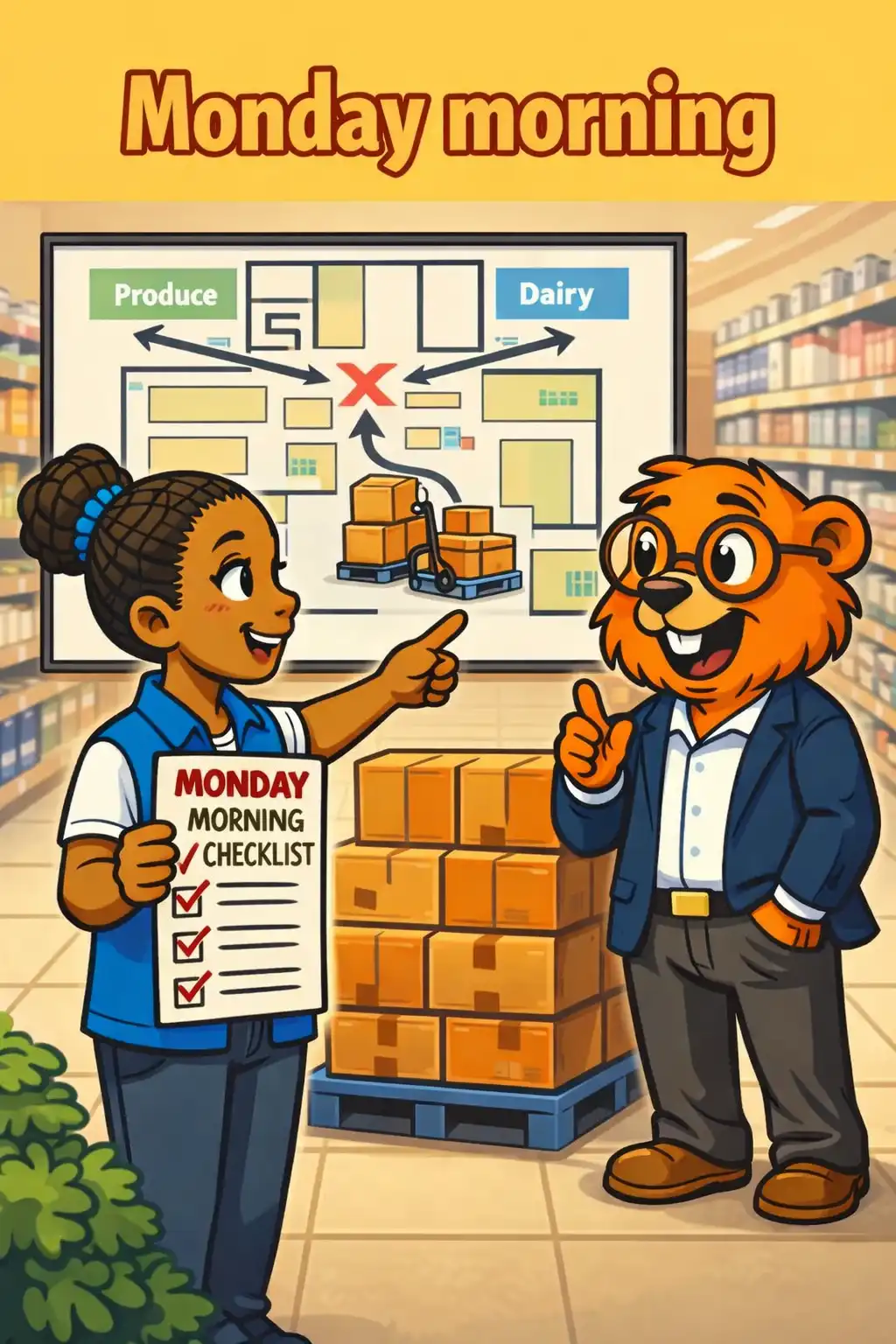
Picture a grandfather on a porch, telling casual stories that end with, “Here’s what to do Monday morning.”
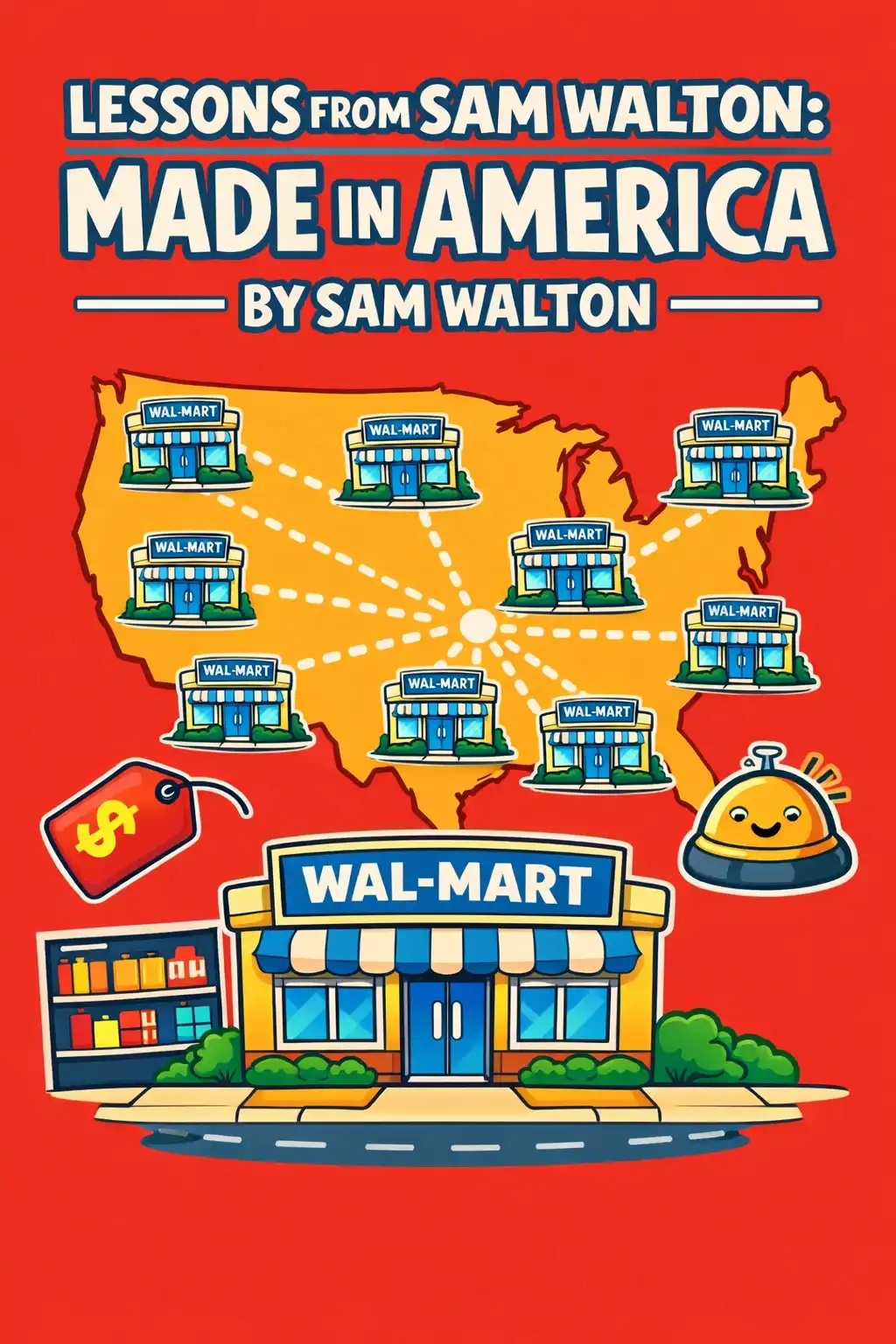
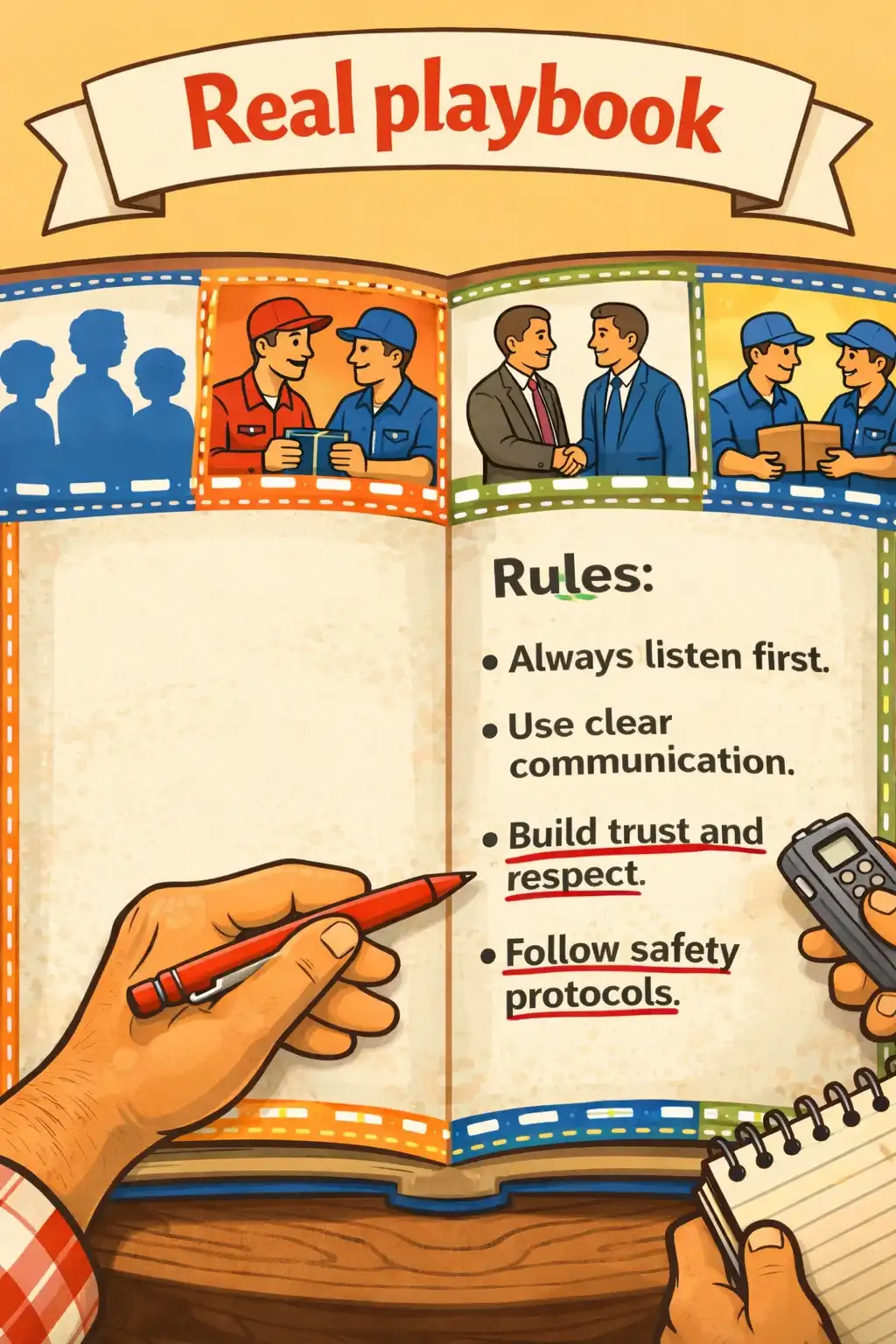
That’s the feel of Sam Walton’s memoir, shaped with journalist John Huey, who interviewed Sam, his family, and early associates to stitch together the real playbook.
Walton wrote it late in life, after a cancer diagnosis, because he wanted the record straight—in his own words, while he still could.
For years Wal-Mart avoided publicity, so outsiders guessed. The book fills those gaps with concrete facts instead of rumors.
Right up front, he dedicates it to his wife Helen, their kids, and thousands of store associates—people he deliberately called “partners.”
His premise isn’t “look at me,” but “look how ordinary people, aligned on basics like price, selection, and service, can beat bigger rivals.”