


Little Black Stretchy Pants cover

Book summary: Little Black Stretchy Pants by Chip Wilson

10 min read8 key lessonsText + animated summary

Imagine building a global athletic-apparel brand from one pair of yoga pants—then realizing your biggest threat isn’t a competitor, it’s your own boardroom, the very people meant to help you run it.

One-sentence summary

Little Black Stretchy Pants by Chip Wilson—founder of lululemon athletica—explains how obsessive product design and intentional culture powered growth, and how corporate governance missteps later tripped the company.

Reading about Little Black Stretchy Pants is one thing.

Watching it is faster, more fun, and you'll actually remember it.

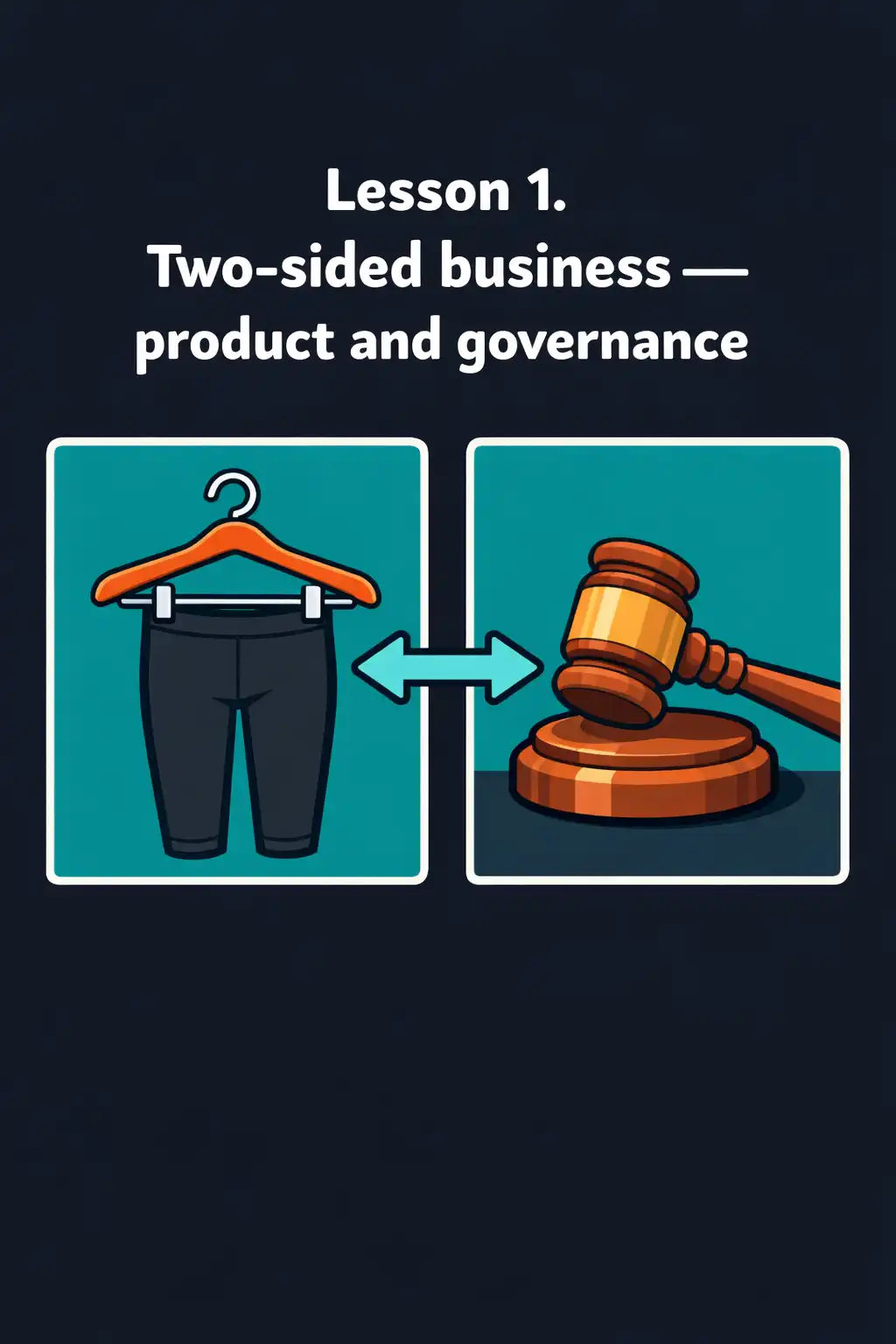
Lesson 1: Two-sided business — product and governance

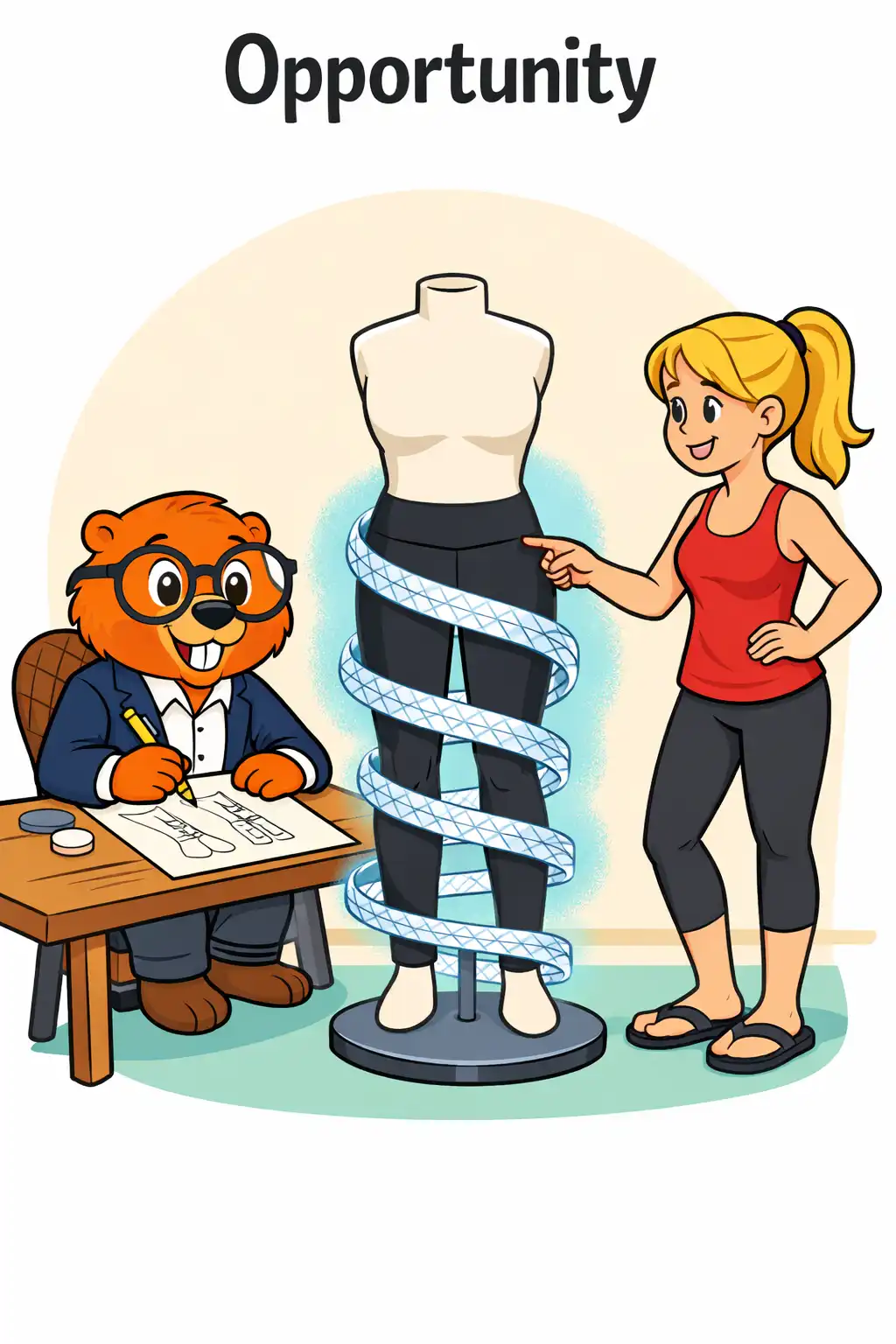
Picture a quiet yoga class: everyone’s focused, but the clothes become sheer when people bend. The problem? Back in the day, nobody was making clothes designed for yoga.

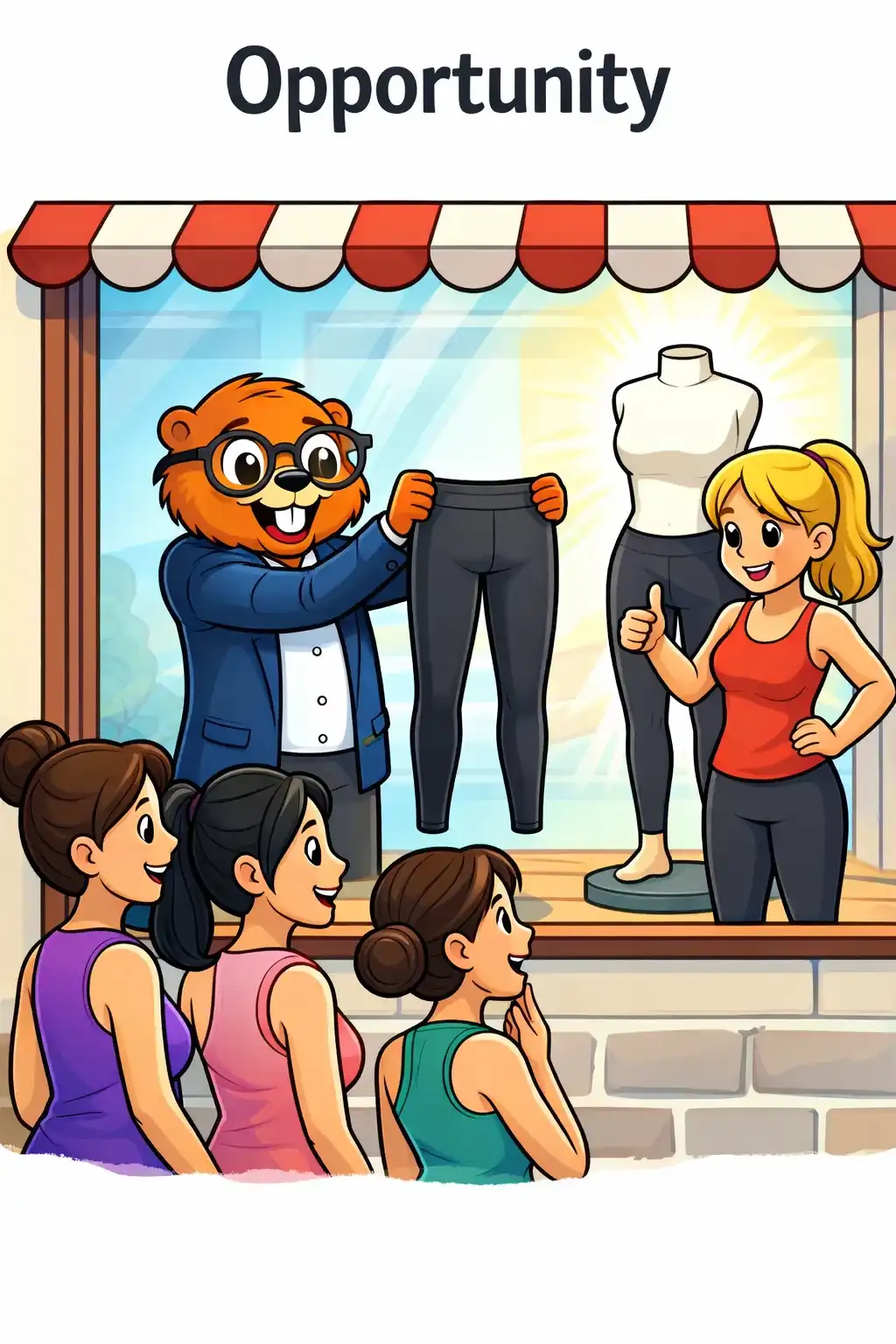
Chip Wilson, the founder of the athleticwear brand lululemon athletica, saw that as both a product failure and an opportunity. Yoga practitioners—the majority of them being women—needed clothes that performed well, and Wilson set out to make them.

In his book, Wilson blends memoir with a playbook for culture, arguing that companies win through people—their habits and standards—not through clever slogans.

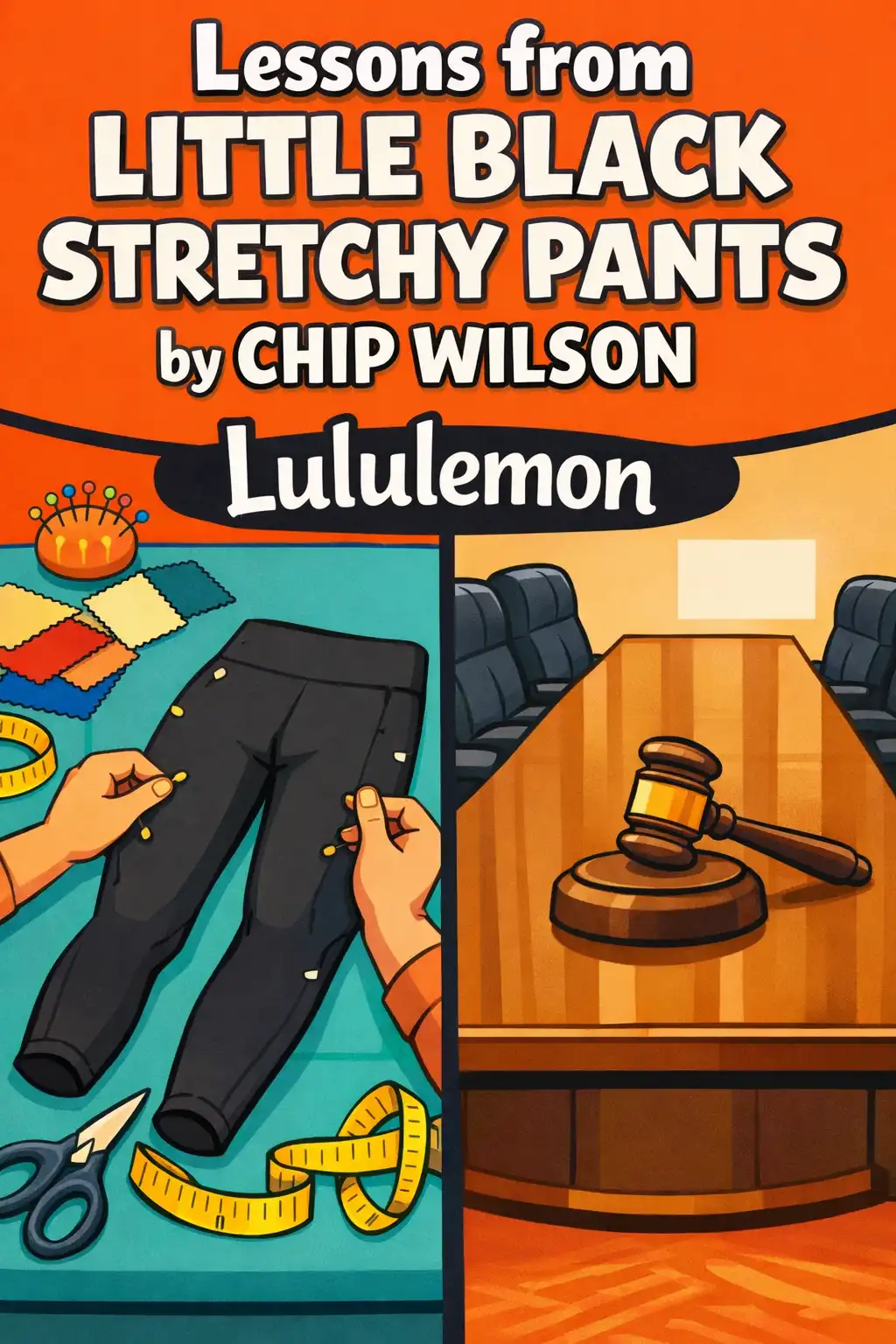
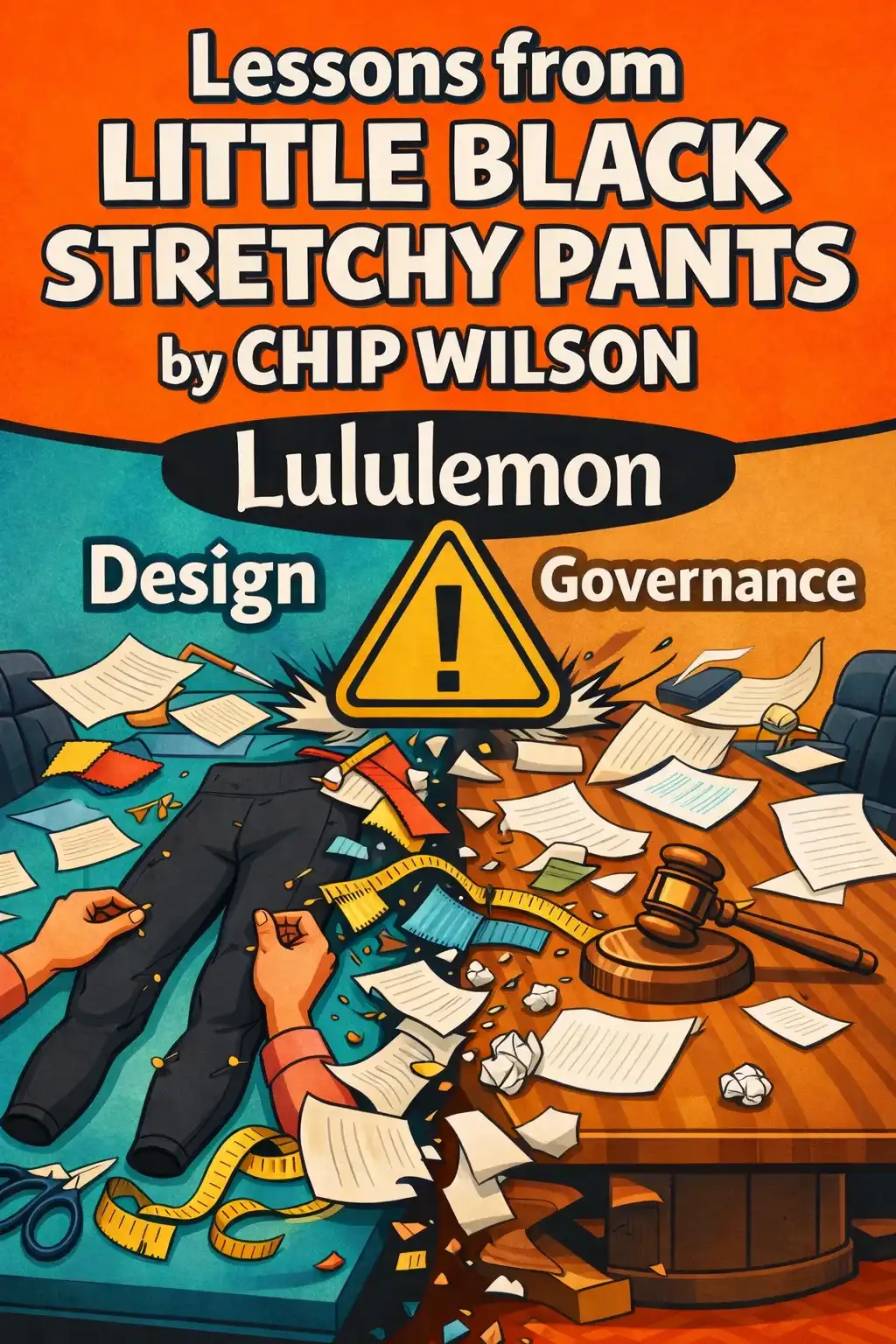
He says building a company means living in two worlds: the product world (serving customers) and the governance world (managing boards, investors, and public markets).

Founders often master the product world, then get blindsided by governance when money arrives and control shifts to directors and outside stakeholders.

He frames lululemon’s mission as lifting people from "mediocrity to greatness," starting with one guest in one store—"guest" is lululemon’s word for customer.

Lesson 2: Learn by doing — the eighteen-year MBA

Think about a time you learned more from a messy summer job than from a class you aced—experience teaches what lectures can’t.

Wilson calls his Westbeach years an "eighteen-year MBA." Westbeach was his earlier surf/snow brand, where real cash flow taught fast—and sometimes brutally.

Westbeach started with wrap-style shorts and a tiny booth in downtown Vancouver, a street-level lab for technical-apparel experiments.

By designing, producing, and selling directly, he discovered vertical retail: control the whole loop—margins, feedback, and daily reality—rather than guessing from afar.

He also learned the downside: you own inventory risk, you fix supplier mistakes, and when sales dip, no wholesaler swoops in to save you.

Even playful ideas—like reversible "BBQ shorts" that didn’t chafe or bind—taught him a rule: if performance is obvious, it sells itself.

Lesson 3: Make performance obvious—in the fitting room

Imagine trying on leggings, doing one squat, and instantly knowing whether they’ll support you or fail you.

That "truth in the fitting room" was Wilson’s north star: immediate, physical proof that the product solves a real problem.

He hunted for fabrics that felt like cotton but wicked sweat, avoided shiny glare under gym lights, and stayed opaque—even when stretched.

Small construction choices mattered: flatlock seams reduce chafing, and a diamond-shaped gusset prevents bunching and awkward seams.

He pre-shrunk garments and offered in-store hemming, because fit is part of performance—not a problem for the customer to solve.

In stores, staff weren’t "salespeople." They were Educators—trained like coaches to explain how and why the product works.

Lesson 4: Build community loops that improve the product

Picture a neighborhood café where regulars shape the menu because the owner asks, listens, and tweaks every week.

Wilson built lululemon the same way, using yoga teachers and local athletes as real-world testers—partners, not paid influencers.

He ran structured focus groups—ten groups of ten women—to test fabrics, names, logos, and daily habits, translating insights into designs.

The early Kitsilano store in Vancouver doubled as a design lab, with a sewing area that turned feedback into prototypes overnight.

Ambassadors worked because it wasn’t transactional ads; it was a relationship with trusted teachers who wore, coached in, and critiqued the gear.

He avoided owning studios, keeping partners independent so they could thrive—and keeping lululemon aligned with the broader community.

Lesson 5: Culture is a system, not a slogan

Think of a sports team: talent helps, but shared drills, shared language, and shared standards win championships.

Wilson treats culture like those drills: make goal-setting and personal development part of the job, not an optional extra.

New hires listened to training from Brian Tracy (a self-improvement teacher), and Landmark courses created shared terms for commitment and accountability.

People wrote ten-year visions using SMART goals—Specific, Measurable, Achievable, Relevant, Time-bound—because vague motivation vanishes on hard days.

He set operational rules to protect the guest experience—"guest" is lululemon’s word for customer—like prioritizing in-store shoppers over phone calls.

Even the "6/13 rule" made consistency easy, giving Educators a clear moment to help without hovering (for example, greet within six feet or after about 13 seconds).

Lesson 6: Guard cash while you scale

Imagine your store is busy, yet one unpaid invoice could still topple you—like a table missing a leg.

Wilson lived that fear, from Westbeach debt to early lululemon days sleeping in the store to protect inventory and cash.

He learned that tiny production runs feel safe but keep unit costs high, so you can "grow" and still lose money.

Wholesale can boost volume, but he favored vertical retail because it preserves pricing, training, and tight feedback control.

When a wholesale partner, Superstar, went bankrupt, receivables vanished—cementing his instinct to limit that risk.

He borrowed against home equity to keep expanding, not because it felt safe, but because the store economics—sales per square foot and strong margins—proved out.

Lesson 7: Governance can crush founders—if you let it

Picture handing your house keys to a helpful neighbor—then discovering they can rearrange your rooms without asking.

Wilson describes private equity and boards that way: potentially useful, potentially dangerous—depending on control, incentives, and clear agreements.

When he sold nearly half of lululemon, he underestimated its future value and overestimated how aligned new partners would stay.

He warns that brokers and bankers may optimize for closing a deal, so founders need independent advisors—lawyers and financial counsel—who answer to the founder.

Majority ownership alone isn’t enough; board composition, voting rights, and "independent director" rules can still sideline a founder.

After the IPO, incentives tilted toward short-term quarterly results, and Wilson felt long-term product creativity was being traded away.

Lesson 8: Protect quality and the meaning behind it

Think about buying something you love, then the next version is cheaper and worse; trust breaks fast.

Wilson treats quality as moral, not just technical, which is why he chose recalls and redesigns over excuses.

When pants pilled, lululemon recalled them, then honestly repositioned the flawed inventory as a "dog-walking" pant that customers unexpectedly loved.

Later, the see-through-pants crisis was deeply embarrassing—opacity was the original problem lululemon set out to solve, and some garments went sheer when stretched.

He argues "bad profit" happens when you raise prices, cut standards, and still hit targets, while the brand quietly erodes.

His "Great to Good" warning: after one rough quarter, operators can crowd out designers, turning a category leader into a copycat.

You've read the summary. Now watch it.

The animated version covers the same ideas — faster, and in a format you'll actually remember.