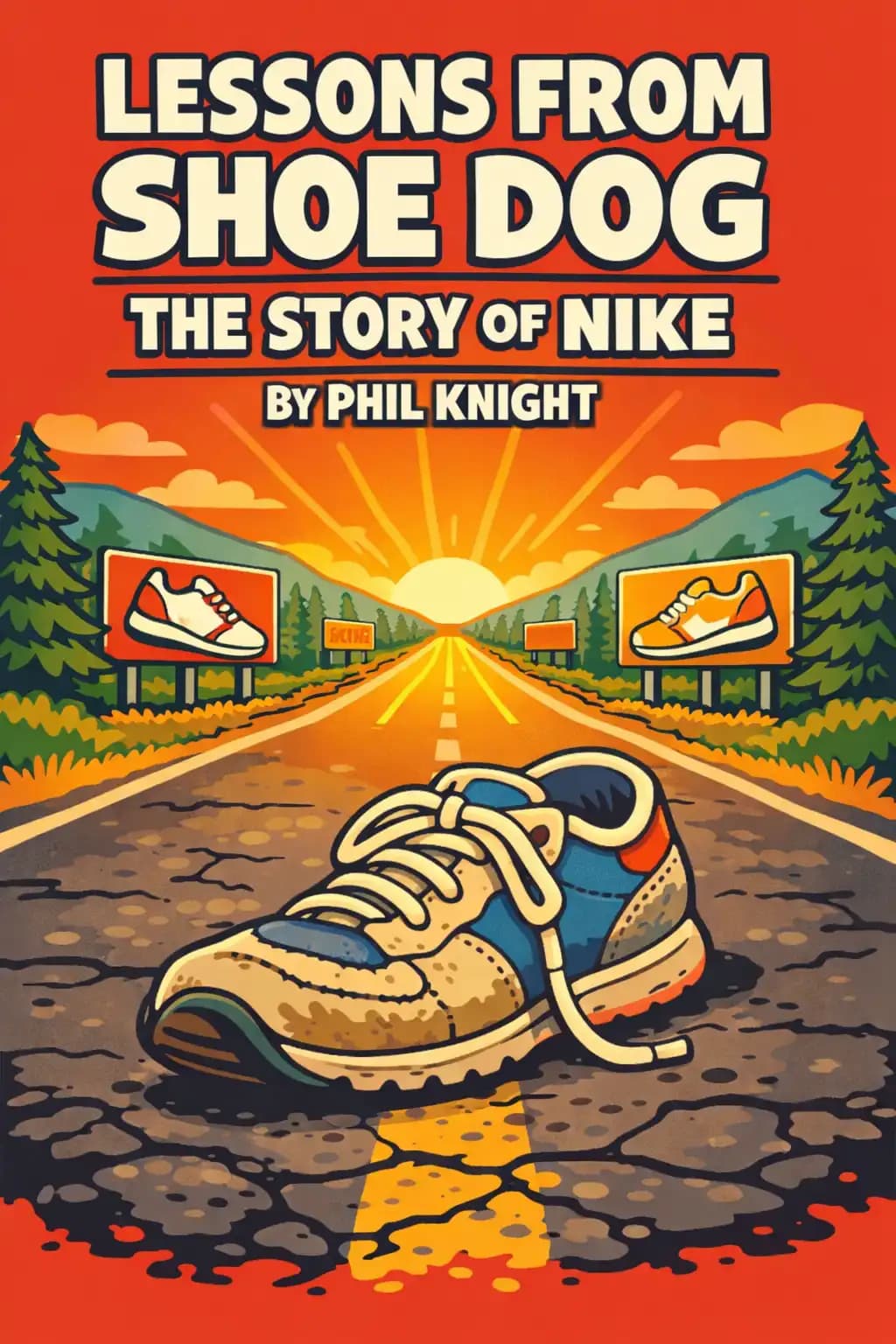






Shoe Dog: The Story of Nike cover

Book summary: Shoe Dog: The Story of Nike by Phil Knight

10 min read10 key lessonsText + animated summary

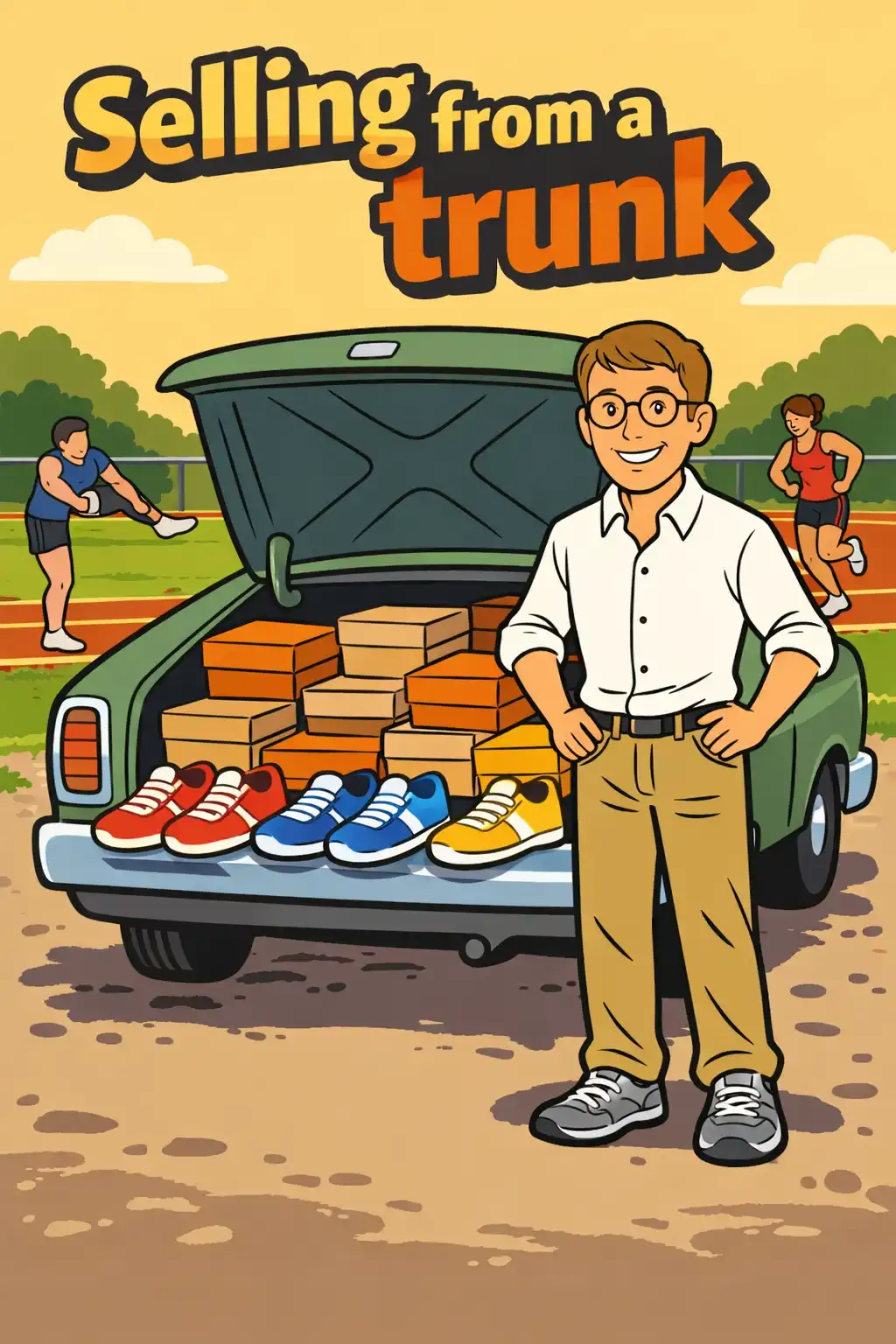
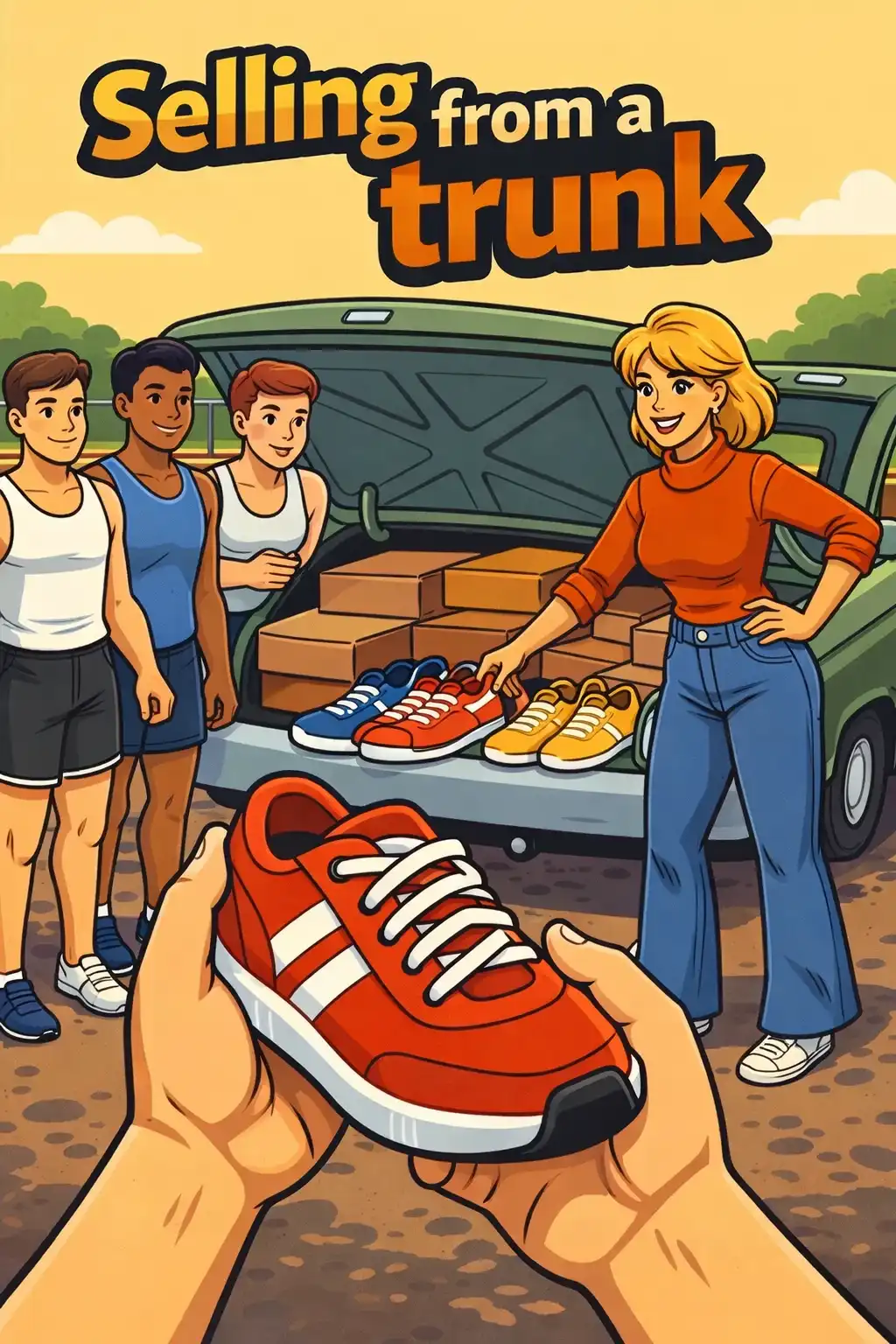
What if the world's most iconic sports brand started with just a guy selling shoes out of his car trunk at local track meets?

One-sentence summary

"Shoe Dog" by Phil Knight is the raw, honest memoir of how Nike went from one man's crazy idea to a global empire worth billions.

Reading about Shoe Dog: The Story of Nike is one thing.

Watching it is faster, more fun, and you'll actually remember it.

Lesson 1: Chase Your Crazy Idea

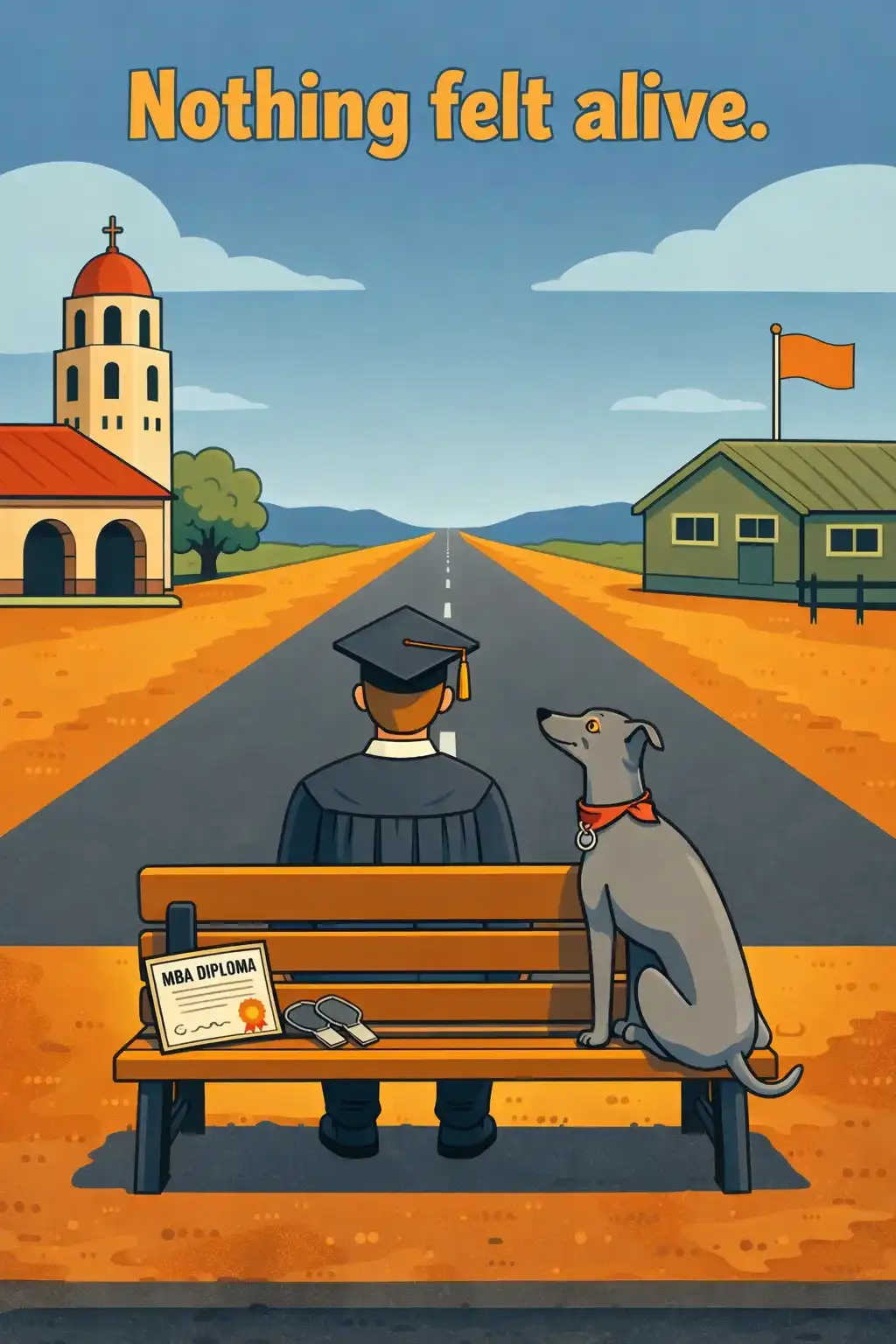
Picture a twenty-four-year-old on a morning jog through the misty roads of Oregon in 1962. He holds two degrees, but he feels completely lost about what to do with his life.

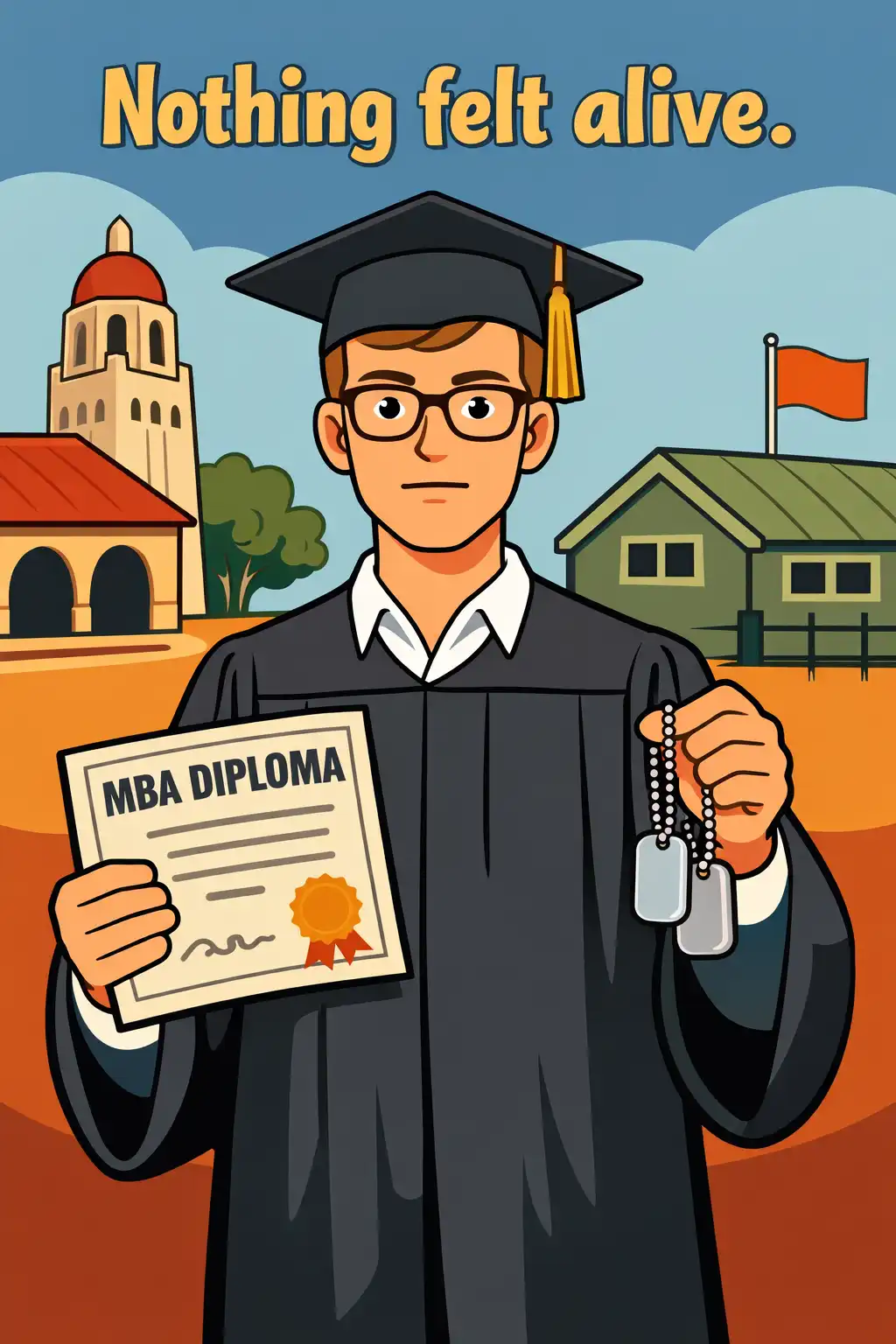
That young man was Phil Knight. He had a Stanford MBA and Army service behind him, but nothing ahead of him felt meaningful or alive.

During that run, something clicked. He realized he wanted his work to feel like athletics. Purposeful, creative, and worth all the pain of pushing through.

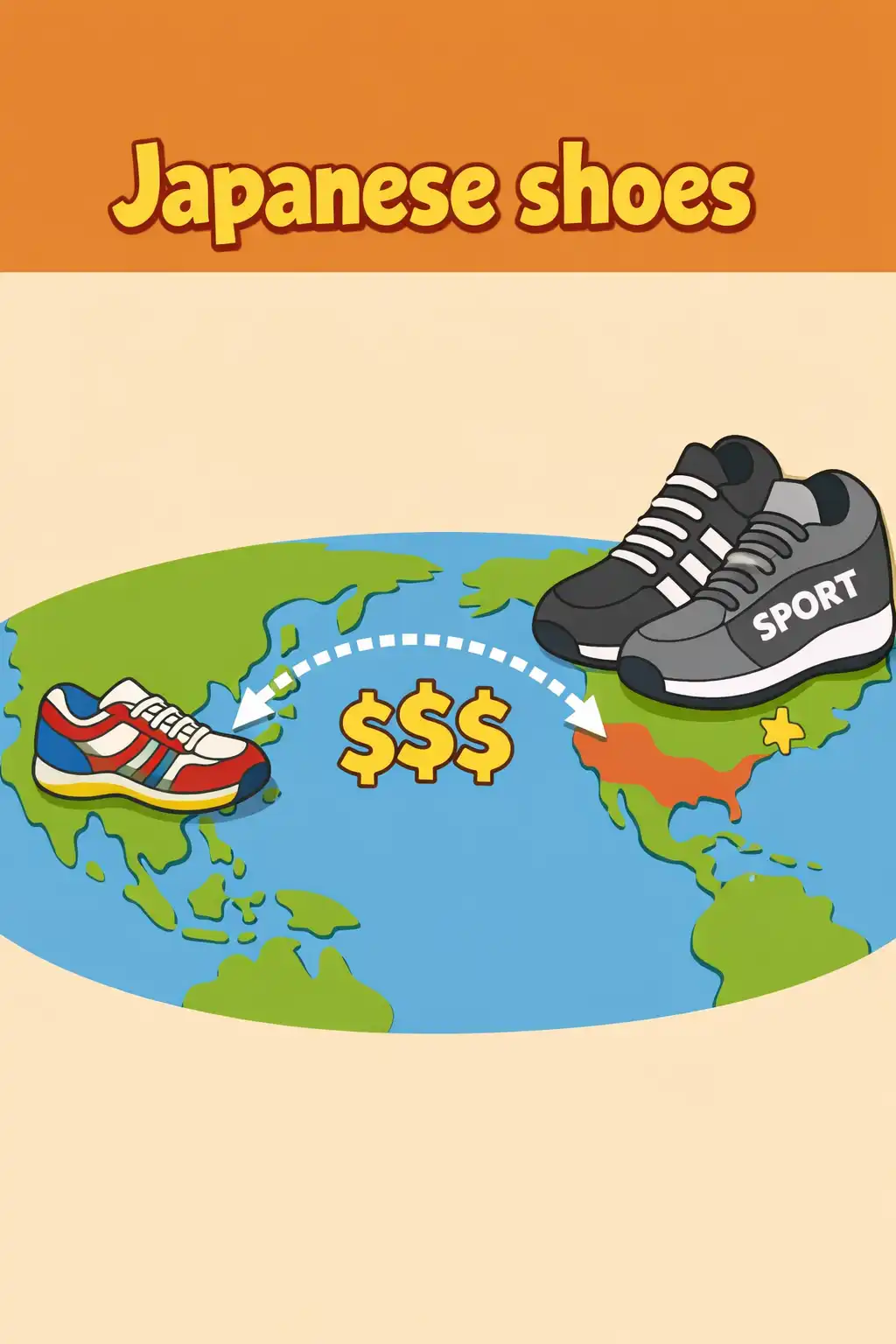
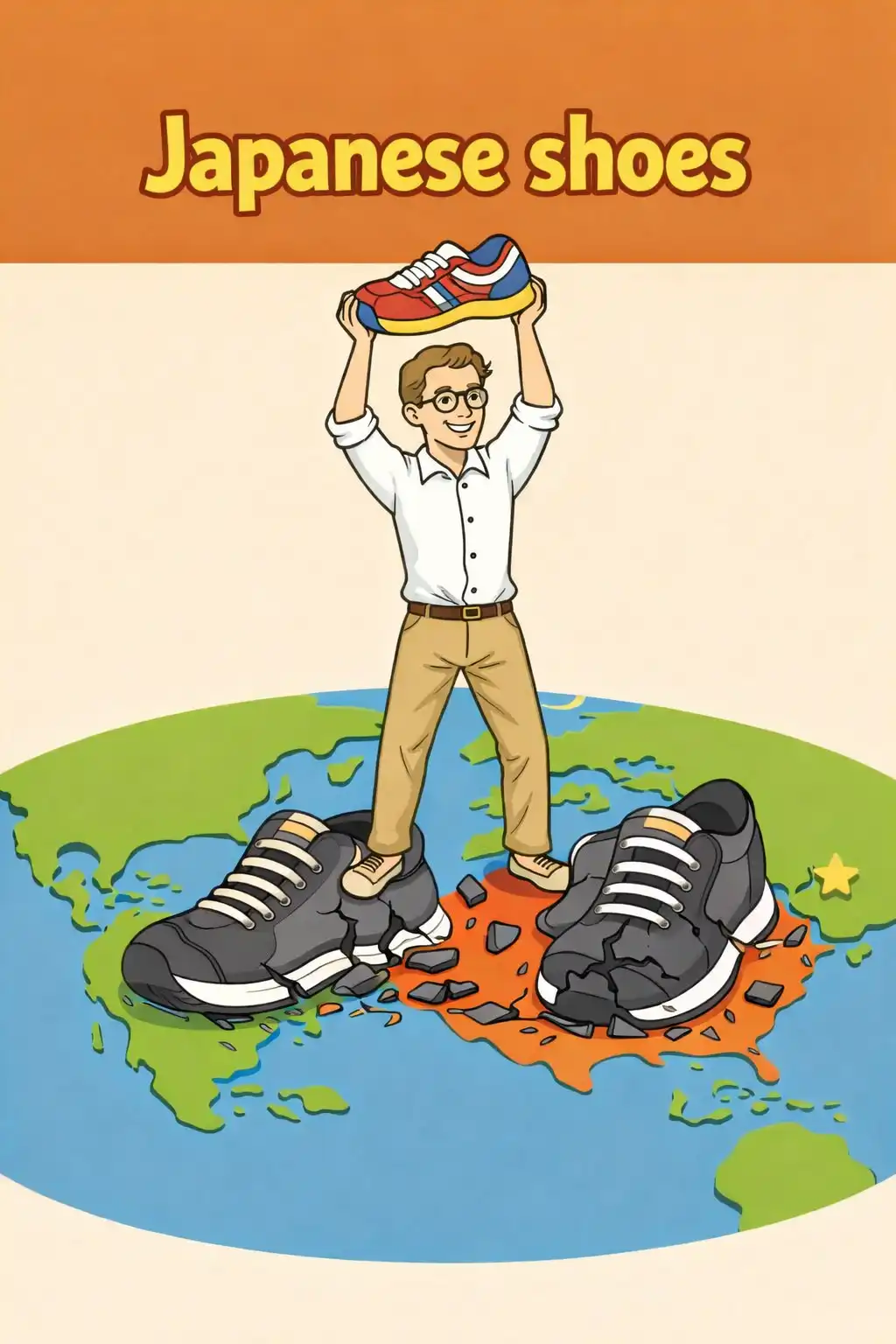
His crazy idea? Import cheap but high-quality running shoes from Japan to compete with the dominant German brands at the time, like Adidas and Puma.

He'd actually written a research paper at Stanford arguing that Japanese shoes could disrupt the market, the same way Japanese cameras had already disrupted the photography industry.

Nobody cared about that paper. But Knight couldn't let the idea go. He believed that history is made by people who chase the ideas that everyone else calls crazy.
Lesson 2: Just Start Moving

Think about a time you waited for the perfect moment to begin something. Phil Knight didn't wait. He just got on a plane to Japan.

He flew to Kobe to meet with a company called Onitsuka, the makers of Tiger running shoes. He was nervous and completely unprepared for their questions.

When the executives asked what company he represented, he panicked and blurted out "Blue Ribbon Sports." A name he made up on the spot, inspired by the blue ribbons hanging in his childhood bedroom.

Somehow, it worked. The executives were impressed by his passion for running and granted Blue Ribbon the rights to distribute Tiger shoes across America.

Back home, twelve pairs of Tiger shoes arrived in the mail. Knight sent two pairs to his former track coach at the University of Oregon, the legendary Bill Bowerman, a man absolutely obsessed with shoe design.

Bowerman loved the shoes so much that he proposed a fifty-fifty partnership on the spot. Knight boldly negotiated for fifty-one percent so he could keep control. And Bowerman agreed.

Lesson 3: Hire Passionate Believers

Imagine getting a letter every single day from someone who desperately wants to help you build your dream. That was a man named Jeff Johnson.

Johnson was a serious runner who tested a pair of Tiger shoes and fell in love with them. Knight hired him as a commissioned salesman, paying him for each pair he sold.

Johnson sent daily letters overflowing with ideas, detailed sales reports, and customer stories. He personally built a database of hundreds of runners and their shoe preferences.

Knight also hired Bob Woodell, a former University of Oregon runner who had been paralyzed in an accident. Woodell became a brilliant operations manager, running things from his wheelchair.

These weren't polished corporate executives. They were passionate, eccentric believers who cared about running and shoes far more than they cared about job titles or big paychecks.

Knight learned something important from them. The right people don't need micromanaging. Give them a mission they genuinely believe in, and they'll pour everything they have into it.

Lesson 4: Growth Demands Constant Risk

Here's something most people don't realize about Nike's early years. The company was almost always on the verge of going completely broke.

Blue Ribbon doubled its sales for five straight years. But every single dollar went right back into buying more inventory. Knight's bank thought he was being reckless.

His banker, a man named Bob Wallace, constantly criticized the rapid growth as far too risky. But Knight believed that slowing down in a competitive market was the same as dying.

When American banks wouldn't lend him any more money, Knight turned to Nissho Iwai, a massive Japanese trading company with roughly a hundred billion dollars in resources.

That relationship saved him. Nissho provided lines of credit that kept the banks comfortable and kept the shoe shipments flowing. Growth requires finding partners who believe in your vision.

Knight's lesson here is uncomfortable but real. You cannot grow a business without accepting the kind of risk that would make most people lose sleep every single night.

Lesson 5: Never Depend on One Partner

Imagine building your entire company around one supplier, and then discovering that they're secretly shopping for your replacement. That is exactly what happened to Phil Knight.

Knight had a spy inside Onitsuka, an employee named Fujimoto, who warned him that the Japanese company was quietly meeting with other American distributors behind his back.

During a visit to Portland, Knight even managed to sneak a look at a folder from an Onitsuka executive's briefcase. It confirmed their plan to break the contract and find new partners.

So Knight began quietly building his own brand. He hired a young art student named Carolyn Davidson, who designed a simple curved logo, the swoosh, for just thirty-five dollars.

For the name, Jeff Johnson suggested "Nike" after it came to him in a dream. It was short, memorable, and named after the Greek goddess of victory. Knight wasn't sure about it at first, but he reluctantly agreed.

When Onitsuka finally cut them off, Knight gathered his thirty employees and reframed the moment. This wasn't a setback. This was their independence day. Nike was officially born.

Lesson 6: Innovate or Get Left Behind

Picture Bill Bowerman standing in his kitchen one morning, staring at his wife's waffle iron, and suddenly seeing the future of running shoes.

He poured liquid rubber right into that waffle iron and created a revolutionary sole pattern. The grooves gripped pavement better than anything on the market and made runners measurably faster.

Later, an aerospace engineer named Frank Rudy walked into Nike's offices with another wild idea. He wanted to inject pressurized air into shoe soles to create better cushioning.

Adidas had already rejected Rudy's proposal. And that fact alone convinced Knight to say yes. His thinking was simple. If the giant passes on something, the underdog should pounce on it.

Not every innovation worked out. One shoe called the LD 1000 actually caused injuries and had to be recalled. But customers stayed loyal because they trusted Nike's willingness to keep pushing forward.

Lesson 7: Survive the Impossible Crisis

In 1975, Blue Ribbon owed its partner Nissho a million dollars. And they were seventy-five thousand dollars short. Knight and his accountant drained every single company account to scrape together the payment.

The result was a disaster. Paychecks bounced across the entire country. Jeff Johnson's factory workers in New Hampshire nearly rioted until emergency cash was borrowed from local contacts.

Then things got even worse. The Bank of California discovered what had happened and froze all of Blue Ribbon's accounts. They even notified the FBI for suspected fraud. Knight faced possible jail time.

In desperation, Knight went to Nissho's intimidating new manager, a man named Ito who was nicknamed "the Ice Man." Knight confessed everything honestly and asked for another million dollars.

Ito audited the books, found hidden problems, and surprisingly, he understood. He paid off Blue Ribbon's entire bank debt, and the FBI investigation quietly disappeared.

The lesson here is powerful. When you are truly trapped, honesty can be your only way out. Knight's transparency with Ito is what saved the entire company from destruction.

Lesson 8: Honor What Inspires You

Steve Prefontaine, known as "Pre," was a rock star of distance running. He was brash, fearless, and held every American record from two thousand to ten thousand meters.

Blue Ribbon hired Pre as only their second celebrity endorser, paying him five thousand dollars a year. Knight said he felt genuinely star-struck just being around him.

Then one night in 1975, just hours after winning a race, Pre died in a car accident. He was only twenty-four years old.

Knight and his team preserved the shrine that fans built at the crash site. Pre's fearless, hold-nothing-back spirit became permanently woven into Nike's identity.

Today, the Nike campus has an entire building named after Pre. His legacy serves as a daily reminder to everyone there that greatness means running without holding anything back.

Lesson 9: Go Public on Your Own Terms

By 1980, Nike was approaching a hundred and forty million dollars in annual sales. But Knight still hated the idea of taking the company public.

He feared losing control of the company he had built from nothing. The thought of answering to outside shareholders felt like giving away his life's work.

Then a trusted advisor named Chuck Robinson suggested a clever solution. Issue two different classes of stock. Class A shares would guarantee that Knight's inner team could name three quarters of the board of directors.

On December second, 1980, Nike went public at twenty-two dollars per share. Overnight, Knight's personal stake was worth a hundred and seventy-eight million dollars.

But here's the surprising part. Knight didn't feel joy. He felt regret and nostalgia, wishing he could somehow go back and do the whole scrappy journey all over again.

Lesson 10: The Journey Is the Reward

Years later, Phil Knight stepped down as CEO of a company with sixteen billion dollars in annual sales and over ten thousand employees around the world.

Along the way, he had experienced devastating personal losses. His son Matthew died in a scuba diving accident. His partners Bowerman and Strasser both passed away far too soon.

Nike also weathered the sweatshop controversy of the 1990s by eventually becoming an industry leader in factory reform. They even invented cleaner manufacturing processes and shared them with competitors.

Knight and his wife Penny now give away roughly a hundred million dollars every year. They built the Matthew Knight Arena at the University of Oregon in honor of their son.

Unable to sleep one night, Knight realized his final mission was to tell this story. Not just the victories, but the struggles and close calls that made those victories actually matter.

His message to future entrepreneurs is simple. "people may doubt your idea and the finish line may be hazy, but your job is to keep moving forward. Whatever happens, don't stop."

You've read the summary. Now watch it.

The animated version covers the same ideas — faster, and in a format you'll actually remember.