








The Seven Principles for Making Marriage Work cover

Book summary: The Seven Principles for Making Marriage Work by John Gottman

10 min read10 key lessonsText + animated summary

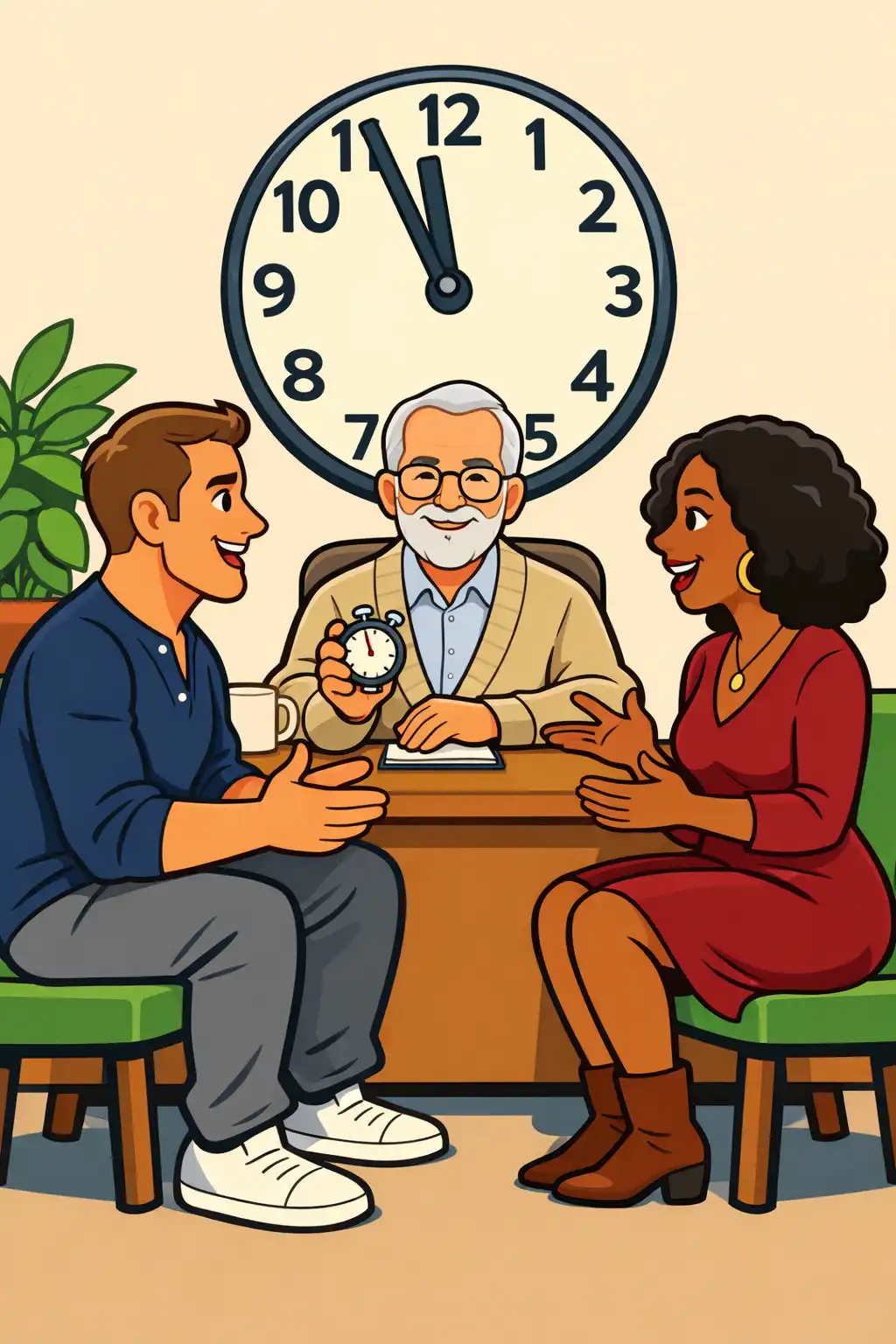
What if a researcher could watch you and your partner talk for just five minutes, and predict whether your marriage would last?

One-sentence summary

"The Seven Principles for Making Marriage Work" by John Gottman reveals what decades of scientific research say truly keeps couples together, and what tears them apart.

Reading about The Seven Principles for Making Marriage Work is one thing.

Watching it is faster, more fun, and you'll actually remember it.

Lesson 1: Inside the Love Lab

Picture a cozy apartment in Seattle. A couple eats breakfast, chats, and laughs. It looks totally normal. But hidden cameras and heart-rate monitors are recording everything.

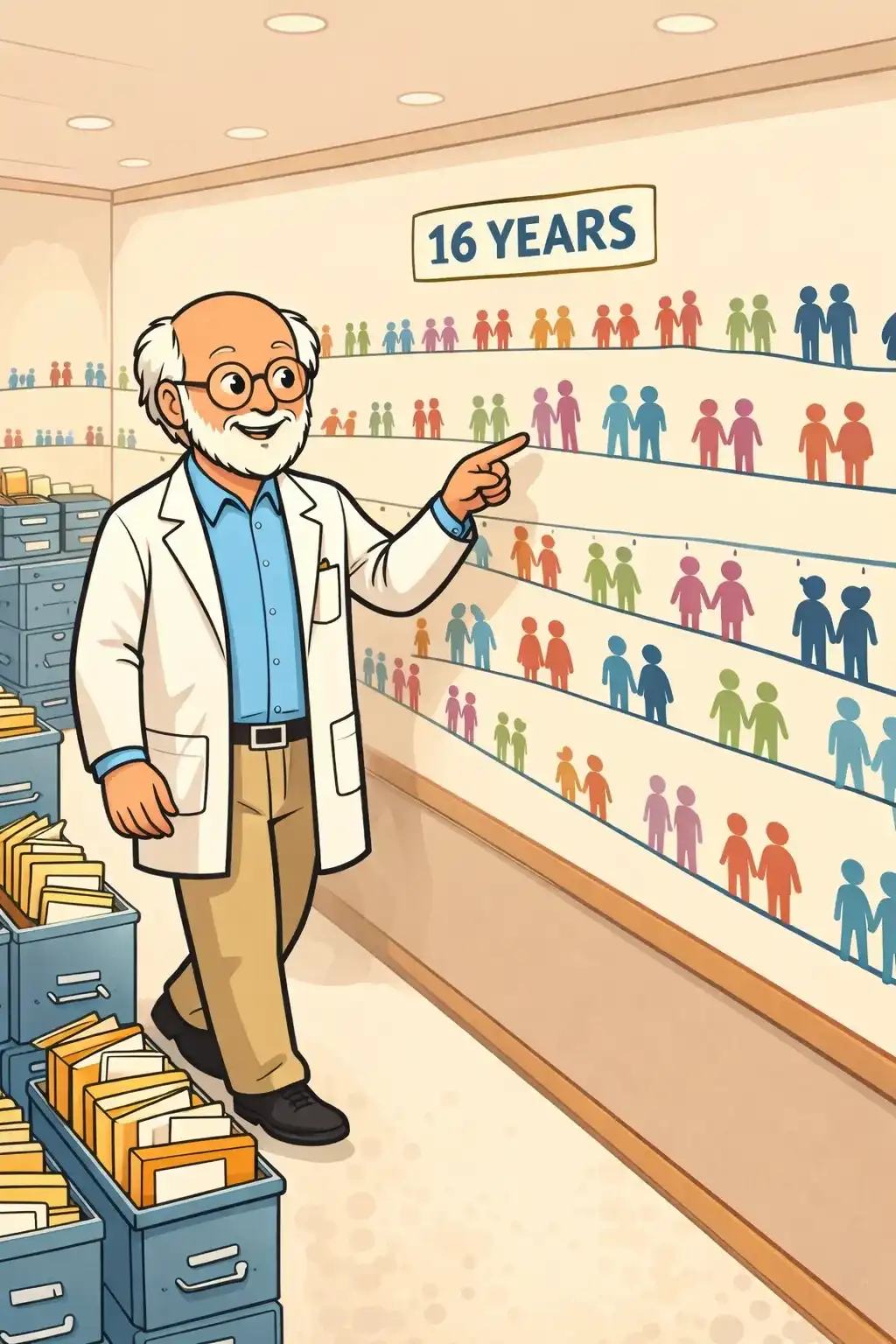
This is John Gottman's famous "Love Lab" at the University of Washington. Over sixteen years, he studied hundreds of couples in extraordinary detail.

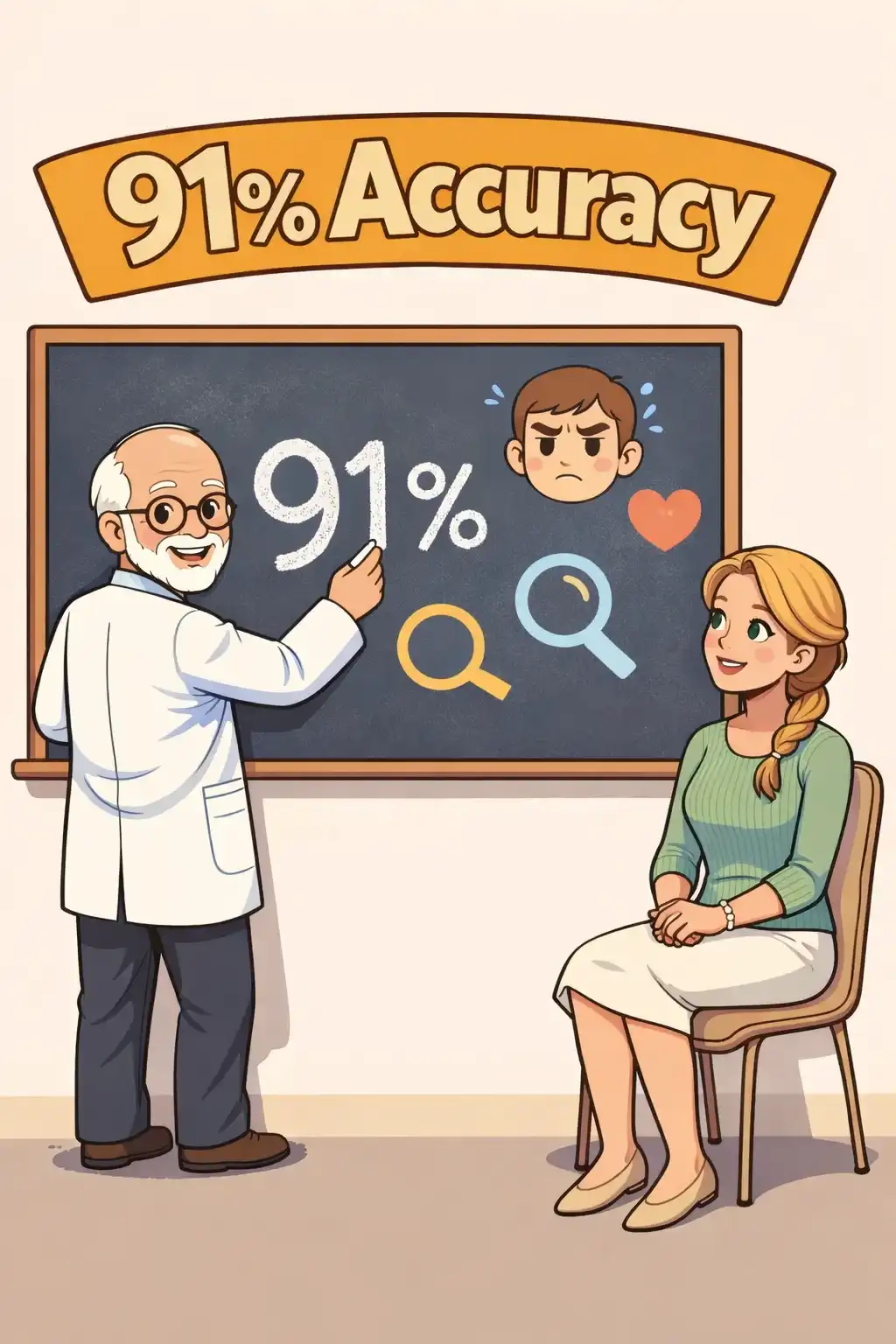
By tracking facial expressions, conversations, and even stress hormones in their blood, Gottman learned to predict divorce with about ninety-one percent accuracy.

His biggest finding? Lasting marriages are not built on never fighting. They are built on a deep, everyday friendship between two people who genuinely know each other.

That friendship creates what Gottman calls "positive sentiment override." It is like an emotional cushion that keeps small irritations from snowballing into major crises.


Lesson 2: The Four Horsemen of Relationship Doom

Imagine a couple named Dara and Oliver. They seem happy and committed. But after watching them argue for just fifteen minutes, Gottman predicted trouble ahead.

Four years later, they were heading for divorce. It was not that they argued. Every couple argues. It was how they argued. Gottman identified four deadly patterns.

He calls them "The Four Horsemen." The first is criticism. That means attacking your partner's character instead of addressing a specific behavior. For example, saying "You never think about anyone but yourself" instead of "I felt hurt when you forgot our plans."

The second is contempt, and this is the most dangerous one. Think eye-rolling, mockery, or hostile sarcasm. It signals deep disgust, and it erodes respect over time.

The third is defensiveness. It feels justified in the moment, but it really just shifts blame and makes the fight worse. The fourth is stonewalling, which means completely shutting down and withdrawing from the conversation.

The antidote? Something Gottman calls "repair attempts." These are small gestures, like a smile, a joke, or even just saying "I'm sorry," that break the cycle of negativity before it spirals out of control.

Lesson 3: Build a Love Map of Your Partner's World

Meet Rory, a dedicated pediatrician so consumed by work that he did not know the name of his own family dog, or even where the back door of his house was.

His wife felt invisible. Gottman uses this story to introduce his first principle. Build what he calls a "love map" of your partner's inner world.

A love map means knowing the small details, like how your partner takes their coffee. But it also means knowing the deeper things, like their secret fears and biggest dreams.

Why does this matter so much? Because sixty-seven percent of couples see their marital satisfaction plummet after having their first baby. The couples with strong love maps are the ones who survive that transition.

Building a love map is not a one-time quiz you take and forget about. It is a lifelong habit of curiosity. Asking questions, remembering the answers, and staying genuinely interested in who your partner is becoming.

Lesson 4: Keep Fondness and Admiration Alive

Back to Rory and his wife Lisa. He was so consumed by work that when she brought their kids to a Christmas hospital picnic, he snapped at her in front of everyone.

Moments later, he was warm and friendly on the phone with a colleague. That contrast broke something in Lisa. They were heading toward divorce.

But in Gottman's lab, something surprising happened. When Rory was asked to recall how he first won Lisa over, his face lit up. They held hands while talking about those early days.

Gottman realized their "fondness and admiration system" was still alive underneath it all. As long as that basic respect exists, even faintly, a marriage can be rescued.

Here is a simple test. How do you remember your past together? Couples who recall their early days with warmth and affection have happy futures ninety-four percent of the time.

Fondness and admiration are also the strongest antidote to contempt. When you genuinely respect your partner, disgust simply has no room to grow.

Lesson 5: Turn Toward Each Other in Small Moments

A husband glances out the window and says, "Look at that bird." His wife looks up from her iPad and says, "Oh, that is a nice one."

It seems completely trivial, right? But Gottman's research shows these tiny moments of connection are actually the building blocks of a strong marriage.

Gottman calls them "bids." A bid is any small request for your partner's attention, affection, or support. How you respond to these bids shapes your entire relationship over time.

Every time you "turn toward" a bid, meaning you acknowledge it and engage, you are making a deposit in what Gottman calls your "emotional bank account." Those deposits cushion you during hard times.

Hollywood tells us romance means grand gestures. Gottman says it is really about the small stuff. Grabbing the bleach at the store without being asked. Pausing your phone to actually listen.

One powerful exercise? A daily twenty-minute stress-reducing conversation where you take turns venting about your day. The listener's only job is empathy, not jumping in with solutions.

Lesson 6: Accept Your Partner's Influence

A man named Jack insists on getting a used car inspected before buying it, because he promised his wife he would. The divorced seller mocks him for letting his wife call the shots.

Jack's reply? "Maybe that is why you are divorced." Gottman loves this story because it captures his fourth principle perfectly. Let your partner influence you.

His research on one hundred thirty newlywed couples found something striking. When husbands refuse to share power with their wives, there is an eighty-one percent chance the marriage will fail.

This is not about surrendering or giving up who you are. It is about genuine respect. The emotionally intelligent partner treats the other person's perspective as valuable, especially during disagreements.

Gottman calls this strategy "yielding to win." Accepting influence on small things, like putting the toilet seat down, builds enormous goodwill and stability over time.

Lesson 7: How to Solve the Problems That Can Be Solved

Here is a surprising finding. Around sixty-nine percent of marital conflicts are what Gottman calls "perpetual." They never get fully resolved. Couples argue about the same things for decades.

Happy couples learn to live with these differences using humor and patience. But the remaining problems, the solvable ones, respond well to five specific steps.

Step one is soften your startup. Gottman found he can predict how an entire conversation will end within the first three minutes, ninety-six percent of the time, just from how it begins.

So start gently. Use "I" statements instead of "you" accusations. Describe the situation without judging the person. And be specific about what you need, rather than listing a pile of complaints.

Step two is making repair attempts during the conflict, like offering an apology or a moment of humor to de-escalate. Step three is this: when you feel flooded with stress, take a twenty-minute break before continuing.

Step four is compromise. Gottman suggests drawing two circles. The inner circle holds your absolute non-negotiables. The outer circle holds everything you are willing to be flexible on.

Lesson 8: Unlock Gridlock by Understanding Hidden Dreams

Ed and Luanne fought constantly about her horse, Daphne. The real issue was not money or time. It was that Luanne's lifelong dream of riding felt completely dismissed by her husband.

Gottman's sixth principle says that behind every gridlocked argument, there is a hidden dream. A hope, a deep need, or a part of someone's identity that feels threatened.

Take Katherine and Jeff. They fought about baptizing their child. But when Jeff finally heard Katherine's story of how faith carried her through a lonely childhood, everything shifted.

Gottman says become a "dream detective." Look beneath the surface of your stuck arguments. Ask your partner what this issue really means to them, and then truly listen to the answer.

You do not have to solve the problem completely. Even simply showing genuine interest and understanding your partner's deeper dream can make a meaningful difference in how you both feel.

Lesson 9: Create Shared Meaning Together

Helen and Kevin got along fine on the surface, but something felt hollow. They were more like roommates than true partners. So what were they missing?

Gottman's seventh and final principle is creating shared meaning. That means building rituals, roles, goals, and symbols that bind you together as a unique family culture.

Helen shared stories of her Irish great-grandparents and their fierce loyalty. Kevin remembered his grandmother's generosity during the Great Depression. These stories became the foundation of their shared family identity.

Shared meaning can be as simple as a bedtime routine with your kids, a weekly date night, or a holiday tradition that feels truly yours, something no other family does quite the same way.

When a marriage has this kind of deeper shared life, conflicts feel less intense. And those perpetual problems we talked about earlier are far less likely to lead to painful gridlock.

Lesson 10: The Magic Five Hours a Week

Imagine you could transform your marriage by investing just five extra hours a week. Gottman's follow-up research found that is exactly what the happiest couples did.

He calls it "The Magic Five Hours." Here is the breakdown. Spend two minutes each morning learning about what your partner has coming up that day. Then, spend twenty minutes in a stress-reducing conversation when you reunite in the evening.

Add five minutes daily expressing genuine appreciation for something your partner did. Five minutes of physical affection, like a hug or a kiss. And one two-hour date each week, just the two of you.

Gottman also recommends a regular self-check he playfully calls "The Marital Poop Detector." It is a simple questionnaire designed to spot early signs of distance or tension before they grow into bigger problems.

And here is one final insight. People who are hard on themselves often become critical of their partners too. Gottman suggests spending a full week noticing what is going right instead of what is going wrong.

Praise your world and your spouse genuinely each day. Over time, this builds self-forgiveness, fills your relationship with appreciation, and reminds you why you chose each other in the first place.

You've read the summary. Now watch it.

The animated version covers the same ideas — faster, and in a format you'll actually remember.