Trump: The Art of the Deal preview: In 1976, a young developer from Queens placed a bet on a crumbling, money-losing hotel in a nearly bankrupt city. He wasTrump: The Art of the Deal preview: In 1976, a young developer from Queens placed a bet on a crumbling, money-losing hotel in a nearly bankrupt city. He wasTrump: The Art of the Deal preview: Trump: The Art of the Deal, by Donald J. Trump with Tony Schwartz, tells the story of how Donald Trump built his empire.Trump: The Art of the Deal preview: Trump: The Art of the Deal, by Donald J. Trump with Tony Schwartz, tells the story of how Donald Trump built his empire.Trump: The Art of the Deal preview: Lesson 1. Think bigger than your starting pointTrump: The Art of the Deal preview: The story begins with Fred Trump, Donald's father, who built his first house in Queens at seventeen and eventually complTrump: The Art of the Deal preview: The story begins with Fred Trump, Donald's father, who built his first house in Queens at seventeen and eventually complTrump: The Art of the Deal preview: Fred was relentless about costs. He once suggested swapping Trump Tower's expensive bronze glass for plain brick. That iTrump: The Art of the Deal preview: Fred was relentless about costs. He once suggested swapping Trump Tower's expensive bronze glass for plain brick. That iTrump: The Art of the Deal preview: Donald learned the business working beside his father, collecting rents in tough neighborhoods. The work was physically Trump: The Art of the Deal preview: Donald learned the business working beside his father, collecting rents in tough neighborhoods. The work was physically

In 1976

0:00 / 1:00

60-second animated preview

Watch full summary

Trump: The Art of the Deal Summary: 9 best lessons in 10 mins

10 min readDonald J. Trump with Tony Schwartz's book, summarized

One-sentence summary

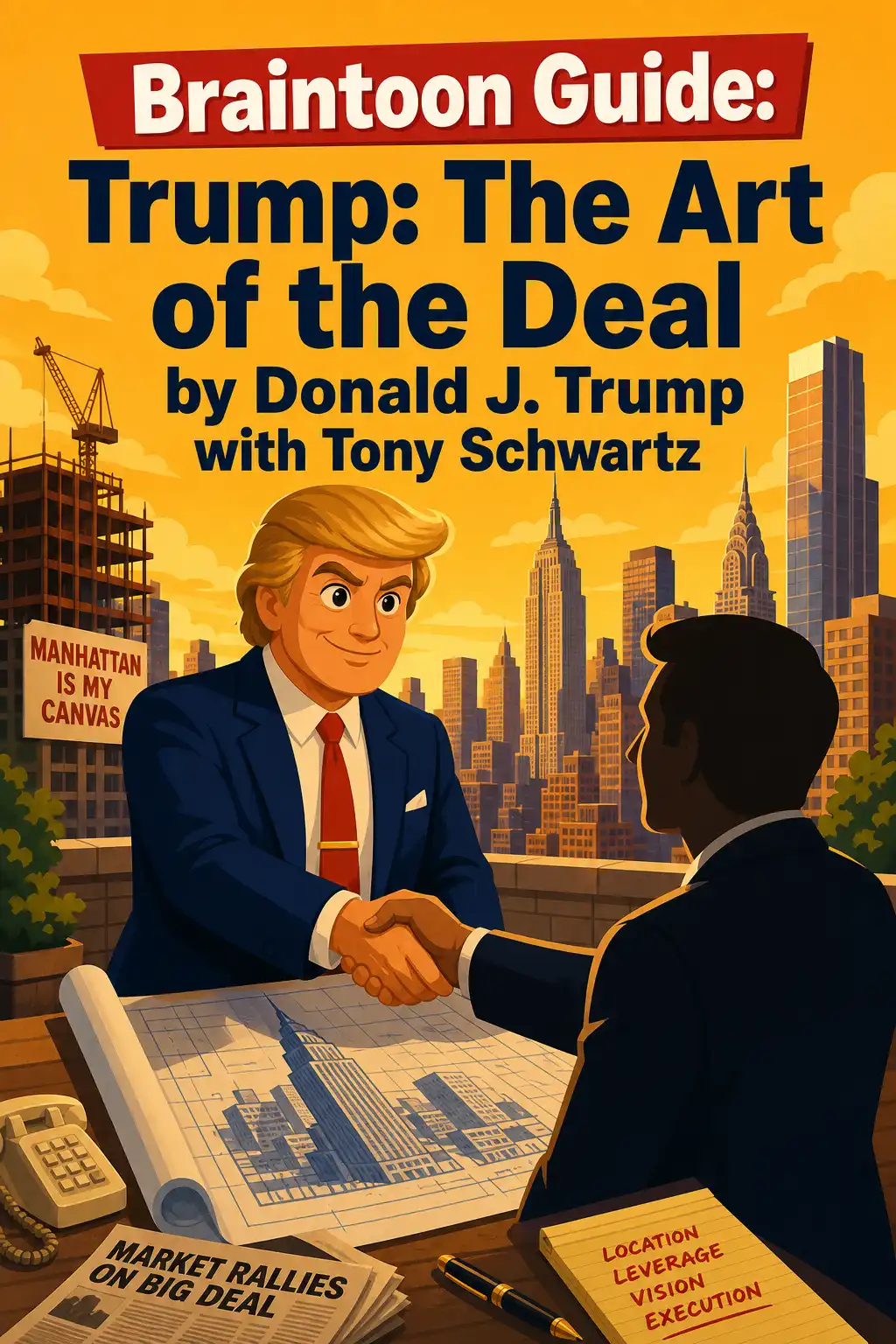
Trump: The Art of the Deal, by Donald J. Trump with Tony Schwartz, tells the story of how Donald Trump built his empire. And along the way, it asks a sharper question. What really makes deals succeed or fail?

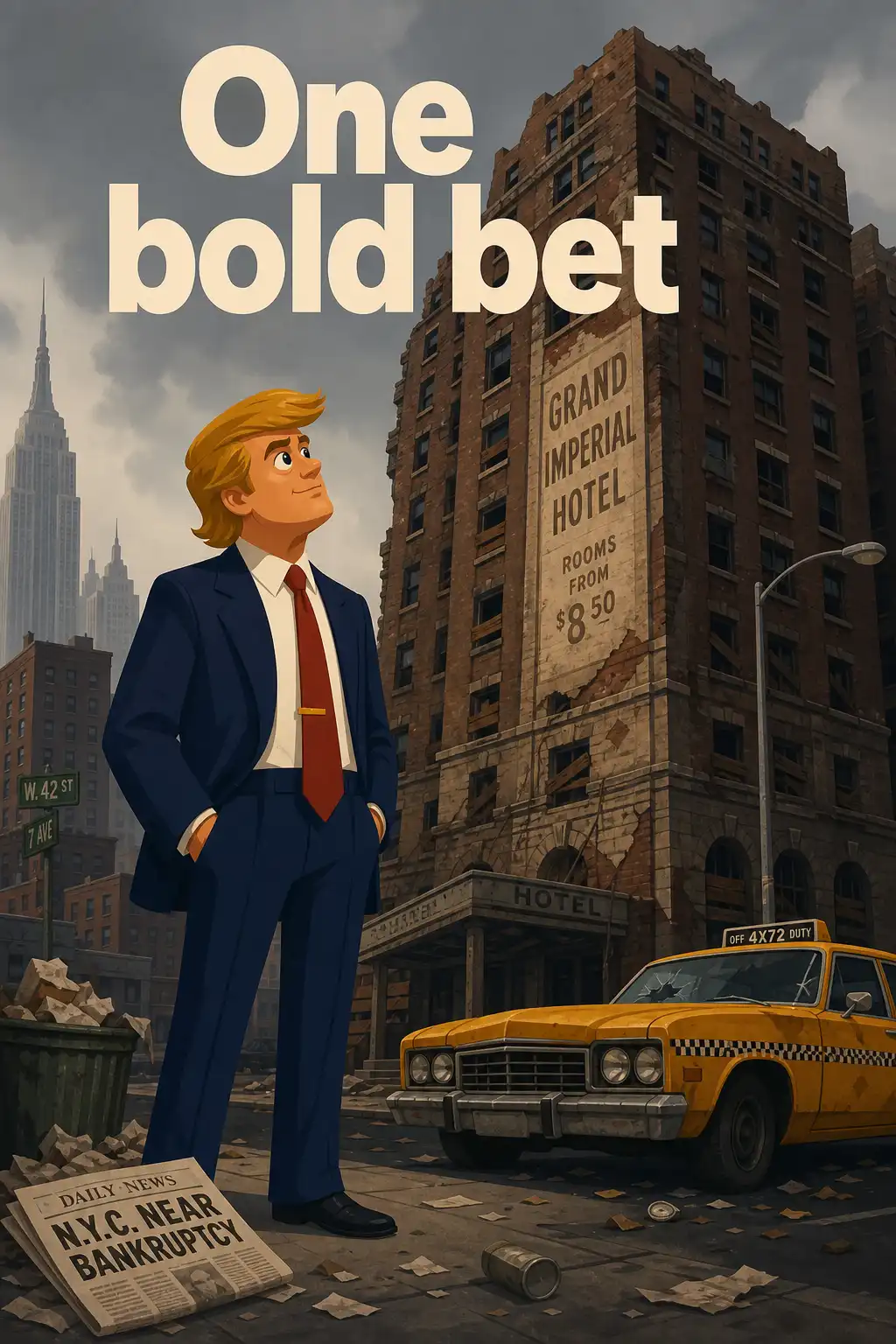
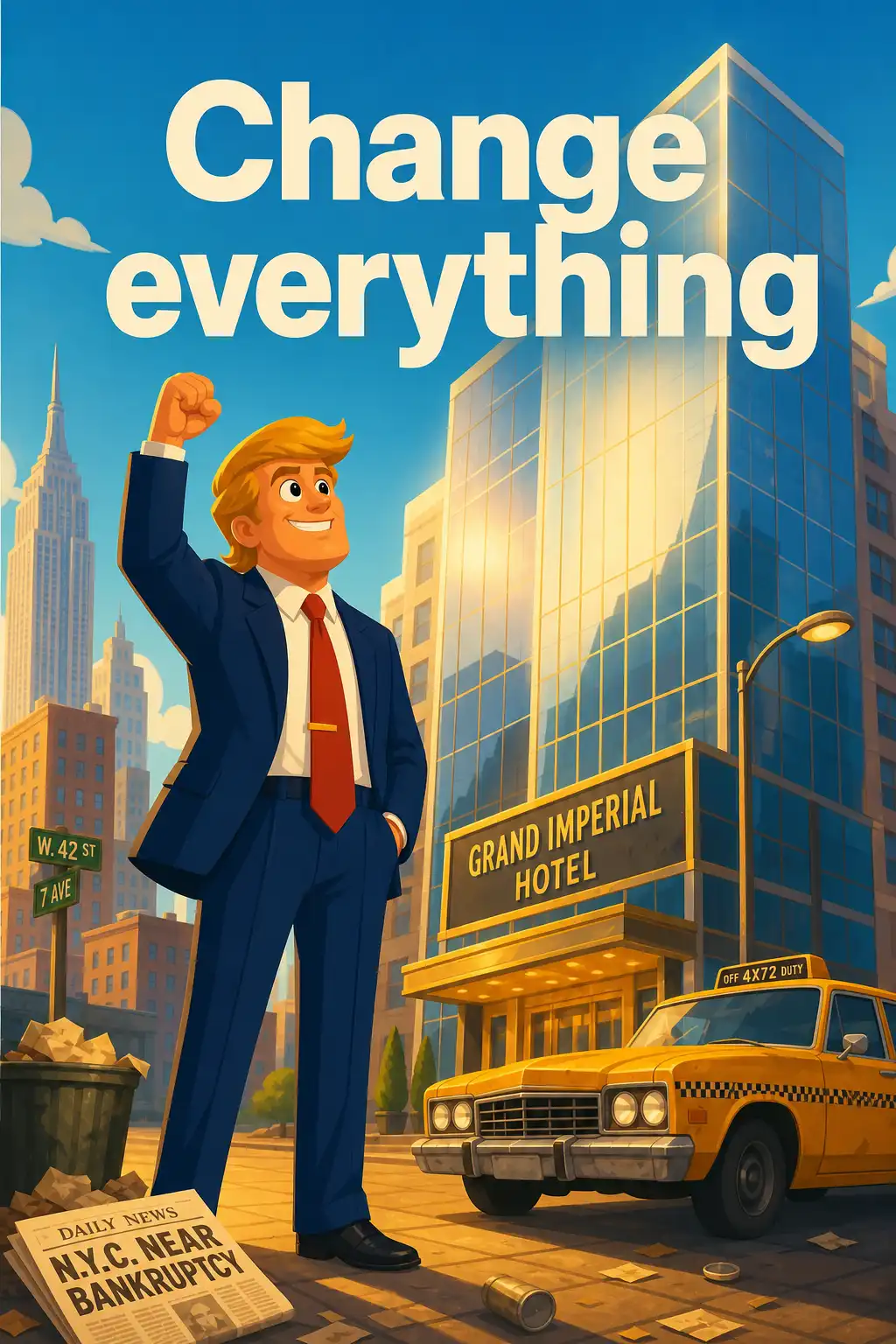
In 1976, a young developer from Queens placed a bet on a crumbling, money-losing hotel in a nearly bankrupt city. He was convinced that one bold deal could change everything.

(Continued below)

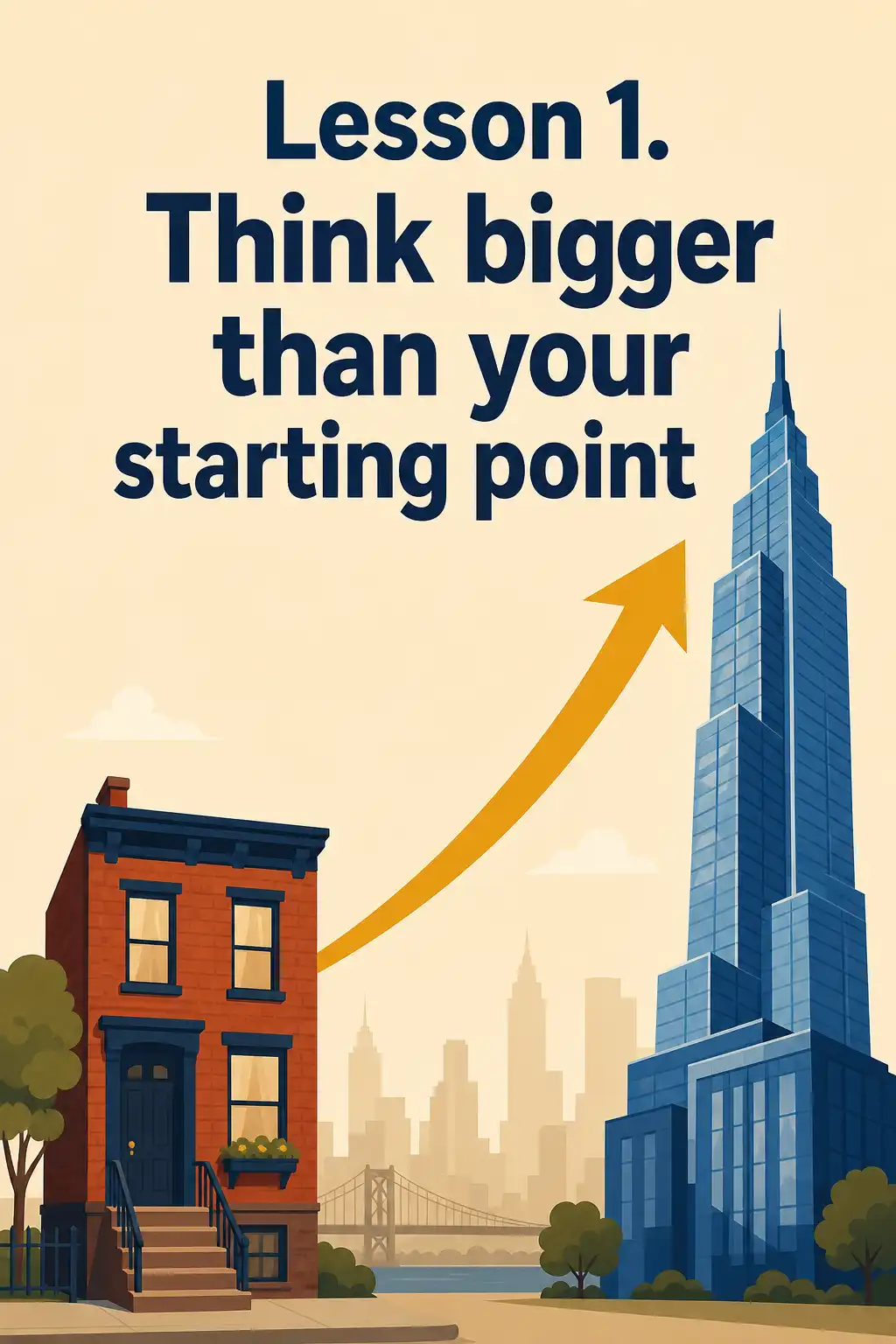
Lesson 1: Think bigger than your starting point

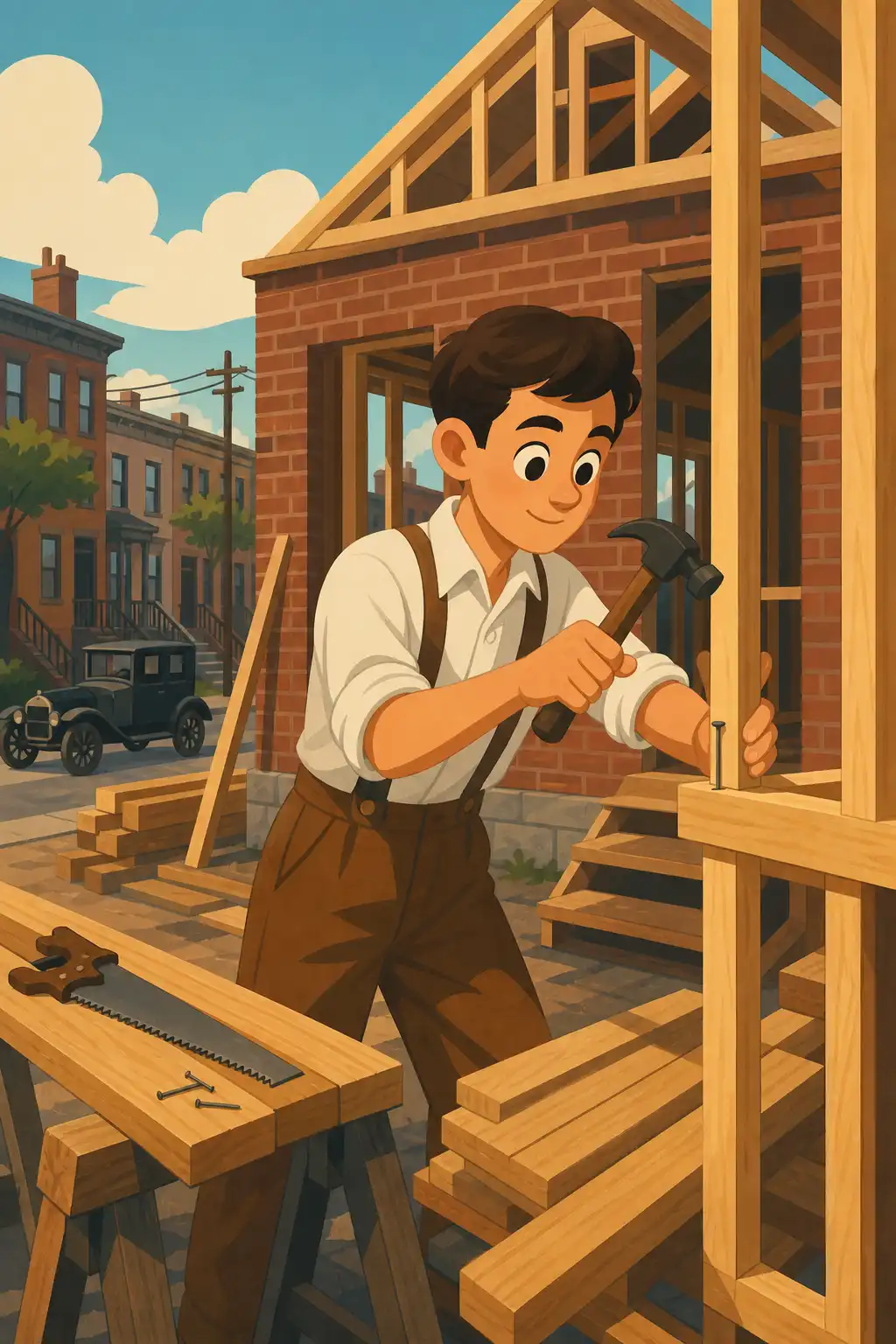
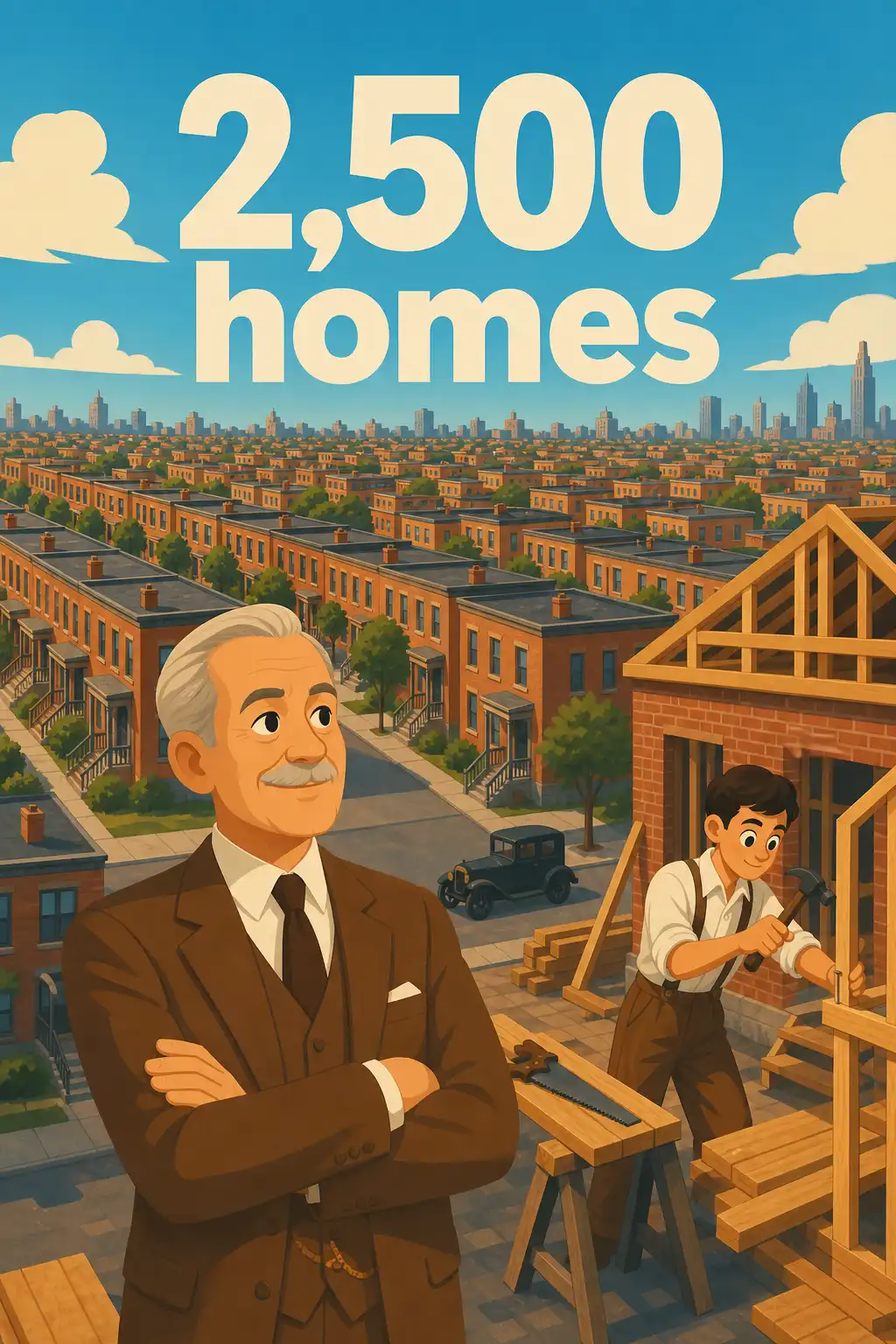
The story begins with Fred Trump, Donald's father, who built his first house in Queens at seventeen and eventually completed around 2,500 modest homes across Brooklyn and Queens.

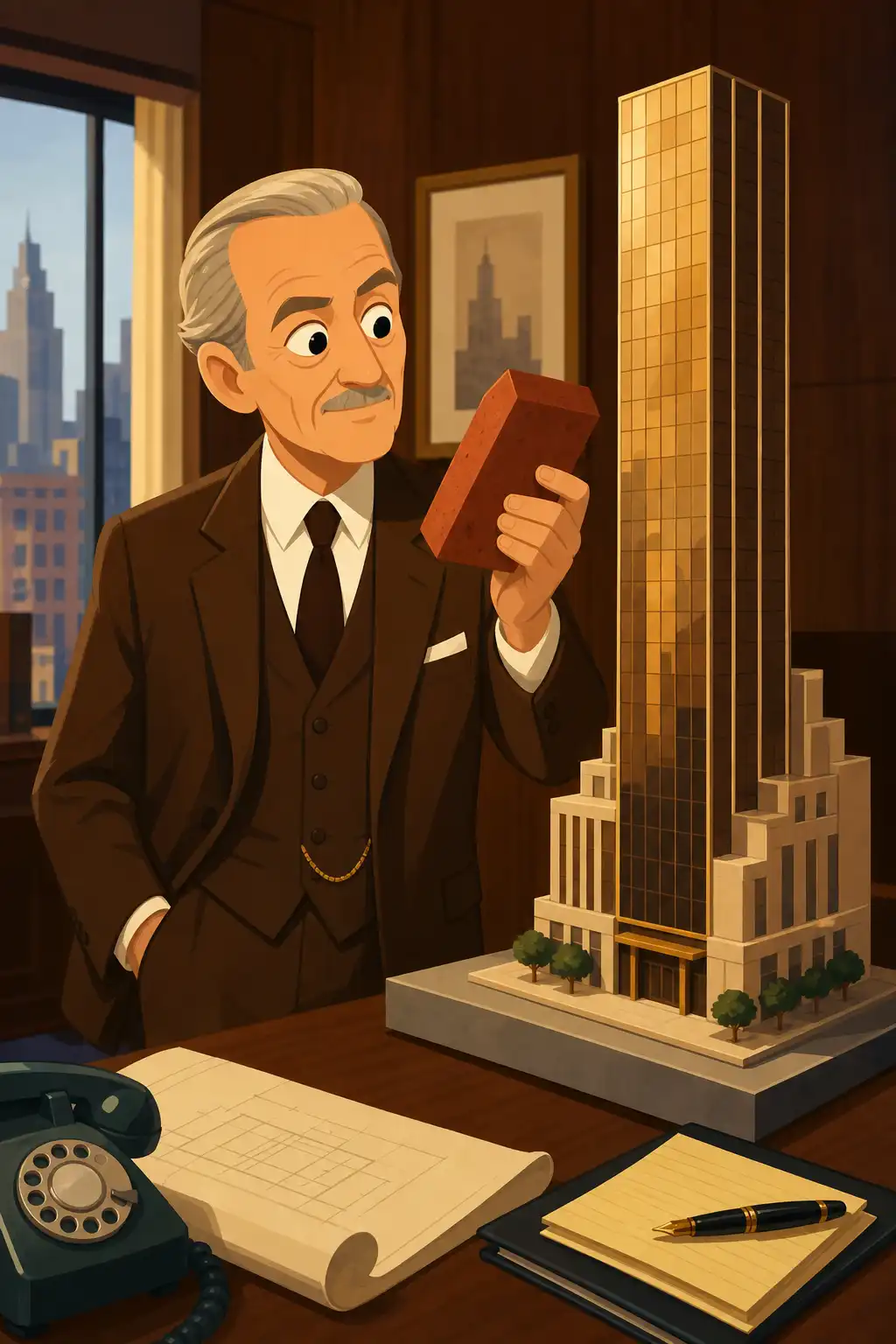
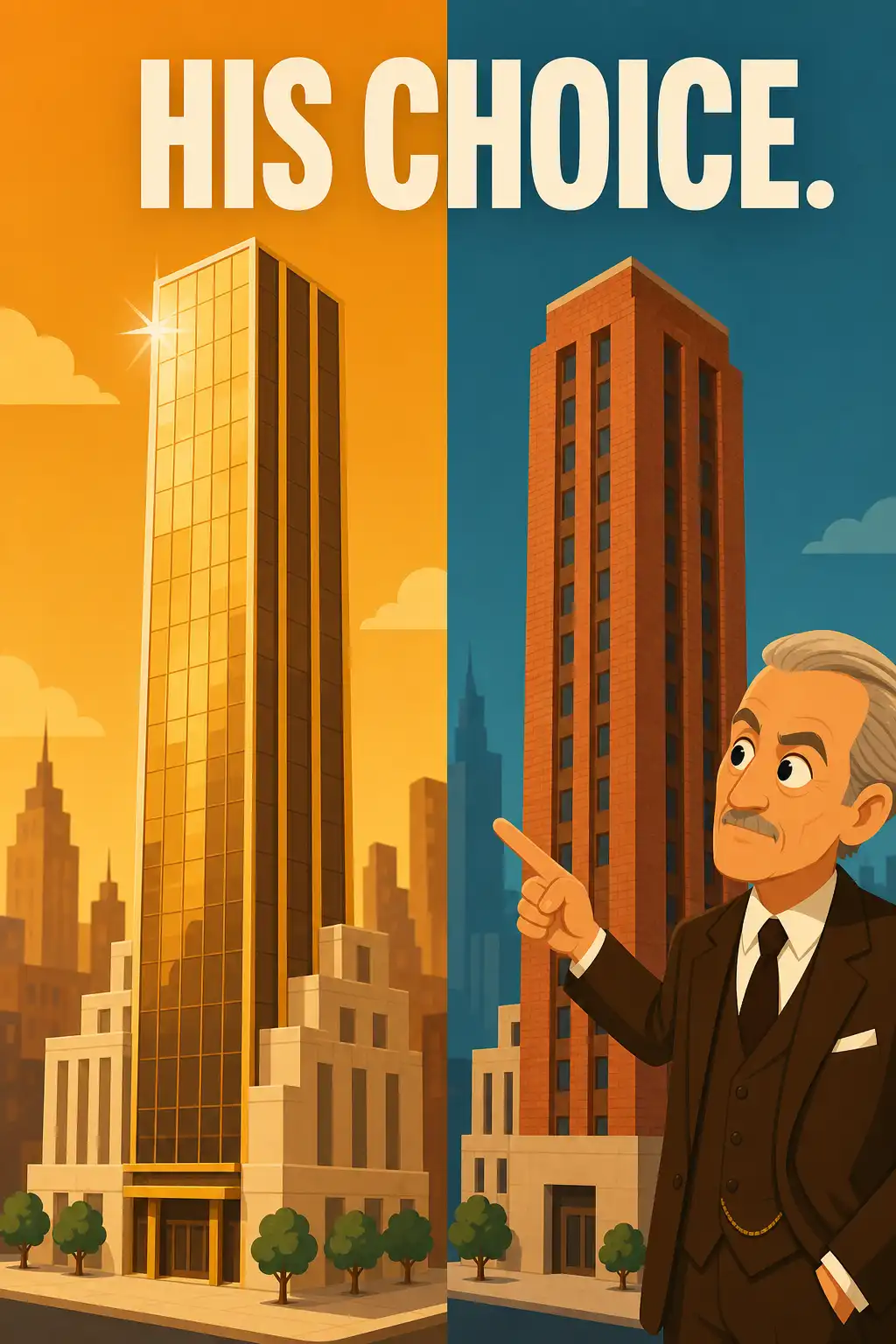
Fred was relentless about costs. He once suggested swapping Trump Tower's expensive bronze glass for plain brick. That instinct built his fortune, but it also defined his ceiling.

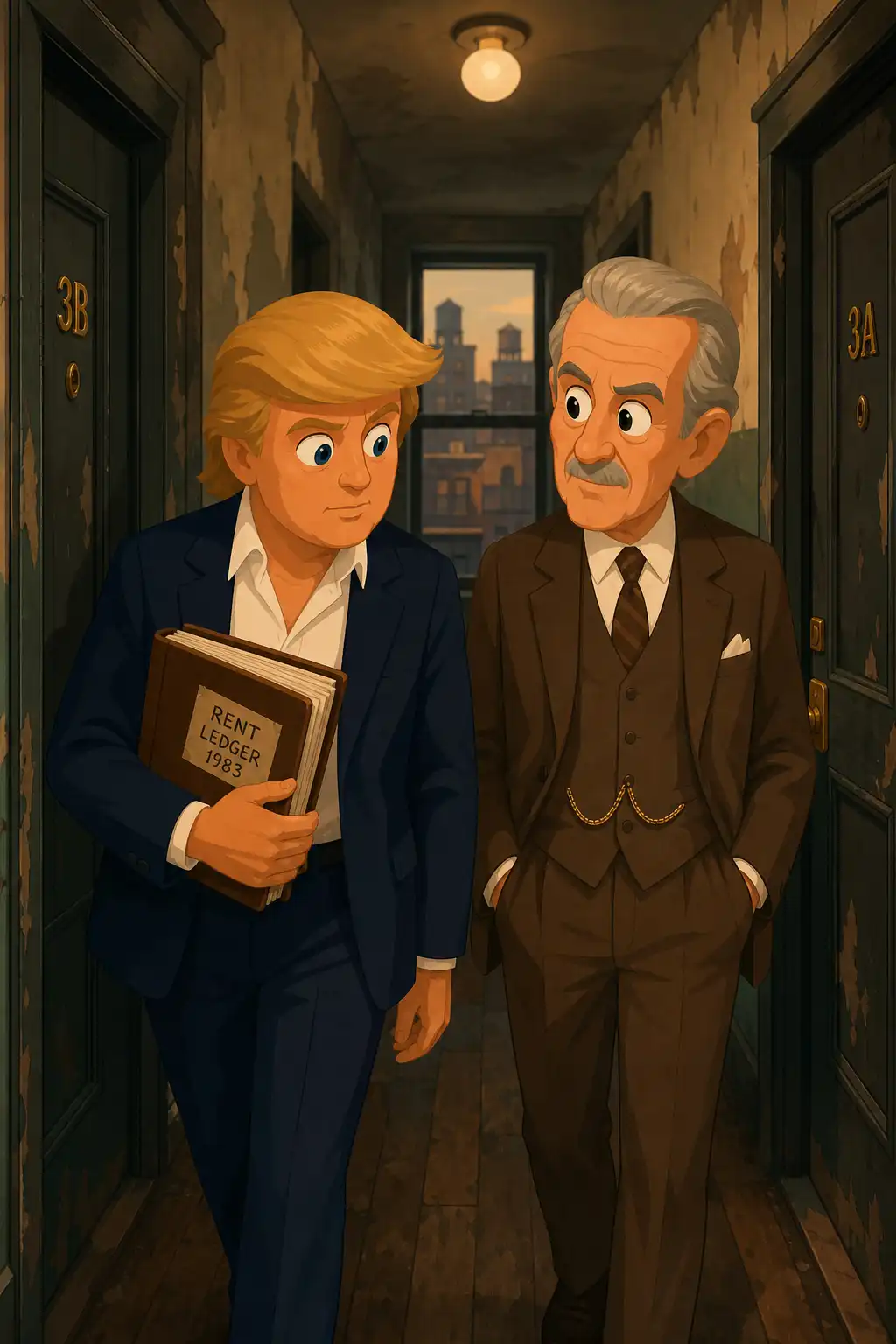
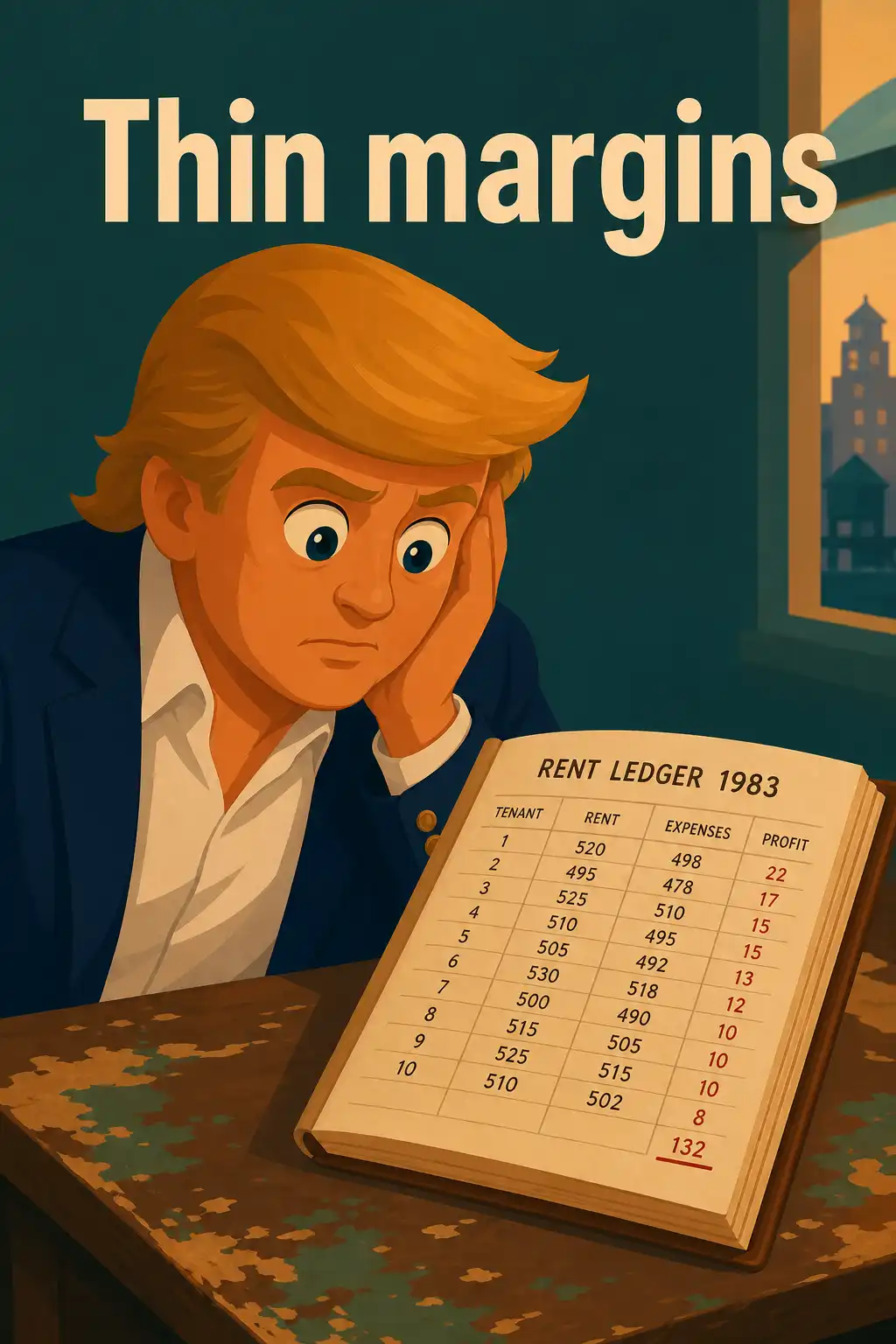
Donald learned the business working beside his father, collecting rents in tough neighborhoods. The work was physically rough, and the profit margins were always painfully thin.

He wanted something else entirely. Manhattan skylines. Glamorous towers. Record-breaking projects. As the book puts it, most people think small out of fear, and that creates openings for the few who don't.

After studying at Wharton, the business school at the University of Pennsylvania, he returned to the family company but kept his eyes fixed across the river.

The first lesson is simple. Ambition isn't about ignoring where you started. It's about absorbing the skills of your training ground while refusing to accept its ceiling.
Lesson 2: Find value where others see trouble

While still in college, Trump spotted Swifton Village in government foreclosure listings. It was a 1,200-unit apartment complex in Cincinnati, Ohio, with 800 empty apartments.

He and his father bought it for under six million dollars, roughly half what it cost to build, with a mortgage covering both the purchase and the renovations. Almost no cash down.

Turning it around took grit. They cleared out destructive tenants and spent roughly 800,000 dollars on white shutters, fresh paint, and landscaping. Within a year, the complex was fully occupied.

Then came a warning. A trusted tenant, a Holocaust survivor who had built his own business, quietly told Trump the surrounding neighborhood was deteriorating fast. Trump checked for himself and agreed.

He sold immediately to a real estate trust whose young representative barely inspected the property. The sale price was twelve million dollars. Roughly six million in profit.

The lesson cuts two ways. Distressed assets can hide enormous value. But timing your exit matters just as much as finding the bargain in the first place.

Lesson 3: Show up before you can afford to

In 1971, Trump rented a small, dark studio apartment on Manhattan's Upper East Side. It changed everything, turning him from an outsider into someone who knew the city block by block.

He talked his way into Le Club, an exclusive social spot on East 54th Street, building connections with wealthy Europeans who would later buy his apartments.

Then, in 1973, New York's economy began collapsing. Rising interest rates. A municipal debt crisis. Most investors fled. Trump saw a once-in-a-generation opening instead.

Reading about the bankrupt Penn Central Railroad, he called Victor Palmieri, the man selling off its assets, and won options on huge abandoned rail yards for no money down.

When housing subsidies vanished, he pivoted. He campaigned aggressively for his 34th Street site to become New York's convention center. In 1978, the city finally chose it.

His fee was only about 833,000 dollars, and he wasn't even allowed to build it. But he had learned that being present, persistent, and flexible opens doors that money alone can't.

Lesson 4: Solve everyone's problem at once

In late 1974, Palmieri mentioned that Penn Central also owned hotels, including the Commodore beside Grand Central Terminal. The building was hemorrhaging money and defaulting on its taxes.

Trump saw thousands of commuters streaming past every day and concluded the problem was the building, not the location. He sketched a deal contingent on three things at once. Financing, tax relief, and a partner.

Each piece depended on the others. He partnered with Jay Pritzker, the patriarch who actually controlled Hyatt, after handshake deals with lower executives kept collapsing.

Banks stayed skeptical, so he pursued a forty-year tax abatement from the city. When Penn Central announced the Commodore would close in six days, the pressure peaked.

The city's Board of Estimate voted eight to zero in his favor. The Grand Hyatt opened in September 1980 and eventually earned over thirty million dollars annually.

The lesson here is leverage through alignment. Trump made his project the answer to the city's decay, the railroad's debts, and Hyatt's New York ambitions, all at the same time.

Lesson 5: Persistence assembles the impossible

From his earliest walks through Manhattan, Trump fixated on the Bonwit Teller building at 57th and Fifth Avenue. Maybe the best retail corner in the entire city.

In 1975, owner Genesco's chief dismissed his offer as preposterous. Trump kept writing letters for years anyway. When a turnaround specialist arrived in 1978, those letters got him a meeting within thirty minutes.

Then he assembled the rest of the deal piece by piece. Equitable Life contributed the land for half the project. Tiffany's Walter Hoving sold air rights for five million on a handshake, and honorably refused to renegotiate when prices rose.

When demolition crews destroyed two Art Deco friezes in 1980, the New York Times ran furious coverage. Trump later admitted regret, though the controversy ironically boosted apartment sales.

Trump Tower cost around 190 million dollars. Apartment sales alone brought in roughly 240 million, with celebrity buyers like Johnny Carson and Steven Spielberg paying full price.

The lesson is layered. Persistence opened the door. Relationships assembled the site. And quality, like the rose marble atrium, justified prices he raised twelve separate times.

Lesson 6: Protect the downside first

In late 1975, driving to another meeting, Trump heard a radio report that a Las Vegas hotel strike had hammered Hilton's stock. He went home and dug into the numbers.

Two Las Vegas casinos generated nearly forty percent of Hilton's worldwide profits. That discovery sent him to Atlantic City, New Jersey, where voters had legalized gambling in 1976.

He deliberately skipped the speculative land rush, reasoning it was smarter to pay more for certainty later. Then he assembled a tangled Boardwalk site through a brutal twenty-eight-hour closing.

Crucially, he secured his gaming license before breaking ground. Then Holiday Inns offered a fifty-fifty partnership, covering his costs and guaranteeing his losses for five years.

To impress Holiday's visiting board, he ordered every available bulldozer to churn dirt around the site for a week. Pure theater, suggesting construction was racing ahead.

The casino opened in May 1984, on schedule and under budget. The book frames this as Trump's core principle. Think big, but always plan for the worst.

Lesson 7: Your rival's arrogance is your opening

Compare that with Barron Hilton. His company built a massive Atlantic City casino but assumed its famous name made licensing a formality, treating regulators with arrogance.

Hilton also kept lawyer Sidney Korshak, who had alleged organized-crime ties, on retainer despite warnings. On February 14, 1985, New Jersey denied Hilton's license, three votes to two.

Trump phoned Barron Hilton that same day with a sympathetic condolence call, gently mentioning he might buy the property. He stayed low-key, listening while Barron vented.

When casino rival Steve Wynn launched a hostile takeover bid for Hilton's whole company, Barron suddenly preferred Trump as the friendlier option. A 320 million dollar deal was signed.

Renamed Trump's Castle and run day to day by his wife Ivana, the property earned 226 million dollars in 1986. A record first full year.

The lesson works in both directions. Respect gatekeepers, because your competitor's overconfidence can hand you a finished building. And your own overconfidence can hand them yours.

Lesson 8: A long shot can stay a long shot

In the fall of 1983, Trump bought the New Jersey Generals football team for under six million dollars, joining the struggling USFL, a young spring-season rival to the NFL.

He diagnosed two problems. Spring games earned almost no television money, just one million dollars yearly from ABC, while networks paid the NFL 359 million for fall.

So he spent on stars like Heisman winner Doug Flutie and pushed the other owners to move the season to fall, forcing a vote in August 1984 that passed.

The NFL fought back hard, even holding a strategy seminar to undermine the young league. The USFL sued, seeking 1.32 billion dollars in antitrust damages.

The jury found the NFL guilty, then awarded exactly one dollar. One juror later admitted she had wanted 300 million but misunderstood the instructions. The league folded within a week.

The lesson is humbling. Bold strategy and good arguments can't always overcome a weak foundation, an entrenched opponent, and partners who never fully shared the bet.

Lesson 9: Execution is the loudest argument

In May 1986, the New York Times reported the city was restarting renovation of Central Park's Wollman Skating Rink from scratch, after six years and nearly thirteen million dollars wasted.

Trump could see the unfinished rink from his apartment. He offered to rebuild it at no cost to the city. Mayor Ed Koch responded with public sarcasm.

But the newspapers sided overwhelmingly with Trump, and Koch reversed course. The deal capped Trump's spending at just under three million, reimbursed only if the rink actually worked.

He hired Cimco, a top Canadian rink builder, and finished the job in under five months, more than 750,000 dollars under budget. The opening featured champions like Dorothy Hamill and Peggy Fleming.

Where the city once earned 100,000 dollars yearly, the first season brought in 1.2 million in revenue, with profits over 500,000 going to charity and the parks.

Looking back across the whole story, from Queens apartments to Fifth Avenue towers, the deepest lesson isn't about bravado. It's that promotion only works when delivery backs it up.

Next step

Want the animated version?

Quick setup, then watch this summary in a more engaging visual format.

More books like Trump: The Art of the Deal