A detailed summary ofDopamine Nationby Anna Lembke, MD
Dopamine Nation by Anna Lembke, MD teaches how pleasure and pain share the same circuitry in your brain, and how to reset that balance in a world of endless temptation.
Watch the first minute


Ever wonder why you
0:00 / 1:00
60-second animated preview
Key ideas, illustrated
Why the Highs Keep Shrinking
The 30-Day Dopamine Reset
Tie Yourself to the Mast
Dopamine Nation Summary
Ever wonder why you can't stop scrolling, snacking, or bingeing, even when you're not actually enjoying it anymore? Turns out your brain's pleasure system is quietly working against you.
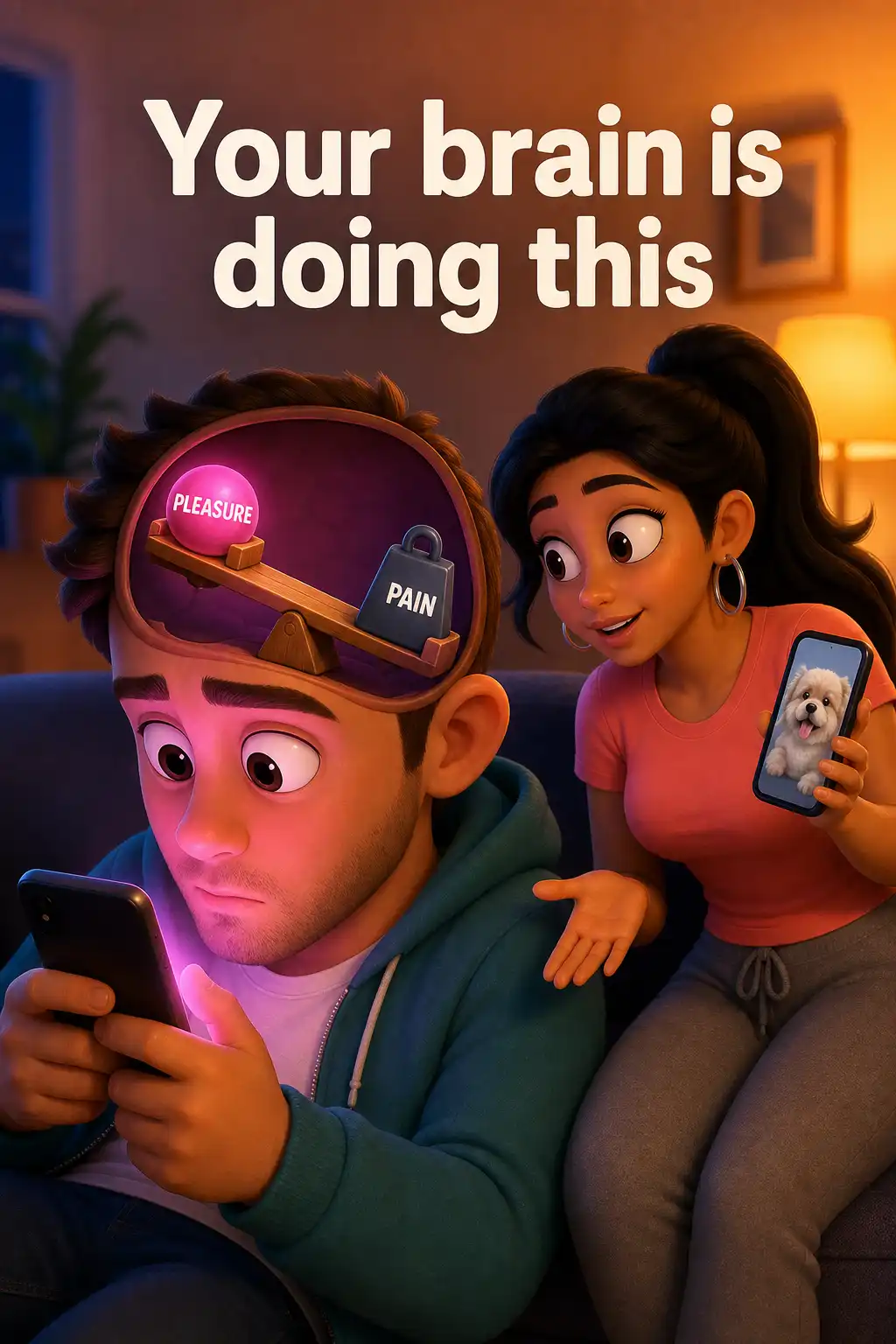
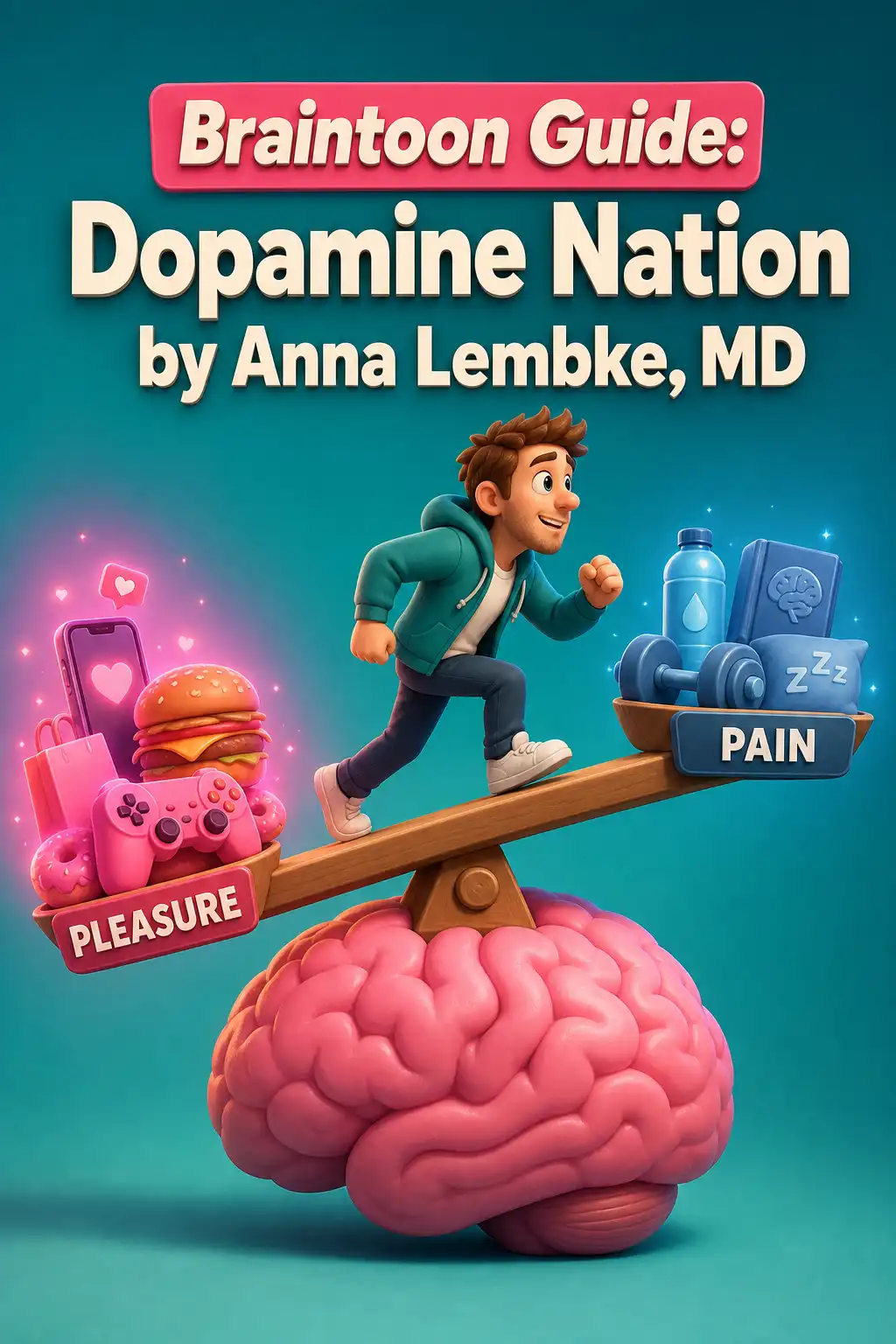
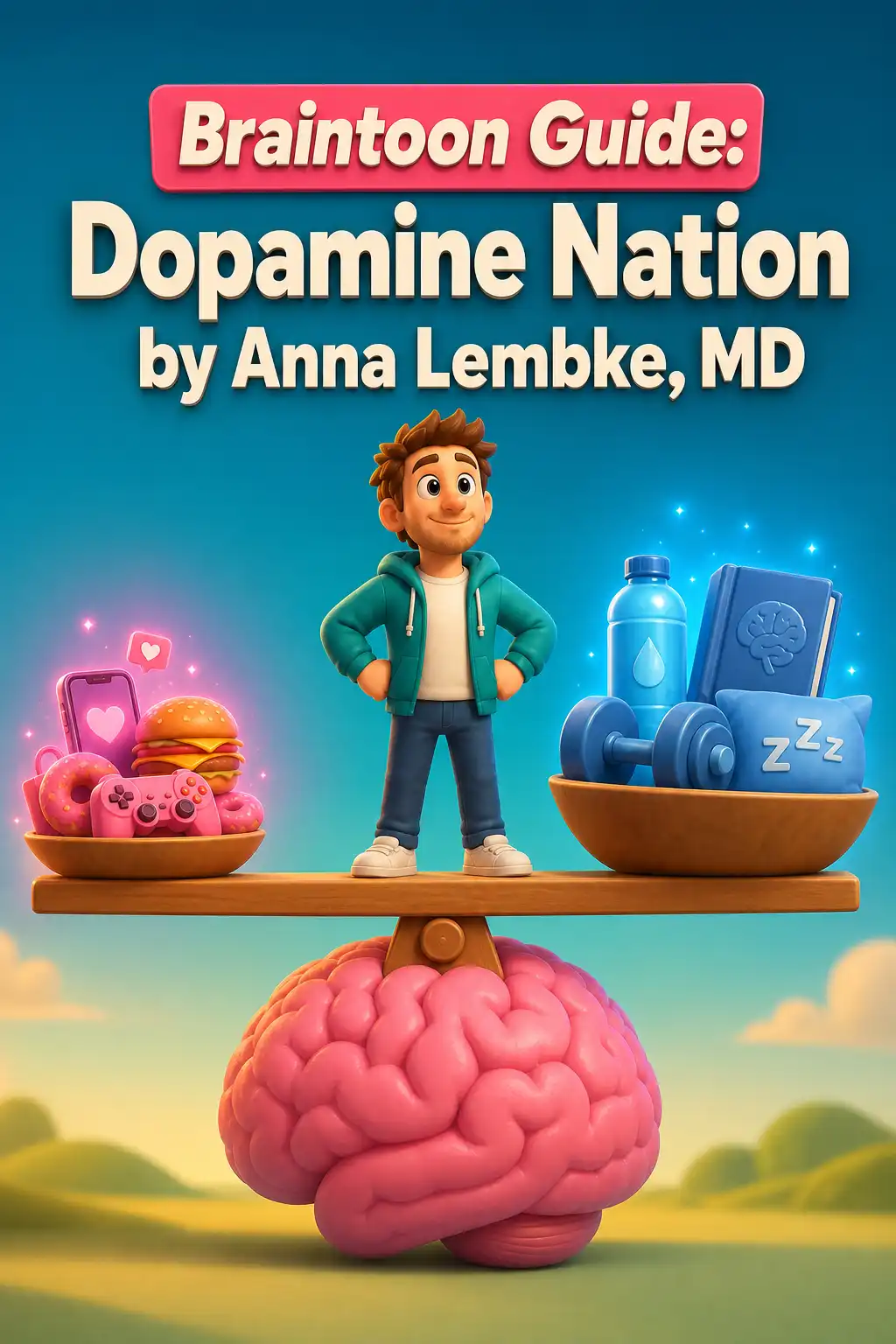
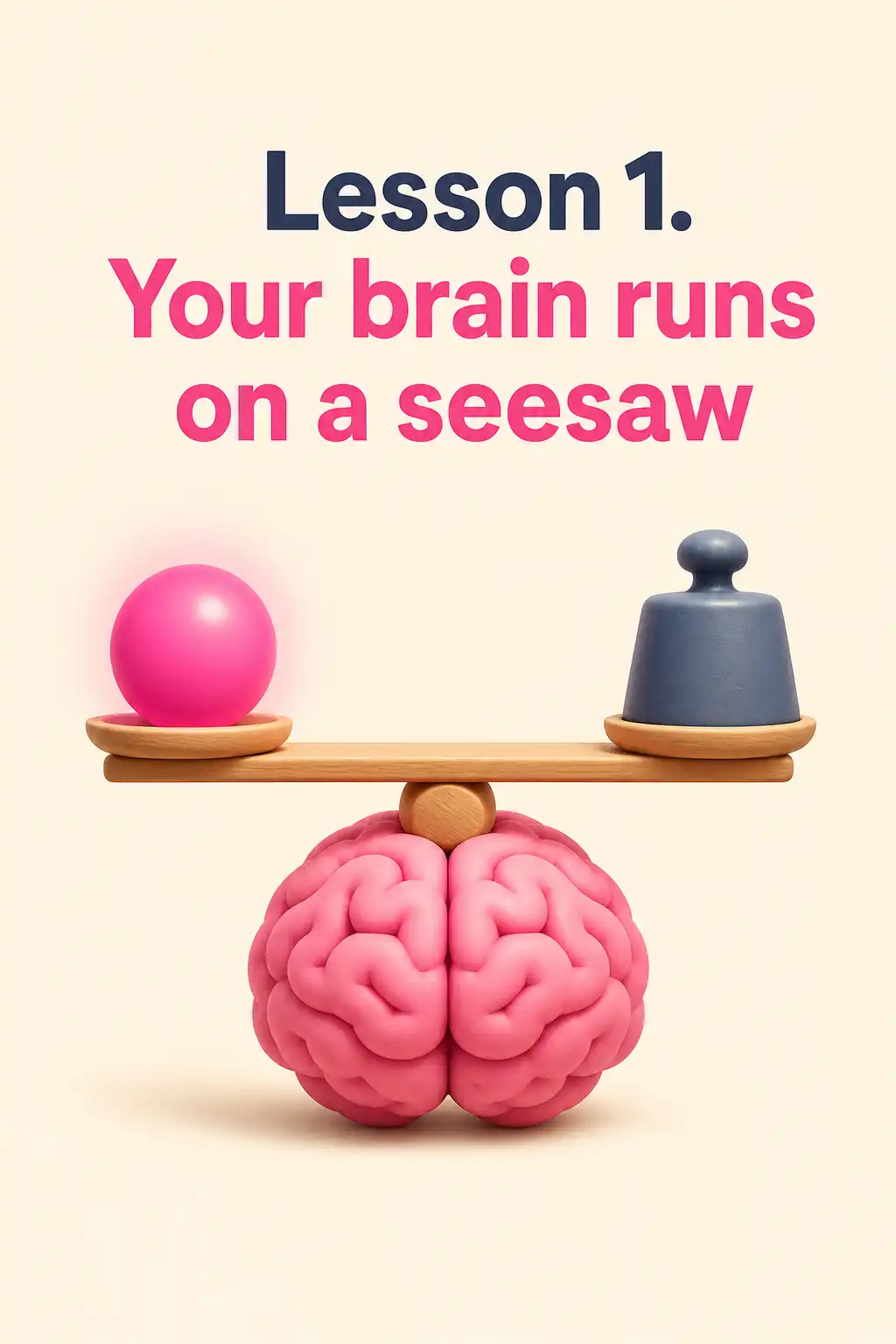
1. Your brain runs on a seesaw
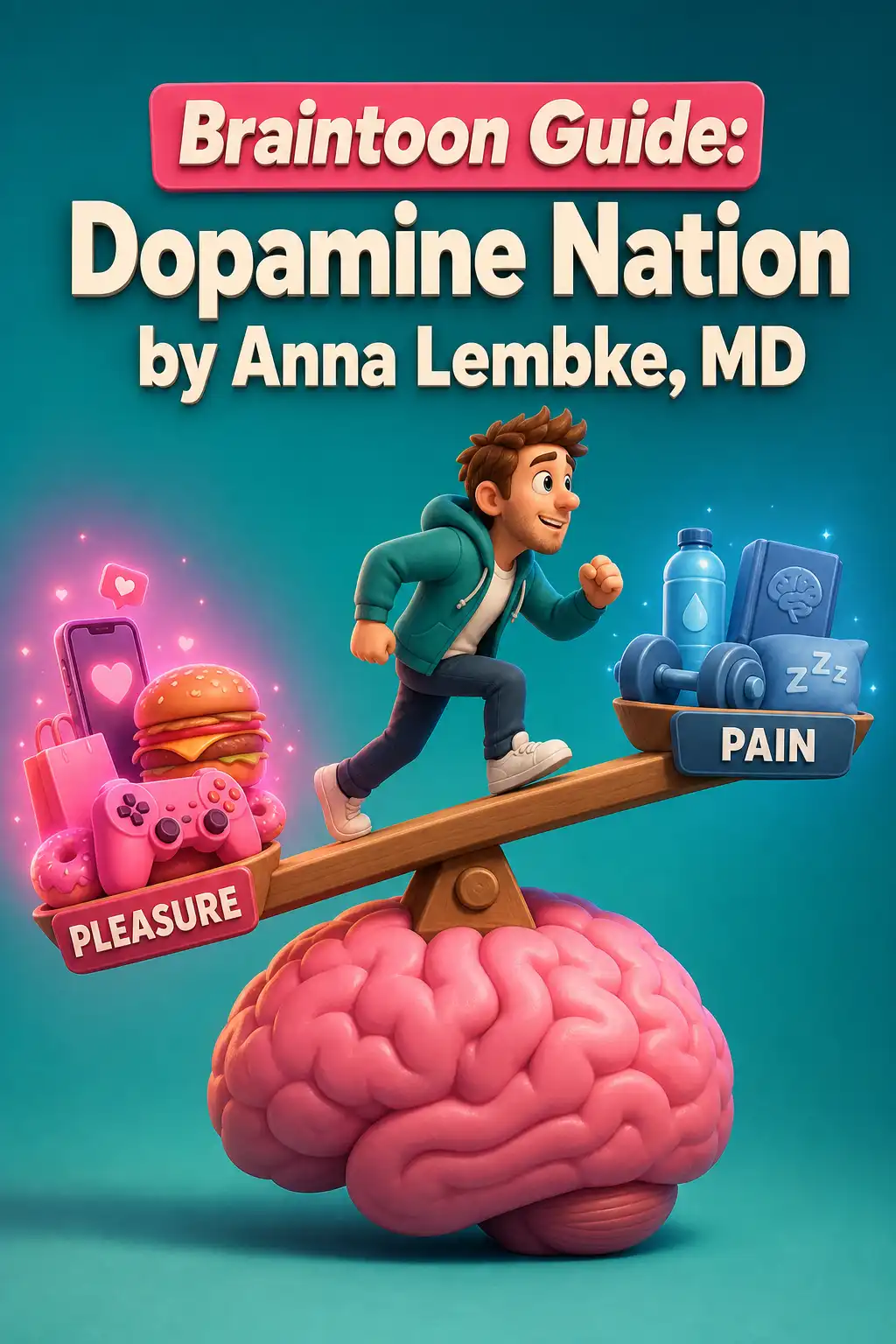
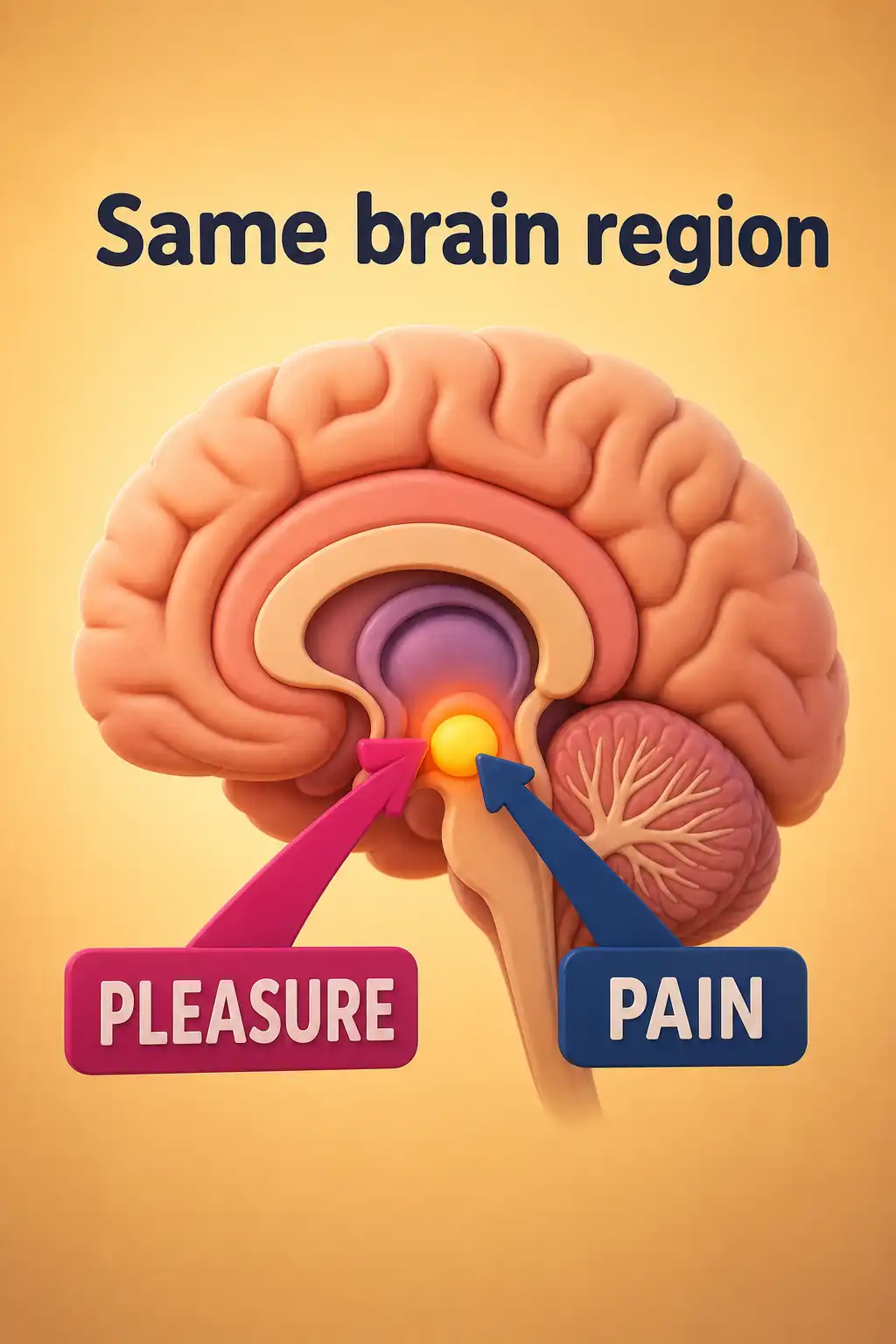
Anna Lembke is a Stanford psychiatrist who runs an addiction clinic, and her big claim is simple. Pleasure and pain are processed in the same part of your brain.
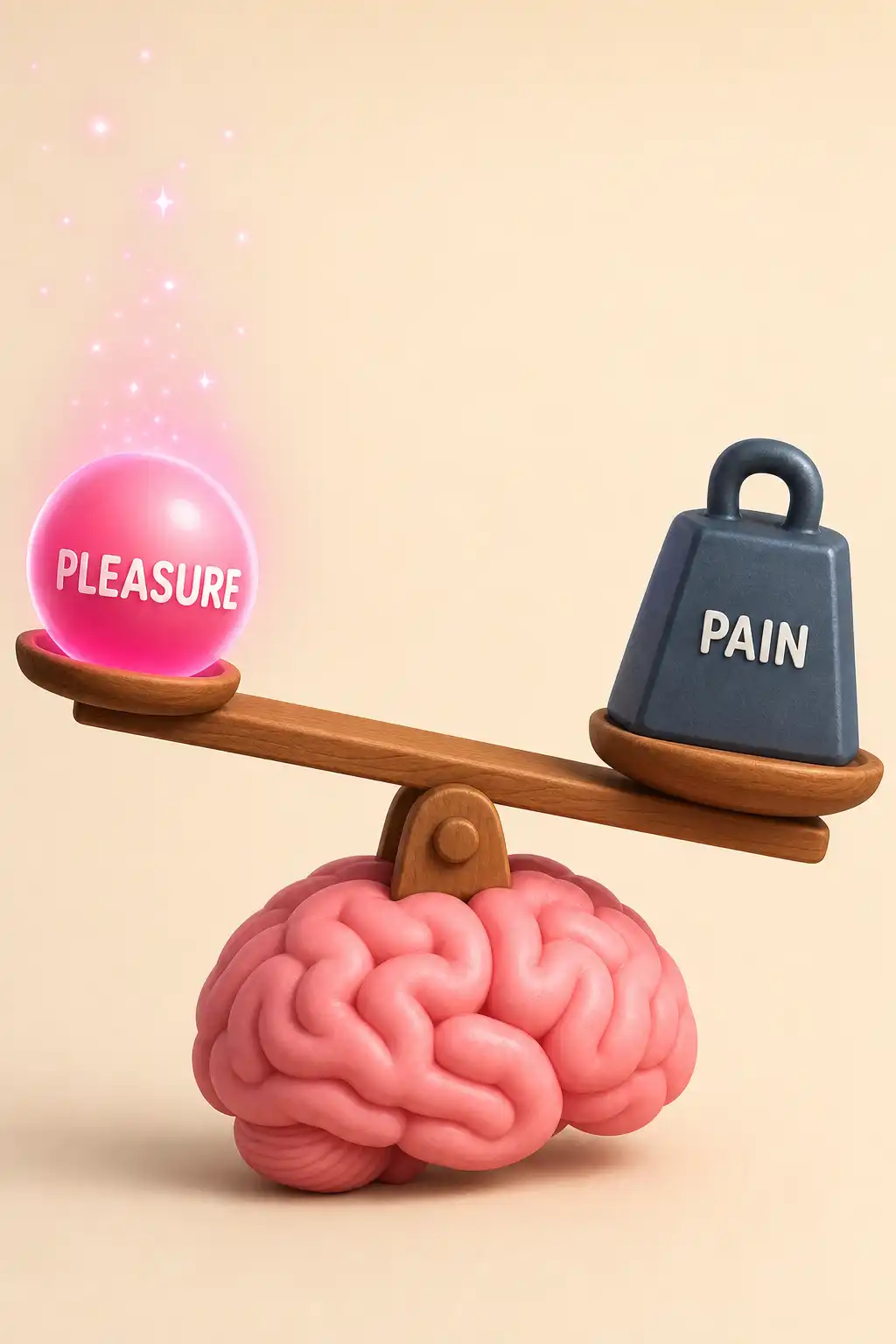
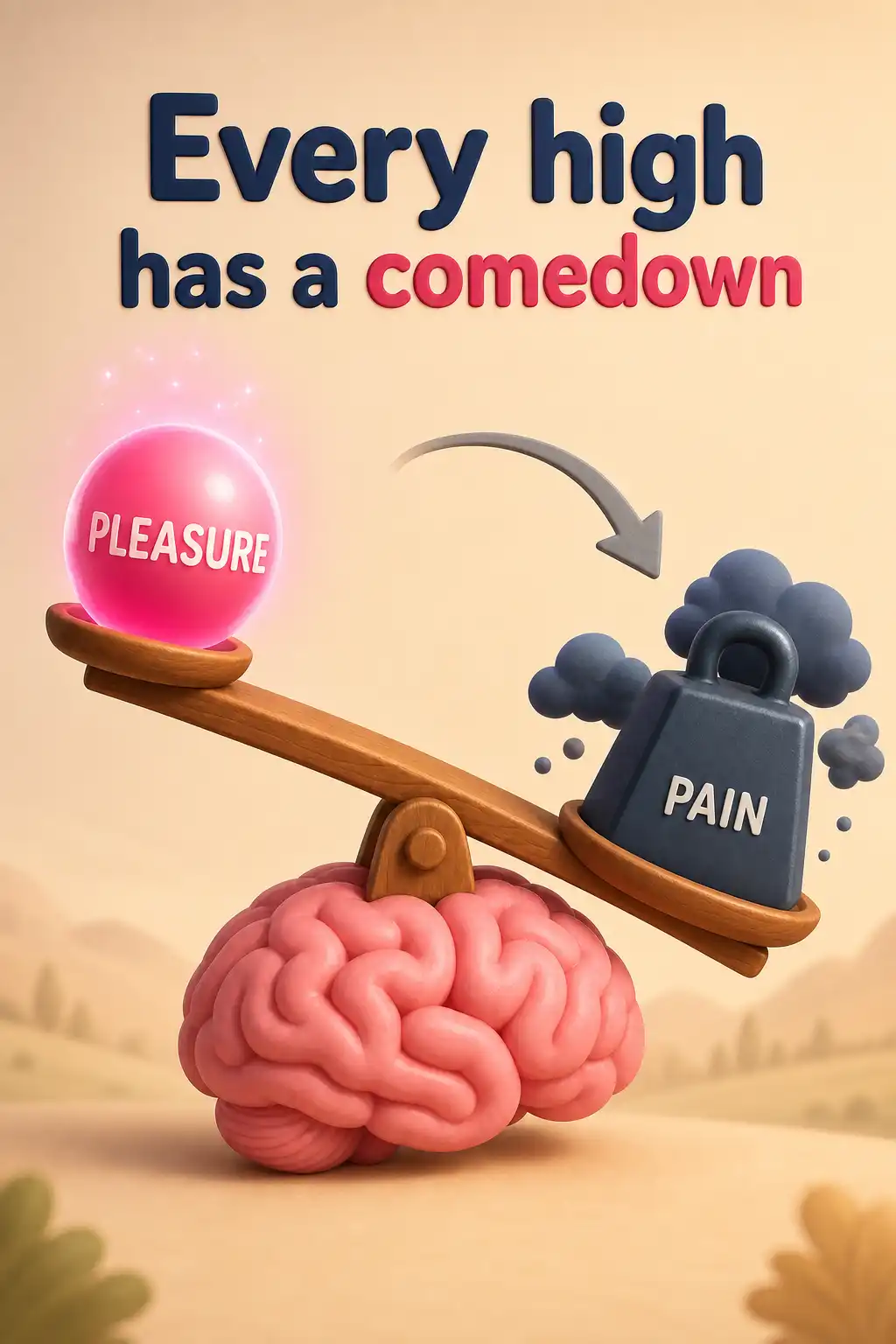
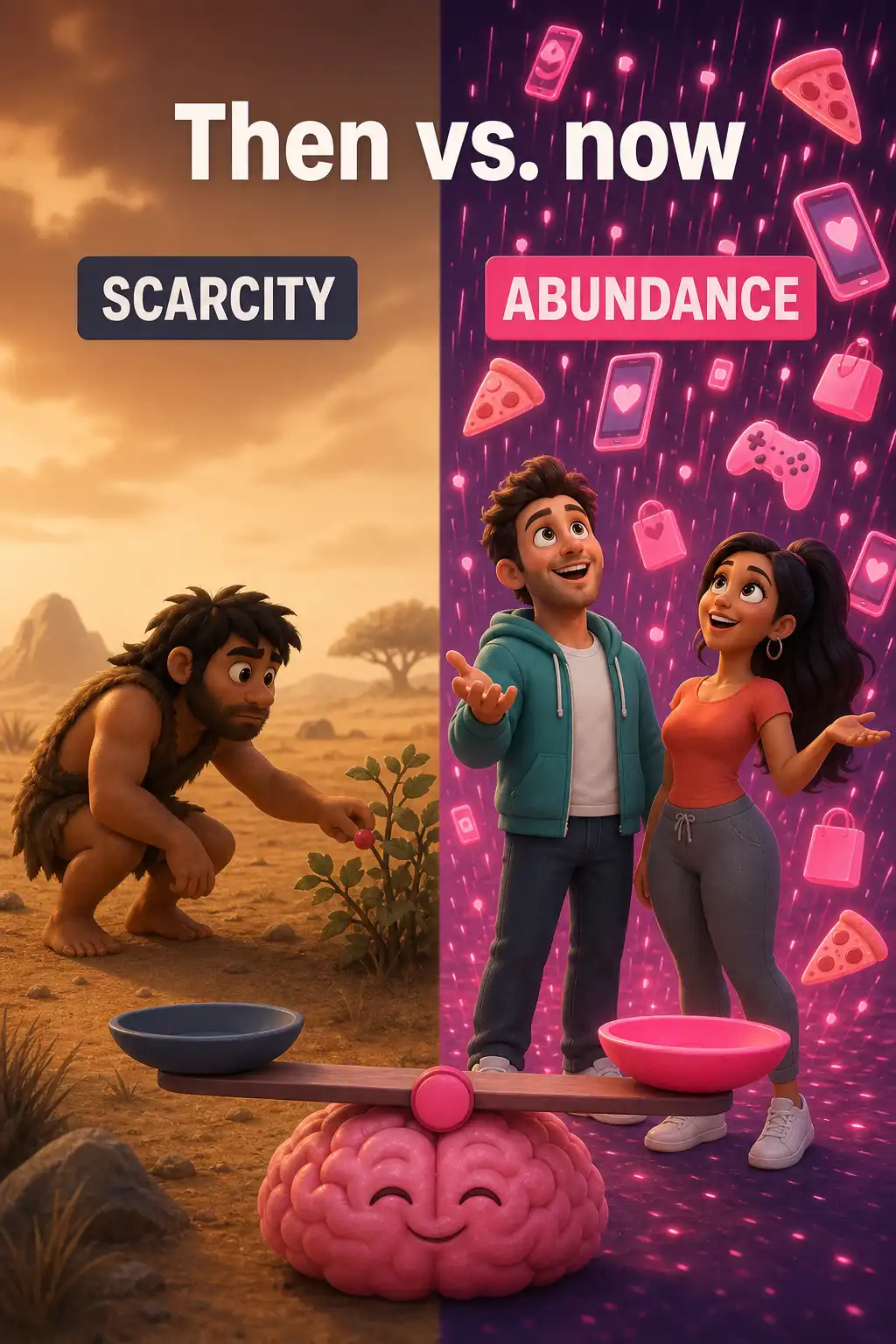
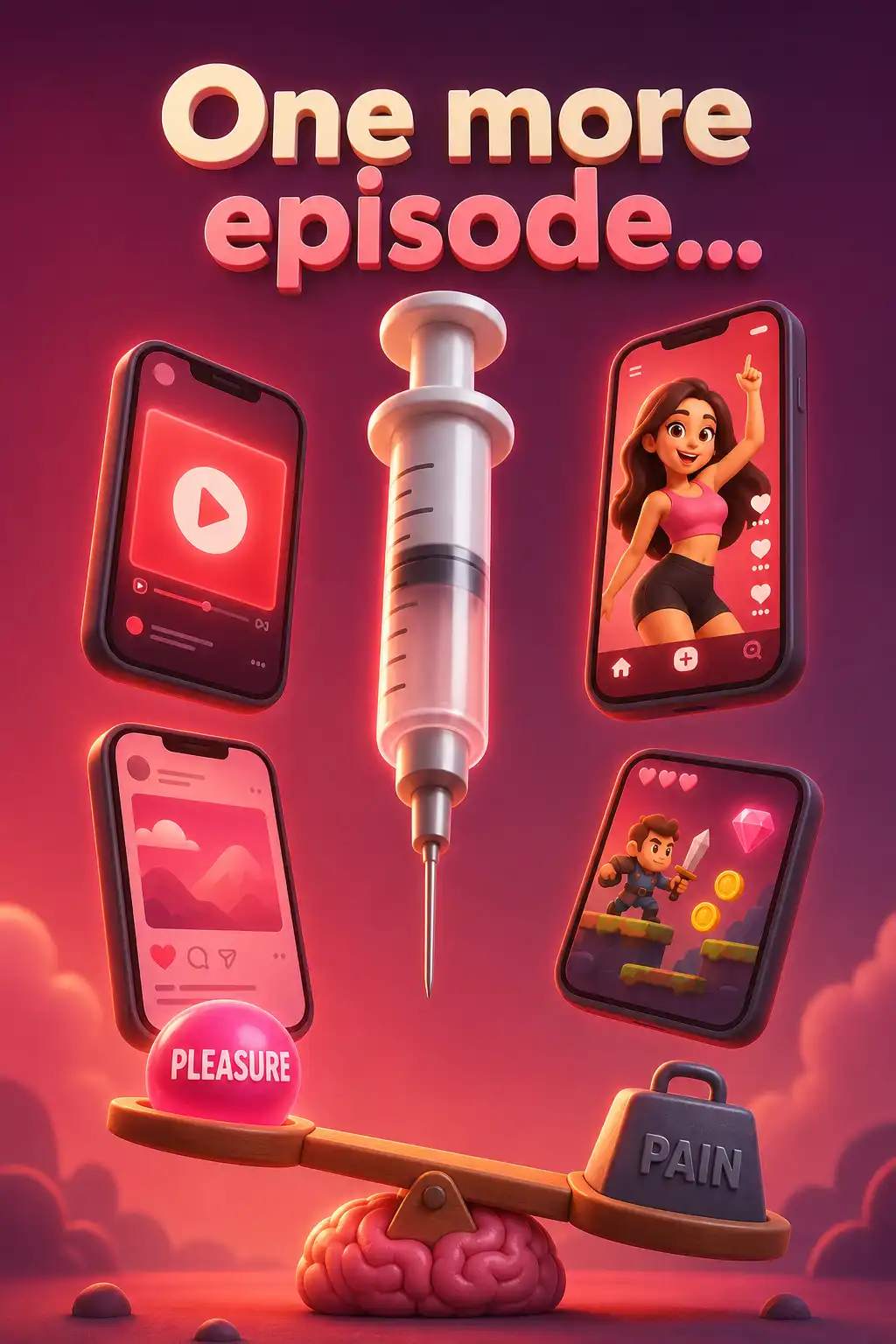
They work like a seesaw. Tip it toward pleasure, and your brain automatically pushes back toward pain to restore balance. That's why every high comes with a comedown.
Here's the problem. We evolved for scarcity, but now we live in overwhelming abundance. Food, porn, gaming, shopping, and social media are all available around the clock.
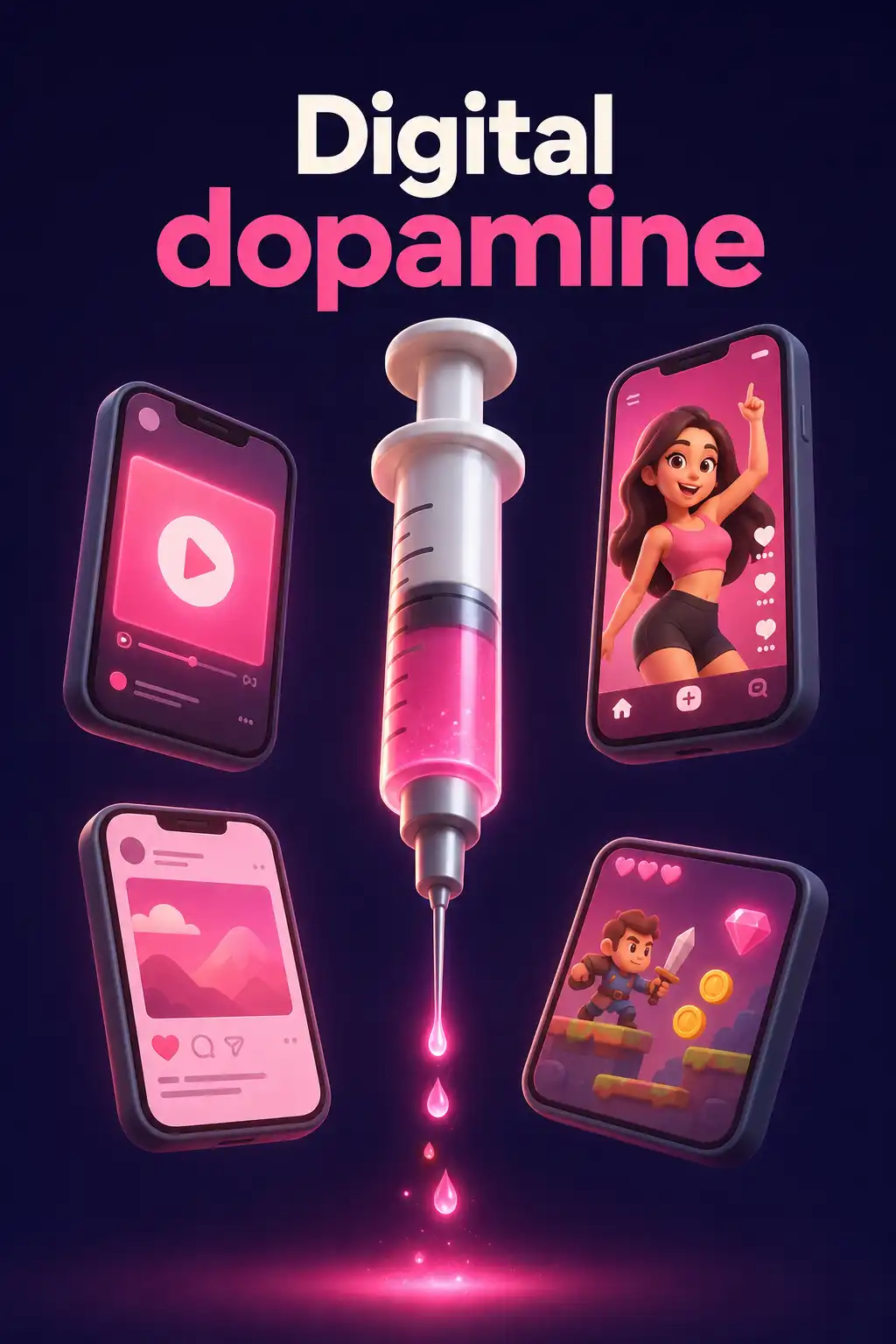
Lembke calls the smartphone a modern hypodermic needle, delivering digital dopamine to a wired generation. That craving for just one more episode? That's your balance tipping toward pain.
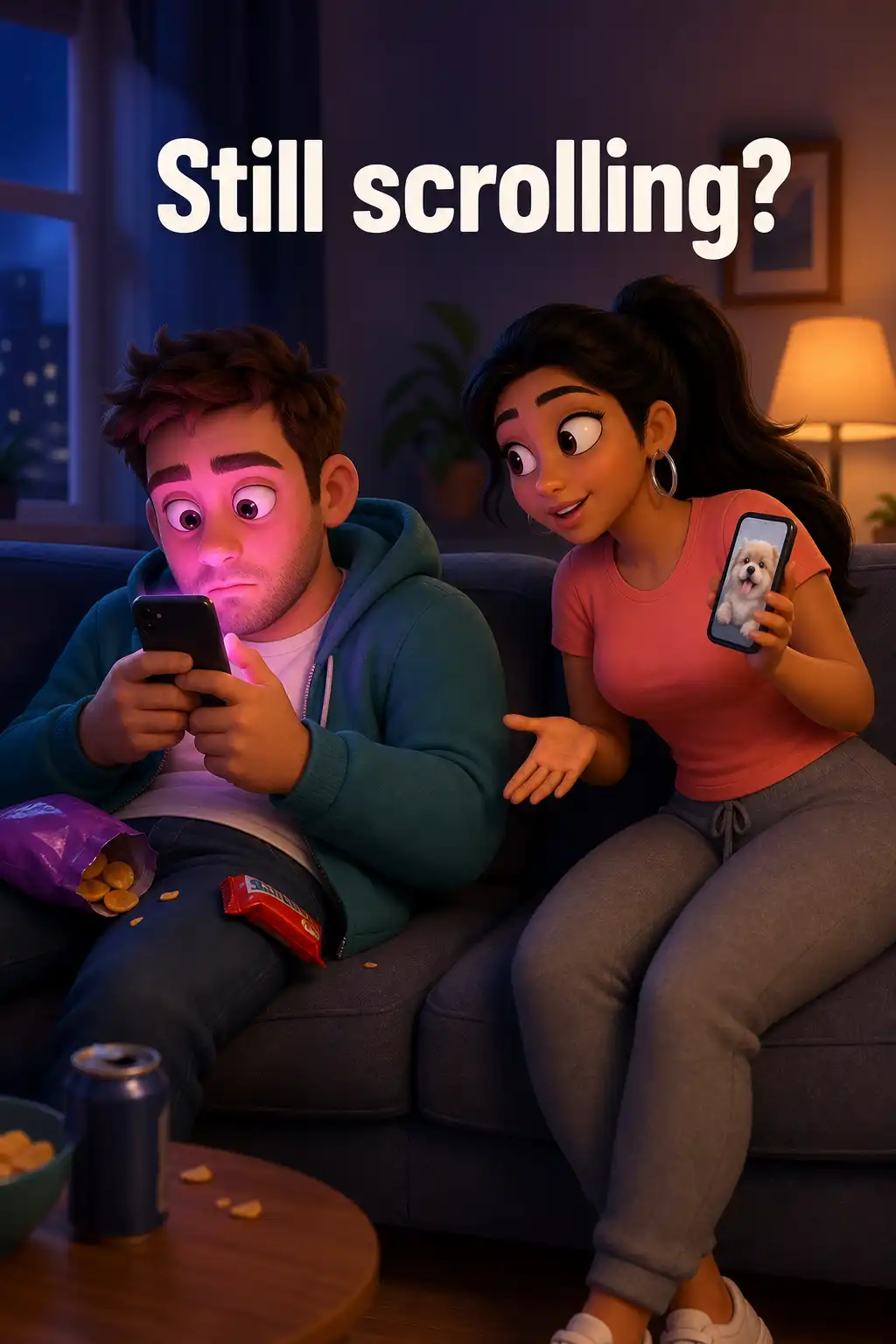
Which brings us to Tyler, a twenty-nine-year-old graphic designer in Denver. He's not an addict by anyone's official standard. He just can't seem to stop doing things he doesn't actually enjoy.
Every night, he tells himself just one quick game, one quick scroll. Suddenly it's 2 a.m., he's exhausted, vaguely miserable, and somehow still refreshing his feed.
Watch it come to life
Watch Dopamine Nation instead
Explore this summary and the Braintoon library.
2. Access is the real drug dealer
Here's an uncomfortable truth from the book. One of the strongest predictors of addiction isn't willpower or character. It's simple access. If it's easy to get, we get hooked.
Lembke opens with Jacob, a soft-spoken scientist who struggled with compulsive sexual behavior his whole life. It was manageable, until the internet arrived and made everything instant, private, and unlimited.
And Lembke doesn't spare herself. She got hooked on formulaic romance novels on her Kindle, reading explicit stuff at two in the morning before a work night. Milder problem, same pattern.
Modern capitalism engineered this on purpose. Refined opioids, stronger cannabis, algorithmically optimized junk food, infinite-scroll apps. These things are literally designed to hook you and keep you engaged.
Tyler's version? The game on his phone with daily rewards, the vape in his pocket, the delivery apps. Zero friction between impulse and consumption, every waking hour.
He's not weak. He's a normal brain in an abnormal environment, one carefully built by very smart people whose actual job is making things irresistible. That reframe matters.
3. Running from pain creates more pain
Here's a paradox. The wealthier and more comfortable a country gets, the more anxiety, depression, and pain its people report. Lembke thinks avoiding suffering is what's generating it.
She tells the story of David, a college student handed Adderall and Paxil for anxiety with no therapy attached. He built his whole life around dodging discomfort.
A decade later, he was secretly juggling escalating doses of Adderall, Ambien for sleep, and Ativan for anxiety, until suicidal exhaustion landed him in inpatient detox.
Roughly one in six American adults now takes a psychiatric drug in a given year. We've reframed feeling good as a personal obligation, and any discomfort as a problem to medicate.
Tyler recognizes this pattern in miniature. Bored? Phone. Awkward silence? Phone. Slightly stressed about a deadline? Definitely phone. He hasn't sat with an uncomfortable feeling in years.
The result isn't happiness. It's this flat, restless numbness where nothing feels terrible, but nothing feels genuinely good either. His hobbies bore him. Weekends just evaporate.
4. Why the highs keep shrinking
Quick science lesson. Dopamine isn't really about enjoying things. It's about wanting them. Mice that can't produce dopamine will starve with food inches away, though they'll happily eat food placed right in their mouths.
When you experience pleasure, the balance tips, and your brain deploys counterweights to level things out. But those counterweights overshoot, tipping you slightly into pain. Hence the comedown.
Repeat the same pleasure over and over, and the high shrinks while the after-pain grows. That's tolerance. Eventually your whole baseline shifts, so ordinary joys start to feel like nothing.
Neuroscientist Nora Volkow's brain imaging confirmed it. People coming off addictive drugs show dramatically reduced dopamine activity. Chasing pleasure eventually destroys your ability to feel pleasure.
This is Tyler exactly. Games that used to thrill him now feel like homework. He plays more, enjoys less, and needs increasingly extreme content just to feel anything at all.
The anticipation hooks him too. Like Pavlov's dogs, just picking up his phone spikes his dopamine, then dips it below baseline, driving the craving before he's even opened an app.
5. The thirty-day dopamine fast
Lembke's answer is about four weeks. She walks patients through a framework spelled DOPAMINE, and the star of the show is the A, which stands for abstinence.
Her patient Delilah, a teenager, insisted cannabis was treating her anxiety. Lembke suspected the opposite. The anxiety was actually withdrawal, showing up between highs and demanding more cannabis.
You can't know which is true while the brain is still flooded. One study found that eighty percent of heavy drinkers who quit for a month no longer met criteria for clinical depression.
Quick safety note. If you're severely dependent on alcohol, benzodiazepines, or opioids, never quit abruptly without medical supervision. For phones and sugar, though, you're totally clear.
Tyler tries it. Thirty days, no games, no doomscrolling. The first two weeks are genuinely awful. Boredom, irritability, a weird twitchy restlessness. Lembke says to expect exactly this.
The M in the framework is mindfulness. Just observe what your brain does, without judgment and without fleeing. Tyler sits with the itch, and slowly, it loosens.
6. Tie yourself to the mast
So the fast worked. Now what? Willpower alone won't protect Tyler forever, and Lembke knows it. Her answer is self-binding. Building barriers before the craving hits, while you're still rational.
Think of Odysseus lashing himself to the mast to survive the Sirens. Once a craving peaks, your rational brain goes offline, so you have to act early.
Physical binding means literal distance. Lembke's patients have unplugged TVs, banished consoles to garages, asked hotels to remove minibars, even locked devices in bank safety deposit boxes.
Fair warning. Barriers can become puzzles. One patient's wife locked his wine in a file cabinet. He engineered a workaround with pliers and a very long straw.
Chronological binding restricts time windows. Categorical binding means avoiding whole trigger categories, like the sports gambler who had to cut out sports television, radio, and websites entirely.
Tyler deletes the game, moves his phone charger to the kitchen, and buys an actual alarm clock. Sounds extreme? His bedroom is now boringly, blessedly phone-free.
7. Press on the pain side
Ready for the counterintuitive part? You can hack the seesaw from the other side. Deliberately doing hard, painful things makes your brain compensate with feel-good chemicals afterward.
Lembke's patient Michael, a former cocaine user, stumbled onto cold showers, then escalated to twice-daily ice baths. He described the afterglow as comparable to actual recreational drugs.
The science backs him up. Researchers found that cold-water immersion raised dopamine by 250 percent and norepinephrine by 530 percent, with effects lasting well past the plunge.
This is called hormesis. Moderate doses of stress produce beneficial adaptations. Exercise, fasting, even exposure therapy for anxiety all work this way. Pain first, then a longer, cleaner pleasure.
Tyler starts running before work. The first ten minutes are pure misery. The rest of the morning, though? He feels better than any energy drink ever managed.
One caveat. Pain-seeking can itself become addictive. Michael kept chasing bigger cold hits, and repeat skydivers often report feeling joyless in ordinary life. Calibration really matters.
8. Radical honesty sets you free
The final tool might be the strangest. Radical honesty. Telling the truth about everything, even the small stuff, turns out to be central to recovery and to living well generally.
Lembke's patient Maria marked her real turning point not with sobriety chips, but by admitting to her brother that she'd opened his mail and lied about it. Tiny confession, fundamental shift.
Why does it work? Speaking truth builds awareness, deepens intimacy, and it turns out to be contagious. When Maria got sober, her husband Diego tackled his food addiction and lost 140 pounds.
And when communities respond to confession with acceptance instead of rejection, shame becomes healing rather than destructive. That's why groups like Alcoholics Anonymous work as de-shaming machines.
Tyler tells his roommate about the 2 a.m. scrolling, the wasted weekends, all of it. Instead of judgment, he gets a laugh of recognition and an accountability partner.
Six months later, Tyler isn't a monk. He still watches shows and plays games sometimes. But he chooses them now, instead of them choosing him.
Watch it come to life
Watch the animated summary
Explore this summary and the Braintoon library.