
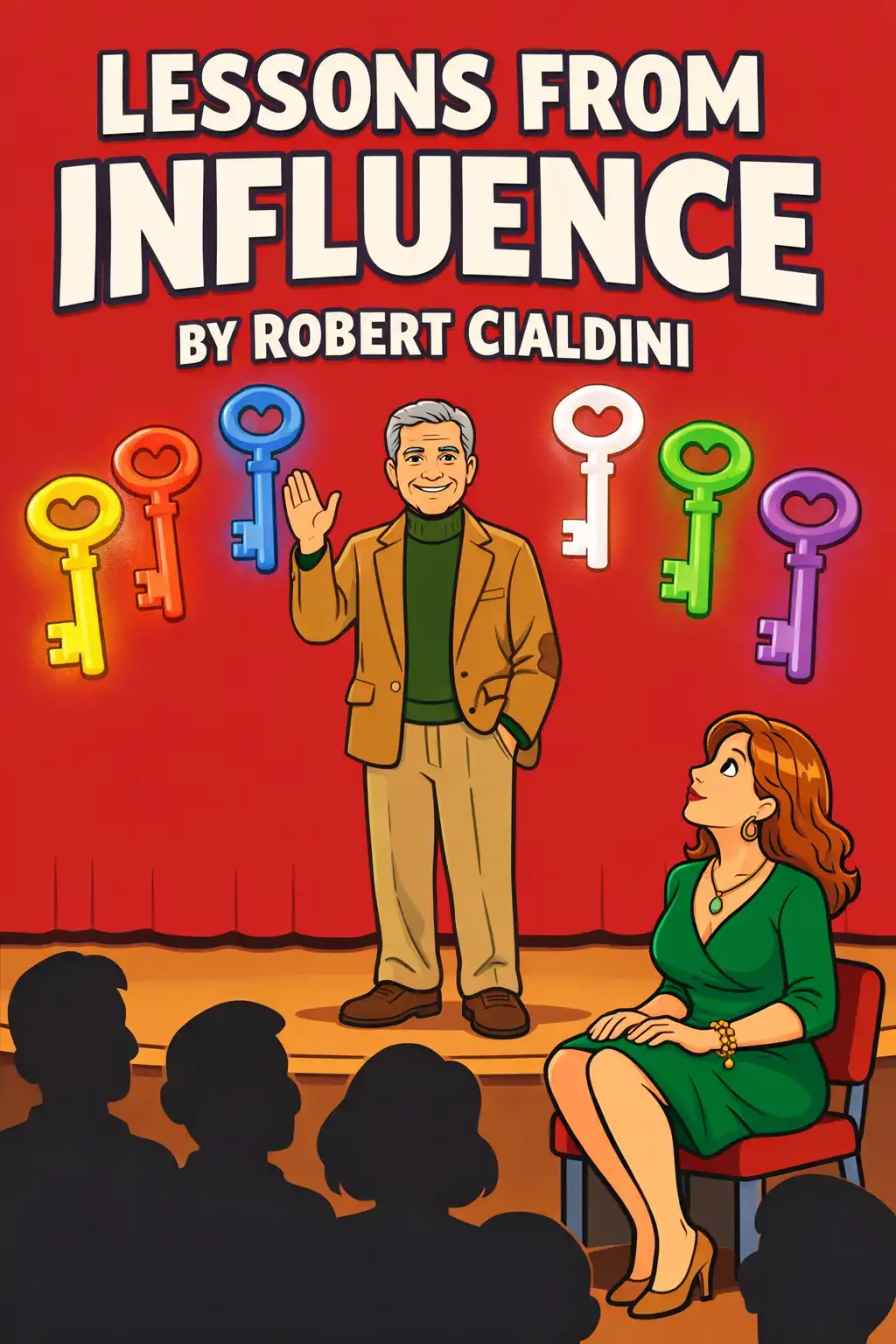
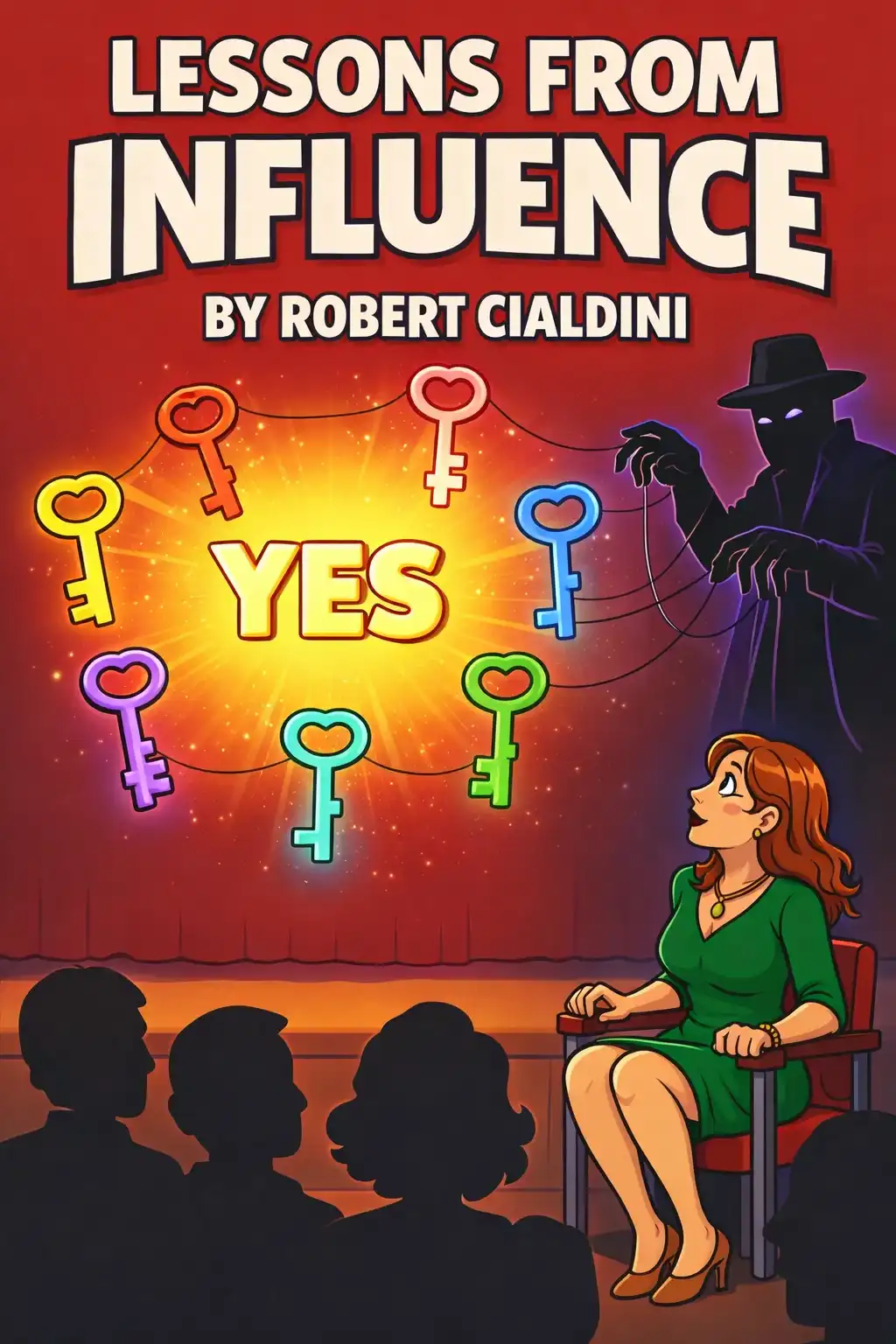


Influence cover

Book summary: Influence by Robert Cialdini

10 min read9 key lessonsText + animated summary

What if the decisions you think are entirely your own are actually being guided by invisible psychological forces, ones you never even notice are at work?

One-sentence summary

"Influence" by Robert Cialdini reveals the seven powerful principles of persuasion that shape nearly every "yes" we give, often without us realizing it.

Reading about Influence is one thing.

Watching it is faster, more fun, and you'll actually remember it.

Lesson 1: The Science Behind Why We Say Yes

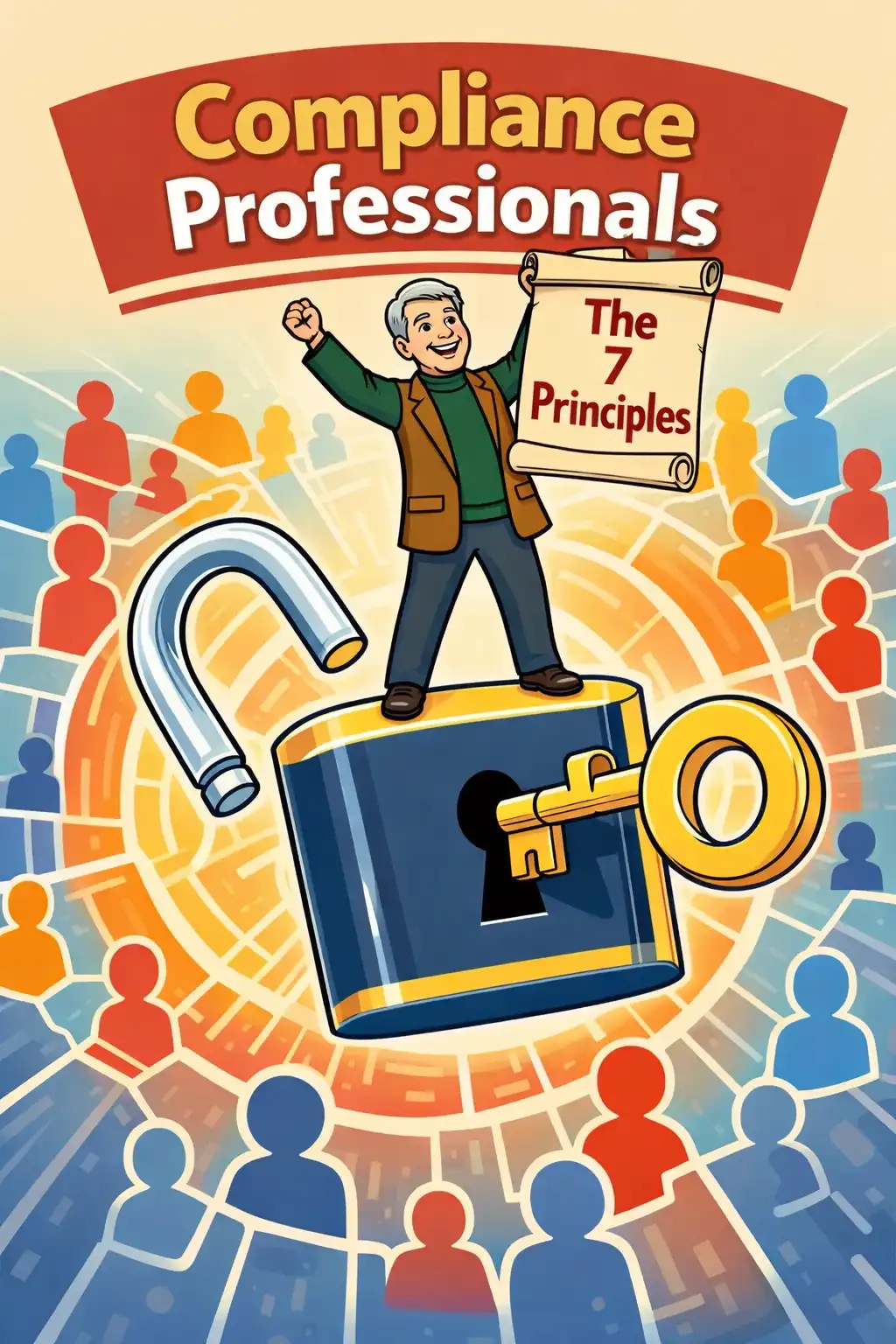
Imagine spending three years undercover, training as a car salesman, a fundraiser, and a telemarketer, all just to understand one thing. Why do people say yes?

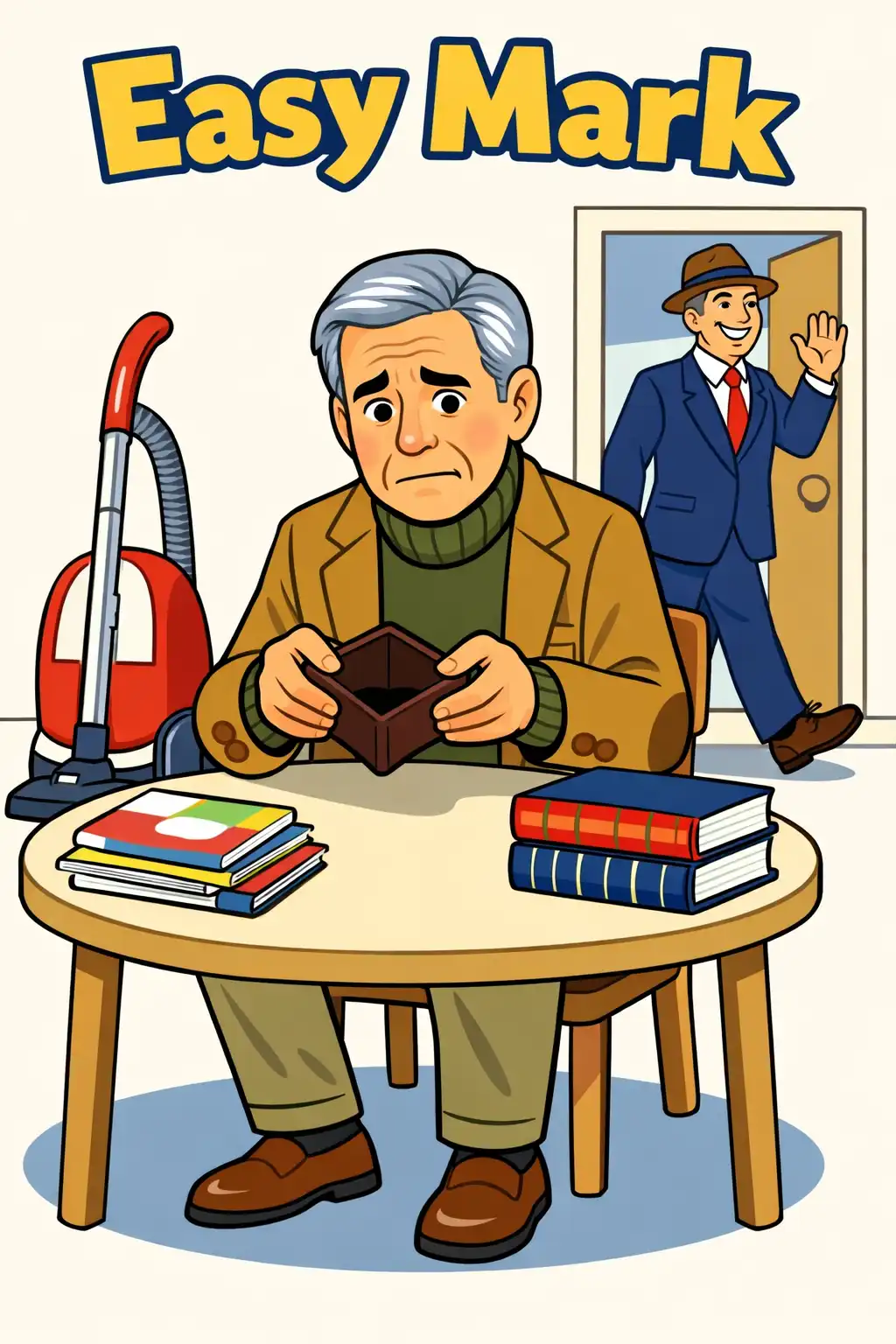
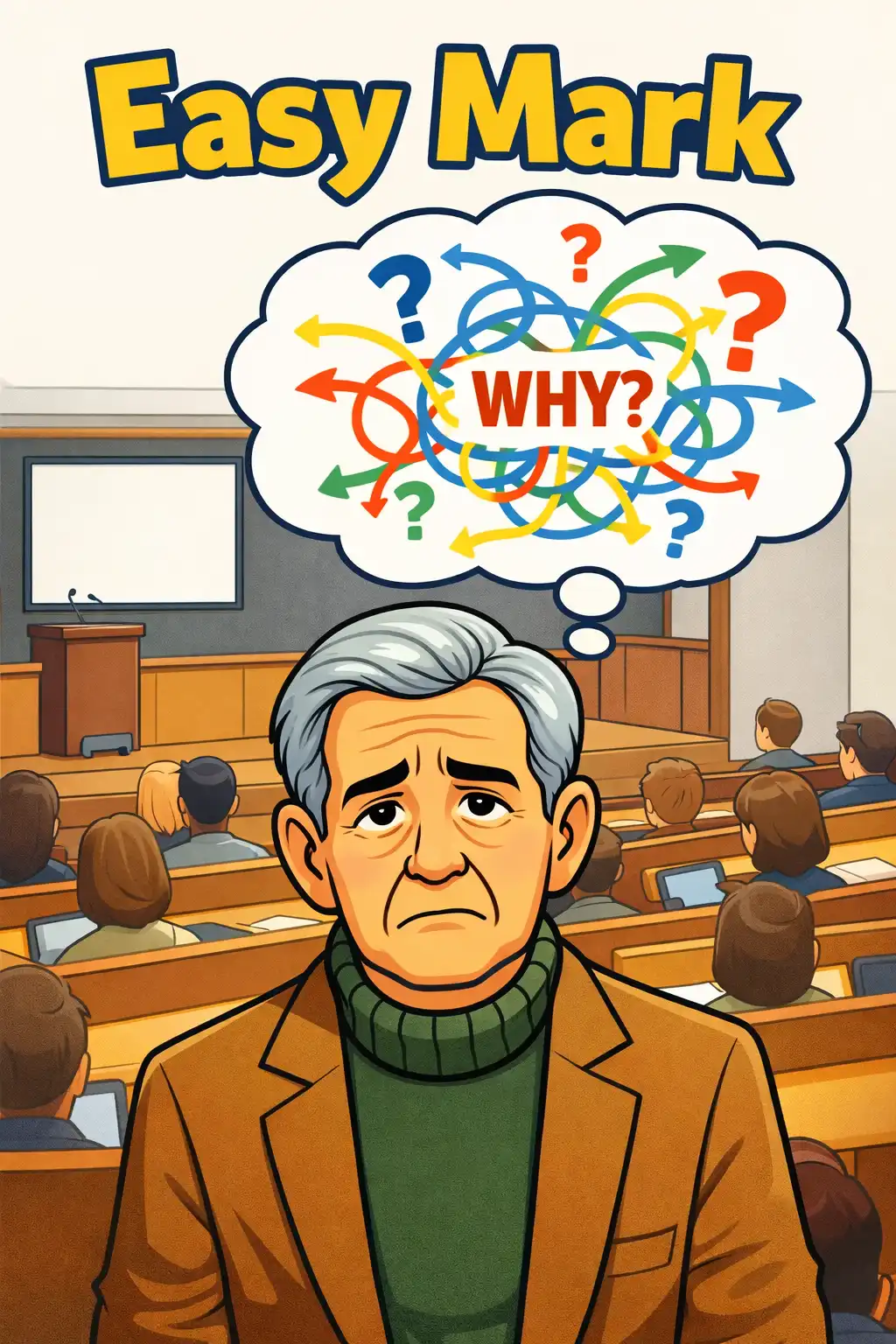
That's exactly what Robert Cialdini did. As a social psychologist, he openly admitted he'd always been an easy mark for sales pitches and pushy tactics.

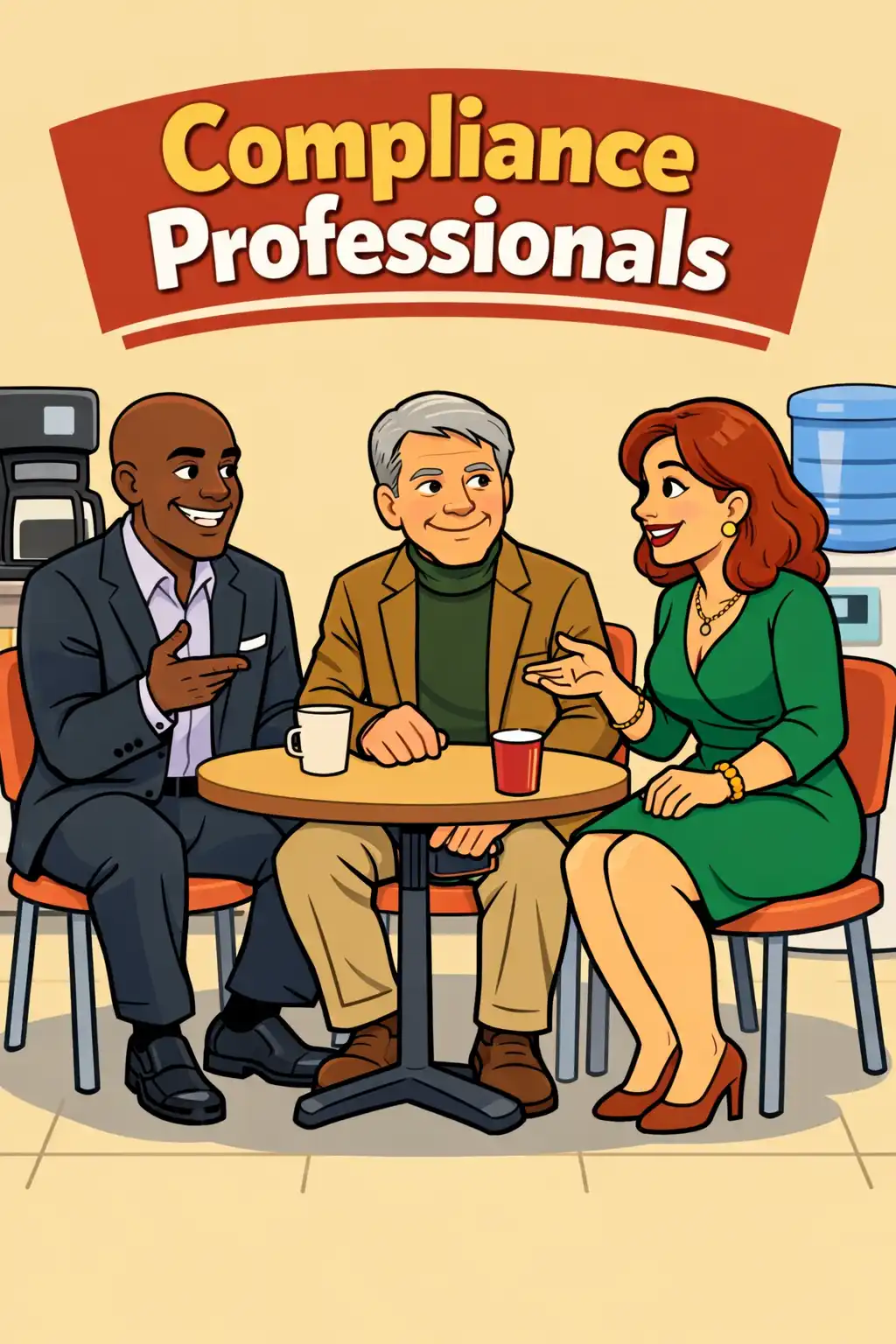
So he went into the field to study compliance professionals firsthand, the people whose livelihoods depend on getting you to agree. What he found changed how we understand persuasion forever.

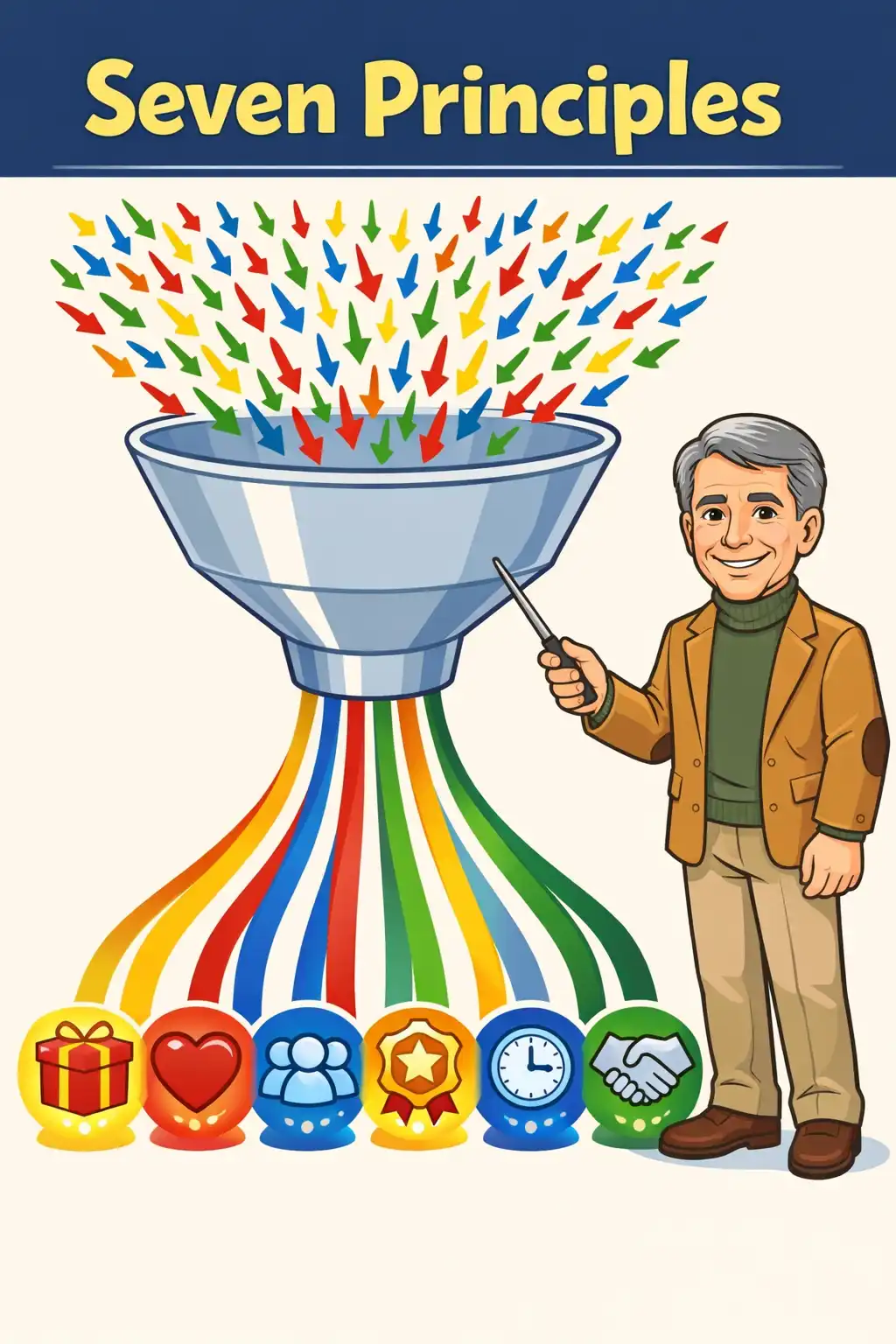
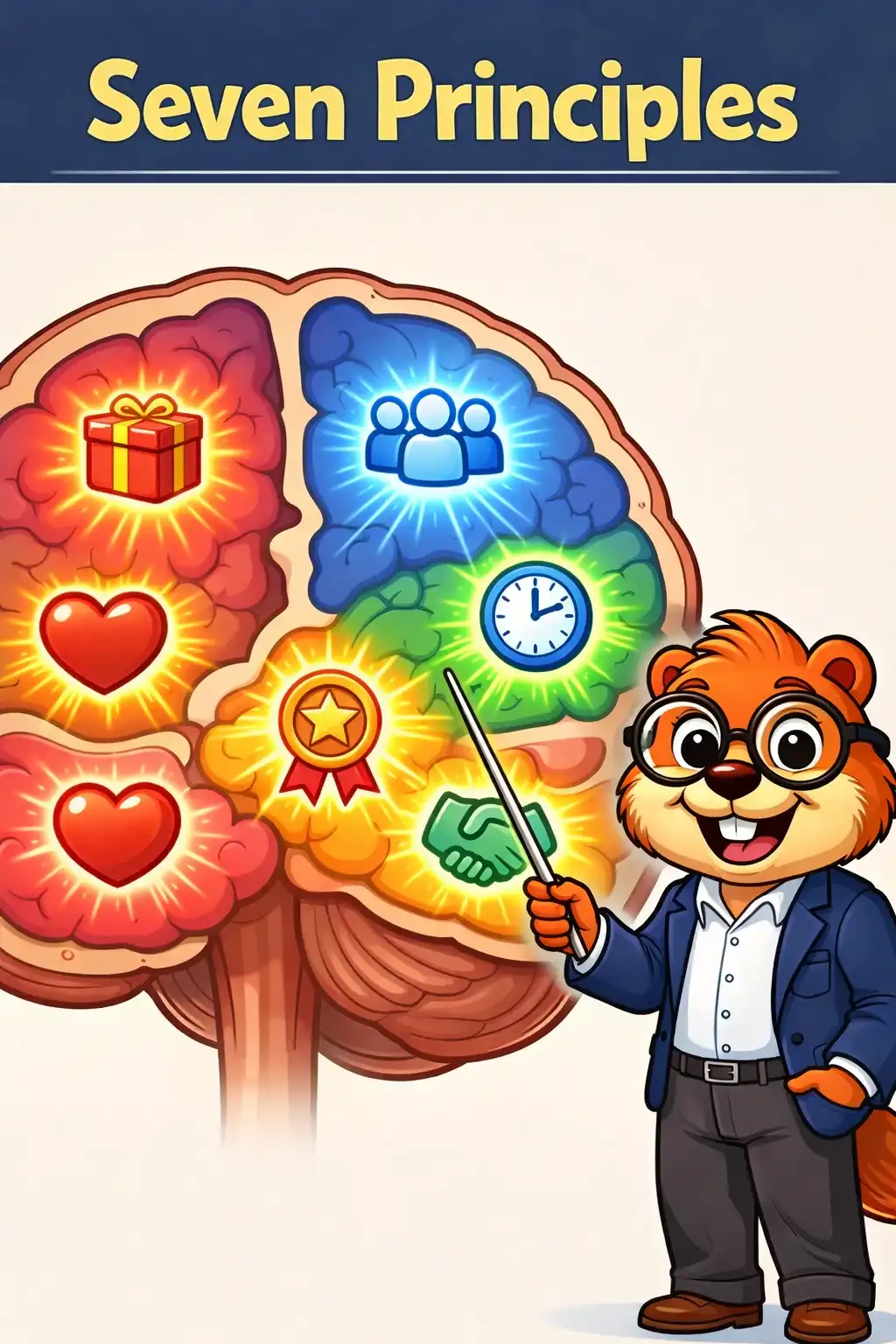
After years of research, Cialdini discovered that thousands of different persuasion tactics all boil down to just seven core principles. Each one triggers something almost automatic in our brains.

Think of it like a mother turkey. She responds maternally to anything making a "cheep cheep" sound, even a stuffed predator playing a recording of that noise. She can't help herself.

We humans have similar mental shortcuts. They usually serve us well and save us time. But they can be exploited by anyone who knows which triggers to pull.
Lesson 2: The Reciprocity Trap, Why Gifts Create Debts

Picture this. A researcher sends Christmas cards to complete strangers, people he has never met. What happens? Many of them send cards right back, no questions asked.

That's the reciprocity principle at work. When someone gives us something, even something small and unsolicited, we feel a deep, almost unavoidable obligation to give something back.

Cialdini describes a study where a researcher named Joe bought subjects a small Coke during a break. Later, those same people bought twice as many raffle tickets from Joe compared to people who didn't get a Coke.

It didn't even matter whether they liked Joe as a person. The gift created a feeling of debt, and they needed to repay it. That's how powerful this rule is.

There's also a clever variation called "rejection then retreat." Here's how it works. Someone asks you for something big, you say no, and then they come back with a smaller request.

Cialdini experienced this himself when a Boy Scout asked him to buy expensive circus tickets. After he refused, the boy offered cheaper chocolate bars instead. It felt like a concession.

Lesson 3: The Liking Advantage, We Buy from People We Like

Think about Tupperware parties. Customers aren't really buying plastic containers from a company. They're buying from a friend, the person who invited them into their home.

Research shows the friendship bond is twice as important as how people feel about the product itself. This dynamic drives over five and a half million dollars in daily Tupperware sales worldwide.

Joe Girard, once named the world's greatest car salesman by the Guinness Book of World Records, sent thirteen thousand greeting cards every single month to former customers. Each one simply said, "I like you."

It sounds impersonal, but it worked beautifully. Cialdini explains that we are remarkably susceptible to flattery, even when we suspect it might not be entirely sincere.

Physical attractiveness, similarity, and compliments all boost liking. That's why salespeople are trained to mirror your style, find common ground, and make you feel a personal connection.

So what's Cialdini's defense? Don't try to block all the liking factors. That's impossible. Instead, notice when you like someone more than the situation warrants, and then separate the person from the offer they're making.

Lesson 4: Following the Crowd, The Pull of Social Proof

Imagine you're at a restaurant in London and you see a dish labeled "most popular." Would you be more likely to order it? If you're like most people, the answer is yes.

In fact, labeling menu items as "popular" doubled their sales in one study. This is what Cialdini calls social proof. We look at what others are doing to decide what's correct.

It's usually a helpful shortcut, but it can be manufactured. Nightclubs create fake lines outside their doors. Bartenders seed their tip jars with bills. And companies plant fake online reviews.

Social proof is strongest when we feel uncertain. The less sure we are about what to do, the more we rely on the crowd. And it's most powerful when the people in that crowd look like us.

Cialdini's own energy research found something remarkable. Telling homeowners that their neighbors were conserving energy was three and a half times more effective than appealing to environmental values or financial savings.

But here's an important warning. Messages that say, "Look how many people do this bad thing," can actually backfire. They end up normalizing the very behavior they're trying to prevent, through the same principle.

Lesson 5: The Authority Reflex, Why We Obey Without Thinking

You may have heard of Stanley Milgram's famous experiment from the 1960s. Ordinary people delivered what they believed were dangerous electric shocks to another person, simply because a researcher in a lab coat told them to continue.

About two thirds of participants administered the maximum voltage. They weren't cruel people. They were trembling and protesting, but they couldn't bring themselves to defy the authority figure in the room.

Cialdini explains that we're trained from childhood to follow authority, and usually that serves us well. But serious problems arise when we obey the mere symbols of authority automatically, without thinking.

Titles, uniforms, and expensive trappings all trigger obedience. In one study, fake inspectors wearing official-looking uniforms managed to penetrate bank security systems ninety six percent of the time.

Cialdini also introduces a clever waiter named Vincent who built trust with his customers by recommending slightly cheaper dishes early in the meal. Because of that trust, customers then happily followed his expensive wine and dessert suggestions later.

The defense here is simple. Ask yourself two questions. First, is this person truly an expert on this specific topic? And second, do they have any reason to be less than fully honest with me right now?

Lesson 6: The Scarcity Surge, Why Less Feels Like More

When students at Florida State University learned that a fire would temporarily close their campus cafeteria, they suddenly rated the food there as better. Nothing about the food had changed. Only its availability.

That's the scarcity principle in action. When something becomes less available, we automatically want it more. Limited time offers and "only three left in stock" warnings exploit this instinct constantly.

Cialdini explains this through a concept called psychological reactance. When we feel a freedom is being threatened or taken away, we desire it more intensely. Think of the "terrible twos," when toddlers first begin resisting restrictions.

Two conditions make scarcity even more powerful. First, things that were recently available but are now disappearing feel more valuable than things that were always rare to begin with.

Second, competition amplifies the desire dramatically. TV executive Barry Diller once paid three point three million dollars for the rights to air a single movie during a bidding war, guaranteeing himself a huge financial loss.

Cialdini's advice? When you feel that sudden rush of urgency, pause. Ask yourself whether you want the item to own it, or to actually use it. Scarce cookies, as his research showed, don't actually taste any better.

Lesson 7: Commitment and Consistency, The Power of Small Steps

Here's something surprising. Amazon offers employees up to five thousand dollars to quit. Why would they do that? Because the people who turn down the money and stay have actively chosen the company, which makes them far more committed.

This is the commitment and consistency principle. Once we make a choice or take a public stand, we feel strong internal pressure to behave in ways that are consistent with that commitment.

And it starts with remarkably small actions. In one study, homeowners who agreed to display a tiny "Drive Safely" sign in their window were later seventy six percent willing to install a massive, ugly billboard on their front lawn.

That tiny first step changed their self-image. They became, in their own minds, the kind of person who supports public safety causes. And once that identity shifted, the small commitment grew legs of its own.

The most powerful commitments are ones that are active, public, effortful, and freely chosen. Car dealers use something called the "low ball" technique. They get you emotionally committed to buying a car before revealing the real, higher price.

By that point, you've already generated your own reasons to buy. The original deal is gone, but you go ahead with the purchase anyway. To defend yourself against this, Cialdini says to ask one simple question.

Lesson 8: The Power of Unity, When Someone Is One of Us

During the Holocaust, a Nazi guard who was executing every tenth prisoner in a line suddenly spared one man and shot the eleventh instead. The reason? The prisoner was from his hometown.

Cialdini calls this the unity principle, and it goes far beyond simply liking someone. It's about shared identity, the deep feeling that another person is "one of us."

Family, ethnicity, religion, hometown, even the shared experience of suffering together, all of these can create this powerful sense of "we." And it dramatically drives our willingness to help and cooperate.

Acting together also builds unity. Singing in a group, marching in unison, or working on a project side by side creates bonds that are normally reserved for family members.

Even something as simple as asking someone for their advice, rather than their opinion, creates a sense of unity. It puts people in a merging mindset where they start to link their identity with yours.

But unity can be exploited too. Affinity fraud, like Bernard Madoff's massive Ponzi scheme that targeted fellow members of Jewish communities, preys on exactly this kind of trust among group members.

Lesson 9: Defending Your Decisions in a World Full of Influence

So what do you do with all of this knowledge? Cialdini reminds us that these mental shortcuts aren't flaws. They're necessary tools for navigating an overwhelmingly complex world without being paralyzed by every small decision.

The real danger doesn't come from the shortcuts themselves. It comes from people who counterfeit the signals that trigger them. Fake reviews, manufactured scarcity, and planted social proof are all deliberate acts of deception.

Cialdini urges us to fight back. Refuse to watch shows that use canned laughter to manipulate you. Boycott brands that plant phony reviews. And spread the word when you spot manipulation in action.

Like a pilot who must check instruments rather than blindly follow other planes, we need to occasionally look up from the crowd and verify what's really happening around us.

Understanding these seven principles won't make you immune to persuasion. No one is. But it gives you something invaluable. The awareness to pause, question, and ultimately choose more freely.

You've read the summary. Now watch it.

The animated version covers the same ideas — faster, and in a format you'll actually remember.